Nicaragua Solar Transition Platform

OEM/ODM HJT Solar Cells Manufacturers & Supplier serving the Managua market

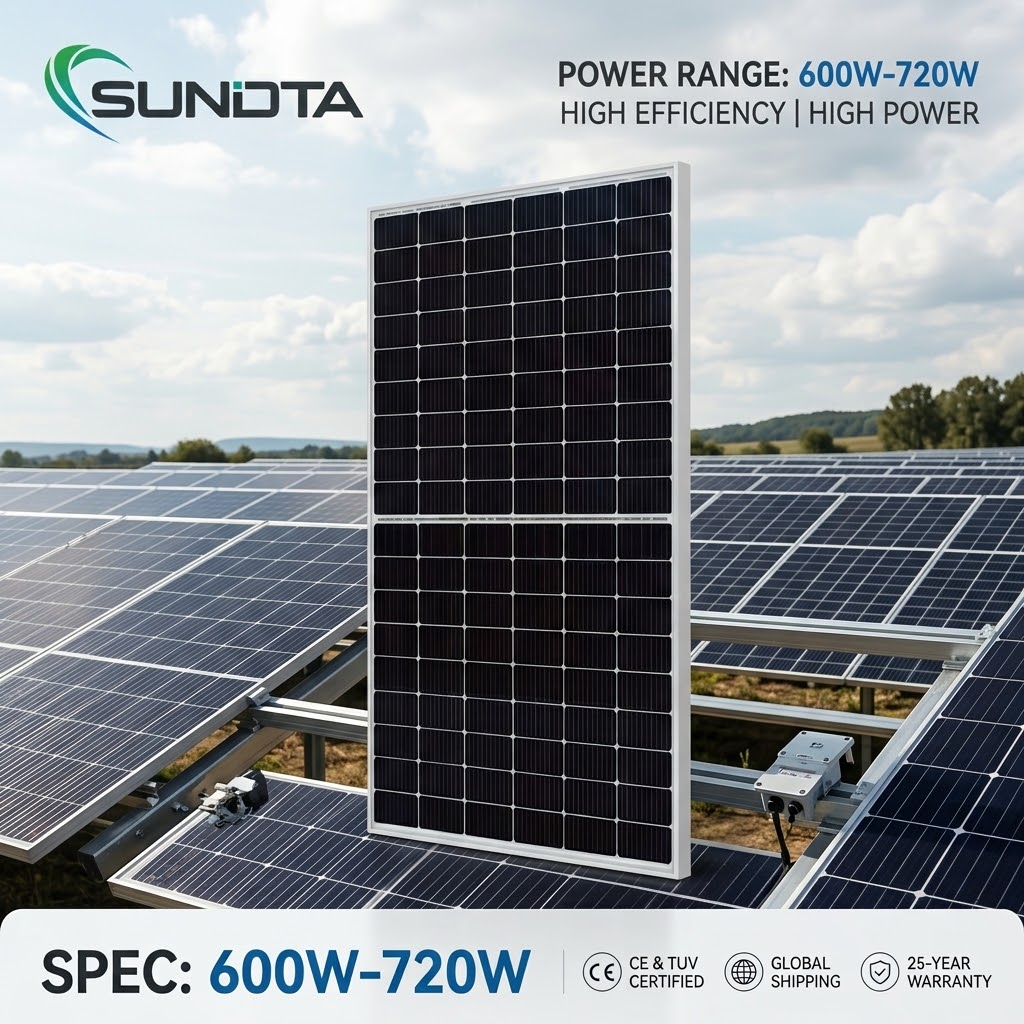
Pioneering ultra-low temperature coefficient Heterojunction (HJT) cell architectures, high-yield bifacial glass modules, and matched C&I energy storage systems engineered for Managua’s tropical irradiance and grid conditions.

25.6%
HJT Cell Conversion Efficiency
-0.26%/°C
Superior Pmax Temp Coefficient
2GW+
Annual Module Manufacturing Depth
90%
Bifaciality Ratio for Albedo Yield
Export-Grade Portfolio

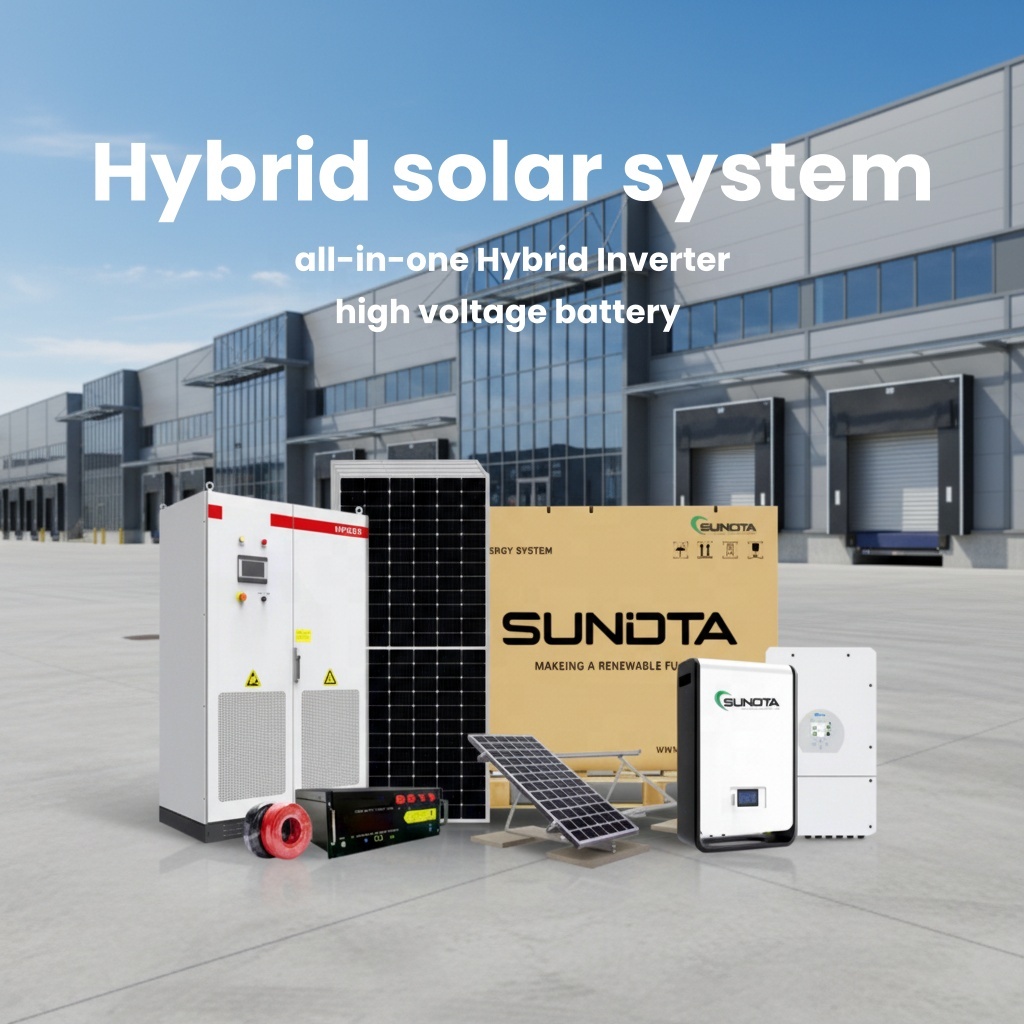
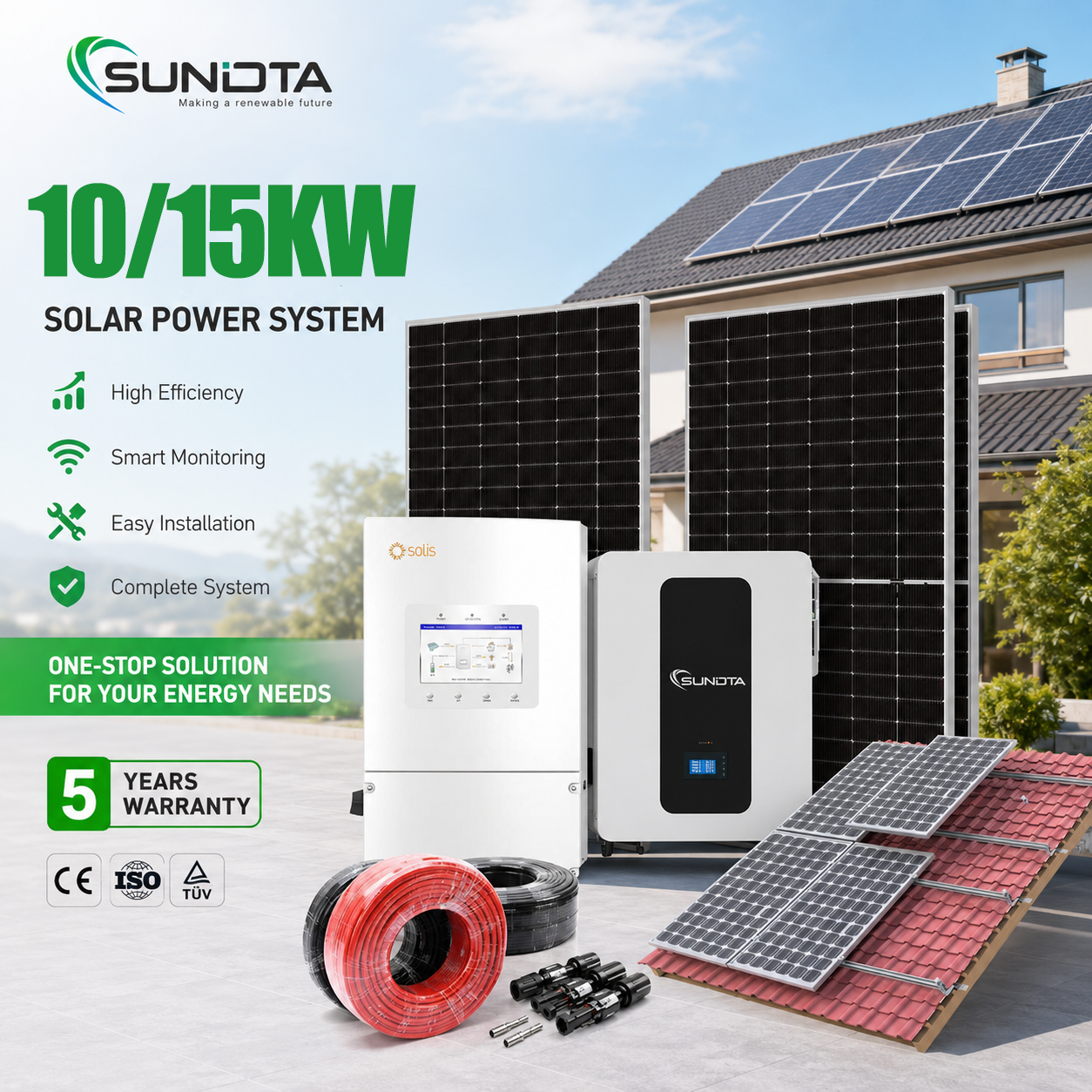
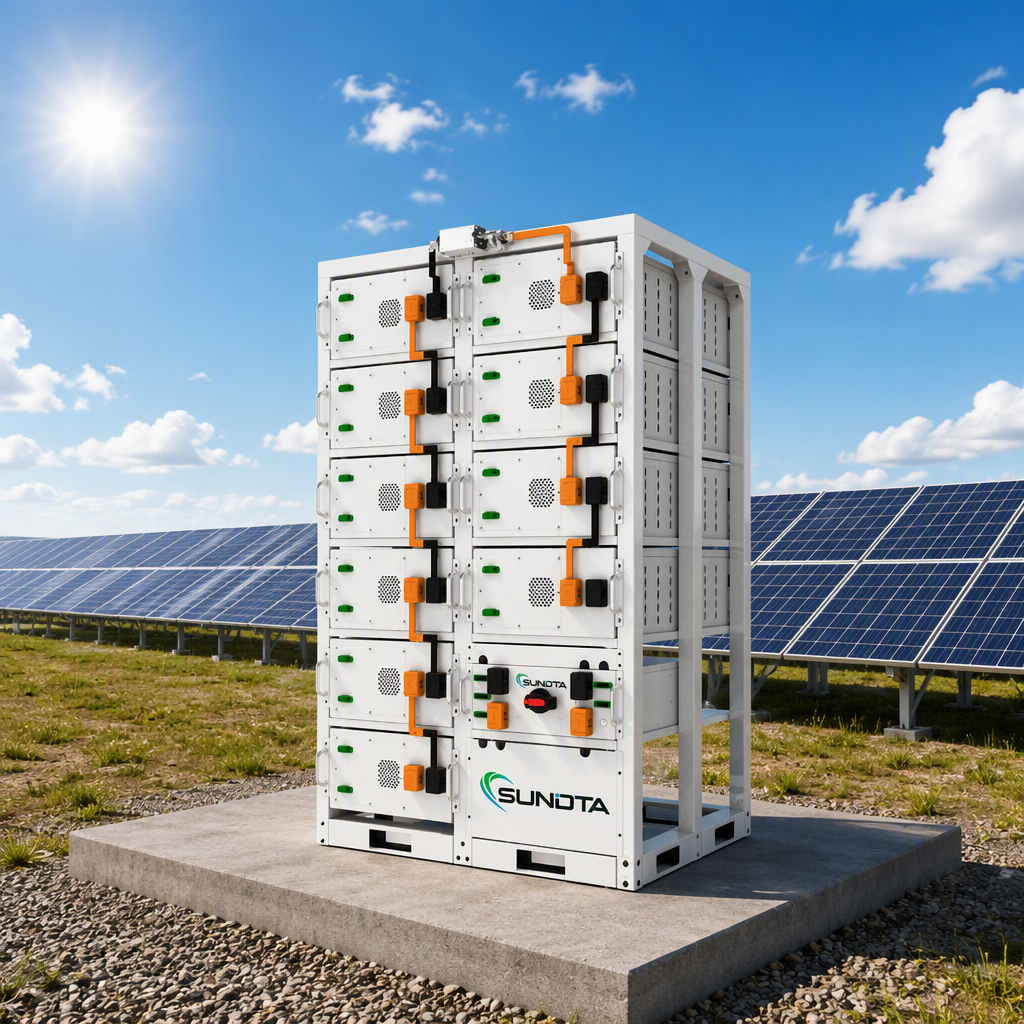
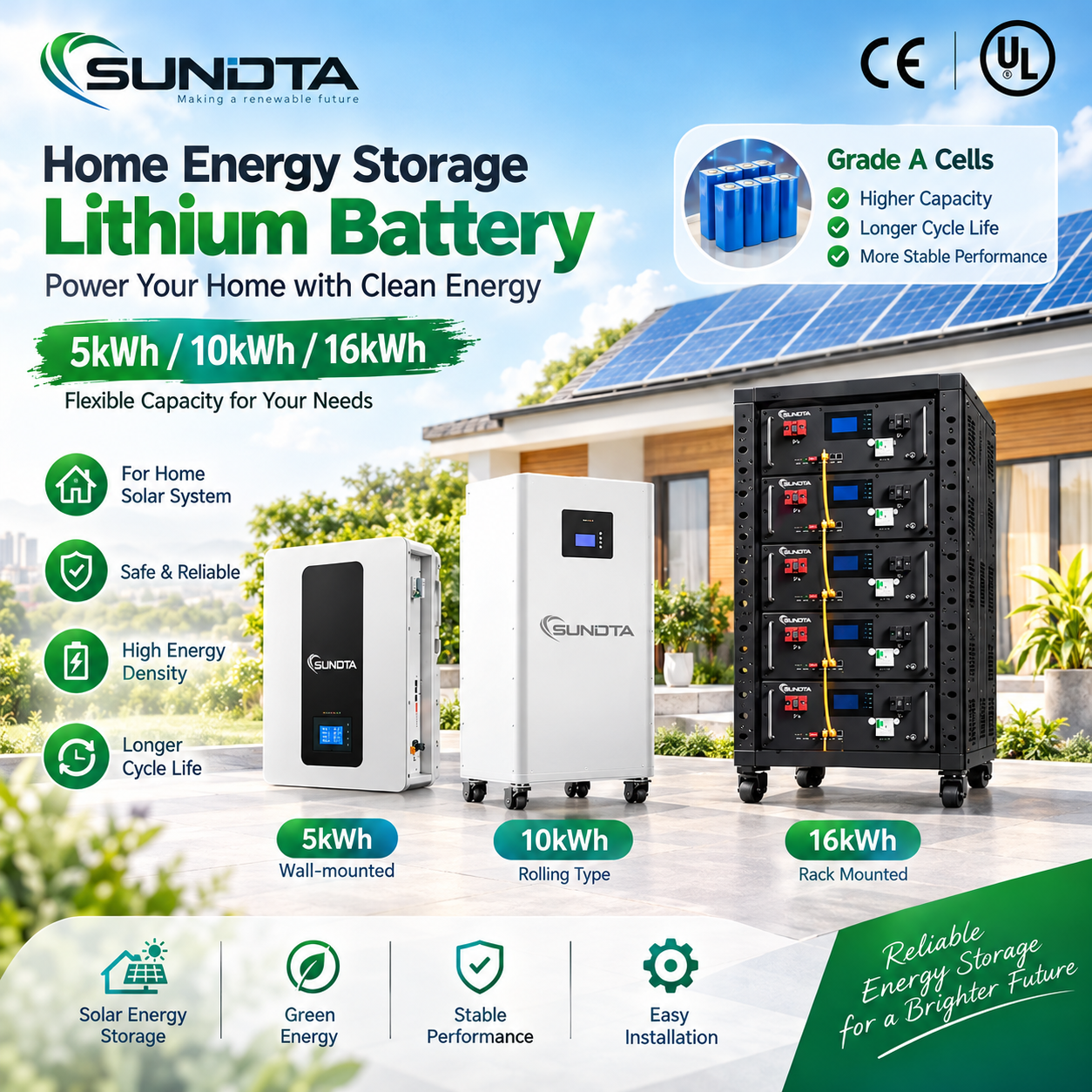
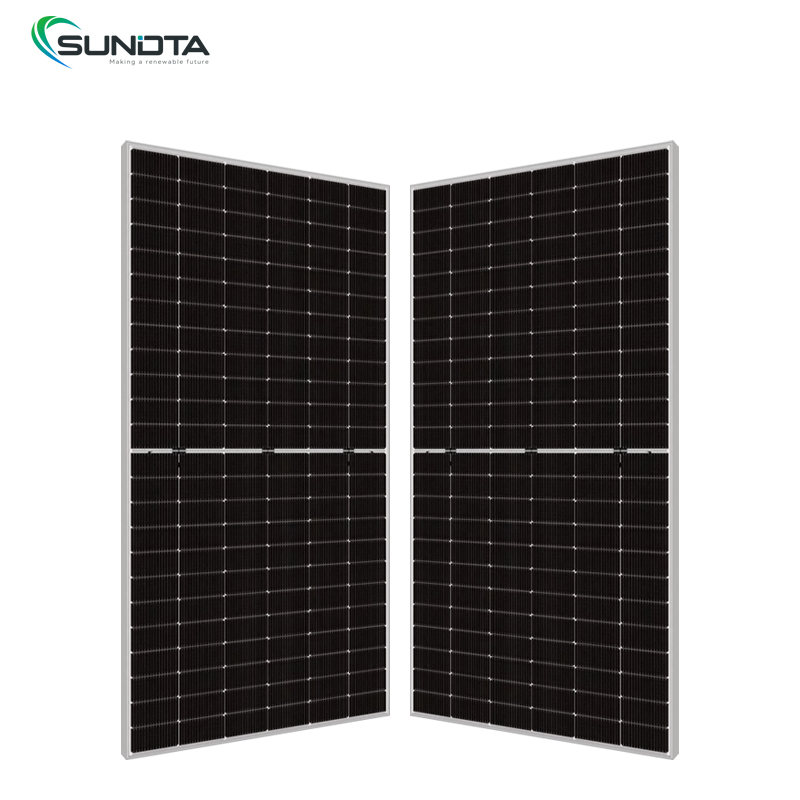
Matched Photovoltaic Modules & ESS Configurations for Managua

Every component is engineered to eliminate field-level mismatch. Sourced with factory-direct OEM/ODM adaptability, TÜV Rheinland verification, and rigorous quality inspection protocols.

Engineering Whitepaper

Why Heterojunction (HJT) Technology Outperforms TOPCon & PERC in Managua

Nicaragua’s capital experiences ambient midday temperatures exceeding 34°C, pushing rooftop PV surface temperatures well beyond 65°C. In such tropical climates, nominal STC efficiency ratings are misleading.

Performance Metric Standard P-Type PERC N-Type TOPCon RJV Heterojunction (HJT) Strategic Advantage for Managua Installers
Temperature Coefficient (Pmax) -0.35% / °C -0.30% / °C -0.26% / °C Delivers 4.8% to 6.2% more real-world kWh during Managua’s high-heat midday peaks.
Bifaciality Factor 70% ± 5% 80% ± 5% 90% ± 5% Substantially higher rear-side yield on white commercial membrane roofs and basalt ground arrays.
Light Induced Degradation (LID) 1.5% - 2.0% first year 0.5% - 1.0% first year 0.0% (Zero LID) No Boron-Oxygen defects; avoids initial yield collapse observed in early operational cycles.
Degradation Rate (Years 2–30) -0.55% / year -0.40% / year -0.25% / year Guarantees 88% residual power output at Year 30, securing long-term PPA financial bankability.
Cell Manufacturing Steps 10 - 12 processing stages 16 - 19 processing stages 4 low-temp steps Fewer mechanical stresses during wafer handling yield minimal micro-cracking during ocean freight to Puerto Corinto.

Heterojunction technology integrates the advantages of crystalline silicon with the passivating characteristics of thin-film amorphous silicon. Because the conductive transparent oxide (TCO) layers do not exhibit high resistive losses under diffuse sunlight, HJT modules generate power earlier at sunrise and later toward sunset—capturing Managua's wet season diffuse solar radiation significantly better than conventional front-surface passivated modules.

Local Deployments

Tailored PV Integration Across the Managua Metro Corridor

From free trade manufacturing centers along Carretera Norte to off-grid agro-processing facilities in neighboring departments, our OEM/ODM configurations adapt to regional electrical characteristics.

Industrial Parks (Zonas Francas)

Peak-Shaving & Demand Charge Curtailment

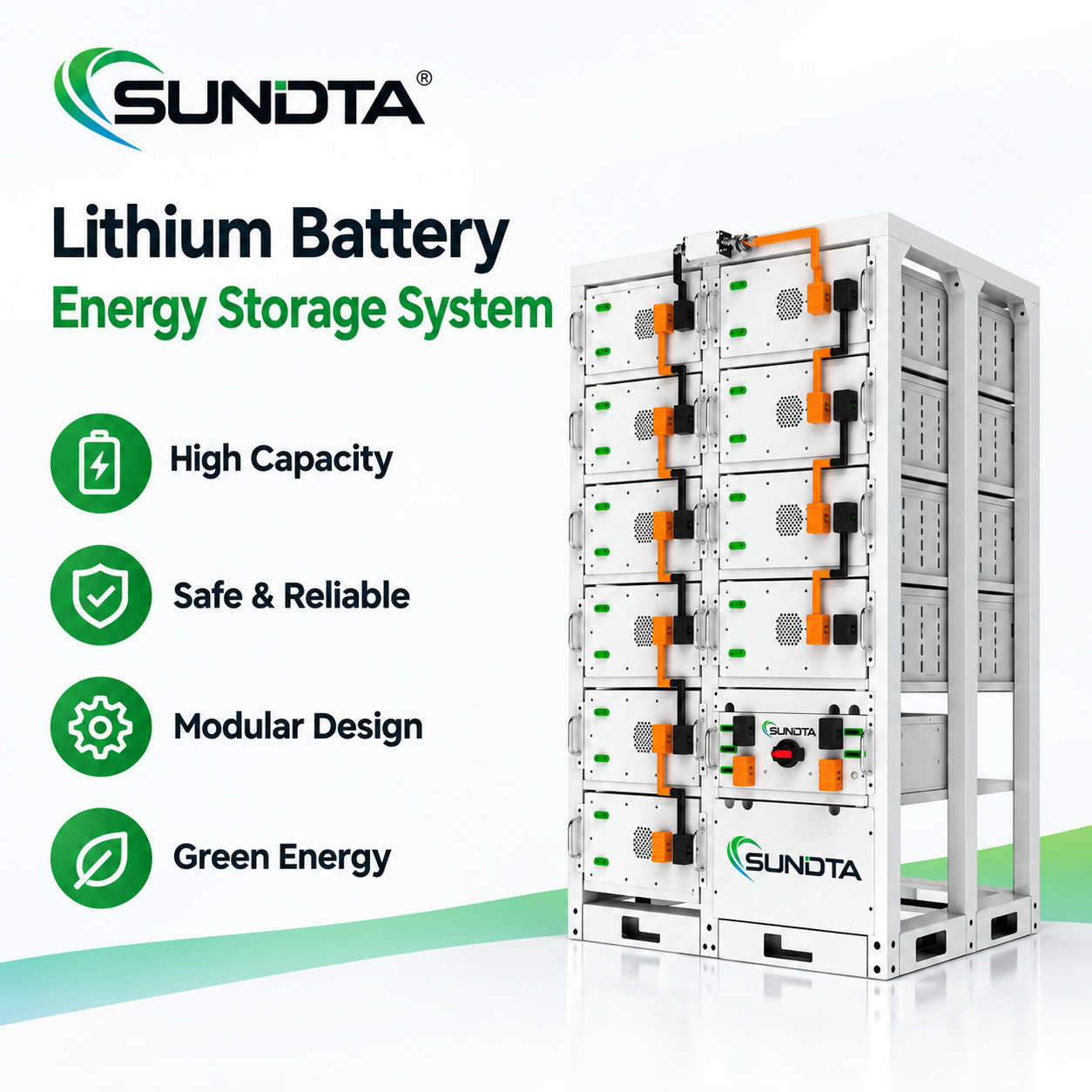
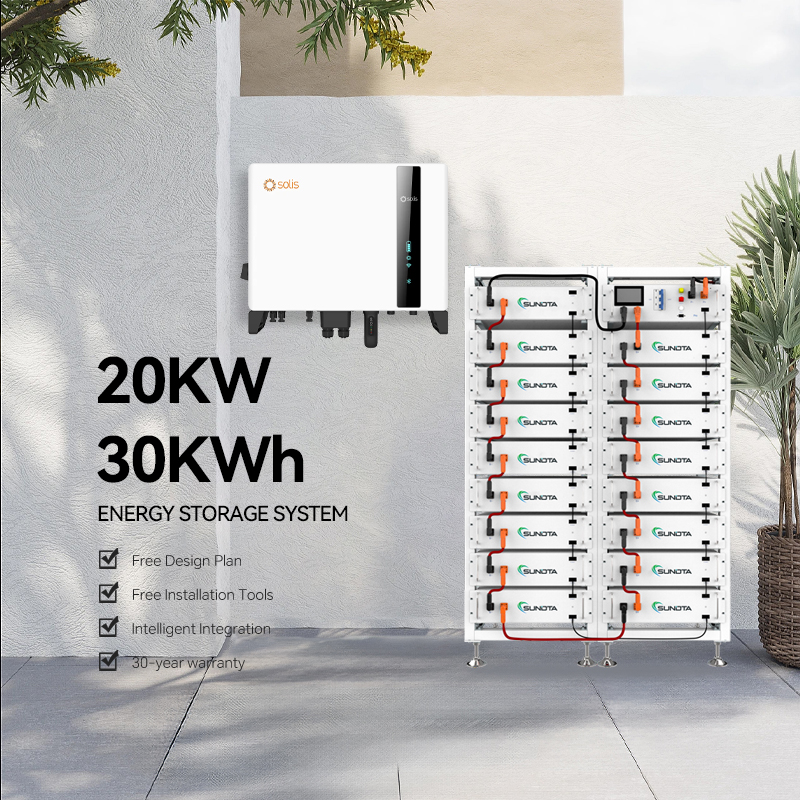
Along Carretera Norte, high commercial tariff band multipliers severely penalize maximum peak demand (kW). Pairing our 700W+ Sodenergy N-Type modules with SDT-280 HV LiFePO4 battery cabinets enables factories to program automated discharge routines during 17:00–21:00 peak hours, drastically reducing monthly electricity utility outlays under Disnorte-Dissur tariffs.

Cold Storage & Meat Processing

Continuous Three-Phase Voltage Stabilization

Frequent localized brownouts and voltage fluctuations can permanently damage expensive refrigeration compressors in Tipitapa and Ciudad Sandino. Our Deye 50kW three-phase hybrid architectures switch dynamically in less than 10 milliseconds, maintaining balanced 380V/220V power to production lines without thermal stress or refrigeration disruption.

Lake Managua & Volcanic Basalt Corridors

Anti-PID & Salt-Mist Resistant Distributed Microgrids

Lake Xolotlán's high humidity combined with volcanic soil sulfur traces accelerates potential-induced degradation (PID) on inferior solar arrays. Our bifacial dual-glass modules use cross-linked POE (polyolefin elastomer) encapsulation, providing moisture permeability resistance near zero and maintaining insulation resistance across severe tropical rainy seasons.

Market Drivers & Policy Alignment

Nicaragua's Energy Landscape: Navigating Disnorte-Dissur Grid Realities

Nicaragua’s commitment to generating over 70% of its electricity from renewable sources has transformed the regulatory environment for private solar investments. Law 532 (Law for the Promotion of Renewable Electricity Generation) provides fiscal exemptions on import tariffs (DAI) and value-added tax (IVA) for qualified solar components.

However, strict technical norms enforced by the Instituto Nicaragüense de Energía (INE) require grid-connected systems to prevent harmonic distortion, control reverse power injection, and meet frequency ride-through conditions. Our Solis and Deye hybrid inverters are fully equipped with rapid grid decoupling, integrated zero-export CT limitations, and remote reactive power control, allowing Managua EPCs to pass municipal and utility interconnection audits swiftly.

Zero-Export Functionality Conforms to strict regional utility connection codes
Import Duty Exemptions Documentation prepared for Law 532 tax clearance
Enterprise Strengths

Why Central American EPCs & Sourcing Heads Partner with RJV

From our headquarters in Hefei to overseas ports, Anhui RJV New Energy eliminates supply chain frictions with verified quality standards and end-to-end BOM synchronization.

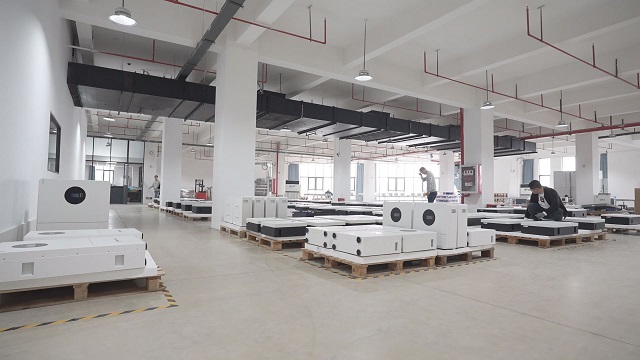
2 GW Automated Production

Advanced cell and module fabrication lines featuring non-destructive laser cutting, high-density ribbon interconnection, and multi-stage automated optical inspection (AOI) to prevent micro-fissures.

TÜV Rheinland Assessed

On-site supplier facility verification by TÜV Rheinland. Full compliance with CE, IEC 61215, IEC 61730, and UN38.3 battery transport standards ensures hassle-free import clearance at Corinto and Sandino airports.

Matched PV + Inverter + BMS

Eliminate on-site inverter-battery handshake timeouts. We pre-commission communication protocols (CAN/RS485) between Deye/Solis inverters and our LiFePO4 battery modules before packing.

Full OEM/ODM Flexibility

Customized dimensions, black-frame aesthetics, tailored front junction box lengths, private labeling, and regional packaging options designed to withstand long ocean transits and tropical humidity.

Procurement FAQ

Frequently Asked Questions by Managua Solar Importers

Clear answers addressing technical compatibility, shipping logistics, Incoterms, and municipal grid integration for Nicaragua projects.

What is the typical shipping lead time and routing to Managua, Nicaragua?

Ocean shipments typically depart from Ningbo or Shanghai, routing through transit hubs to Puerto Corinto on Nicaragua's Pacific coast. Maritime transit time generally averages 28 to 35 days. From Puerto Corinto, bonded customs ground transport delivers full container loads (FCL) directly to Managua's fiscal warehouses within 48 to 72 hours following regulatory clearance.

How do RJV HJT and bifacial modules handle Managua's wet season volcanic dust?

Our solar modules utilize specialized hydrophobic, anti-reflective front glass with self-cleaning properties that facilitate dust shed during the daily downpours of the rainy season (invierno). Furthermore, bifacial glass designs capture indirect light on their rear surface even if light soiling temporarily dims direct front illumination, mitigating seasonal drop-offs.

Can your hybrid inverters be configured for Managua's split-phase and three-phase grids?

Yes. We supply dedicated low-frequency split-phase (120V/240V) inverters for residential applications, as well as three-phase hybrid inverters (220V/127V or 380V/220V) that comply precisely with Disnorte-Dissur transformer connections. Inverter firmware supports unbalanced phase outputs, preventing phase-loss alarms when one line carries heavy cooling loads.

What documentation do you provide for Law 532 customs duty tax exemptions?

We deliver complete, authenticated document dossiers including Bill of Lading (B/L), commercial invoices with exact HS Code tariff classifications (8541.43.00 for PV modules, 8504.40 for inverters, and 8507.60 for LiFePO4 batteries), detailed packing lists, factory test flash reports, and certificate of origin (CO) documentation needed for expedited Ministry of Energy and Mines (MEM) and customs tax exonerations.

What is the minimum order quantity (MOQ) for custom OEM module branding?

Standard RJV-branded modules and stock hybrid inverters are available starting from single pallets or sets (e.g., 1 unit for inverters/batteries). For custom OEM branding—including customized backsheets, client junction box logos, tailored frame colors, and specialized carton packaging—our MOQ is typically one 20GP or 40HQ container load.

Accelerate Your Solar Supply Line in Managua

Consult with RJV engineering specialists to configure your bill of materials, calculate specific temperature-loss advantages, or secure container allocation for upcoming project tenders.