High-Torque Inverters & Tier-1 Matched Energy Storage Systems
Pre-configured for Latin American 60Hz split-phase grids (120V/240V) and zero-downtime off-grid microgrids in Quetzaltenango (Xela), Totonicapán, and San Marcos.
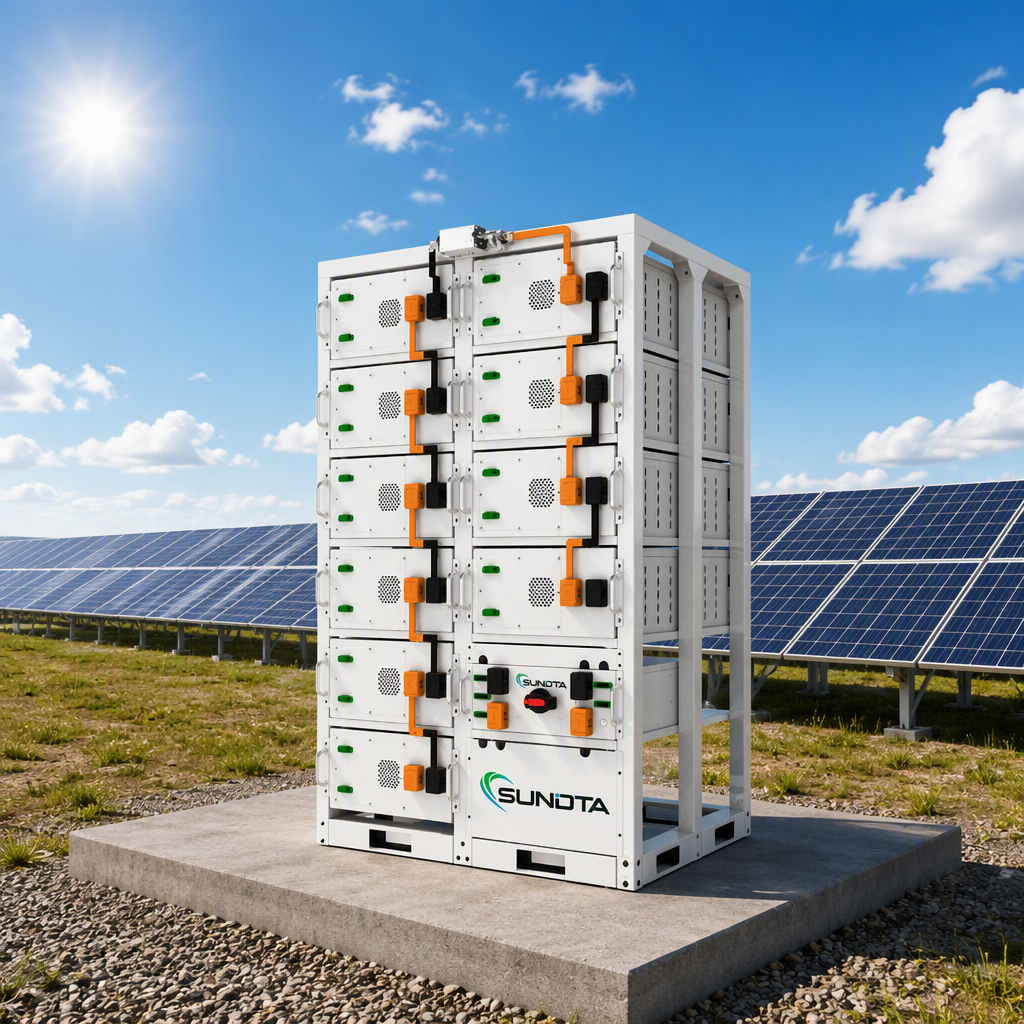
SUNDTA SDT-280 Commercial High Voltage LiFePO4 Energy Storage System 40-100kWh Air-Cooled Battery Cabinet for Hybrid/Off/On-Grid
- Capacity: 40kWh to 100kWh Scalable
- Prismatic 280Ah LiFePO4 Cells
- Built-in HVAC & Aerosol Fire Suppression
- High-Voltage BMS Architecture
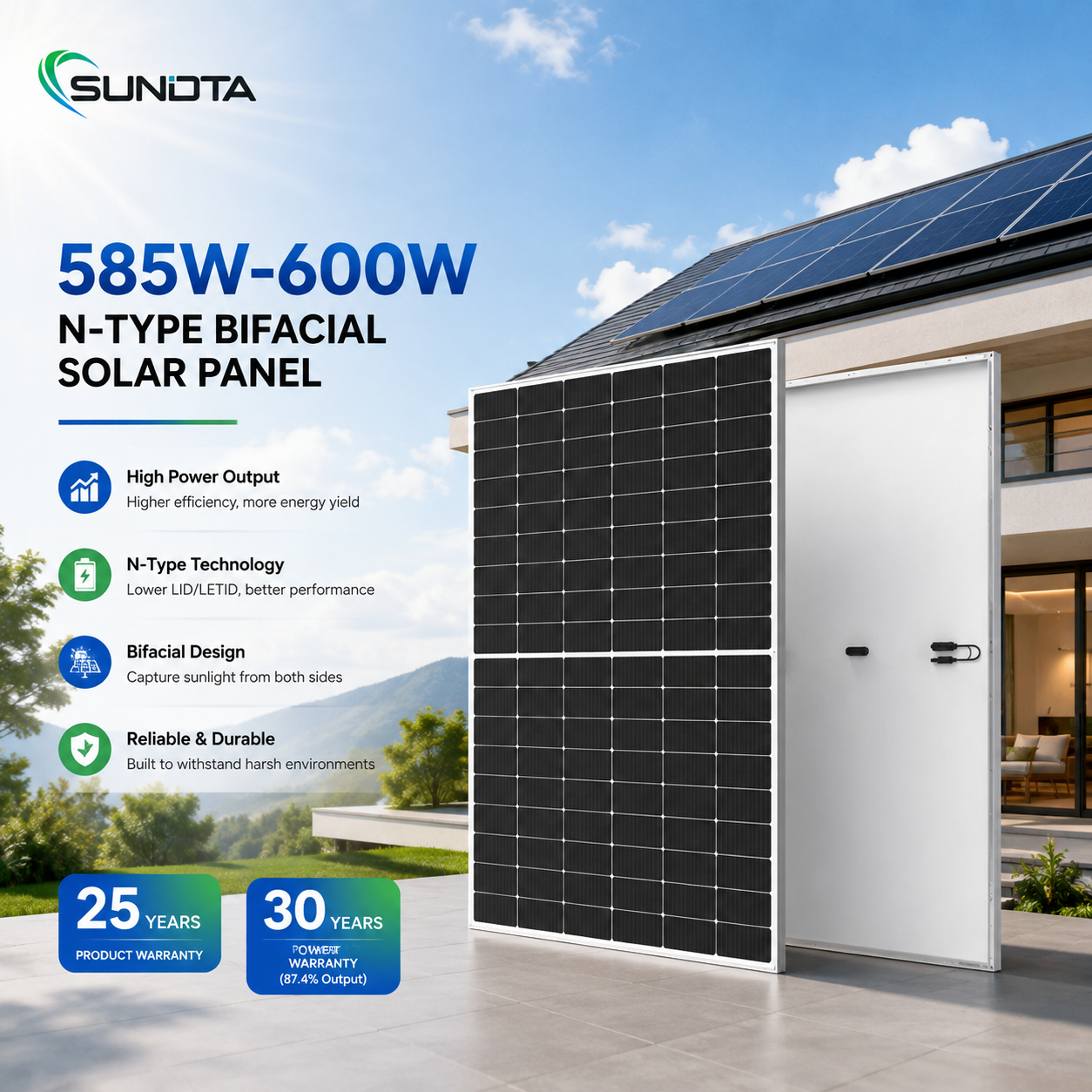
585W-595W Premium N-Type Bifacial PV Module | Monocrystalline Solar Panel for High-Yield Energy Generation
- Module Efficiency: 22.8% – 23.1%
- N-Type TOPCon Cell Architecture
- Up to 25% Rear-Side Bifacial Yield
- Dual-Glass High Snow/Wind Load
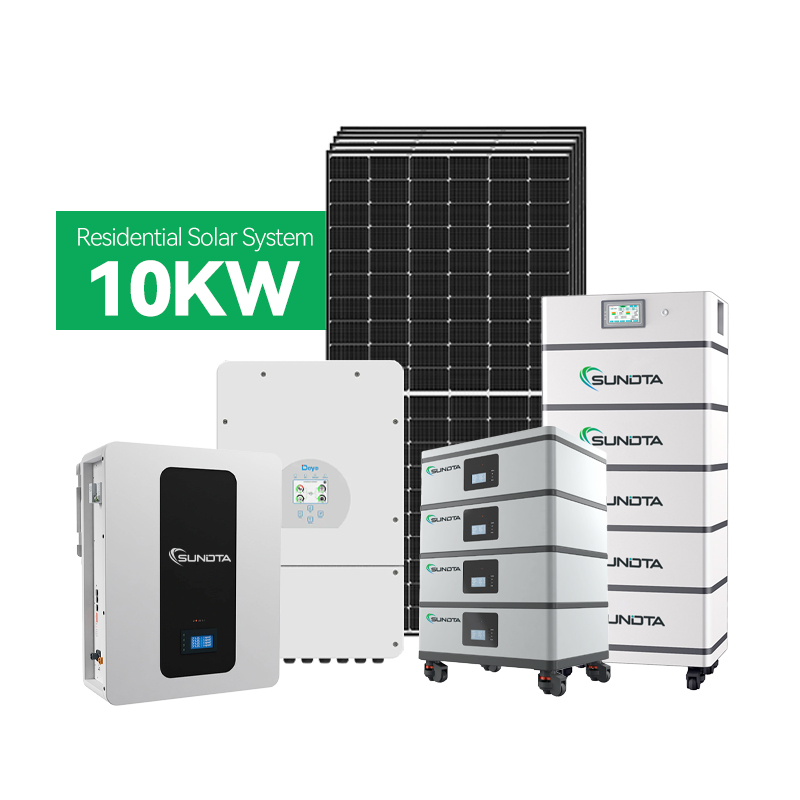
Stock Available Sundta 5KW 8KW 10KW 12KW 15KW 20KW New Innovation Complete Solar Hybrid System Kit with Lithium Battery
- Capacity: 5kW to 20kW Hybrid Ratings
- Matched LiFePO4 Battery Included
- Plug-and-Play Pre-wired DB Box
- Rapid 10ms Auto Transfer Switch
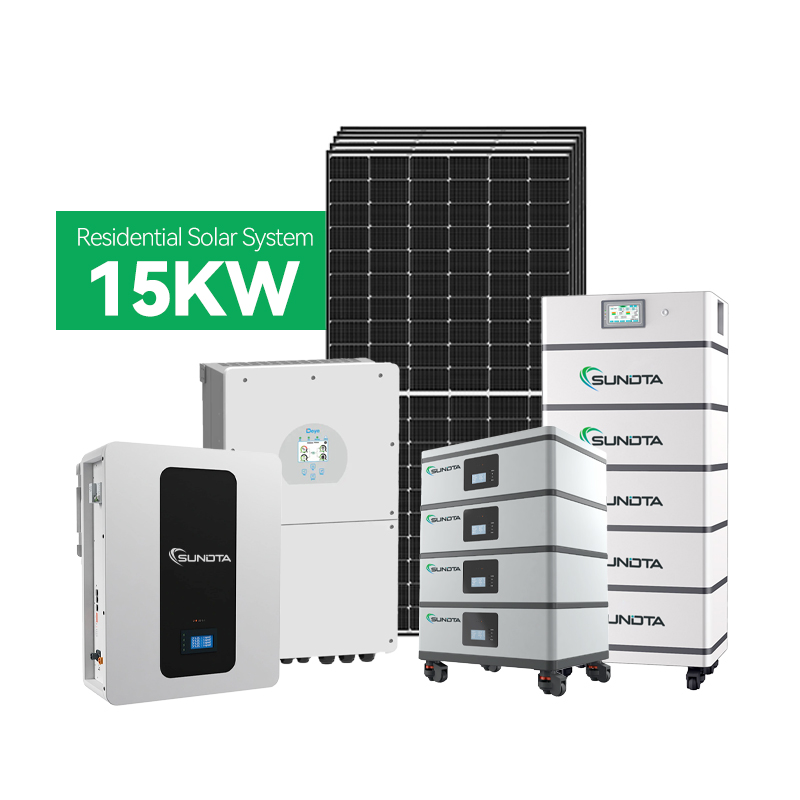
Sundta Hybrid Solar Energy System Low Price Solar Panel Kit 5KW 10KW 12KW 15KW Full Set Solar System Kit Home System
- Low-Voltage 48V Battery Topology
- Full Balance of Systems (Racking/Cables)
- Smart App Cloud Telemetry
- Diesel Generator Auto-Start Dry Contact
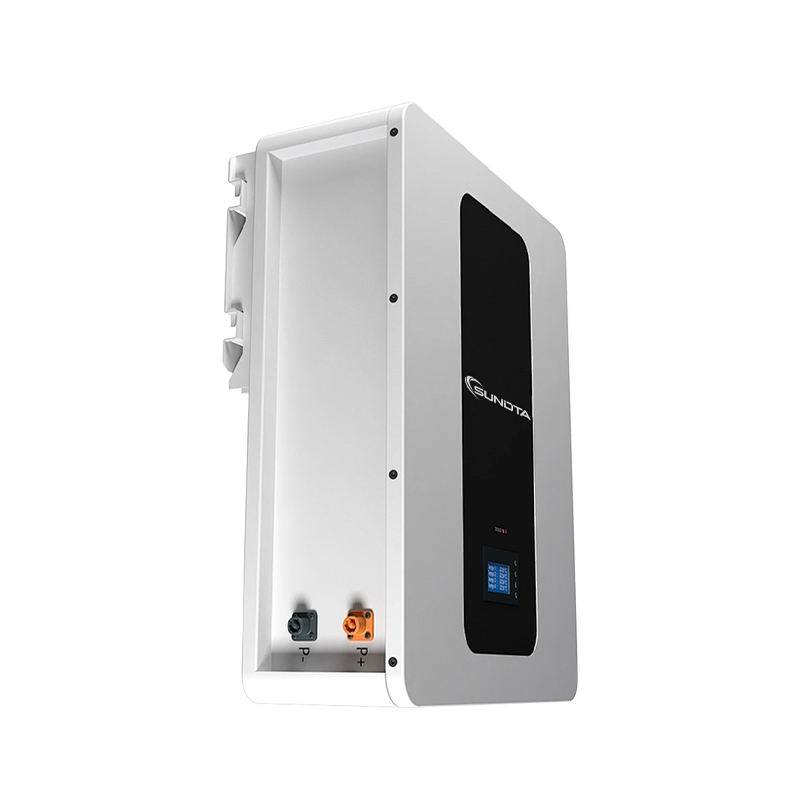
Sundta POLO-W1 LiFePO4 Lithium Battery Wall-Mounted 5kWh Home Power Storage Solar Energy System Deep-Cycle 51.2V 100Ah IP65
- 51.2V 100Ah (5.12kWh Usable)
- IP65 Wall-Mount Indoor/Outdoor
- CAN/RS485 Dual Bus Communication
- >6,000 Life Cycles @ 80% DoD
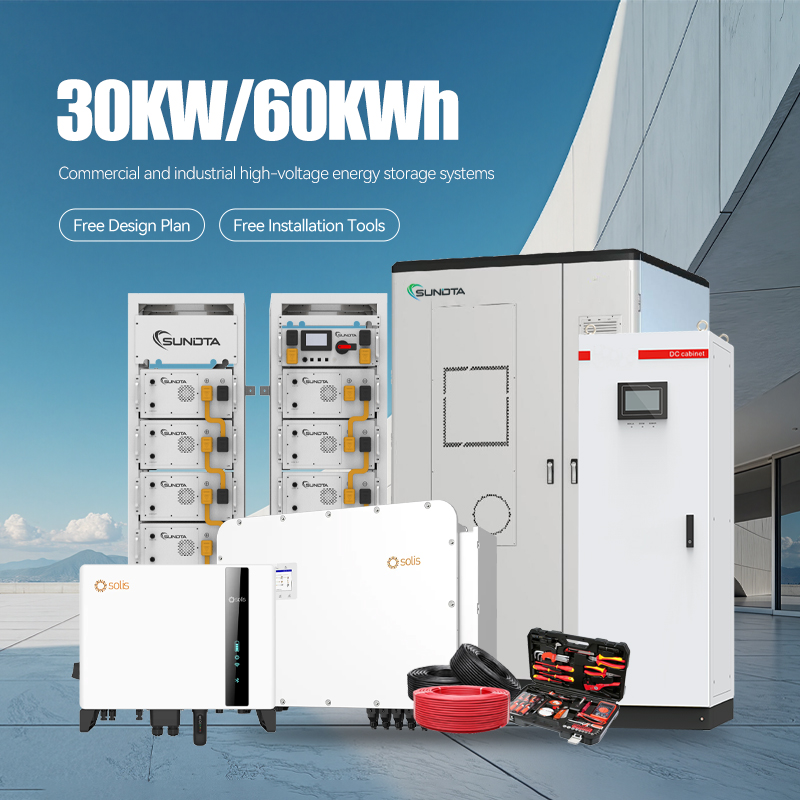
30KWH 51.2V 314AH LiFePO4 Battery Solar Energy Home Energy Storage 48v Solar Battery ALL in ONE SOLAR POWER SYSTEM
- High-Density 314Ah Prismatic Core
- 30kWh Storage in Compact Footprint
- High Current Discharge for Peak Surges
- Closed-Loop Inverter Handshake
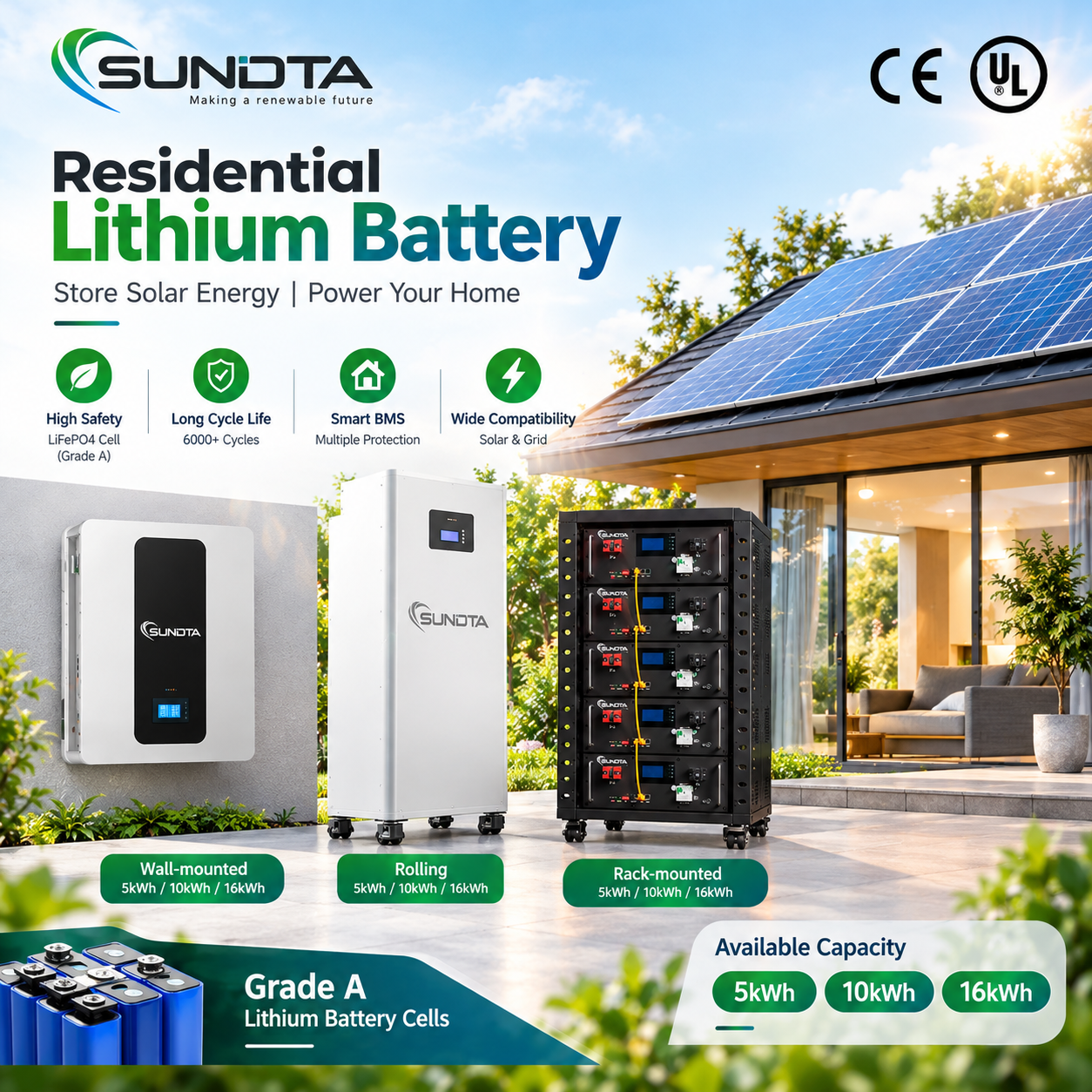
Sundta Stacked 10kWh 20kWh 30kWh Modular LiFePO4 Battery Stacked Solar Energy Storage Battery for Home Solar
- Cableless Wireless Interlocking Stack
- Flexible Capacity 10kWh–30kWh
- Automated Cell Balancing Tech
- Heavy-duty Base Plate with Casters
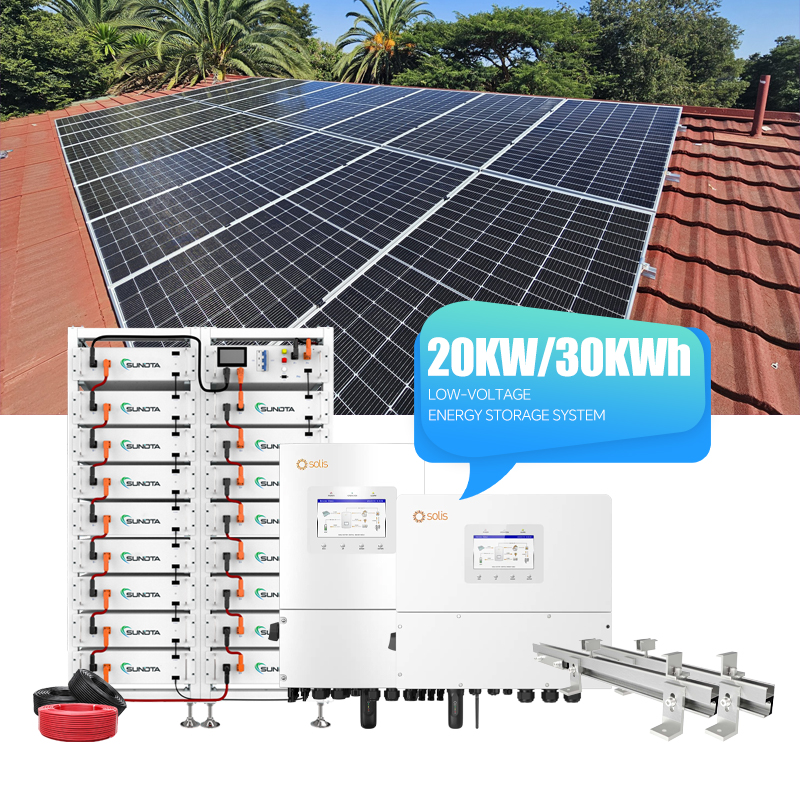
Complete Set of 20kW Solar Energy Storage System Hybrid Solar Panel Power Kits 20kW, 25kW, 30kW, 35kW With Cheap Price
- Turnkey Three-Phase 20kW–35kW
- Includes High-Yield Tier-1 Modules
- Heavy Inductive Surge Compatibility
- Export Limiting / Zero Injection Ready
Navigating Altitude, Inductive Surges, & Grid Instability in Xela
Deploying photovoltaic systems in Quetzaltenango presents unique electromechanical challenges that high-frequency (transformerless) inverters frequently fail to solve. Situated at an elevation of approximately 2,330 meters (7,640 feet) above sea level in the Sierra Madre mountain range, Quetzaltenango exhibits reduced atmospheric air density. This lower air density directly impairs convection cooling in electronic power stages, causing premature thermal derating in standard high-frequency residential inverters.
Furthermore, the local electrical distribution network—managed by the Empresa Eléctrica Municipal de Quetzaltenango (EEMQ) and interconnected with the national INDE transmission line—is characterized by chronic voltage sags, phase imbalances, and severe lightning-induced transients during the highland rainy season (May through October). Anhui RJV New Energy engineers our OEM/ODM low-frequency solar inverters with oversized, pure copper toroidal and grain-oriented silicon steel (EI core) isolation transformers.
Unlike fragile high-frequency MOSFET bridges that blow when subjected to grid spikes or reverse electromotive force (back-EMF), our heavy iron-core transformer architecture acts as an impassable galvanic buffer. It absorbs harmonic distortion, clamps high-voltage transients, and provides a continuous surge capacity of up to 300% for 20 seconds, allowing local industrial textile mills, agricultural water pumps, and commercial cold storage compressors to start smoothly without tripping inverter protections.
| Technical Parameter | High-Frequency Transformerless | RJV OEM Low-Frequency (Toroidal Transformer) | Quetzaltenango Operational Impact |
|---|---|---|---|
| Surge Capacity Ratio | 110%–120% for 10 seconds | 300% for 20 seconds (Up to 3x Rated Power) | Handles direct starting of commercial chillers, heavy looms, and submersible well pumps in the Altiplano. |
| Altitude Derating (2,330m) | Severe thermal derating (~15–20% power loss) | Oversized Copper Windings (<5% derating factor) | Guarantees continuous 100% nominal continuous output even during peak ambient temperatures and high insolation. |
| Grid Transient & Surge Immunity | Sensitive electronic suppression; frequent board failures | Heavy Galvanic Isolation via Core Inductance | Protects inverter and loads against chronic EEMQ line spikes, neutral line floating, and highland lightning strikes. |
| Harmonic Distortion (THD) | <3% under purely resistive loads only | <2.5% across highly non-linear inductive loads | Ensures precision machinery, laboratory instruments, and textile CNC controllers operate without jitter or harmonics. |
| Split-Phase Output (120V/240V) | Requires auto-transformers or unbalance limits | True dual 120V/240V windings with 100% unbalance support | Guatemalan split-phase compliance: one leg can support 100% load while the other runs idle without voltage collapse. |
OEM/ODM Engineering Tailored for Guatemalan EPCs & Wholesalers
From private labeling and firmware customization to specific AC split-phase tap adaptations, our Hefei facility manufactures bespoke power electronics built to your exact technical tender specifications.
Custom Voltage & Frequency
Factory-calibrated 60Hz 120V/240V split-phase, 120V single-phase, or 127V/220V three-phase wye outputs matching Guatemalan utility standards.
Firmware & BMS Handshake
Pre-loaded CAN/RS485 communication protocols compatible with Pylontech, Deye, RJV Sundta, and open-source LiFePO4 battery protocols.
Extreme Tropical Coating
Conformal PCB coating with military-grade polyurethane lacquer protecting control boards from volcanic sulfur dust and highland humidity.
Full OEM Packaging & Branding
Custom silk-screen chassis branding, bespoke Spanish instruction manuals, branded carton packaging, and customized LCD display splash screens.
Mission-Critical Power Deployment Across Western Guatemala
Our low-frequency solar inverters and matching LiFePO4 batteries are systematically deployed in real-world environments across Departmento de Quetzaltenango where grid failure is not an option.
Salcajá & Xela Industrial Looms
Quetzaltenango is the economic engine of Western Guatemala, famous for traditional and modern textile manufacturing. Automated looms and embroidery machinery generate continuous inductive kickback and harmonic feedback.
- Low-frequency toroidal cores absorb heavy inductive loads without faulting.
- Eliminates expensive production downtime during daily municipal voltage drops.
- Integrates with RJV 585W TOPCon modules to reduce commercial utility peak tariffs.
Highland Coffee & Vegetable Packing
Agricultural cooperatives in the outskirts of Quetzaltenango (Almolonga, Zunil, and San Juan Ostuncalco) rely on refrigeration, sorting conveyers, and coffee de-pulping machines operating during harvest cycles.
- 3x peak surge powers refrigeration compressors during zero-grid periods.
- Automatic generator integration for hybrid microgrid continuity.
- Resistant to morning dew condensation and wide temperature swings (+4°C to +26°C).
Clinics, Data Nodes & Off-Grid Estates
Private healthcare facilities, telecom relay towers on highland peaks, and off-grid mountain eco-lodges require ultra-stable electricity with less than 2.5% total harmonic distortion (THD).
- Pure sine wave output protects sensitive ultrasound, X-ray, and server systems.
- Ultra-fast 8ms to 10ms transfer switch functions as an uninterrupted power supply (UPS).
- Couples with RJV 30kWh LiFePO4 batteries for multi-day autonomy.
Solar Trends Across Guatemala's Altiplano Occidental
The renewable energy landscape in Guatemala has accelerated rapidly under the regulatory frameworks governed by the Comisión Nacional de Energía Eléctrica (CNEE). While net metering and distributed generation regulations (Norma Técnica de Generación Distribuida Renovable) allow commercial and residential consumers to feed energy back into the distribution grid, localized transmission congestion in Western Guatemala creates persistent power quality degradation.
Commercial users in Quetzaltenango face punishing demand charges and volatile electric rates under municipal utility concessions. Consequently, EPC contractors and enterprise buyers are pivoting heavily toward **hybrid energy storage systems (HESS)**. The historical reliance on noisy, fuel-expensive diesel generators is rapidly diminishing due to escalating fuel and maintenance costs. Instead, hybrid low-frequency inverters connected to long-cycle LiFePO4 battery banks are now being deployed as the primary baseload backup.
With Quetzaltenango averaging 5.2 to 5.8 peak sun hours (PSH) per day and experiencing lower ambient temperatures that boost solar module voltage efficiency, the return on investment (ROI) for industrial and residential solar installations in Xela has narrowed to just 3.2 to 4.5 years. EPCs sourcing directly from verified Chinese tier-1 OEM manufacturers gain immense pricing power and installation reliability in this rapidly maturing market.
Why Tier-1 Importers Partner with Anhui RJV New Energy
Operating from Hefei, China, our advanced manufacturing park combines automated photovoltaic module production with comprehensive power electronics assembly and stringent quality assurance.
TÜV Rheinland Audited
Factory operations, lean assembly workflows, and testing laboratories have undergone full on-site assessment and validation by TÜV Rheinland for complete buyer protection.
System-Level Compatibility
Inverter MPPT tracking windows, battery BMS communication protocols (CAN/RS485), and PV strings are engineered and pre-tested as a unified bill of materials (BOM).
100% Full-Load Burn-In
Every low-frequency inverter unit undergoes strict 4-hour full-load inductive burn-in testing and high-voltage dielectric isolation tests before container departure.
Guatemala Export Logistics
Experienced handling of FOB China ports and CIF delivery directly to Puerto Quetzal (Pacific) or Santo Tomás de Castilla (Atlantic), complete with pre-cleared documentation.
Frequently Asked Questions by Guatemalan EPCs & Importers
Detailed technical, logistical, and commercial inquiries answered by our application engineering department.
Why is a low-frequency inverter superior to a high-frequency inverter for Quetzaltenango installations?
Can RJV supply true 60Hz split-phase 120V/240V configurations for Guatemalan residential and commercial panels?
How do you handle shipping and customs clearance documentation for shipments to Guatemala?
Are RJV low-frequency inverters fully compatible with LiFePO4 batteries and BMS protocols?
What is the Minimum Order Quantity (MOQ) for custom OEM branding and private labeling?
How does Anhui RJV guarantee after-sales technical support across Central American time zones?
Accelerate Your Solar Business in Quetzaltenango
Partner directly with Anhui RJV New Energy Co., Ltd. Eliminate middleman markups, acquire rugged low-frequency solar inverters engineered for highland altitudes, and receive engineered system drawings within 24 hours.