Engineered On-Grid & Hybrid PV Solutions for Mazar-i-Sharif
Compatible, pre-tested balance-of-system assemblies engineered to stabilize unstable grid inputs, withstand extreme thermal spikes, and eliminate daytime commercial reliance on diesel fuel.
Emergency Backup Whole House Hybrid Solar Power System 15kW-50kW
Off Grid Hybrid Solar Energy Storage System 20KW-40KW
51.2V Split All-in-One Solar Battery Inverter System 30kWh
Sundta 51.2V 200Ah 10kWh LiFePO4 Battery Wall Mounted
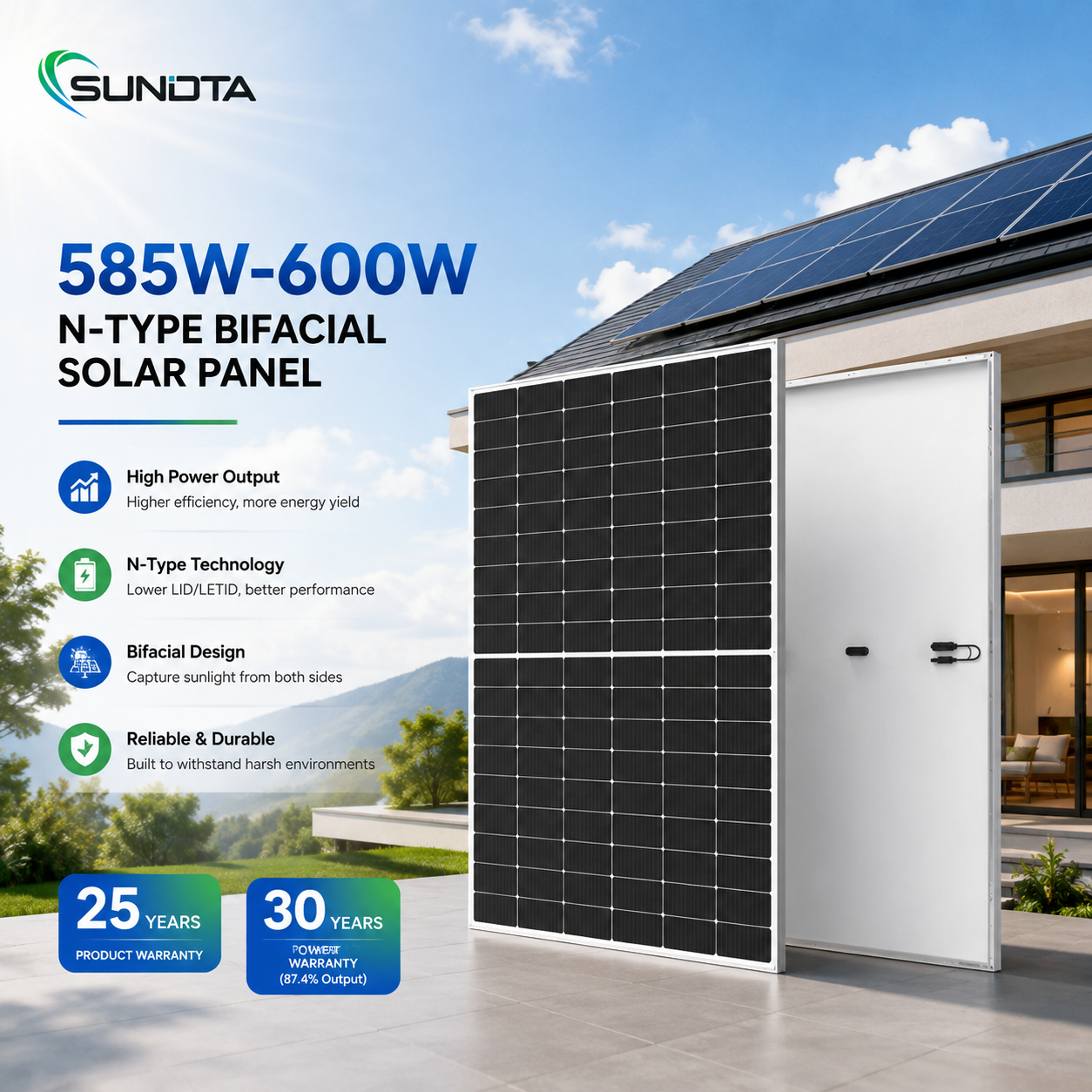
585W-595W Premium N-Type Bifacial PV Module
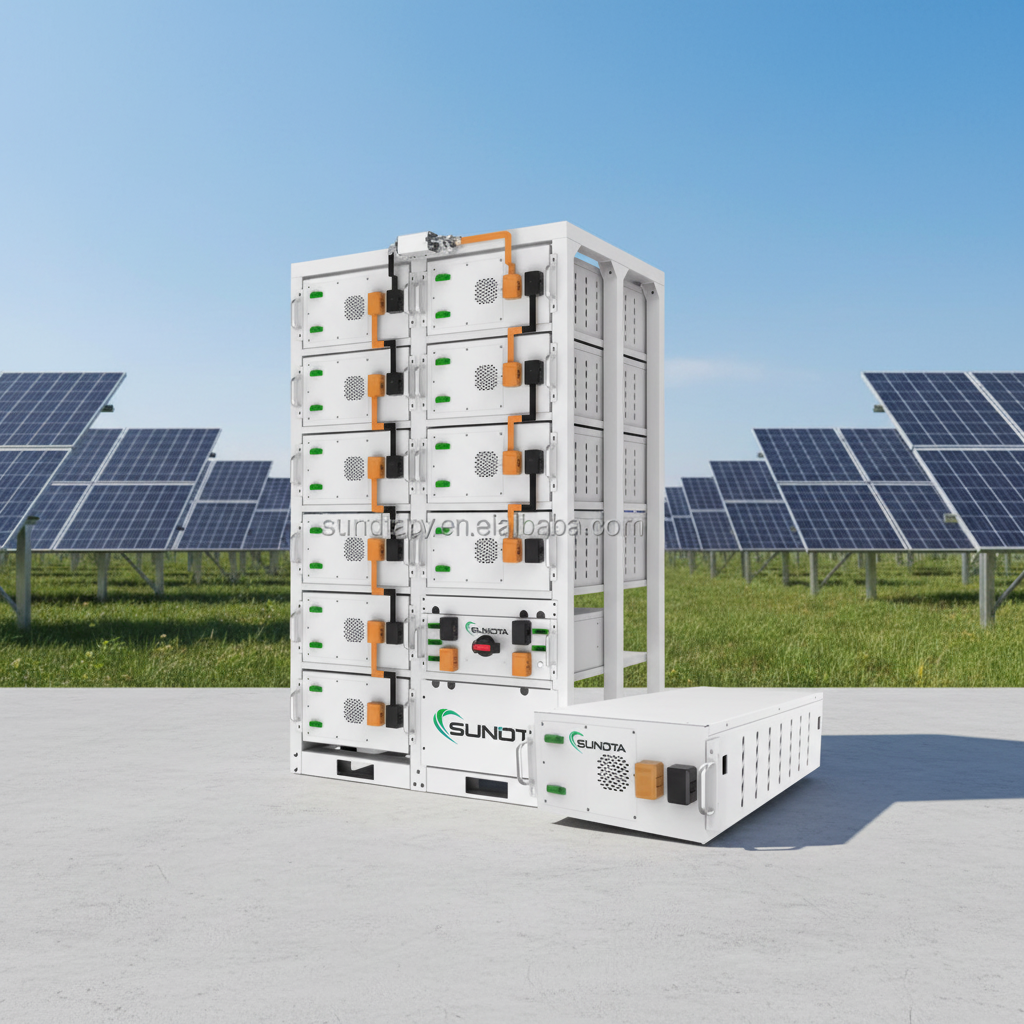
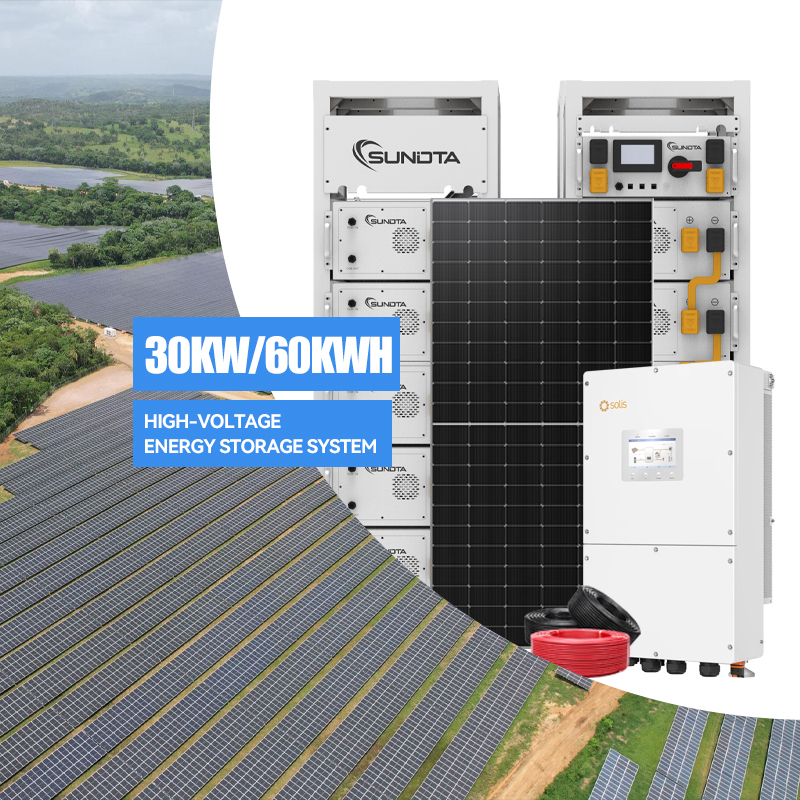
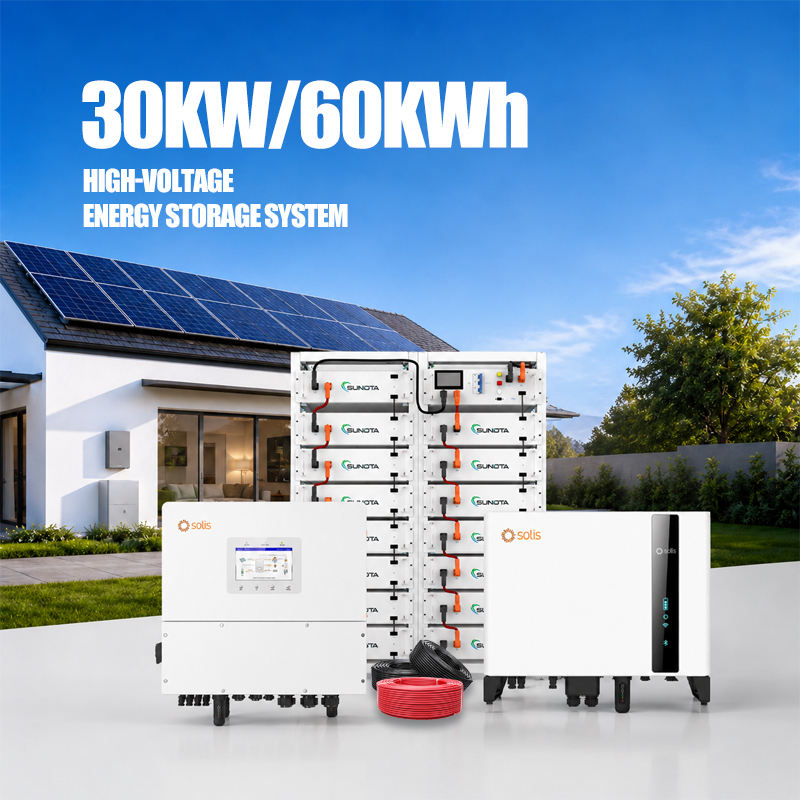
Commercial High Voltage LiFePO4 Energy Storage System 40kWh-100kWh
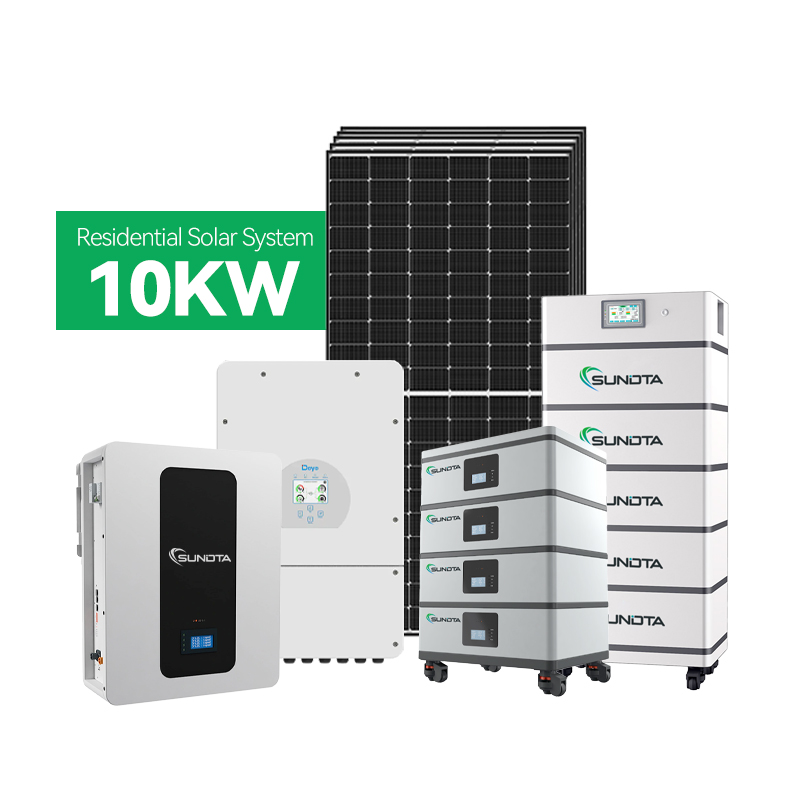
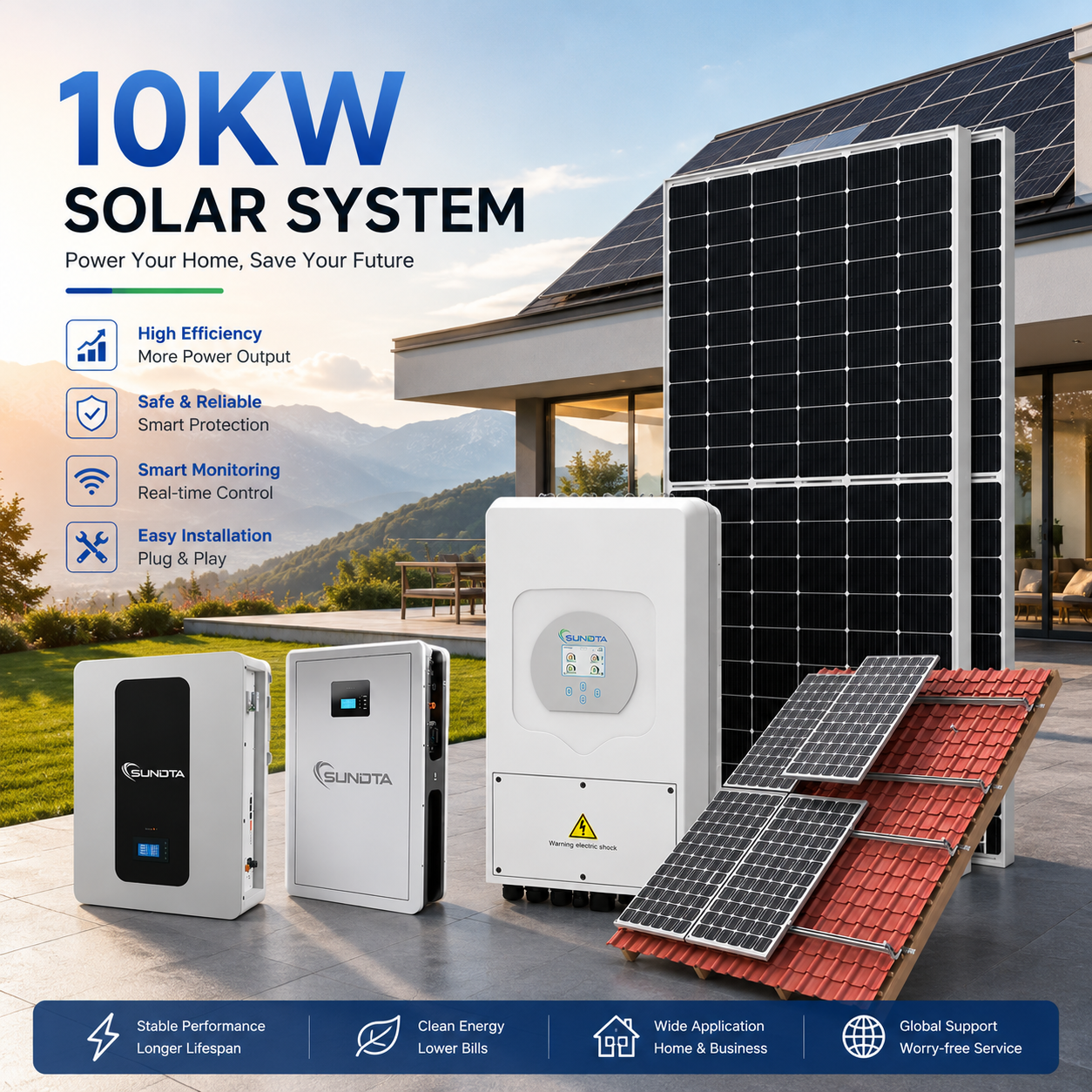
2026 Sundta 10KW 12KW Hybrid Solar System
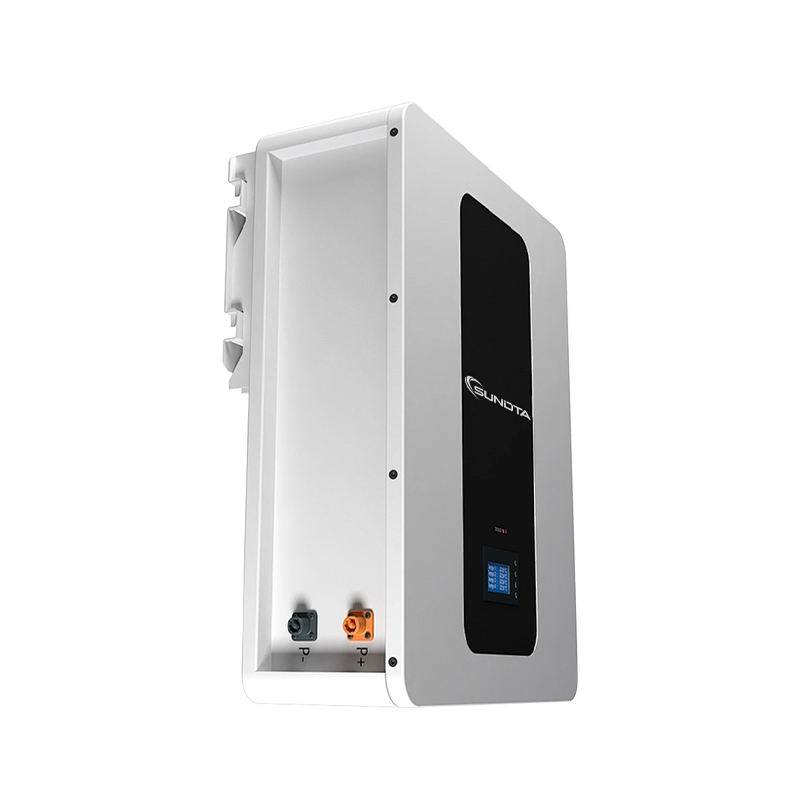
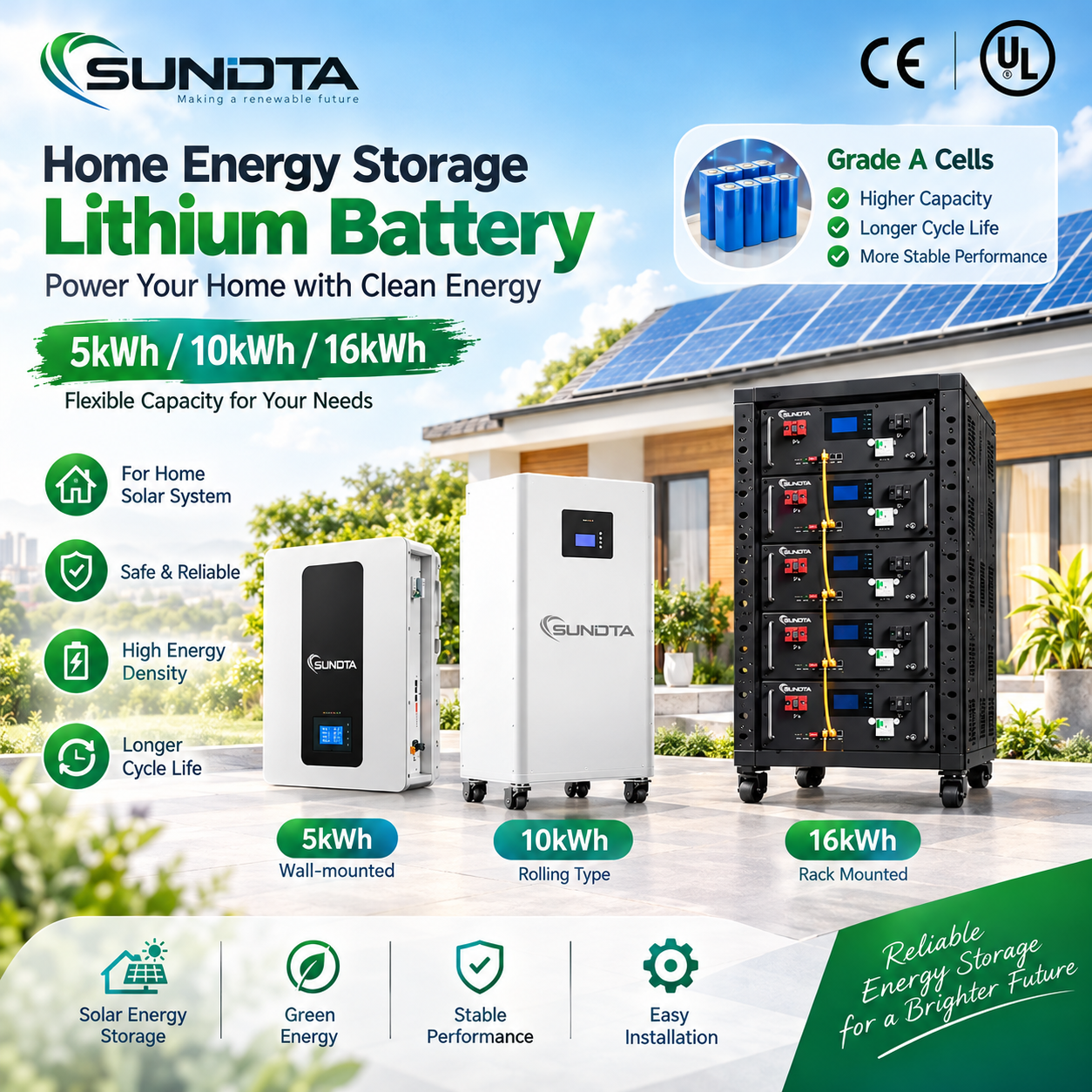
Sundta POLO-W1 LiFePO4 Lithium Battery Wall-Mounted 5kWh
Grid Dynamics and Photovoltaic Imperatives in Mazar-i-Sharif (Balkh Province)
The urban center and industrial corridors of Mazar-i-Sharif occupy a unique position within the Afghan energy landscape. As the economic capital of Northern Afghanistan, its energy demand is characterized by intensive seasonal agricultural processing, expanding commercial bazaars, flour milling operations, cold storage facilities, and residential density. However, local utility generation remains virtually non-existent; the city relies overwhelmingly on cross-border transmission lines importing high-voltage power from Uzbekistan through the Hairatan border terminal.
While this cross-border interconnection nominally delivers grid electricity via the national utility, Da Afghanistan Breshna Sherkat (DABS), the reliability of this supply is plagued by severe technical vulnerabilities. Seasonal curtailments occur precisely during peak winter heating cycles and summer cooling spikes when the exporting Central Asian grid prioritizes domestic consumption. Furthermore, structural line trips along the Salang corridor and northern transmission towers routinely plunge Mazar-i-Sharif into unannounced brownouts and full-scale blackouts.
For commercial operators and modern households in Mazar-i-Sharif, deploying a standard, uncalibrated on-grid inverter frequently leads to severe operational disappointment. Conventional string inverters calibrate their anti-islanding mechanisms to strict international utility standards (such as VDE-AR-N 4105 or IEEE 1547). When exposed to Mazar-i-Sharif's real-world grid conditions—where AC voltage frequently sags to 170V or surges past 260V, and grid frequency drifts widely between 47.5 Hz and 52 Hz—standard European or American specification inverters automatically disconnect to protect their internal bridge, causing persistent plant shutdown during peak solar production hours.
As an authoritative solar equipment manufacturer with automated production lines in Hefei, China, Anhui RJV New Energy Co., Ltd. specifically engineers its on-grid and grid-interactive hybrid systems with widened AC voltage trip windows, dynamic power export limitation, and transient surge suppression designed to maintain grid-parallel synchronicity under volatile distribution network parameters.
Thermal Management and Dust Deposition Engineering in Balkh
The environmental topology of Mazar-i-Sharif presents an aggressive dual challenge for photovoltaic equipment: intense summer thermal loading exceeding 45°C ambient temperature, and heavy particulate deposition driven by northern wind patterns blowing across the Amu Darya basin. Engineering a solar system that retains high Levelized Cost of Electricity (LCOE) performance in this climate requires deep hardware-level optimization.
| Performance Parameter | Standard Market Offerings (Legacy PERC) | RJV Engineering Standard (Mazar Deployment) | Operational Impact in Balkh Province |
|---|---|---|---|
| Cell Technology & Wafer | P-Type PERC Monocrystalline (182mm) | N-Type TOPCon 16BB / Bifacial Dual-Glass | Zero LID (Light Induced Degradation); +1.5% higher base cell efficiency. |
| Temperature Coefficient (Pmax) | -0.35% / °C to -0.39% / °C | -0.30% / °C (Ultra-low thermal degradation) | Delivers up to 4.2% higher actual power output during 42°C+ summer heatwaves. |
| Bifaciality Factor & Albedo | Single-sided Glass / White Backsheet | 80% ± 5% Bifaciality Dual 2.0mm Glass | Captures 10%-25% extra yield reflected from calcined, sandy, light-colored soil. |
| Inverter Cooling Architecture | Passive Convection / Standard Internal Fan | Redundant Intelligent Forced-Air (IP65/IP66) | Zero thermal derating up to 45°C ambient; protected against airborne silt. |
| Battery Chemistry & BMS | Ternary Lithium or Lead-Acid GEL | Grade-A LiFePO4 Prismatic Cells (CAN-Bus) | Thermal runaway threshold >270°C; 6,000+ deep cycles at 80% DoD. |
Particulate soiling is one of the most underestimated performance degraders in Balkh province. The northern desert winds deposit fine silica dust that forms a cement-like layer during humid dawns. Our 585W–595W N-Type Bifacial PV Modules integrate proprietary anti-soiling hydrophobic coatings and anti-reflective nanostructured glass that maximize natural rain and air cleaning. Furthermore, because our commercial and industrial string systems are matched with multi-channel MPPT tracking inverters (such as our Solis and Deye manufacturing platforms), module mismatch losses caused by partial dust shading across individual panel strings are isolated, preventing string-wide voltage collapse.
Strategic Solar Application Scenarios Across Mazar-i-Sharif
To maximize return on capital for Afghan project developers, engineering procurement contractors (EPCs), and commercial enterprises, system architecture must reflect the practical operational profile of the facility. Below are the primary deployment architectures engineered by RJV New Energy for the Balkh regional market:
Flour Mills & Agro-Processing Units
Heavy inductive motor loads require high surge tolerances. We integrate 50kW–100kW grid-tie hybrid assemblies that seamlessly parallel with DABS utility feeds. During daytime operating shifts, solar PV directly offsets high industrial electricity tariffs while suppressing grid voltage dips during heavy machinery startup.
Pomegranate & Fruit Cold Storage
Uninterrupted refrigeration is mission-critical. When the cross-border Uzbek transmission line trips, our high-voltage commercial ESS systems (40kWh–100kWh rack cabinets) initiate sub-10ms transfer switching, preventing compressor stalls and eliminating spoiled cargo without diesel intervention.
Urban Commercial Bazaars & Plazas
For retail complexes around the Blue Mosque and central business zones, rooftop space is premium. We deploy high-power density 595W N-type modules paired with smart zero-export smart meters, ensuring 100% self-consumption without violating DABS grid export restrictions.
Every configuration supplied by RJV New Energy includes pre-engineered balance-of-system (BOS) schematics, string calculation documentation, and DC combiner protection rated up to 1000V/1500V DC with integrated Type II surge protective devices (SPD) on both DC and AC sides.
Manufacturing Excellence & Quality Verification from RJV New Energy
Headquartered in the national photovoltaic innovation hub of Hefei, Anhui Province, Anhui RJV New Energy Co., Ltd. bridges tier-1 Chinese manufacturing precision with direct supply-chain transparency for international B2B buyers. Sourcing complete solar energy systems directly from our factory eliminates intermediary distributor markups and guarantees absolute hardware interoperability.
TÜV Rheinland Audited
On-site supplier assessment verifying quality management systems, manufacturing consistency, and labor safety standards.
2 GW Annual Capacity
Fully automated cell soldering, multi-stage electroluminescence (EL) defect detection, and automated laminate framing lines.
38 Patent Credentials
Proprietary structural and electrical design patents covering anti-microcrack busbar layouts and hybrid thermal storage enclosures.
500+ MW Delivered
Over a decade of international delivery experience across demanding climatic regions in Central Asia, the Middle East, and Europe.
Rather than leaving EPC contractors to troubleshoot protocol conflicts between battery battery management systems (BMS) and inverter firmware on-site in Balkh, our engineering facility pre-commissions and firmware-matches all LiFePO4 batteries with our partner inverters (including Deye, Solis, and proprietary RJV controllers) via dedicated CAN/RS485 closed-loop protocols prior to container consolidation.
Supply Chain Security: Freight Routing via Hairatan Dry Port
International procurement into Afghanistan requires clear, reliable multimodal transit routes. For engineering contractors and wholesale distributors based in Mazar-i-Sharif, logistics security is equal in importance to equipment performance. Anhui RJV New Energy maintains structured freight pipelines delivering directly to the Hairatan Dry Port / Border Customs Clearance Terminal on the Uzbek-Afghan frontier.
Shipments depart our Hefei manufacturing center via containerized rail or sea-rail intermodal services through Central Asian freight hubs (via Tashkent/Galaba directly to Hairatan railhead), or through southern sea corridors via Karachi to Torkham/Hairatan. We provide complete commercial documentation tailored for swift customs and bank processing:
We support multiple secure payment instruments including standard international T/T, confirmed irrevocable Letters of Credit (L/C), and structured escrow arrangements, providing Afghan commercial enterprises with predictable, transparent procurement terms.
Frequently Asked Questions for Mazar-i-Sharif Buyers
Addressing the specific commercial, regulatory, and electrical questions asked by Afghan solar importers, electrical contractors, and facility managers.
Will these on-grid solar systems work during a DABS utility blackout?
How do RJV solar panels handle Mazar's extreme 45°C summer ambient temperatures?
Can the system prevent feeding excess power back into the utility grid?
What is the minimum order quantity (MOQ) for shipment to Afghanistan?
Why should commercial projects select LiFePO4 batteries over lead-acid GEL batteries?
How are warranty claims, technical support, and replacement parts handled?
Request a Custom Engineering Sizing & Factory Price Quote
Direct from our Hefei automated production facility to Mazar-i-Sharif. Send your project single-line diagram (SLD), peak kilowatt demand, or daily backup requirements for an optimized balance-of-system quotation within 24 hours.
Inquire Now