Curated Solar Generation & Storage Units for Encarnación
Pre-engineered components with verified communication protocols, matched MPPT voltage corridors, and comprehensive export certifications to streamline customs clearing at Puerto Campichuelo and Asunción depots.
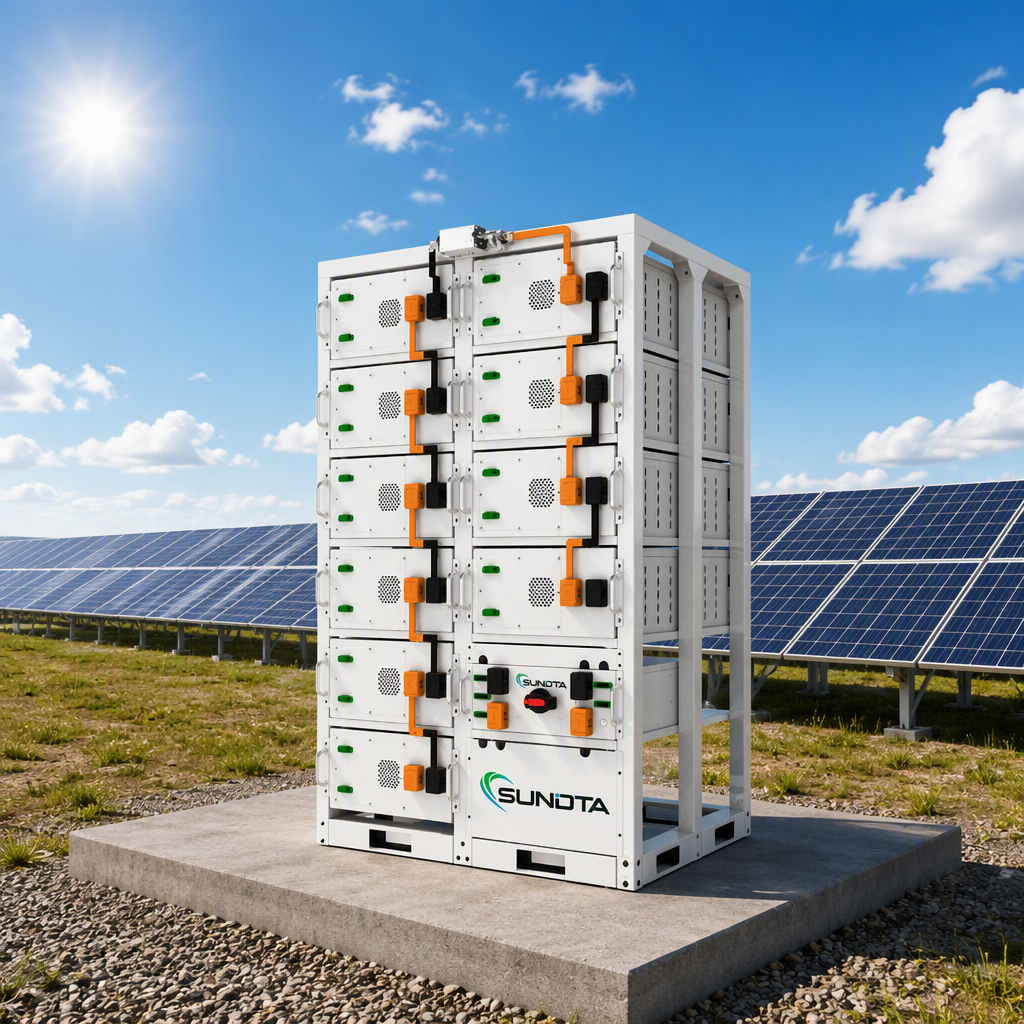
SUNDTA SDT-280 High-Voltage LiFePO4 Cabinet (40-100kWh)
- Air-cooled thermal management
- Compatible with Hybrid/Off/On-Grid
- Prismatic 280Ah LiFePO4 chemistry
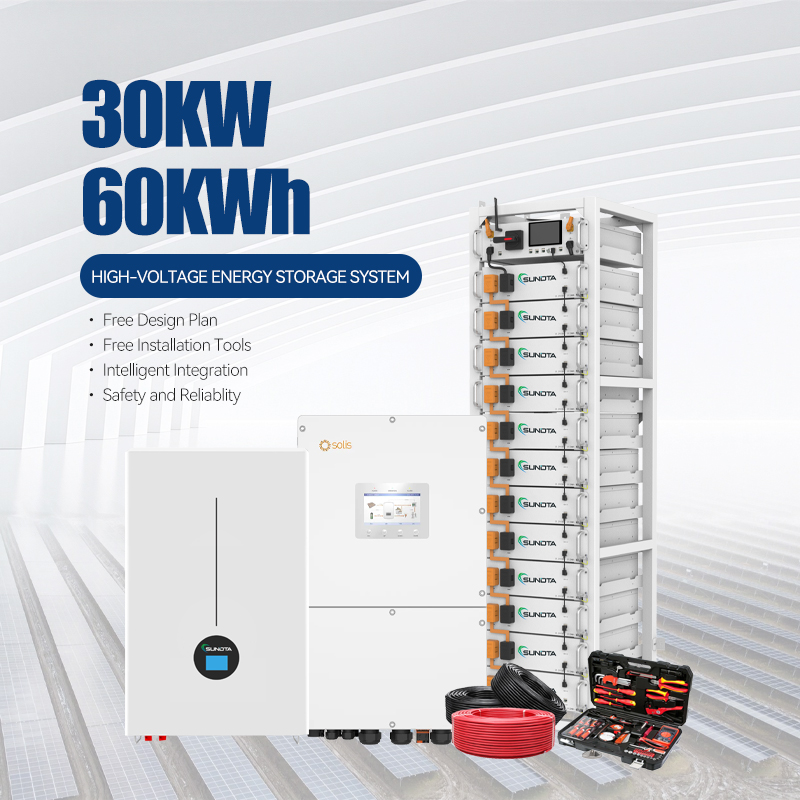
Complete 50kW Deye 3-Phase On/Off-Grid Energy System
- 3-Phase 380V industrial output
- Dual MPPT tracking architecture
- Scalable from 10kW to 50kW configurations
Energy Bank Powerwall 51.2V 200Ah/314Ah Lithium Battery
- Up to 15kWh residential unit
- 8kW / 10kW discharge handling
- Smart CAN & RS485 communication
15kW–50kW High-Efficiency Smart MPPT Solar System
- Whole-house continuous power backup
- High-voltage string optimization
- Real-time telemetry and cloud control
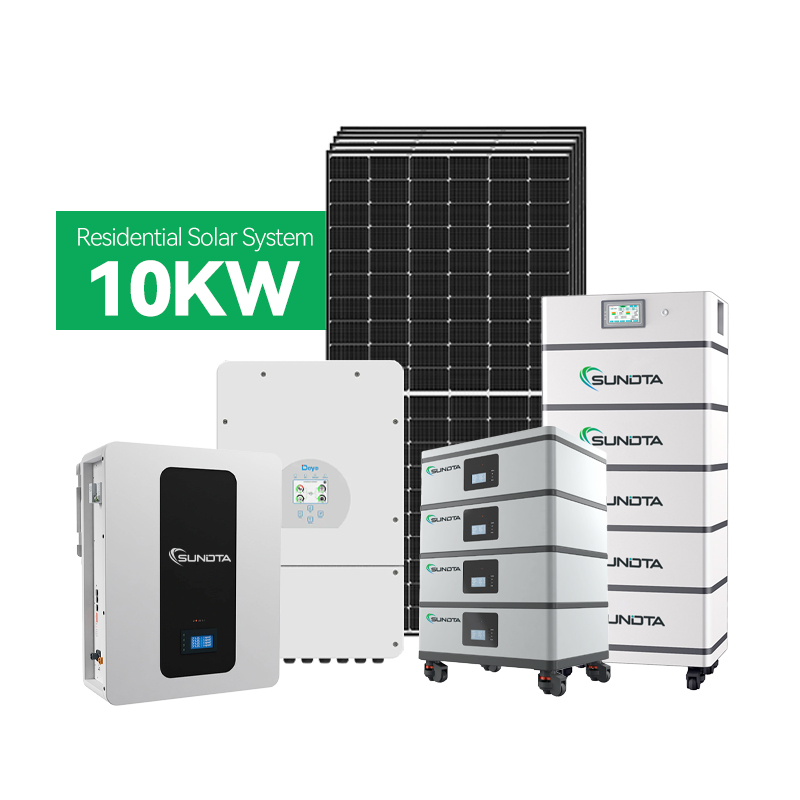
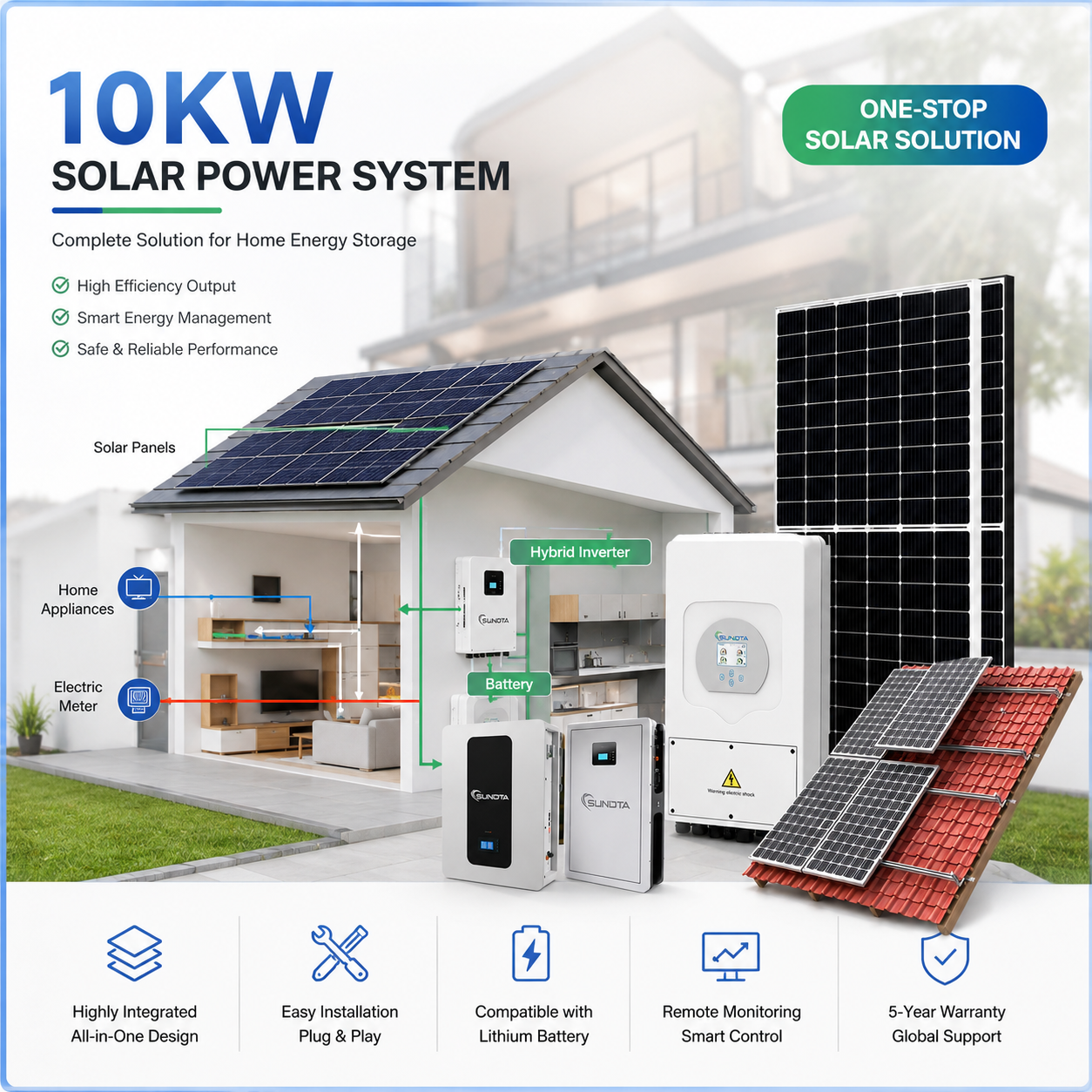
Sundta 5kW–20kW Ready-to-Ship Hybrid Kit with Lithium
- Pre-wired balance of system (BOS)
- Includes Tier-1 N-Type panels
- Zero-export injection limiter options
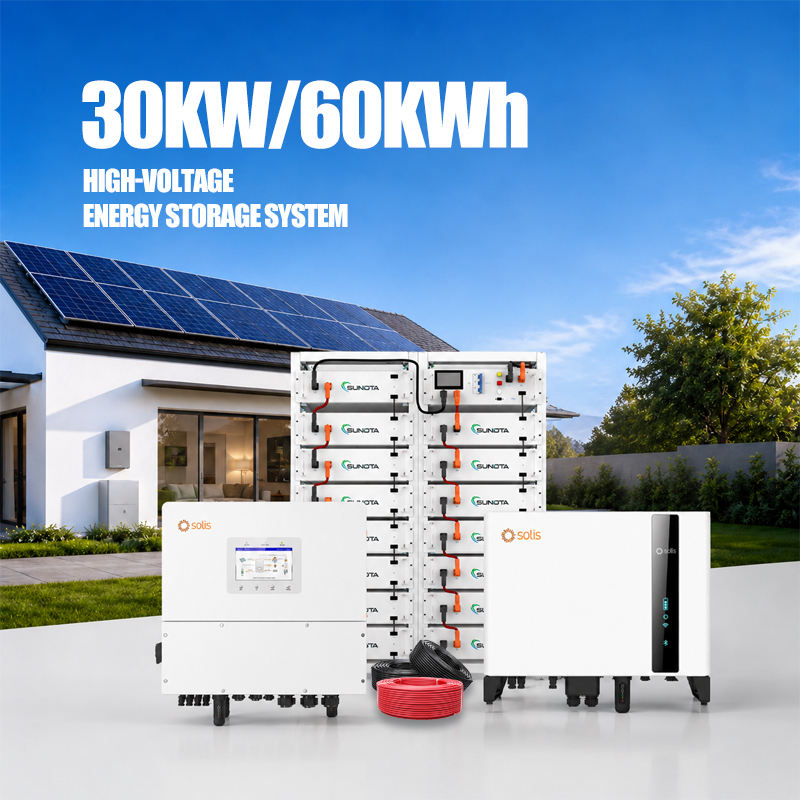
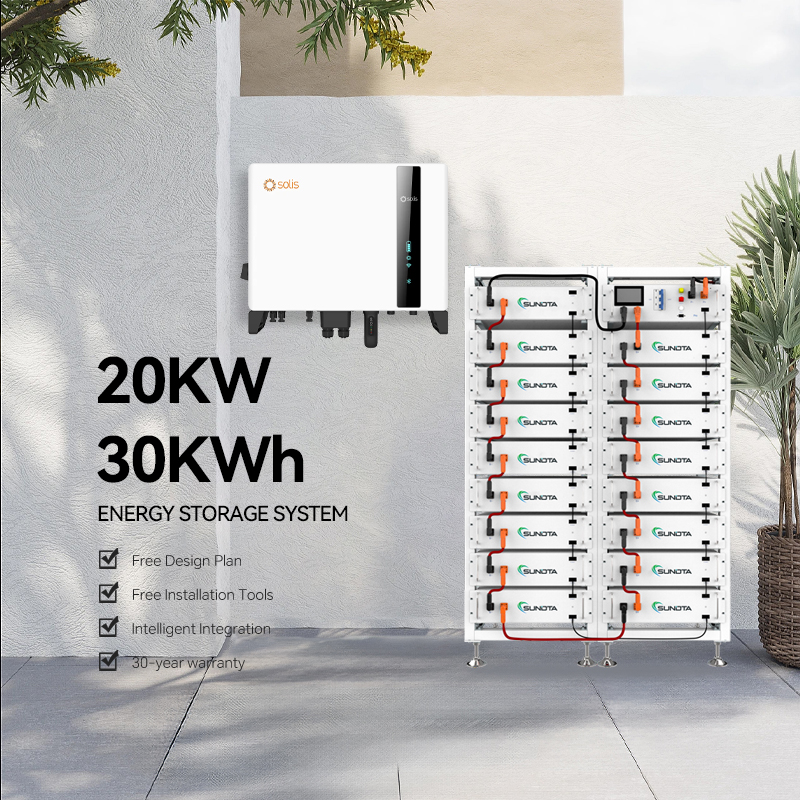
51.2V Split All-in-One Solar Inverter System 30kWh
- 30kWh LiFePO4 continuous reserve
- CE marked and CAN protocol certified
- Ultra-fast <10ms transfer switch
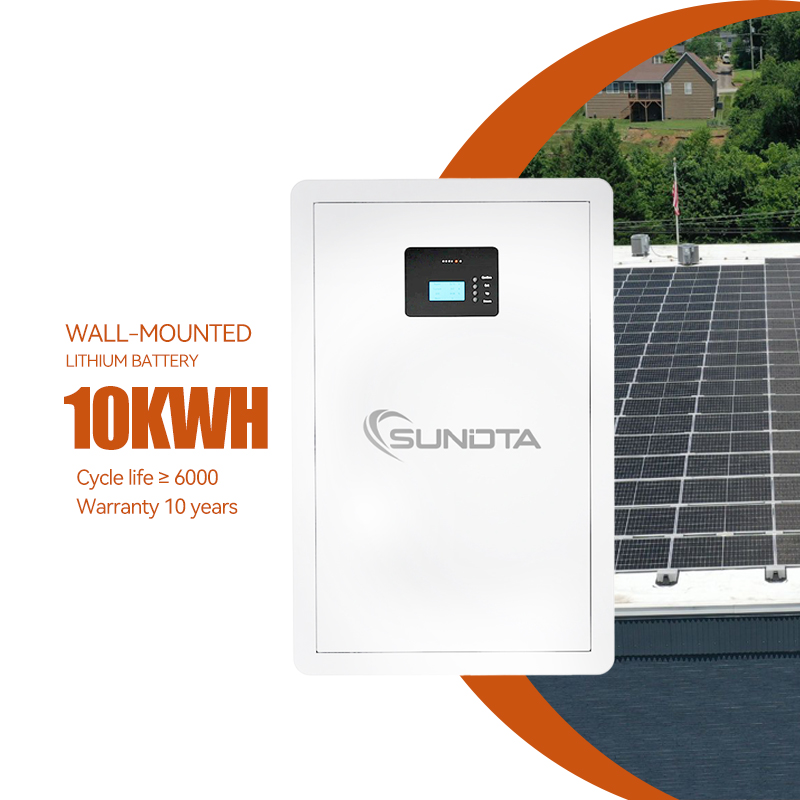
Sundta IP65 10kWh 51.2V 200Ah Wall Battery with BMS
- IP65 ingress protection for humid sites
- Automotive-grade BMS cell balancing
- 6,000+ deep discharge cycles
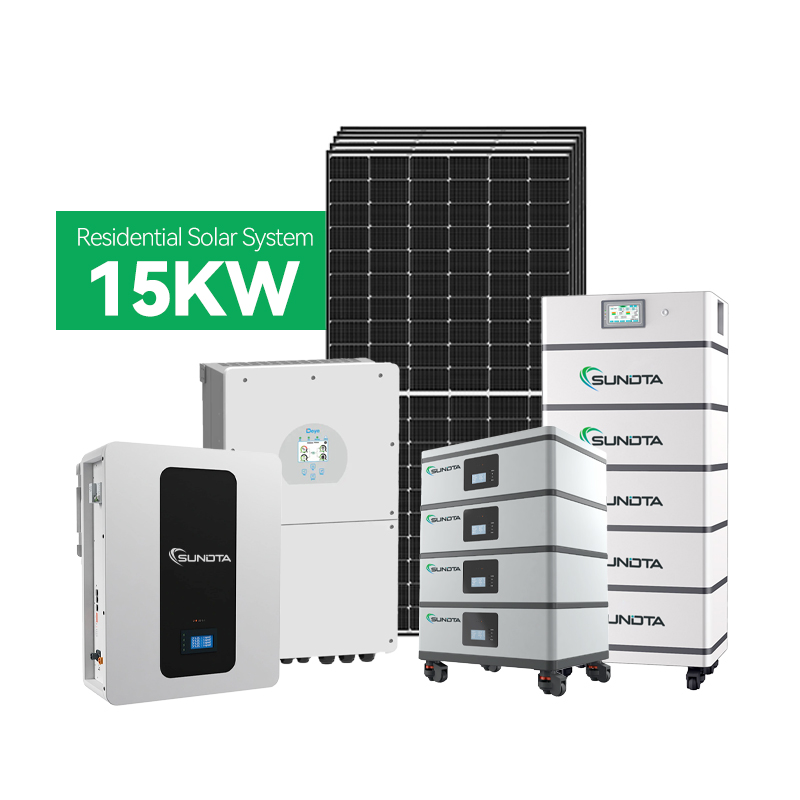
Sundta Hybrid Energy System Low-Price Kit 5kW–15kW
- Comprehensive panel, inverter, & cable BOM
- High cost-to-performance ratio
- Direct distributor wholesale terms
Engineering On-Grid Solar Systems for the Encarnación Grid Landscape
A technical guide for engineering contractors, EPCs, and import houses navigating Itapúa's unique climate and electrical dynamics.
| System Configuration | Typical Capacity Range | Inverter Topology | Storage Compatibility | Target Encarnación Sector |
|---|---|---|---|---|
| Pure Grid-Tied Commercial | 30 kW – 150 kW | String Inverters (Solis / Deye), Multiple MPPT | Optional retrofitted AC-coupled storage | Grains processing, logistics hubs, retail parks |
| Hybrid On-Grid with Zero Injection | 10 kW – 50 kW | Bi-directional Hybrid (Deye 3-Phase Low/High Volt) | 51.2V LiFePO4 rack or High-Voltage Stacks | Agro-industrial processing, refrigeration, cold storage |
| Distributed Residential Grid-Tie | 5 kW – 15 kW | Single-Phase / Split-Phase Smart Hybrid | Wall-mounted Powerwall (51.2V 200Ah) | Urban residential estates, commercial storefronts |
| Microgrid Containerized ESS | 100 kW – 1 MW / 2 MWh | Centralized PCS with Liquid/Air-Cooled Battery | Integrated Utility-Grade LFP Prismatic Cells | River port terminals, grain silos, manufacturing mills |
Localized Application Scenarios in Itapúa & Southern Paraguay
Targeted solutions resolving the precise operational hurdles faced by municipal and private stakeholders across the Paraná basin.
Agro-Industrial Silos & Cold Storage
Itapúa is Paraguay's agricultural powerhouse, producing massive yields of soybeans, wheat, and corn. Grain drying plants and cold-storage operations require massive daytime chilling loads. RJV's 50kW Deye three-phase systems dynamically offset high daytime peak rates while shielding sensitive grain aerators from sudden grid sags.
River Port & Logistics Infrastructure
Encarnación's position along the Paraná waterway facilitates high-volume barge transport. Terminal warehouses utilize expansive corrugated metal roofs. Our high-efficiency bifacial PERC and lightweight flexible PV modules maximize output per square meter without exceeding roof structural load thresholds.
Hospitality & Riverfront Tourism
As the "Pearl of the South", Encarnación experiences tourist surges during summer festivals and beach holidays. Hoteliers integrate our 15kW–30kW all-in-one split storage units to handle peak air-conditioning surges and guarantee uninterrupted operations during high-demand holidays without noisy diesel generators.
Trends Shaping the Encarnación Photovoltaic Market
Market dynamics, regulatory framework adaptations, and procurement realities driving B2B solar growth in Southern Paraguay.
ANDE Net Metering Modernization
The regulatory trajectory governed by ANDE (Resolution 44212 and subsequent distributed generation guidelines) continues to clarify protocols for bidirectional meter installation. Importers are standardizing on inverters pre-certified with UL1741, IEEE 1547, and IEC 62109 to guarantee frictionless permitting and local grid synchronization without bureaucratic rejections.
Surging Demand for Hybrid Architectures
Unlike purely on-grid European setups where grid reliability is near 100%, Encarnación buyers overwhelmingly choose hybrid-ready systems. The integration of 51.2V LiFePO4 batteries allows facilities to offset dynamic peak power costs while securing continuous baseline autonomy during distribution-level weather interruptions along the river corridor.
Transition to N-Type TOPCon Efficiency
Given the subtropical climate of Itapúa, where roof surface temperatures frequently exceed 65°C during the peak irradiance months of December through February, buyers are abandoning standard P-Type panels. N-Type TOPCon technology, characterized by a superior temperature coefficient (-0.30%/°C), ensures 4–6% higher actual energy yield under actual field conditions.
Why International EPCs & Importers Partner with RJV
Bridging Chinese manufacturing excellence with turnkey South American logistics and rigorous engineering standards.
End-to-End Bill of Materials
Eliminate component mismatch liabilities. Anhui RJV coordinates modules, hybrid inverters, racking, high-voltage battery cabinets, and DC switchgear in unified containerized shipments.
TÜV Rheinland Assessed
Our Hefei production lines operate under verified quality audits. Complete test reports, flash test datasets, and certified CE/IEC compliance dossiers accompany every B2B order.
Verified BMS/Inverter Handshake
Our LiFePO4 batteries feature native CAN / RS485 communication protocols factory-matched to Deye, Solis, and Growatt inverters, eliminating closed-loop commissioning delays on site.
Customs-Ready Documentation
We provide full legal documentation sets: Certificado de Origen, bill of lading (B/L), commercial invoice, and technical datasheets formatted for Paraguayan DNA (Dirección Nacional de Aduanas) clearance.
Encarnación Solar Procurement & Import FAQ
Practical answers addressing commercial terms, logistics routing, electrical compatibility, and warranties for buyers in Paraguay.
How are maritime solar shipments routed to Encarnación, and what Incoterms do you offer?
Are your three-phase hybrid inverters compatible with the local ANDE grid frequency and voltage?
What is the minimum order quantity (MOQ) for commercial projects versus full container loads?
How do you ensure equipment longevity in the high-humidity subtropical conditions of Southern Paraguay?
What technical support is provided to local Paraguayan installers during commissioning?
Can the system operate in zero-export mode if ANDE grid approval is pending?
Connect with an RJV Technical Sourcing Engineer
Planning a 10kW to 100kW+ project in Encarnación, Posadas border area, or greater Itapúa? Receive an engineered bill of materials, factory-direct quotation, and ocean shipping schedule within 24 hours.