EU Certified
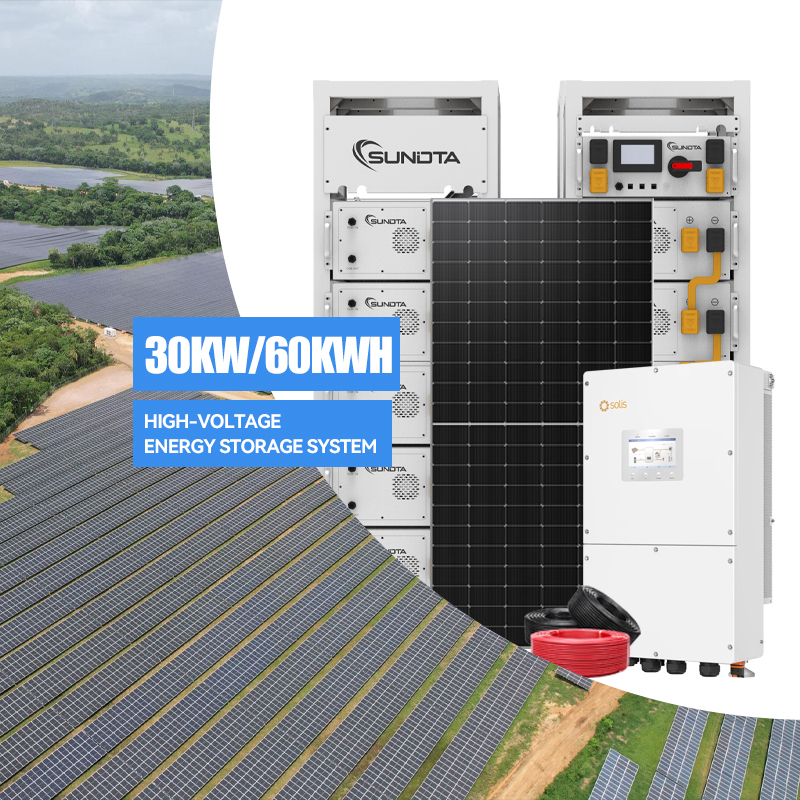
Pre-engineered hardware matched for thermal stability, grid resilience, and autonomous operation across severe desert ambient environments.
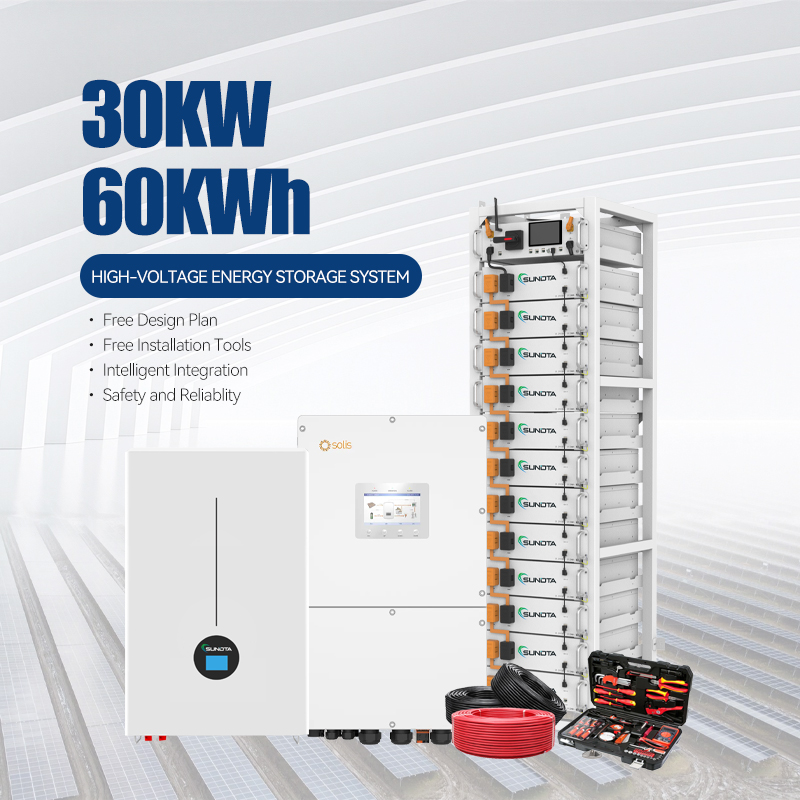
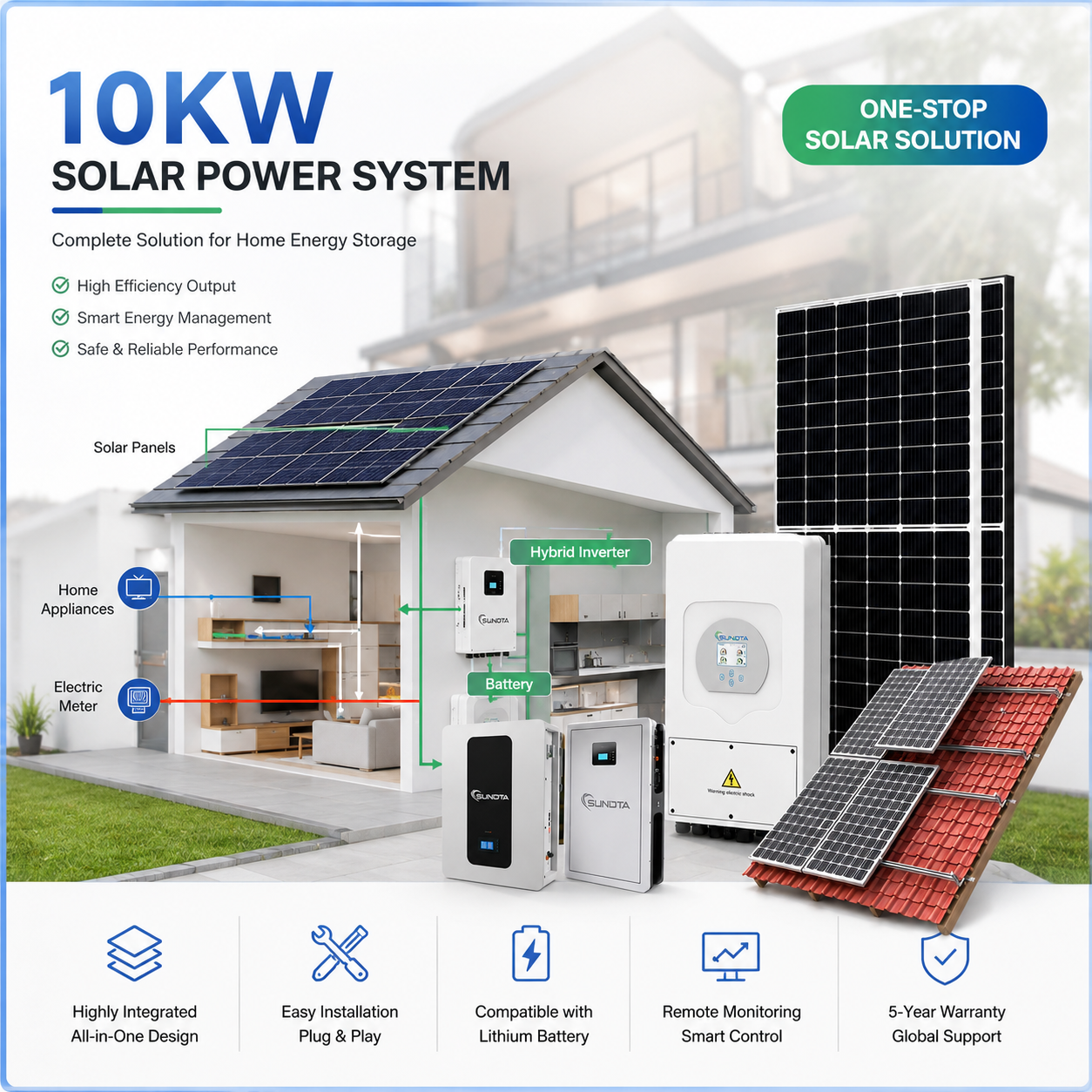
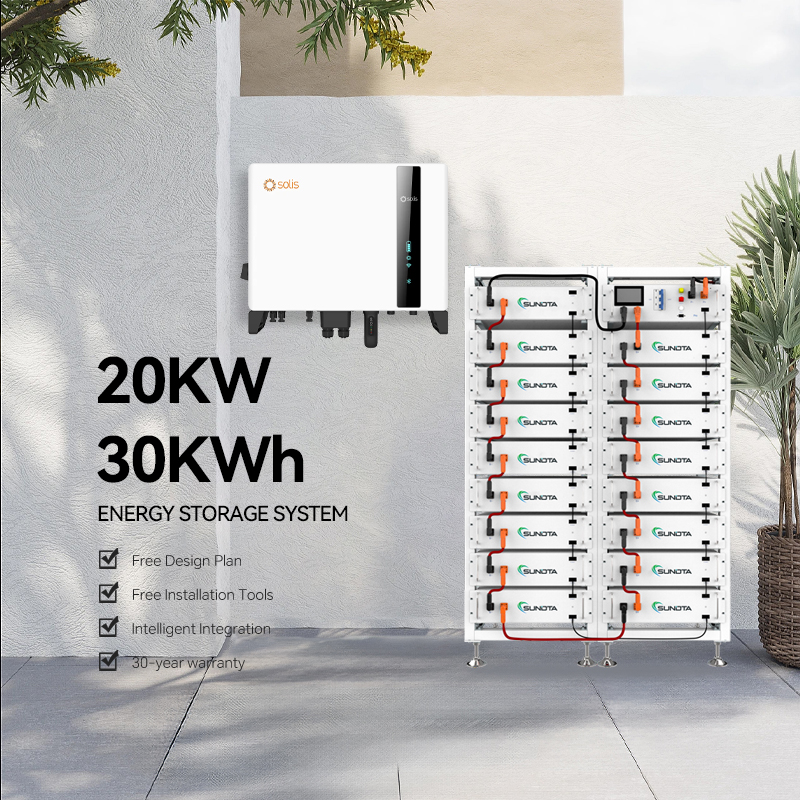
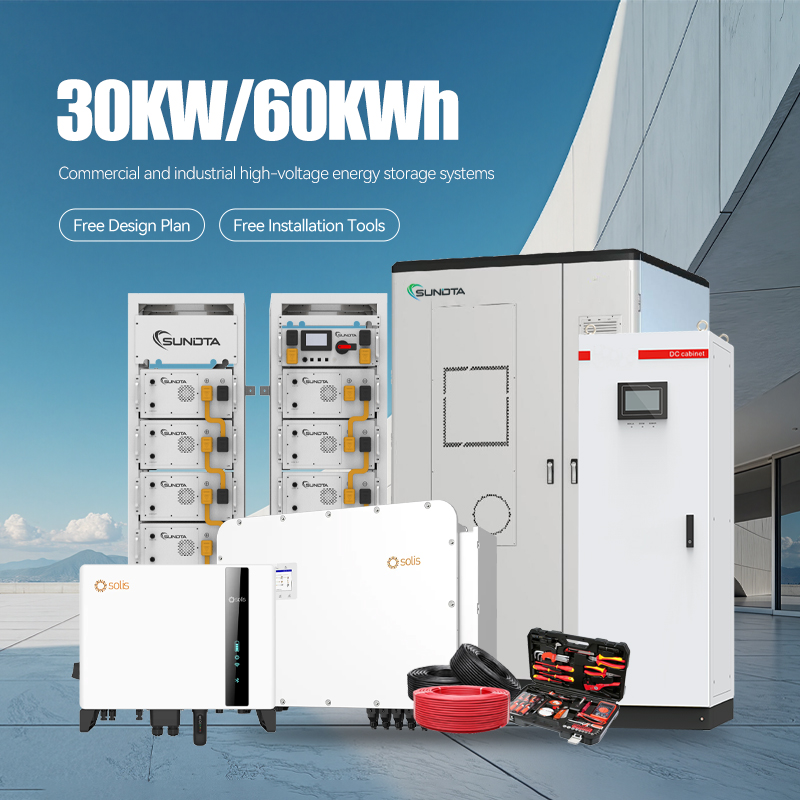
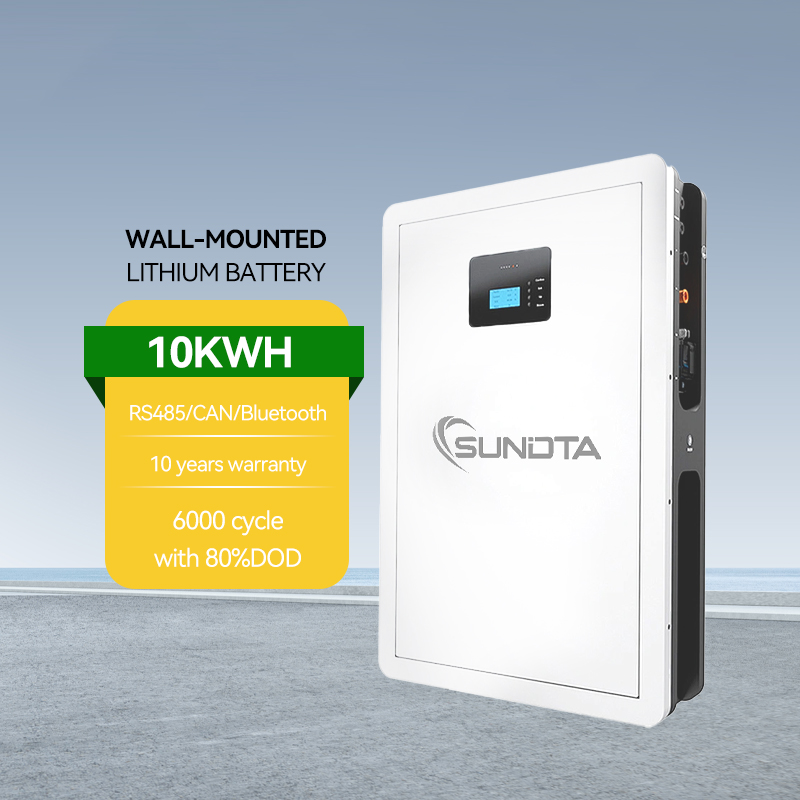
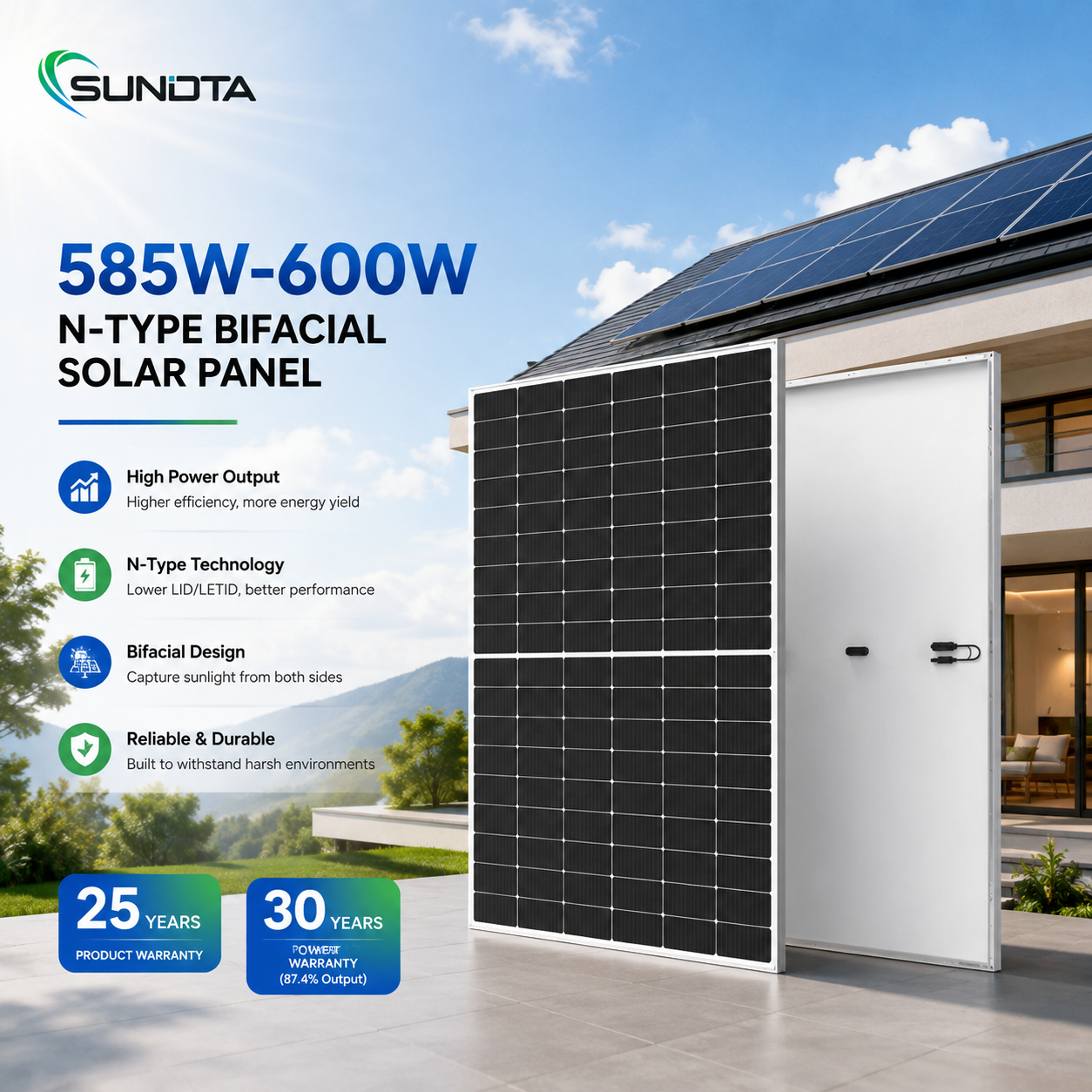
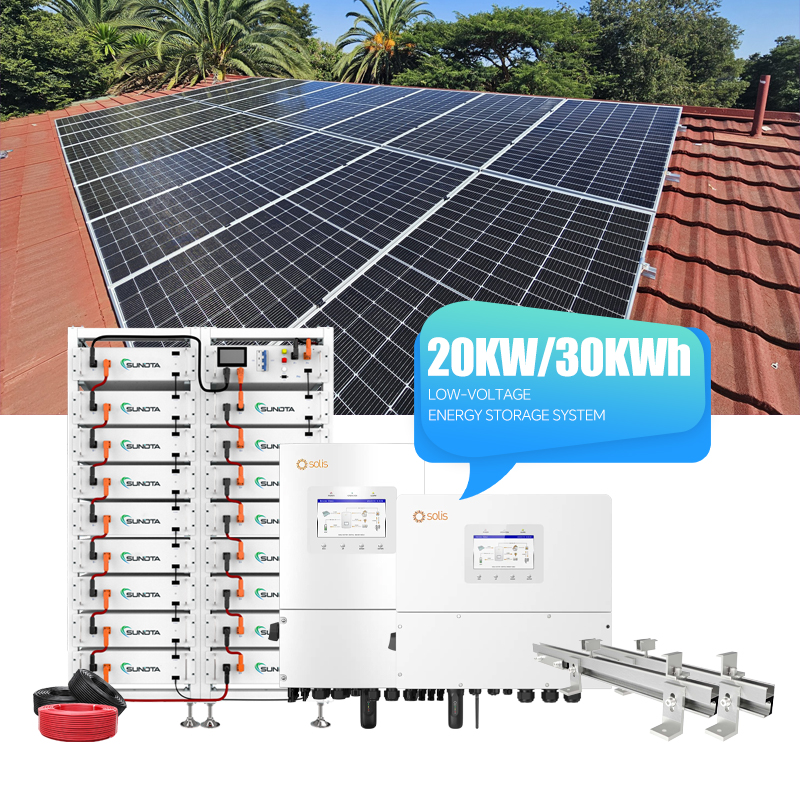
Operating portable generation, storage units, and off-grid micro-plants in Ashgabat demands engineering beyond standard off-the-shelf equipment.
Ashgabat summers routinely exceed 45°C, resulting in internal casing temperatures beyond 65°C. RJV batteries feature advanced thermal management and N-Type TOPCon cells with a superior temperature coefficient (-0.30%/°C) to prevent severe midday derating.
Fine sand particles from the adjacent Karakum Desert penetrate standard electronics, causing ground faults and cooling fan seizures. Our power stations, wall batteries, and hybrid inverters leverage pressurized, hermetic enclosures.
Industrial outskirts and suburban expansion around Ashgabat frequently experience voltage sagging and brownouts. RJV systems integrate pure sine-wave inverter stages with under-10ms UPS cutover to shield sensitive infrastructure.
A direct comparison of battery chemistries and architectural topologies deployed in hot, desert climates.
| Performance Parameter | Standard Lithium-Ion (NMC) | Conventional Lead-Acid / Gel | RJV Industrial LiFePO4 (Sundta Series) |
|---|---|---|---|
| Cycle Life (80% Depth of Discharge) | 1,200 – 1,800 cycles | 500 – 700 cycles | 6,000+ cycles (15-year life) |
| Thermal Runaway Initiation Point | 150°C – 210°C (High safety risk) | N/A (Produces H2 off-gas) | 270°C+ (Chemically stable & non-explosive) |
| Thermal Derating Threshold | Derates heavily above 35°C | Severe capacity degradation >30°C | Operates up to 55°C without shutdown |
| Inverter Protocol Interoperability | Proprietary closed systems | Voltage-sensing only (Blind charging) | Native dual CAN/RS485 (Deye, Solis, RJV) |
| Levelized Cost of Storage (LCOS) | $0.18 / kWh / cycle | $0.34 / kWh / cycle | $0.06 / kWh / cycle (Longest ROI) |
Market dynamics influencing decentralized storage procurement across municipal, construction, and extraction sectors in Ashgabat.
Rural communities near the Garagum canal and pastoralist farmsteads require standalone power for groundwater pumps, satellite telecom nodes, and residential cold storage. Portable power systems and containerized battery packs (BESS) offer a cleaner, silent, and maintenance-free alternative to diesel gensets.
Ashgabat’s landmark white-marble municipal buildings and residential districts are rapidly integrating rooftop solar and battery storage. B2B buyers require sleek, modular, wall-mounted batteries like our 51.2V 314Ah series that blend into building utility rooms without occupying prime floor space.
Turkmenistan’s natural gas drilling facilities require dependable mobile off-grid power units capable of operating measuring instruments, telematics, and perimeter illumination around the clock without risking spark hazards or mechanical failures.
Essential guidance on cross-border logistics, import documentation, warranty execution, and battery lifecycle performance.
Combining automated photovoltaic manufacturing with integrated balance-of-system engineering to minimize project supply-chain friction.
Located in Hefei’s Innovation Industrial Park, our operations are on-site assessed and certified by TÜV Rheinland. We run fully automated stringer, lamination, and automated cell sorting lines that maintain microscopic quality standards.
Mismatched inverter MPPT windows and battery communications lead to costly field failures. RJV validates the complete bill of materials—modules, charge controllers, inverters, and battery banks—before your container leaves the loading dock.
Our bilingual power electronics engineers assist EPC planners, municipal contractors, and distributor technical teams with system sizing calculations, cable loss mitigation, and cloud telemetry setups around the clock.
Whether you require modular power stations, complete 50kW commercial setups, or utility BESS containers, our factory engineers deliver tailored calculations and full BOM pricing within 24 hours.