Engineered Solar Inverters, LiFePO4 Storage & Turnkey Systems
Tested for severe temperature swings, Kyzylkum desert dust ingress, and wide-spectrum grid deviations across Bukhara, Gijduvon, Kagan, and the Zeravshan River basin.
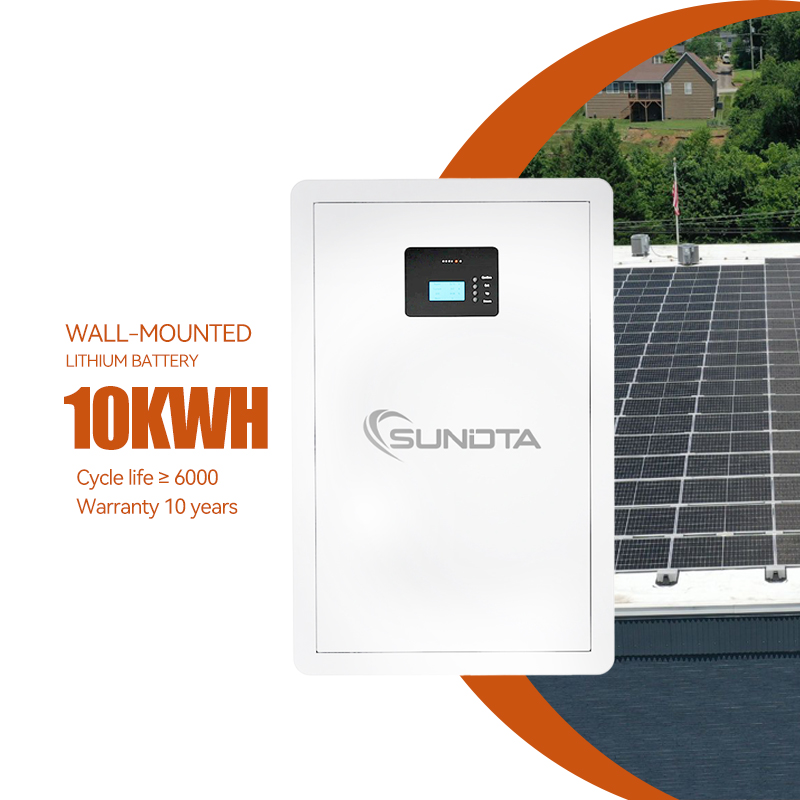
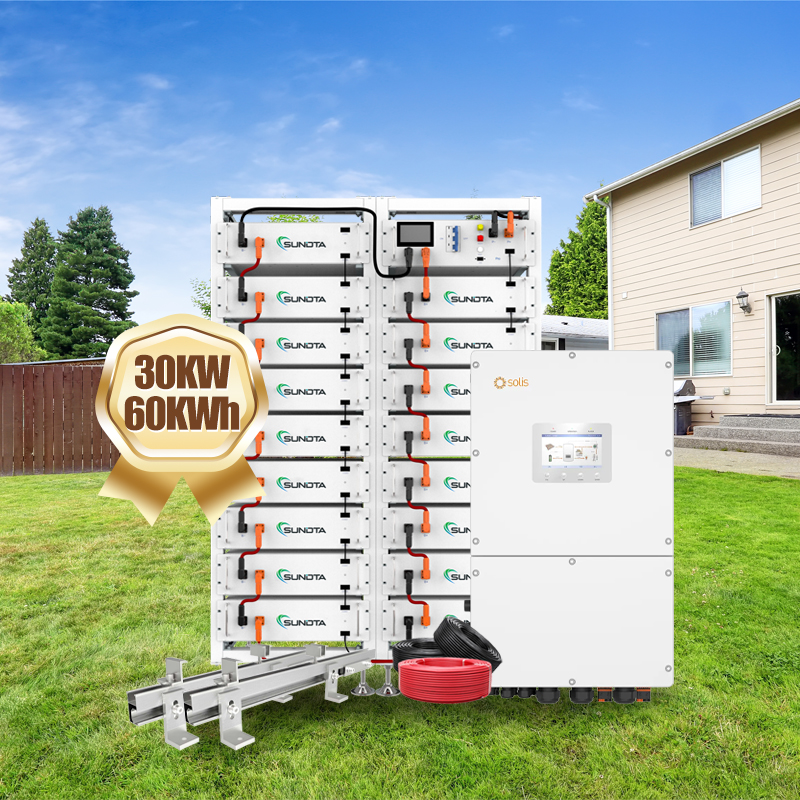
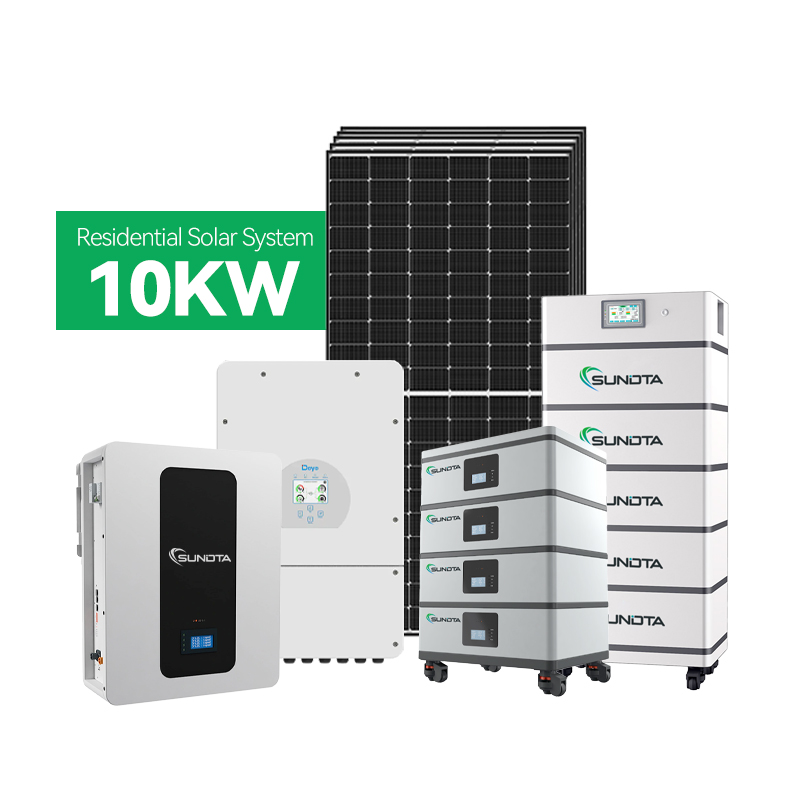
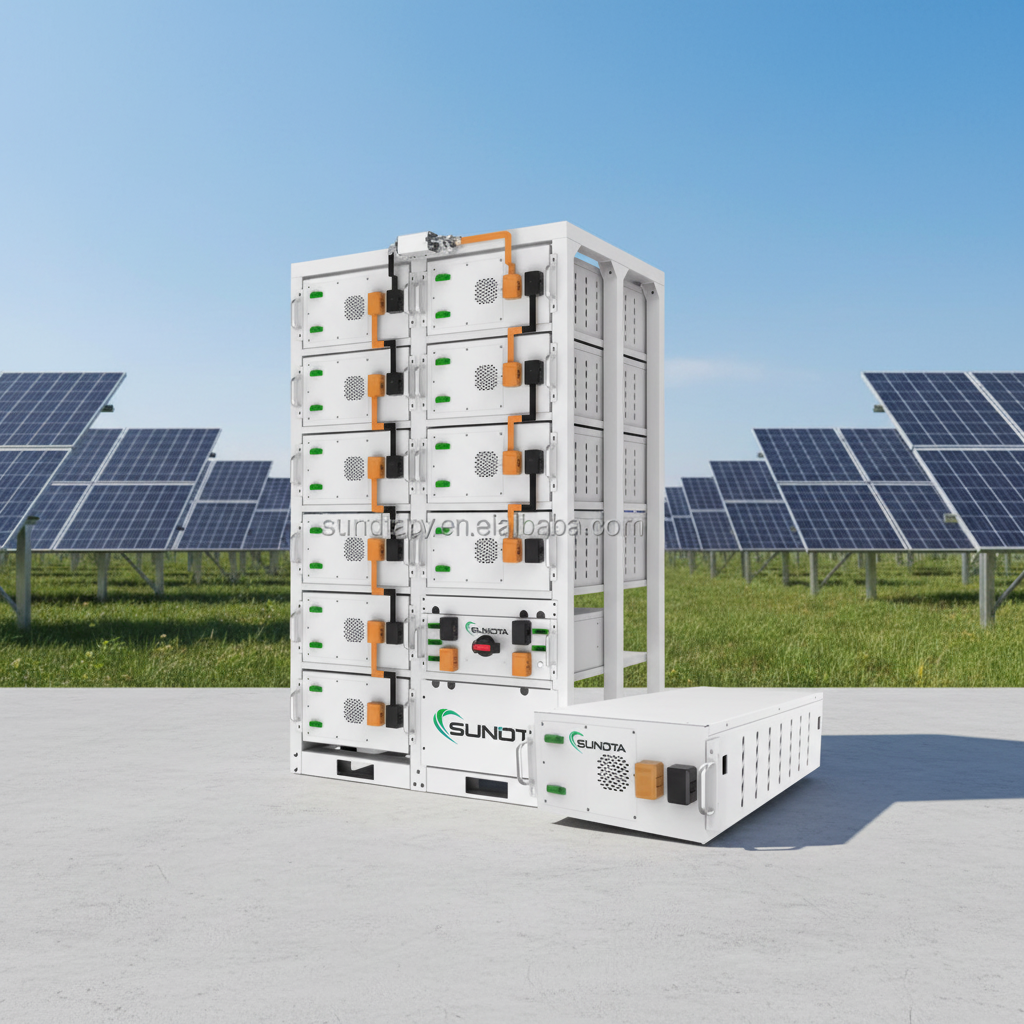
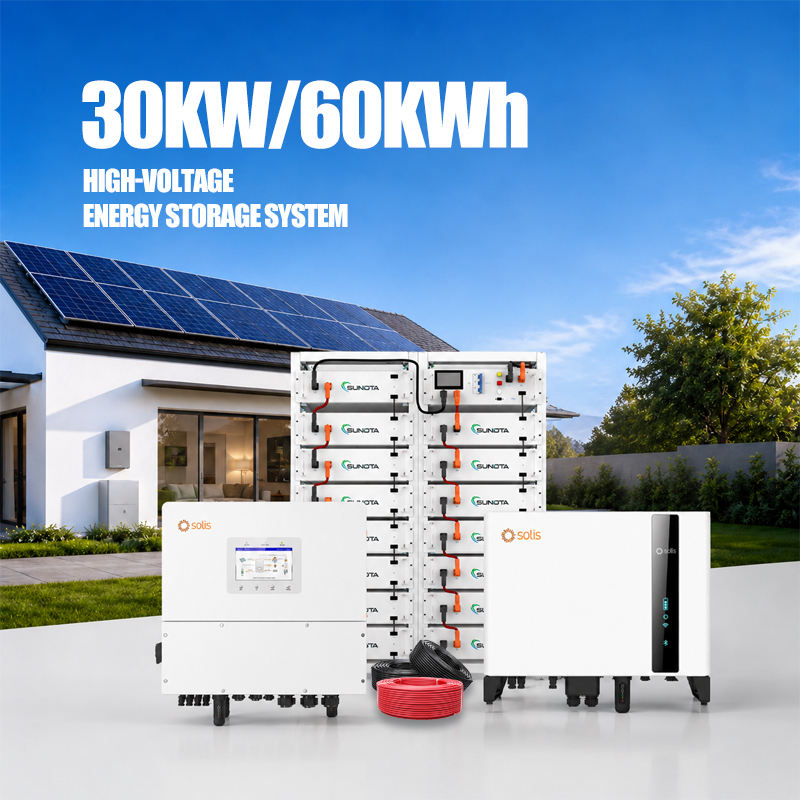
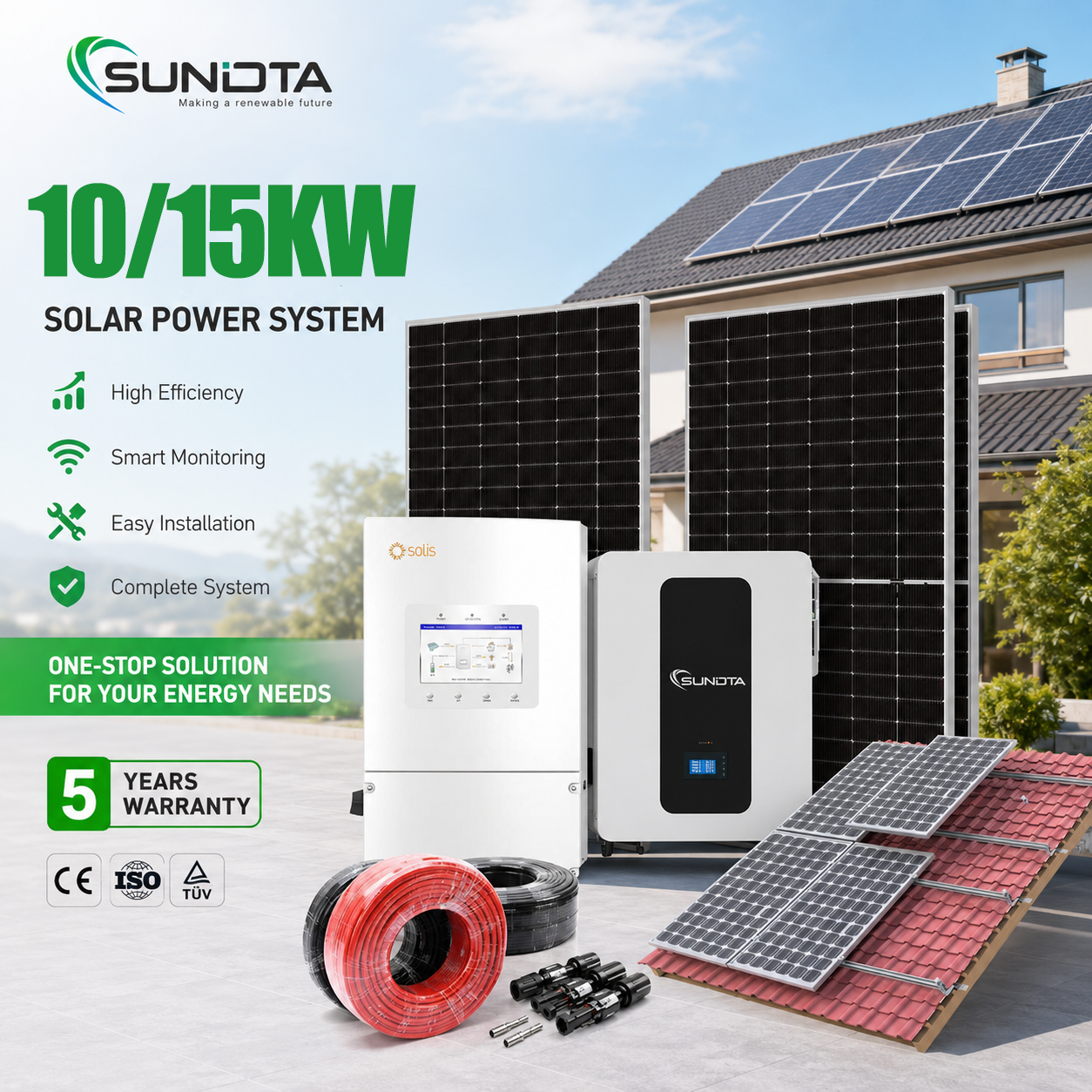
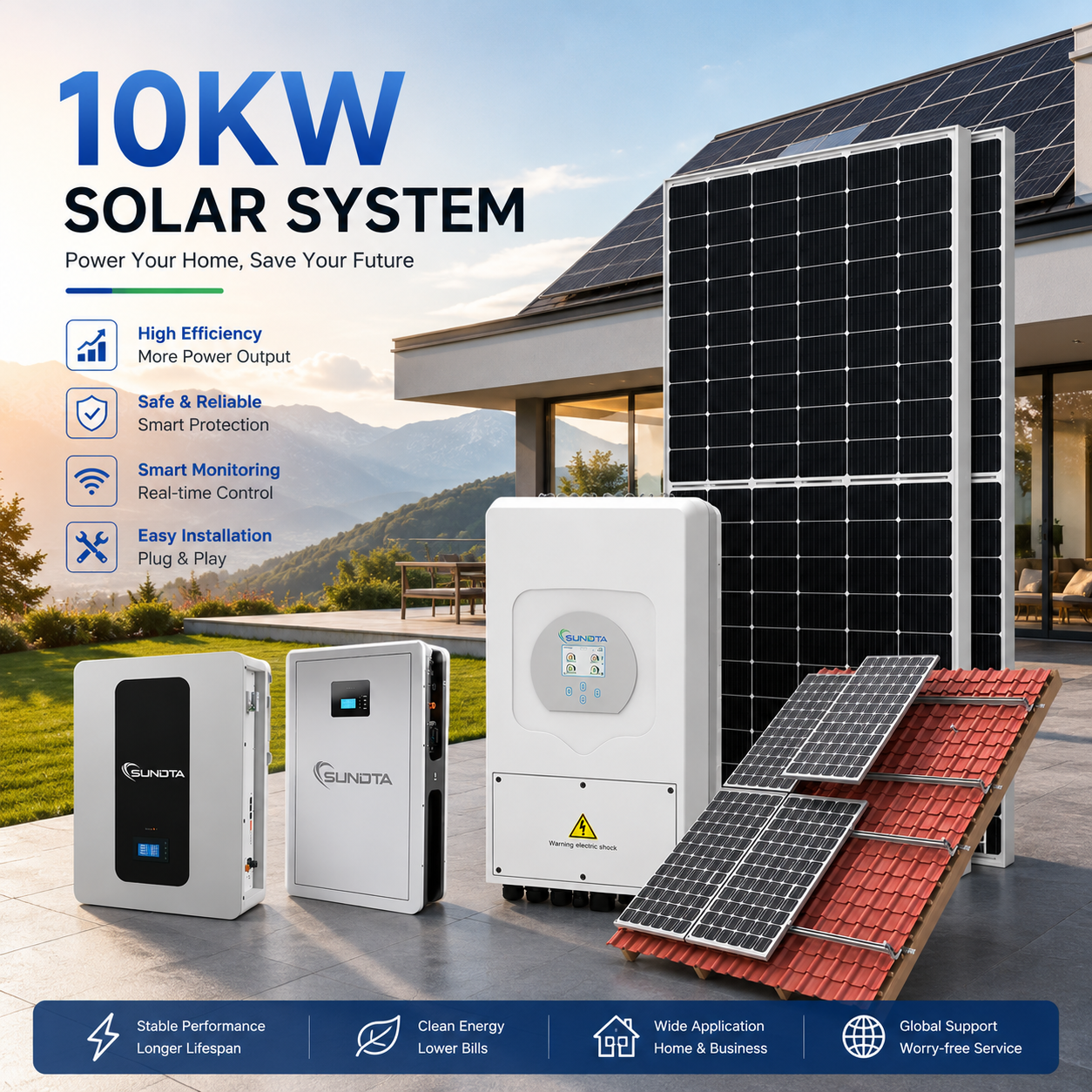
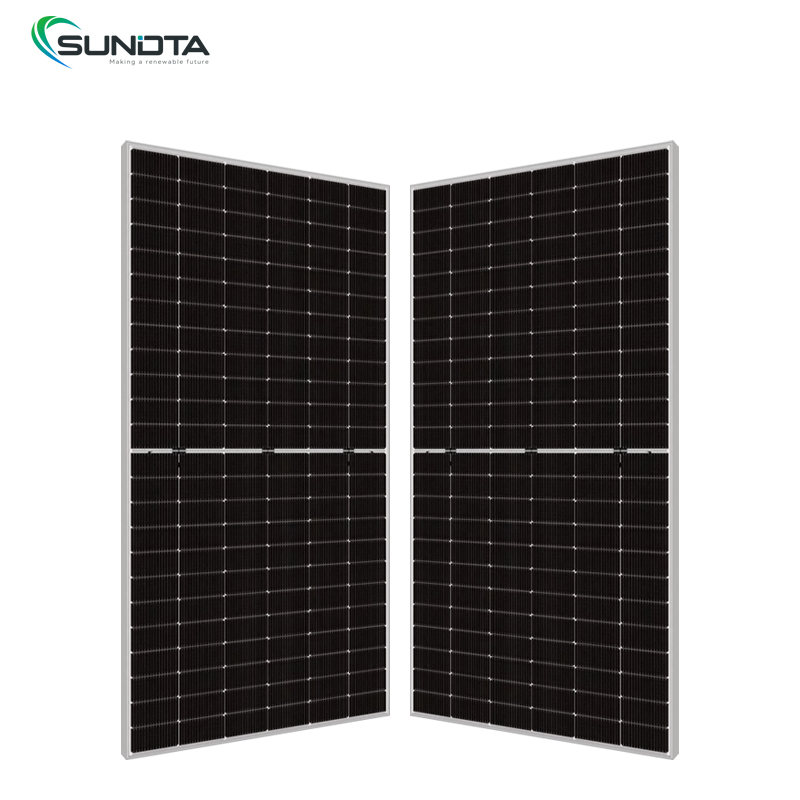
Pure Sine Wave Power Conversion: Overcoming Bukhara's Extreme Desert Climate & Grid Dynamics
Bukhara, situated on the southwestern perimeter of the Kyzylkum Desert, exhibits one of Central Asia's most challenging operational environments for photovoltaic electronics and power conversion hardware. The region benefits from exceptionally high global horizontal irradiance (GHI), clocking over 320 cloudless solar days annually and delivering an estimated solar yield ranging between 1,650 and 1,820 kWh/kWp. However, these lucrative generation conditions are paired with severe operational stressors: peak ambient summertime temperatures routinely breach 45°C to 48°C, airborne silicate dust concentration is high due to seasonal sandstorms, and legacy medium-to-low voltage transmission grids experience voltage dips, phase unbalances, and high harmonic distortions.
Procuring pure sine wave solar inverters for installation across the Bukhara region requires rigorous attention to electromagnetic engineering, thermal management topologies, and component-level galvanic isolation. Modified sine wave or low-tier high-frequency quasi-sine units invariably fail under the demanding inductive loads characteristic of the regional economic infrastructure—namely, heavy three-phase agricultural centrifugal water pumps, cotton ginning motors, textile spinning machinery, and sensitive refrigeration cold-chains for horticultural preservation.
1. Critical Electrical Topologies: Pure Sine vs. Non-Sinusoidal Inverters
The fundamental metric separating dependable commercial installations from catastrophic field failures is total harmonic distortion (THD). Anhui RJV New Energy engineers our pure sine wave hybrid and off-grid inverter platforms to deliver a true sinusoidal voltage profile with THD < 2.5% under linear resistive loads and THD < 3.0% under complex inductive or capacitive loads.
| Performance Metric | Standard Modified Sine Wave | High-Frequency Pure Sine Wave | RJV Industrial Low-Frequency Pure Sine |
|---|---|---|---|
| Waveform Purity (THD) | 25% – 45% THD (Stepped Wave) | < 3.0% THD (Pure Sine) | < 2.5% THD (Ultra-Clean Sine) |
| Surge Capacity (Peak Current) | 1.2× – 1.5× Rated Nominal (10ms) | 2.0× Rated Nominal (100ms) | 3.0× Rated Nominal (Continuous 10s–20s) |
| Thermal Derating Threshold | Derates rapidly past 35°C ambient | Derates past 45°C ambient | Full rated output maintained up to 50°C |
| Compatibility with Motor Loads | High iron losses, overheating, buzzing | Compatible with soft-start compressors | Direct starting of heavy 3-phase induction pumps |
| Galvanic Isolation | None (Direct DC-bus link) | Capacitive / High-Frequency Core | Heavy-Duty Copper Toroidal Transformer |
In rural districts around Bukhara—such as Vobkent, Romitan, and Jondor—agricultural water pumping remains an operational priority. Modern high-frequency transformerless inverters, while lightweight, often trigger nuisance overcurrent trips when starting heavy deep-well borehole pumps due to initial inrush currents reaching 5 to 7 times full-load amps (FLA). RJV's low-frequency pure sine platforms integrate robust, pure-copper toroidal isolation transformers capable of withstanding 300% surge currents for over 10 seconds. Furthermore, the galvanic barrier insulates the DC solar array and LiFePO4 battery banks from back-fed grid surges, lightning strikes along rural overhead wires, and inductive spikes from regional medium-voltage switching.
2. Solving Bukhara's Thermal Derating & Particulate Filtration Challenges
Thermal dissipation is the primary determinant of mean time between failures (MTBF) for solar power electronics in Uzbekistan. In Bukhara's summer, rooftop ambient temperatures inside unventilated technical rooms frequently reach 55°C. At these extremes, standard commercial inverters undergo severe thermal throttling, clipping up to 40% of their rated conversion capacity precisely during peak irradiance hours when electricity generation is most valuable.
Anodized Aluminum Cooling Fins
High-surface area extruded thermal heat sinks paired with magnetic levitation fans designed to circulate air across isolated channels without blowing dust over bare electronics.
IP65/IP66 Enclosure Sealing
Conformal triple-coated printed circuit board assemblies (PCBA) guarded by military-grade silicone sealing gaskets, shielding against micro-fine silica dust and atmospheric salt particles.
Automated De-rating Algorithms
Smart internal thermistors measure temperature on primary IGBT junctions, dynamically modulating switching frequency from 16kHz to 8kHz to prevent sudden inverter shutdown under load.
Our manufacturing line applies an automated robotic polyurethane spray process to apply an even 50-micron conformal coating over every control motherboard. This process insulates conductive traces from humidity during rare but intense winter condensation cycles, while locking out the conductive, alkaline saline dust drifting from the desiccated Aral seabed northeast of the Bukhara oasis.
3. Bukhara Regional Application Scenarios for Pure Sine Wave Inverters
The architectural deployment of solar inverters across Bukhara requires specific operational configurations based on the customer sector and the existing electrical infrastructure.
Deep-Well Agricultural Irrigation
Powering remote 7.5kW to 45kW submersible pumps directly along the Zeravshan River basin without needing grid extension lines. Utilizing RJV hybrid pure sine inverters with dedicated MPPT tracking to maximize flow rates during morning and late afternoon hours.
Bukhara Historic Center Tourism
UNESCO World Heritage monuments and boutique heritage hotels in old Bukhara experience strict facade preservation codes. Split-system inverters paired with low-profile IP65 wall batteries provide silent, zero-emission backup during summer peak outages.
Cotton & Textile Processing Mills
Industrial textile factories require uninterrupted three-phase 380V/400V power to prevent yarn breakage during weaving. High-voltage lithium rack systems (40kWh to 100kWh) linked to hybrid inverters provide sub-10ms UPS transfer during grid dropouts.
Cold Storage & Agro-Logistics
Refrigerated agricultural warehouses handling Bukhara grapes, pomegranates, and vegetables require high surge tolerance to start multi-cylinder freon compressors without triggering battery protection locks.
Residential Solarization (Green Tariff)
Private urban residences in Kagan and Bukhara city capitalizing on Uzbekistan’s presidential net-metering incentives. Grid-tied pure sine systems seamlessly feed surplus solar power back into the utility network while storing evening energy.
Off-Grid Border & Telecom Posts
Remote desert substations, highway communication relays, and desert logistics hubs demanding uninterrupted 24/7/365 autonomy. Engineered with redundant dual-inverter hot-standby architectures.
4. Market Trends: Uzbekistan's "Strategy 2030" & Green Energy Transition in Bukhara
Uzbekistan is in the midst of a historic clean energy transformation guided by presidential decrees and the "Uzbekistan 2030" national strategy. The government aims to generate 25 gigawatts of renewable capacity, bringing green power's share of total generation to over 40%. For the Bukhara Region, this policy shift is driving massive investments in both centralized utility-scale solar farms and decentralized commercial and industrial (C&I) rooftop solar arrays.
Key regulatory drivers affecting equipment procurement in Bukhara include:
- Net-Metering Subsidies & Feed-In Schemes: The Uzbek Ministry of Energy has streamlined grid interconnection for residential and commercial systems below 50kW, allowing owners to sell surplus power back into the single national power grid at guaranteed purchase rates. Pure sine wave inverters with precise frequency synchronization and anti-islanding protection (compliant with IEC 62116 / IEC 61727) are legally mandated for interconnection.
- Mandatory Industrial Solar Targets: Commercial enterprises, factories, and municipal facilities across Bukhara are now under administrative mandates to offset a minimum of 25% of their baseline electricity consumption using installed renewable generation or energy storage units.
- Customs Exemption for High-Efficiency Equipment: Specialized PV equipment, including verified tier-1 solar modules, pure sine wave inverters, and lithium energy storage systems, can qualify for customs duty exemptions and VAT incentives when imported through qualified enterprise distribution channels.
5. Enterprise Advantages: Why Global EPCs Partner with Anhui RJV New Energy
Anhui RJV New Energy Co., Ltd. serves as an integrated manufacturing and power system engineering powerhouse headquartered in Hefei, China—the epicenter of global photovoltaic innovation. Our supply ecosystem bridges component-level solar module manufacturing with inverter hardware integration and closed-loop BMS battery development.
2.0 GW Annual Module Output
Automated manufacturing lines with full traceability, producing high-efficiency N-Type TOPCon and bifacial PERC modules up to 730W with zero PID degradation.
Closed-Loop BMS Protocol
Our LiFePO4 batteries feature pre-integrated CAN 2.0B and RS485 communication protocols matched natively to Solis, Deye, and RJV pure sine wave inverters.
TÜV Rheinland Verified
Operations verified on-site by TÜV Rheinland. Certified to CE, IEC 61215, IEC 61730, and UN38.3 standards for seamless customs clearance across Central Asia.
Full System Pre-Matching
Eliminate costly installation delays. Inverter string voltages, MPPT boundaries, and battery discharge curves are pre-engineered and factory flash-tested before dispatch.
6. Localized Procurement FAQ for Contractors & Importers in Bukhara
How do RJV pure sine wave inverters handle the voltage fluctuations common to Bukhara's grid?
Regional grids across Bukhara and rural districts like Alat or Gazli often suffer from voltage swings ranging from as low as 165V up to 265V on single-phase lines (and 290V–450V on three-phase lines). RJV hybrid and grid-interactive pure sine inverters integrate an ultra-wide AC input voltage stabilization window. Rather than disconnecting and dropping the load onto the battery bank during moderate sags or surges, the inverter dynamically regulates through internal buck-boost circuitry, preserving battery cycle life while feeding clean 220V/230V or 380V/400V 50Hz pure sine current to downstream equipment.
Can RJV systems be configured for off-grid solar water pumping directly from desert canals?
Yes. Our inverters can be configured in hybrid or pure off-grid modes with or without energy storage batteries. For dedicated daytime pumping, the system's dual MPPT trackers dynamically adjust operating voltage to supply the high startup current required by centrifugal pumps. When paired with our LiFePO4 energy storage racks, the system provides automated nighttime irrigation to reduce water evaporation loss in Bukhara's desert heat.
What are the logistics routes, delivery lead times, and Incoterms for Bukhara?
We regularly ship cargo via direct China-Central Asia freight rail lines (running through Khorgos/Alashankou directly to Tashkent and Bukhara freight stations), as well as multi-modal container trucking. Typical transit time from our Hefei manufacturing base to Bukhara is 14 to 22 calendar days. We routinely execute orders under EXW, FOB (Qingdao/Lianyungang), CFR, and CIF terms, supplying all standardized consular invoices, certificates of origin, packing lists, and CE/TÜV documentation necessary for customs clearance at Uzbek dry ports.
Are your lithium batteries certified against high ambient heat runaway in desert regions?
All RJV residential and commercial batteries use Tier-1 prismatic lithium iron phosphate (LiFePO4) chemistry, which features an intrinsic thermal runaway threshold exceeding 270°C—substantially safer than ternary NMC cells. Our battery packs (such as the Sundta IP65 10kWh Wall-Mount and Commercial Air-Cooled Cabinets) feature multi-point thermal monitoring, internal aerosol fire-suppression mechanisms, and smart BMS algorithms that throttle charge rates if cell temperatures exceed 50°C.
What is the minimum order quantity (MOQ) for custom OEM labeling and parameter tuning?
For standard factory models, our MOQ starts at 1 unit for hybrid inverters and lithium storage batteries to allow EPCs to conduct bench-testing and pilot validation. For full OEM branding—including silk-screened housing, custom LCD display language interfaces (Uzbek/Russian/English), customized startup logos, and customized casing colors—our MOQ is typically 50 units for inverters or 1 complete container mix (modules, inverters, and storage).
Request Factory-Direct Pricing & Engineering Consultation for Bukhara
Partner directly with Anhui RJV New Energy Co., Ltd. for project sizing, wholesale container shipments, or custom OEM manufacturing of pure sine wave inverters, high-efficiency TOPCon solar modules, and LiFePO4 battery systems.