High-Efficiency Energy Storage & Turnkey PV Generation
Pre-configured and tested for 100% closed-loop communication with Deye and Solis inverters, operating reliably across Cuba's residential, hospitality, and state-backed solar networks.
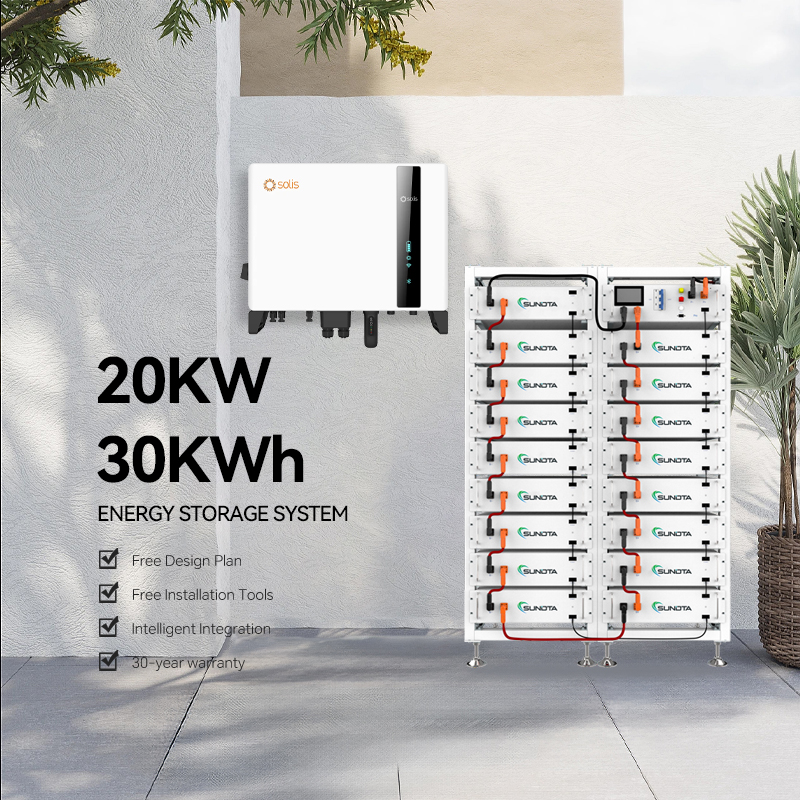
Complete 50kw Hybrid Solar System Deye 3 Phase 380V On/Off Grid
- Configurable: 10kW to 50kW
- Dual MPPT & Gen-Port ready
- Seamless <4ms auto-switch
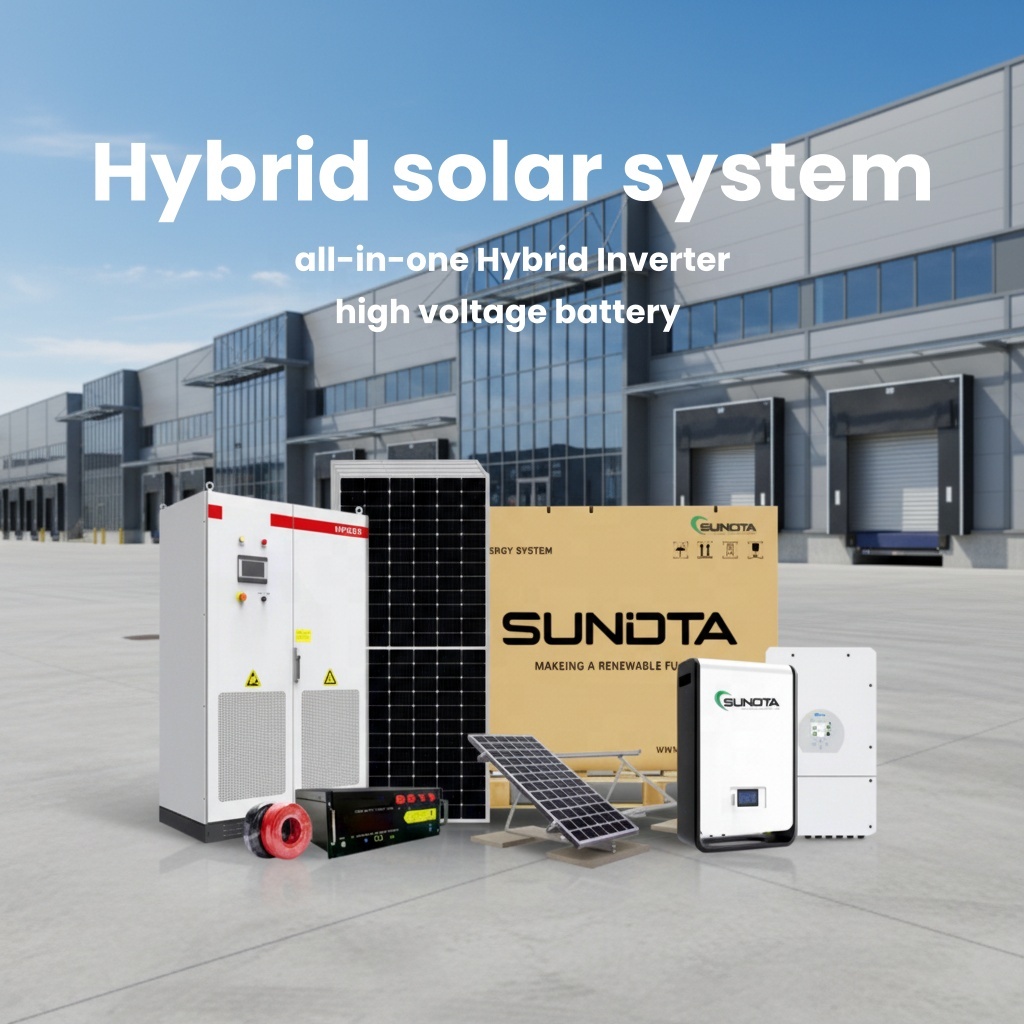
All in One Energy Storage Outdoor Cabinet 100kW - 500kW LiFePO4
- Liquid/Smart Air Cooling
- IP55 rated enclosure
- Industrial peak-shaving ready
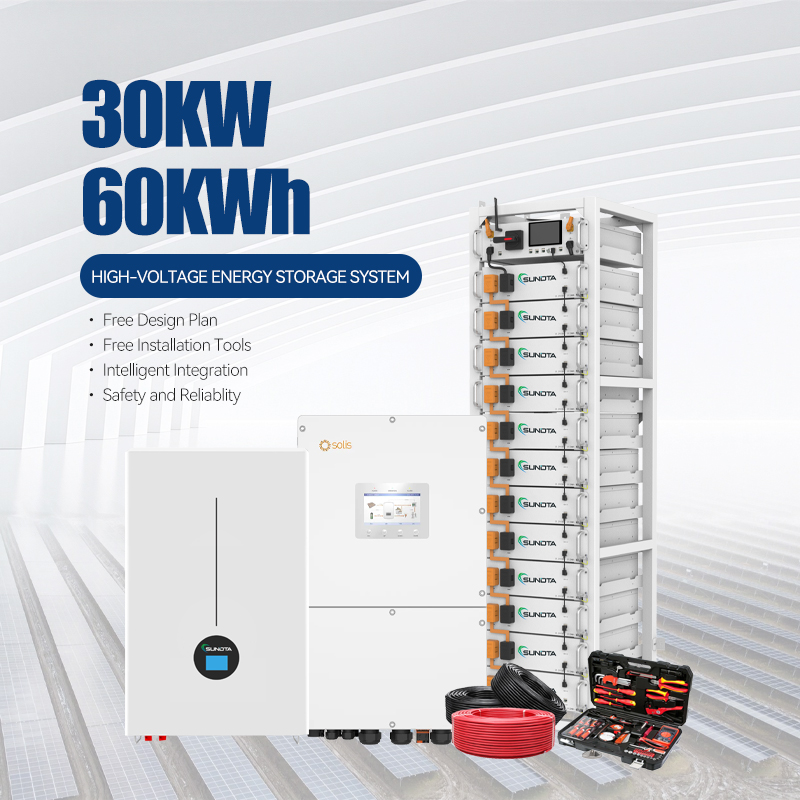
Energy Bank Powerwall 51.2V 314Ah / 200Ah 15kWh Battery Pack
- Grade-A 3.2V Prismatic cells
- 6,000 deep discharge cycles
- Integrated Smart RS485/CAN
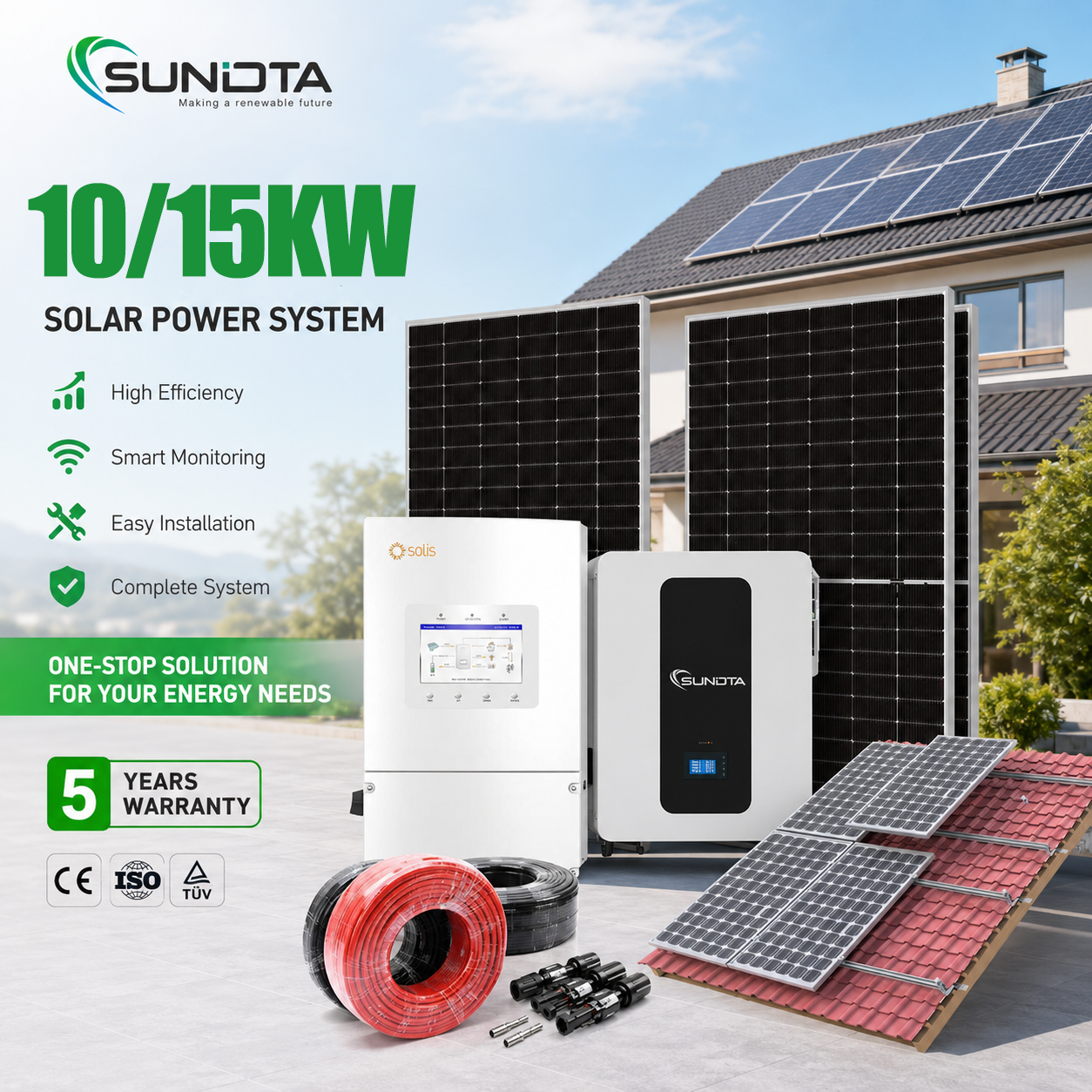
Hybrid 15kWh Inverter System 300Ah Stackable Li-Ion MPPT 15kW
- Quick plug-and-play stacking
- Split-phase output capable
- Heavy induction motor support
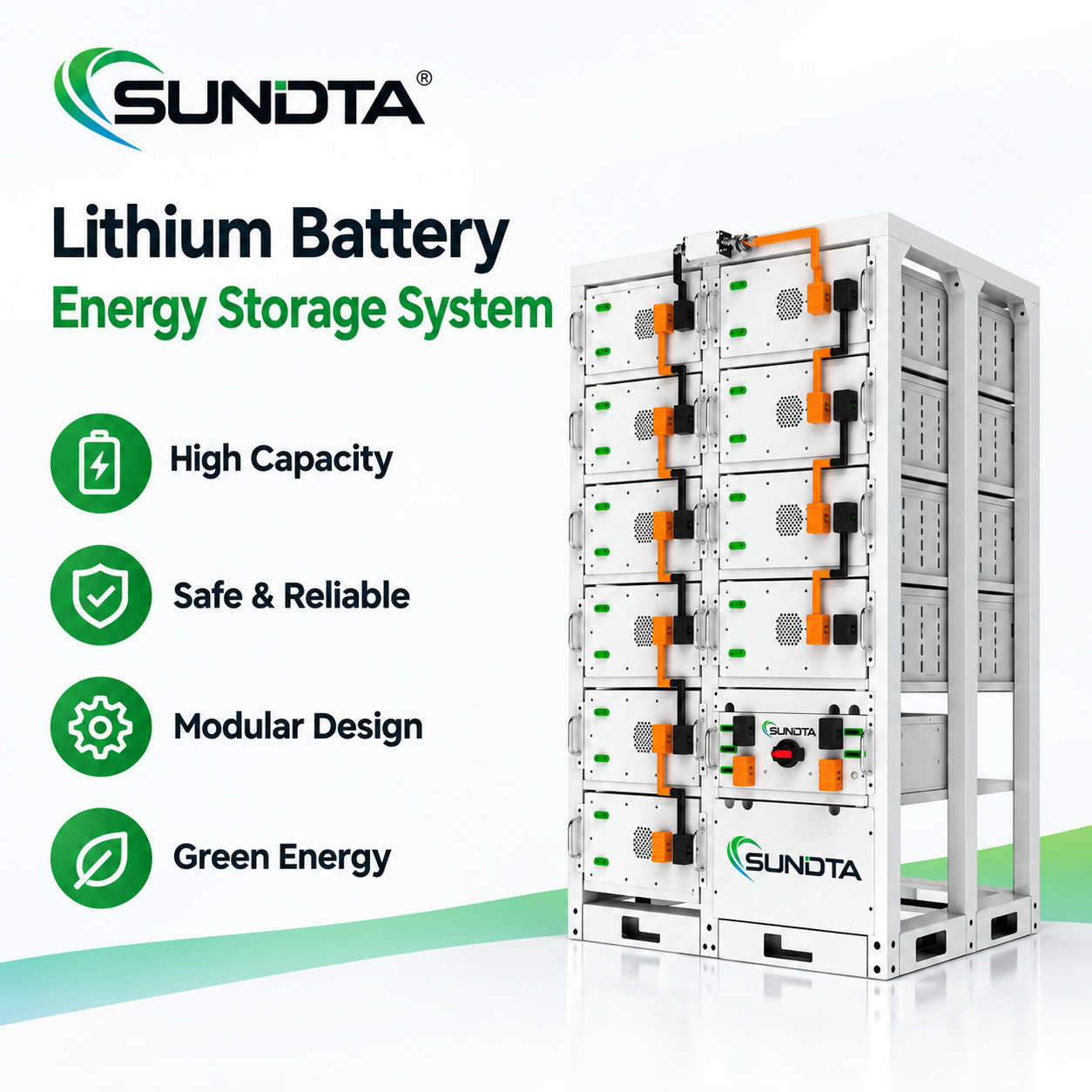
Smart BMS 51.2V Stackable LiFePO4 Solar Battery Storage System
- Precision balancing & monitor
- Multi-protocol autodetect
- Scalable up to 16 parallel units
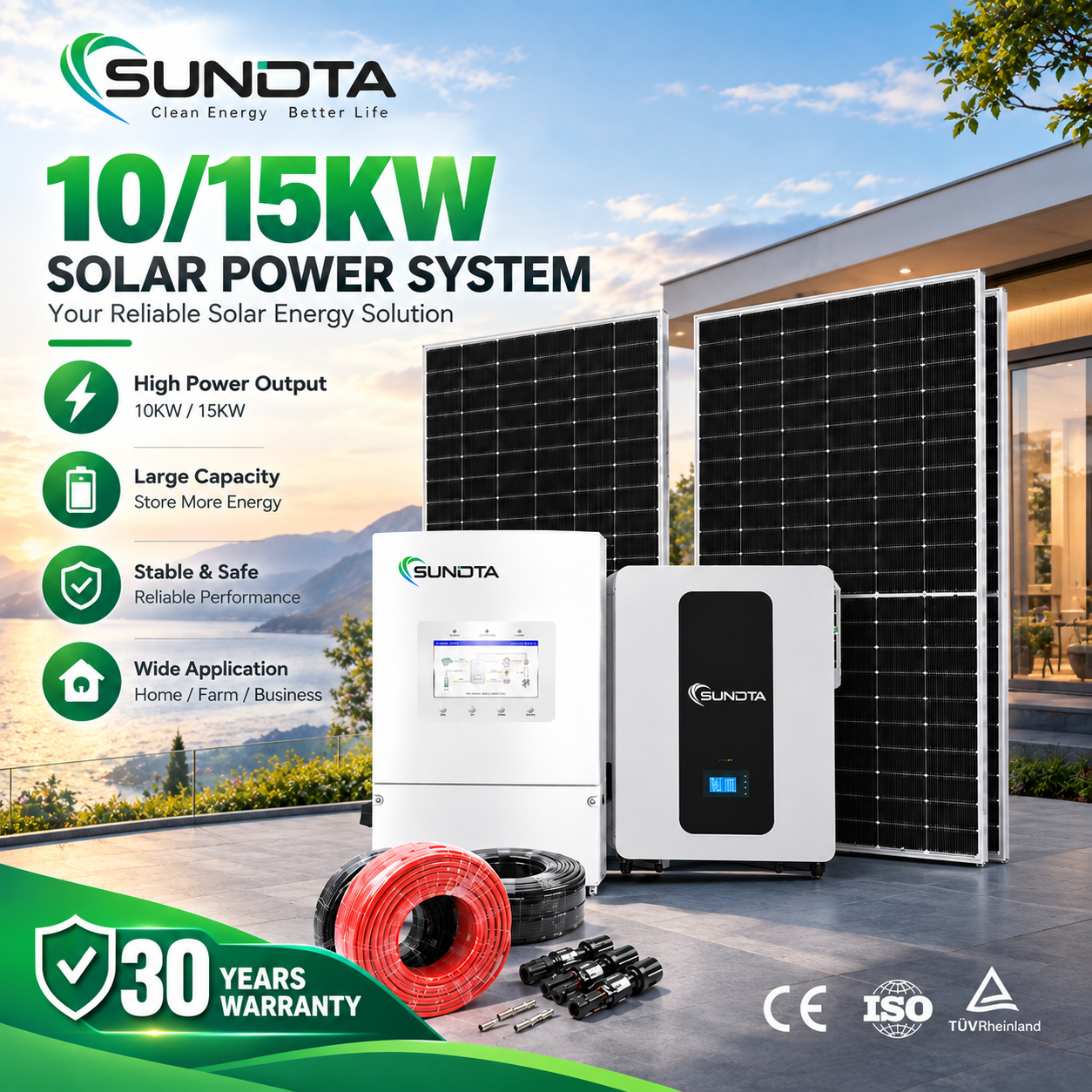
Premium 585W-595W N-Type Bifacial Monocrystalline Solar Panel
- 23.03% Module efficiency
- Low temperature coefficient
- Up to 25% rear albedo gain
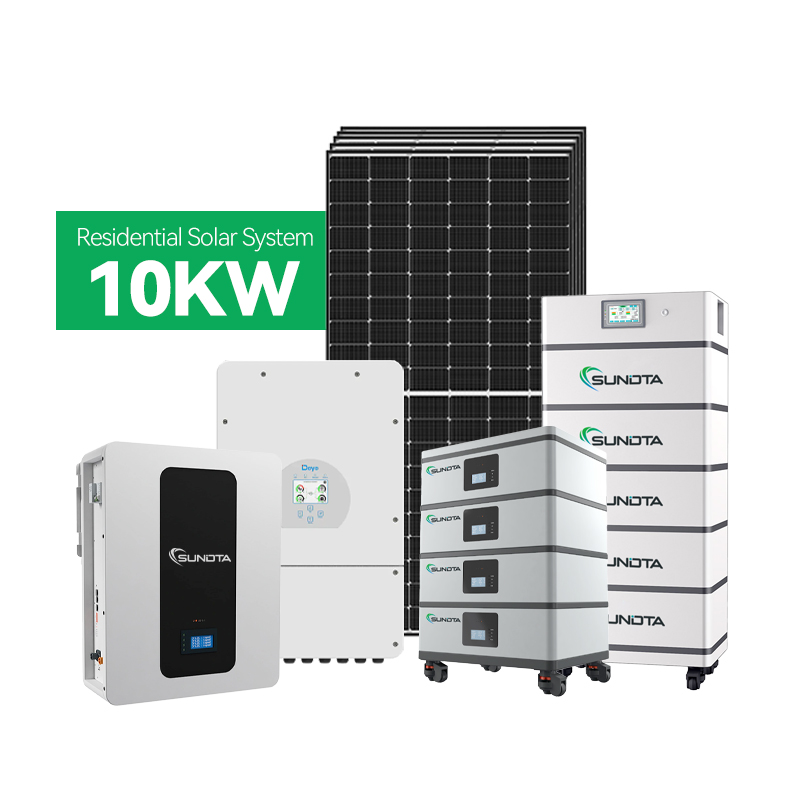
Sundta 10KW 12KW Hybrid Solar System with LiFePO4 Battery & BMS
- Balanced budget vs. longevity
- Built-in WiFi remote monitoring
- Generator autostart contact
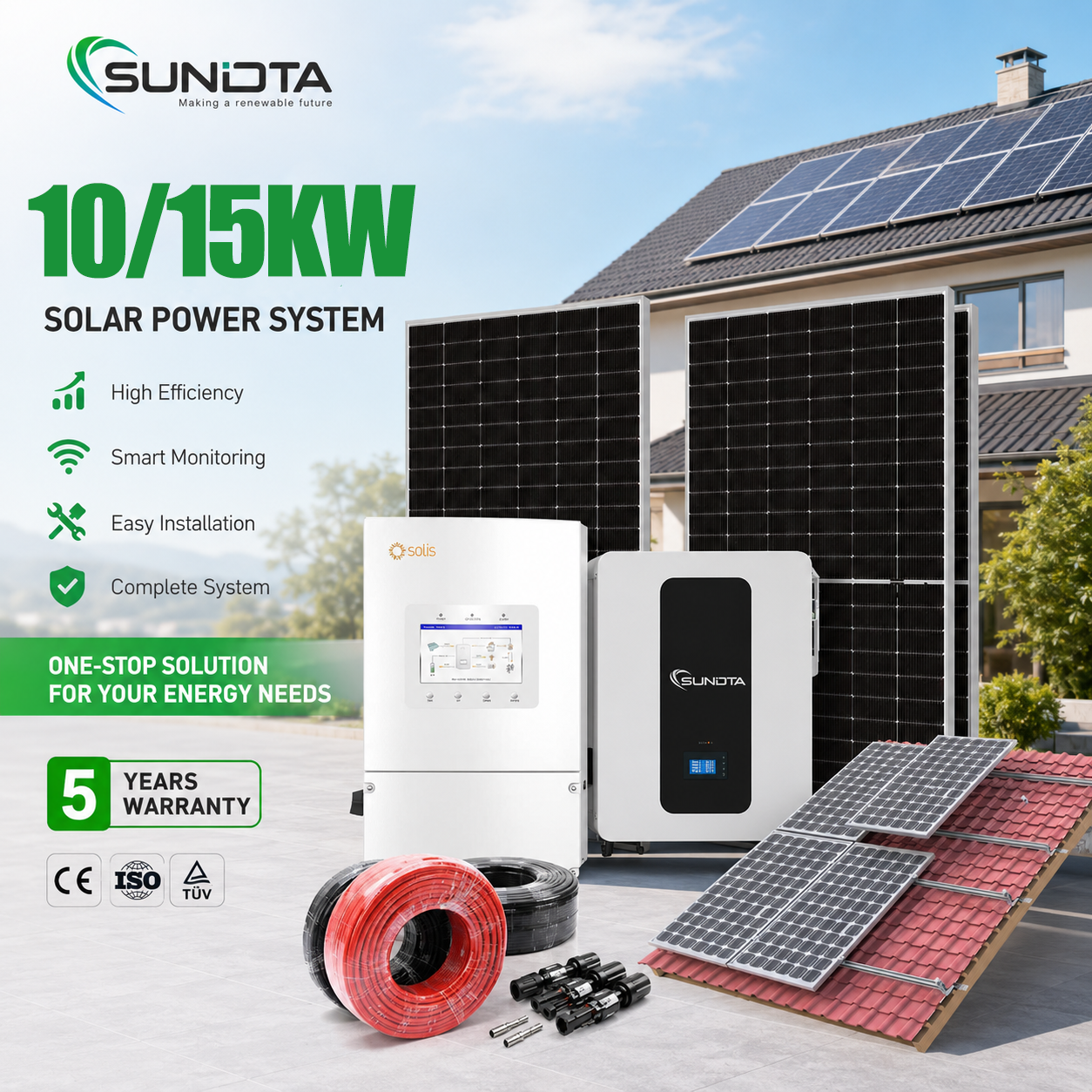
Factory Price 8kW 10kW 15kW On-Off Grid Full Set with Mono Panels
- Comprehensive BOM & brackets
- DC disconnect & surge arrest
- Direct container load ready
Overcoming Grid Fragility in Cuba with LiFePO4 Energy Storage
A rigorous engineering perspective on mitigating thermoelectric outages, frequency swings, and tropical environmental stress across the Cuban archipelago.
The electrical ecosystem of Cuba presents some of the most exacting demands in the western hemisphere for energy storage equipment. Managed by the Unión Eléctrica (UNE), the National Electric System (Sistema Eléctrico Nacional - SEN) faces historic challenges due to fuel deficits, aging thermoelectric plants such as the Antonio Guiteras and Felton facilities, and transmission constraints. Prolonged blackouts, colloquially termed apagones, are no longer anomalous; they constitute an operational baseline that lasts anywhere from 8 to 20 hours per day in several central and eastern provinces including Matanzas, Villa Clara, Holguín, and Santiago de Cuba.
For private entities (micro, pequeñas y medianas empresas or MIPYMES), agricultural co-ops, international hotel joint ventures in Varadero, and critical state-owned infrastructure, reliance on diesel generation sets (gensets) is economically unviable due to chronic localized fuel scarcity and soaring logistical overhead. Consequently, the deployment of standard 19-inch rack-mount lithium iron phosphate (LiFePO4) battery systems coupled with bidirectional hybrid inverters has emerged as the definitive engineering antidote.
Unlike unstandardized wall units, our rack-mount modular topologies provide high volumetric energy density, scalable parallel expansion from 5.12 kWh up to multi-megawatt-hour lineups, active cell balancing, and deep resilience against harsh marine-tropical environments. Designed and exported directly from our automated facilities in Hefei, China, our rack architectures integrate natively with leading power conversion systems (PCS) including Deye, Solis, and Growatt via CAN and RS485 protocols.
Localized Applications Across Cuba's Economic Sectors
Tailored battery rack implementations designed to withstand severe thermal loads, marine salinization, and prolonged islanded off-grid cycles.
Hospitality & Tourism (Varadero & Cayos)
Luxury resorts, eco-lodges, and boutique hotels cannot afford blackouts that halt HVAC, commercial refrigeration, and desalination operations. Our scalable 48V/51.2V and high-voltage rack architectures seamlessly interface with Deye 50kW commercial hybrid systems to form zero-millisecond UPS microgrids, shielding guests from utility instability while lowering heavy generator maintenance costs.
MIPYMES & Private Enterprise Resilience
Private bakeries, meat-processing units, cold-storage warehouses, and restaurants (paladares) in Havana and Camagüey suffer heavy asset depreciation during inventory spoilage. Modular 10kWh to 30kWh rack configurations provide predictable levelized cost of storage (LCOS), eliminating fuel theft risks and delivering reliable daily cyclic autonomy.
Healthcare Clinics & Emergency Cold Chain
Rural polyclinics, municipal surgical facilities, and pharmacological storage hubs require continuous power for blood cooling, vaccines, and surgical lights. RJV's LiFePO4 rack battery assemblies offer instantaneous response without voltage surges or harmonics, preventing catastrophic failure in medical diagnostic equipment.
Telecommunications & Remote Radar Towers
Cell towers operated by ETECSA and remote maritime transponders frequently operate in unstaffed mountainous or coastal terrain. Compact standard rack mounting inside 19-inch telecommunication cabinets gives technicians plug-and-play simplicity, comprehensive remote telemetry via SNMP/CAN, and zero maintenance requirements over a 15-year service life.
Agro-Industrial Processing (Sugar & Tobacco)
Tobacco curing facilities in Pinar del Río and cooperative agricultural irrigation arrays depend on stable solar-pump operations. Our rack-mounted systems act as firming buffers, neutralizing extreme motor inrush currents from three-phase water pumps and high-draw industrial ventilation setups without causing inverter trips.
Residential Estates & Multi-Tenant Units
Urban apartment buildings in Old Havana, Vedado, and Miramar require discrete, enclosed battery banks that produce neither toxic gases nor fire hazards. Our LiFePO4 rack batteries feature built-in aerosol or dry chemical fire suppression ports, heavy-gauge steel casing, and compact floor footprints that easily fit utility closets and basements.
Decarbonization Trends & Regulatory Shifts in Cuba
Strategic changes driving distributed PV generation and lithium battery adoption across state and non-state sectors.
1. National Transition Policy toward 24% Renewables by 2030
The Cuban Ministry of Energy and Mines (MINEM) has repeatedly updated its long-term policy directives to accelerate renewable energy penetration. Facing intense macroeconomic pressure from high international crude prices, Cuba has actively relaxed import tariffs on solar modules, lithium storage batteries, and balance-of-system (BOS) components. Decree-Law 345 and its subsequent executive amendments allow natural persons and corporate entities to import certified PV equipment with duty-free exemptions, directly incentivizing EPCs and traders to establish bulk container supply chains from Chinese manufacturers.
2. Complete Obsolescence of Flooded Lead-Acid & Gel Chemistries
Historically, the Cuban commercial landscape utilized low-cost deep-cycle lead-acid and AGM battery banks for basic emergency backup. However, the high ambient temperatures of Cuba (frequently exceeding 35°C in utility sheds) lead to premature sulfation, acid boiling, and catastrophic thermal breakdown in lead-acid banks within 12 to 18 months. B2B purchasers have fully shifted capital expenditure toward LiFePO4 chemistry. The 6,000+ cycle threshold at 80% depth of discharge (DoD) delivers an operational lifespan in excess of 10-12 years under daily dual-cycle cycling (morning and evening load-shedding).
3. The Rise of Port of Mariel (ZEDM) Logistics Hub
The Zona Especial de Desarrollo Mariel (ZEDM) offers modern bonded warehousing, streamlined customs clearance, and logistical access to Havana, Artemisa, and secondary shipping lanes. Direct ocean freight from Ningbo and Shanghai to Mariel allows Cuban importers to consolidate complete container loads (FCL) consisting of TOPCon solar modules, hybrid inverters, standard 19-inch rack-mount batteries, and pre-wired battery cabinets, significantly reducing landed unit freight costs.
Technical Comparison: Energy Storage Technologies in the Caribbean Climate
| Engineering Attribute | RJV LiFePO4 Rack Mount | Standard Wall-Mount Lithium | Traditional Gel / Lead-Acid |
|---|---|---|---|
| Cycle Life (80% DoD @ 30°C) | ≥ 6,000 Cycles | 4,000 - 5,000 Cycles | 500 - 800 Cycles (Severe Derating) |
| High Ambient Thermal Tolerance | Built-in heat sink + thermal baffles (-10°C to +55°C) | Enclosed aesthetic casing, heat trapping | Thermal runaway risk above 35°C |
| Cabinet & Scalability Modularity | Standard 19" 3U/4U/5U slide-in rails (Up to 160kWh) | Wall structural load limit (Max 2-3 units) | Massive footprint, dangerous acid leaks |
| Inverter Closed-Loop Protocol | Dual CAN / RS485 auto-mapping (Deye, Solis, etc.) | Single protocol locked to OEM brand | Open-loop only (Voltage-based guesswork) |
| Levelized Cost of Storage (LCOS) | $0.065 / kWh delivered | $0.092 / kWh delivered | $0.280+ / kWh delivered |
Why Cuban Importers & Global EPCs Partner with RJV
Combining automated Tier-1 level production, rigorous component verification, and dedicated end-to-end export support from Hefei, China.
2 GW Industrial Scale
Operating advanced automated module and pack production workshops in Hefei, Anhui Province, with 12+ years of manufacturing lineage and 38 national patent certificates.
TÜV Rheinland Audited
Verified on-site by TÜV Rheinland with an AAA corporate credit rating. Complete compliance with CE, IEC 62619, UN38.3, and MSDS container transport standards.
Guaranteed Compatibility
Proprietary Smart BMS pre-flashed with protocol profiles for Deye, Solis, Growatt, and Victron systems. Zero communication errors during field commissioning.
Turnkey Container Sourcing
Full-container shipping consolidations combining TOPCon panels, hybrid inverters, rack batteries, customized DC combiners, and marine-grade mounting rails.
Frequently Asked Questions by Cuban Importers & EPCs
Direct answers addressing shipping routes, customs tariffs, battery cycle life under high heat, and inverter protocol configurations.