Smart Solar Inverter Suppliers & Exporters serving Bishkek

Precision-Engineered Hybrid PV Inverters, Low-Temperature LiFePO4 Energy Storage, and Tier-1 Smart Energy Systems Built for Kyrgyzstan's Harsh Continental Climates and Dynamic Grid Transitions

B2B Sourcing & Direct Export

Field-Proven Solar Inverters & Storage Systems for Bishkek & Chüy Oblast

As Bishkek, Osh, and the wider Chüy Valley face persistent seasonal energy demands, fluctuating grid voltages, and winter power curtailments, Anhui RJV New Energy provides certified smart hybrid inverters and matched LiFePO4 battery infrastructure engineered specifically for Central Asian operational parameters.

2.0GW
Annual PV Manufacturing Depth
500+MW
Delivered Renewable Projects
38Pats
Core Technology & BMS Patents
7-14Days
Direct Rail/Truck Transit to Bishkek

Engineering Whitepaper: Grid Stability & Solar Optimization in Kyrgyzstan

Kyrgyzstan presents a distinct operating context for photovoltaic power electronics and energy storage systems. Bishkek and its surrounding Chüy Valley benefit from excellent horizontal solar irradiation (GHI), recording between 1,600 and 1,850 kWh/m² annually with more than 2,600 hours of direct sunlight. However, the nation's severe winter continental climate—where ambient temperatures frequently drop to -20°C or -25°C—coupled with legacy electrical infrastructure, creates rigorous demands on solar inverter topology and battery chemistry.

The municipal and peri-urban distribution grids of Bishkek (notably in developing residential districts or novostroiki such as Ak-Ordo, Ala-Too, and Dordoi outskirts) encounter acute voltage instability. Fluctuations spanning 160V to 275V AC are routine during peak winter heating cycles, when local hydroelectric reserves (predominantly dependent on the Toktogul Reservoir and Naryn Cascade) run low. Standard consumer-grade grid-tied inverters automatically trip during these voltage sags, abandoning commercial facilities and households precisely when backup power is urgently needed.

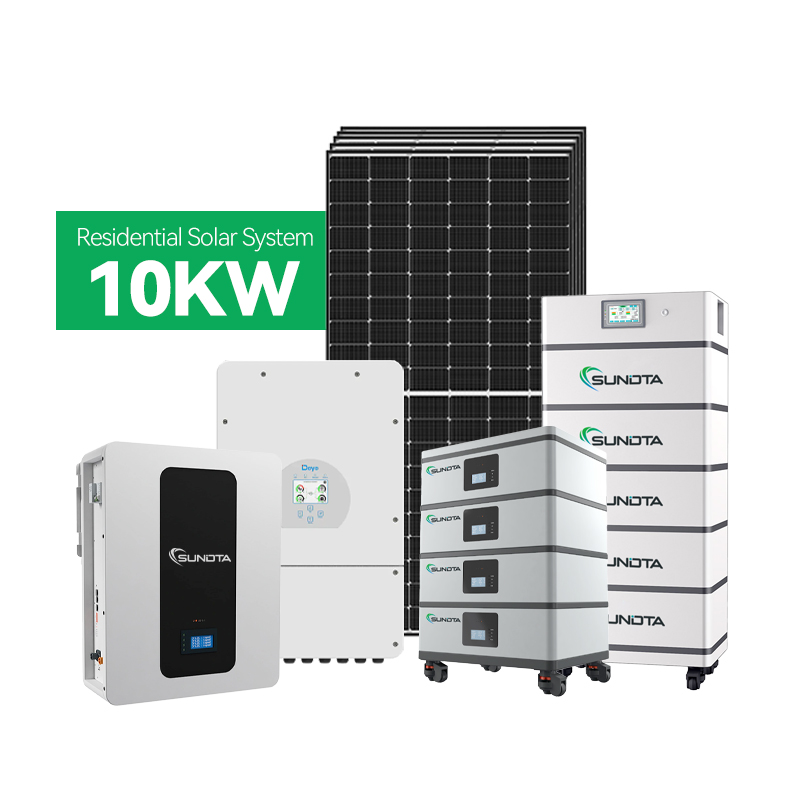
Anhui RJV New Energy addresses this technical challenge by engineering industrial-grade smart hybrid solar inverters and battery energy storage systems (BESS) designed for wide AC grid tolerance, intelligent peak-shaving, and sub-zero operational reliability. Below is our comparative engineering matrix for systems deployed within Bishkek and Chüy Oblast:

Grid Parameter / Engineering Need Legacy Off-Grid / Grid-Tie Inverters RJV Smart Hybrid Inverters (Deye / Solis / Sundta Tier-1) Impact on Bishkek End-Users & EPCs
AC Voltage Tolerance Window 198V – 242V (Narrow European Window) 160V – 280V (Ultra-Wide Central Asian Dynamic Range) Eliminates nuisance inverter trips during suburban heating surges in Chüy Valley.
UPS-Grade Blackout Transfer 50ms – 200ms (Causes PC & boiler reset) <4ms to 8ms (True Uninterruptible Power Supply) Keeps gas-boiler pumps, automated sewing machines, and servers online during grid cuts.
Sub-Zero Battery Temperature Behavior Unmanaged lithium shuts down below 0°C Integrated Smart BMS with Thermal Pre-Heating Logic Safe LiFePO4 charging even in unheated basements and utility rooms at -25°C.
Generator & Renewable Integration Manual ATS switchbox required Dry Contact Auto-Gen Start + Smart Load Shifting Coordinates solar arrays, battery reserves, and diesel/gas backup automatically.
Communication & Monitoring Basic RS232 / Local LCD only Integrated Wi-Fi / 4G GSM Cloud Telemetry (Russian UI) Remote string-level diagnostic capability for Bishkek engineering and installation teams.

Grid-Forming Microgrid Resilience

Our smart hybrid inverters utilize sophisticated digital signal processing (DSP) to act as grid-forming voltage sources during rolling blackouts. They sustain an independent 50Hz sine-wave output with less than 2.5% Total Harmonic Distortion (THD), safeguarding sensitive electronics, diagnostic medical instruments, and industrial heating automation.

Tier-1 LiFePO4 Prismatic Chemistry

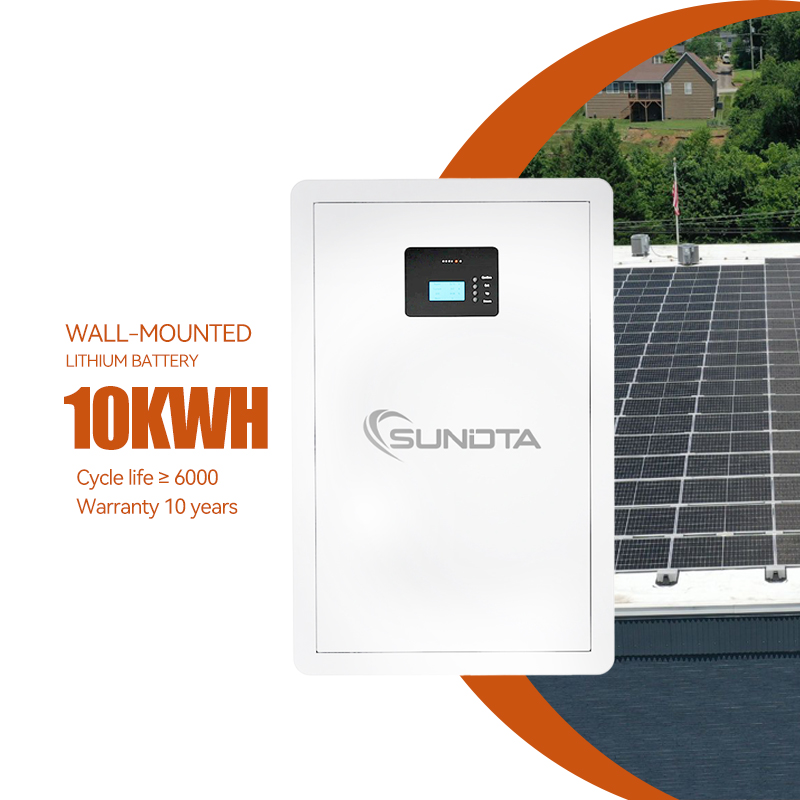
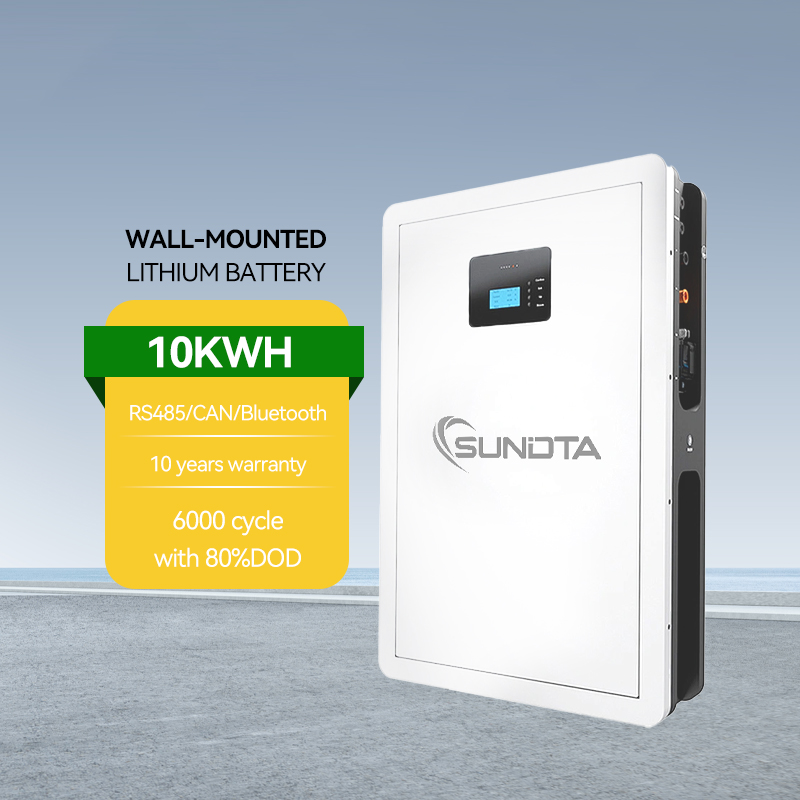
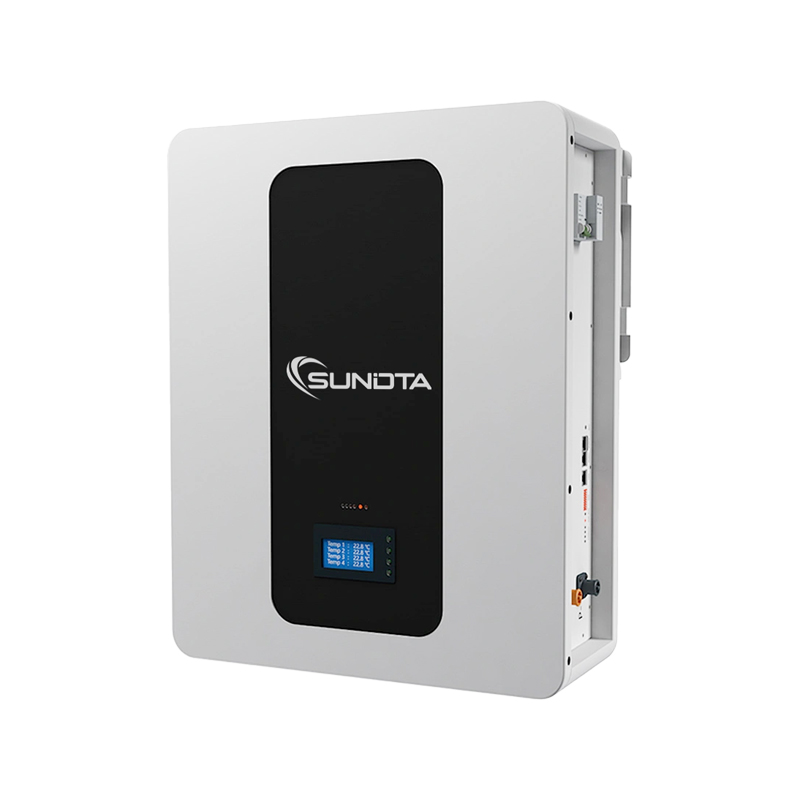
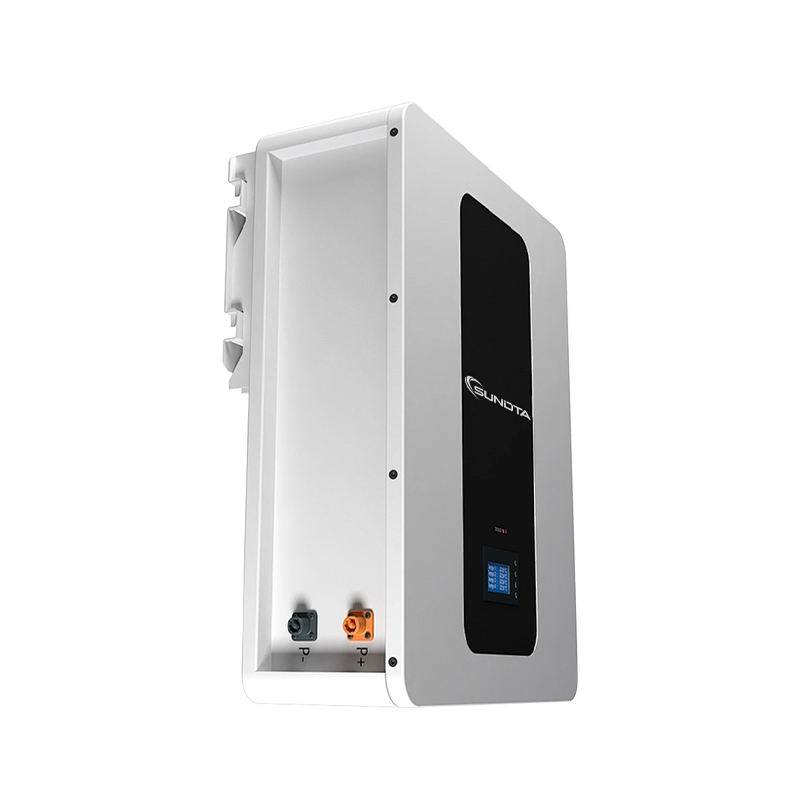
Lithium Iron Phosphate cells packaged in our wall-mounted and server-rack enclosures deliver 6,000+ deep discharge cycles at 90% DoD. Integrated smart BMS boards provide active balancing, dual CAN-bus / RS485 communication protocols with leading power conversion systems, and built-in multi-stage over-current protection.

Dual MPPT Optimization for Low Winter Sun

During Bishkek's winter months, low sun elevation and partial snow coverage can severely reduce solar string yields. Our dual and triple Maximum Power Point Tracking (MPPT) trackers feature a wide 120V–500V DC operating window, extracting maximum kilowatt-hours even through diffuse lighting and mountain shadows.
Target Deployments

Tailored Applications for Bishkek & Northern Kyrgyzstan

From residential communities seeking autonomy from winter coal smog to high-load textile manufacturing plants, our smart inverter solutions meet the exact operational profiles of the Kyrgyz economy.

Application 01

Suburban Residential Estates & Novostroiki

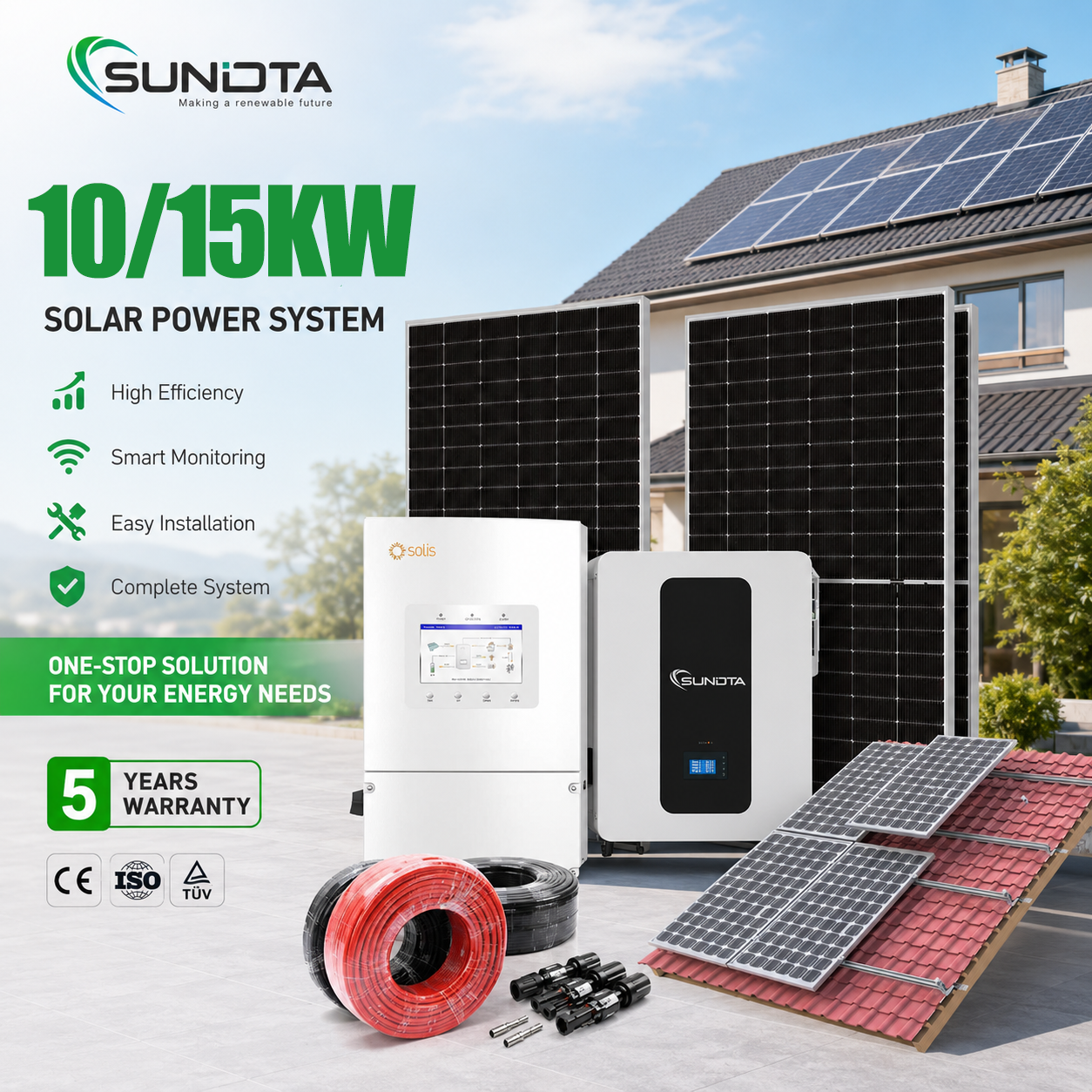
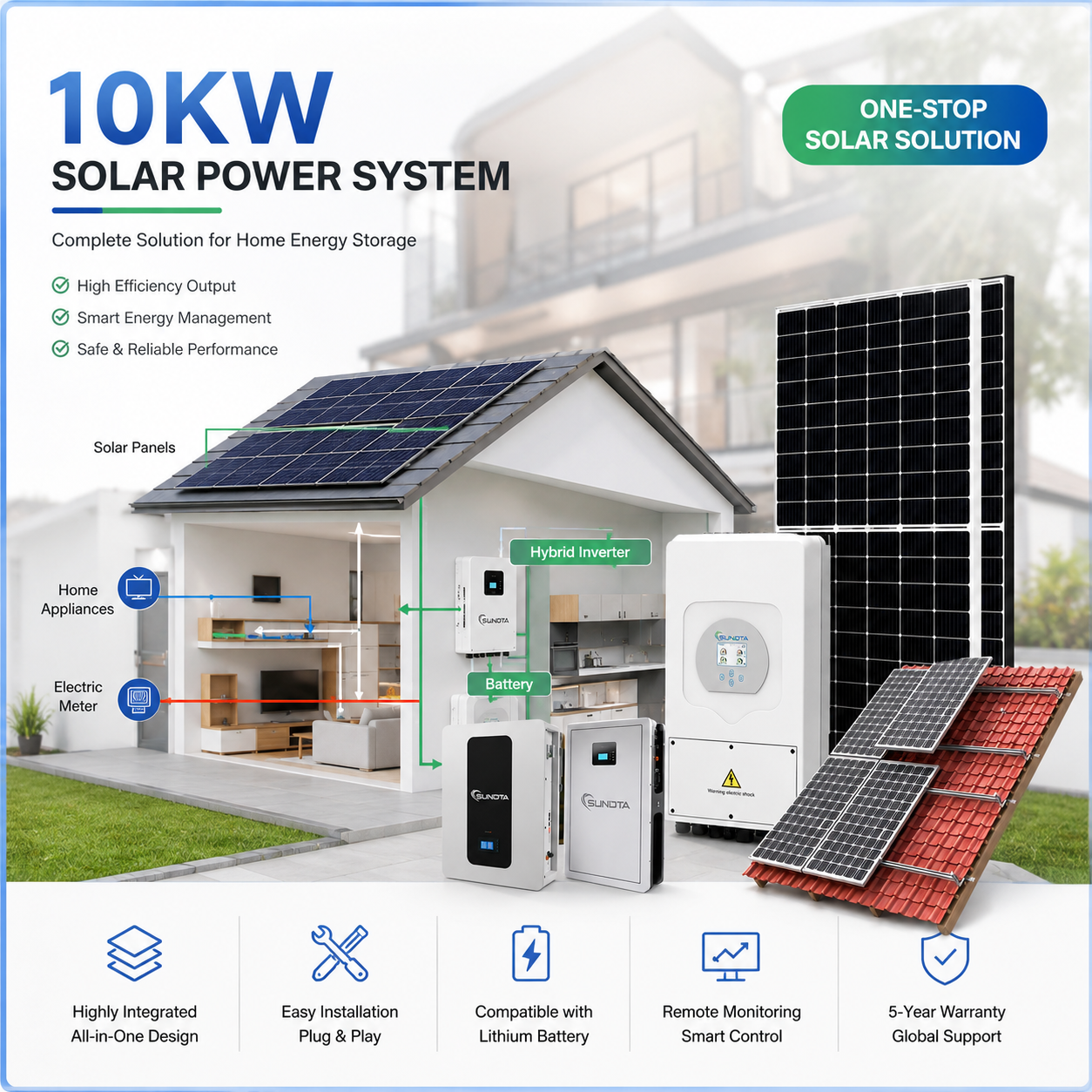
Properties in Kok-Zhar, Orto-Sai, and suburban Bishkek suffer frequent power cuts when winter electrical heating surges overwhelm local substations. Deploying 10kW to 15kW hybrid systems paired with 10kWh–20kWh wall-mounted LiFePO4 batteries guarantees 24/7 heating circulation pump operation, lighting, refrigeration, and security without noisy, polluting fossil fuel generators.

Application 02

Dordoi & Alamedin Commercial Logistics

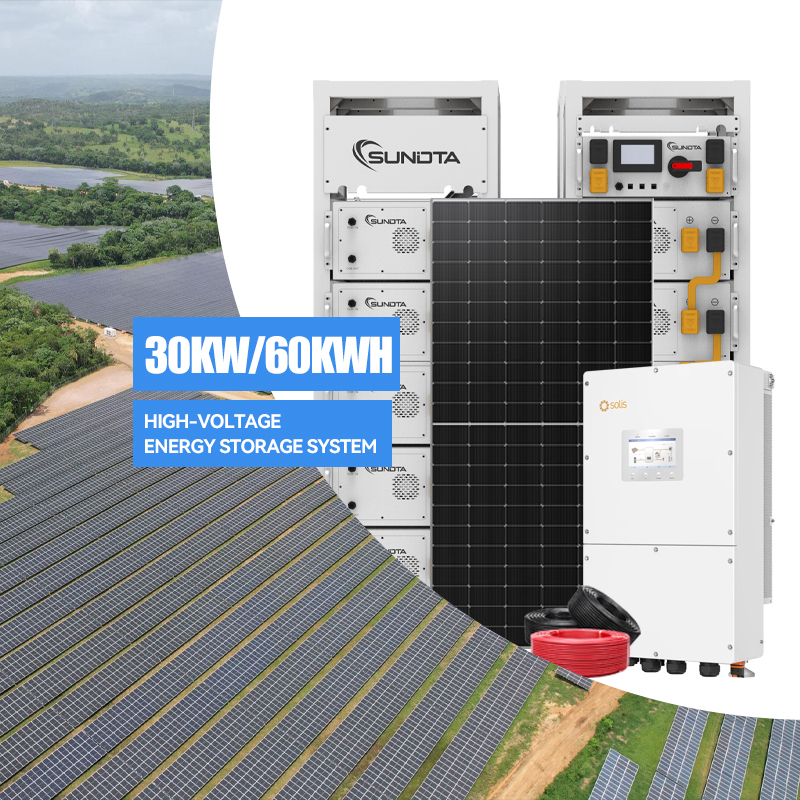
As Central Asia's largest trading crossroads, the Dordoi Bazaar complex and surrounding warehousing hubs require continuous power for cold-storage chillers, inventory terminals, and security infrastructure. Our three-phase 30kW–50kW commercial hybrid systems allow logistics operators to shave expensive daytime commercial utility rates and maintain uninterruptible cold chains.

Application 03

Garment & Light Industrial Workshops

Bishkek's thriving apparel and sewing sector depends on steady three-phase 380V power for hundreds of computerized stitching machines, steam boilers, and fabric laser cutters. Voltage dips cause motor burnouts and production standstills. RJV high-capacity industrial hybrid inverters stabilize factory voltage and cut operational power tariffs substantially.

Application 04

Eco-Tourism, Resorts & Alpine Outposts

Eco-resorts, ski bases, and yurt lodges in Ala-Archa, Chunkurchak, and along the transit highway toward Issyk-Kul often operate far from reliable medium-voltage transmission lines. Fully off-grid 20kW to 50kW solar container kits with backup diesel auto-synchronization deliver reliable clean power, protecting pristine mountain air while eliminating fuel haulage costs.

Renewable Energy Trends & Regulatory Shifts in Kyrgyzstan

The Kyrgyz Republic is undergoing an unprecedented modernization of its national energy matrix. Historically reliant on seasonal hydropower from the Naryn River basin, changing regional hydrology and sustained industrial expansion have driven the Ministry of Energy of the Kyrgyz Republic to implement sweeping reforms under the updated Law on Renewable Energy Sources.

Key market drivers reshaping B2B solar procurement in Bishkek include:

  • Rationalization of Electricity Tariffs: Phased elimination of cross-subsidies for commercial entities and high-consumption residential consumers has shortened the payback period of 10kW–50kW solar-plus-storage systems in Bishkek from 8.5 years to under 4.2 years.
  • Introduction of Net-Metering Mechanisms: Commercial enterprises, agricultural operations, and private estates can now legally offset consumption through bidirectional grid-feed agreements with local distribution companies such as Severelectro (NESK). RJV smart hybrid inverters feature certified anti-islanding protection and precise bidirectional metering profiles compatible with Kyrgyz grid codes.
  • Direct Cross-Border Supply Chains (China–Kyrgyzstan Corridor): Sourcing directly from our Hefei manufacturing headquarters via the Kashgar border crossings (Irkeshtam and Torugart passes) eliminates middleman markups and European forwarding delays. Standard road freight arrives at Bishkek customs terminals (Alamedin / Severny) in just 7 to 14 days, providing rapid component replenishment for local EPC contractors.
  • Smog Abatement Initiatives: With Bishkek frequently ranking among the world's cities most affected by winter particulate matter (PM2.5) due to low-grade coal heating in private houses, municipal incentives are driving clean electrical heating backed by rooftop solar arrays and smart battery storage.
Why Work With RJV

Anhui RJV New Energy: Direct Factory Advantage

Headquartered in Hefei's High-Tech Innovation Industrial Park, Anhui RJV New Energy combines tier-1 automated PV manufacturing with comprehensive energy storage systems integration, backing every B2B shipment with verified engineering support.

2 GW Fully Automated Module Line

Our production facilities produce N-type TOPCon and bifacial PERC modules using precision multi-busbar soldering, micro-crack automated EL testing, and automated framing for lasting structural integrity.

TÜV Rheinland On-Site Verified

Our manufacturing protocols, quality management workflows, and testing laboratories are verified on-site by TÜV Rheinland. We carry CE, IEC 61215, IEC 61730, and UN38.3 certifications necessary for swift customs clearance.

Pre-Engineered PV + ESS BOMs

We eliminate installation incompatibility. Inverters, LiFePO4 batteries, MPPT controllers, DC combiner boxes, and racking arrive pre-tested with validated communication protocols, saving days on commissioning.

24/7 Dedicated Engineering Support

Our bilingual senior application engineers offer round-the-clock wiring diagrams, capacity sizing reviews, remote firmware updates, and after-sales support across Central Asian time zones (UTC+6).

Procurement Questions

Frequently Asked Questions for Bishkek EPCs & Importers

Clear, technical, and regulatory clarity addressing cross-border logistics, system sizing, customs documentation, and cold-weather operation in Kyrgyzstan.

How are solar inverters and lithium batteries shipped from your factory to Bishkek, and what are transit times?
Cargo originates from our manufacturing facility in Hefei, Anhui Province, and is dispatched via direct road freight or rail transit through Xinjiang border checkpoints (either Irkeshtam or Torugart passes). The transit time typically ranges between 7 and 14 calendar days from China departure to destination customs clearance at Bishkek terminals (such as Alamedin Terminal or Severny customs post). We support standard Incoterms including FOB (Chinese ports/border), CIF, CFR, and DAP Bishkek, accompanied by complete dangerous goods (DG) documentation for LiFePO4 battery transport (UN38.3 test reports and MSDS).
Do your inverters and batteries comply with Eurasian Economic Union (EAEU) customs standards?
Yes. Our equipment complies with relevant technical regulations of the Customs Union/EAEU, including TR CU 004/2011 (Low Voltage Equipment Safety) and TR CU 020/2011 (Electromagnetic Compatibility). Products carry full CE conformity, factory flash reports, and technical datasheets, enabling your customs broker to process EAC Declarations of Conformity without logistical delays or inspection holdups.
How do RJV hybrid inverters manage Bishkek's winter grid voltage fluctuations (down to 160V or surges up to 275V)?
Unlike standard European grid-tied inverters that trip when voltage deviates beyond 230V ±10%, our smart hybrid models feature a configurable wide-input AC regulation band (160V–280V). When municipal voltages drop precipitously due to high heating demand, the inverter seamlessly supplements line power with solar or stored battery energy without disconnecting. If the grid fails completely, the internal high-speed transfer switch transitions to backup mode in under 8 milliseconds, ensuring zero reboot time for sensitive heating automation and IT devices.
Can the Sundta LiFePO4 battery banks be safely installed in unheated garages or basements during sub-zero winters?
While Lithium Iron Phosphate cells should not receive charge currents below 0°C without thermal mitigation, our systems offer two robust solutions for Central Asian winters. First, our intelligent BMS firmware incorporates active thermal cut-offs that prevent cold-charging degradation while permitting discharge down to -20°C. Second, our cold-climate battery variants feature integrated internal PTC self-heating pads: incoming solar power is routed first to gently warm the battery core above 5°C before full charging current begins.
What is the Minimum Order Quantity (MOQ) for Kyrgyz contractors, distributors, and EPC projects?
We support both growing regional installers and large-scale EPC contractors. For smart hybrid inverters and wall-mounted LiFePO4 batteries, the MOQ starts from just 1 unit/set for engineering sample evaluation and pilot installations. For photovoltaic modules, we typically supply by individual pallet or full container loads (20GP / 40HQ). Mixed container orders combining solar panels, hybrid inverters, batteries, and mounting hardware in a single consolidated bill of materials are welcomed.
Can RJV hybrid inverters integrate with existing backup diesel or petrol generators?
Yes. Our smart hybrid series is equipped with a dedicated generator input port and dry-contact automatic generator start (AGS) control. If the public grid fails and battery reserves fall below a customer-selected depth of discharge (e.g., 20%), the inverter automatically closes the dry contact to ignite the backup generator, synchronizes frequency within milliseconds, and throttles generator output to supply household loads while safely recharging the lithium battery.

Power Your Next Solar Project in Bishkek with Factory-Direct Engineering

Whether you are outfitting residential compounds in Chüy Oblast, deploying commercial rooftop solar in the Dordoi industrial corridor, or establishing regional distributorships in Kyrgyzstan, our engineering team is ready to assist with system sizing, compatibility checks, and landed cost estimates.