Integrated Solar Power Architecture & System Solutions
Precision-engineered hardware optimized for Central American irradiance profiles, commercial peak-shaving, and critical uninterruptible power deployment.
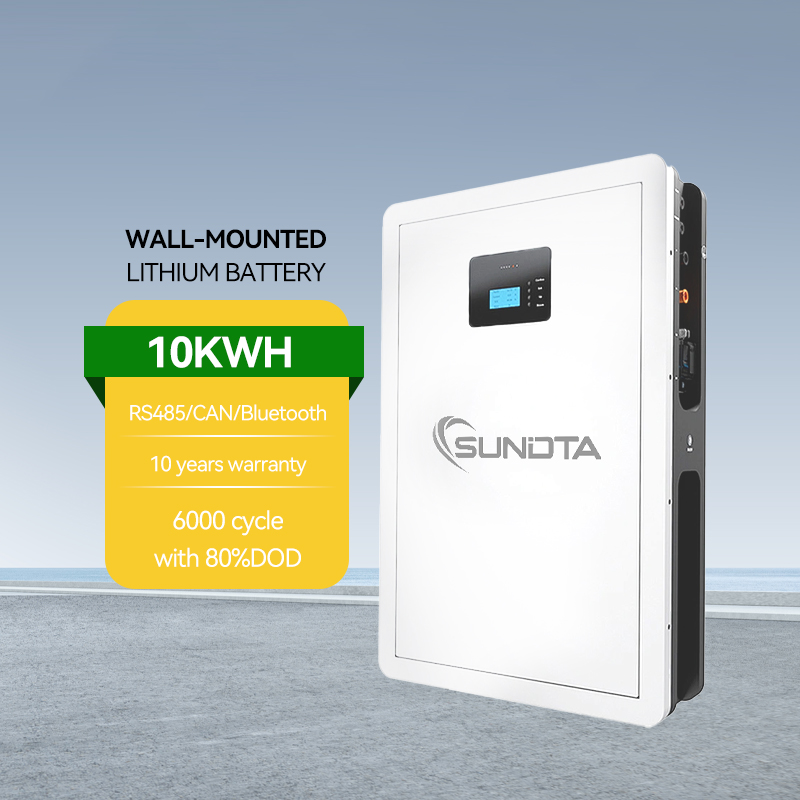
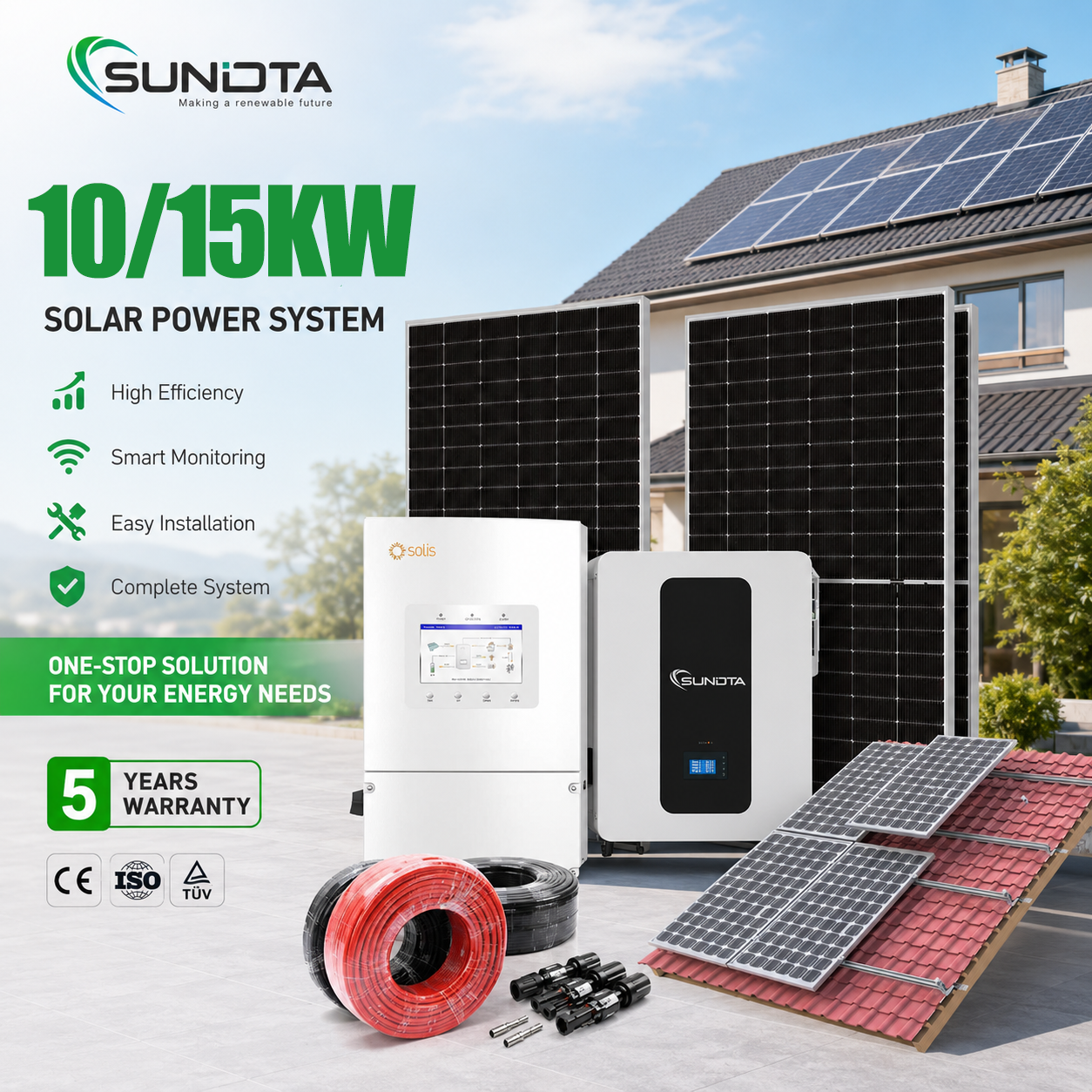
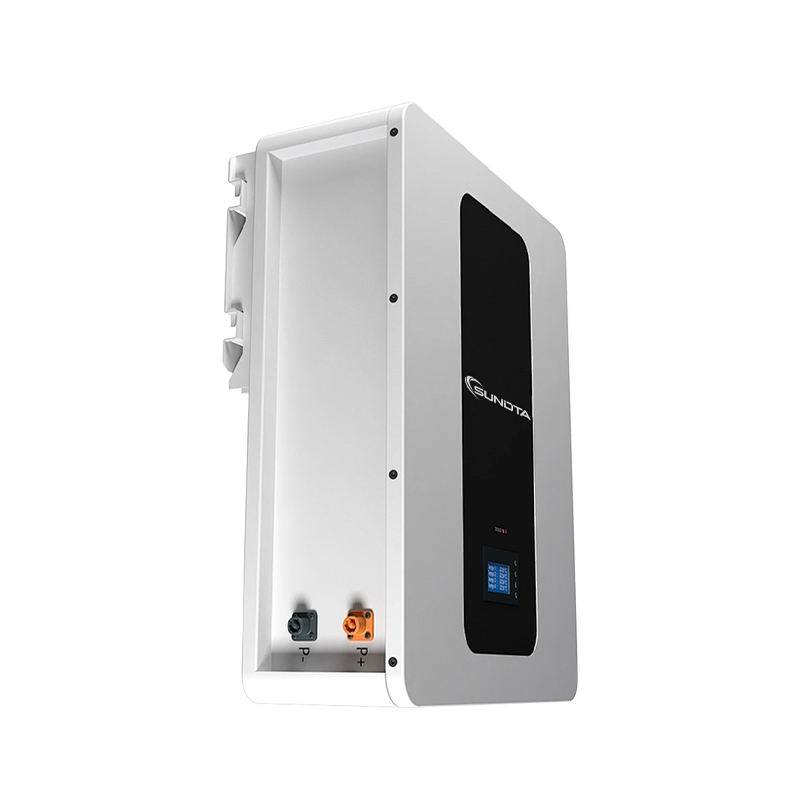
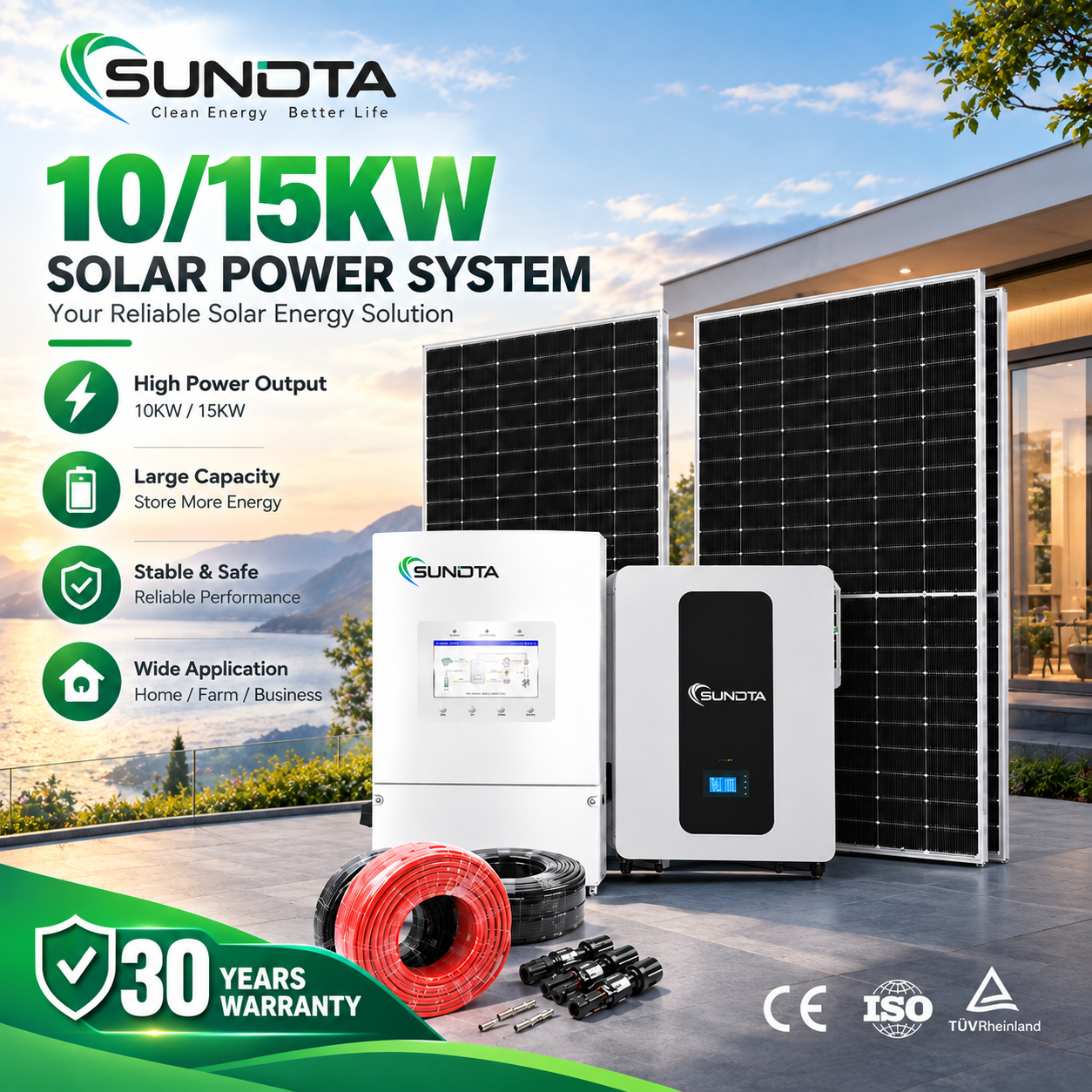
Engineering Solar Combiner Boxes for Panama's Extreme Environmental Profile
Beyond conventional circuit aggregation: Addressing the thermal, galvanic, and atmospheric realities of Central American solar arrays.
Panama's geographical position between the Pacific Ocean and the Caribbean Sea exposes photovoltaic infrastructure to a distinctly challenging microclimate. While the country benefits from high global horizontal irradiance (GHI) ranging between 4.8 to 5.6 kWh/m²/day in regions like the Arco Seco (Herrera, Los Santos, and Coclé), deploying balance-of-system (BOS) components presents unique durability concerns. Solar combiner boxes operating in this territory must withstand prolonged ambient temperatures exceeding 35°C coupled with sustained relative humidity levels often surpassing 90%.
In conventional configurations, such high ambient heat triggers rapid thermal derating across standard DC miniature circuit breakers (MCBs) and semiconductor fuses. RJV New Energy engineers our customized DC combiner enclosures with expanded internal volume, convection-optimized heat distribution channels, and premium 1000V/1500V DC rated components that carry certified 100% duty cycle ratings at elevated base temperatures. Whether servicing utility-scale arrays in Chiriquí or commercial rooftop arrays in Panama City, our assemblies eliminate localized hotspots that inevitably lead to arc faults and catastrophic equipment downtime.
Furthermore, coastal marine environments along both shores introduce high airborne chloride concentrations, generating accelerated galvanic corrosion on standard metallic enclosures and untreated copper busbars. Our specialized combiner boxes for the Panamanian market utilize UV-stabilized polycarbonate or hot-compression molded glass-fiber reinforced polyester (SMC/FRP) rated IP65 to IP66, paired with tin-plated electrolytic copper busbars and corrosion-resistant 316 stainless steel external hardware. This robust protective barrier halts salt-fog ingress, prevents insulation resistance degradation, and protects the array's levelized cost of energy (LCOE) across twenty-five years of uncompromised service life.
Localized Solar Applications Across Panama's Energy Ecosystem
Targeted balance-of-system integration for industrial logistics, logistics hubs, off-grid eco-tourism, and commercial installations.
Logistics & Free Trade Corridors
Commercial rooftops across the Colón Free Trade Zone and Panama Pacifico require robust string aggregation supporting heavy motor inrush and inductive refrigeration loads, equipped with integrated Type II/I+II surge protective devices (SPD) against frequent lightning strikes.
Agricultural & Food Processing Facilities
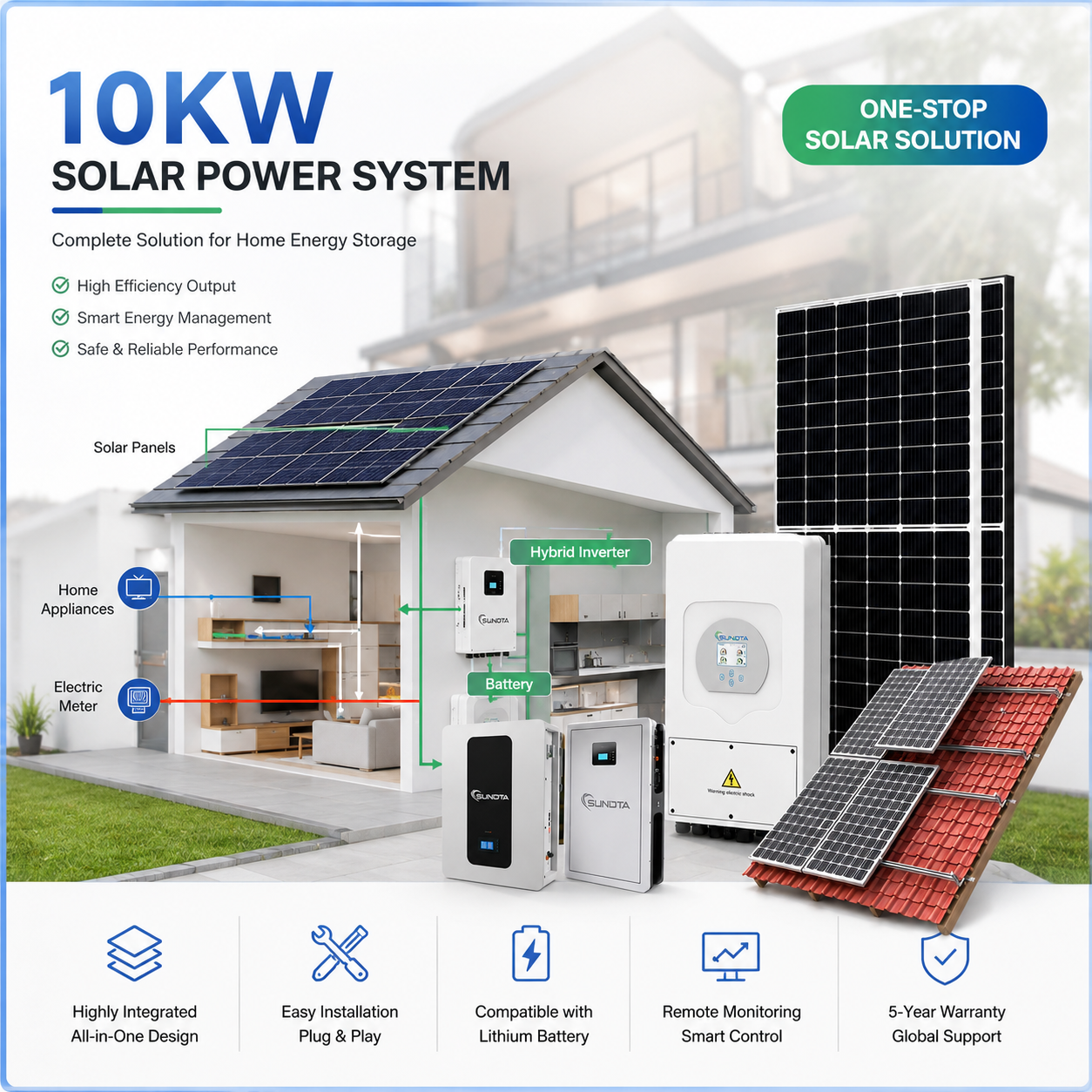
Dairy and agricultural facilities throughout the Azuero Peninsula leverage multi-string monitoring combiner boxes integrated with our 10kW to 50kW hybrid inverters, delivering steady day-time consumption offset and reducing demand charges on local utility feeders.
Remote Island & Microgrid Grids
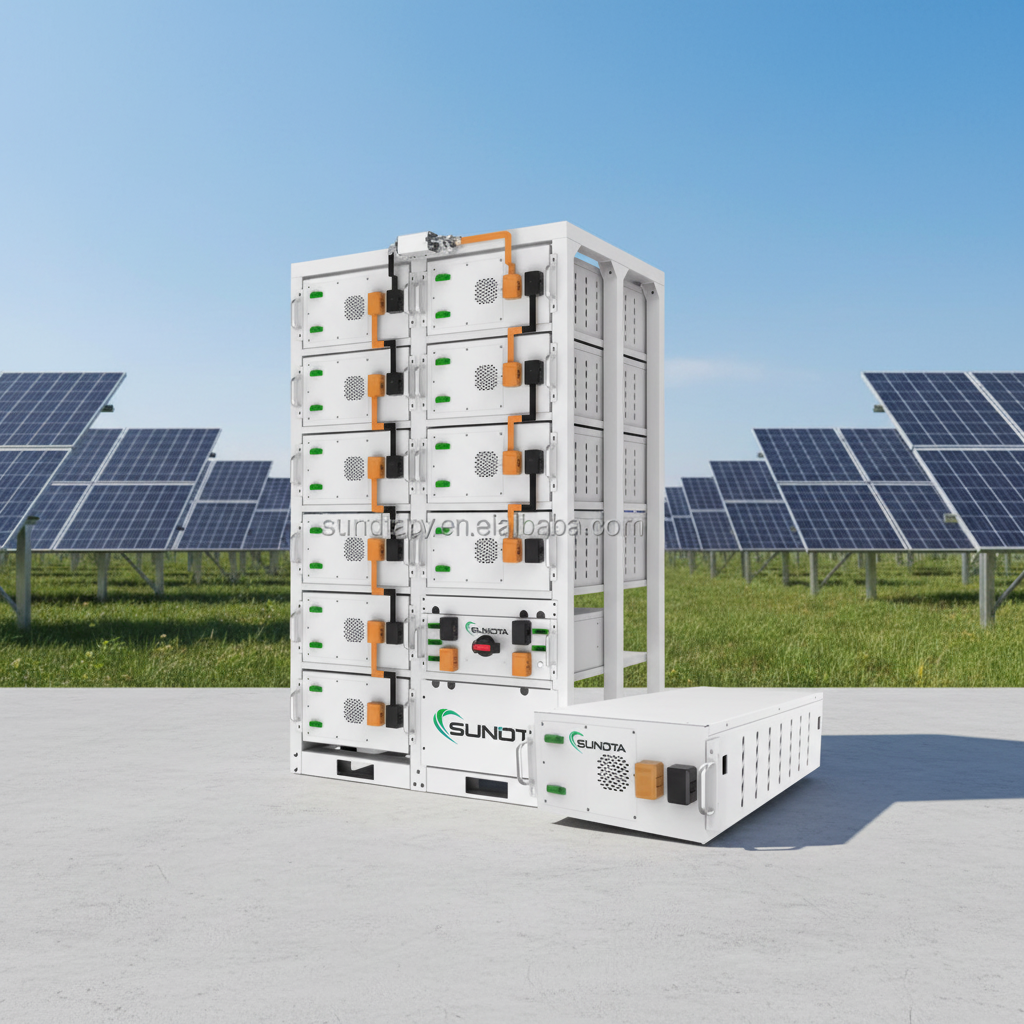
Off-grid eco-resorts and isolated archipelago communities in Bocas del Toro and San Blas rely on fully sealed IP66 combiner cabinets paired with our modular LiFePO4 battery storage, maintaining continuous, clean power without diesel fuel volatility.
Regulatory Trends & Renewable Transformation in Panama
Navigating ASEP mandates, Law 37/Law 38 net-metering structures, and grid stabilization requirements.
Panama's National Energy Plan 2015–2050 (PEN) outlines a decisive structural commitment to transitioning the nation away from thermal hydrocarbon imports toward non-conventional renewable energy (NCRE). Guided by the regulations of the National Authority of Public Services (ASEP), distributed solar generation (autoconsumo) has grown rapidly across commercial, agricultural, and residential sectors. However, regulatory oversight regarding system protection and grid interconnection has intensified concurrently.
Under ASEP grid-code updates and standard NFPA 70 / NEC guidelines widely referenced by local electrical inspectors (Bomberos de Panamá / JTIA), distributed solar generators must incorporate reliable DC isolation points, anti-islanding parameters, and verified fault protection. Our solar combiner boxes provide fully compliant isolating disconnect switches capable of breaking full load currents at rated DC voltages, allowing technicians to isolate individual array blocks safely during grid failure or routine facility maintenance.
Furthermore, lightning density in Central America is among the highest globally, exacerbated by convective storm systems that cross the Isthmus regularly. Solar projects designed for long-term viability must incorporate enterprise-tier transient surge protection. RJV systems feature field-replaceable, high-discharge varistors with integrated visual and remote failure signaling. This architecture guarantees that catastrophic lightning surges induced along long string runs are safely diverted to the grounding matrix before sensitive inverter bridges and MPPT controllers suffer irreparable voltage punctures.
Why Regional EPCs and Distributors Choose RJV New Energy
Direct-from-manufacturer integration, verified traceability, and engineering depth that reduce project execution risk.
TÜV Rheinland Audited Operation
Our manufacturing and engineering facilities in Hefei, China, have passed rigorous on-site verification by TÜV Rheinland. We back every specification with verified flash-test curves, factory acceptance test reports, and CE/IEC certifications necessary for rapid customs processing and local utility permits.
Seamless Inter-System Compatibility
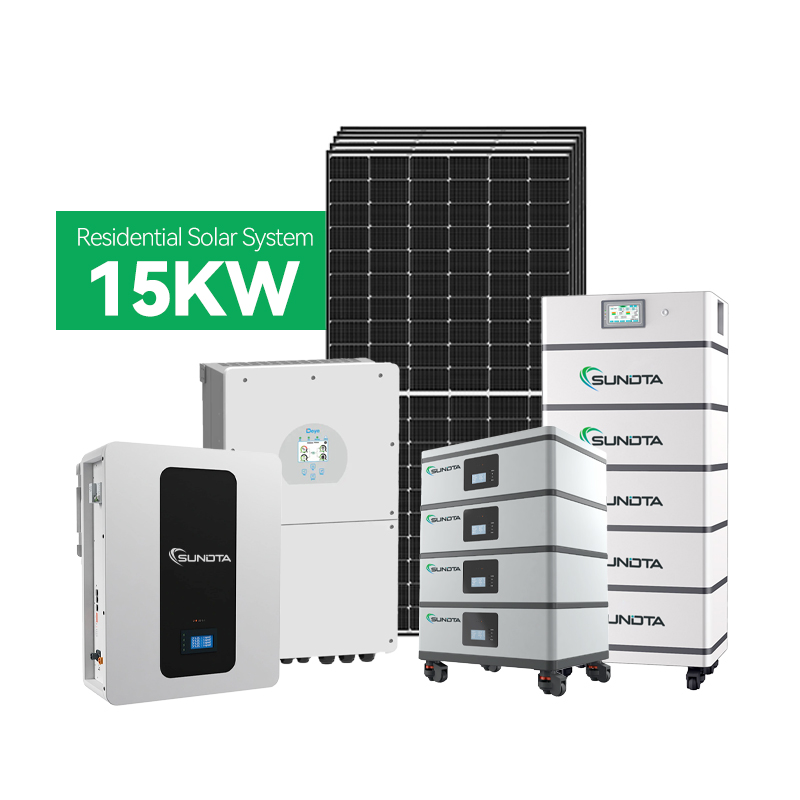
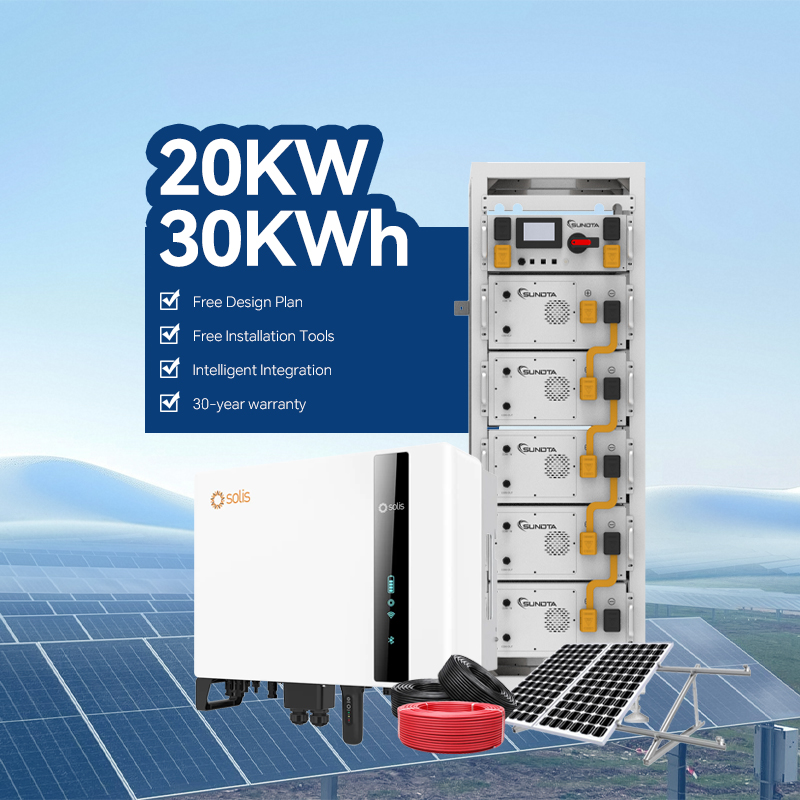
Eliminate the communication frictions, mismatched voltage bands, and multi-vendor finger-pointing that plague field projects. Our combiner boxes, bifacial TOPCon panels, Solis/Deye inverters, and LiFePO4 batteries are pre-engineered to interface reliably via tested CAN/RS485 closed-loop protocols.
Comprehensive Turnkey Engineering (BOM)
From initial DC layout modeling and single-line diagram generation to complete containerized shipping (CIF/FOB Manzanillo or Balboa Port), we provide distributors and contractors with coordinated deliveries that slash warehouse handling time and freight friction.
Frequently Asked Questions: Sourcing Solar Hardware for Panama
Direct answers to common technical, logistics, and compliance inquiries from regional contractors and project developers.
How do your combiner boxes prevent condensation issues in high-humidity Panamanian climates?
Condensation caused by sharp temperature differentials between hot daylight operations and cool, humid tropical evenings is a primary cause of internal arcing. Our combiner boxes engineered for Panama feature IP67-rated waterproof, breathable membrane ventilation valves (ePTFE breathers). These allow internal moisture vapor to escape continuously while balancing internal and external pressure, preventing vacuum-induced water suction through cable glands and gaskets.
What specific surge protection rating is recommended for Central American lightning profiles?
Due to the severe thunderstorm frequency recorded across the Panamanian interior, standard Type II SPDs are often pushed beyond absorption thresholds. We supply combiner configurations equipped with high-capacity 1000V/1500V DC Type I+II combined surge protective devices rated with an impulse discharge current (Iimp) of up to 12.5kA (10/350 µs) and a nominal discharge current (In) of 20kA (8/20 µs) to prevent catastrophic system bypass during direct or nearby atmospheric strikes.
Are RJV energy systems compatible with Panama’s split-phase and three-phase low-voltage grids?
Yes. Our commercial and residential power systems accommodate both 120V/240V split-phase systems (common across residential neighborhoods and light commercial feeds throughout Panama City and David) and 127V/220V or 277V/480V three-phase commercial configurations. Inverter firmware is factory-configured to local voltage thresholds and frequency profiles (60Hz) compliant with Naturgy and ENSA interconnection manuals.
Can combiner boxes be integrated with smart monitoring for utility-scale or remote telecommunications?
Yes. We offer intelligent DC combiner models fitted with multi-channel Hall effect current sensors, DC voltage transducers, and internal temperature monitors. These arrays feed real-time string data via RS485 Modbus-RTU into the central plant SCADA or cellular RTU gateway, enabling rapid identification of blown fuses, panel soiling, shading, or string degradation without physical site inspection in inaccessible terrain.
What logistics terms, port destinations, and lead times apply for shipments to Panama?
We support full container load (FCL) and consolidated less-than-container load (LCL) shipments under FOB, CFR, and CIF terms directly to the primary maritime hubs of Panama, including Port of Balboa (Pacific side) and Port of Manzanillo / Colón (Caribbean side). Average maritime transit from our facilities to Panama runs approximately 22 to 28 days following factory acceptance testing and pre-shipment quality verification.
Ready to Strengthen Your Solar Project Bill of Materials?
Speak directly with our technical sales engineers to review string layouts, obtain custom combiner box wiring designs, or request comprehensive landed pricing for complete PV and LiFePO4 storage systems.