Strategic Energy Realities in Cap-Haïtien: Escaping the Diesel-Vulnerability Trap
Across Haiti's northern economic hub of Cap-Haïtien (Okap), commercial enterprises, private villas, and humanitarian medical facilities navigate one of the Caribbean's most complex electrical topologies. The state-run utility grid operated by Électricité d'Haïti (EDH) experiences chronic instability, often providing fewer than 4 to 6 intermittent hours of electricity daily—and frequently collapsing into multi-week total blackouts due to fuel dispatch bottlenecks, port disruptions, and transmission aging. As a result, businesses throughout Boulevard du Cap, Quartier-Morin, and Vertières have historically relied on reciprocating diesel generators running 18 to 24 hours per day.
Operating diesel gensets in Northern Haiti carries ruinous economic friction. Fuel supply chains from terminal hubs are routinely strained, causing localized diesel price spikes that range from $6.00 to over $11.00 per gallon during periods of severe logistics blockage. At these fuel rates, the true Levelized Cost of Electricity (LCOE) generated by thermal gensets surpasses $0.65 to $0.95 per kilowatt-hour, excluding oil changes, air filter clogging from dust, and perpetual piston ring maintenance. Our direct-from-factory Solar Generator Kits revolutionize this operating model: combining high-conversion Tier-1 N-Type TOPCon solar modules with industrial-grade Lithium Iron Phosphate (LiFePO4) energy storage and ruggedized hybrid inverters, slashing ongoing fuel burn by 80% to 100%.
Moreover, the coastal microclimate of Cap-Haïtien presents severe physical challenges to standard electronic equipment. High marine salinity from the Atlantic coastline, average ambient temperatures hovering between 30°C and 37°C, and extreme seasonal humidity rapidly corrode unsealed electrical cabinets and accelerate thermal runaway in substandard lead-acid batteries. Our systems integrate C4-marine-grade anti-corrosive powder coatings, IP65/IP66 weatherproof component isolation, conformal-coated printed circuit boards (PCBs), and intelligent active thermal dissipation systems explicitly validated for equatorial marine deployments.
Hospitality & Tourism in Labadee
Boutique hotels, beachfront lodges, and ecotourism resorts near Labadee and Cormier require whisper-quiet 24/7 power. Our hybrid kits silence noisy gensets, powering inverter air conditioning, cold storage, and perimeter lighting without continuous fuel consumption.
Medical Clinics & Cold-Chain
Regional health centers and NGOs in Quartier-Morin and central Cap-Haïtien rely on unbroken electricity to preserve vaccines, surgical equipment, and diagnostic tools. Stackable 51.2V LiFePO4 systems guarantee medical-grade power protection without blackouts.
Port Logistics & Warehousing
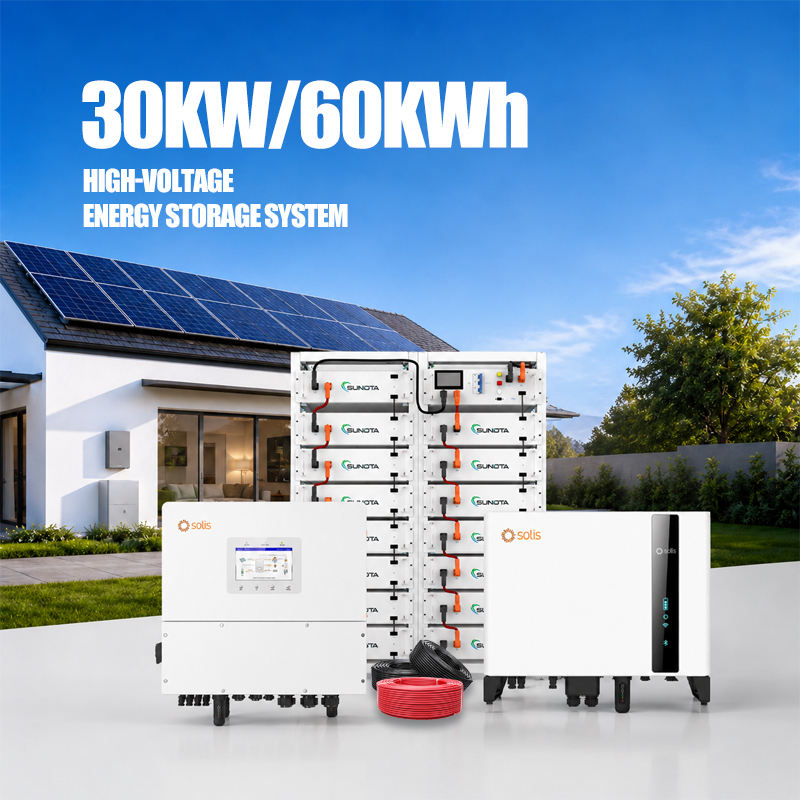
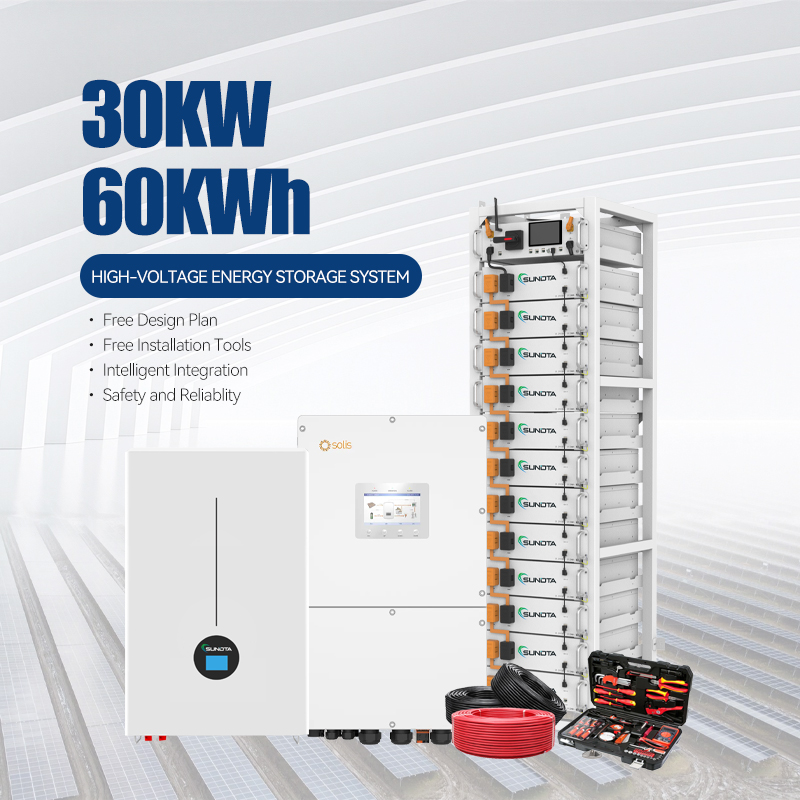
Commercial warehouses near the Port International du Cap-Haïtien handle containerized goods, cold stores, and customs processing. Our 40kWh to 100kWh commercial cabinets supply high inductive surge currents for refrigeration and automated materials handling.
Residential Estates & Micro-Offices
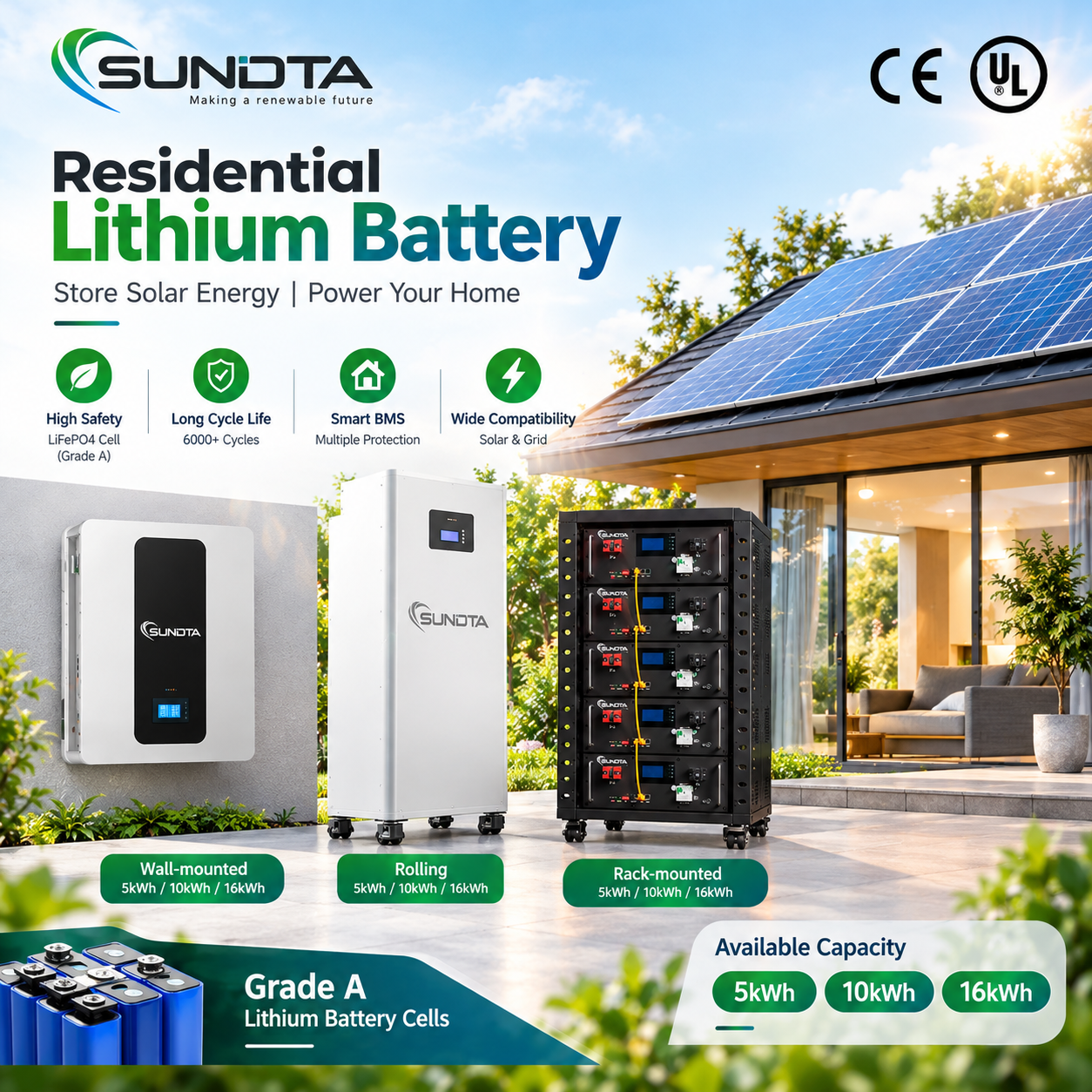
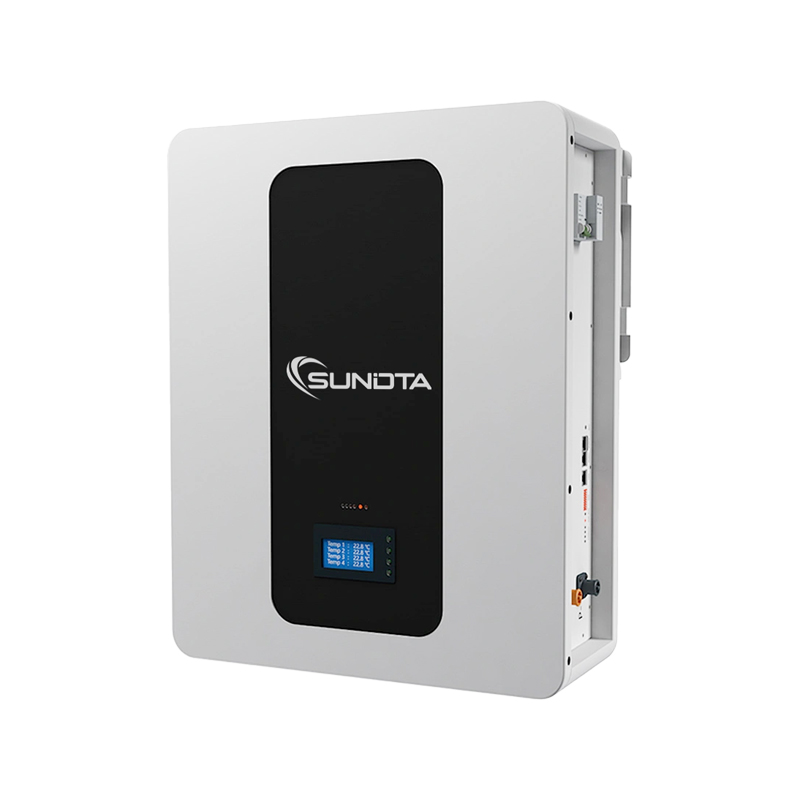
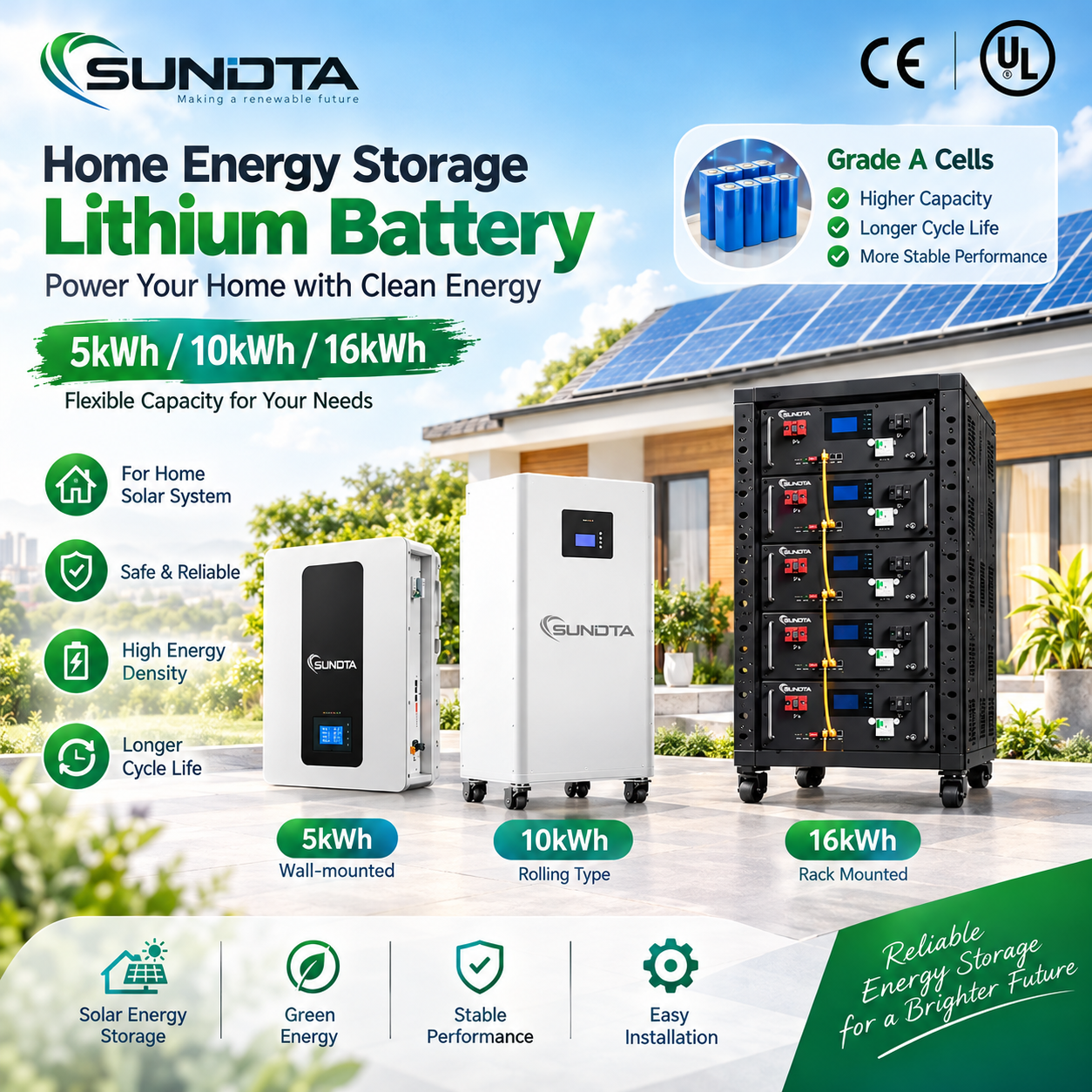
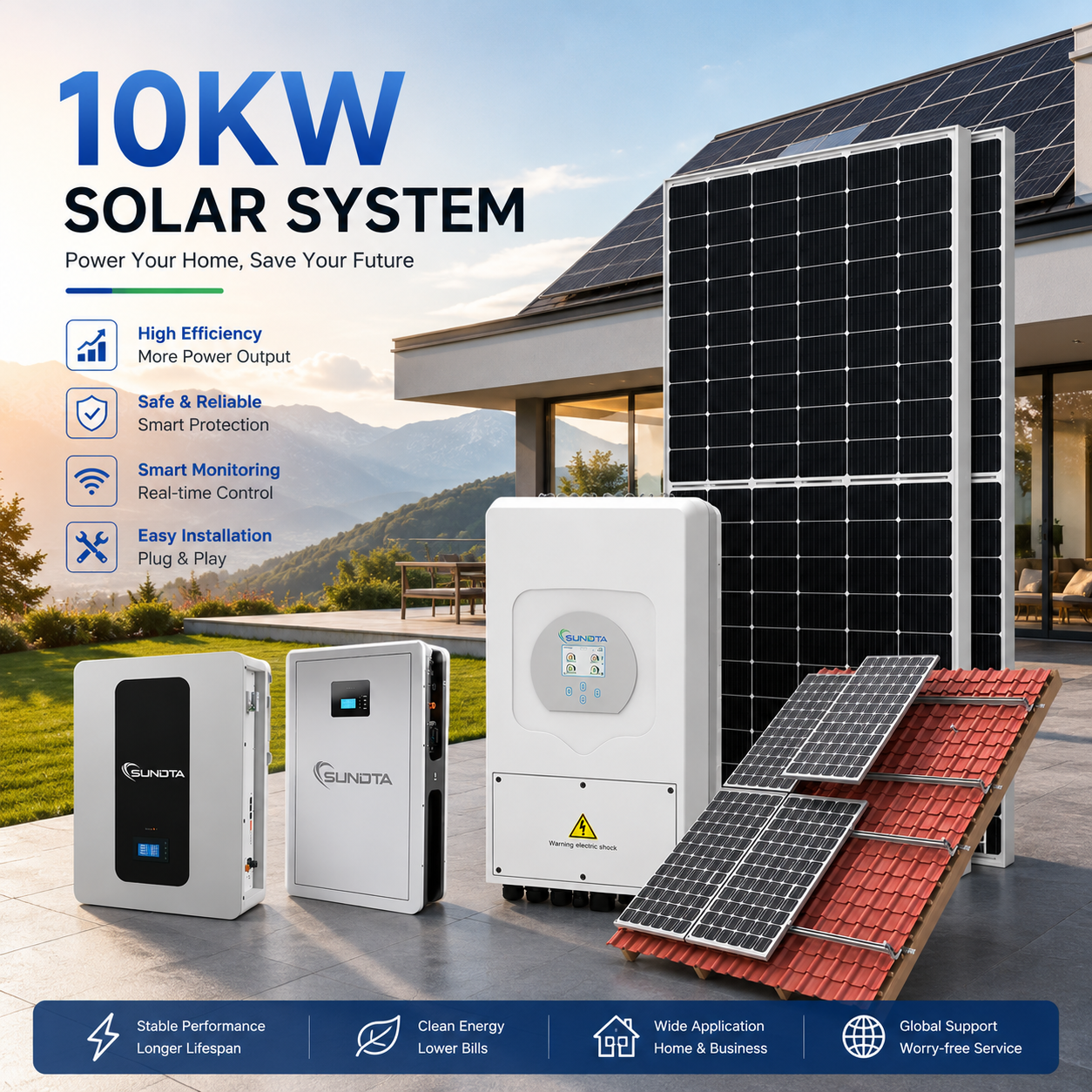
Modern homes and executive offices in Bel-Air, Haut-du-Cap, and Vaudreuil replace smoky, fire-prone lead-acid gel banks with our sleek 10kWh to 15kWh wall-mounted Powerwalls, gaining seamless remote mobile monitoring and whole-house energy autonomy.
1. The Accelerated Phase-Out of Lead-Acid & Gel Batteries
Historically, Haitian installers imported cheap flooded lead-acid or gel OPzV batteries that degraded rapidly within 12 to 18 months due to intense ambient heat (>32°C) and chronic partial-state-of-charge (PSOC) cycling. The market is now rapidly shifting toward Lithium Iron Phosphate (LiFePO4). With thermal runaway thresholds exceeding 270°C and cycle lifespans exceeding 6,000 cycles at 80% DOD, LiFePO4 delivers an unprecedented 10-to-15-year operational horizon, slashing the total lifetime cost per stored kilowatt-hour by over 70%.
2. Intelligent Hybrid Genset Microgrid Integration
Rather than discarding legacy diesel generators, commercial buyers in Cap-Haïtien are pairing existing gensets with intelligent hybrid inverters featuring automated dry-contact starting logic. The solar array and battery bank serve 90% of daily loads. If consecutive rainy days or heavy motor startup loads draw battery reserves down to a software-defined threshold (e.g., 20% SOC), the inverter automatically engages the diesel generator, running it at its optimal 80% load efficiency curve for 90 minutes to bulk-recharge the battery pack, before shutting it down entirely.
3. Transition to High-Voltage (HV) Architecture for Commercial ESS
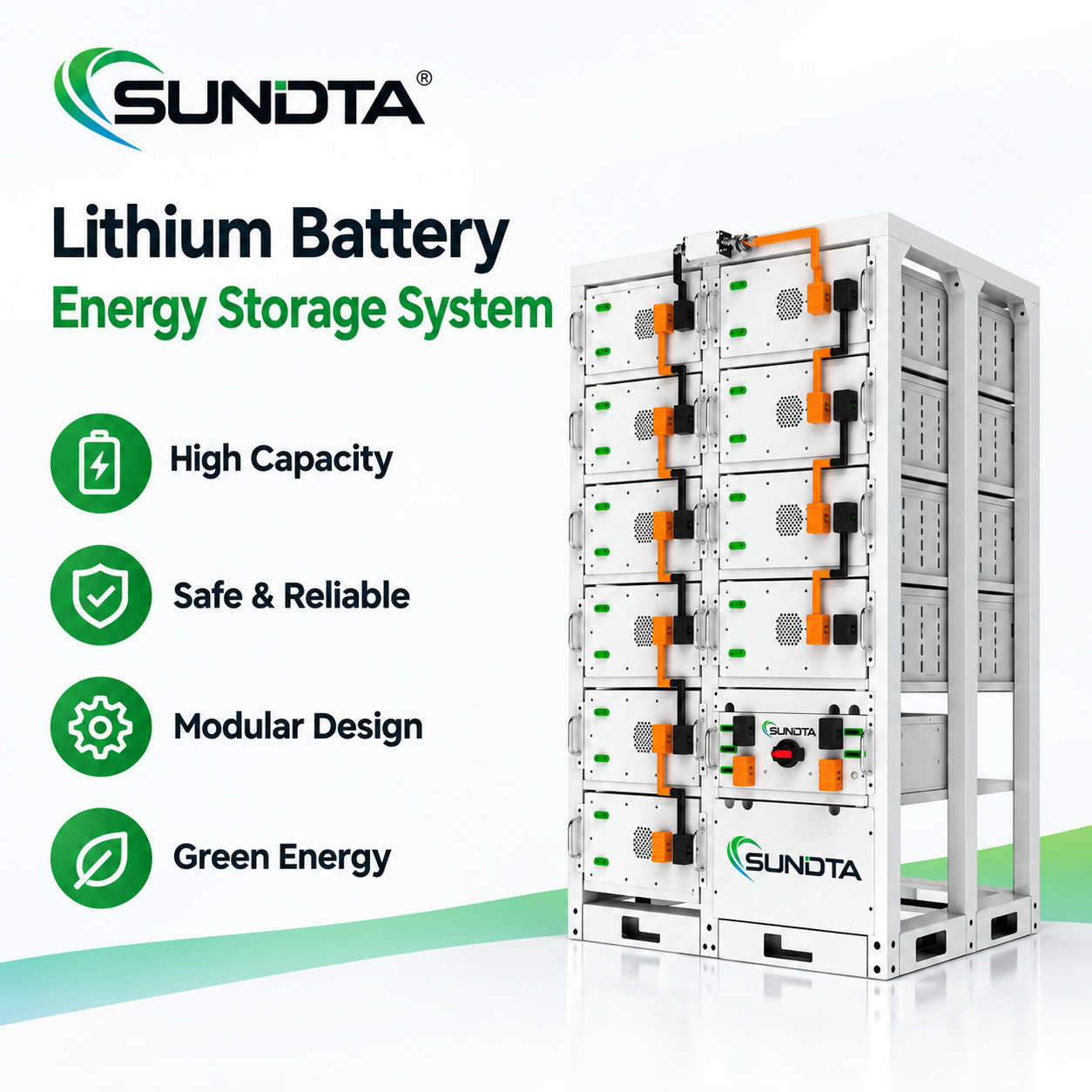
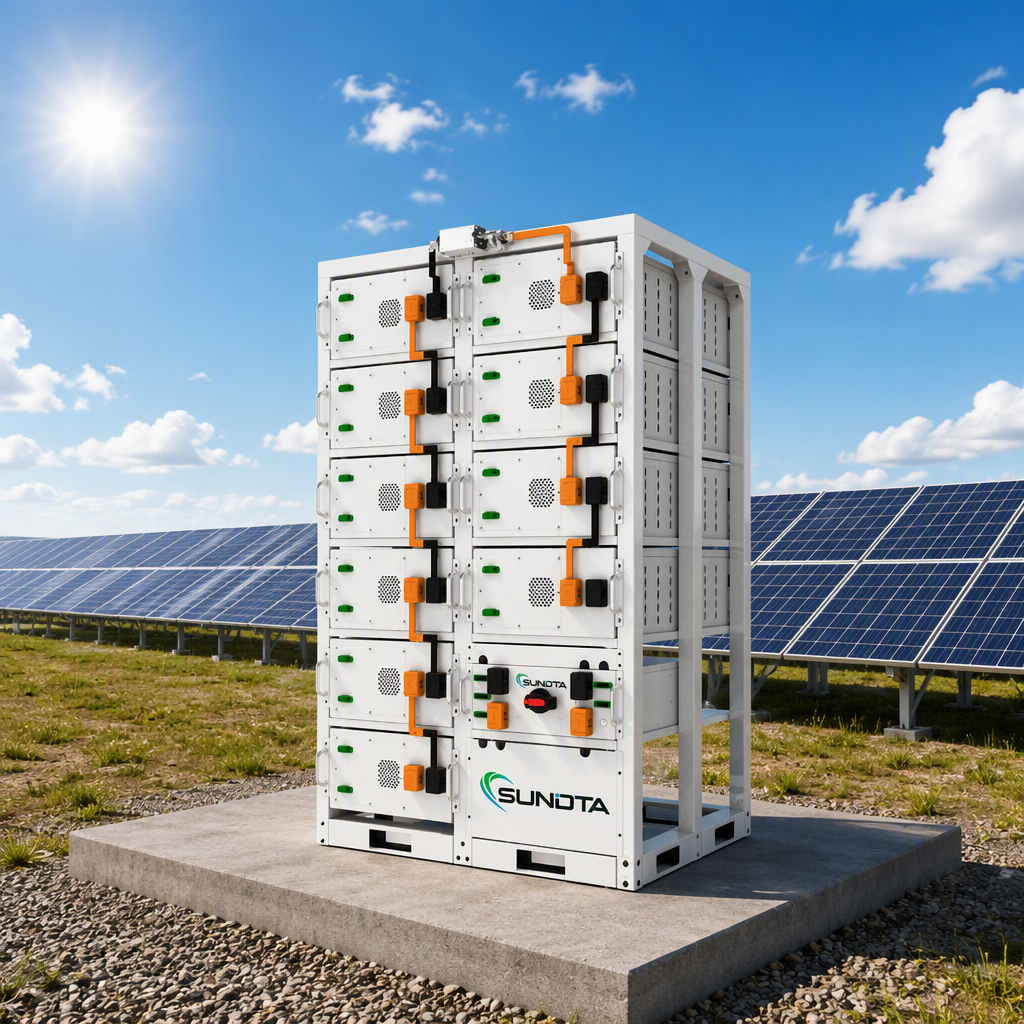
Larger manufacturing operations, food processing hubs, and hospital facilities in the Nord Department are transitioning from traditional 48V low-voltage configurations to 400V–800V High-Voltage (HV) DC bus systems. By drastically reducing DC amperage, high-voltage battery cabinets such as the SUNDTA SDT-280 minimize copper cable losses, decrease heat generation inside battery enclosures, and facilitate round-trip conversion efficiencies above 95.5%, allowing turnkey scalability up to megawatt-hour microgrids.
2 GW Manufacturing Capacity
Our fully automated production base in Hefei, Anhui spans state-of-the-art N-Type TOPCon module lines, automated SMT inverter board placement, and high-precision laser-welded LiFePO4 cell assembly lines backed by 12+ years of PV manufacturing experience.
TÜV Rheinland On-Site Verified
Our facilities are audited and certified on-site by TÜV Rheinland. Every solar system, hybrid inverter, and lithium battery holds rigorous CE, IEC 61215, IEC 61730, and UN38.3 certifications, accompanied by authentic flash test reports for every container load.
Full Inverter Protocol Compatibility
Our proprietary Smart BMS firmware features dual CAN and RS485 communication ports with pre-loaded handshake protocols for leading hybrid inverters including Deye, Solis, Growatt, and Victron, guaranteeing rapid, zero-error plug-and-play commissioning on site.
Direct Cap-Haïtien Maritime Logistics
We provide full-container-load (FCL) and consolidated (LCL) maritime shipping solutions directly routed to Port International du Cap-Haïtien under FOB, CIF, or CFR Incoterms, complete with seaworthy wooden palletization and international hazardous-material documentation.
Q How do shipments arrive in Cap-Haïtien?
Orders are dispatched from our automated factory in China via global ocean container carriers directly discharging at the Port International du Cap-Haïtien. We supply full export documentation—including Bill of Lading (B/L), Commercial Invoice, Packing List, CE Certificates, and UN38.3 battery dossiers—for straightforward clearance through Haitian Customs (AGD).
Q How do LiFePO4 batteries handle Northern Haiti's heat?
Unlike standard ternary lithium (NMC) or lead-acid batteries that fail prematurely in Caribbean heat, our Grade-A Lithium Iron Phosphate (LiFePO4) chemistry features high thermal stability up to 55°C. Our BMS includes multi-point thermal probes that automatically regulate charge and discharge rates to maintain cell integrity.
Q Can our existing diesel genset be synchronized?
Yes. Our hybrid inverters (including Deye and Solis architectures) feature a dedicated auxiliary generator input port and programmable dry-contact relays. The inverter can intelligently start and shut down your diesel generator when battery capacity hits custom threshold settings, protecting fuel reserves.
Q What is the warranty and after-sales support protocol?
Our LiFePO4 energy storage systems carry a factory-backed 5-to-10-year warranty, while solar panels carry a 25-to-30-year linear power warranty. We provide 24/7 technical engineering support via remote CAN/Wi-Fi diagnostics, supplying complete wiring schematics and modular replacement boards when required.
Q Are mounting structures hurricane-rated for the Caribbean?
Yes. We offer heavy-duty anodized aluminum AL6005-T5 and hot-dip galvanized steel mounting kits engineered to withstand sustained winds of up to 150 mph (Category 4/5 hurricane wind ratings), complete with stainless steel 304/316 hardware that resists coastal salt-mist corrosion.
Q What is the Minimum Order Quantity (MOQ)?
For complete residential and commercial solar generator kits or standalone battery cabinets, the MOQ starts at just 1 set to enable pilot testing and sample validation. Volume pricing tiers apply to 20-foot (20GP) and 40-foot high-cube (40HQ) container loads for regional electrical distributors and EPC contractors.
Power Your Next Project in Cap-Haïtien with Tier-1 Reliability
Whether you are outfitting an eco-resort in Labadee, modernizing a commercial warehouse near the port, or distributing off-grid solar equipment throughout the Nord Department, our engineering team is ready to design and dispatch your custom solar generator package.