High-Efficiency Bifacial Modules & ESS Storage Sized for Armenia
Pre-engineered photovoltaic modules, smart hybrid inverters, and cold-rated LiFePO4 battery platforms configured to withstand Gyumri's -25°C winters and optimize high-elevation irradiance.
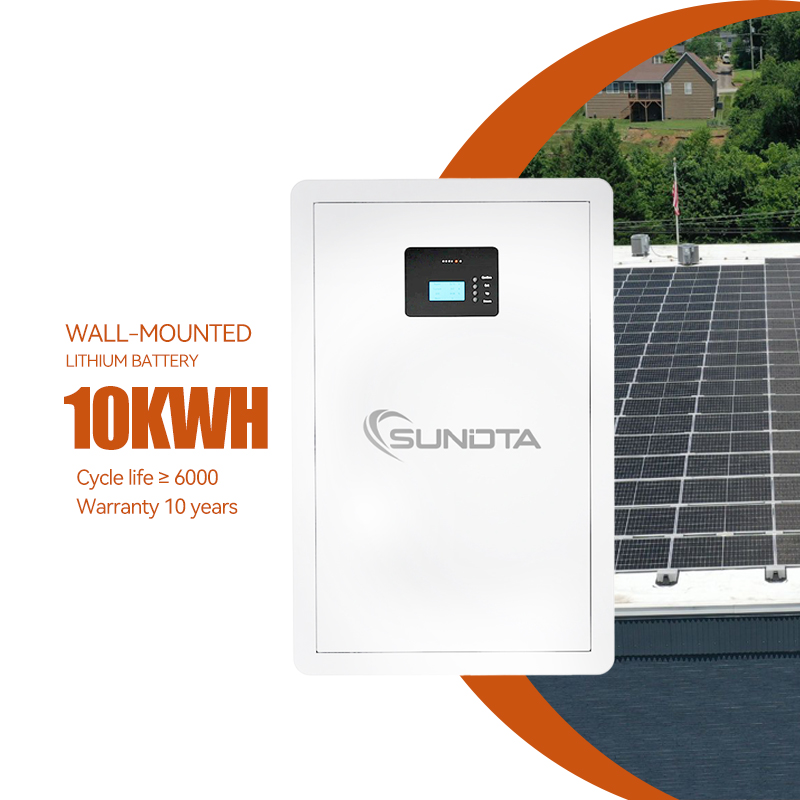
Sundta IP65 10kWh 51.2V 200Ah Wall Mounted LiFePO4 Battery for Home Solar Storage
- 51.2V 200Ah prismatic cell architecture
- CAN/RS485 closed-loop protocol sync
- IP65 exterior wall mount enclosure
Energy Bank Powerwall 51.2V 314AH 200AH 8KW 10KW Lithium Battery 15kWh Home Energy
- 314Ah high-density lithium storage
- 6000+ deep discharge cycles @ 80% DoD
- Multi-inverter communication matched
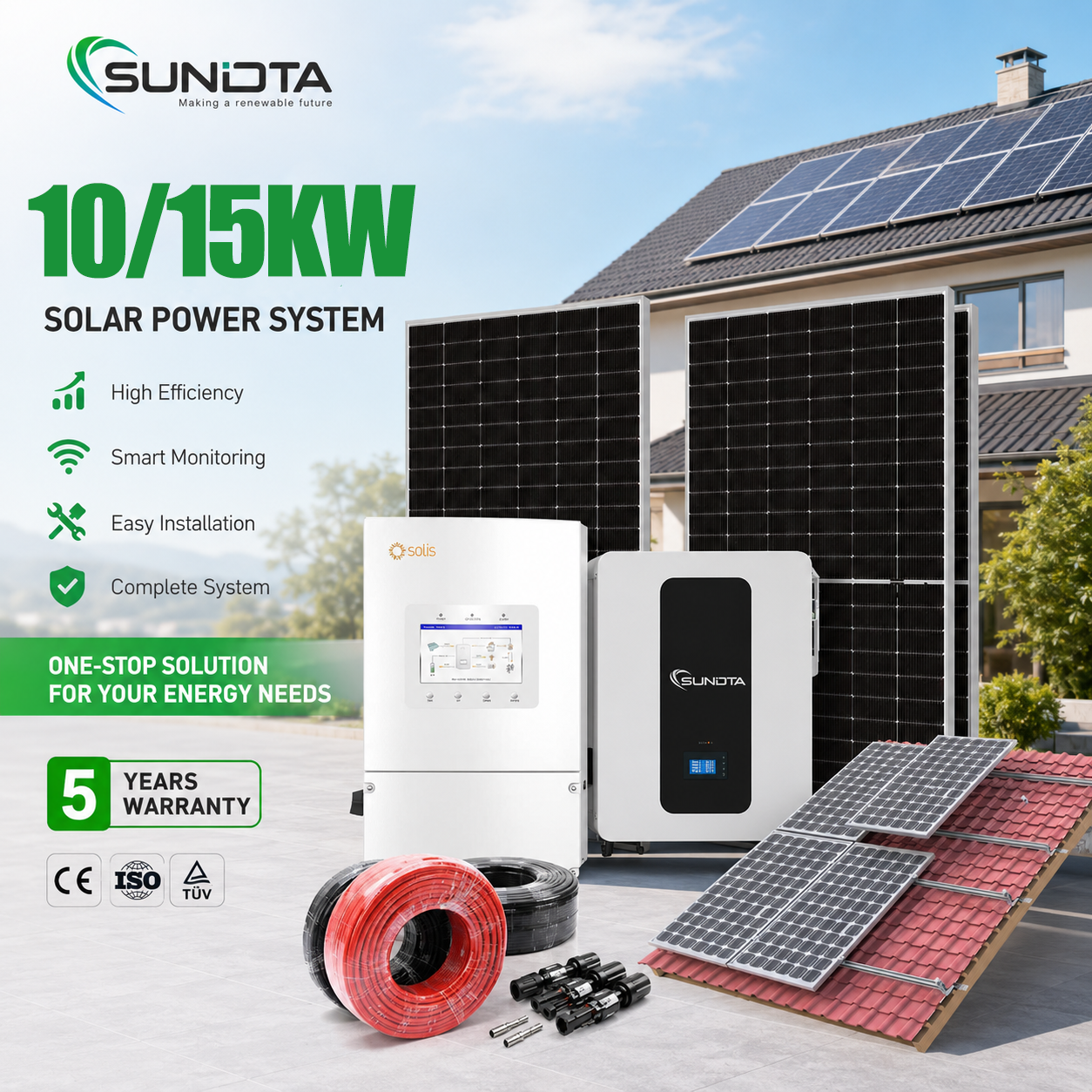
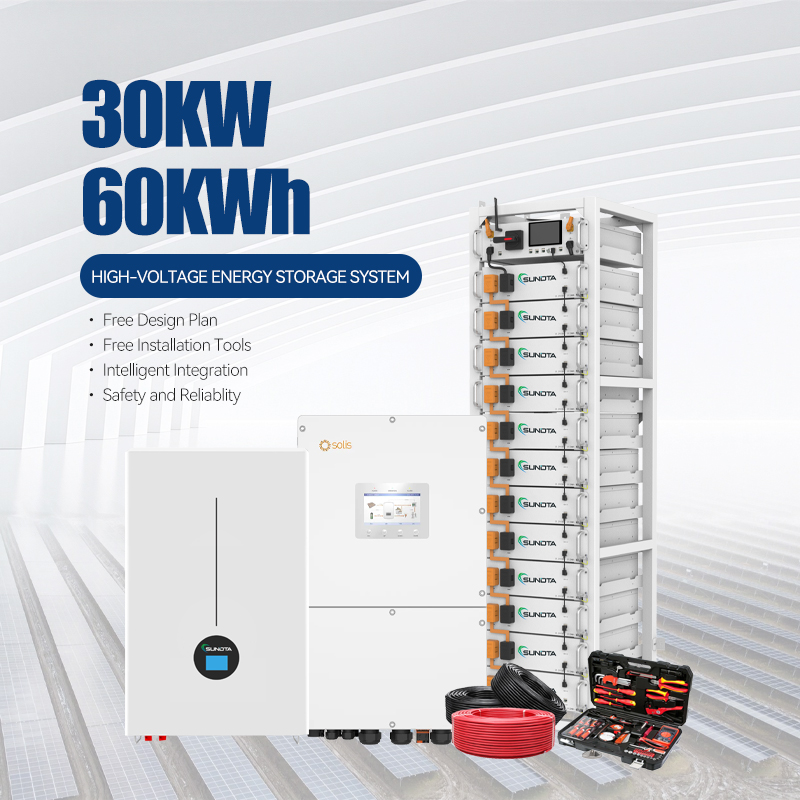
Customized Factory Price 8kW 10kW 15kW On-Off Grid Solar System Full Set
- High-yield mono bifacial PV strings
- Fast microsecond EPS grid switching
- Complete DC cabling & racking kit
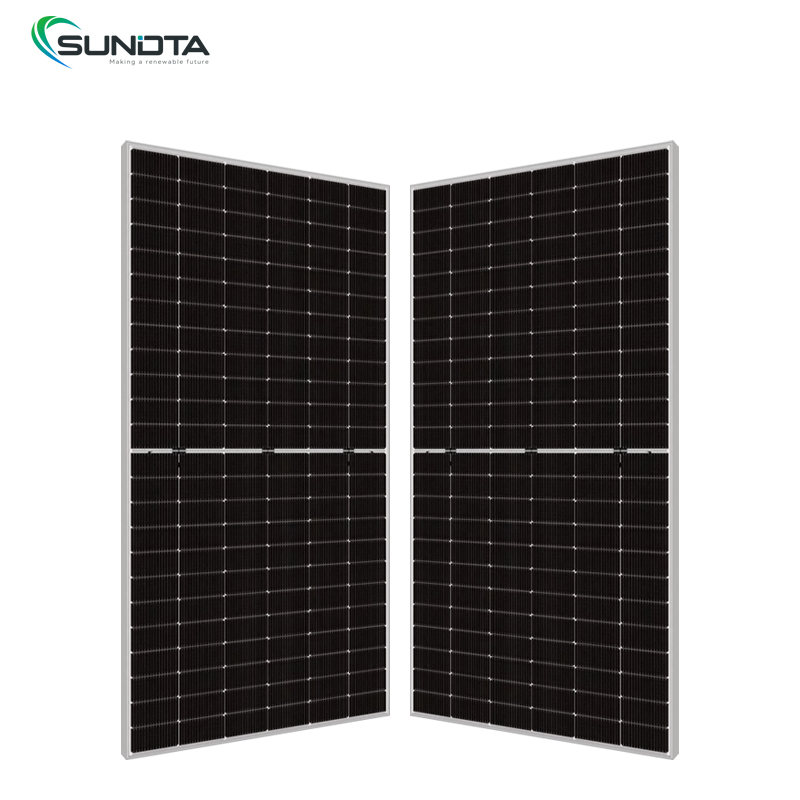
Tier 1 Solar Panel Sodenergy 700W 705W 710W 720W 730W N-Type Solar Panel
- 700W–730W ultra-high power output
- 80%±5% bifaciality for snow gain
- -0.30%/°C low temperature coefficient
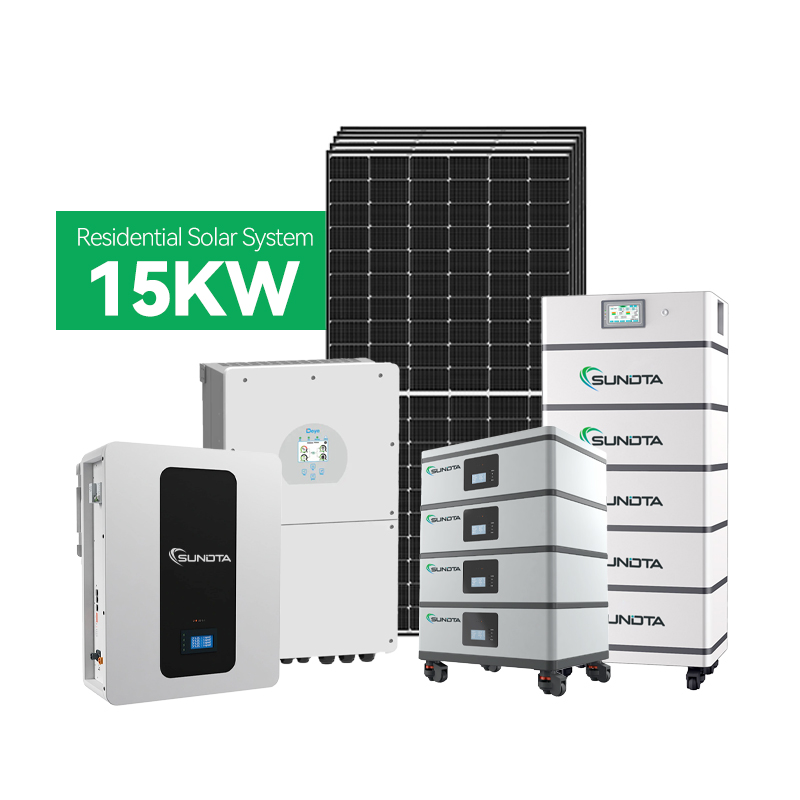
Sundta Hybrid Solar Energy System Low Price Solar Panel Kit 5KW 10KW 12KW 15KW
- Deye/Solis hybrid MPPT integration
- Shirak net-metering compliant design
- Dual-glass heavy mechanical load rails
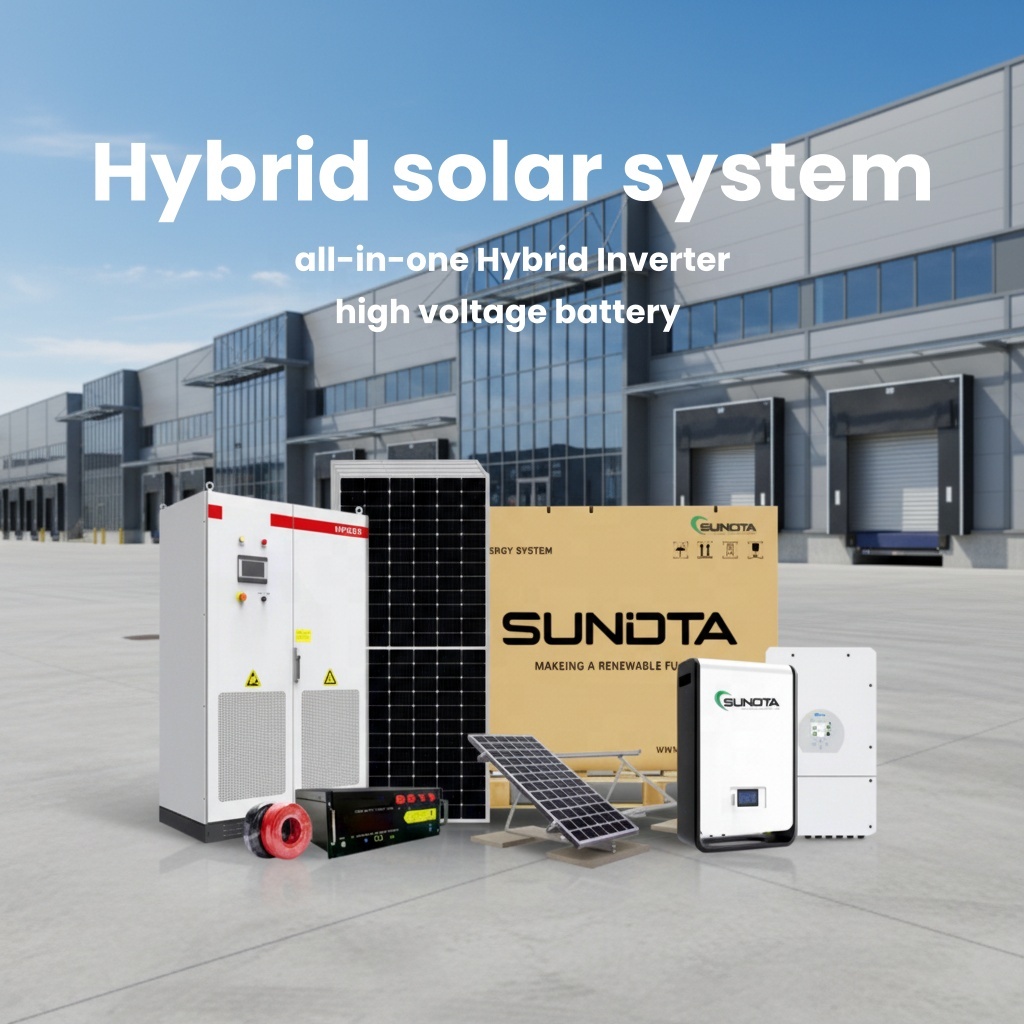
All in One Energy Storage Outdoor Cabinet 100kW 200kW 500kW LiFePO4 ESS System
- Liquid-cooling thermal management
- Integrated aerosol fire suppression
- Commercial peak-shaving EMS engine
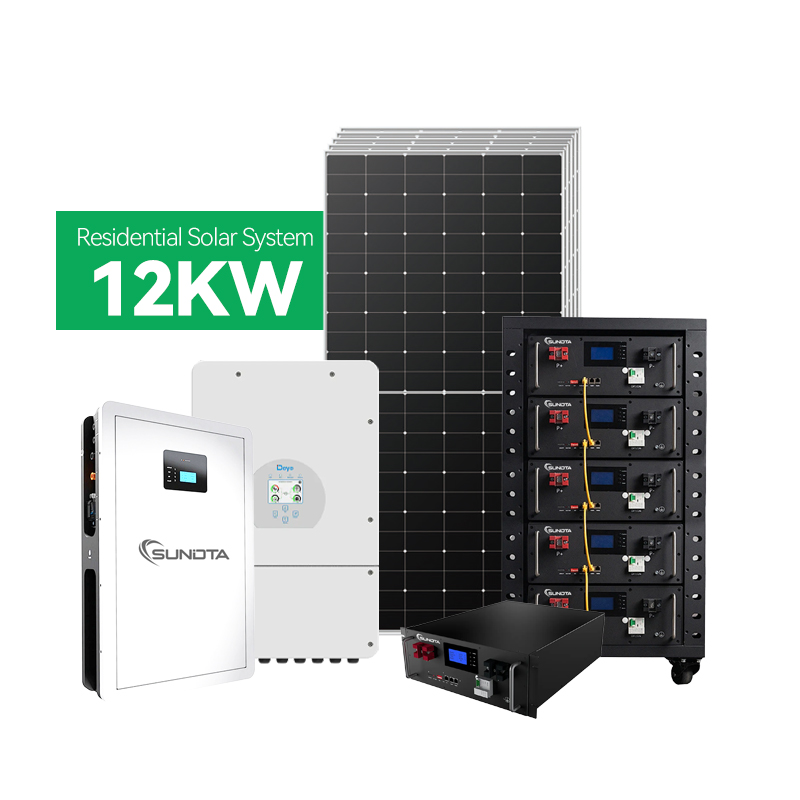
Bulk Price Sundta 12Kw Hybrid Solar Energy Storage System 25Kw Residential Battery
- Three-phase unbalance load support
- Sub-zero preheating battery modules
- High round-trip efficiency >97.6%
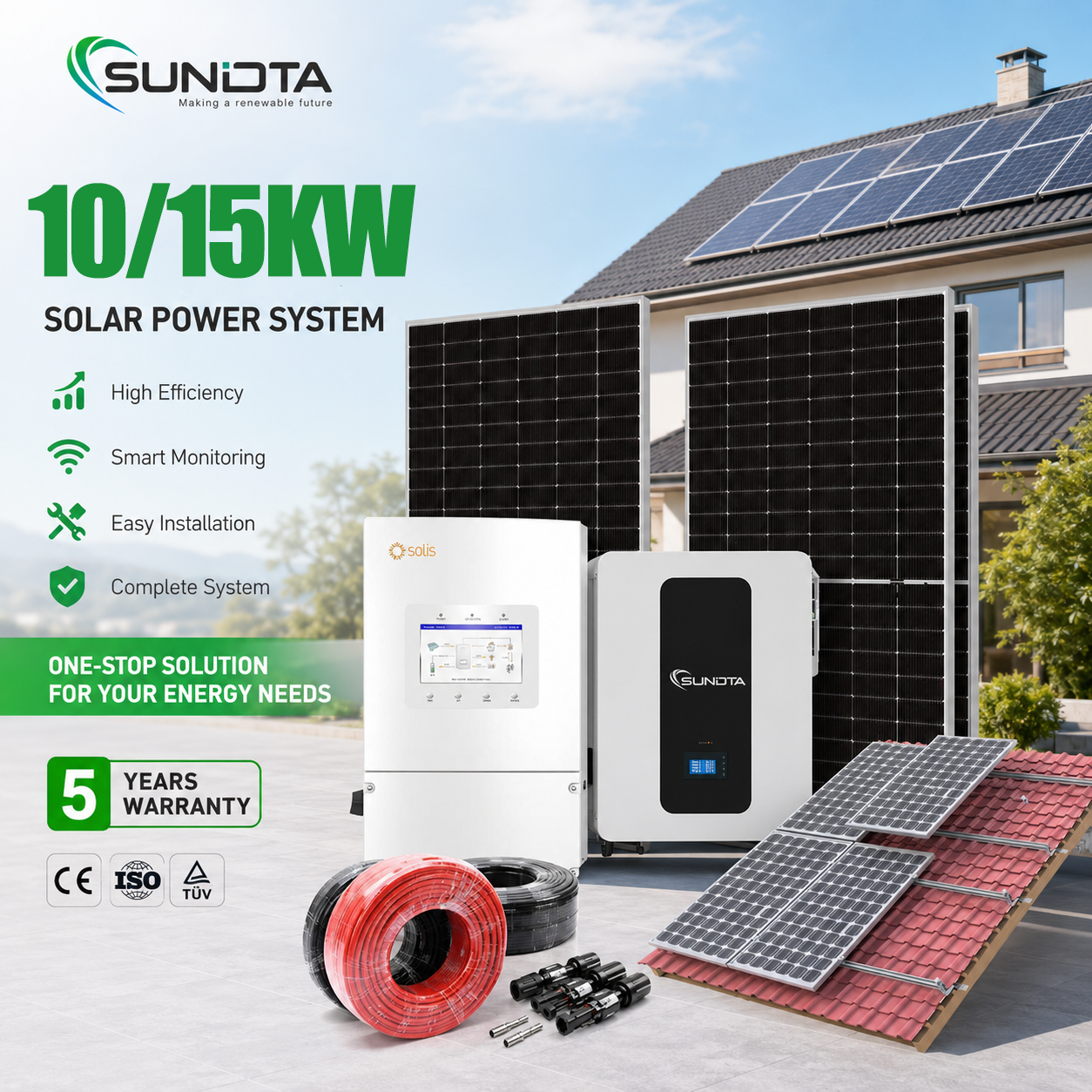
Hybrid 15kWh Inverter System 300Ah Lithium Ion Battery Split Stackable MPPT 15kW
- Modular plug-and-play stacking
- Dual MPPT tracker for bifacial strings
- Seamless mobile app cloud telemetry
Top 10 Bifacial Solar Panels Factories & Suppliers for Gyumri
A rigorous comparative review of the world's premier photovoltaic manufacturers and specialized engineering supply partners capable of delivering verified bifacial modules to Shirak Province.
Anhui RJV New Energy Co., Ltd.
Anhui RJV New Energy stands at the forefront of integrated solar-storage delivery for high-elevation markets like Gyumri. With fully automated module production lines yielding 2 GW annual capacity and 12+ years of PV research, RJV engineers N-Type TOPCon and dual-glass bifacial modules featuring mechanical snow resistance up to 5400 Pa and a cold-climate power temperature coefficient of -0.30%/°C. RJV eliminates commissioning delays by matching modules with closed-loop Deye/Solis hybrid inverters and customized LiFePO4 storage cabinets under unified warranties.
Direct Sourcing InquiryLONGi Green Energy Technology
A global monolithic silicon leader, LONGi supplies Hi-MO series dual-glass bifacial panels engineered on HPBC and hybrid passivated cell technology. In Shirak's dry alpine climate, LONGi's lower light-induced degradation (LID) ensures sustained yield over 30 years, though residential buyers frequently require third-party matching for inverters and battery storage balance of systems.
Send an InquiryJinkoSolar Holding Co., Ltd.
JinkoSolar's Tiger Neo N-Type TOPCon modules feature an exceptional bifaciality factor reaching 85%, making them highly suitable for snow-covered winter landscapes in Gyumri. Their high temperature resilience in summer and optimized low-irradiance output during overcast Caucasian winters offer robust kilowatt-hour generation per installed kilowatt peak.
Send an InquiryTrina Solar Co., Ltd.
Trina Solar champions the 210mm Vertex bifacial dual-glass module architecture, delivering up to 700W+ per unit. For large ground-mounted utility tracts and commercial farms across the Akhuryan River basin, Vertex modules minimize balance-of-system (BOS) tracker costs, requiring careful structural design to withstand regional seismic and heavy snow loads.
Send an InquiryCanadian Solar Inc.
Renowned for its BiHiKu7 series, Canadian Solar produces heavy-duty dual-glass bifacial panels validated for sub-zero North American climates comparable to Shirak's severe winters. The brand provides dependable mechanical frame integrity, though lead times to inland Armenian distributors can be extended without specialized logistics forwarding partners.
Send an InquiryJA Solar Technology Co., Ltd.
JA Solar's DeepBlue 4.0 Pro series integrates N-type Bycium+ cells, emphasizing high module efficiency up to 22.8% and exceptional anti-degradation properties. In Gyumri's agricultural districts, JA Solar modules provide reliable generation across variable elevation gradients, supported by standard IEC 61215 and 61730 certifications.
Send an InquiryRisen Energy Co., Ltd.
Risen is a technology front-runner in Heterojunction (HJT) Hyper-ion modules, offering bifaciality factors up to 90% and an industry-leading temperature coefficient of -0.26%/°C. While priced at a premium compared to TOPCon, HJT delivers maximum energy density for compact industrial rooftops across Gyumri's historic and light-industrial districts.
Send an InquiryAstronergy (CHINT Solar)
Leveraging CHINT's global electrical infrastructure ecosystem, Astronergy delivers ASTRO N5 and N7 bifacial series modules with competitive warranties and rapid containerized shipping. Their products mesh seamlessly with CHINT low-voltage breakers and combiner boxes commonly specified in Armenian municipal PV tenders.
Send an InquiryTongwei Solar (TW Solar)
As the world's largest high-purity polysilicon producer, Tongwei delivers unmatched upstream supply chain pricing stability on its TNC N-Type bifacial modules. For large-scale procurement managers seeking container-load pricing with predictable quality controls, TW Solar represents a solid industrial-scale alternative.
Send an InquiryDAS Solar Co., Ltd. (Advanced N-Type Integration)
DAS Solar specializes exclusively in high-yield N-type TOPCon bifacial modules, with specialized glass coatings that enhance anti-reflective performance under low incident solar angles. Their modules excel during winter mornings in Gyumri, where diffuse sunlight scatters over mountain peaks. DAS Solar collaborates with European EPCs and Asian component integrators like RJV to deliver tailored, small-to-mid container consignments without imposing massive utility MOQ barriers.
Send an InquiryBifacial Solar Application Scenarios Across Gyumri & Shirak
Located on the Shirak volcanic plateau at an altitude of approximately 1,500 meters, Gyumri presents unique atmospheric and environmental factors that demand specialized engineering for bifacial arrays.
Industrial Flat Roofs
Gyumri’s textile, beer, and light manufacturing plants utilize reinforced white TPO/EPDM membrane flat roofs. Elevating bifacial dual-glass panels by 0.8–1.2 meters optimizes diffuse reflectance, elevating rear-side gain by 18%–26% without additional footprint.
Snow-Albedo Utility Arrays
Shirak Province experiences continuous winter snow cover with a surface albedo factor exceeding 0.75. Ground-mounted bifacial strings tilted at 36°–40° capture backscattered radiation from fresh snow, offsetting shorter winter daylight hours with enhanced peak wattage.
Commercial Hybrid Microgrids
Local industrial enterprises face regional grid power fluctuations during peak winter demands. Installing high-voltage LiFePO4 batteries coupled with three-phase 50kW–100kW hybrid inverters enables peak shaving, demand charge reduction, and uninterrupted black-start capabilities.
High Seismic & Snow Load Arrays
As part of an active seismic zone with heavy snow precipitation, arrays in Gyumri must resist 5400 Pa front snow load and wind uplift. RJV provides heavy-gauge 35mm anodized aluminum frames and dual 2.0mm tempered glass to prevent micro-cracks under severe wind shear.
Module Architecture Comparison for Gyumri's High-Altitude Climate
A data-backed comparison highlighting why N-Type TOPCon bifacial modules with dual-glass encapsulation outperform traditional single-glass PERC panels in the Shirak valley.
| Performance Metric | Standard Mono PERC Single-Glass | Bifacial Dual-Glass PERC | Anhui RJV N-Type TOPCon Bifacial | Engineering Advantage in Gyumri |
|---|---|---|---|---|
| Bifaciality Factor | 0% (Opaque Backsheet) | 70% ± 5% | 80% – 85% | Captures up to +30% extra kWh from winter snow albedo |
| Temperature Coeff. (Pmax) | -0.35% / °C | -0.34% / °C | -0.30% / °C | Lower degradation during sunny summer days exceeding 32°C |
| Cold Voltage Rise (-25°C) | Voc rises by +18.2% | Voc rises by +17.9% | Voc rises by +15.8% | Safer string sizing within 1000V/1500V MPPT inverter limits |
| Mechanical Snow Load | 2400 – 5400 Pa | 5400 Pa Front | 5400 Pa Front / 2400 Pa Rear | Prevents wafer cell microcracks caused by heavy blizzard drifts |
| 30-Year Linear Degradation | ~80.2% Remaining Output | ~84.8% Remaining Output | 87.4% Output Guaranteed | Secured long-term generation under high UV altitude exposure |
| Fire Safety Rating | Class C (Polymer Backsheet) | Class A (Double Glass) | Class A Fireproof Dual Glass | Complies with strict commercial building codes in urban Gyumri |
* Empirical calculations based on average Shirak solar insolation of 1,720 kWh/m²/year and regional meteorological minimum temperatures.
Photovoltaic Trends & Renewable Infrastructure in Shirak
Armenia's aggressive decarbonization roadmap and regulatory restructuring make Gyumri a primary hub for distributed generation and commercial energy independence.
Net-Metering & Autonomous Producer Caps
Under Armenia's Public Services Regulatory Commission (PSRC) frameworks, autonomous solar power producers can install systems up to 150 kW for legal entities (and up to 500 kW under specific industrial clustering regulations). Excess power generated during Shirak’s sunny spring and summer months is fed into the national electric grid and credited against high winter electric heating bills, drastically shortening system payback periods to 3.2–4.5 years.
Transition to High-Voltage Hybrid ESS
Grid instability and regional transmission bottlenecking in Northern Armenia have prompted Gyumri commercial installers to pivot from simple on-grid inverters to hybrid systems equipped with LiFePO4 battery banks. With industrial daytime tariffs and demand charges rising, energy storage systems allow facilities to store cheap midday solar output and deploy it during peak evening tariff windows from 17:00 to 22:00.
EAEU & Eurasian Multimodal Logistics Routes
Importing Tier-1 solar equipment into Gyumri requires established multimodal shipping pipelines. Freight shipped from Hefei and Shanghai moves via maritime routes to the Port of Poti or Batumi in Georgia, followed by bonded rail or truck transit directly across the Bavra border checkpoint into Gyumri. RJV coordinates complete documentation, including CE declarations, EUR.1 certificates, and TÜV Rheinland flash test reports for seamless customs processing.
International Financing & Green Energy Grants
Projects deployed in Gyumri regularly access soft loans and green credit lines subsidized by international financial institutions including the EBRD (GEFF Armenia), KfW, and the Armenia Renewable Resources and Energy Efficiency Fund (R2E2). Sourcing solar panels with certified Tier-1 bill of materials and factory audit trails ensures seamless compliance with international banking standards.
Why International EPCs & Gyumri Importers Partner with RJV
Anhui RJV New Energy Co., Ltd. bridges the gap between massive manufacturing capability and agile, customized system delivery for international procurement managers.
2 GW Automated Production
Equipped with state-of-the-art automated cell stringers, multi-busbar lamination, and automated optical inspection (AOI) lines in Hefei, guaranteeing zero micro-cracks before crating.
Complete One-Stop BOM
Avoid finger-pointing between vendors. RJV delivers matching N-Type TOPCon panels, Solis/Deye hybrid inverters, and CAN-bus synchronized LiFePO4 batteries in one coordinated container.
TÜV Rheinland Audited
Factory operations, environmental management, and production capacity are independently assessed on-site by TÜV Rheinland, backed by AAA corporate credit ratings.
24/7 Engineering Support
Dedicated PV design engineers provide string sizing, low-temperature open circuit voltage validation, and remote BMS firmware synchronization across all time zones.
Frequently Asked Questions by Solar Buyers in Gyumri
Direct technical answers addressing the critical operational concerns of installers, EPC contractors, and business owners in Shirak Province.
How does Gyumri's -25°C winter climate affect bifacial string sizing?
In crystalline photovoltaic modules, the Open-Circuit Voltage ($V_{oc}$) increases as ambient temperature plummets according to the panel's negative temperature coefficient. In Gyumri, where winter morning temperatures frequently drop to -20°C or -25°C, an uncorrected string design can exceed the 1000V or 1500V maximum DC input voltage of the inverter, tripping over-voltage faults or damaging sensitive electronics. RJV's engineering team calculates specific voltage expansion factors ($\Delta V_{oc}$) for each project, ensuring safe string lengths (typically reducing modules per string by 1–2 panels compared to Mediterranean designs) while maximizing annual MPPT efficiency.
What is the actual rear-side energy gain from snow albedo in Shirak?
Shirak's high elevation (~1500m) and clear winter skies provide intense direct and diffuse solar irradiance. When ground snow cover is present, the albedo coefficient jumps from 0.20 (standard dry soil) to between 0.75 and 0.85 (fresh powder snow). Using RJV N-Type TOPCon bifacial modules with an 80% bifaciality rating elevated at least 0.9m above the ground, solar arrays in Gyumri consistently record winter backside power gains between 22% and 30%. This significant boost substantially offsets the reduced hours of winter daylight and accelerates the overall return on investment.
How are batteries protected against freezing temperatures in Gyumri?
Standard Lithium Iron Phosphate ($LiFePO_4$) cells cannot be charged below 0°C without causing irreversible lithium plating and fire hazards. RJV provides cold-climate battery solutions for Armenian installations, including indoor IP65 wall-mounted configurations with internal thermal insulation, as well as outdoor C&I cabinets equipped with automated PTC internal heating blankets. The integrated smart BMS engages heating pads drawing power from solar or grid lines until core cell temperatures reach +10°C before allowing high-current charging cycles.
What is the typical shipping timeline and customs route to Gyumri?
Factory shipments depart our Hefei manufacturing base to Ningbo or Shanghai port, taking 28–35 days sea freight to reach the Georgian ports of Poti or Batumi. From Georgia, containers travel by direct rail freight or bonded trucks directly to the Gyumri customs terminal (Shirak customs point) within 3–5 days. RJV supplies complete import documentation—including commercial invoices, packing lists with individual module flash test barcodes, CE conformity declarations, and certificate of origin documentation for smooth customs clearance.
What Minimum Order Quantity (MOQ) applies to Armenia orders?
For complete residential and light commercial solar systems, our MOQ starts at 1 full set (inverter, storage battery, and mounting kit). For individual bifacial solar panels, orders can be placed starting from single pallets (typically 31 to 36 pieces, approximately 18 kW to 25 kW), up to full 40-foot high-cube containers (approximately 650–700 kW). Importers also regularly consolidate mixed containers combining solar panels, hybrid inverters, and battery storage units to optimize sea freight costs.
Are RJV hybrid systems compatible with the Armenian power grid?
Yes. Our inverters support 230V single-phase and 400V/3-phase 50Hz grid requirements with configurable grid-tied parameters that align with Armenia's Electric Networks of Armenia (ENA) interconnection standards. The inverters include built-in anti-islanding protection, frequency-shift power curtailment, reactive power adjustment, and zero-export control modes for facilities pending final net-metering interconnection approval.
Deploy Factory-Direct Solar & Storage in Gyumri
Partner directly with Anhui RJV New Energy Co., Ltd. for verified Tier-1 bifacial panels, matched hybrid power electronics, and winter-resilient LiFePO4 batteries. Speak with our bilingual engineering sales team for tailored system sizing, flash test data, and door-to-door logistics quotations.