EU Standard
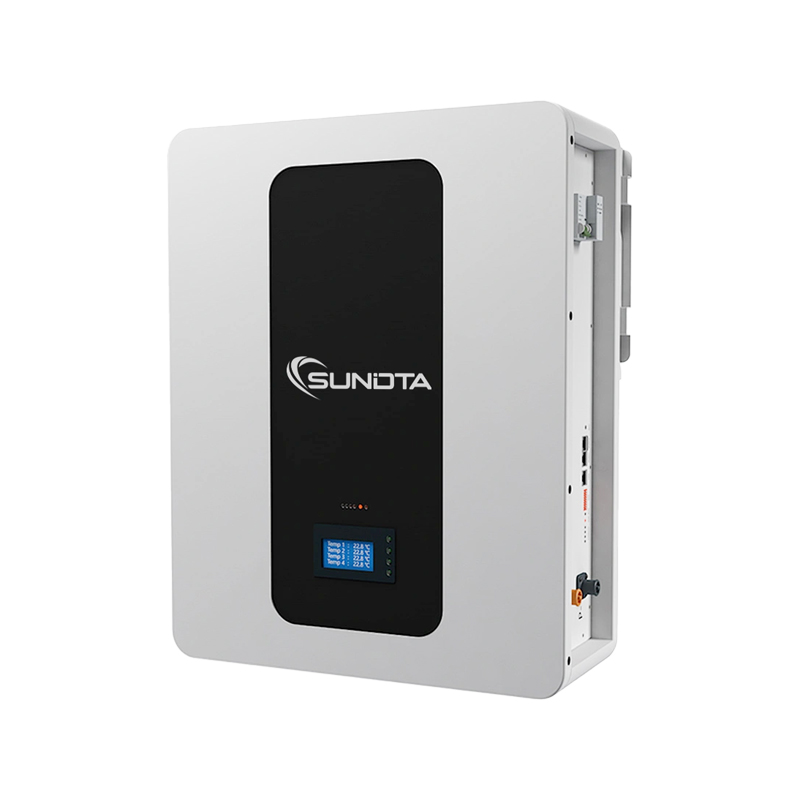
Engineered to endure Jalalabad's high thermal operational envelopes. Direct-coupled Smart BMS architecture ready for instantaneous deployment across residential, agricultural, and commercial loads.
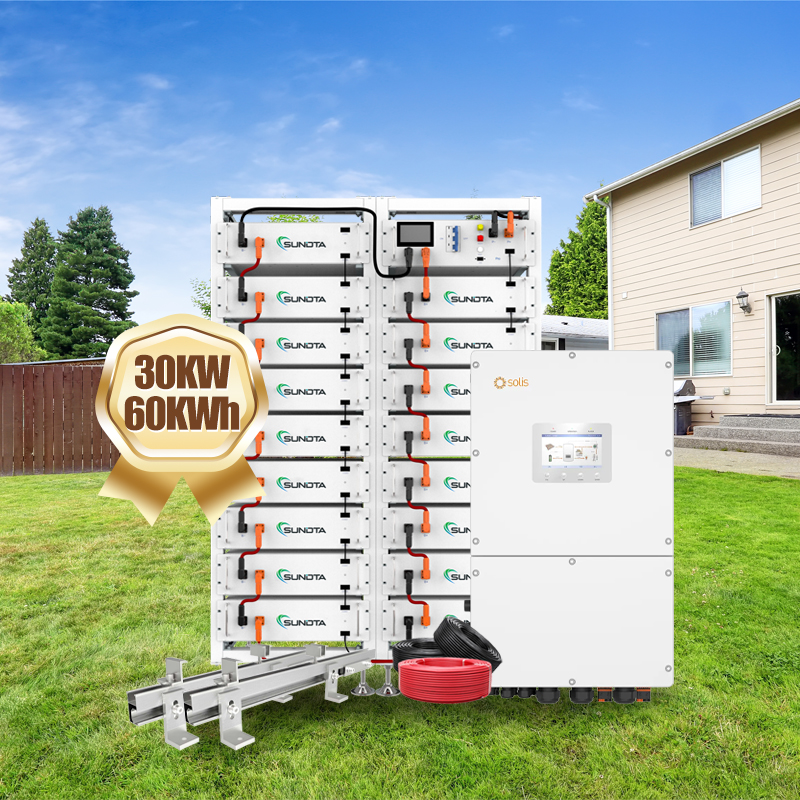
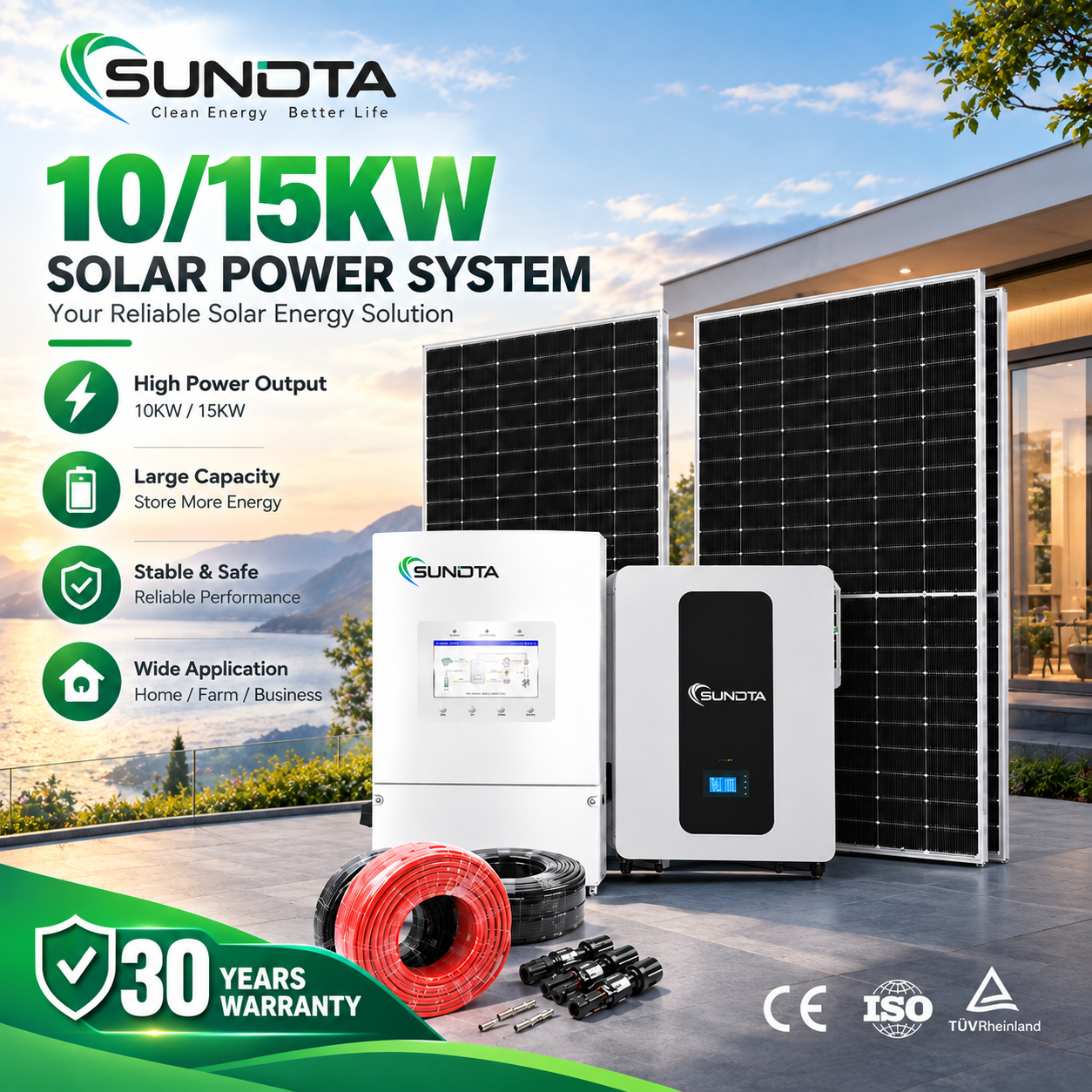
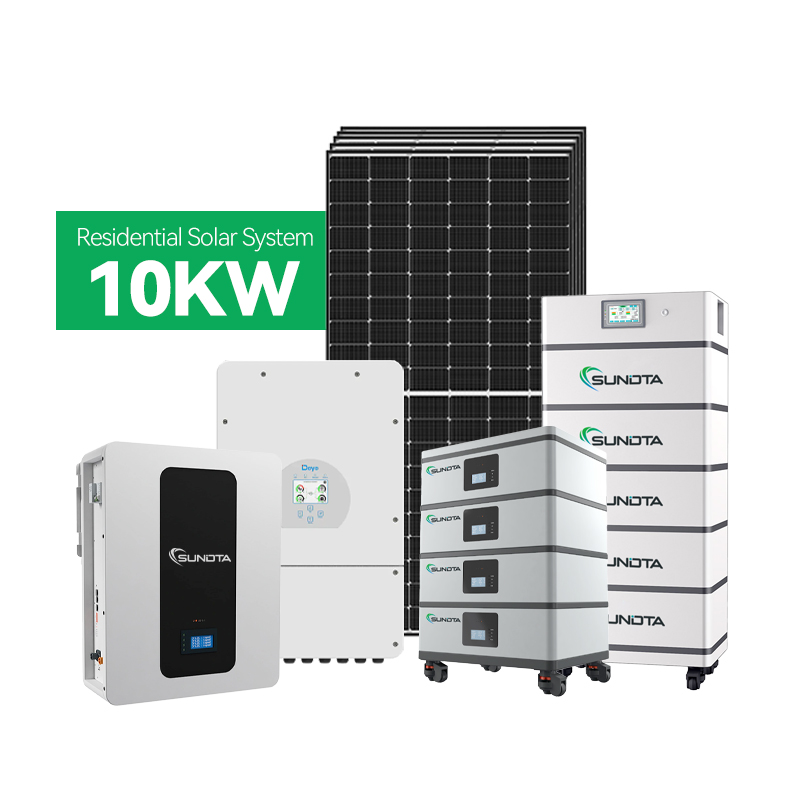
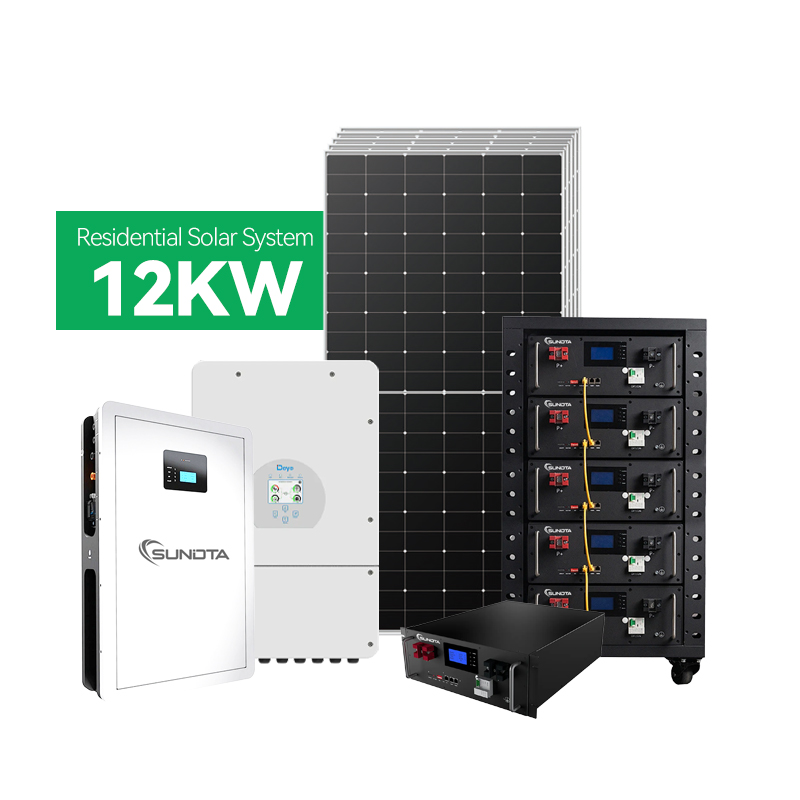
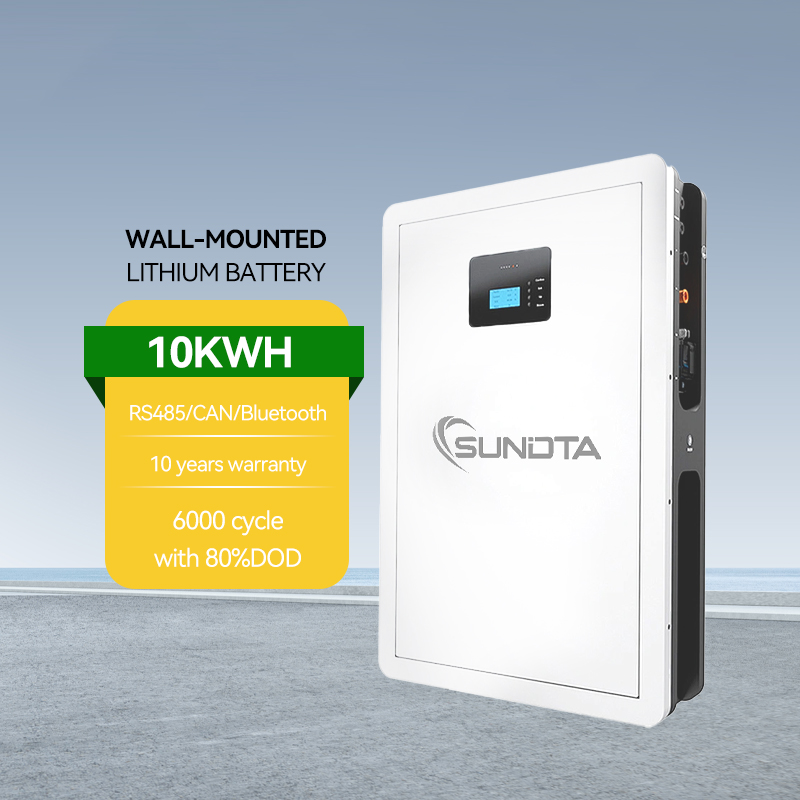
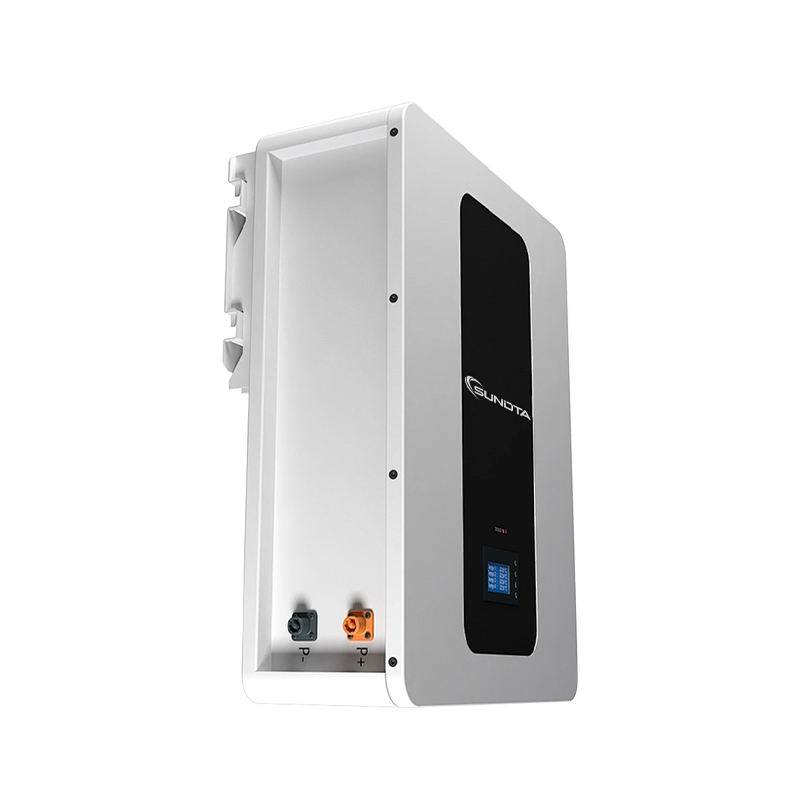
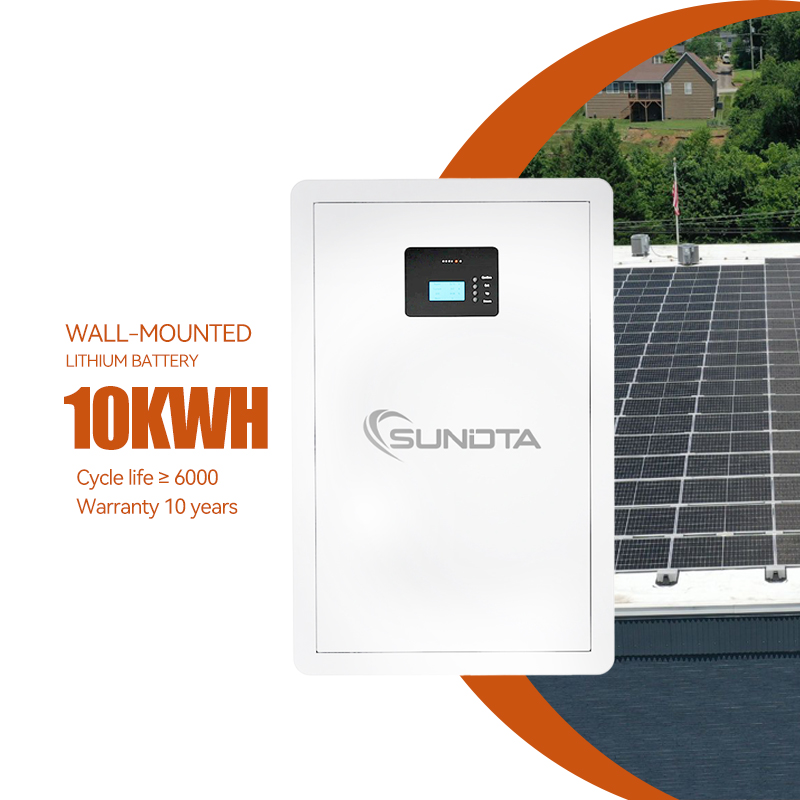
An empirical evaluation of grid volatility, extreme summer ambient temperature derating, and LiFePO4 thermodynamic advantages over legacy lead-acid banks across eastern Nangarhar province.
Jalalabad experiences peak summer temperatures exceeding 45°C–48°C. Conventional ternary lithium (NMC) batteries present unacceptable thermal runaway risks, and flooded lead-acid batteries suffer catastrophic electrolyte dry-out. Our Grade-A LiFePO4 cells maintain thermodynamic stability up to 60°C with automated thermal throttling integrated into the firmware.
Local utility feeds frequently suffer from acute voltage sags (dropping to 140V) and unscheduled load shedding lasting 12 to 18 hours daily. Anhui RJV systems utilize advanced dual-processor hybrid architectures that decouple battery charging cycles from dirty grid transients, providing unbroken pure sine-wave micro-grid autonomy.
The Jalalabad basin experiences severe seasonal particulate deposition from the surrounding arid terrain. Open-vented battery systems gather conductive dust on balance leads, inducing micro-shorts. RJV’s IP65 wall-mounted and modular rack configurations isolate all circuit boards, power buses, and cell interconnects within sealed chassis.
A side-by-side analysis contrasting generic Chinese market assemblers with Anhui RJV’s high-yield Tier-1 PV and Energy Storage System (ESS) specifications.
| Evaluation Parameter | Generic Exporters / Market Assemblers | Anhui RJV New Energy Engineering Standards | Field Impact in Jalalabad |
|---|---|---|---|
| Lithium Cell Grade | Recycled or B-grade prismatic/cylindrical cells | 100% Factory-Fresh Tier-1 Automotive-Grade LiFePO4 | Zero Early Degradation |
| Cycle Life Expectancy | 1,500 – 2,000 cycles (@ 0.5C / 25°C) | 6,000+ cycles (@ 80% DoD, 0.5C / 25°C) | 10+ Years Daily Cycling |
| Inverter Protocol Handshake | Open voltage sensing; analog lead-acid emulation | Pre-configured CAN/RS485 closed-loop bus (Deye, Solis, etc.) | Precise State-of-Charge |
| BMS Thermal Protection | Single mechanical cut-off sensor; no pre-charge circuit | Multi-point NTC temperature monitoring + Mosfet/Relay redundancy | High Ambient Safety |
| PV Module Compatibility | Standard P-type PERC panels (high temp coefficient) | N-Type TOPCon bifacial modules (low -0.30%/°C temp coefficient) | +15% Summer Energy Yield |
| Quality Certification | Self-declared untested CE stickers | TÜV Rheinland Assessed, CE, UN38.3, IEC 62619, IEC 61215 | Guaranteed Insurance & Safety |
Engineering resilient off-grid and hybrid architectures engineered around the concrete economic engines of Jalalabad.
Configured with our 5kWh to 10kWh 51.2V wall-mounted LiFePO4 batteries paired with 5kW–12kW hybrid inverters. Replaces noisy, high-maintenance diesel gensets in urban residential estates, surgical clinics, and pharmacies requiring 24/7 refrigeration for insulin and vital medicines.
Jalalabad's renowned agricultural belt demands steady multi-phase motor starting capabilities. Deploying our 30kW to 50kW industrial hybrid configurations with high-capacity 25kWh+ lithium banks allows sorting facilities, olive presses, and deep submersible water wells to operate uninterrupted throughout peak daytime harvesting.
The strategic transit corridor between Kabul and Torkham border crossing passes through Jalalabad. Logistics distribution nodes and customs inspection cold-storage warehouses leverage our high-voltage stackable lithium systems and containerized 1MWh–2MWh ESS units to secure uninterrupted energy independent of the public power grid.
A Hefei-headquartered solar module and energy-system integration manufacturer. Eliminating procurement risks through complete turnkey Bill of Materials (BOM) compatibility, verified production, and end-to-end engineering rigor.
Independent, on-site verified factory assessment confirming fully automated production, quality control checkpoints, and international export safety protocols.
One accountable partner for PV panels, hybrid inverters, and LiFePO4 batteries. No split liability or component communication failures on site.
Real-time sizing assistance, single-line diagrams (SLD), inverter protocol matching, and firmware support across all operating time zones.
Direct answers to the most critical logistical, technical, and commercial questions raised by Afghan project managers and electrical contractors.
Connect with our Hefei engineering and export division to request wholesale pricing, comprehensive project Bill of Materials (BOM) design, and full compliance datasheets.