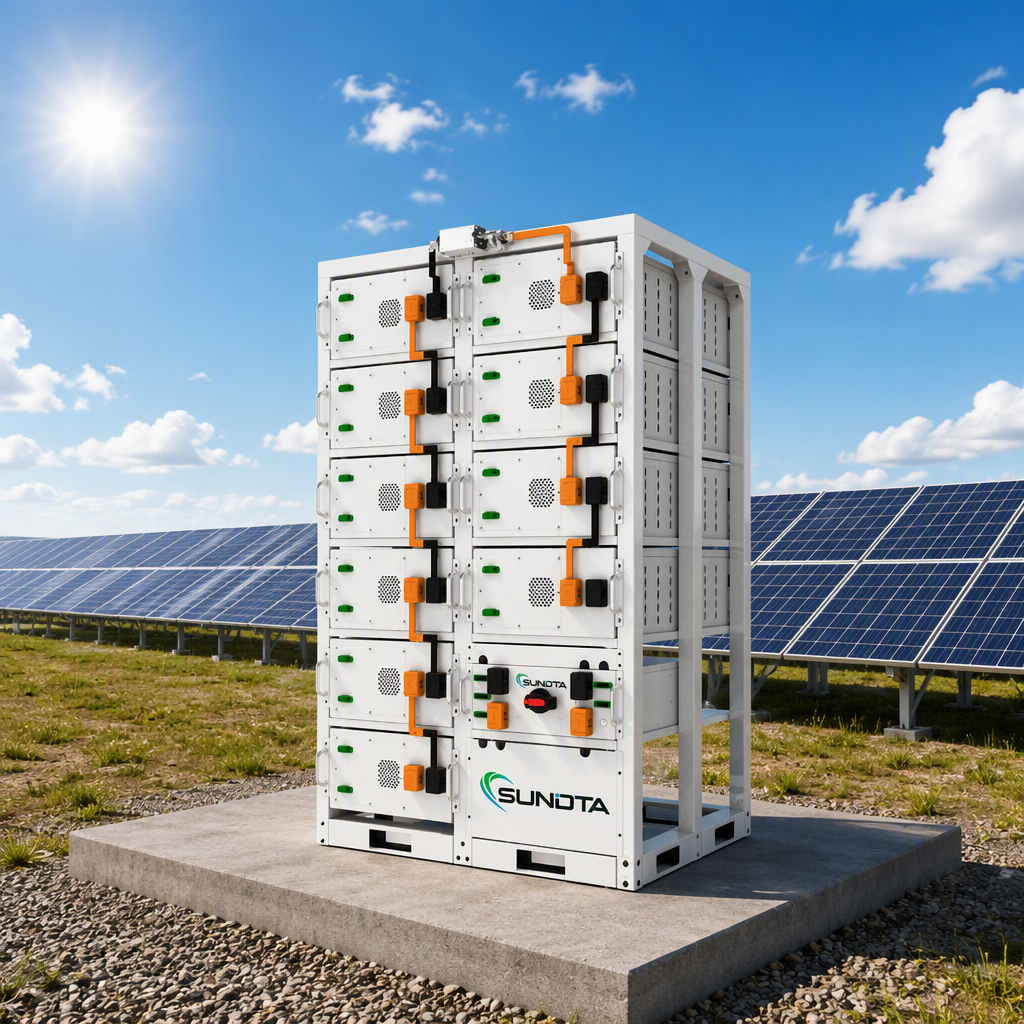
Engineered For Off-Grid & Unstable Grids
Industrial-Grade Telecom Backup Battery Systems & Solar Solutions
Field-proven modular battery banks, high-voltage rack storage, and integrated hybrid solar setups tailored for maritime air, remote ridge repeaters, and extreme weather resilience in Saint Vincent and the Grenadines.
2 GW
Annual Module Capacity
500+ MW
Global Projects Delivered
12+ Yrs
PV & Battery R&D Depth
38
Patented Technologies
AAA
Credit Rating Index
4.8 / 5
B2B Buyer Satisfaction
Strategic Energy Transition White Paper
1. Critical Telecom Grid Vulnerabilities in Saint Vincent and the Grenadines
Saint Vincent and the Grenadines (SVG) presents one of the most operationally challenging environments in the Caribbean for telecommunication infrastructure. Comprising mainland Saint Vincent and 32 smaller islands and cays—including Bequia, Mustique, Canouan, Mayreau, and Union Island—the multi-island topology creates severe logistics friction for grid stabilization. The national electricity network, operated by St. Vincent Electricity Services Limited (VINLEC), relies predominantly on imported heavy fuel oil and diesel generation, supplemented by localized run-of-river hydro on the mainland.
Because the Grenadines operate on isolated, fragmented island microgrids or localized diesel generators, utility power is subject to frequent frequency fluctuations, sudden brownouts, and elevated fuel surcharges. Telecom base transceiver stations (BTS), microwave backhaul links, and optical line terminals (OLTs) operated by regional carriers such as Digicel, Flow (Liberty Latin America), and government emergency radio networks face an imperative challenge: maintaining 99.999% uptime ("five-nines") despite a volatile primary grid and an escalating frequency of extreme Atlantic storm events.
The Catalyst of Hurricane Beryl (2024) on Critical Infrastructure:
When Category 4 Hurricane Beryl made landfall across the Southern Grenadines, winds exceeding 150 mph caused catastrophic destruction to terrestrial power lines, solar arrays, and telecommunication towers on Union Island, Mayreau, and Canouan. Diesel refueling chains collapsed due to damaged maritime jetties and rough seas. This historic event forced telecommunication engineering directors to abandon legacy lead-acid battery reserve models in favor of ruggedized, high-cycle Lithium Iron Phosphate (LiFePO4) energy storage integrated with hybrid solar and intelligent battery management systems (BMS).
Modern telecom backup in SVG can no longer treat batteries merely as passive standby assets for short two-hour utility interruptions. Today, batteries function as dynamic hybrid energy buffers capable of daily deep-cycling alongside rooftop or ground-mount photovoltaic systems, bridging prolonged multi-day blackouts, and enduring intense ambient heat and tropical sea-spray without thermal degradation.
2. Technical Paradigm Shift: VRLA Lead-Acid vs. LiFePO4 for Caribbean BTS Towers
Historically, telecom infrastructure across Kingstown, Georgetown, and the Grenadine cays utilized Valve Regulated Lead-Acid (VRLA), Absorbent Glass Mat (AGM), or Gel batteries due to initial capital cost considerations. However, field data from Caribbean installations reveal that tropical thermal loads destroy lead-acid chemistry within 18 to 24 months. At an ambient operating temperature of 35°C (95°F), standard VRLA service life degrades by 50% for every 8°C rise above 25°C.
| Performance Parameter | Legacy VRLA / AGM Batteries | Industrial LiFePO4 (LFP) Systems | Impact on St. Vincent & Grenadines BTS Sites |
|---|---|---|---|
| Cycle Life (80% DoD) | 400 – 800 cycles | 4,500 – 6,000+ cycles | LFP offers 8-10x longer lifespan; vital for daily cycling off-grid repeaters. |
| Usable Depth of Discharge (DoD) | 50% maximum safe discharge | 90% – 100% usable capacity | Halves the required installed amp-hour footprint in space-constrained shelters. |
| Weight & Volumetric Density | Heavy (~30 Wh/kg) | Ultra-compact (~110-140 Wh/kg) | Reduces barge transport freight & structural mast weight on steep ridges. |
| Thermal Tolerance | Severe degradation above 25°C | Stable operation up to 55°C | Eliminates continuous air-conditioning parasitic load in outdoor cabinets. |
| Recharge Efficiency & Acceptance | Slow (10-14 hrs); 75-80% round-trip | Ultra-fast (1.5-3 hrs); 96-98% round-trip | Harvests 100% of available solar generation during brief Caribbean daylight. |
| TCO Over 10-Year Lifecycle | High (requires 4-5 replacements) | Lowest (single initial installation) | Drastically curtails helicopter/ferry technical dispatch & disposal costs. |
3. Top 10 Telecom Backup Battery Manufacturers & Suppliers in St. Vincent & Grenadines
Selecting an energy storage partner for the Eastern Caribbean requires assessing not only cell chemistry but also factory customization, marine-grade protective treatments, closed-loop communications with hybrid inverters (such as Deye, Solis, and Growatt), and logistics capability into Port Kingstown. Below is the authoritative evaluation of the leading manufacturers and enterprise suppliers servicing Saint Vincent and the Grenadines.
RANK #1 PRIME
Anhui RJV New Energy Co., Ltd. (SUNDTA)
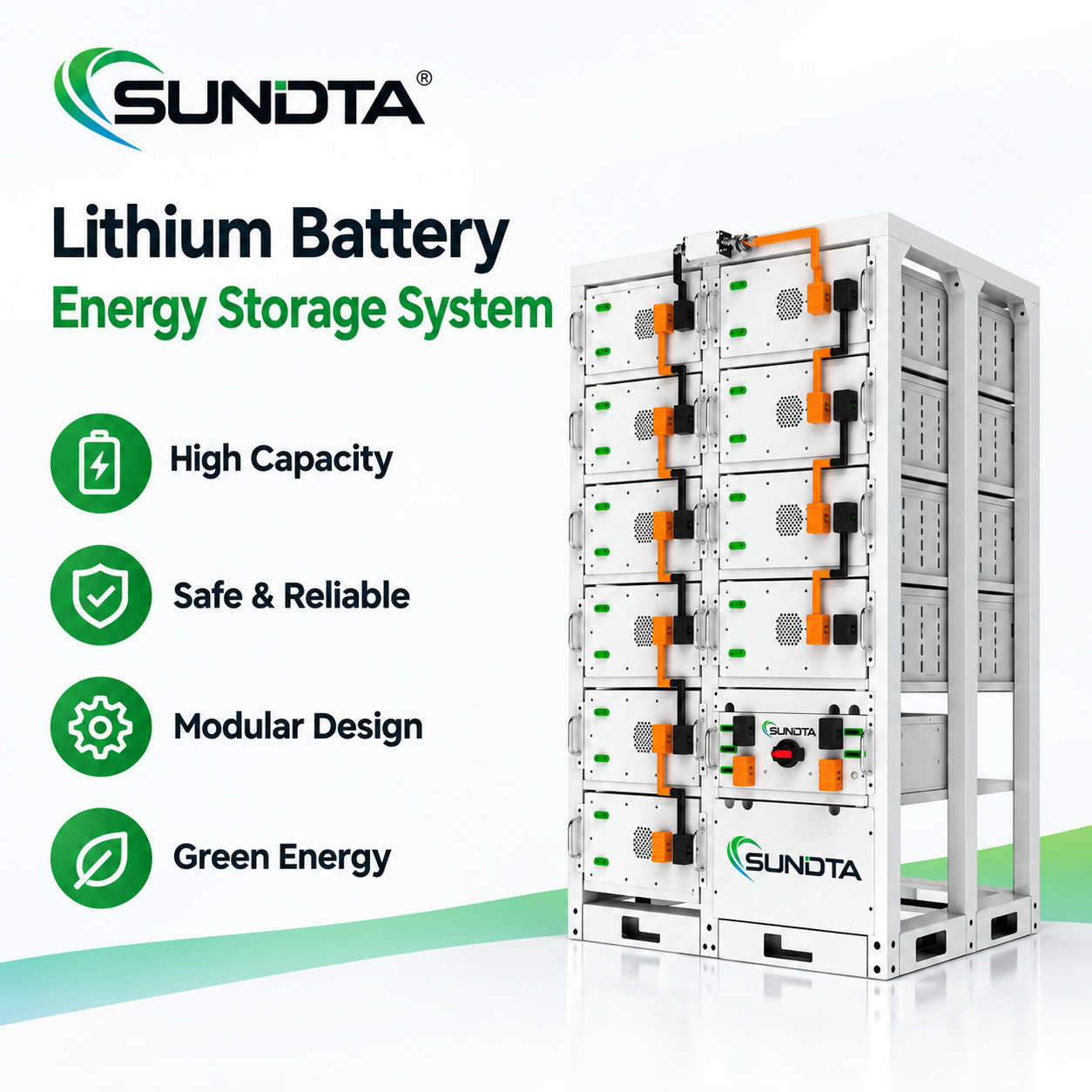
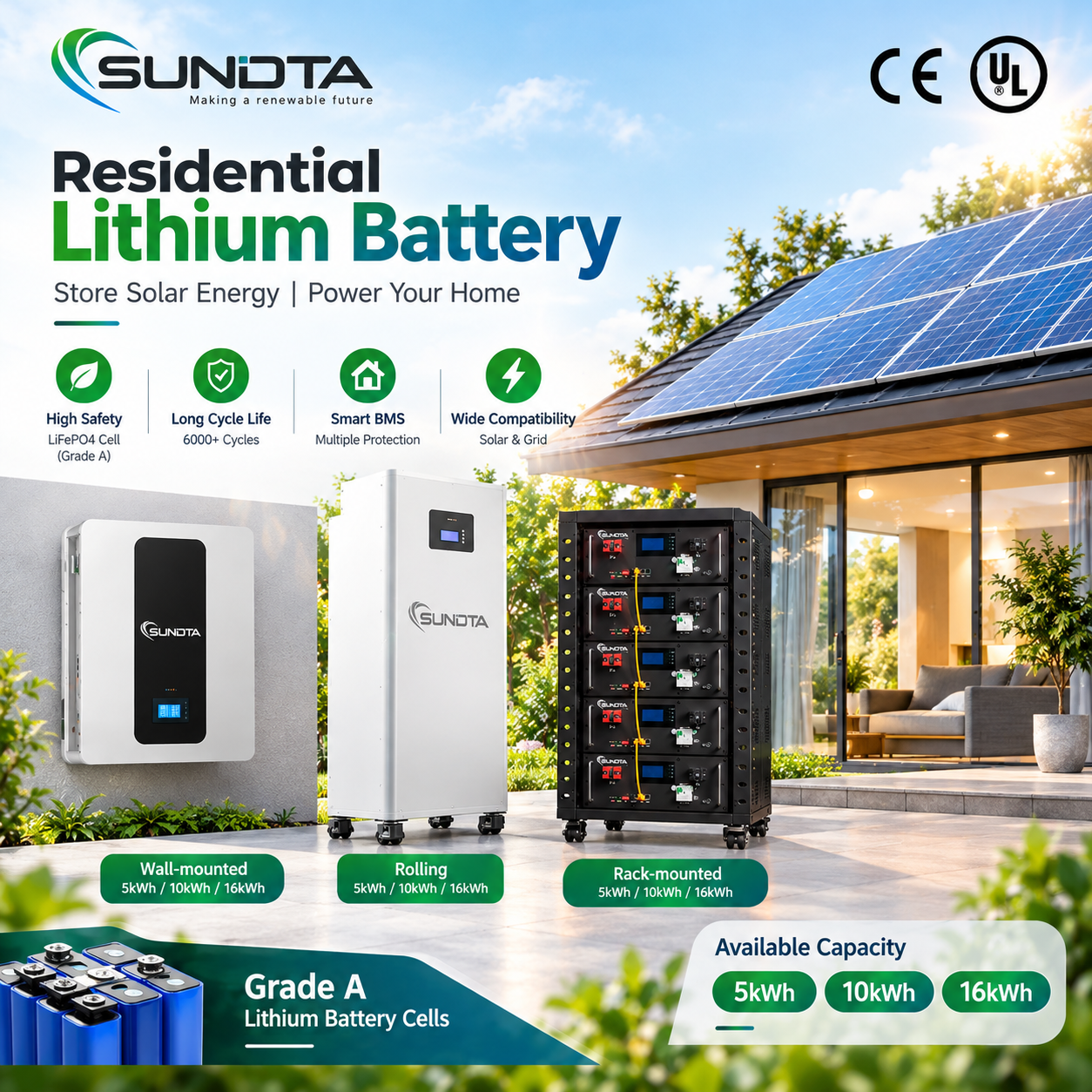
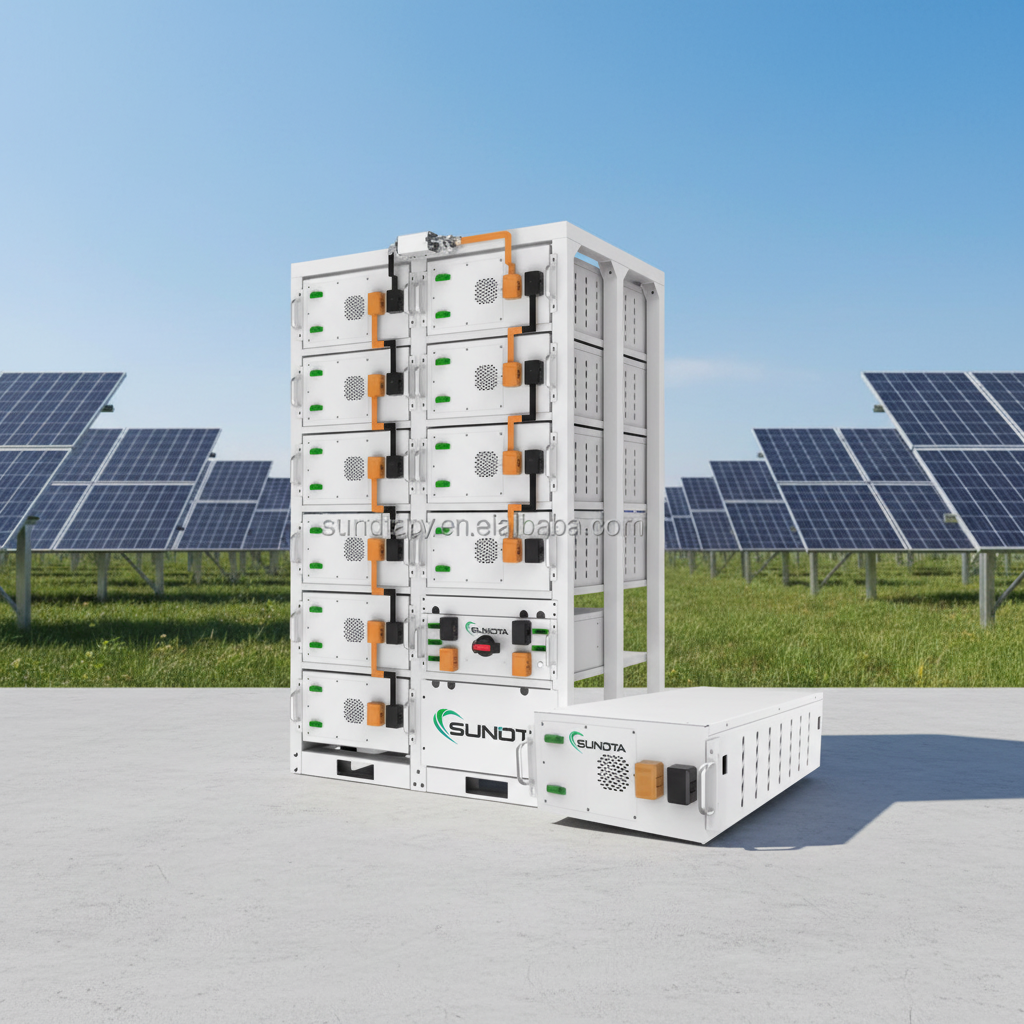
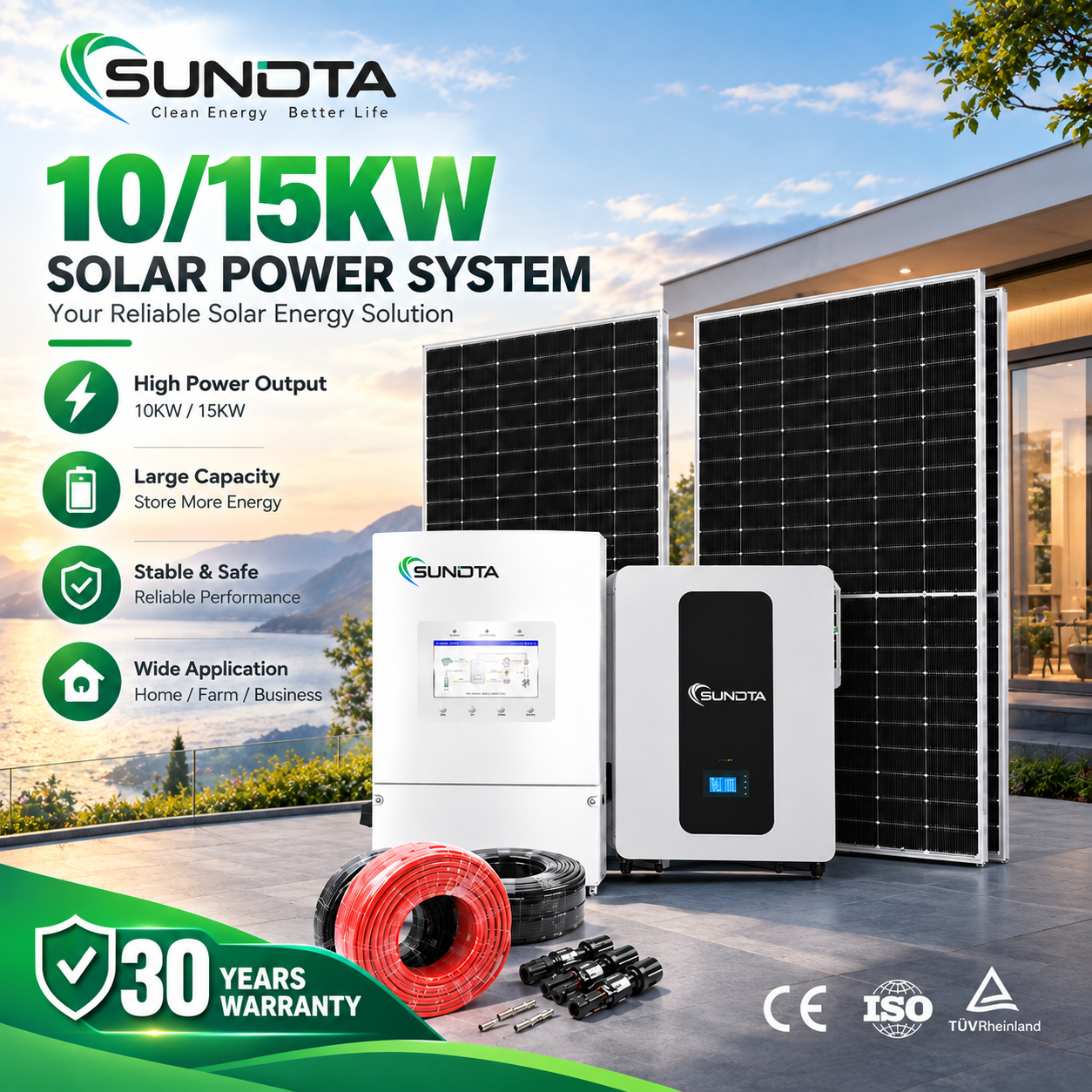
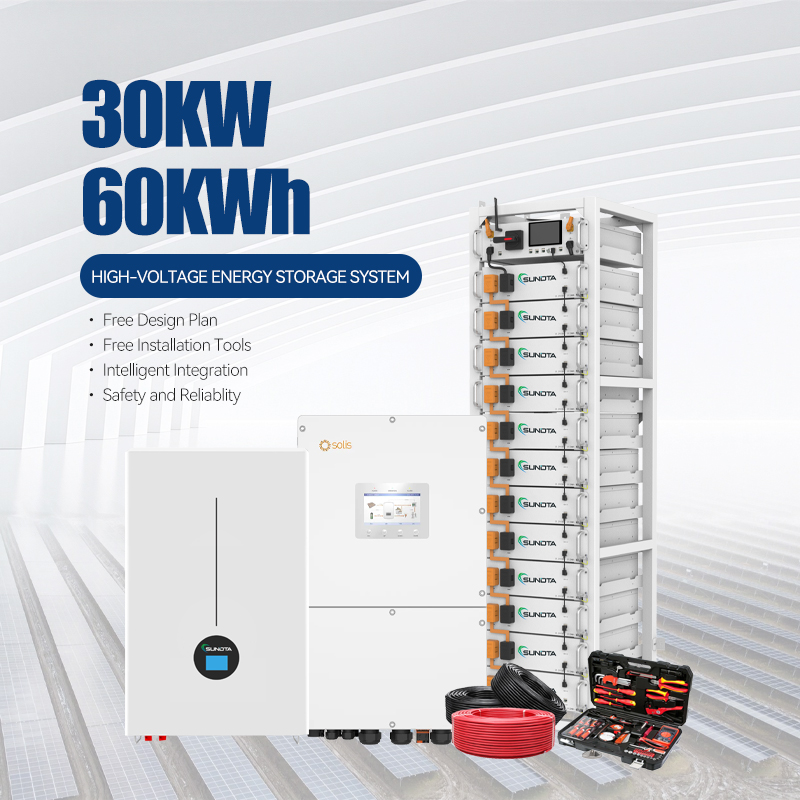
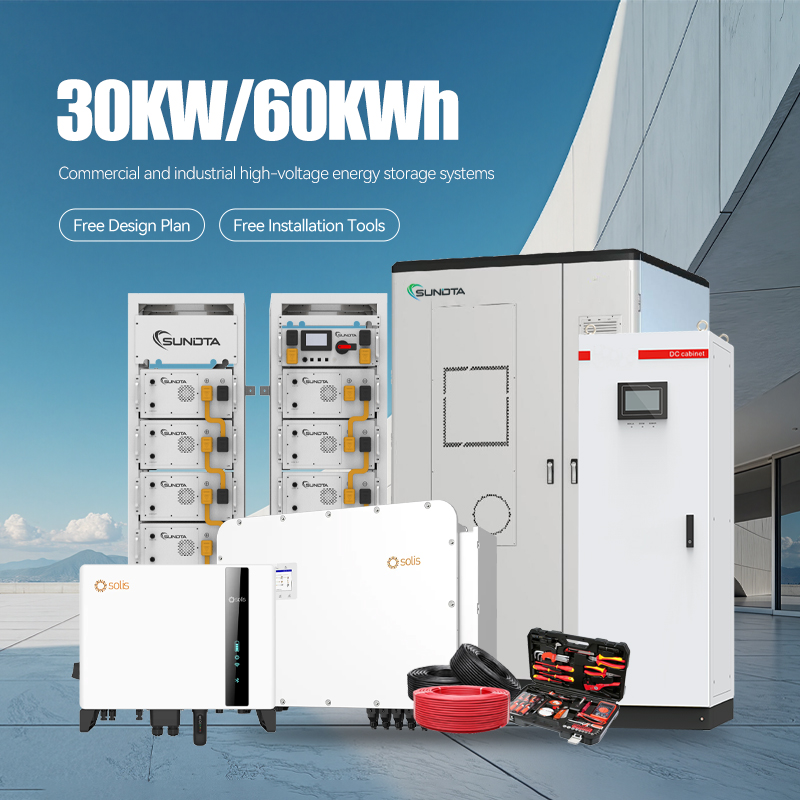
Anhui RJV New Energy stands as the benchmark enterprise supplier for end-to-end solar PV and telecom battery systems in the Caribbean. Backed by 12+ years of PV/ESS production experience, a 2 GW automated manufacturing capacity, and TÜV Rheinland verified operations, RJV delivers specialized 51.2V telecom rack-mount modules, stackable LFP enclosures, and high-voltage containerized ESS (40kWh to 2MWh). Their systems feature robust Smart BMS firmware pre-configured for Deye, Solis, and standard telecom rectifiers via CAN/RS485 protocols. Utilizing prismatic Grade-A LiFePO4 cells rated for 6,000 cycles, RJV supplies integrated solutions with tropical anti-corrosion conformal coatings specifically designed to withstand SVG's severe maritime and volcanic environments.
RANK #2
EnerSys (PowerSafe / Genesis)
EnerSys is a longstanding global leader in telecom DC power systems. Renowned for its PowerSafe SBS Thin Plate Pure Lead (TPPL) and evolving NexSys lithium product lines, EnerSys provides reliable reserve capacity for tier-1 network switch centers and central offices. Their presence in the Caribbean is supported by regional master distributors, offering high-reliability hardware, though at a significant capital price premium compared to direct Asian original design manufacturers.
RANK #3
Zhejiang Narada Power Source Co., Ltd.
Narada has installed hundreds of megawatt-hours of telecom backup solutions across Latin America and the Caribbean basin. Their 48V/51.2V telecom lithium battery racks are tailored for standard 19-inch communication cabinets, offering dependable high-temperature tolerance and modular expansion. Narada represents a standard choice for national cellular carriers undergoing large-scale lead-to-lithium replacement programs.
RANK #4
Polarium Energy Solutions AB
Swedish manufacturer Polarium specializes exclusively in intelligent lithium-ion power backup for telecommunication towers and commercial sites. Known for compact form factors, built-in anti-theft tracking sensors, and cloud-based fleet analytics, Polarium's high-tech solutions excel in remote sites where theft prevention and automated cell balancing are prioritized, albeit with higher procurement expenditure.
RANK #5
Huawei Digital Power Technologies Co., Ltd.
Huawei Digital Power provides integrated telecom site power solutions, including the iSitePower smart modular power units and CloudLi smart lithium battery packs. Offering seamless coordination with Huawei radio access networks (RAN) and power rectifiers, Huawei is a staple for full-turnkey network modernizations, though third-party inverter integration can occasionally encounter proprietary protocol limitations.
RANK #6
Leoch International Technology Ltd.
Leoch manufactures an extensive catalog of power batteries spanning pure lead AGM, tubular OPzV gel, and newer LFeLi lithium battery series for telecommunications. Their dual offering allows telecom engineering teams in developing markets to balance legacy lead-acid reserve requirements with modular lithium upgrade paths across rural Grenadine microwave links.
RANK #7
Saft Batteries
A subsidiary of TotalEnergies, Saft specializes in industrial nickel and advanced lithium batteries engineered for extreme operational environments. In the Caribbean, Saft systems are typically reserved for high-consequence critical infrastructure such as air traffic control radio systems, maritime navigation aids, and defense communication relays across the Windward Islands.
RANK #8
Vision Group (Shenzhen Center Power)
Vision Group is one of the earliest Chinese battery manufacturers to establish global footprints in backup telecommunications power. Their telecom-specific 48V LFP batteries deliver robust standard performance, solid cycle life, and straightforward RS485 telemetry outputs suited for cost-conscious rural network expansion in the Eastern Caribbean.
RANK #9
Shandong Sacred Sun Power Co., Ltd.
Sacred Sun provides certified telecom power solutions compliant with international CE and UL standards. Their lithium-iron rack-mount units provide stable power protection for microwave relay stations, roadside distribution cabinets, and fiber-to-the-home (FTTH) hub nodes across island terrains.
RANK #10
Harbin Coslight Storage Battery Co., Ltd.
Coslight is a pioneer in manufacturing prismatic lithium iron phosphate battery cells and packs for global mobile network operators. Their products offer reliable energy density, standard communication interfaces, and dependable deep-discharge capabilities suitable for regional wireless network towers.
4. Localized Application Scenarios Across Saint Vincent and the Grenadines
Telecom infrastructure throughout the archipelago cannot be served by a one-size-fits-all battery design. Field deployments must account for topological isolation, transmission medium, and local microclimate factors.
Mainland Ridge Microwave Repeaters
Locations such as Mount Saint Andrew and Richmond Peak feature severe volcanic topography, cloud cover, and frequent lightning strikes. Access requires four-wheel-drive or manual transit. Systems installed here must combine high-yield TOPCon solar modules with high-density, vibration-resistant 51.2V LiFePO4 batteries to eliminate recurring maintenance trips.
Grenadines Coastal & Maritime Towers
Towers across Port Elizabeth (Bequia), Clifton (Union Island), and Canouan stand directly adjacent to the Caribbean Sea. High ambient humidity and airborne sea salt accelerate galvanic corrosion. Battery enclosures require 316 stainless steel hardware, electrostatically applied powder coats, and IP55 to IP65 sealed compartments with internal thermal dissipation.
Kingstown Central Switching Offices (CSO)
The core telecommunications and data switching centers in Kingstown require high-capacity, high-voltage battery cabinets (40kWh to 100kWh+) operating continuously in parallel. These central hubs require seamless synchronization with standby diesel generators, solar PV microgrids, and utility feeds, ensuring uninterrupted data routing during national blackouts.
5. Future Trends & Technological Evolution in Caribbean Telecom Power
The telecommunications power architecture in the Eastern Caribbean is rapidly modernizing from passive emergency reserves into dynamic, distributed renewable energy assets. Network operators and EPC contractors should prepare for three definitive market shifts:
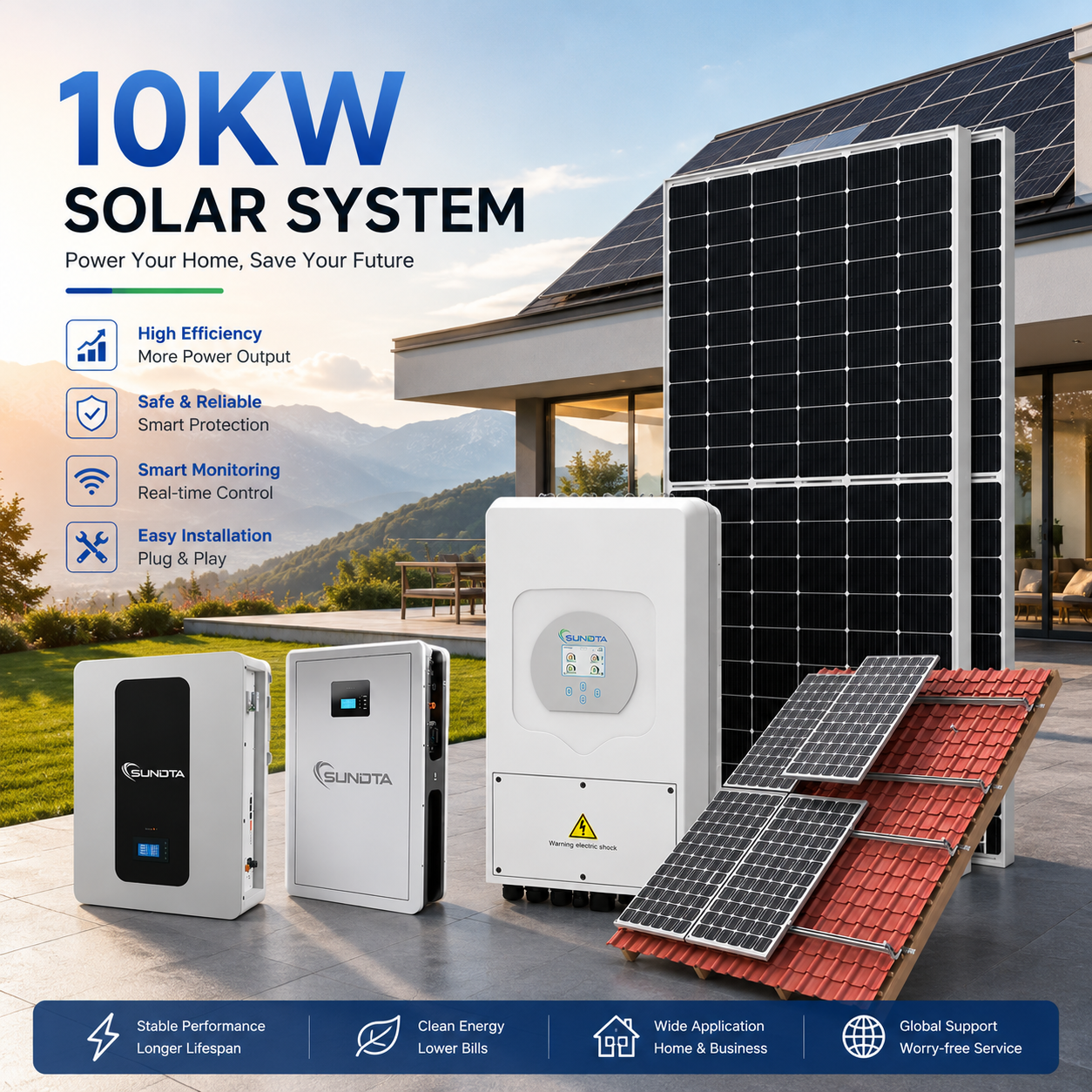
A. Hybridization (PV + Battery + Generator): Telecom operators are aggressively eliminating standalone diesel generators. By integrating bifacial N-type TOPCon solar panels (yielding high albedo capture from gravel and coastal surfaces) with stackable 51.2V LFP banks, fuel consumption is reduced by 65% to 85%. Generators now function merely as tertiary failsafes during persistent cyclone depressions, dramatically lowering operational diesel logistics costs across the Grenadine maritime cays.
B. Intelligent Cloud BMS & Automated SNMP Telemetry: In an archipelagic state like SVG, dispatching a marine vessel to inspect a tripped breaker or unbalanced cell is exceptionally expensive. Next-generation telecom batteries integrate advanced telemetry modules capable of communicating via SNMP, Modbus, or MQTT directly to central Network Operations Centers (NOC). Engineers monitor individual cell voltages, state of charge (SoC), state of health (SoH), and internal cabinet temperatures in real time.
C. Hardened "Category 5 Wind-Rated" Microgrid Enclosures: Following the catastrophic destruction wrought by Hurricane Beryl, procurement specifications from regional authorities and carrier consortiums mandate pre-engineered, hurricane-anchored battery enclosures capable of surviving continuous 160+ mph wind loads, sudden storm surges, and volcanic ash deposits from Mount Soufrière.
6. Comprehensive B2B Procurement FAQ for Buyers in St. Vincent & Grenadines
How does maritime transit to Port Kingstown affect battery shipment schedules and UN38.3 certification?
Lithium iron phosphate batteries are classified as Class 9 Dangerous Goods (UN 3480). Direct maritime shipments to Port Kingstown require comprehensive compliance documentation, including UN38.3 test summaries, Material Safety Data Sheets (MSDS), and strict non-dangerous packaging declarations. Anhui RJV New Energy manages turnkey international dangerous goods packaging, palletized ocean freight booking via standard Caribbean maritime transshipment hubs (such as Kingston, Jamaica or Port of Spain, Trinidad), providing full customs documentation and Certificate of Origin paperwork for smooth clearance at St. Vincent Customs & Excise Department.
Are import duties or tariffs applicable to renewable telecom backup batteries in St. Vincent?
Under the Saint Vincent and the Grenadines National Energy Policy and regional CARICOM customs frameworks, renewable energy generation equipment and dedicated clean-energy storage batteries (such as LiFePO4 solar battery banks) frequently qualify for Import Duty exemptions and reduced Value Added Tax (VAT) concessions upon formal application to the Ministry of Finance. Buyers and EPC contractors should request commercial invoices with precise HS code classifications (such as 8507.60 for Lithium-ion accumulators) to streamline duty-free customs processing.
How does LiFePO4 battery chemistry interface with legacy telecom rectifiers and hybrid inverters?
Our 51.2V LiFePO4 battery modules feature dual communication architecture supporting CAN Bus, RS485, and RS232 protocols. They are pre-programmed with firmware compatible with market-leading hybrid inverters (including Deye, Solis, Growatt, and Victron Energy) as well as legacy telecom rectifiers (such as Emerson / Vertiv, Eltek, and Delta). The battery’s internal BMS communicates charge voltage targets, maximum continuous charge/discharge current limits, and low-voltage cut-offs in real time, preventing cell overcharging and optimizing battery longevity.
Why is LiFePO4 considered inherently safer than other Lithium chemistries for high-temperature Caribbean shelters?
Unlike Lithium Cobalt Oxide (LCO) or Nickel Manganese Cobalt (NMC) chemistries commonly found in consumer electronics or electric vehicles, Lithium Iron Phosphate (LiFePO4) possesses an extraordinarily robust phospho-olivine crystal structure. The thermal runaway temperature of LiFePO4 exceeds 270°C (518°F), compared to ~150°C for NMC. Even in the event of severe cabinet ventilation failure under direct tropical Caribbean sun, LiFePO4 cells do not release oxygen during high-temperature stress, virtually eliminating the hazard of fire or explosive thermal cascade.
What is the standard Minimum Order Quantity (MOQ) and customization lead time for B2B contracts?
For standard 51.2V rack-mount and stackable modular batteries, our factory MOQ starts from just 1 unit/set for engineering sample testing, allowing local telecom contractors and EPCs to verify protocol compatibility. For customized OEM production—including specialized outdoor IP55/IP65 marine enclosures, private branding, custom voltage racks, and pre-wired hybrid DC distribution boards—standard manufacturing lead time is 15 to 25 business days prior to ocean dispatch.
Why Regional Buyers Partner With Us
Engineered Reliability from Factory to Caribbean Grid
Anhui RJV New Energy Co., Ltd. (SUNDTA) provides tier-1 commercial solar and lithium energy storage solutions globally. When procurement teams in Saint Vincent and the Grenadines select RJV, they eliminate the middleman risk and secure direct engineering collaboration backed by validated manufacturing credentials:
2 GW Automated Manufacturing
State-of-the-art automated cell sorting, laser welding, and automated module assembly lines ensure zero cell mismatching across every high-capacity telecom battery pack.
TÜV Rheinland Assessed
On-site audited production facilities, rigorous multi-stage quality control, and CE, IEC 61215, IEC 61730, and UN38.3 certified product families ensure total regulatory compliance.
Multi-Protocol Compatibility
BMS architecture pre-configured for seamless closed-loop integration with Deye, Solis, Growatt, and global standard telecom DC power rectifiers.
24/7 Technical Engineering
Dedicated PV and ESS engineers assist with site load profiling, autonomy sizing, customized wiring schematics, and remote commissioning support across Caribbean time zones.