Engineered Solar & LiFePO4 Energy Storage Solutions
Tested for high-altitude thermal dissipation, high cycle durability, and unified hybrid inverter compatibility across Pichincha and South American regional grids.
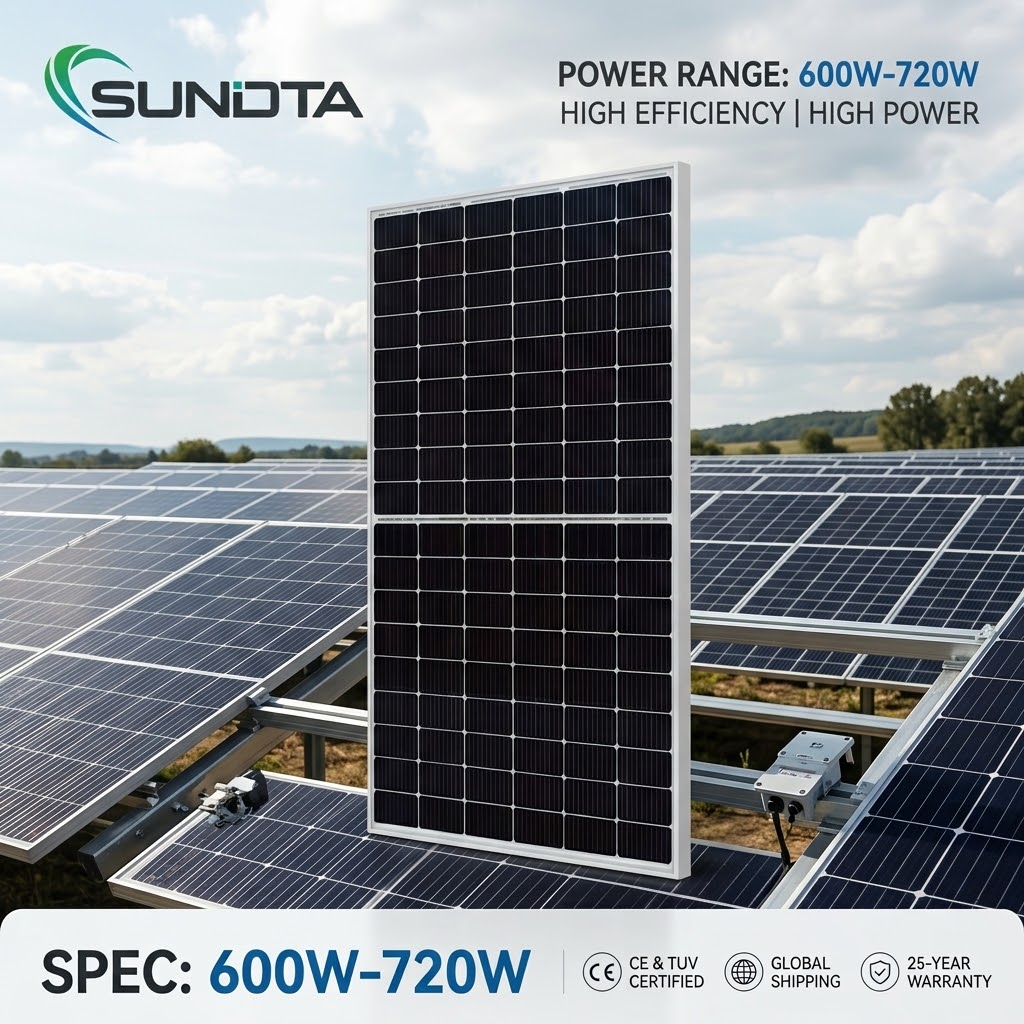
SUNDTA 500W-595W Bifacial PERC Solar Panel
- 23.03% Module Efficiency
- Dual Glass / High Albedo Yield
- Robust Mechanical Load Support
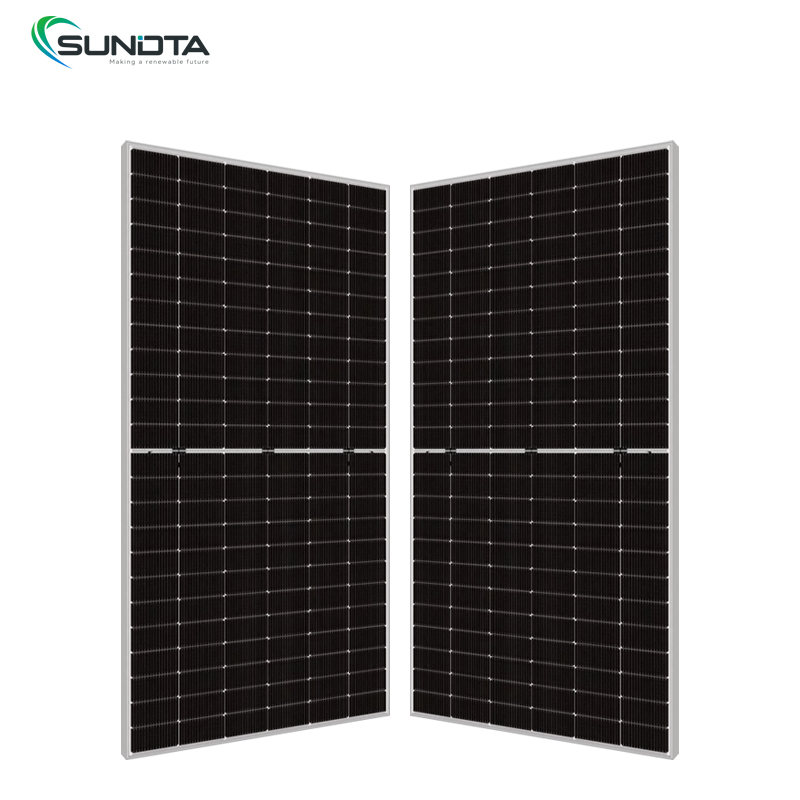
Sodenergy 700W-730W N-Type Solar Panel
- TOPCon High Efficiency Matrix
- Near-Zero LID / PID Degradation
- Optimal for C&I Altitude Arrays
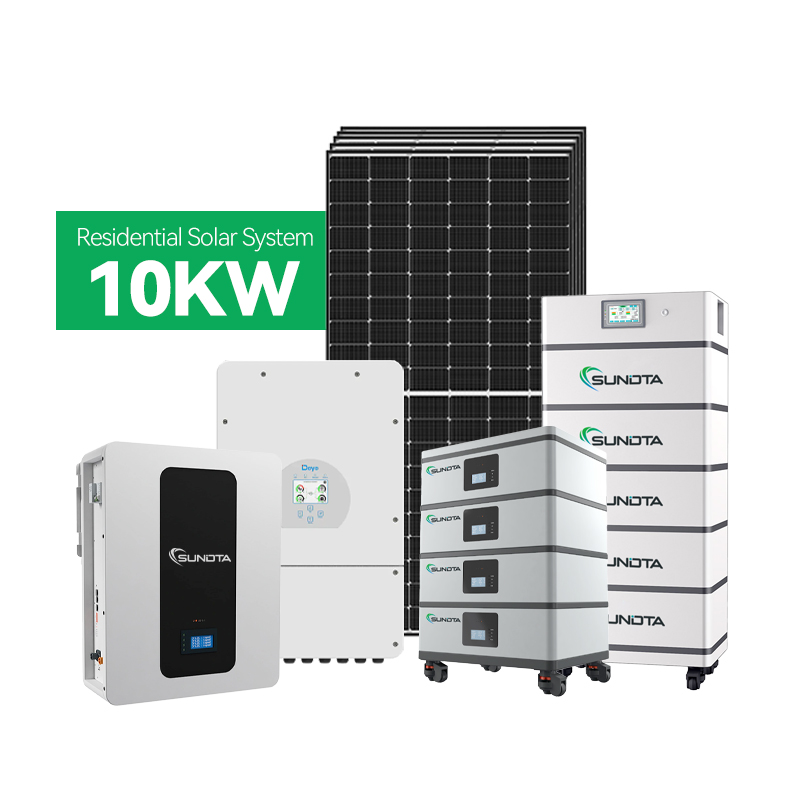
Sundta 10kW-12kW Home Hybrid Solar System
- Dual MPPT High Voltage Inputs
- Integrated BMS Safety Topology
- Seamless Millisecond UPS Transfer
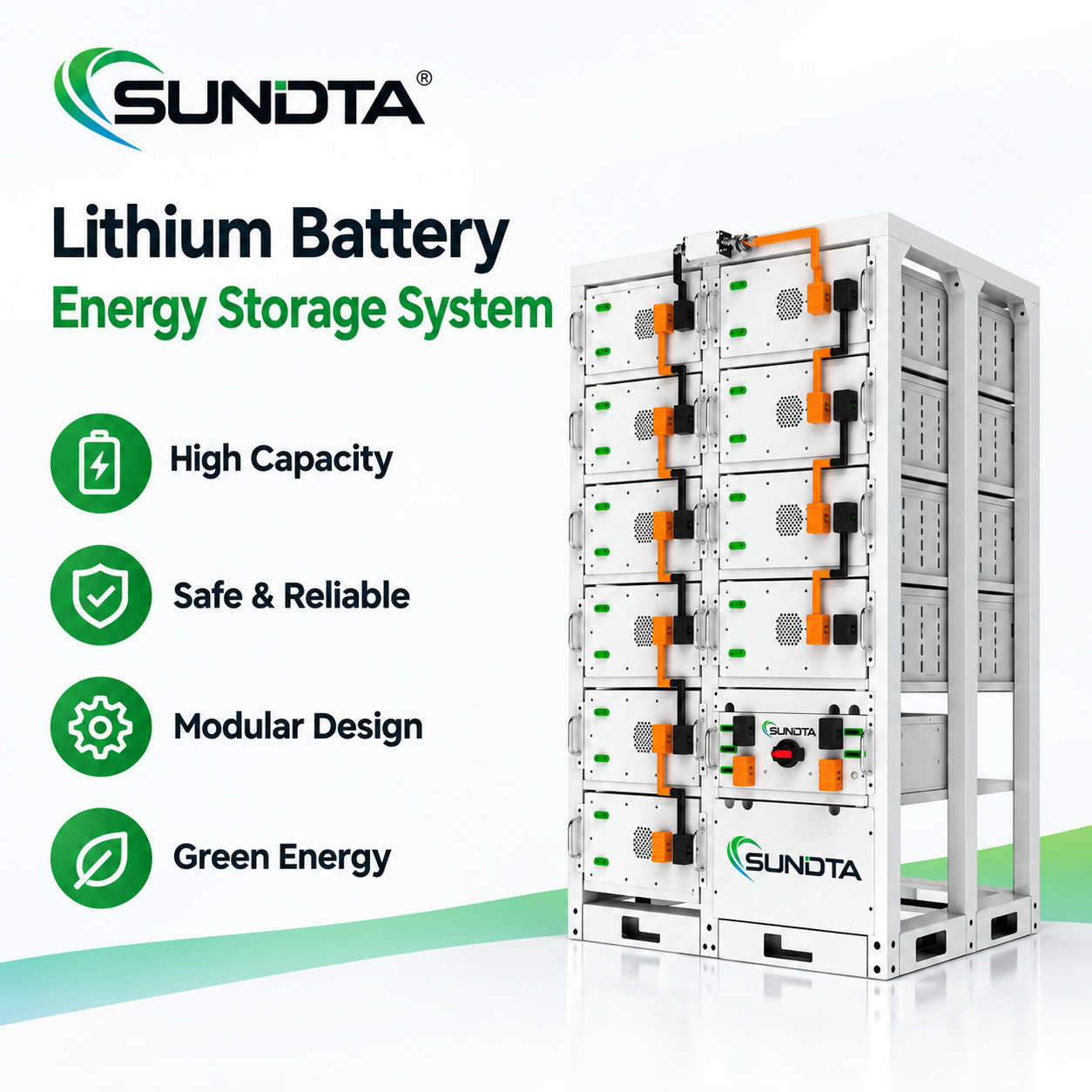
Smart BMS 51.2V Stackable LiFePO4 Battery
- Modular Quick-Connect Capacity
- CAN / RS485 Protocol Autodetect
- Automotive Grade Grade-A Cells
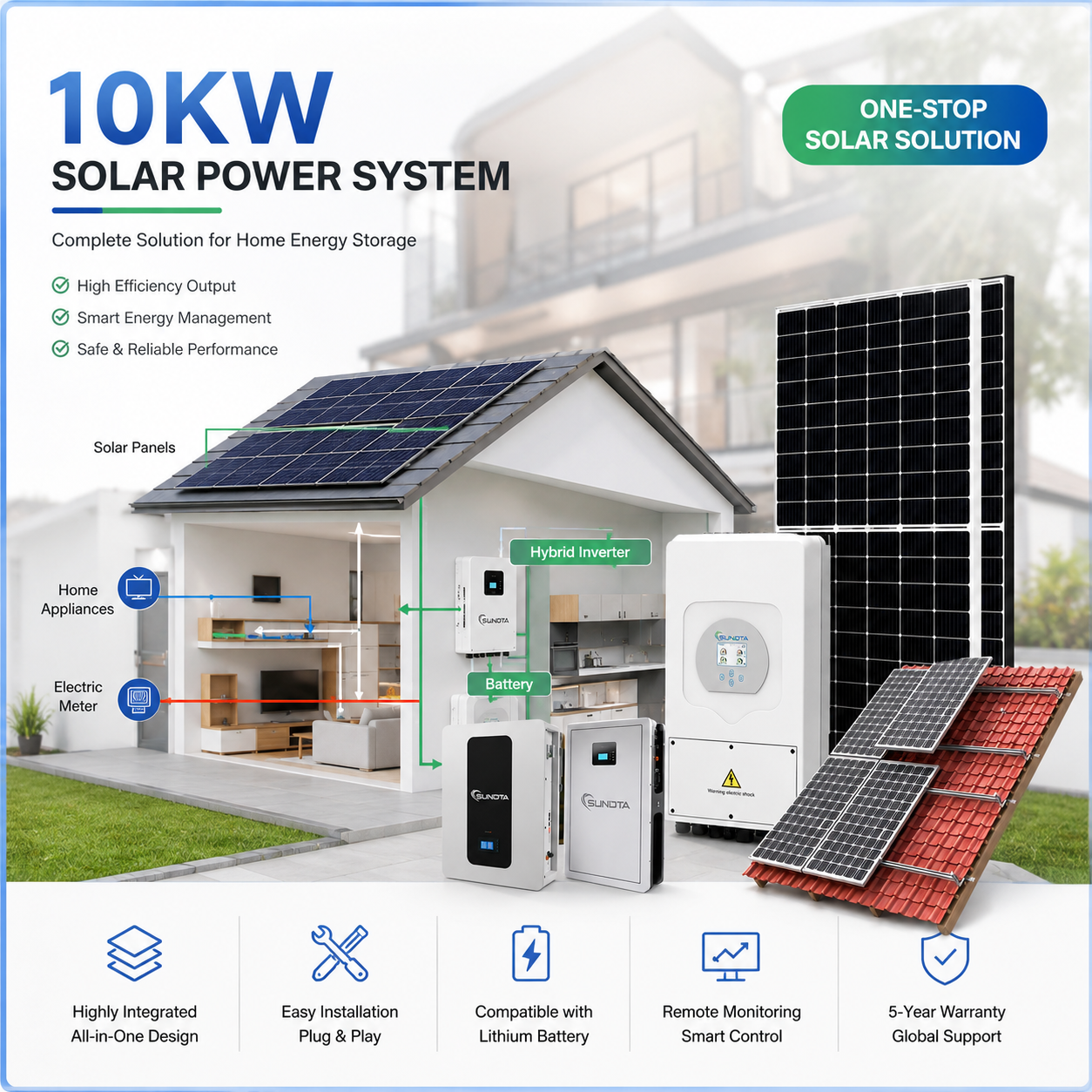
15kW-50kW Whole-House Hybrid Solar System
- Commercial & Large Residential
- Smart MPPT Yield Tracking
- Parallel Battery Cluster Ready
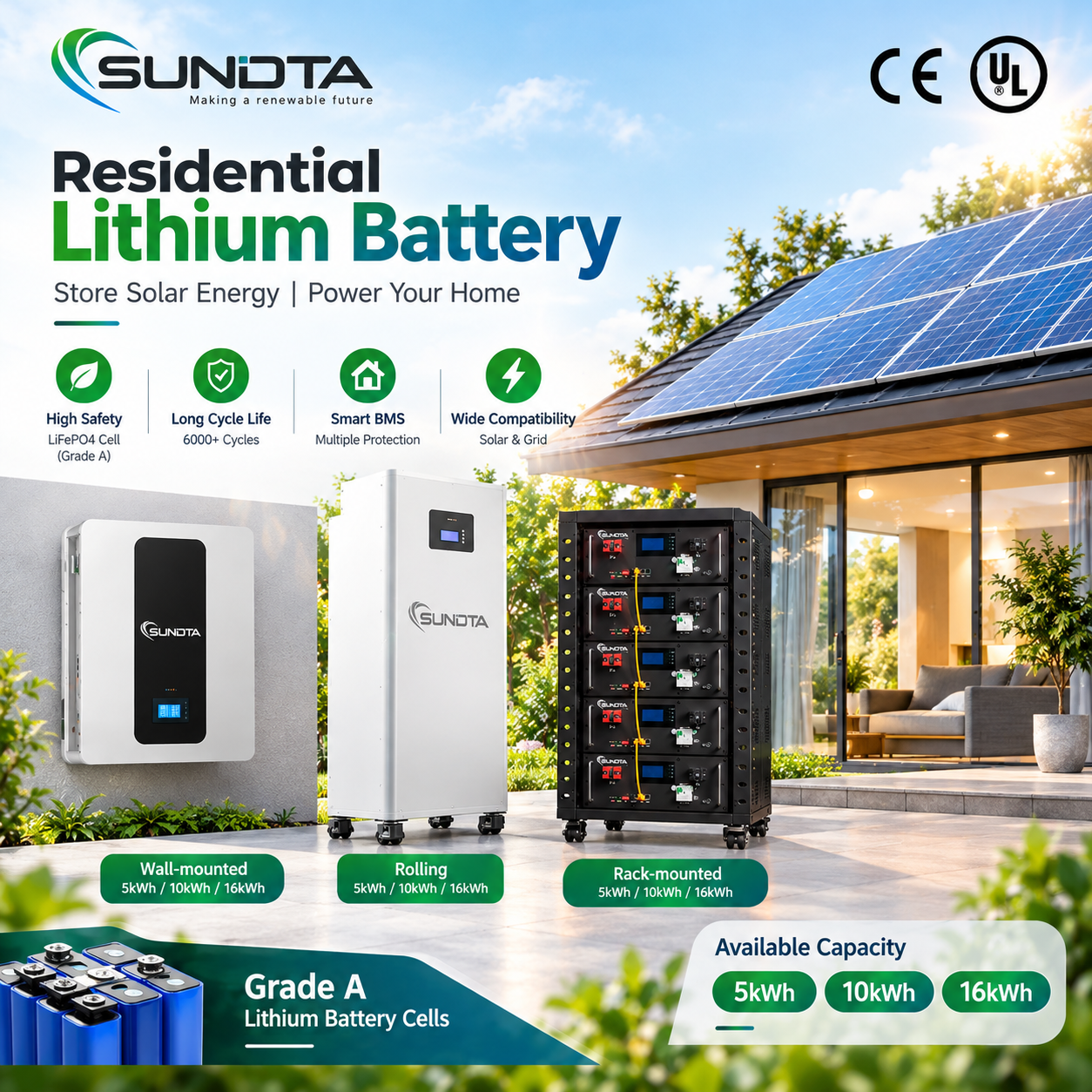
Sundta 10kWh-30kWh Modular LiFePO4 Battery
- Flexible 5kWh Building Blocks
- Integrated Master Control Unit
- >6,000 Cycle Life @ 80% DoD
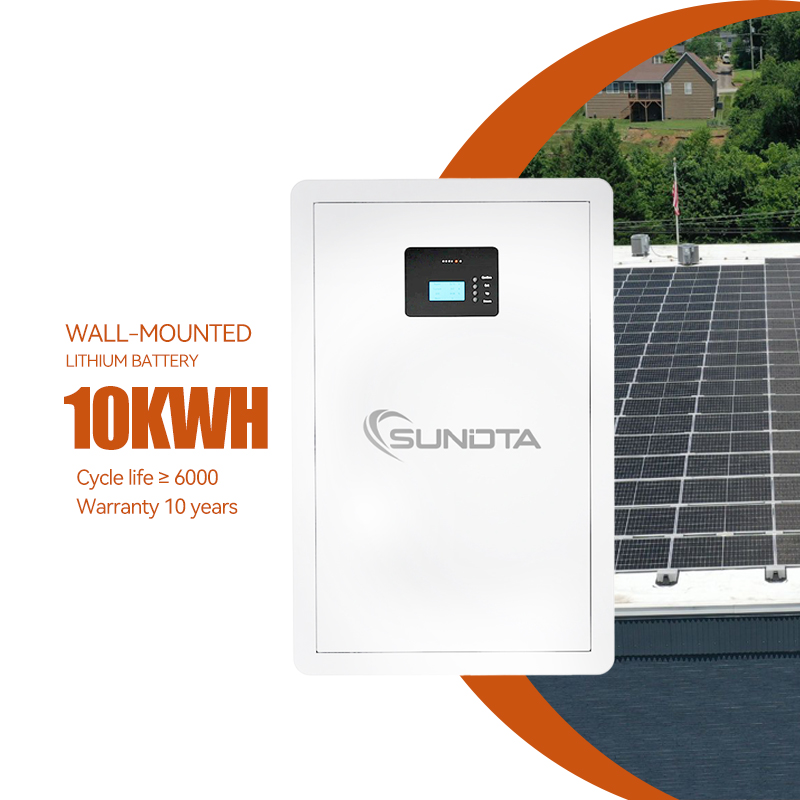
Sundta IP65 10kWh 51.2V 200Ah Wall Battery
- Compact Wall-Mounted Profile
- IP65 Outdoor & Semi-Outdoor Proof
- Active Multi-Level BMS Protection
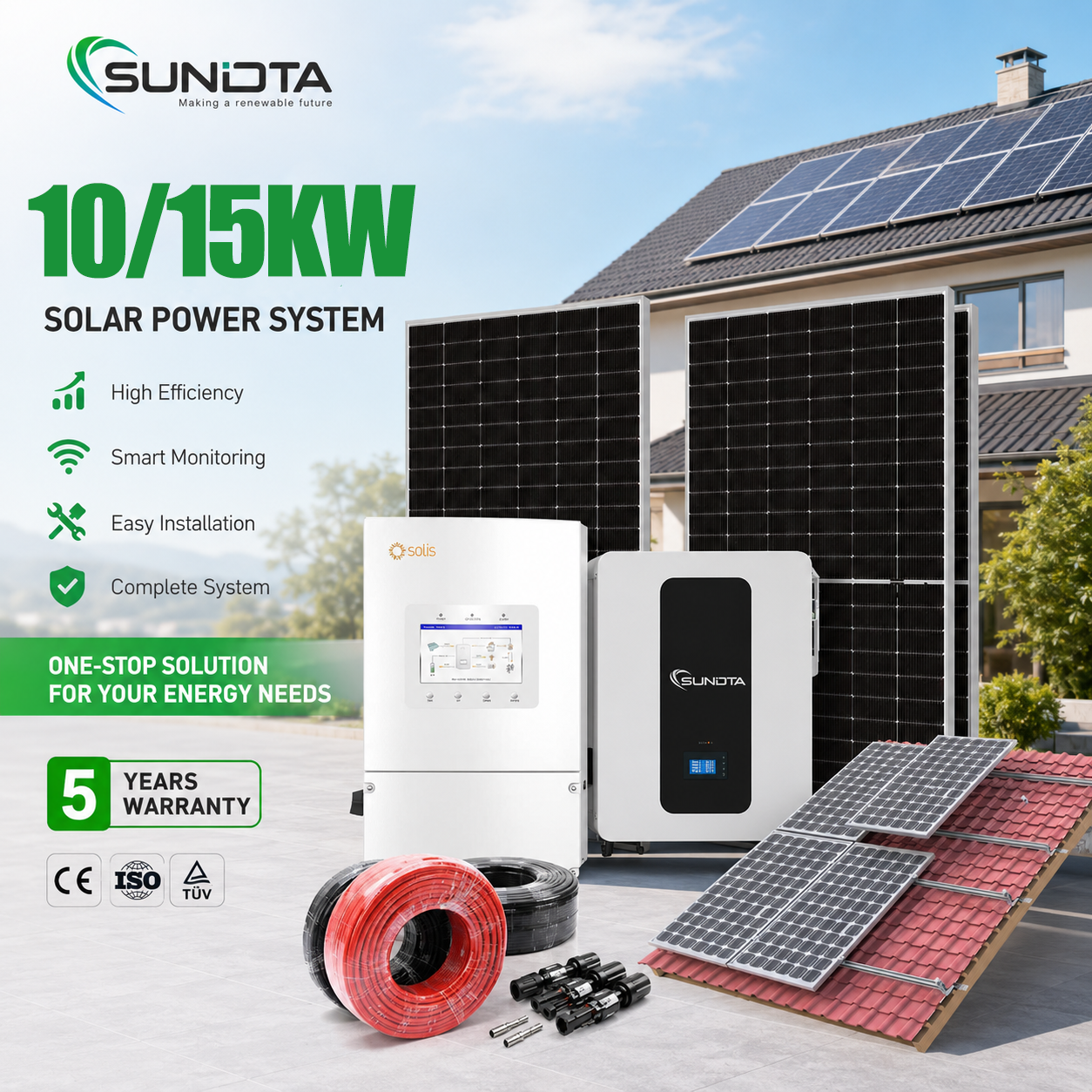
Customized 8kW-15kW On-Off Grid System
- Full Turnkey PV & Storage Set
- Flexible Bi-directional Inversion
- Pre-commissioned Matched BOM
Engineering Wall-Mounted Energy Storage for Quito's High-Altitude Realities
Why standard energy storage systems fail prematurely in the Andean plateau and how bespoke thermal, dielectric, and chemical engineering resolves critical vulnerabilities.
High-Altitude Air Derating & Thermal Physics
Quito sits at approximately 2,850 meters above sea level. At this elevation, atmospheric pressure drops to around 72 kPa, resulting in lower air density. Convective heat dissipation capacity drops by nearly 20% compared to sea-level metrics. In unoptimized wall-mounted battery enclosures, heat generated during rapid 1C or 0.5C charging cycles accumulates quickly around the core prismatic cells, leading to localized thermal hot spots, accelerated electrolyte evaporation, and early cell degradation. Advanced manufacturers integrate widened internal air chambers, thickened aerospace-grade aluminum heat sinks, and intelligent variable-speed cooling to ensure cell longevity.
Dielectric Breakdown & Clearance Standards
Lower atmospheric density significantly reduces the dielectric strength of ambient air, increasing the risk of electrical arcing and insulation flashovers. Standard creepage and clearance distances calibrated for sea level (under standard IEC 60664-1 benchmarks) are inadequate in Quito. RJV and premier tier factories apply an altitude multiplication factor of at least 1.25x to all electrical insulation barriers, busbars, and DC breaker contact points. This prevents catastrophic internal short circuits caused by sudden grid voltage spikes or high-altitude thunderstorm surges typical of the Pichincha mountain basin.
BMS Closed-Loop Protocol Synchronization
A wall-mounted battery is only as reliable as its communication bridge with the hybrid inverter. In Quito, where residential micro-inverters and three-phase hybrid inverters (such as Deye, Solis, and Growatt) are widely deployed across residential and commercial microgrids, true closed-loop communication over CAN bus 2.0B and RS485 is mandatory. Our proprietary Smart Battery Management System continuously transmits dynamic charge voltage limits (CVL), charge current limits (CCL), and cell-level state-of-health (SoH) diagnostics, preventing over-voltage trips during sudden solar irradiance spikes.
Top 10 Wall Mounted Battery Manufacturers & Suppliers Supplying Quito
Direct comparison of manufacturing pedigree, cell chemistry origin, inverter integration, and local altitude readiness.
| Manufacturer / Brand Profile | Primary Cell Chemistry | Cycle Durability | CAN / RS485 Inverter Pairing | Quito Altitude Readiness | Direct B2B OEM / MOQ |
|---|---|---|---|---|---|
| Anhui RJV New Energy (Sundta) | Grade-A LiFePO4 Prismatic | >6,000 Cycles @ 80% DoD | Deye, Solis, Growatt, GoodWe, Victron | Engineered 3000m+ | 1 Unit Sample / Full Container OEM |
| Pylontech (Global Tier-1) | Pouch / Prismatic LiFePO4 | >6,000 Cycles @ 80% DoD | Universal Closed-Loop Protocol | High Reliability | Strict Distributor Channel Only |
| BYD Battery-Box Series | Proprietary Blade LFP | >6,000 Cycles @ 70% DoD | SMA, Kostal, Deye, Solis | Tier 1 Compliance | Authorized Tier 1 Consignees Only |
| Growatt New Energy (AXE/ARK) | Cobalt-Free LiFePO4 | >5,000 Cycles @ 80% DoD | Optimized for Growatt Inverters | Standard Derating Req. | Commercial Distributor Allocation |
| Deye ESS Technology | Prismatic LiFePO4 | >6,000 Cycles @ 80% DoD | Native Deye Platform Integration | Broad Operating Envelope | Tiered Regional Agents Only |
| Felicity Solar | Prismatic LiFePO4 | >4,500 Cycles @ 80% DoD | Custom Select Protocols | Moderate Thermal Margins | Small Volume B2B Wholesale |
| Must Energy | Prismatic Lithium Iron | >4,000 Cycles @ 80% DoD | Standard Modbus / CAN | Requires Indoor Ventilation | Factory Direct Export |
| Dyness Renewable Energy | Prismatic LiFePO4 | >6,000 Cycles @ 80% DoD | Multi-Brand Inverter Compatibility | Certified Performance | Distributor & EPC Direct Sourcing |
| Voltronic Power ESS Line | LiFePO4 Modular | >4,000 Cycles @ 80% DoD | Axpert / Infinisolar Native | Requires Ambient Control | OEM Mass Manufacturing |
| Sunwoda Energy | Automotive Prismatic LFP | >6,000 Cycles @ 80% DoD | High Voltage / Low Voltage Lines | Industrial Grade Tested | Large Scale Project Purchase |
Strategic Deployment Scenarios in Quito’s Energy Ecosystem
How wall-mounted storage systems solve acute energy stability challenges across domestic, industrial, and highland agricultural settings.
Cumbayá & Tumbaco High-End Residential Autonomy
In affluent suburban residential valleys such as Cumbayá, Tumbaco, and Los Chillos, upscale households face unpredictable local grid fluctuations combined with substantial daytime domestic loads (air conditioning, pool pumps, and induction heating). Installing slim 51.2V 200Ah (10.24 kWh) wall-mounted units enables quiet, emission-free self-consumption. Homeowners shift excess solar yields generated during the midday equatorial sun peaks into night-time utilization, bypassing rising tiered residential electric rates.
Quito Metropolitan Commercial Outage Resilience
Frequent seasonal hydropower deficits in Ecuador (estiaje periods) result in rolling industrial and commercial blackouts across metropolitan Quito. Corporate headquarters, data hubs, medical clinics, and retail institutions cannot afford system shutdowns. Paralleling two to four 10kWh wall-mounted batteries with a Solis or Deye hybrid inverter provides automated UPS transfers in under 10 milliseconds, keeping computer networks, cold chains, and security infrastructure running seamlessly without generator fuel costs.
Highland Agro-Industrial & Cold Chain Preservation
The Pichincha province hosts key floriculture (roses for international export), dairy farming, and food processing operations that rely on uninterrupted temperature control. When utility lines trip due to Andean storms, perishable inventories face immediate degradation. Wall-mounted LiFePO4 batteries coupled with high-efficiency bifacial PERC arrays deliver instantaneous, robust power for water filtration, automated irrigation pumps, and refrigeration compressor startup surges.
The Renewable Energy Transition & Battery Storage Boom in Ecuador
Macroeconomic policies, grid vulnerability, and legal frameworks accelerating battery procurement throughout 2025–2030.
Hydrological Vulnerabilities & Blackout Hedging
Ecuador’s heavy historical reliance on major hydroelectric facilities (such as the Paute and Coca Codo Sinclair complexes) creates seasonal vulnerability to severe droughts brought on by El Niño / La Niña weather oscillations. In recent years, nationwide power rationing and industrial blackouts highlighted the risk of centralized generation. Commercial facilities and residential estates in Quito are adopting decentralized PV-plus-storage topologies to achieve sovereign, resilient off-grid security.
Regulatory Incentives & Distributed Generation (ARCONEL)
Resolutions issued by the Agency for Regulation and Control of Energy and Non-Renewable Natural Resources (ARCONEL) continue to evolve, encouraging distributed solar generation for self-consumption. While net-metering structures provide avenues for feeding clean electricity back to distribution utilities like Empresa Eléctrica Quito (EEQ), fluctuating compensation structures mean maximizing self-consumption via on-site wall-mounted LiFePO4 batteries yields the fastest project Return on Investment (ROI).
Transition from Toxic Lead-Acid to High-Density Lithium
Commercial operators throughout Ecuador are systematically decommissioning heavy, high-maintenance VRLA and OPzS lead-acid battery banks in favor of integrated LiFePO4 chemistry. With more than four times the cycle life, 98% round-trip coulombic efficiency, zero toxic off-gassing, and virtually zero maintenance overheads, modern wall-mounted LFP units dramatically lower the Levelized Cost of Storage (LCOS) for regional solar installers.
Why International EPCs & Distributors Partner with Anhui RJV
A direct, vertically integrated supply chain that cuts procurement intermediaries, mitigates field failures, and simplifies customs clearances.
TÜV Rheinland Verified Factory Operations
Our manufacturing and assembly facilities undergo stringent on-site audits by TÜV Rheinland. Anhui RJV holds an AAA enterprise credit rating and maintains strict statistical quality control (SQC) across every lithium battery assembly and module lamination stage, providing verifiable traceability from raw cells to crated systems.
Single-Source Turnkey PV & Storage BOM
Eliminate costly compatibility mismatches between component suppliers. As an integrated manufacturer, we bundle matched N-Type TOPCon panels, pre-configured Deye/Solis hybrid inverters, and our 51.2V wall-mounted or stackable LiFePO4 batteries into one cohesive bill of materials, guaranteed to communicate out of the crate.
Complete Latin America Export Compliance
Every shipment is accompanied by complete UN38.3 lithium safety dossiers, IEC 62619, CE-EMC/LVD test reports, and material safety data sheets (MSDS). Our multilingual logistics department manages FOB, CFR, and CIF shipping routes into the Port of Guayaquil or via direct bonded inland logistics to Quito with complete transparency.
Frequently Asked Questions by Solar Procurement Teams in Quito
Direct technical answers addressing customs, altitude derating, inverter communication, and warranty validation.
How does the 2,850m elevation of Quito affect the sizing and warranty of wall-mounted batteries?
Can these wall-mounted batteries communicate directly with Deye and Solis inverters in Ecuador?
What are the typical Incoterms, ports of entry, and transit times for Quito orders?
What is the minimum order quantity (MOQ) for custom-branded or standard wall-mounted units?
What documentation is required to clear customs (SENAE) smoothly in Ecuador?
How is after-sales support and cell warranty replacement managed remotely?
Accelerate Your Energy Storage Projects in Quito
Download our complete B2B manufacturing catalog, full inverter compatibility mapping matrix, and technical engineering datasheets for residential and commercial LiFePO4 systems.
Get Catalog