High-Efficiency Solar Modules & ESS for Jamaica Importers
Direct B2B procurement engineered for high salt mist resistance, extreme humidity, and thermal endurance in Montego Bay, St. James, and regional hospitality microgrids.
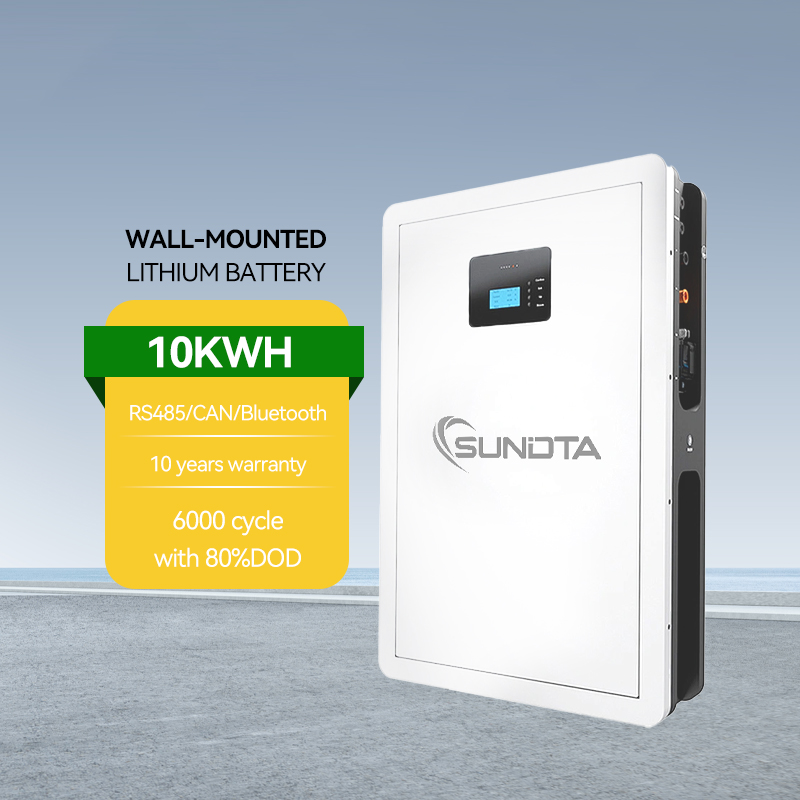
Fast Shipping Stock Solar Battery 48V 51.2V 100Ah 200Ah 5kWh Wall Mounted LiFePO4 Local Warehouse
- 51.2V Nominal Voltage, 100Ah/200Ah Prismatic Grade-A Cells
- 6,000+ Deep Cycles at 80% DoD for High-Ambient Resilience
- Dual CAN/RS485 Protocol compatible with Deye, Solis, Victron
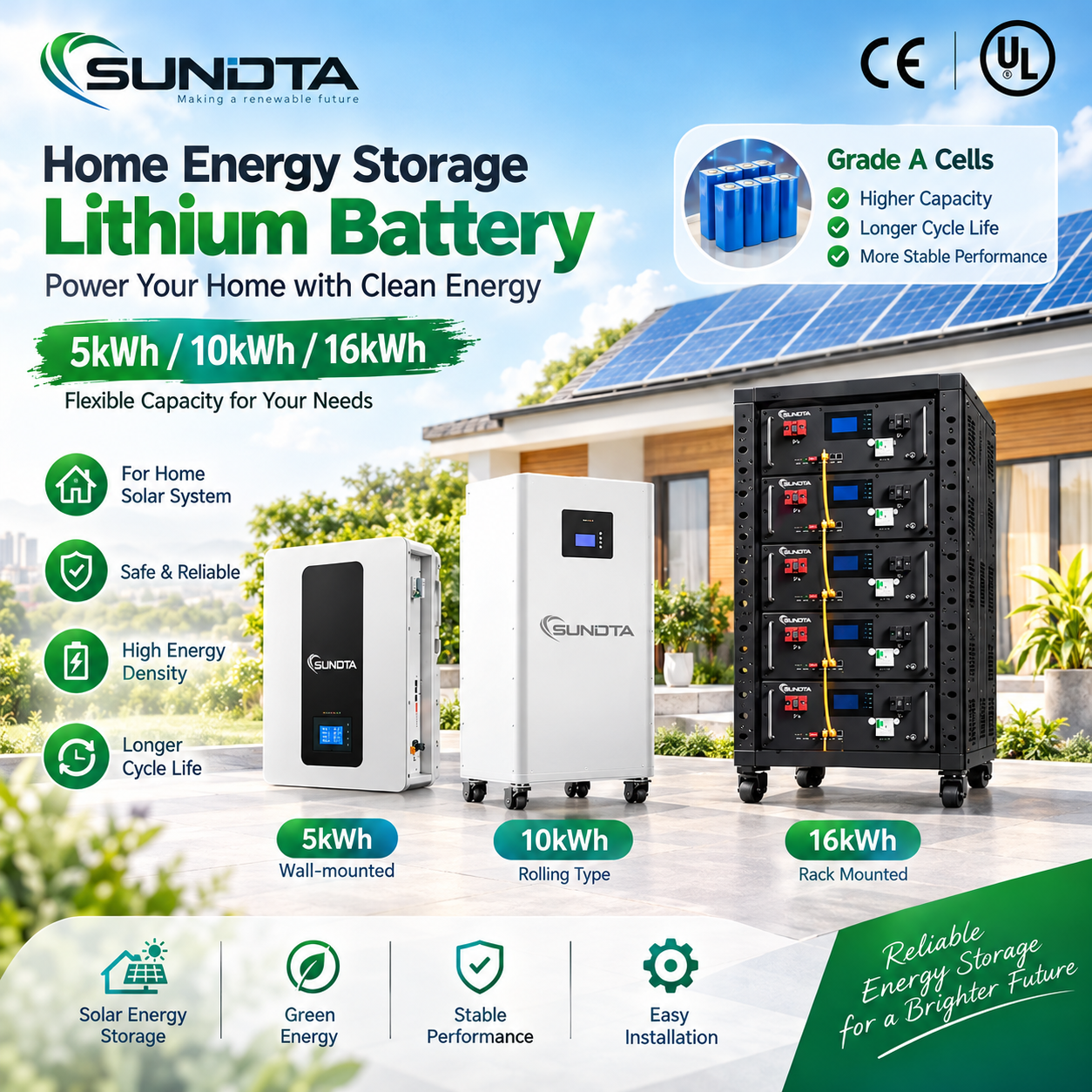
Sundta 51.2V 200Ah 10kWh LiFePO4 Battery Wall Mounted Home Solar Energy Storage Battery with Smart BMS
- 10kWh Heavy-Duty Capacity for Caribbean Residential Tariffs
- Integrated Multi-Tier BMS with Real-Time Thermal Sensing
- Sleek Wall-Mount Form Factor with Zero Maintenance Demands
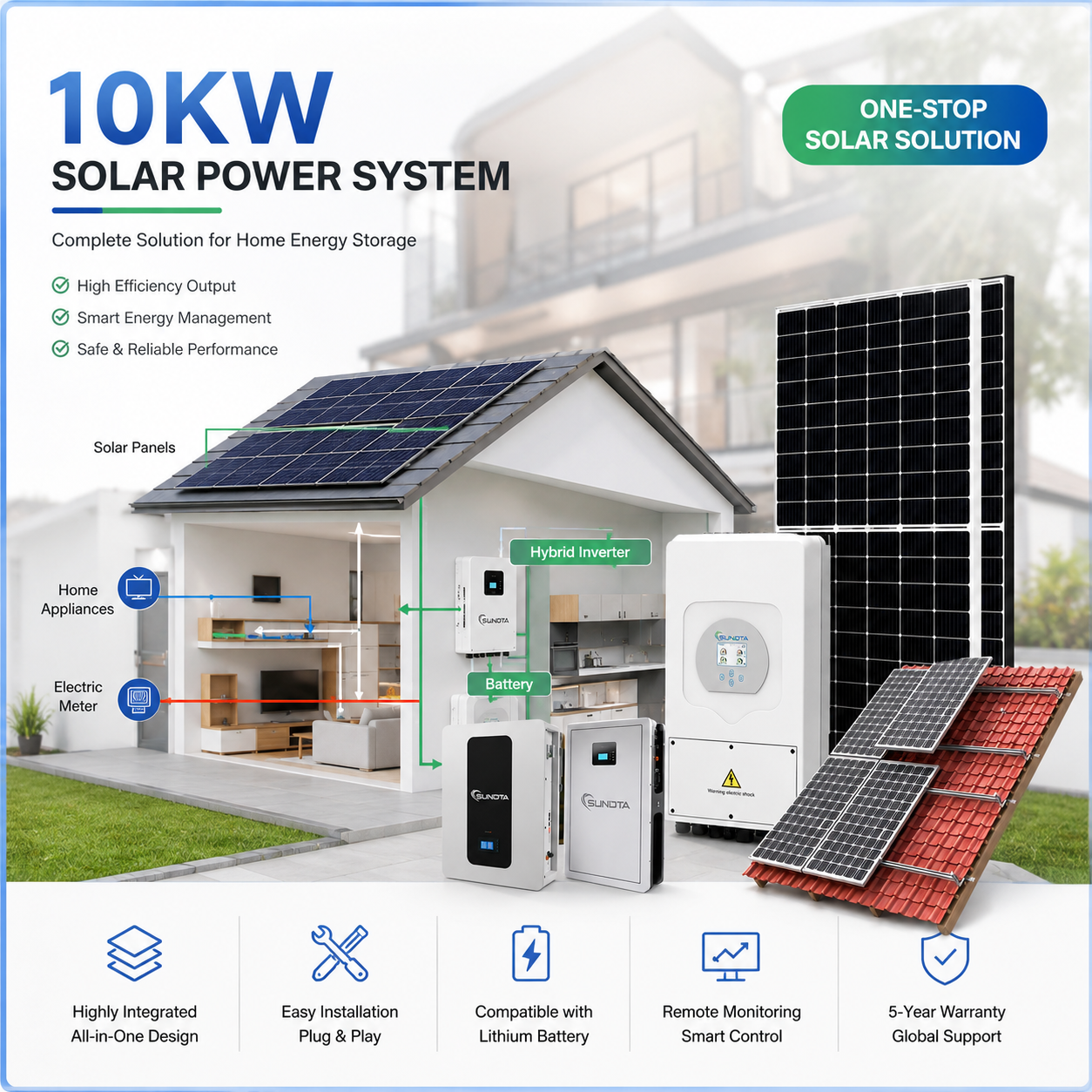
15kW-50kW High-Efficiency Hybrid Solar Power System with Smart MPPT for Whole-House Backup
- Ultra-Fast 4ms Switchover for Complete Blackout Isolation
- Wide MPPT Tracking 150V–850V for Maximum Tropical Irradiance
- Containerized Factory Pre-Wiring for Plug-and-Play Installation
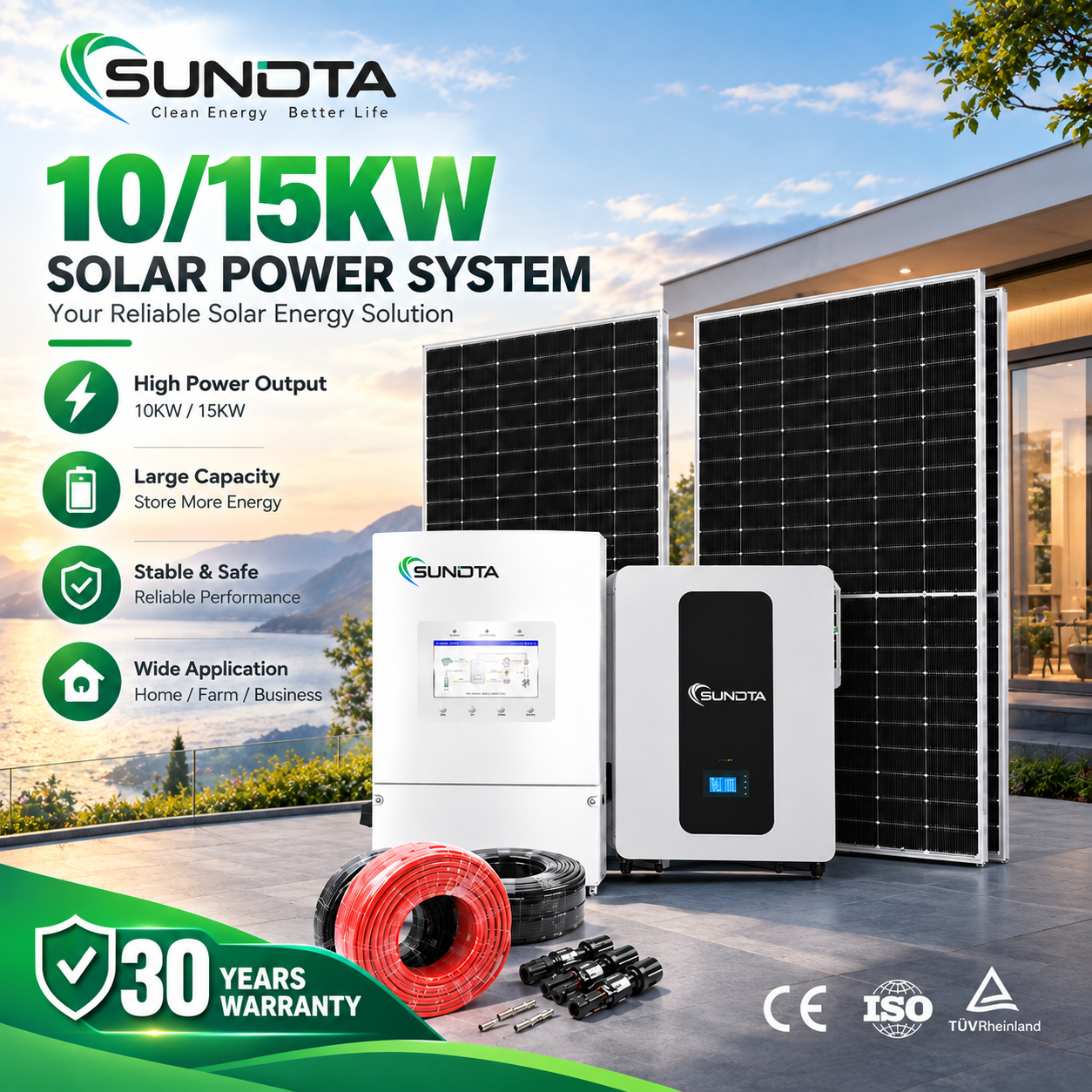
Premium 585W-595W N Type Bifacial PV Module High Yield Monocrystalline Solar Panels 590W Tier 1 Solar Power System
- Up to 23.1% Module Efficiency with N-Type SMBB Architecture
- -0.30%/°C Low Pmax Temp Coefficient for High Tropical Heat
- Dual-Glass Bifaciality yielding +10% to 25% Albedo Extra Power
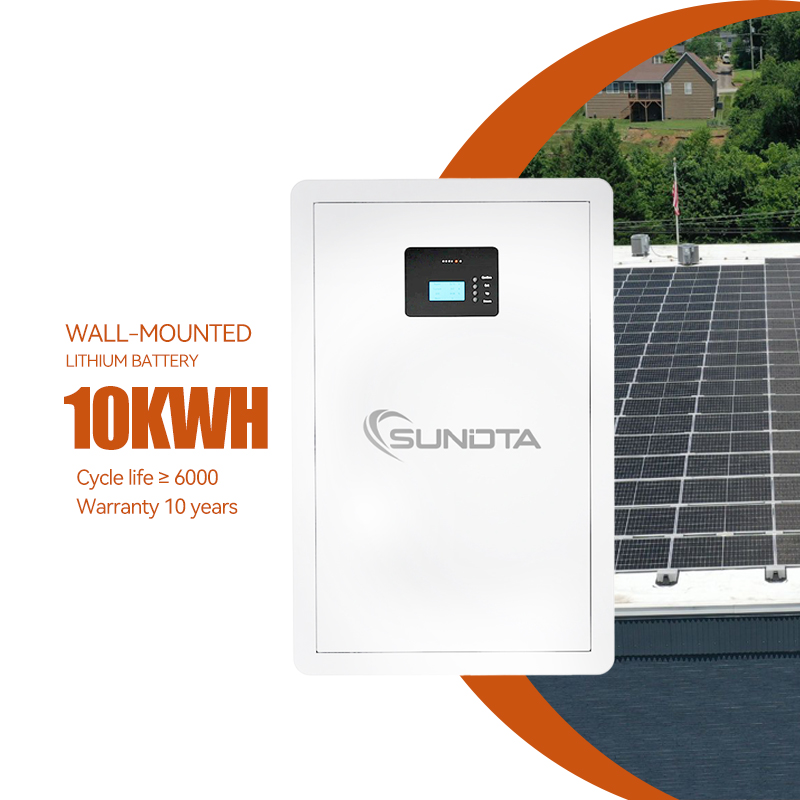
Sundta IP65 10kWh 51.2V 200Ah Wall Mounted LiFePO4 Battery for Home Solar Storage with Smart BMS
- IP65 Coastal Enclosure Safeguards Against Salt Fog & High Humidity
- Grade-A Cell Chemistry with Internal Safety Gas Release Valve
- Parallel Expansion up to 15 Units (150kWh) for Scalable Arrays
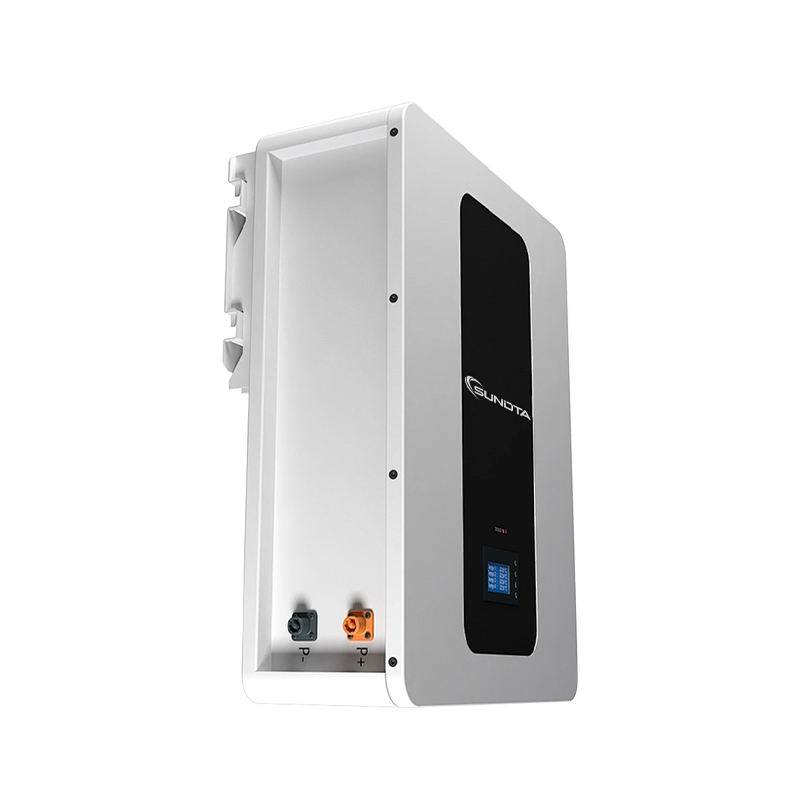
Sundta POLO-W1 LiFePO4 Lithium Battery Wall-Mounted 5kWh Home Power Storage Solar Energy System Deep-Cycle 51.2V 100Ah IP65
- Ultra-Compact Residential Architecture for Easy In-Home Deployment
- Advanced Cell Balancing Extends Pack Operational Life to 15+ Years
- Zero Cobalt Chemical Footprint for Safe, Non-Combustible Backup
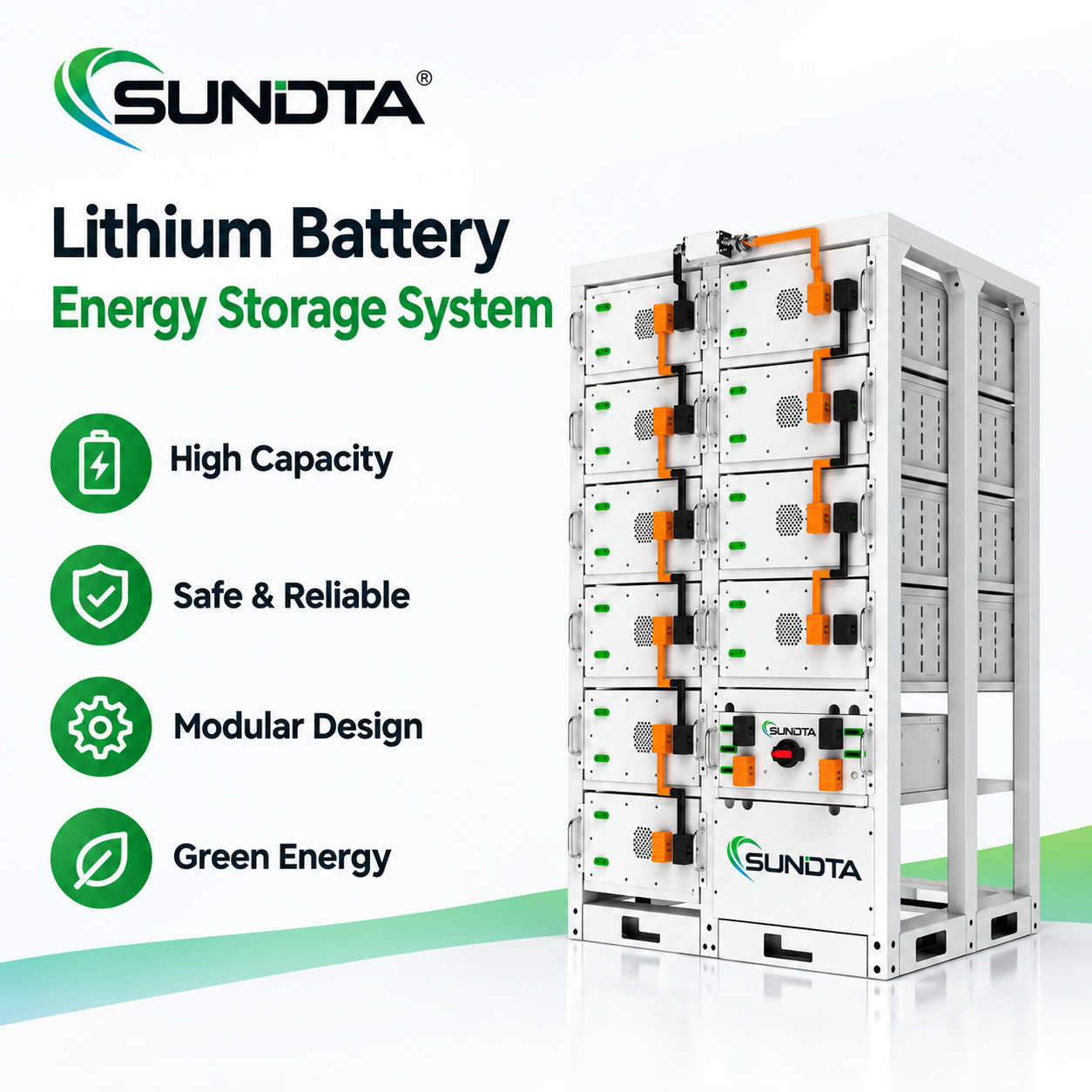
Smart BMS 51.2V Stackable LiFePO4 Solar Home Battery Storage System Monocrystalline Inverter Compatible Lithium PV Pack
- Interlocking Cable-Free Tower Design for Rapid 10-Minute Assembly
- High Continuous Discharge Current Supporting Heavy Air Conditioning
- Smart Remote App Monitoring via Integrated Wi-Fi/4G Hardware
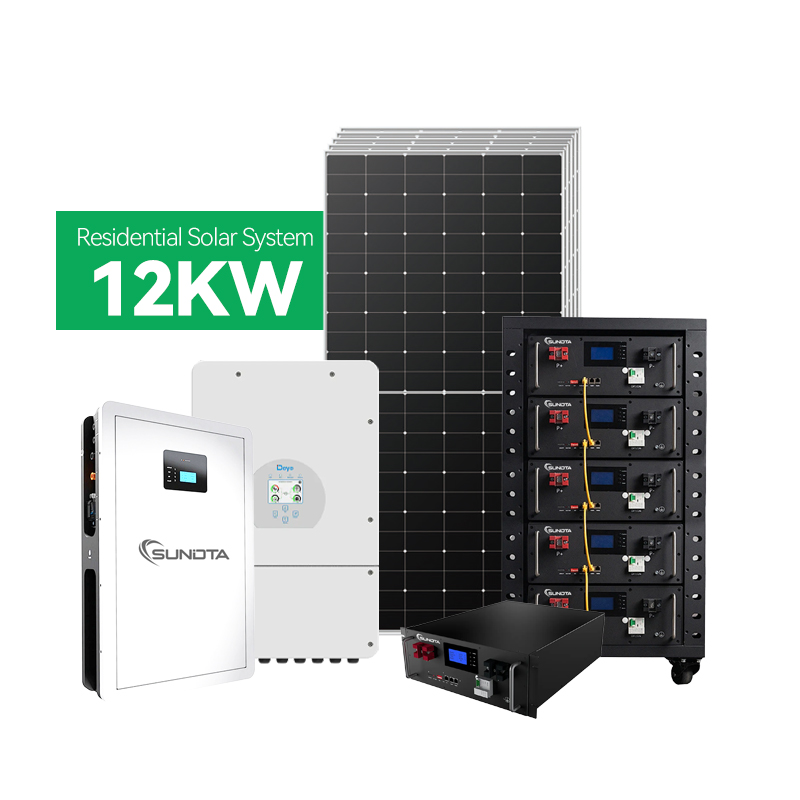
Bulk Price Sundta 12Kw Hybrid Solar Energy Storage System Monocrystalline Silicon 25Kw Residential Battery System for Home Use
- High-Torque Surge Handling Ideal for Commercial Pumps & Freezers
- Integrated 25kWh Storage Bank for Overnight Peak Tariff Shaving
- Full Factory Pre-Commissioning with Factory Acceptance Test (FAT)
Anhui RJV New Energy: Direct Industrial Backing for Montego Bay
Operating from Hefei's world-class photovoltaic industrial cluster, Anhui RJV combines multi-gigawatt module manufacturing with turnkey balance-of-system engineering for the Caribbean market.
Photovoltaic Performance Metrics in Tropical Coastal Climates
Montego Bay delivers an exceptional solar resource averaging 5.8 to 6.4 peak sun hours (PSH) per day, yet presents three severe engineering bottlenecks: high ambient operating cell temperatures (NOCT), corrosive maritime salt aerosol, and hurricane-force wind loads.
Mitigating Thermal Degradation
Standard P-type PERC solar modules experience steep efficiency drop-offs as roof temperatures surge beyond 65°C in St. James parish. Anhui RJV integrates advanced N-Type TOPCon bifacial cells with an industry-leading temperature coefficient of −0.30%/°C (compared to −0.38%/°C for conventional modules). This metallurgical improvement retains 4% to 6% more kilowatt-hours throughout peak Caribbean midday hours.
IEC 61701 Salt Mist Severity Level 6
Montego Bay's coastal hospitality belts—from Ironshore to the Hip Strip and Rose Hall—suffer aggressive sodium chloride deposition. Our portable, flexible, and foldable solar arrays leverage fluoropolymer ETFE (Ethylene Tetrafluoroethylene) encapsulation. Unlike low-cost PET films that delaminate and yellow within 18 months, our ETFE surfaces resist UV oxidation, chemical brine, and micro-cracking while remaining self-cleaning under tropical rainfall.
Hurricane Survivability & Rapid Stowing
Fixed aluminum-framed rooftop arrays risk structural shearing or airborne missile detachment when Atlantic Category 3 to 5 cyclonic storms make landfall. Foldable and lightweight solar panels unlock a crucial logistical advantage for resort operators and emergency response corps: rapid dismounting and secure storage within 15 minutes, preserving essential backup power assets for post-storm grid collapse restoration.
Specification Matrix: Foldable ETFE vs. Standard Glass in Jamaica
A B2B technical baseline engineered to assist Jamaican EPCs, hardware distributors, and fleet managers in selecting the ideal photovoltaic architecture.
| Evaluation Parameter | Anhui RJV Foldable ETFE Modules | Standard Rigid Aluminum Panels | Commercial Impact in Montego Bay |
|---|---|---|---|
| Weight per Square Meter | 2.8 kg – 3.6 kg / m² | 11.5 kg – 14.2 kg / m² | Enables deployment on corrugated tin roofs, fabric awnings, catamarans, and mobile trailers. |
| Maritime Corrosion Resistance | ETFE Fluoropolymer, salt-impervious | Anodized Aluminum (subject to pitting) | Eliminates galvanic corrosion caused by ocean spray along coastal St. James resorts. |
| Cyclonic Risk Mitigation | Quick-fold stowage < 15 mins | Permanent mechanical bolt-down | Zero structural loss during high-velocity tropical hurricanes (Category 4–5 readiness). |
| Micro-Crack Resilience | Flexible composite fiberglass core | Tempered glass (brittle under vibration) | Withstands rugged transportation over rural St. James roads without micro-crack power drop. |
| Thermal Re-radiation | Integrated airflow channels & thin wafer | High heat sink retention in backsheet | Fast heat dissipation under intense 11:00 AM – 2:00 PM Caribbean solar irradiancy. |
| Packaging & Ocean Logistics | Up to 3,200 units per 40ft HQ container | 660 – 720 units per 40ft HQ container | Lowers ocean freight landed cost per watt by up to 34% via Kingston or Montego Bay ports. |
Where Foldable & Hybrid Solar Dominates in Montego Bay
Solving unique regional energy vulnerabilities across Jamaica's second-largest economic hub.
Luxury Tourism & Eco-Resorts
Montego Bay represents the epicenter of Jamaica’s hospitality economy. High JPS commercial tariffs (reaching $0.35–$0.42 USD/kWh with fuel adjustments) severely impact operating margins. Resort villas in Rose Hall, Half Moon, and Great River utilize portable foldable arrays combined with silent 51.2V LiFePO4 storage banks to power guest beach pavilions, nighttime outdoor lighting, and glamping eco-suites without intrusive diesel generator noise or diesel exhaust odors.
Marine Yachting & Catamaran Charters
Sailing and commercial catamaran operators running excursions between Montego Bay Marine Park, Negril, and Falmouth require autonomous 12V/24V/48V off-grid charging for refrigeration, navigation radar, and water desalinators. Our marine-grade ETFE foldable solar mats drape securely over bimini canvas tops using stainless steel grommets, offering maximum resistance to direct brine splash and tropical sun degradation.
Disaster Preparedness & Municipal Grid Resilience
Tropical storms routinely compromise overland high-voltage distribution lines running from Old Harbour through interior mountain passes to Western Jamaica. Portable foldable solar generators provide St. James first-responders, medical dispensaries, and communications posts with self-sustaining power that operates independently of damaged transmission infrastructure.
Agro-Industrial & Poultry Micro-Power
Agricultural operations in the hills surrounding Montego Bay (Cambridge, Maroon Town) face intermittent single-phase rural grid drops. Hybrid solar systems paired with stackable lithium batteries maintain critical operation for poultry ventilation fans, automated drip feed pumps, and cold storage chains, protecting yields from catastrophic heat stress during utility brownouts.
Jamaica Market Trends: The Economic Drivers for Solar Adoption
Strategic context for photovoltaic importers, EPCs, and retail hardware enterprises operating under Jamaica’s National Energy Policy.
The JPS Tariff Pressures
Electricity in Jamaica is historically burdened by imported heavy fuel oil (HFO) price volatility. With retail and light commercial tariffs fluctuating between $0.32 and $0.44 USD per kWh, payback periods for high-efficiency solar and energy storage systems in Montego Bay range between 2.8 and 4.2 years—representing one of the most compelling ROI landscapes in the Western Hemisphere.
Jamaica Vision 2030 Renewable Mandate
The Government of Jamaica has codified ambitious targets to achieve 50% renewable energy generation by 2030. This national mandate drives supportive fiscal policies, including GCT (General Consumption Tax) exemptions on qualifying photovoltaic modules, high-efficiency hybrid inverters, and lithium energy storage components, significantly lowering upfront landed costs.
Grid Stability & Net Billing Realities
While the Office of Utilities Regulation (OUR) oversees Net Billing schemes with JPS, grid capacity bottlenecks and lengthy interconnection approvals have accelerated demand for zero-export hybrid self-consumption systems. Jamaican property owners increasingly favor hybrid solar and battery setups that store 100% of generated solar energy locally rather than feeding surplus power back at reduced avoided-cost rates.
Montego Bay Solar Importer & Contractor FAQ
Practical answers to frequently asked technical, customs, and operational questions from Caribbean solar professionals.