Engineered PV Power Kits & Micro Storage Units for Jaffna
Precision-matched balance-of-system (BOS) components configured to withstand tropical thermal fluctuations, marine corrosion, and island grid fluctuations.
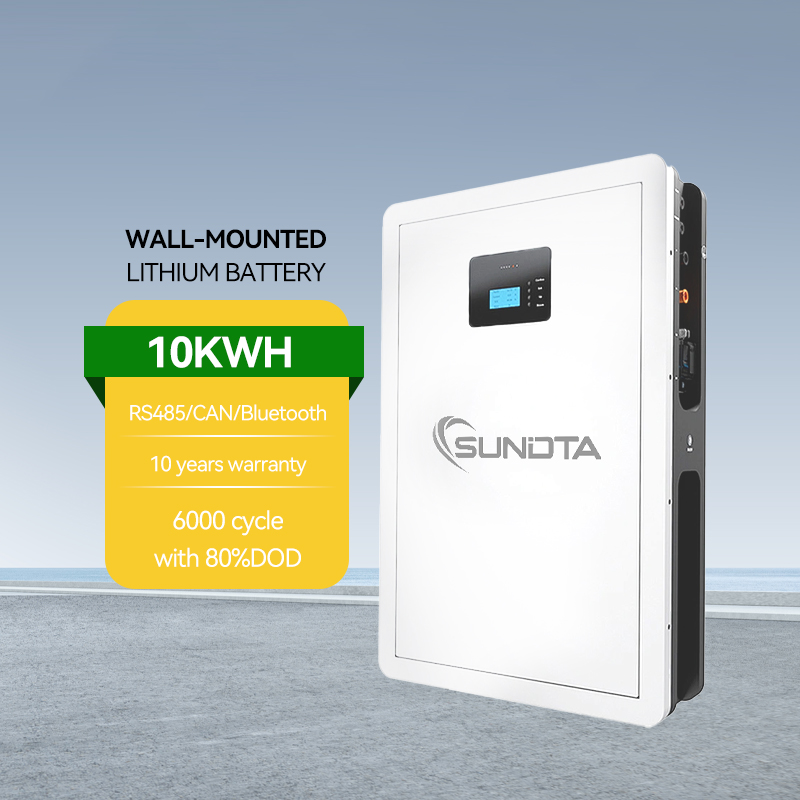
- Grade-A Prismatic LiFePO4 cells (6,000+ deep cycles)
- Closed-loop CAN/RS485 protocol matching Deye/Solis
- Ultra-thin wall mount profile for Jaffna residential homes
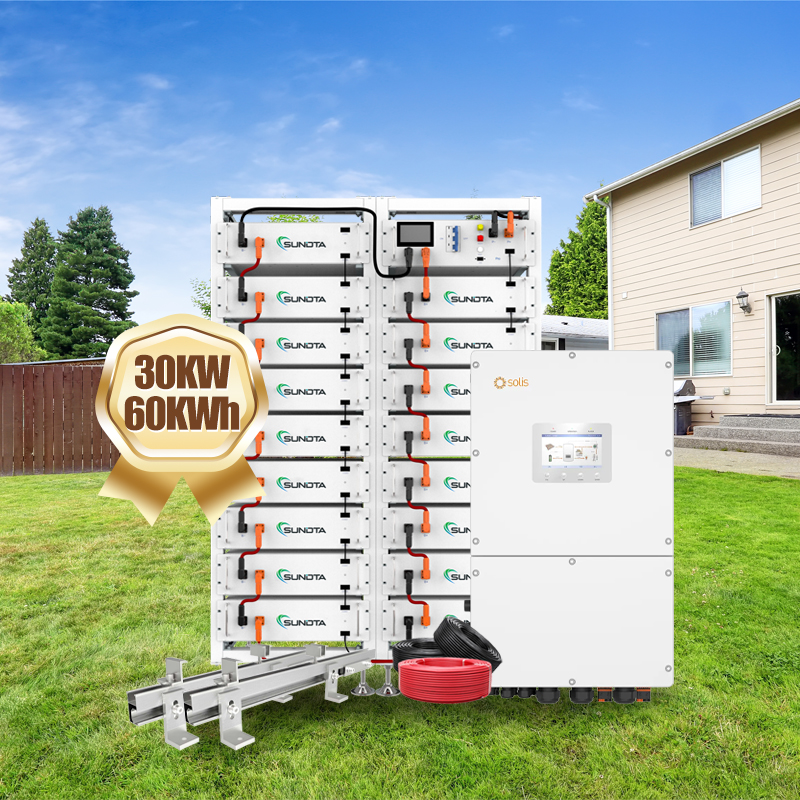
- Three-phase unbalanced load handling for unstable utility grids
- Integrated smart MPPT string optimization architecture
- Full turnkey balance of system cabling and switchgear
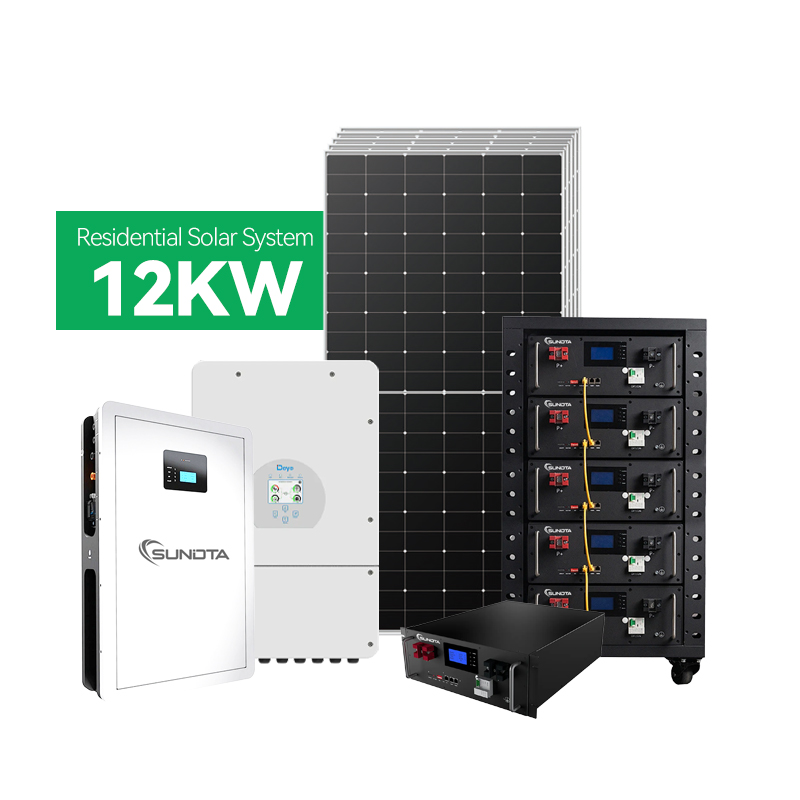
- 25kW battery bank with smart high-temp BMS protection
- N-Type monocrystalline modules with high coastal yield
- Designed for agro-processing and villa estates in Jaffna
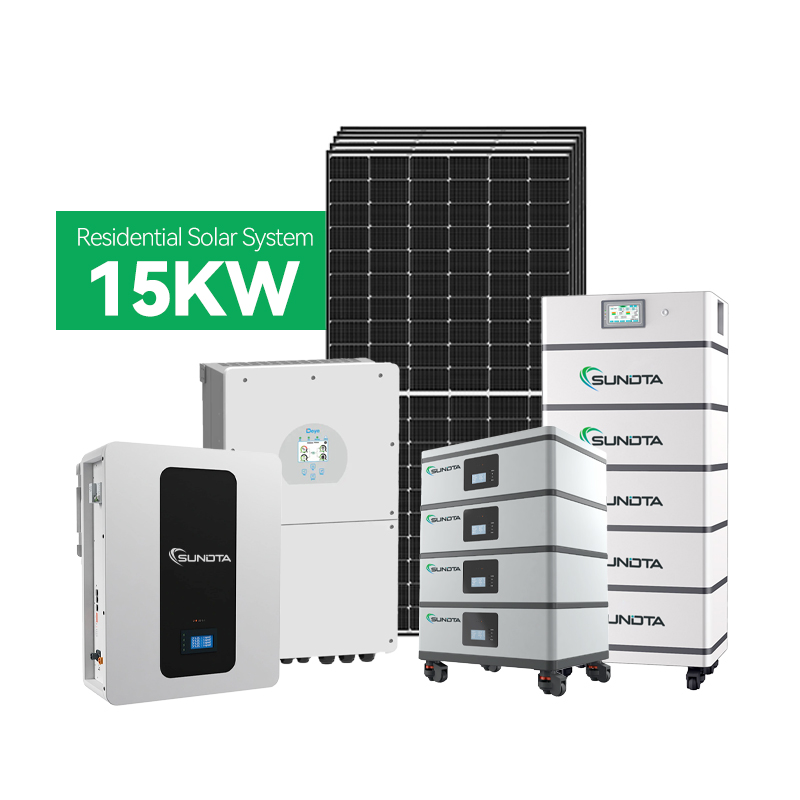
- Pre-wired distribution box with Class II surge arresters
- Zero-export function configurable for CEB net-metering limits
- Heavy-duty anodized aluminum anodized mounting brackets
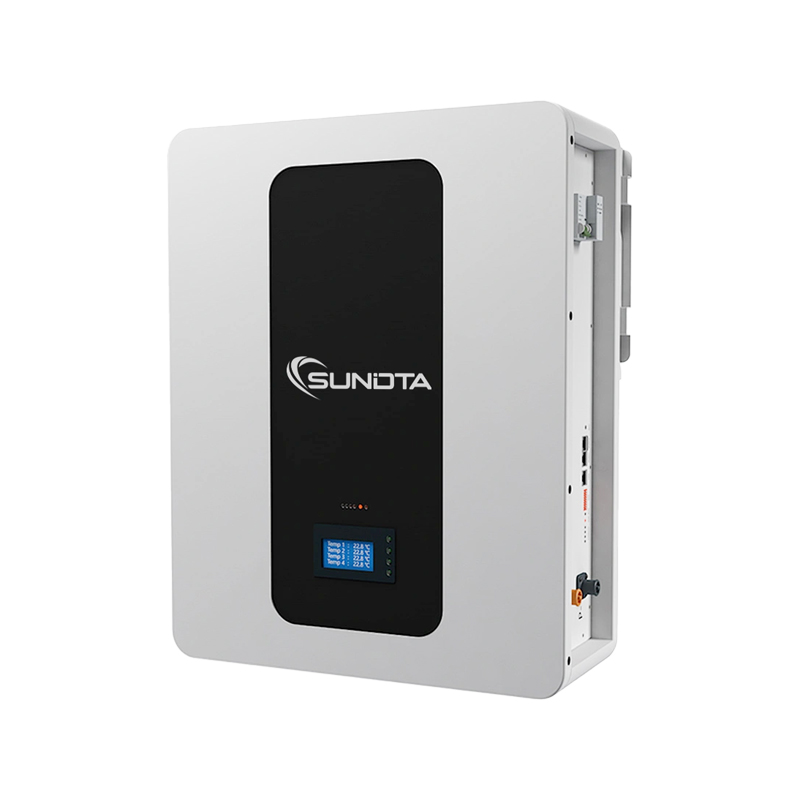
- Wall-mountable compact casing with natural convection cooling
- Over-temperature, low-temperature, and short-circuit cutoffs
- Dual terminal design for seamless parallel scaling up to 150kWh
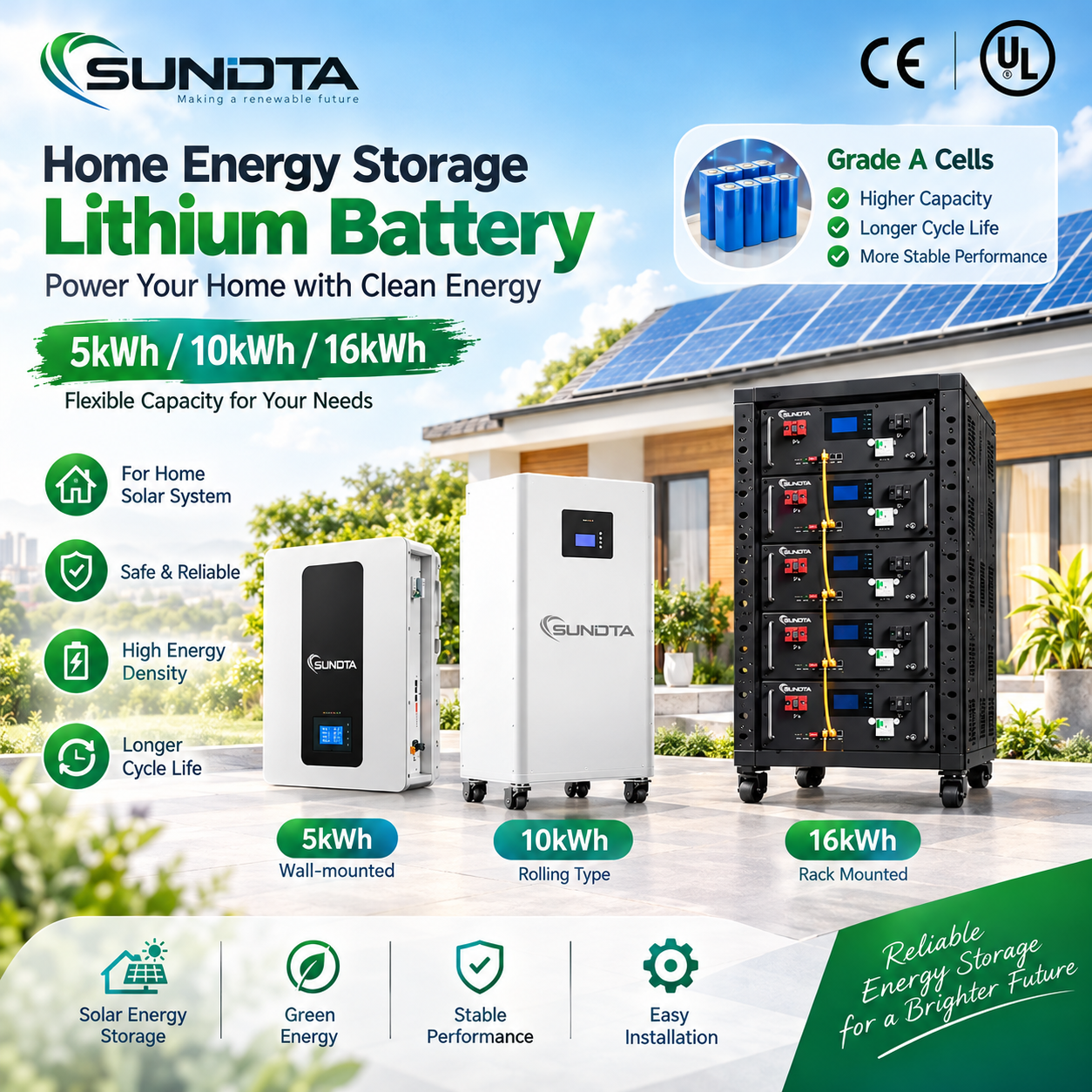
- Active cell balancing preventing thermal runaway in 40°C heat
- Front LCD display showing real-time State-of-Charge (SOC)
- Compatible with low-voltage multi-MPPT microinverter systems
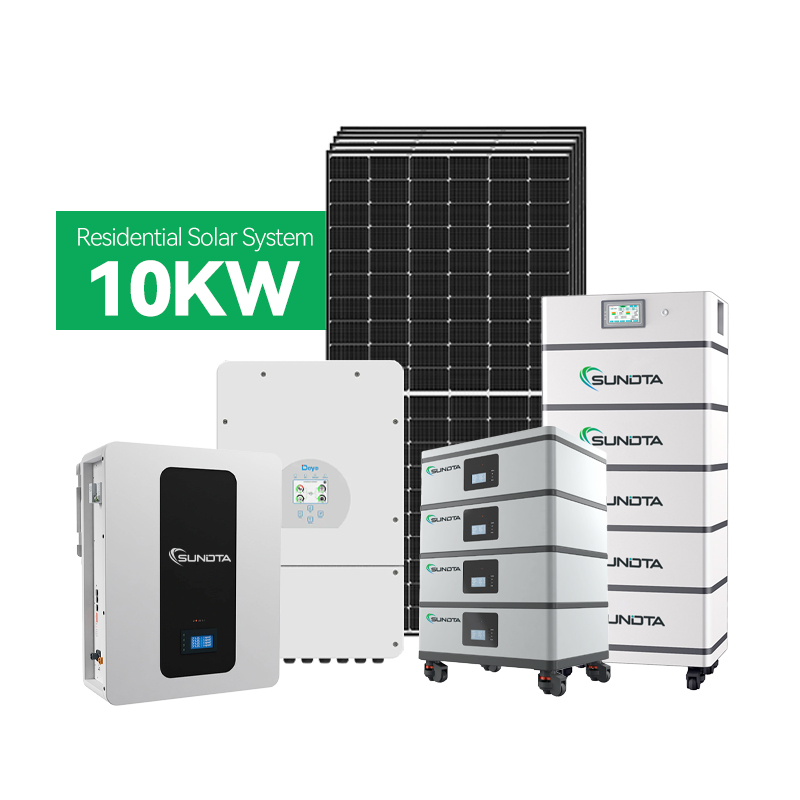
- Fast UPS-class switching time (<8ms) preventing brownout reboot
- Dual MPPT tracking suited for complex asymmetrical roofs
- High cycle life LiFePO4 chemistry with 10-year design life
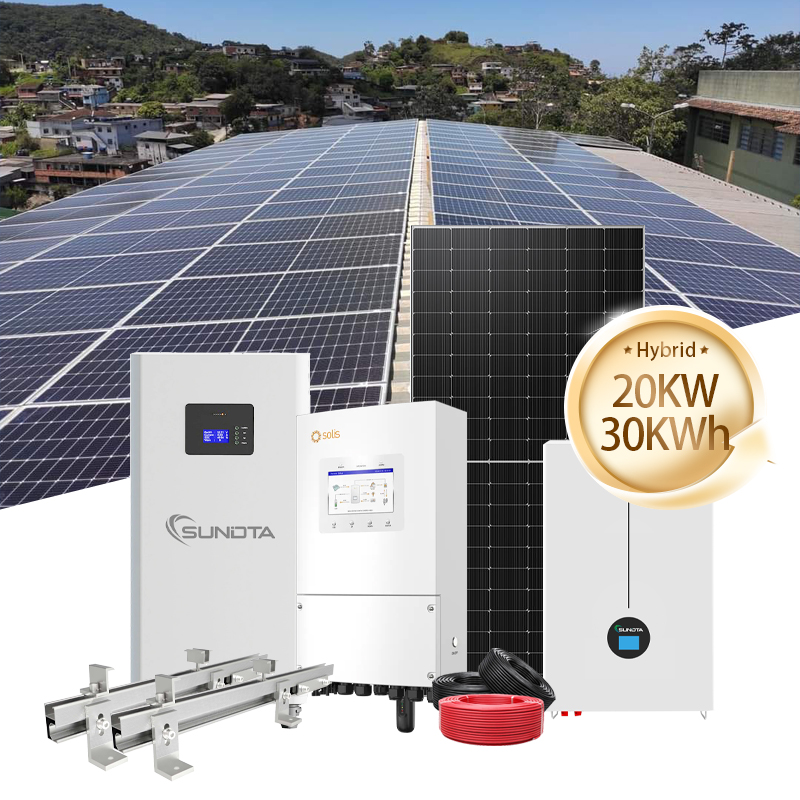
- Heavy industrial C&I deployment with high power discharge
- Diesel generator auto-start integration for total off-grid security
- Weather-sealed IP65 cabinet tested for salt air ingress
Technical Deep-Dive: Deploying Micro Solar Inverters in Jaffna's Microclimate
The Jaffna Peninsula, situated at the northern apex of Sri Lanka, presents a distinct set of photothermal and atmospheric conditions that make conventional central or traditional string inverter topologies vulnerable to premature degradation. When sourcing micro solar inverters from top Chinese original equipment manufacturers (OEMs) and advanced fabrication hubs in Hefei, Zhejiang, and Guangdong, electrical procurement teams and EPC contractors must account for three decisive localized parameters: coastal airborne salinity, elevated ambient operating temperatures, and chronic Ceylon Electricity Board (CEB) grid instability.
1. Coastal Chloride Corrosion & IP67 Enclosure Integrity
Jaffna is surrounded on multiple sides by the Palk Strait and Jaffna Lagoon. Marine winds carry dense salt fog with high chloride ion concentration, classified under standard ISO 9223 as a C4 to C5-M extreme marine corrosive environment. When selecting microinverters—which are physically mounted directly beneath the photovoltaic modules on rooftop rails—the enclosure design is the first line of defense.
China's top microinverter manufacturing plants employ high-pressure die-cast aluminum alloys treated with chromate conversion coating and electrostatic fluoropolymer powder paints. While conventional string inverters require fan-assisted air vents that suck saline moisture into the internal printed circuit board (PCB), Tier-1 Chinese microinverters utilize fully encapsulated potting compound (thermally conductive epoxy or silicone elastomer) within hermetically sealed IP67 or NEMA 6 rated chassis. This eliminates humidity ingress, prevents copper trace delamination, and neutralizes galvanic corrosion on internal high-frequency transformers.
2. Thermal Derating and Solar Clipping in Northern Sri Lanka
Jaffna consistently records direct normal irradiance (DNI) exceeding 5.2 to 5.8 kWh/m²/day, accompanied by ambient temperatures regularly hovering between 32°C and 38°C during peak dry season months. Under direct sunlight, rooftop rooftop surface temperatures under PV backsheets routinely spike to 65°C–70°C.
Lower-tier power conversion equipment suffers aggressive thermal derating once heatsink temperatures surpass 45°C, resulting in up to 25% energy yield clipping during the most productive midday hours. High-reliability Chinese factories overcome this by designing microinverters with high-junction-temperature Silicon Carbide (SiC) and Gallium Nitride (GaN) semiconductor MOSFETs rated up to 150°C. By decreasing switching losses and optimizing passive heat-dissipation fins, these units sustain 100% full continuous power output up to 55°C ambient air temperatures, preserving critical Levelized Cost of Energy (LCOE) targets for local commercial and residential investors.
| Architecture Feature | Microinverter Topology (Tier-1 OEM) | Traditional String Inverter | Jaffna Local Advantage |
|---|---|---|---|
| Operating DC Voltage | 16V – 60V per module (Low Voltage) | 600V – 1000V DC High Voltage String | Zero DC Arc Hazard under tropical humidity |
| Shading Sensitivity | Independent MPPT per channel (1-in-1, 2-in-1, 4-in-1) | Single MPPT affects entire string output | Immune to palmyra & coconut tree shadow loss |
| Enclosure Protection | IP67 / Fully potted hermetic potting | IP65 with external active cooling fans | High Salt Fog Resistance (IEC 61701 Class 6) |
| Grid Reconnection Response | Ultra-wide anti-islanding & voltage window | Narrow CEB threshold trips easily | Superior handling of rural line voltage drop |
| System Modular Expansion | Plug-and-play AC bus cable additions | Must redesign string voltage & inverter size | Ideal for phased capital expenditure expansions |
3. Islanding, CEB Grid Voltage Spikes, and Rapid Shutdown
The distribution network throughout Jaffna, Point Pedro, Chavakachcheri, and Kilinochchi frequently endures wide voltage swings (deviating between 180V and 265V AC) and frequency variations outside standard nominal limits. When utility power trips due to upstream transmission bottlenecks or load shedding, rooftop solar installations must safely isolate within milliseconds to comply with CEB safety regulations and protect electrical linemen.
Microinverters manufactured to international standards (such as UL 1741, IEEE 1547, and IEC 62109) feature intrinsic Module-Level Rapid Shutdown (RSD) compliant with NEC 690.12. In the event of an AC utility disconnect, the DC voltage on the roof instantaneously collapses to safe touch levels below 30 volts within 10 seconds. This feature provides indispensable peace of mind for Jaffna industrial facilities, educational institutions, and residential villa roofs prone to monsoon roof maintenance and lightning exposure.
Tailored Application Scenarios Across Jaffna Peninsula
Demonstrated performance cases where Module-Level Power Electronics (MLPE) solve real-world logistical, structural, and electrical barriers in Sri Lanka's Northern Province.
Complex Residential Clay & Asbestos Tile Roofs
Traditional heritage homes in Jaffna town and Nallur frequently feature multi-pitched hipped roofs with clay or corrugated sheets, heavily shaded by surrounding palmyra and banana trees. Microinverters allow multi-orientational placement (East, West, South) without cross-string mismatch penalties, recovering up to 25% lost energy.
Coastal Cold Storage & Seafood Processing
Fisheries along Gurunagar, Karainagar, and Delft Island depend on continuous freezing capacity amid high electricity tariffs. Combining rooftop microinverters with our Sundta LiFePO4 51.2V 200Ah battery banks enables zero-downtime microgrid operation that buffers severe brownouts and protects industrial compressors.
Agro-Well Solar Pumping & Drip Irrigation
The red-yellow latosols of Jaffna require daily water pumping for onion, chili, and tobacco cultivation. Decentralized 4-in-1 microinverters drive water pumping arrays resilient to localized sandstorms and midday dust deposition, operating reliably even if single PV panels become soiled.
Macro Trends: The Solar Acceleration in Northern Sri Lanka
Sri Lanka's national energy policy mandates achieving 70% renewable electricity generation by 2030. Following sweeping power sector tariff revisions and structural fuel price adjustments, the Northern Province—historically hindered by grid bottlenecks—has emerged as one of the fastest-growing distributed solar markets in South Asia.
1. Surging Rooftop Net-Metering & Net-Accounting
Commercial and domestic electricity rates in Sri Lanka have caused commercial enterprises, private hospitals, and schools in Jaffna to aggressively adopt solar net-accounting schemes. High tariff tranches make the Return on Investment (ROI) for solar projects attractive, often yielding payback periods under 3.5 to 4.5 years. Because microinverters allow modular step-by-step additions, property owners can start with a 3kW or 5kW system and scale up to 15kW without discarding inverters or rewiring DC string conduits.
2. Transition from Lead-Acid to Long-Life LiFePO4 Energy Storage
In Jaffna's hot climate, conventional tubular lead-acid batteries frequently fail within 18 to 24 months due to plate sulfation and electrolyte dry-out. The market has definitively shifted toward Lithium Iron Phosphate (LiFePO4) chemistry. Providing 6,000 cycles at 80% Depth of Discharge (DOD) with built-in intelligent Battery Management Systems (BMS), 51.2V battery modules seamlessly communicate with hybrid inverter systems via CAN-bus protocols, delivering decade-long backup power for critical loads.
3. Demand for Turnkey Factory Direct OEM/ODM Consignments
Procuring modules, inverters, racking, and battery storage from disconnected third-party traders often results in frustrating protocol communication mismatches, warranty finger-pointing, and shipping delays. Forward-looking EPC firms in Sri Lanka are partnering directly with integrated Chinese manufacturing hubs that can consolidate the complete Balance of System (BOS)—from CE/TÜV certified hybrid inverters and microinverters to matching N-Type TOPCon panels and rack-mounted batteries—shipped straight in consolidated 20ft or 40ft containers directly to Colombo Port.
Factory Direct Reliability: Anhui RJV New Energy Co., Ltd.
Headquartered in the Innovation Industrial Park of Hefei, Anhui, China—the world's premier cluster for photovoltaic engineering—Anhui RJV New Energy Co., Ltd. integrates 12+ years of R&D, precision manufacturing, and turnkey global exports. We eliminate project risk for international solar distributors and EPC contractors.
2.0 GW Manufacturing Scale
Fully automated cell-stringing and lamination lines producing cutting-edge N-Type TOPCon and high-efficiency bifacial solar modules with stringent optical EL testing.
TÜV Rheinland Verified
Our production facilities undergo rigorous on-site supplier verification by TÜV Rheinland, backed by full CE, IEC 61215, IEC 61730, and UN38.3 compliance certifications.
Closed-Loop Protocol Matching
Inverters and Sundta LiFePO4 batteries are pre-commissioned and firmware-matched via CAN/RS485 before dispatch, ensuring flawless out-of-the-box plug-and-play installation.
End-to-End Export Logistics
Experienced shipping desk handling FOB, CFR, CIF Colombo and bonded logistics, providing complete flash reports, certificates of origin, and custom clearing documentation.
Procurement FAQ for Solar Contractors in Jaffna
Answers to critical questions regarding imports, customs handling, CEB grid connectivity, and microinverter operation in Sri Lanka.
Why are microinverters preferred over string inverters in coastal Jaffna?
What is the Minimum Order Quantity (MOQ) and shipping time to Colombo Port?
Do your inverters support CEB net-metering and zero-export control?
How do you handle warranty claims and technical support remotely?
Can your 51.2V LiFePO4 batteries pair with existing low-frequency inverters in Sri Lanka?
Request Project Sizing & Direct Factory Quotation
Send your Jaffna installation bill-of-materials or project drawings. Our PV integration engineers will reply with complete electrical single-line diagrams, compatibility matrices, and landed CIF Colombo quotes within 24 hours.