Engineered for High-Altitude Altiplano Solar Deployments
High-voltage tracking algorithms, industrial-grade power electronics, and high-efficiency energy storage systems optimized for the rigorous atmospheric conditions of Oruro, Bolivia.


The Thermodynamics & Physics of MPPT Operation in Oruro, Bolivia
Why conventional power electronics experience catastrophic failure on the Bolivian Altiplano, and how precision Chinese engineering resolves Paschen's Law breakdown, heat sink de-rating, and extreme diurnal thermal cycling.
Paschen's Law & Dielectric Clearances
At Oruro's mean operational elevation of 3,709 to 4,200 meters above sea level, atmospheric pressure plummets from 101.3 kPa (sea level) down to roughly 64 kPa. Under lower barometric pressure, the mean free path of electrons increases, sharply reducing the dielectric breakdown voltage of ambient air. Standard MPPT controllers designed for sea-level creepage and clearance distances risk electric arcing, corona discharge, and terminal flashovers at normal open-circuit voltages (Voc). Our controllers utilize reinforced galvanic isolation, wide-pitch terminal architectures, and conformal military-grade PCB potting to sustain string voltages up to 1000V DC without partial discharge.
Thermal De-rating in Thin Atmosphere
Air cooling depends directly on air mass density. The rarefied air of the Altiplano yields approximately 30% to 35% less thermal heat dissipation capacity than coastal conditions. When a conventional MPPT pushes maximum charging current during the midday peak (when Global Horizontal Irradiance frequently exceeds 1,150 W/m² due to clean atmospheric clarity), internal IGBT and MOSFET junction temperatures spike rapidly, forcing early thermal throttling. Anhui RJV integrates oversized extruded aluminum fin-arrays, dual ball-bearing magnetic brushless forced-cooling fans, and dynamic thermal throttling firmware calibrated specifically for elevations exceeding 4,000 meters.
Extreme Albedo & N-Type Voc Expansion
The solar geography around Oruro—flanked by the Salar de Coipasa and mineral-rich sandy soils—creates exceptional ground albedo (often exceeding 0.35 to 0.75 in salt-crust terrain). Utilizing our 590W N-Type TOPCon bifacial modules alongside MPPT trackers produces continuous rear-side generation gains of 15% to 28%. However, sub-zero nighttime temperatures dropping to -10°C drastically push string open-circuit voltages (Voc) upward by 0.25%/°C to 0.28%/°C. Our MPPT firmware incorporates proactive voltage-clamping safety buffers to prevent cold-morning over-voltage shutdowns during sunrise irradiance spikes.
Engineering Benchmark: Standard vs. Altiplano-Hardened MPPT
Critical mechanical and electrical parameter differences required for dependable performance across the department of Oruro.
| Engineering Parameter | Standard Commodity MPPT (Sea Level) | RJV Altiplano-Rated MPPT Architecture | Design Impact in Oruro (3,700m - 4,200m) |
|---|---|---|---|
| Dielectric Creepage Distance | 6.3 mm - 8.0 mm spacing | ≥ 12.5 mm reinforced pitch + potted | Eliminates electrical flashovers under reduced barometric pressure (64 kPa). |
| Continuous Thermal De-rating | De-rates 1% per 100m above 1000m (~30% loss) | Zero de-rating up to 3,500m; <5% at 4,000m | Full nameplate throughput during Altiplano peak irradiance (>1100 W/m²). |
| PCB Environmental Protection | Single light acrylic spray coat | Triple-dipped polyurethane conformal coating | Prevents conductive bridging from airborne saline dust & mining mineral particulates. |
| Low-Temperature BMS Coordination | Basic relay or voltage threshold cutoff | Native CAN 2.0B / RS485 closed-loop throttle | Prevents charging LiFePO4 cells below 0°C, blocking irreversible lithium plating. |
| Input PV Voltage Window (Voc) | 150V - 450V DC | Up to 600V (Single Phase) / 1000V (3-Phase) | Allows longer array strings, minimizing copper cabling costs in remote mining layouts. |
High-Impact Solar Implementations Across the Department of Oruro
From metallurgical extraction and deep-well agricultural pumping to remote Altiplano microgrids, our MPPT-governed solar-plus-storage platforms anchor mission-critical electrification.
1. Mining Operations & Mineral Leaching
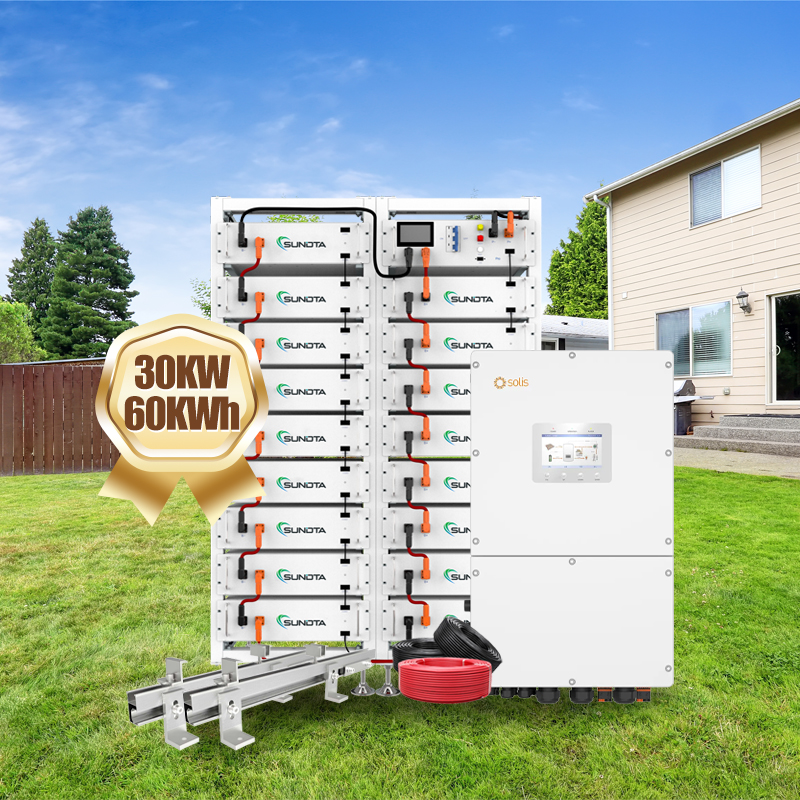
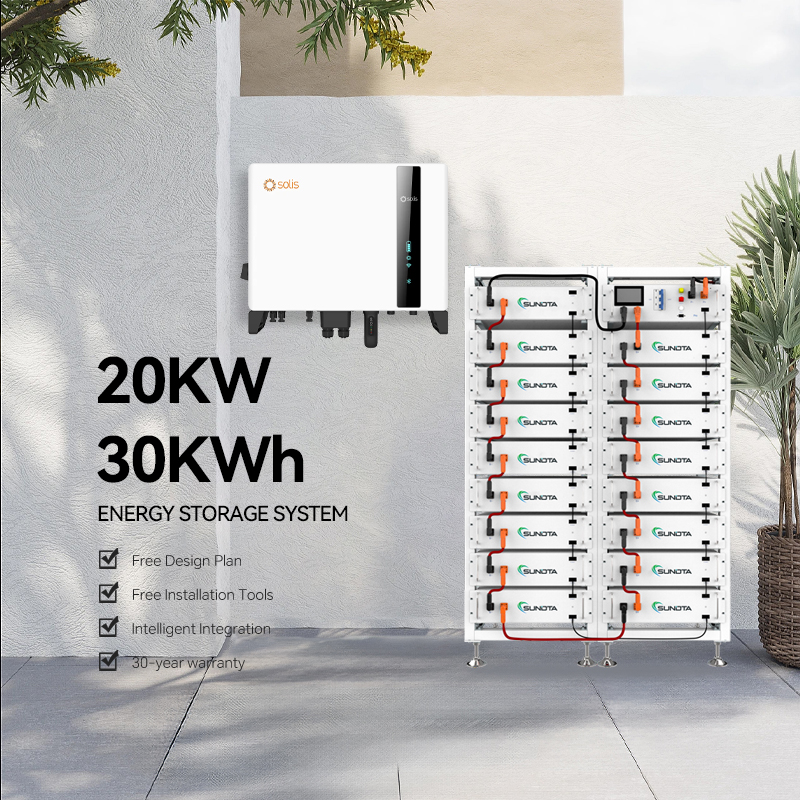
The historical tin, silver, zinc, and lithium extraction corridors (such as Huanuni, Poopó, and Salinas de Garci Mendoza) require uncompromising off-grid electrical stability. Our 50kW Deye three-phase systems and 100kW–500kW All-in-One LiFePO4 storage cabinets integrate heavy-duty MPPT chargers that couple directly with on-site diesel gensets. Through automated dry-contact frequency detection, the MPPT acts as a primary fuel saver, slicing diesel fuel consumption by up to 68% in remote mining flotation and pumping sites while handling heavy inductive motor starts.
2. Camelid & Agro-Pastoral Water Extraction
Across the arid expanses of Toledo, Caracollo, and Sajama, livestock cooperatives producing alpaca and llama wool rely on solar water extraction from deep subterranean aquifers (80m–150m depth). Our MPPT controllers feature dedicated ultra-wide dynamic sweep software that maximizes variable voltage outputs during the low-angle morning sun, operating VFD submersible pumps continuously without stalling during overcast high-altitude cloud sweeps.
3. Off-Grid Rural Electrification & Telecom Repeaters
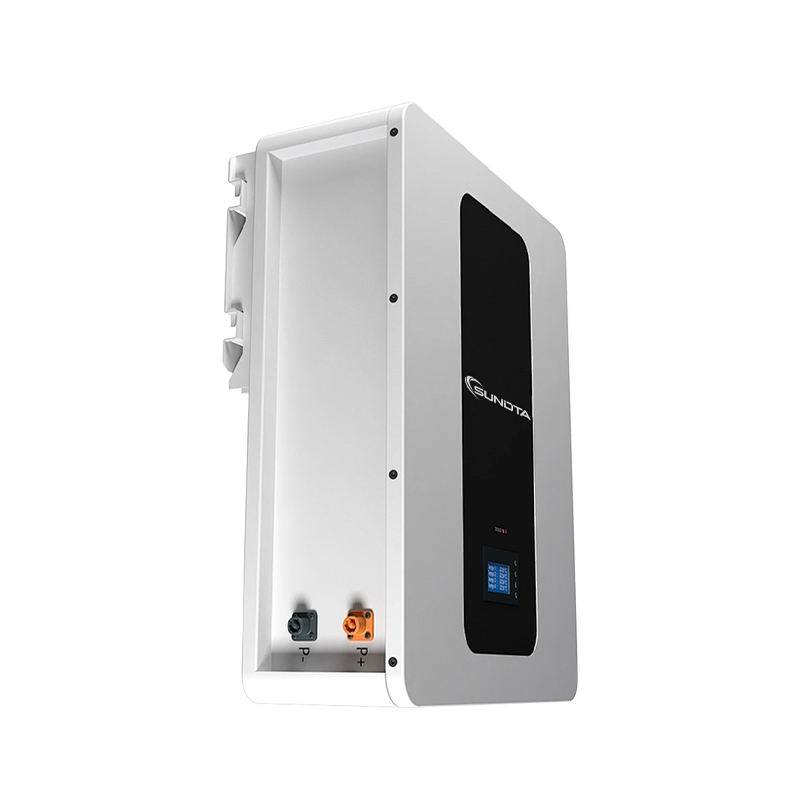
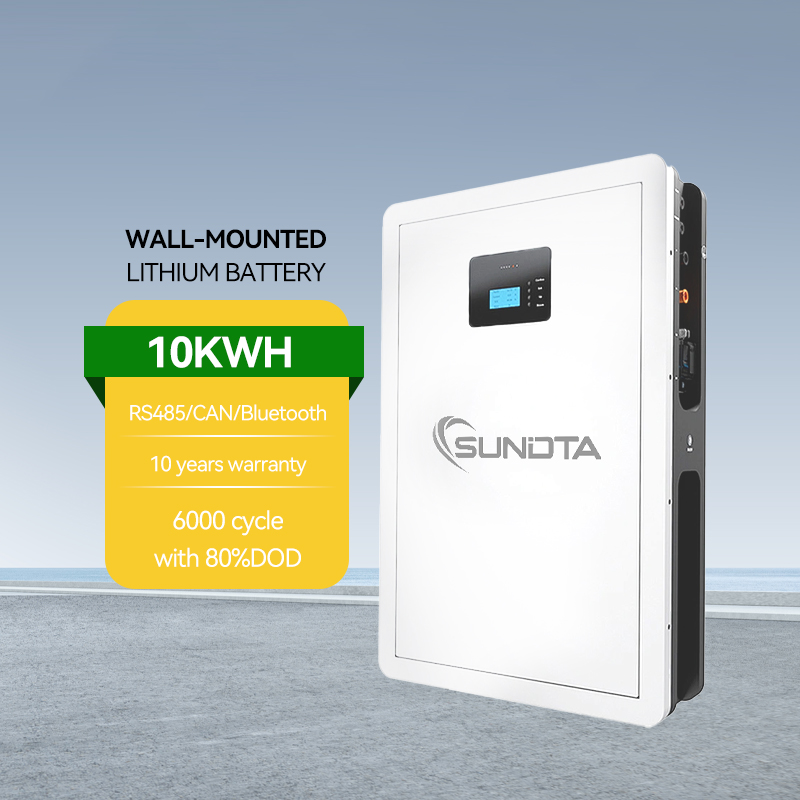
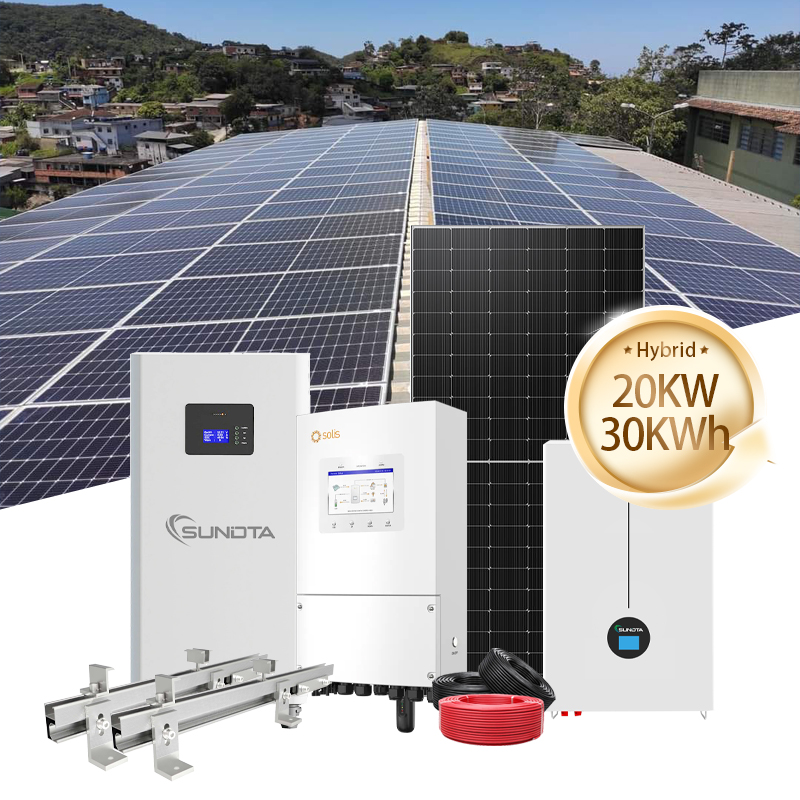
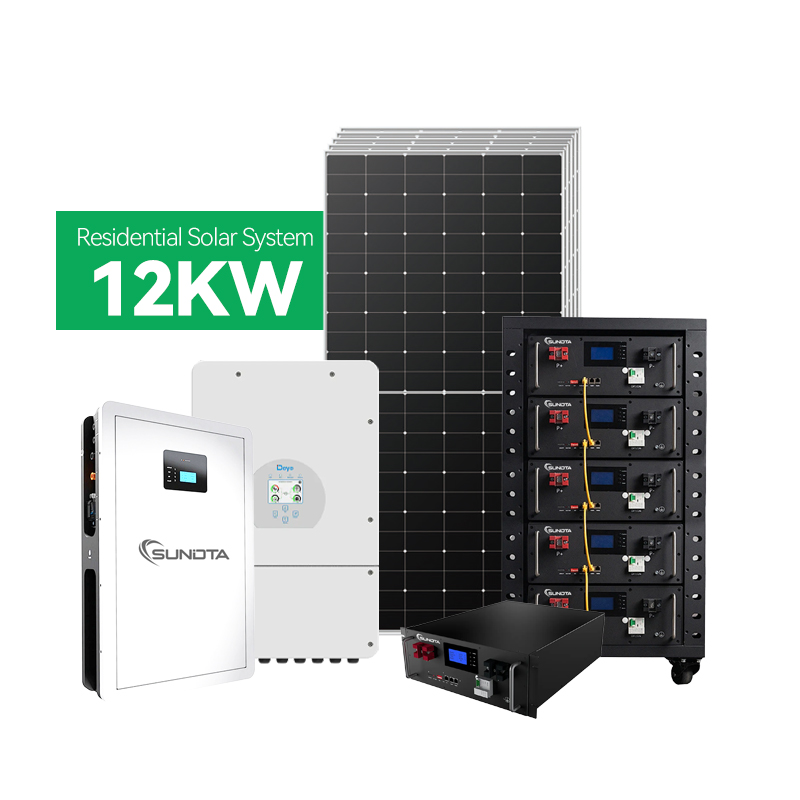
Mountain repeater stations and isolated communities along the Curahuara de Carangas corridor experience harsh seasonal drops. Deploying the Sundta POLO-W1 5kWh and 48V/100Ah battery storage arrays coupled with high-efficiency 30kW hybrid controllers guarantees zero downtime for microwave relay nodes and medical clinics. The intelligent CAN-bus protocol continuously monitors cell temperature and voltage deltas, delivering over 15 years of uninterrupted cycle life.
Oruro Solar Market Outlook: Key Trends Accelerating Adoption
Analysis of regulatory shifts, grid decentralization, and infrastructure developments shaping photovoltaic procurement across western Bolivia.
ENDE Grid Modernization & Microgrid Push
Bolivia's state power company, Empresa Nacional de Electricidad (ENDE), continues to expand the landmark 100 MW Oruro Solar Plant while directing resources toward rural hybrid microgrids. As fossil-fuel subsidies face fiscal pressure, off-grid industrial operators are rapidly moving from subsidized diesel generation to turnkey high-voltage hybrid PV and battery storage systems, increasing the regional demand for high-reliability tier-1 Chinese power electronics.
The Shift to 51.2V / High-Voltage LiFePO4
The traditional dominance of flooded lead-acid and heavy gel batteries in Bolivian mining camps is collapsing. Lead-acid options fail prematurely under the Altiplano's daily 30°C temperature swings and deep discharges. Modern procurement engineers in Oruro now mandate lithium iron phosphate (LiFePO4) storage with native CAN/RS485 closed-loop communication, cutting maintenance costs to zero while tripling system operational lifespans.
Arica & Iquique Freight Corridor Efficiency
Bolivian importers face unique landlocked logistics requirements. Anhui RJV coordinates dedicated multimodal shipping chains: ocean containers depart Ningbo or Shanghai, navigate through the Panama Canal or direct Pacific lines to the Chilean ports of Arica or Iquique, and cross the border via Tambo Quemado or Pisiga directly into Oruro customs warehouses with complete pre-authenticated CE, IEC, and flash-test documentation.
Why South American EPCs Partner with Anhui RJV New Energy
Direct factory supply, comprehensive bill-of-materials harmonization, and certified international production standards.
2 GW Advanced Manufacturing Base
Headquartered in Hefei, Anhui—China’s global hub for photovoltaic innovation—our automated manufacturing facilities operate high-precision cell cutting, stringing, and laminating machinery. We hold 38 international and domestic patents covering thermal efficiency, smart tracking topology, and battery packaging.
TÜV Rheinland Assessed & Verified
Our operational management, ethical production processes, and testing laboratories have undergone extensive on-site supplier verification by TÜV Rheinland. Every product line carries CE, IEC 61215, IEC 61730, and UN38.3 battery transport certification, ensuring rapid Bolivian customs clearance.
Single-Source BOM Compatibility
The single greatest cause of commissioning failure in South American solar projects is cross-vendor incompatibility between third-party MPPTs, inverters, and lithium BMS protocols. Anhui RJV provides complete, factory-bench-tested kits where modules, inverters, and batteries operate on pre-configured CAN communication profiles.
24/7 Global Engineering Desk
Our bilingual bilingual application engineering team assists Bolivian EPC contractors, mining site supervisors, and private installers through string design, single-line diagrams, firmware tuning, and real-time commissioning support via remote Wi-Fi data-logger integration.
Frequently Asked Questions: Sourcing Solar Hardware for Oruro
Answers to critical questions regarding altitude de-rating, customs documentation, payment methods, and cold-weather protections.
Why must we derate conventional MPPT controllers when installing in Oruro (3,700m+)?
Due to low atmospheric pressure (~64 kPa in Oruro vs 101.3 kPa at sea level), the cooling efficiency of ambient air decreases by roughly 30%, which causes semiconductors to reach higher junction temperatures under equivalent loads. Additionally, the dielectric strength of air drops significantly, elevating the danger of high-voltage arcing across electrical terminals. RJV controllers solve this by incorporating oversized heat dissipation sinks, military-grade conformal coatings, and widened contact traces so that systems maintain full continuous output without derating.
How do your systems manage sub-zero nighttime temperatures in the Altiplano?
Lithium iron phosphate (LiFePO4) cells can suffer irreversible lithium plating if charged below 0°C. Our Sundta POLO-W1 and high-voltage rack batteries utilize smart BMS architectures paired with internal heating elements and automated low-temperature charge prevention. The MPPT charger communicates directly over CAN-bus, throttling current or redirecting initial solar energy to thermal pre-heating mats until the cell core reaches safe charging temperatures (>5°C).
What shipping terms, transit times, and documentation are provided for Bolivia?
We routinely export under FOB (Chinese ports), CFR, CIF (Port of Arica or Iquique, Chile), and DAP directly to Oruro bonded warehouses. Ocean transit from Ningbo/Shanghai to Arica typically averages 28 to 35 days, followed by 3 to 5 days of overland truck transit via Tambo Quemado. We supply commercial invoices, packing lists, consular declarations, certificates of origin, CE/TÜV conformity certificates, and flash-test reports to guarantee zero customs friction with the Aduana Nacional de Bolivia.
What are the Minimum Order Quantities (MOQ) and warranty terms?
To support trial installations, commercial pilots, and replacement projects in Oruro, our hybrid inverters, MPPT units, and wall-mounted LiFePO4 batteries start from an MOQ of just 1 unit/set. Complete turnkey systems (including racking, N-Type TOPCon panels, and cables) start from 1 complete kit. Solar panels are quoted by pallet or container. We provide a standard 5-year replacement warranty on inverters/MPPTs, 10 years on lithium storage, and a 25-to-30-year linear performance warranty on bifacial solar modules.
Can your MPPT and hybrid inverters integrate with existing mining diesel generators?
Yes. Our complete 30kW, 50kW, and containerized ESS platforms include integrated smart generator dry-contact controls. When solar input drops and the LiFePO4 battery reaches its designated depth-of-discharge (DoD) threshold, the controller automatically triggers the diesel genset, synchronizes AC frequencies, charges the battery bank at an optimized rate, and seamlessly powers mining loads without any microgrid frequency instability or blackout.
Ready to Source High-Altitude Solar Hardware for Oruro?
Submit your electrical single-line diagram, target load profile, or mining camp requirements. Our senior application engineers will provide a verified technical BOM, altitude calculation sheet, and wholesale container quotation within 24 hours.