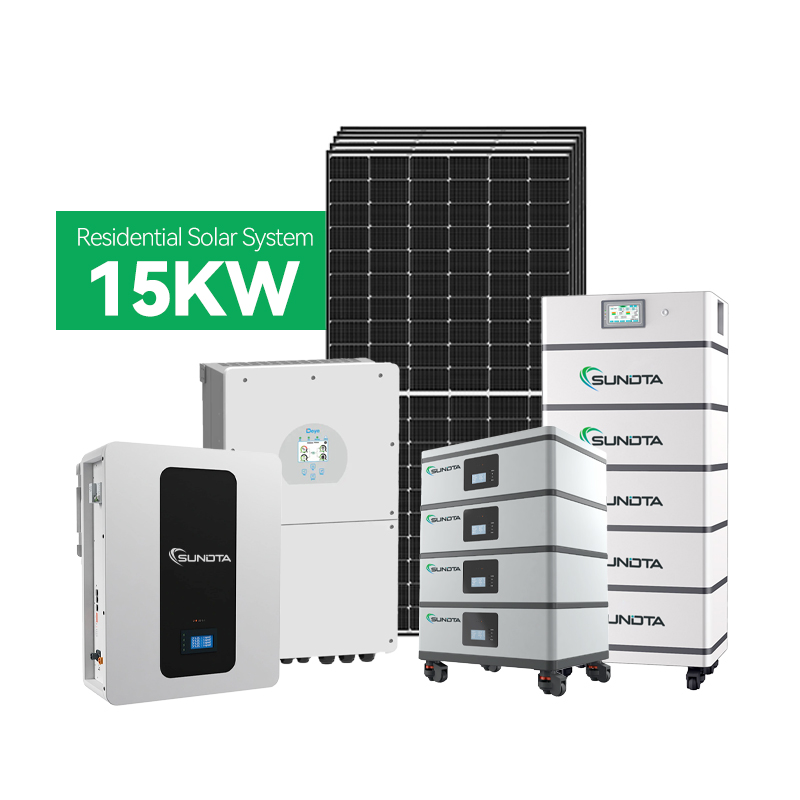
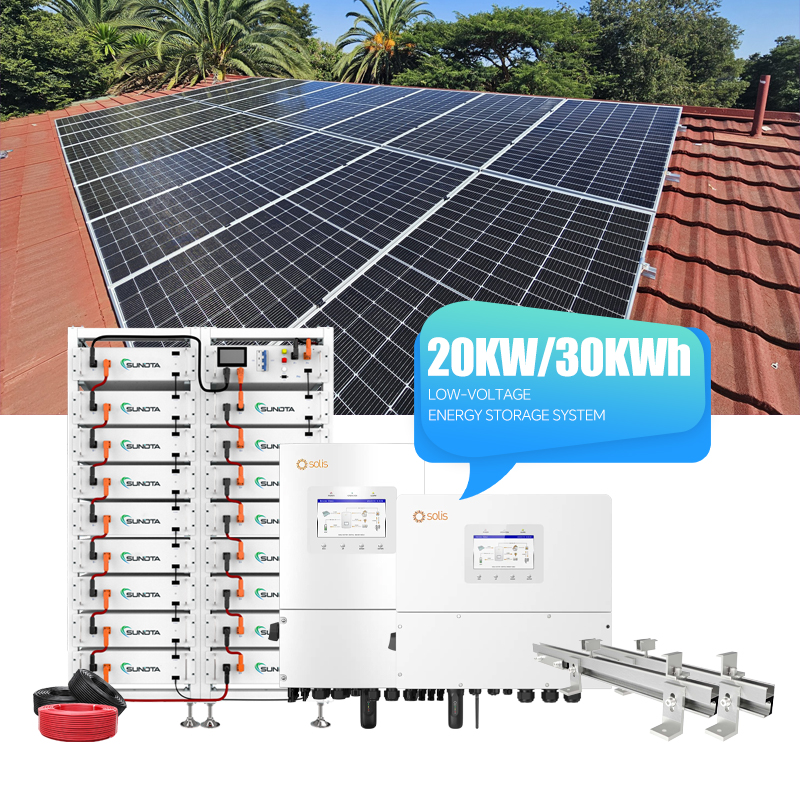
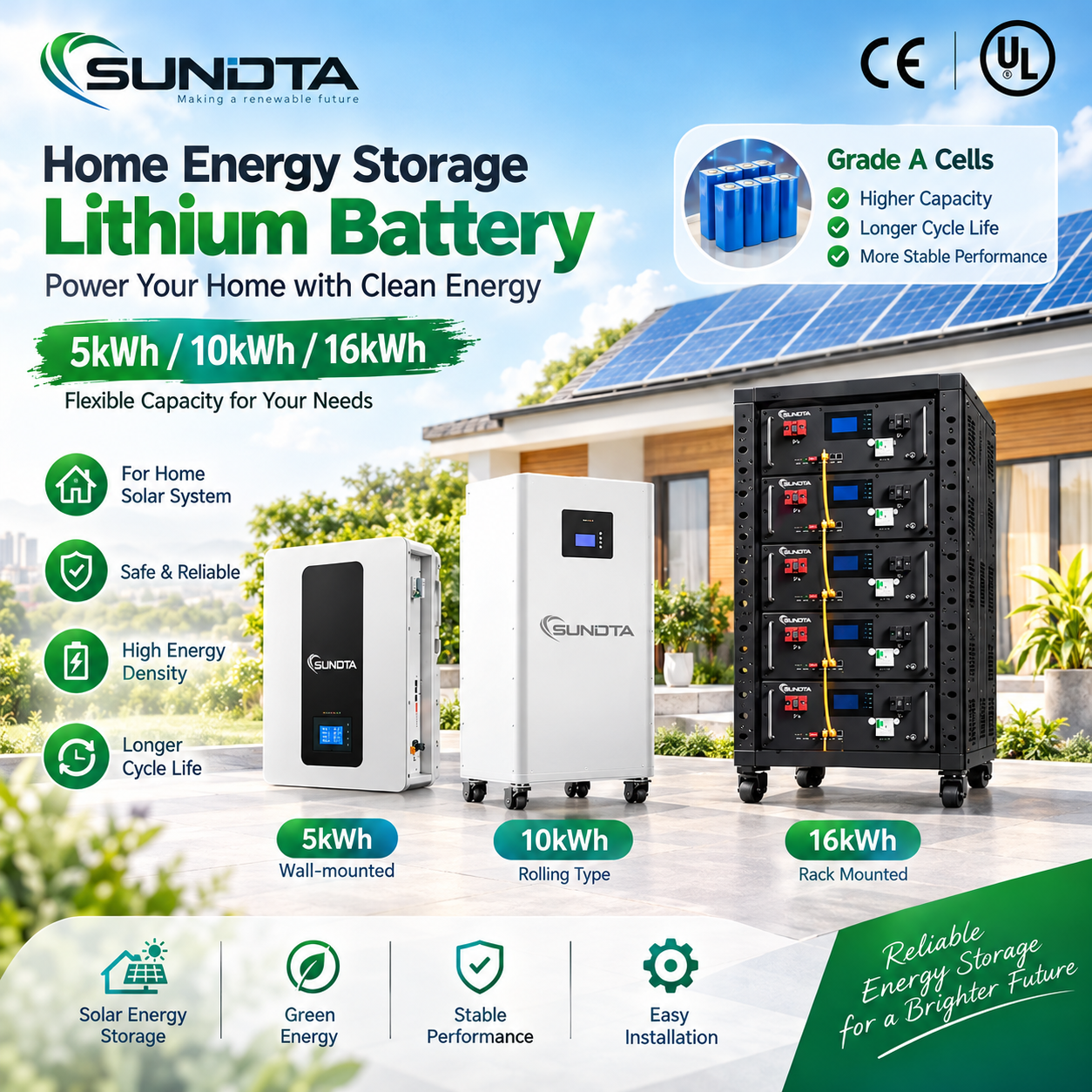
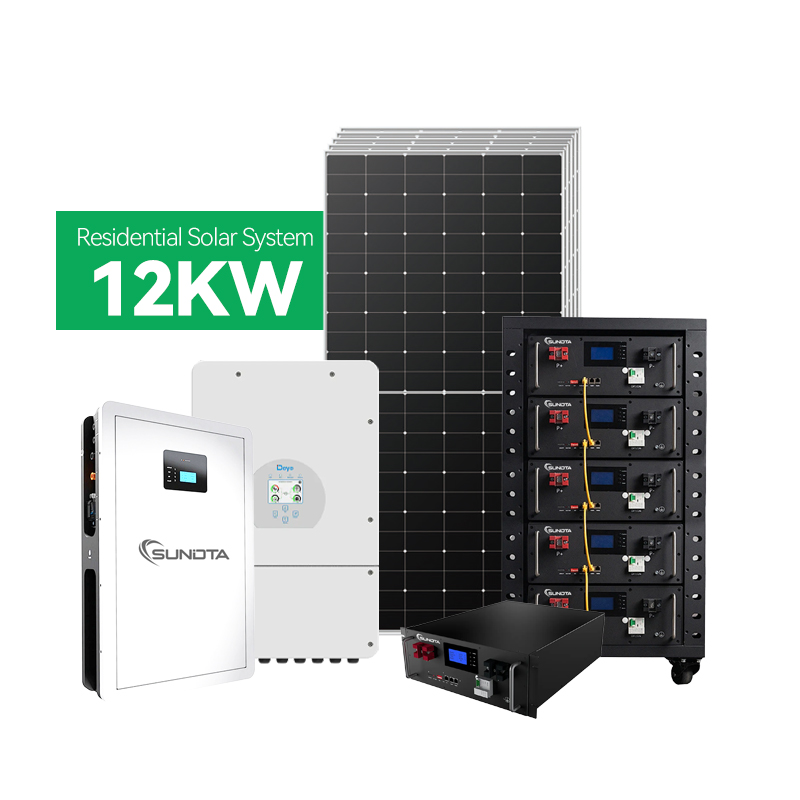
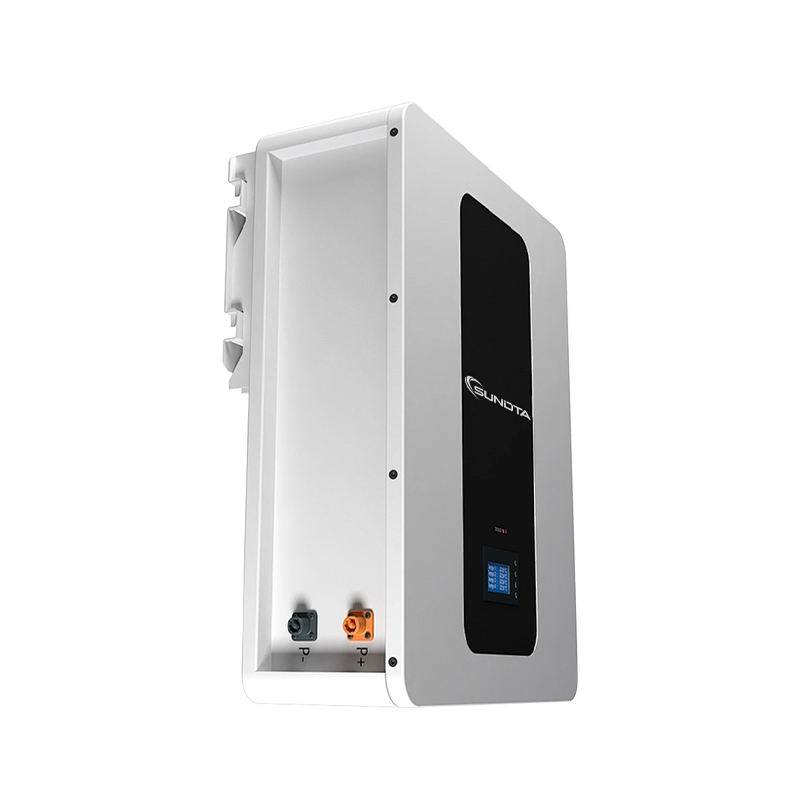
Sundta POLO-W1 LiFePO4 Lithium Battery Wall-Mounted 5kWh Storage
- Grade-A Prismatic Cells (6000+ Cycles)
- 51.2V 100Ah Deep-Cycle Configuration
- IP65 Rated Weatherproof Casing
Engineered for high-duty cycling, seamless CAN-bus battery-inverter closed-loop synchronization, and harsh agro-industrial operational conditions across the Salto corridor.
Situated strategically along the Uruguay River basin, Salto represents the epicenter of Northern Uruguay’s agricultural, citrus processing, and logistical enterprise. While the region benefits historically from proximity to major generation assets like the Salto Grande Hydroelectric Complex, commercial end-users, cold-storage operators, packing houses, and irrigation syndicates face unique macroeconomic and physical grid bottlenecks. The fluctuating seasonal hydrological cycles of the Uruguay River basin, paired with escalating commercial tariff structures under UTE (Administración Nacional de Usinas y Trasmisiones Eléctricas), make local reliance solely on conventional grid power an increasingly expensive proposition.
For commercial facilities operating across Salto, San Antonio, and Constitución, energy costs are dominated by high demand charges during peak tariff windows (Horas Punta) and punitive reactive power penalties. Commercial battery energy storage systems (BESS) paired with high-efficiency bifacial solar generation have transitioned from a luxury sustainability initiative into a capital-protective necessity. By strategically dispatching stored photovoltaic power during tariff spikes and operating dynamic peak shaving, enterprise facilities routinely reduce their effective Levelized Cost of Energy (LCOE) by 42% to 68%.
From an electrical engineering standpoint, commercial energy storage installations in Salto must navigate distinct ambient challenges. Summer ambient temperatures frequently exceed 38°C with elevated humidity levels, placing severe thermal stress on lithium cell chemistry and inverter power electronics. Deploying low-tier, unverified lithium-ion batteries or poorly matched off-brand inverters results in rapid cycle degradation, thermal throttling, and unpredictable communication dropouts between the Battery Management System (BMS) and the Power Conversion System (PCS). Anhui RJV New Energy engineers systems specifically validated for these harsh ambient conditions, utilizing automotive-grade lithium iron phosphate (LiFePO4) prismatic cells, dynamic liquid or precision forced-air cooling, and industrial IP65/IP66 enclosures.
Purpose-engineered storage and photovoltaic architectures tuned to address specific industrial load profiles, pumping schedules, and thermal storage dynamics.
Cold-storage facilities require continuous 24/7 refrigeration to preserve delicate export fruit. RJV’s 50kW to 500kW three-phase storage setups supply uninterruptible power during distribution dropouts while shaving peak power draw during compressor startup surges, avoiding excessive UTE maximum-demand surcharges.
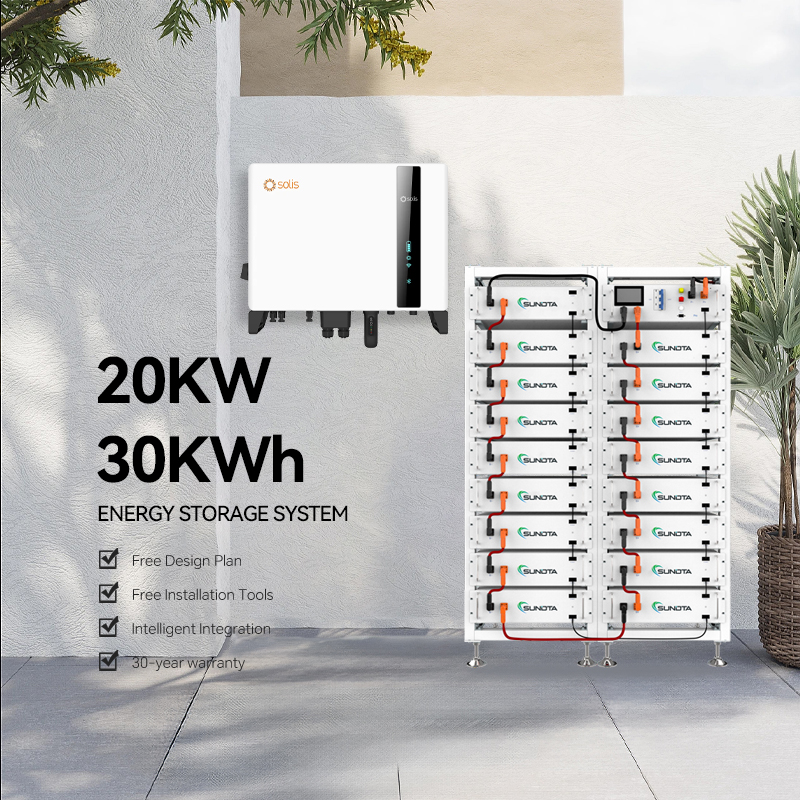
Pumping stations drawing water from the Uruguay River or deep aquifers face erratic rural feeder lines. Our high-voltage stackable LiFePO4 batteries coupled with Solis/Deye hybrid systems manage inductive motor loads seamlessly, providing high inrush current tolerance and programmable timer-based pumping schedules.
Salto’s premier thermal resorts and commercial shopping venues require aesthetic, silent, zero-emission backup solutions. Wall-mounted and cabinet LiFePO4 systems eliminate loud diesel genset pollution, providing silent automated transition during grid brownouts while driving corporate ESG compliance.
As Uruguay continues its globally recognized renewable energy transition, the national regulatory framework is increasingly rewarding flexible behind-the-meter assets. In Salto, commercial buyers are steering investments based on three decisive macroeconomic vectors:
1. Shift Toward Behind-the-Meter Time-of-Use (TOU) Arbitrage: With progressive rate tariffs penalizing daytime industrial energy peaks, commercial facilities in Salto are systematically programming their BESS units to charge during off-peak morning solar surplus or low-tariff night periods, discharging strategically between 18:00 and 23:00. This operational mode yields immediate cash-flow improvements without requiring complicated grid feed-in permissions.
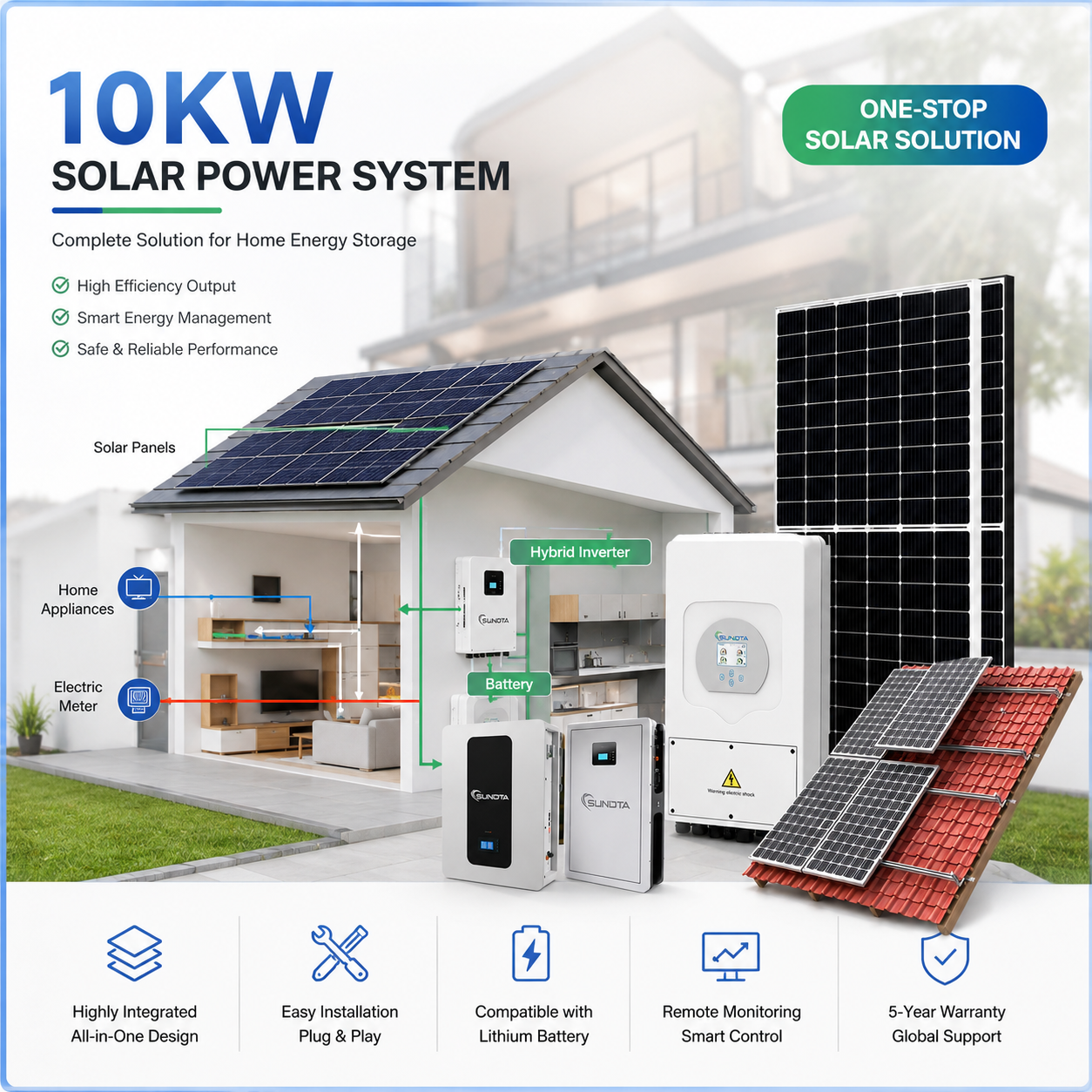
2. Transition from Fragmented Sourcing to Unified BOM Integration: Historically, Latin American EPC contractors sourced PV panels from one vendor, hybrid inverters from a second, and lithium batteries from a third. Incompatibility between closed-loop CAN communication protocols, BMS firmware mismatches, and finger-pointing during warranty disputes resulted in costly project delays. The trend in Salto is an overwhelming shift to single-source accountability—procuring pre-tested, harmonized bills of materials directly from verified manufacturers like Anhui RJV New Energy.
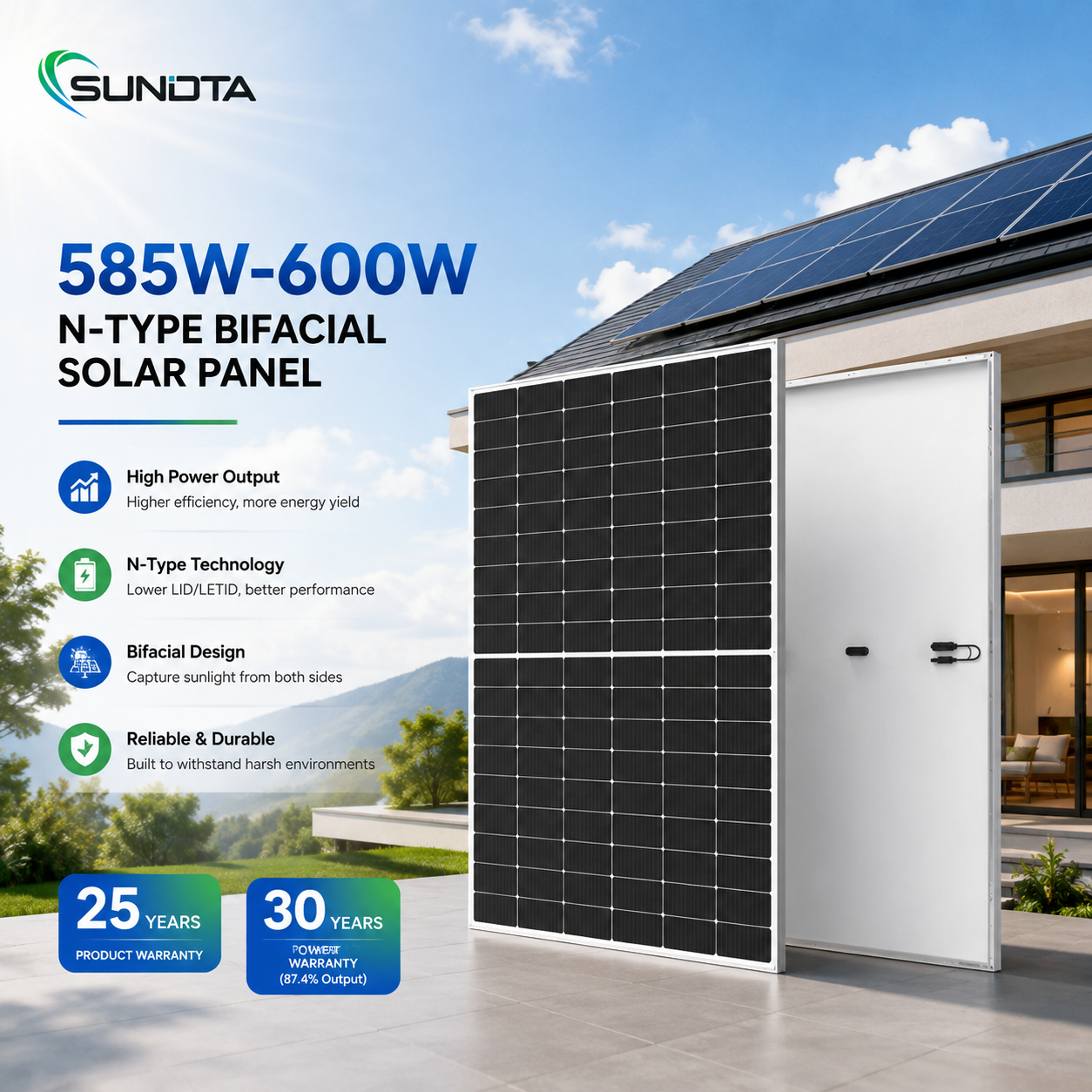
3. Adoption of High-Efficiency N-Type TOPCon & Bifacial Modules: Given the elevated albedo of Salto’s agricultural soils, gravel pads, and light-colored industrial rooftops, N-Type TOPCon bifacial modules (585W–595W) are rapidly outpacing older P-type mono PERC alternatives. With up to 80% bifaciality and a low temperature degradation coefficient of -0.30%/°C, facilities capture up to 25% additional yield over lifecycle spans exceeding 30 years.
A comprehensive engineering comparison guide for EPC contractors and procurement managers across Salto assessing low-voltage versus high-voltage system deployments.
| System Architecture | Nominal Voltage Window | Typical Scale (Capacity) | BMS Protocol / Inverter | Best Suited Application in Salto |
|---|---|---|---|---|
| Low-Voltage Wall Mount (POLO-W1 Series) | 51.2V (44.8V – 57.6V) | 5kWh to 40kWh (Parallel) | CAN 2.0B / RS485 (Deye / Solis) | Commercial management offices, regional clinics, retail spaces, remote agricultural lodges. |
| Low-Voltage Rack Cabinets (200Ah Series) | 51.2V Prismatic | 20kWh to 80kWh | Integrated Smart BMS with Display | Medium packing sheds, grain storage monitoring, workshops with single/split-phase loads. |
| High-Voltage Modular Stacks (HV BESS) | 160V – 800V DC | 40kWh to 200kWh+ | High-Speed CAN / Modbus TCP | Three-phase industrial packing lines, centralized irrigation pump drives, logistics hubs. |
| Containerized C&I ESS (Megawatt Scale) | 600V – 1000V DC | 500kWh to 2MWh (20ft/40ft) | Central SCADA / HVAC & Aerosol Fire Suppression | Substation support, extensive citrus agro-complexes, municipal grid buffering, thermal complexes. |
Headquartered in the global clean-energy manufacturing epicenter of Hefei, Anhui RJV New Energy Co., Ltd. (Sundta) specializes in end-to-end photovoltaic and energy storage systems for commercial, industrial, and utility scale projects. Backed by over 12 years of specialized PV R&D and an annual module capacity exceeding 2 GW, we eliminate the systemic vulnerabilities of multi-vendor procurement.
Our operations have been rigorously assessed and verified on-site by TÜV Rheinland. We combine state-of-the-art automated robotic cell interconnect lines with stringent EL testing (pre- and post-lamination) to guarantee zero micro-cracks on arrival at the Port of Montevideo or delivered direct to job sites in Salto. When you source with RJV, every battery string, MPPT channel, and balance-of-system accessory is factory-validated for instantaneous plug-and-play commissioning.
Practical technical, logistical, and grid-compliance guidance for regional enterprise owners, project developers, and electrical engineers.
Whether you are designing a high-capacity citrus refrigeration microgrid, securing critical irrigation pumping autonomy, or retrofitting commercial real estate for peak tariff arbitrage, our application engineers will generate a matched Bill of Materials and project quotation within 24 business hours.