Top Trusted Foldable Solar Panels Suppliers & Exporters in Montreal
Technical White Paper & Direct Sourcing Guide: Ultra-Resilient Photovoltaic Systems, Sub-Zero LiFePO4 Architectures, and B2B Procurement Compliance for Greater Montreal & Quebec's Winter Climates.
Tier-1 Engineered Hardware
Integrated Solar & Storage Configurations for Industrial & Microgrid Demand
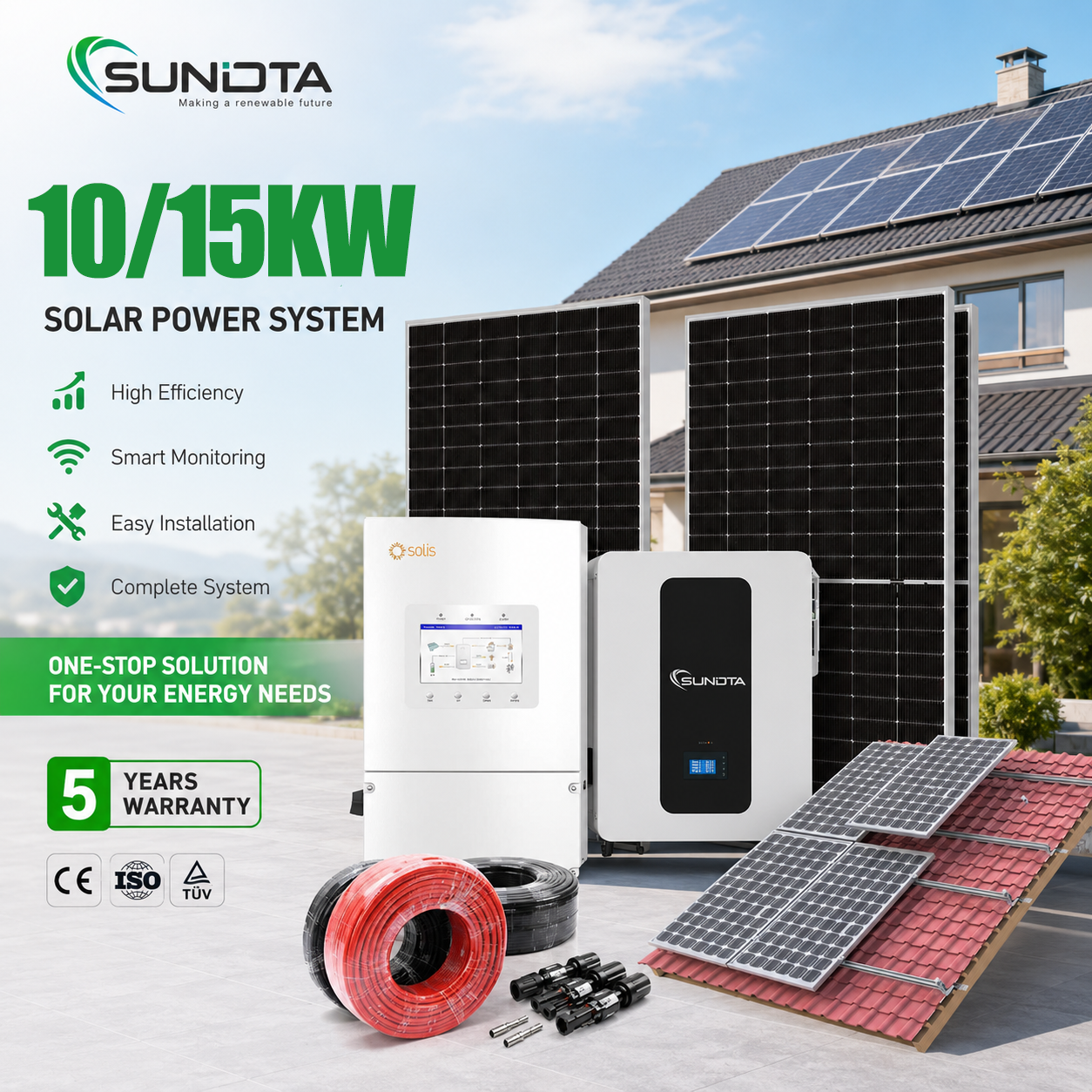
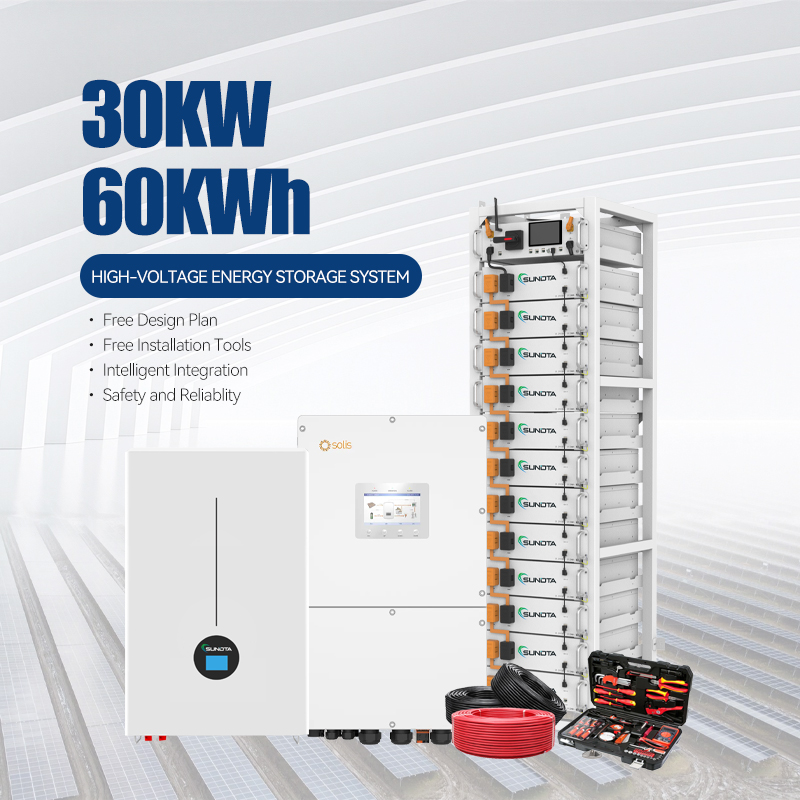
Precision-matched energy storage packages, hybrid split-phase/three-phase smart inverters, and cold-resistant LiFePO4 battery modules ready for international export and Canadian logistics integration.
Deploying Advanced Photovoltaics & Foldable Solar Arrays in Greater Montreal
The renewable energy ecosystem in Quebec presents unique climatic and economic operating profiles. As Hydro-Québec transitions toward tiered structure optimization and commercial self-generation strategies, selecting foldable solar panels, bifacial TOPCon arrays, and low-temperature LiFePO4 energy storage systems requires comprehensive thermal and aerodynamic planning. Sourcing from experienced international manufacturers allows Montreal distributors, regional engineering procurement construction (EPC) contractors, and industrial users to capture immense information gain and procurement advantages.
Foldable and portable photovoltaic systems deployed throughout the Saint Lawrence River Valley must resist distinct seasonal extremes. Winter conditions in Montreal frequently drop beneath -30°C, compounded by high winds, heavy wet snow loading, and rapid freeze-thaw cycles. Standard EVA (Ethylene-Vinyl Acetate) sheets often develop micro-fractures and delaminate under extreme thermal contraction. Our export-grade solar modules and foldable panels utilize cross-linked POE (Polyolefin Elastomer) encapsulation materials paired with ETFE (Ethylene Tetrafluoroethylene) fluoropolymer surfaces. ETFE possesses superior low-temperature tensile elongation, high ultraviolet transmittance (exceeding 95%), and an inherently low surface energy coefficient that prevents heavy ice accretion and allows wind shedding.
Furthermore, internal cell interconnects feature segmented strain-relief ribbons designed to absorb cyclical contraction stress without transmitting shear force to the fragile N-type or PERC silicon wafer boundaries. This structural approach preserves electrical continuity across hundreds of freeze-thaw cycles, ensuring consistent generation during critical shoulder seasons.
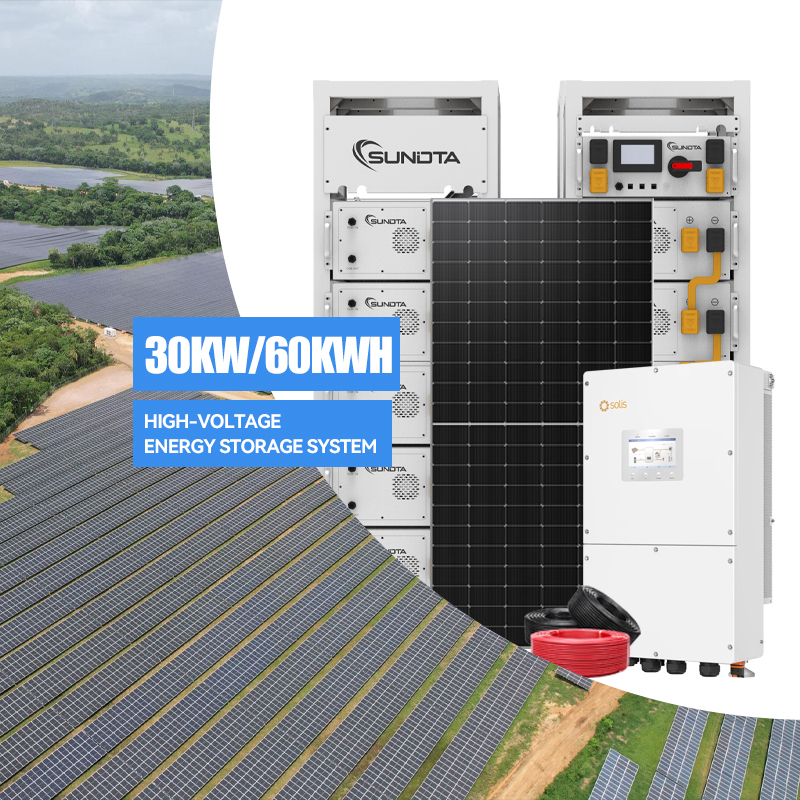
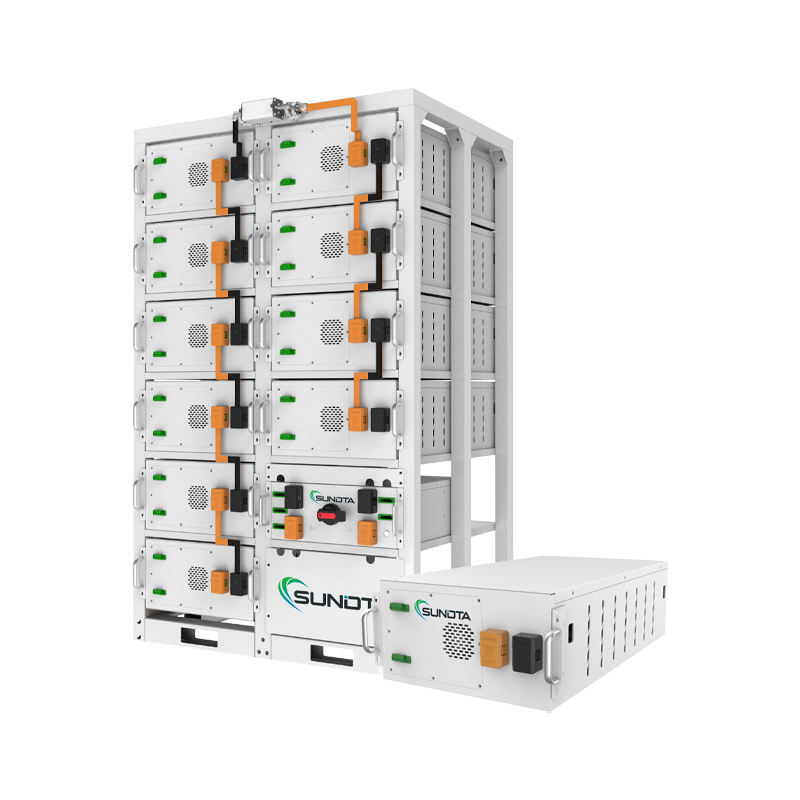
While the Quebec provincial grid benefits from abundant hydroelectric capacity, the escalation of commercial winter peak-demand tariffs (Rate M, Rate G9) has altered industrial energy calculus. Between December and March, peak demand window surcharges can drive up operational expenditure for warehouse logistics, institutional properties, and manufacturing hubs across Montreal's industrial parks (such as Saint-Laurent, Anjou, and Dorval). Deploying hybrid storage architectures—such as our 20kW to 50kW commercial systems coupled with 51.2V modular LiFePO4 battery banks—facilitates reliable automated peak lopping.
By scheduling battery discharge precisely during peak utility windows and replenishing during off-peak hours or through PV generation, enterprise facilities achieve substantial operational savings. Simultaneously, these installations function as mission-critical uninterruptible power systems (UPS) during winter ice storms that threaten overhead transmission networks across suburban zones.
Comparative Matrix: Standard Portable Panels vs. Industrial Cold-Climate Foldable Solutions
Evaluation Parameter
Commercial Grade Foldable PV
Standard Retail Portable Panels
Engineering Benefit in Quebec
Encapsulation Medium
Dual-Layer Thermoset POE Polymer
Standard Monolayer EVA
Prevents moisture penetration and zero delamination at -35°C.
Front Surface Layer
Hydrophobic Textured High-Grade ETFE
PET (Polyethylene Terephthalate)
High resistance to hail abrasion, UV yellowing, and heavy frost adhesion.
Frame & Hinged Joints
Anodized 6063-T6 Structural Aluminum
Stitched Fabric / Canvas Hinge
Maintains mechanical alignment against 2.4 kPa dynamic winter wind loads.
Bypass Diode Architecture
Integrated Multi-Junction Schottky
Single In-Line Diode / None
Mitigates hot-spot formation caused by partial snow coverage.
Storage Compatibility
Closed-Loop CAN/RS485 to LiFePO4
Unregulated DC or Basic PWM
Direct, safe charge acceptance even within rapid cold-start protocols.
3. B2B Localization & Emerging Market Trends across Montreal
The demand landscape for portable, modular, and foldable energy generation in Quebec is expanding beyond conventional recreational camping into vital municipal, agricultural, and emergency infrastructure vectors:
Emergency Civil Readiness
Rapidly deployable foldable arrays utilized by municipal response units for emergency communication relays and perimeter power during seasonal power outages caused by ice storms.
Seasonal Eco-Tourism & Outposts
Autonomous off-grid micro-installations supporting Laurentian outfitters, provincial parks, and remote mining survey teams who need silent, zero-emission fuel-displacement systems.
Urban Construction & Remote Works
Mobile power generation for civic maintenance contractors operating inside Montreal's historic downtown corridors, reducing engine idling in strict low-noise and emission-controlled zones.
Global Manufacturing Authority
Why Montreal Importers & Distributors Partner With RJV New Energy
Headquartered in the Innovation Industrial Park of Hefei, China, Anhui RJV New Energy Co., Ltd. combines extensive manufacturing infrastructure with strict compliance oversight to eliminate supply chain risks for North American importers.
Fully Automated 2GW Capacity
Advanced robotic stringing, multi-stage automated optical inspection (AOI), and continuous flash testing guarantee cell integrity across all exported module series.
TÜV Rheinland Assessed
Our operational management, ethical production processes, and testing facilities have passed rigorous on-site verification audits performed by TÜV Rheinland.
12+ Years Industry Leadership
Operating continuously since 2016 in PV technology integration, our specialized engineering team holds 38 structural and power-circuit patents.
Full BOS Turnkey Compatibility
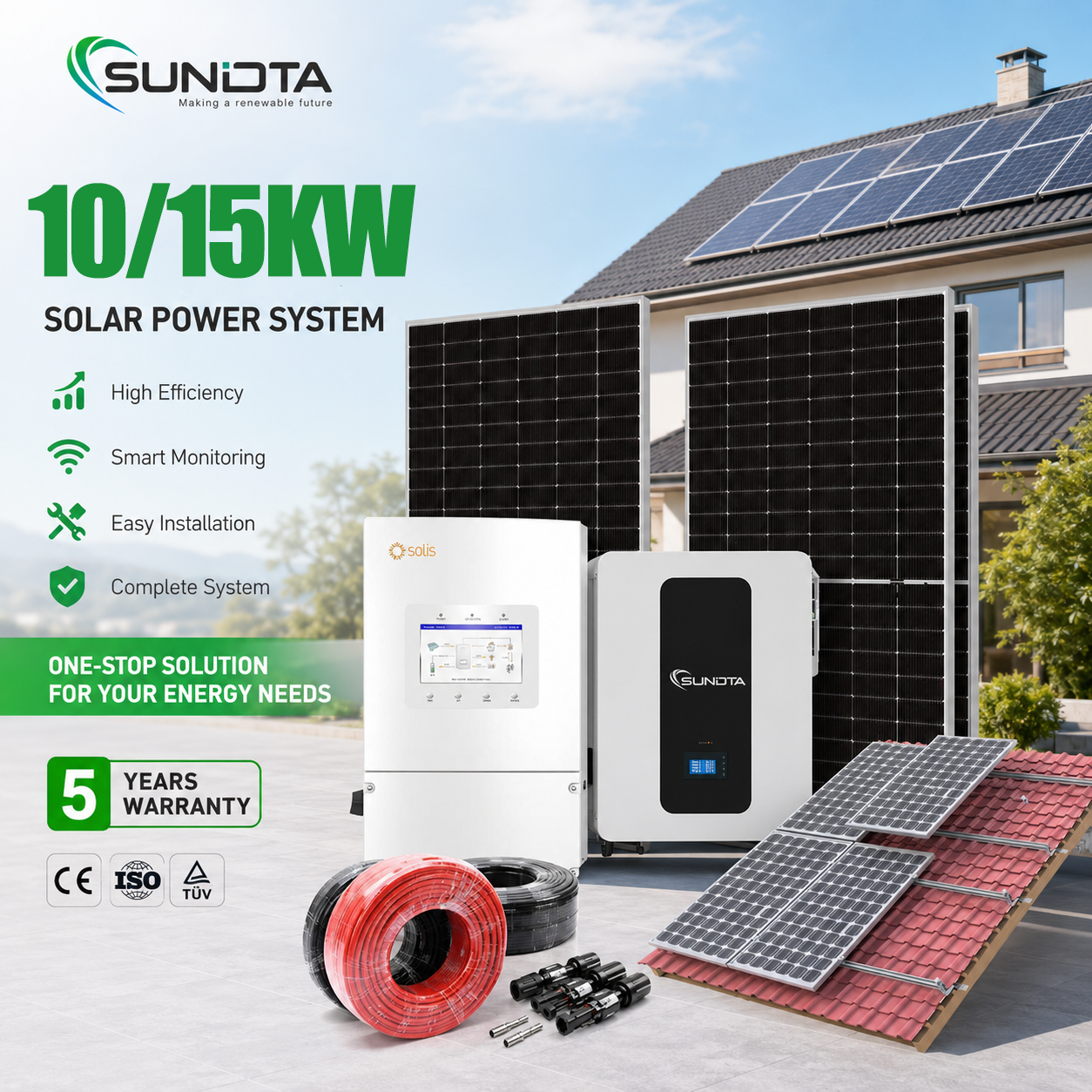
Eliminate multi-vendor commissioning disputes. We calibrate solar PV panels, hybrid inverters (Deye, Solis), and LiFePO4 batteries under a unified test protocol before packaging.
Procurement Diligence
Frequently Asked Questions by Quebec Buyers & Importers
Clear, direct answers regarding customs clearance, Canadian standards, container logistics to the Port of Montreal, and sub-zero operation parameters.
How do your foldable solar panels perform in Montreal's sub-zero winter environment?
Our high-performance monocrystalline and N-type TOPCon cells feature a negative temperature coefficient of power (-0.30%/°C), meaning that under clear winter skies with high ground albedo (snow reflection), voltage and power yields actually increase relative to standard test conditions. To prevent structural embrittlement, panels utilize cold-formulated POE encapsulants rather than low-end EVA, retaining complete polymer flexibility down to -40°C without mechanical delamination.
Can your LiFePO4 storage batteries be charged below 0°C in outdoor Canadian installations?
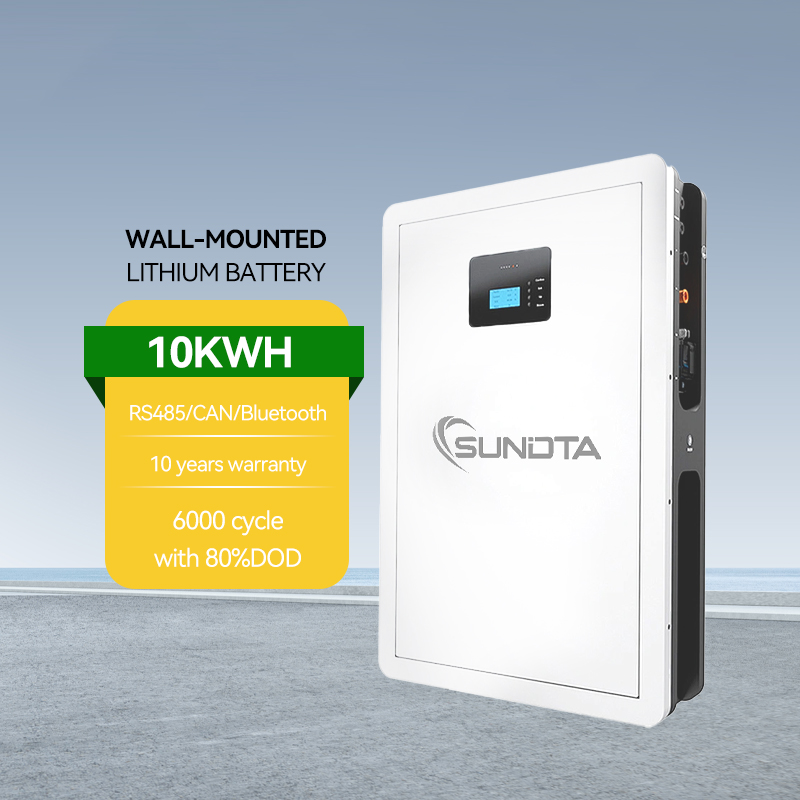
Standard LiFePO4 chemistry risks internal lithium plating if charged below 0°C. Our export models configured for North American cold climates come standard with integrated smart BMS-driven low-temperature protection and optional internal thermal heating elements. When charge current is detected in sub-zero states, energy is routed first to internal heating pads to safely raise core cell temperatures above 5°C before accepting direct charge current.
What are the shipping routes, transit times, and Incoterms for delivery into Montreal?
We support FOB (Ningbo/Shanghai), CFR, CIF, and EXW delivery terms. Ocean container freight targeting Montreal is typically booked on direct rail-linked maritime corridors via the Port of Montreal or through Vancouver transshipment terminals. Average maritime transit time ranges from 24 to 32 days. Complete Bill of Lading, Certificate of Origin, Packing Lists, and custom flash test reports are issued directly to your customs broker.
What are your minimum order quantities (MOQ) for custom brand labeling (OEM)?
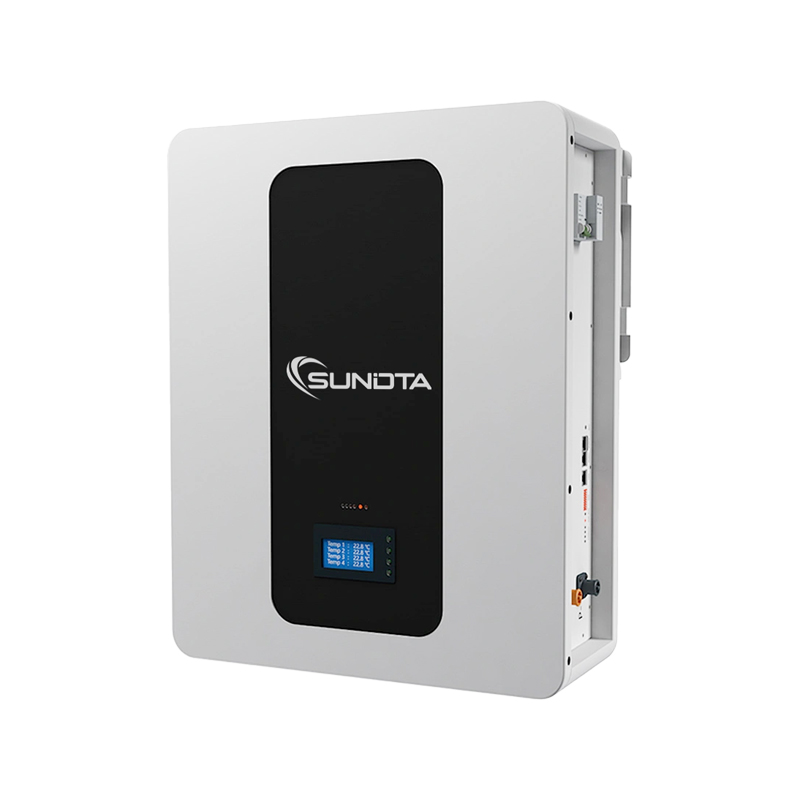
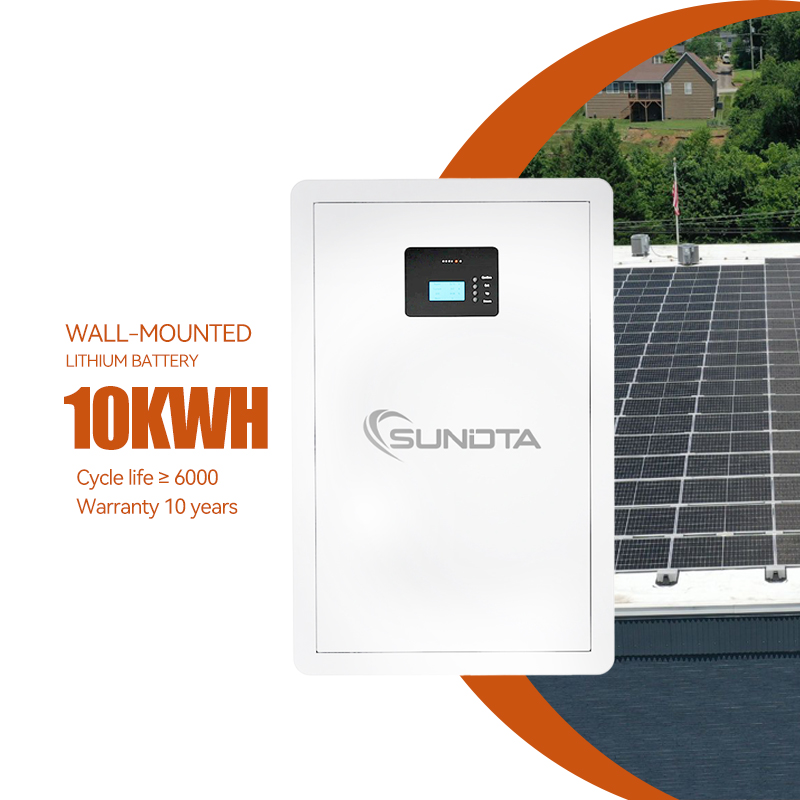
For standard stocked items such as wall-mounted residential LiFePO4 batteries and hybrid inverters, our minimum order quantity starts from 1 set or unit to support local installer validation. For fully customized OEM manufacturing—including bespoke folding frame fabrics, silkscreen branding, customized connector leads, and localized packaging—MOQ is typically structured around pallet or half-container volumes (equivalent to 10kW to 15kW of module capacity).
Are your hybrid systems pre-configured for CAN communication with Deye and Solis inverters?
Yes. Our engineering lab programs proprietary BMS firmware with auto-detect protocols covering Deye, Solis, Growatt, and Victron energy platforms. During installation, the battery and inverter establish closed-loop CAN/RS485 communication immediately upon boot, transmitting real-time state-of-charge (SoC), maximum charge/discharge current limits, voltage windows, and thermal sensor feedback without manual protocol mapping.
Ready to Source High-Yield Solar & Storage Equipment for Your Next Project?
Whether you require a custom container quotation for distributors in Quebec or engineering calculations for an off-grid commercial microgrid, our technical specialists in Hefei are ready to deliver matching system drawings, datasheets, and factory-direct pricing.