Whole-House Hybrid
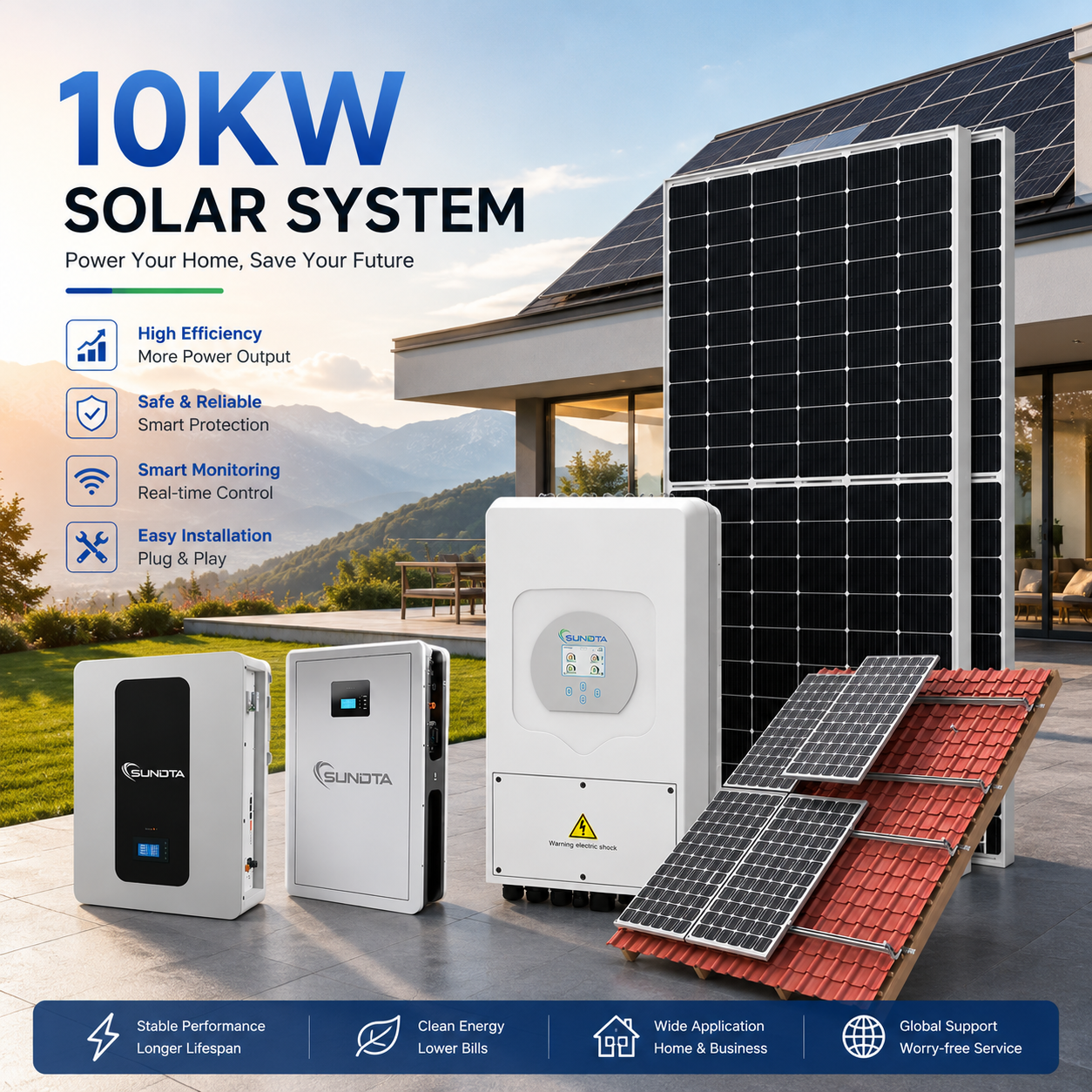
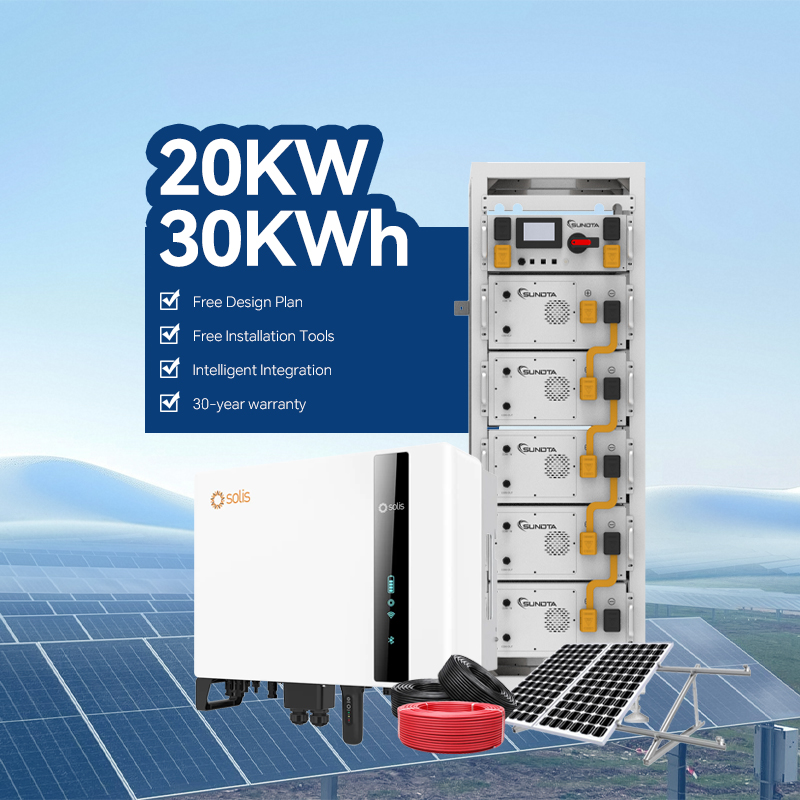
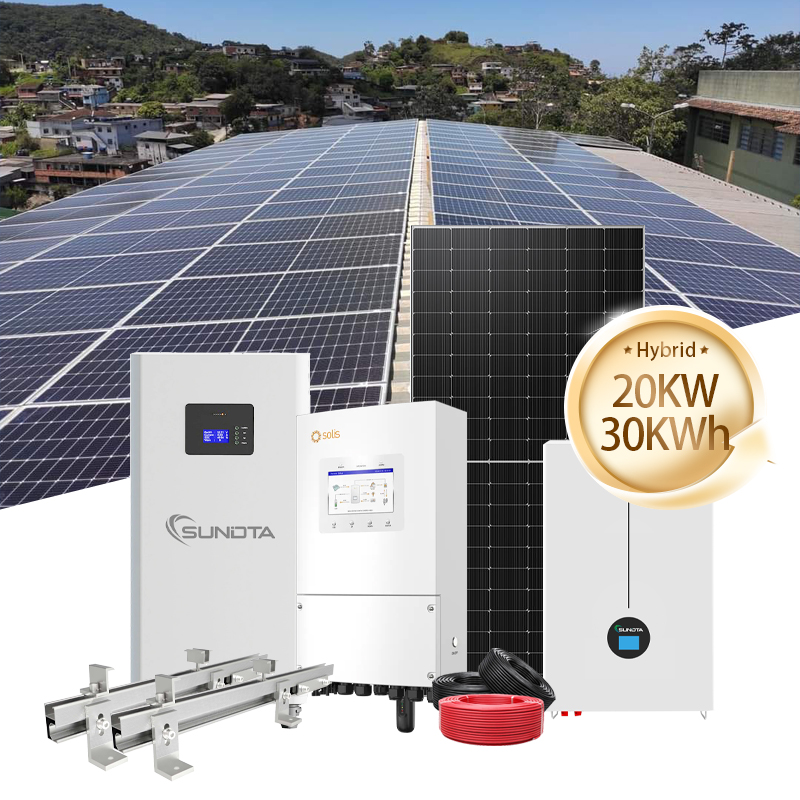
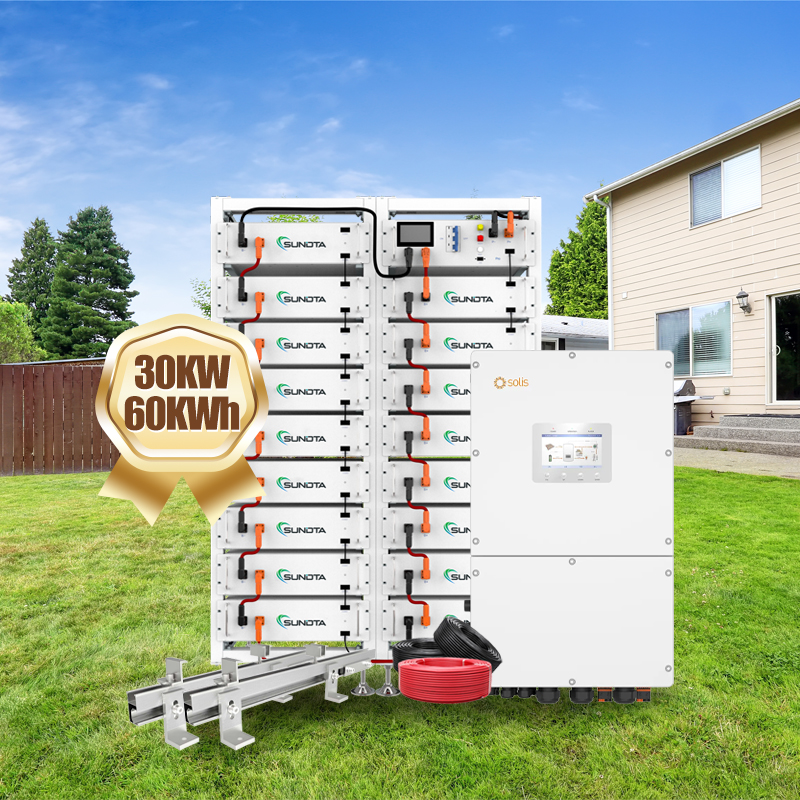
Emergency Backup Whole House Hybrid Solar Power System 15kW–50kW
- Smart MPPT battery integration
- Dual-grid automatic transfer mechanism
- Sub-20ms blackout failover rate
Victorian solar installers and EPC contractors face distinct operational conditions—varying from high shade profiles in leafy suburban Melbourne to high-temperature inland exposure across the Murray Valley. Our factory-integrated PV and storage assemblies are engineered to eliminate commissioning discrepancies, delivering zero-loss DC transfer and certified reliability.
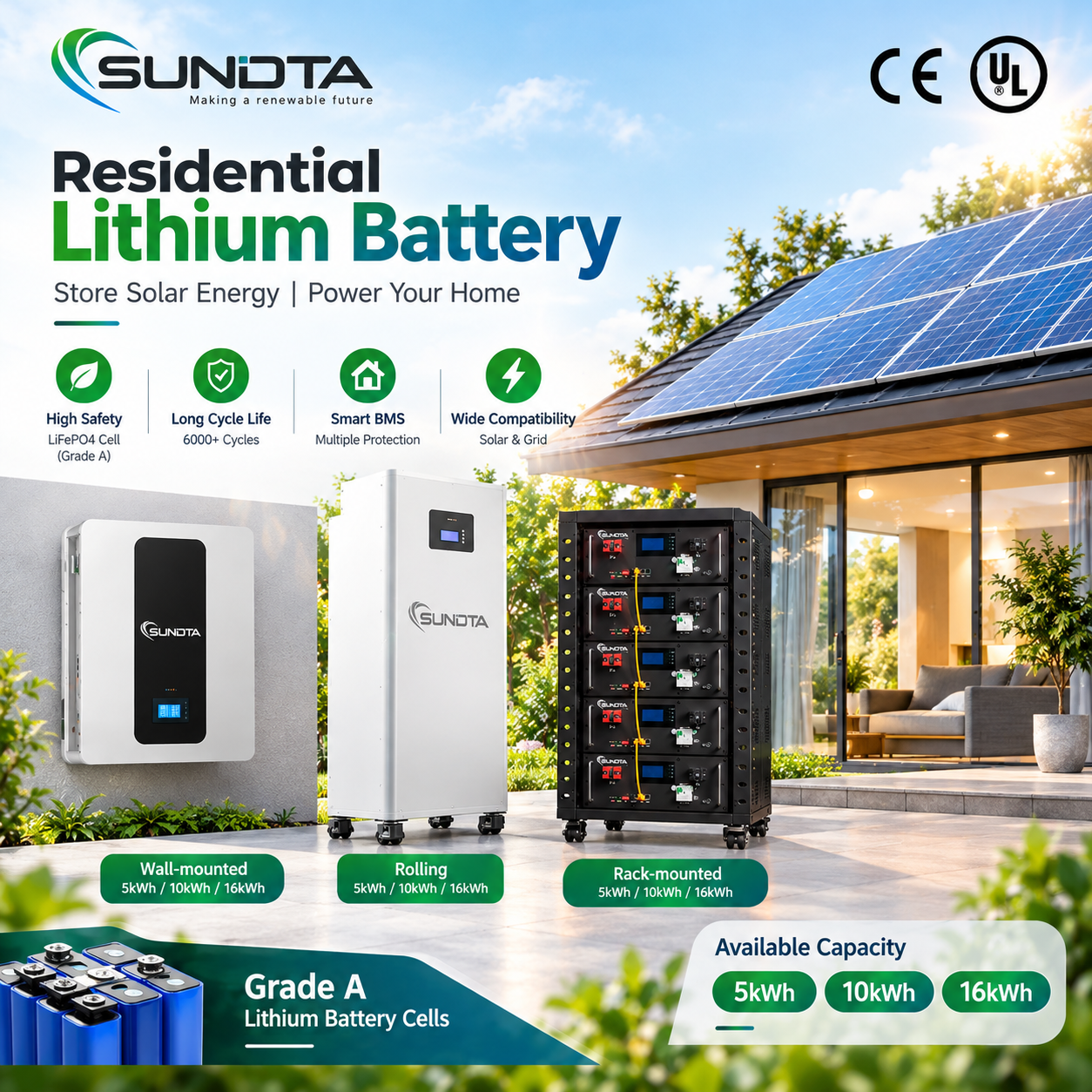
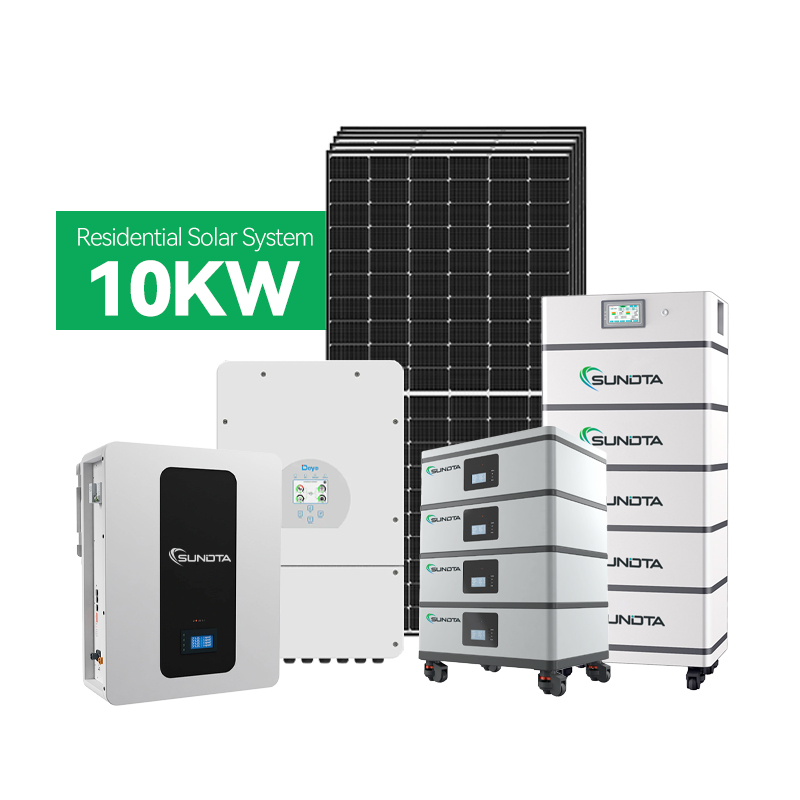
Victoria's weather encompasses maritime temperate shifts, severe winter hail along coastal corridors, and dry heatwaves in inland agricultural belts. Shingled solar module technology offers structural and electrical benefits that solve the specific pain points faced by local system operators.
In established Melbourne suburbs like Camberwell, Ivanhoe, and Brighton, dense tree canopies and multi-tier architectural rooflines create complex shading. Traditional half-cut modules experience complete string drop-off when bottom cells are blocked. Shingled modules utilize parallel circuit matrixes, allowing unshaded segments to produce rated power without creating localized hot-spot stress.
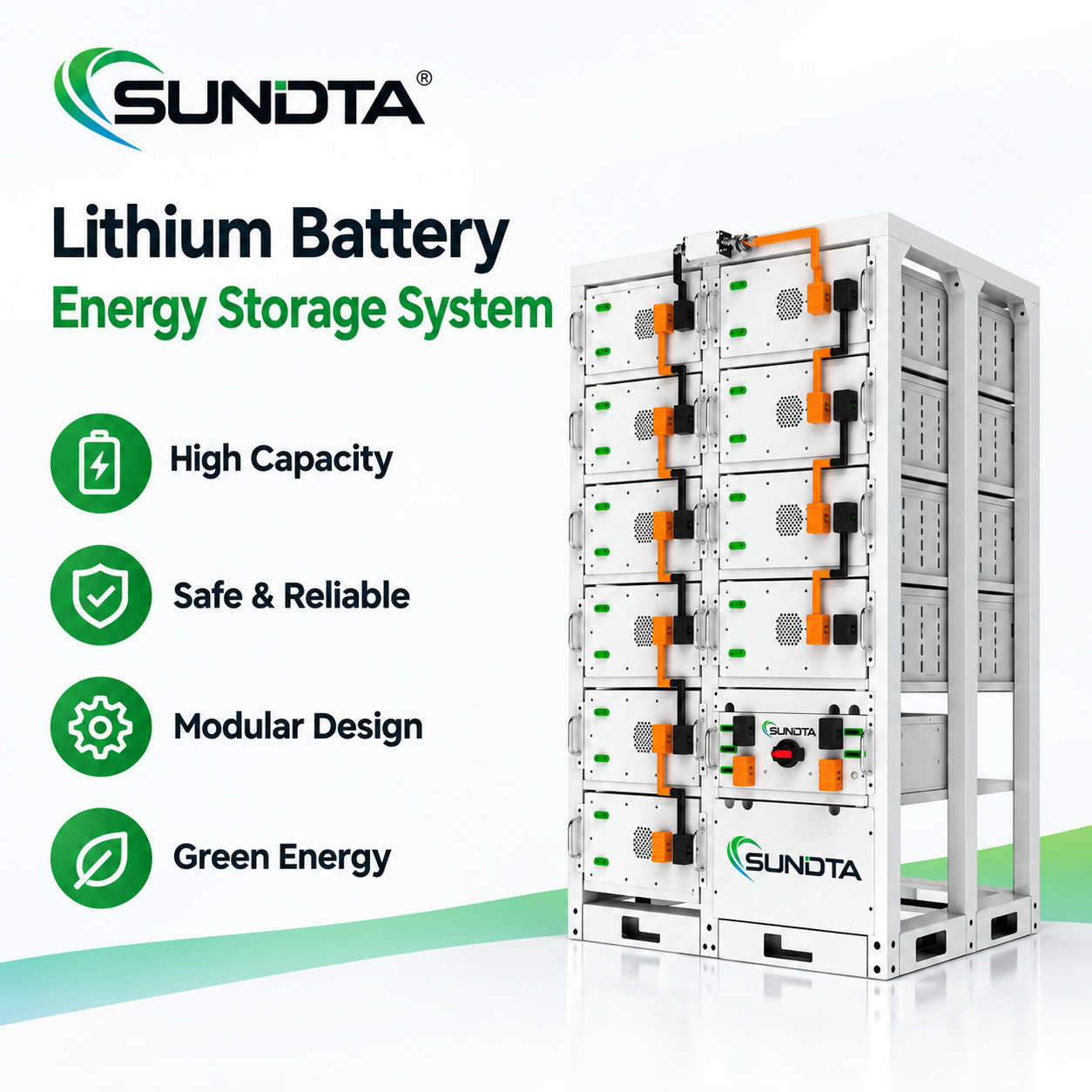
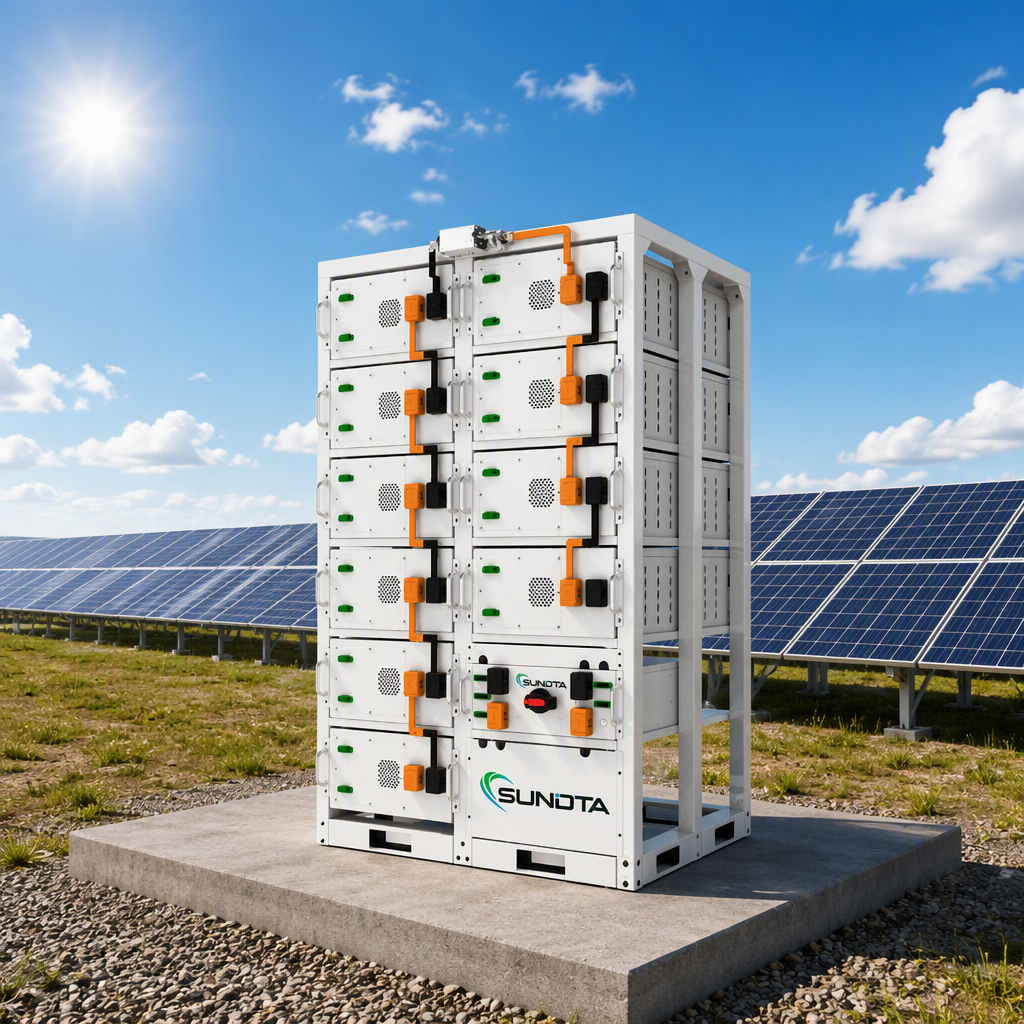
Victorian cold-storage facilities, dairy hubs, and boutique wineries require steady, clean power during expensive peak-tariff intervals. By coupling high-density shingled panels with high-capacity LiFePO4 commercial cabinets (SDT-280), operations achieve rapid peak shaving and self-sufficiency, insulating bottom-line operations from national electricity market volatility.
High wind events, bushfire risk safety shutoffs, and distribution feeder maintenance frequently disrupt power across fringe communities. RJV whole-house hybrid kits, configured with high-cycle stackable lithium systems, deliver uninterrupted islanding with automatic microsecond changeover, keeping water pumps, comms, and medical refrigeration active.
Understanding the physics of Electrically Conductive Adhesive (ECA) interconnection versus conventional copper busbar ribbon welding under Australian operating conditions.
| Performance Parameter | Anhui RJV Shingled Cell Array | Standard Half-Cut Multi-Busbar (MBB) | Victorian Engineering Significance |
|---|---|---|---|
| Thermal Stress & Microcracking | Flexible ECA absorbs thermal contraction; ribbonless overlap eliminates point-stress | Copper ribbons solder-strain silicon under cyclic diurnal thermal swings | Mitigates module degradation from Victoria's rapid 20°C day-to-night temperature drops. |
| Linear Shading Tolerance | Multiple parallel sub-strings continue power production across horizontal shadow lines | Shading over a single cell group cuts current across one-third or half the entire module | Essential for leafy urban installations with chimney, parapet, or tree shade profiles. |
| Operating Surface Temperature | 2–3°C cooler working temperature due to ultra-low internal resistive resistance | Higher internal resistance across inter-cell metal ribbons creates localized heat | Maintains higher energy yield during 40°C+ summer heat events across northern Victoria. |
| Aesthetic Rooftop Profile | Seamless deep-black uniform surface without visible metallic ribbon solder paths | Visible white grid lines and silver busbar ribbons disrupt roof aesthetics | Complies with strict architectural guidelines in heritage-sensitive Melbourne precincts. |
Strategic exporters and local EPCs must navigate the shifting regulatory landscape governed by the Clean Energy Council (CEC), Solar Victoria, and local Distribution Network Service Providers (DNSPs).
Victorian DNSPs—including Citipower, Powercor, AusNet, and United Energy—are increasingly moving away from flat export caps toward dynamic connection agreements. Inverters must support active communications to throttle export when local substations experience reverse power flow. RJV supplies inverter systems with smart gateway protocols ready for direct utility integration.
Hardware selected for Victorian rebate programs (such as the Solar Homes Program) must meet stringent quality criteria, verified on-site by accredited engineers. Tier-1 equivalent performance, fire classification certificates, and TÜV Rheinland supplier audits ensure that our factory shipments streamline documentation pipelines for fast rebate approvals.
With feed-in tariffs in Victoria stabilizing at lower baseline figures, residential solar economics have pivoted entirely toward self-consumption and evening peak arbitrage. Installers are requiring bundled, certified LiFePO4 battery stacks that communicate effortlessly with hybrid inverters without messy third-party protocol adapters.
Headquartered in the high-tech innovation hub of Hefei, Anhui RJV New Energy Co., Ltd. delivers full-chain PV manufacturing and precision system engineering. We eliminate the systemic friction between module makers, power electronics providers, and storage integrators.
Equipped with state-of-the-art ECA shingled stringers, optical laser dicing, and multi-stage EL (electroluminescence) inspection lines to guarantee zero microcracks before final packing.
Every complete solar kit undergoes pre-shipment bench testing where inverter MPPT operational windows and battery BMS CAN/RS485 closed-loop handshakes are verified under full electrical load.
Factory premises and operational workflows are verified by TÜV Rheinland on-site audits. Full product traceability, CE marking, and IEC/UN38.3 test records accompany every export bill of lading.
Whether requiring white-label black-frame shingled panels, custom-branded hybrid systems, or project-specific palletizing to match Melbourne container transport docks, our engineering unit delivers.
Real answers addressing logistics, warranty enforcement, grid matching, and minimum order requirements for trade buyers.
Request container-level wholesale pricing, IEC/AU compliance documentation packs, or a custom-designed hybrid solar system schematic for your upcoming Victorian projects.