Engineered Solar Inverters, Storage Systems & Integrated BOM
Every off-grid power architecture requires seamless protocol compatibility between power electronics, photovoltaic generation, and lithium electrochemical cells. Explore our CE-compliant equipment portfolio.
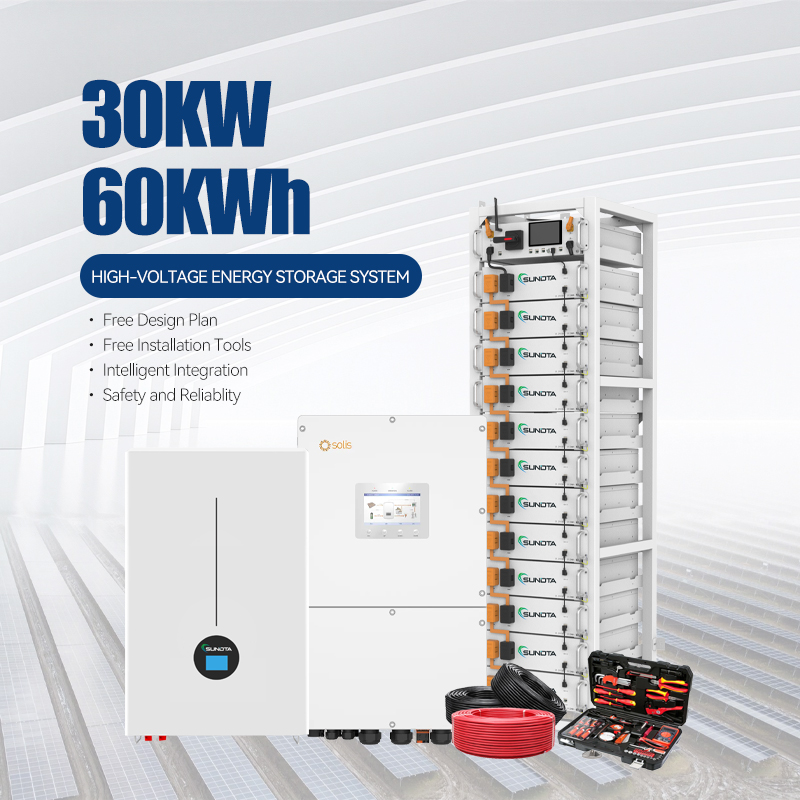
Energy Bank Powerwall 51.2V 314Ah / 200Ah 8kW-10kW LiFePO4 Battery Pack
- Nominal Capacity: 10.24 kWh – 16 kWh modular design
- CAN/RS485 closed-loop comms with off-grid inverters
- Prismatic Grade-A cells with >6,000 cycles at 80% DoD
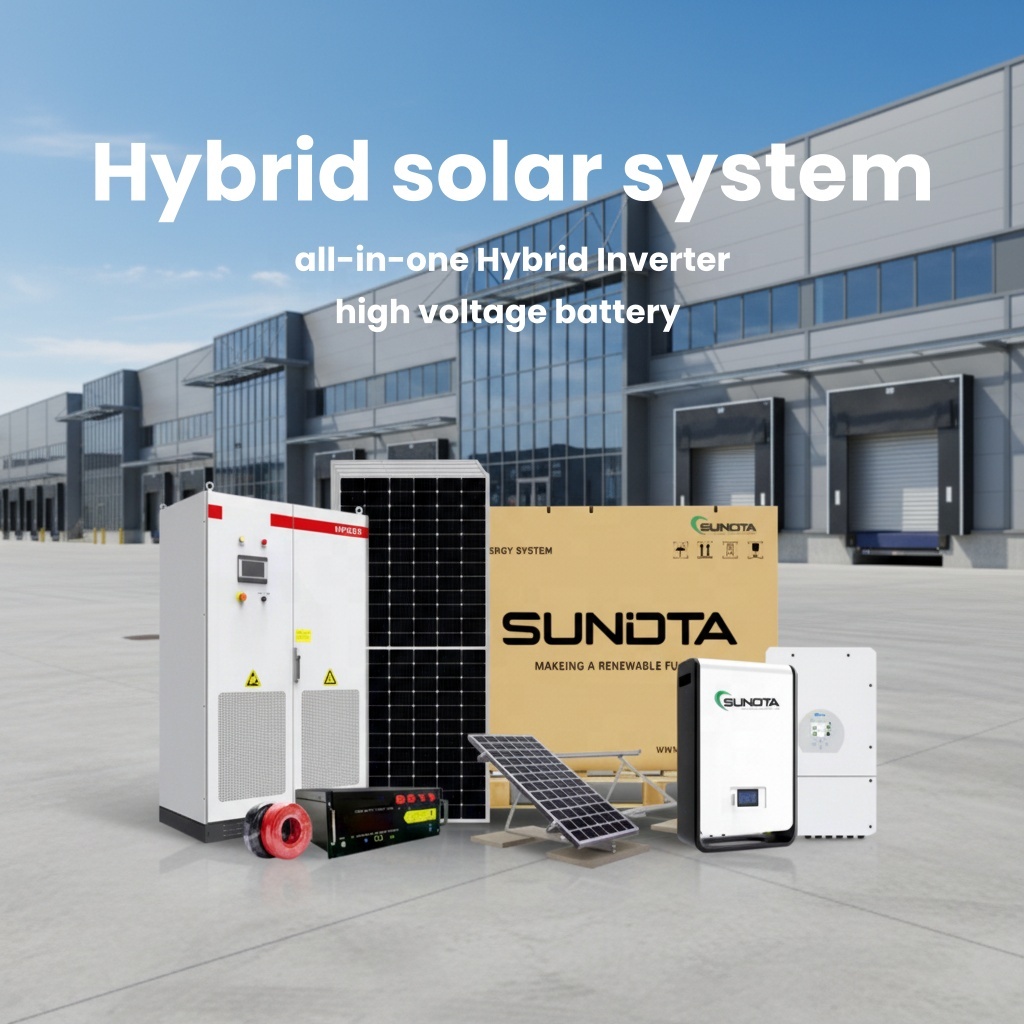
All-in-One Outdoor Cabinet 100kW / 200kW / 500kW LiFePO4 ESS System
- Integrated bidirectional PCS, HVAC, and aerosol fire control
- Seamless on/off-grid transfer time <10ms (UPS grade)
- IP54/IP55 industrial enclosure for rugged field deployment
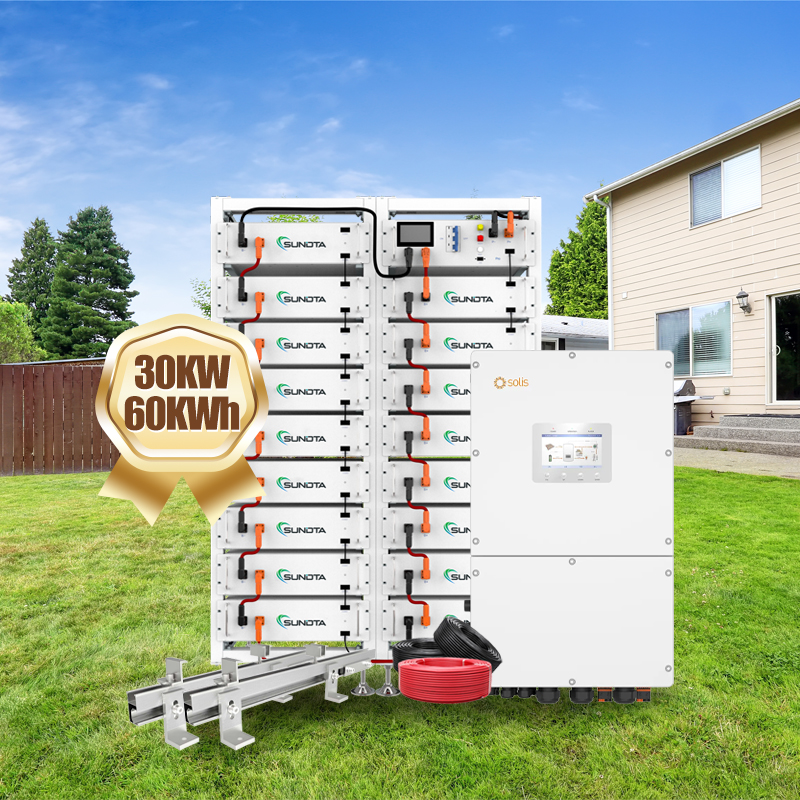
Complete 30kW Hybrid / Off-Grid Solar Power System with EU CE Certification
- Pre-matched three-phase inverter, LiFePO4 rack, and PV array
- Dual MPPT trackers with 99.9% dynamic tracking efficiency
- Pre-wired DC combiner box with Type II surge arrestors
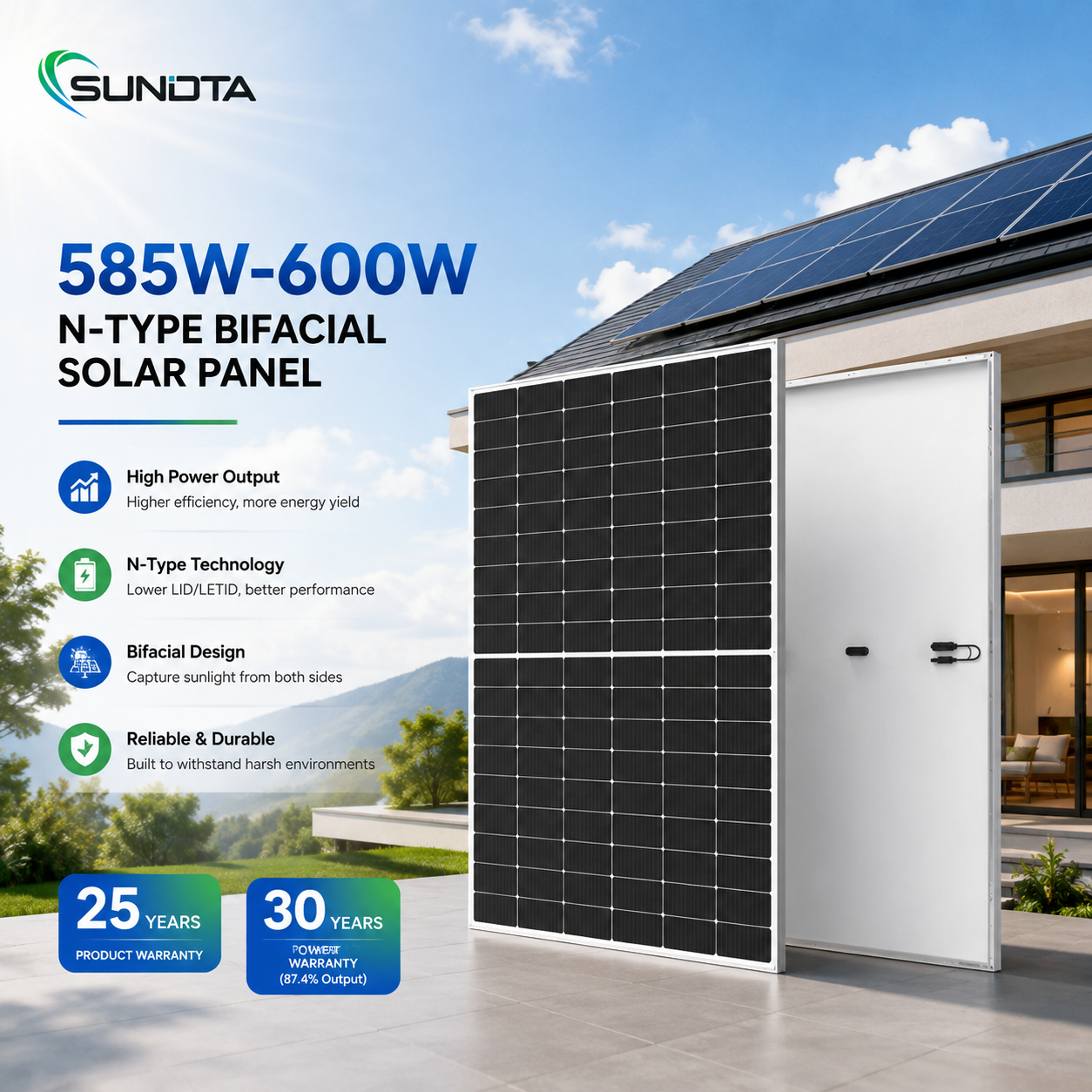
585W-595W Premium N-Type Bifacial Dual-Glass Monocrystalline Module
- Cell Efficiency: 22.8% - 23.1% with lower LID/LETID
- Bifaciality coefficient up to 80% for extra rear yield
- Mechanical load: 5400 Pa snow load / 2400 Pa wind load
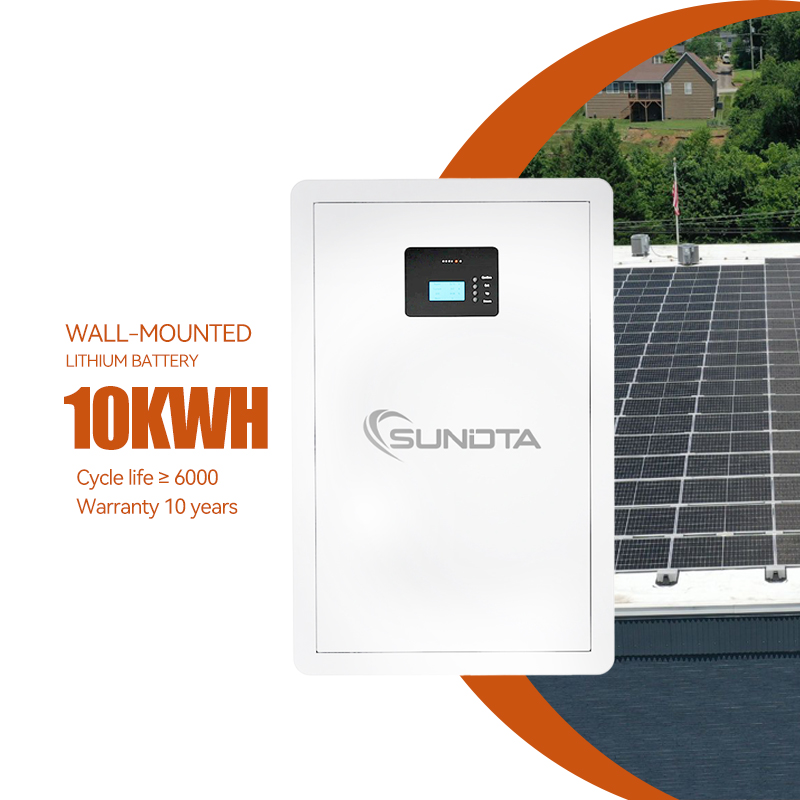
Sundta IP65 10kWh 51.2V 200Ah Wall-Mounted Solar LiFePO4 Battery
- Smart BMS with cell-level active balancing and telemetry
- Compatible with Deye, Solis, Victron, and RJV inverters
- Operating temperature range: -20°C to +55°C
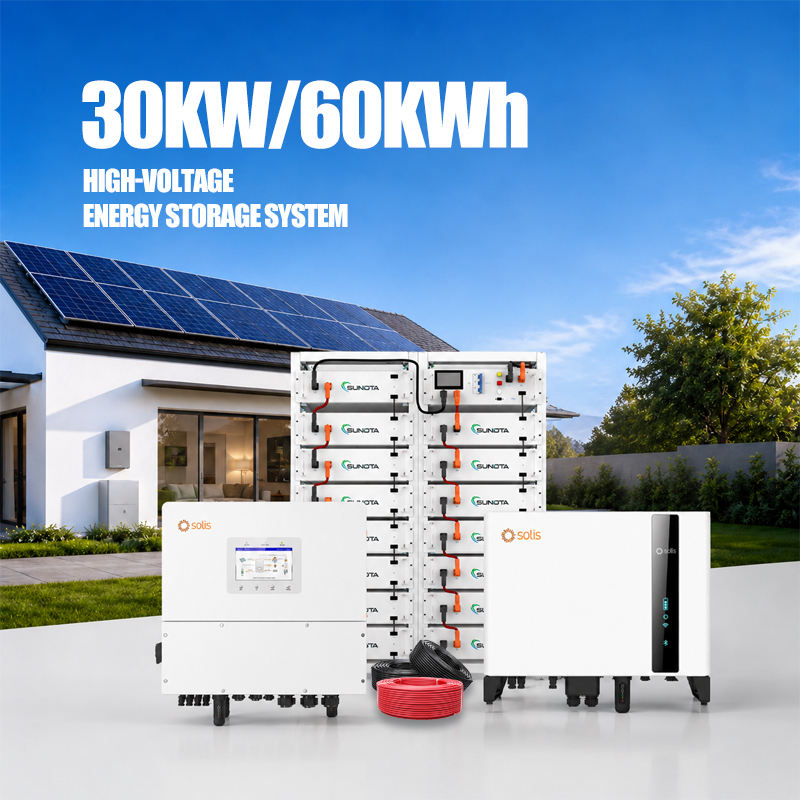
51.2V Split All-in-One 30kWh LiFePO4 Inverter Energy Storage System
- Integrated pure sine wave inverter + high-current MPPT charger
- CE LVD/EMC compliant, zero-export feed limiter built-in
- 120V/240V split-phase or 230V single-phase configurable
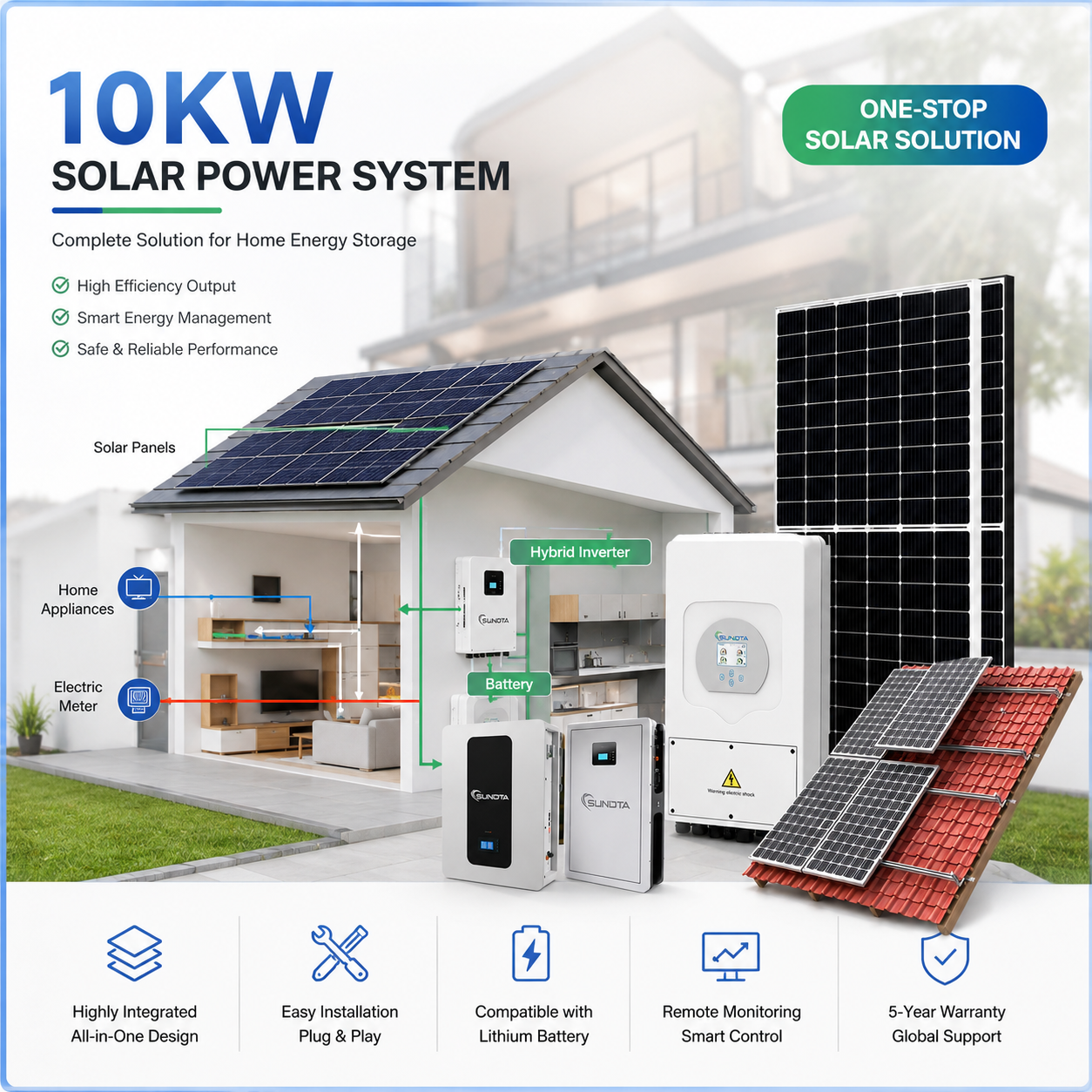
15kW-50kW Hybrid / Off-Grid Solar Power System with Multi-Channel MPPT
- Surge capability: 200% nominal rating for inductive motor kick
- Dual AC terminal for backup loads and non-essential shed
- Automatic generator auto-start contacts and remote monitoring
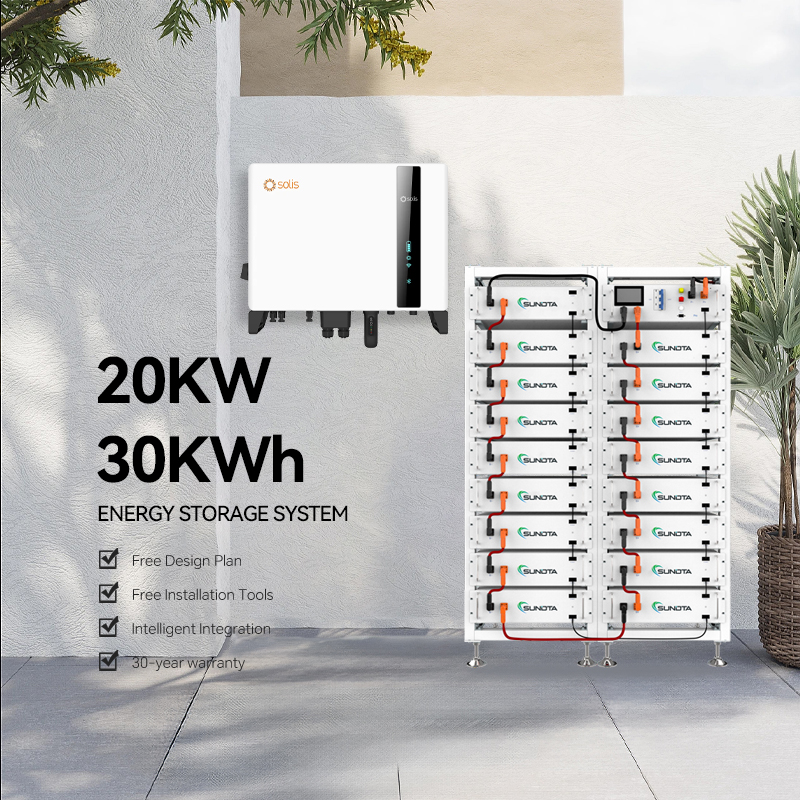
Complete 50kW 3-Phase 380V Hybrid / Off-Grid Solar System (10-50kW)
- Supports 100% unbalanced three-phase backup power output
- HV battery architecture (160V-800V) for reduced I²R losses
- Parallel stacking up to 16 units for MW-class standalone arrays
Engineering Authority: CE Compliance Architecture for Standalone & Off-Grid Inverters
In autonomous photovoltaic engineering, selecting an off-grid inverter is not merely a question of matching kilowatt ratings to immediate load requirements. As an established CE certified off grid inverter manufacturer, Anhui RJV New Energy engineers its power conversion topologies to strictly satisfy the European Union's Low Voltage Directive (LVD 2014/35/EU), Electromagnetic Compatibility Directive (EMC 2014/30/EU), and the specialized product standard EN 62109-1 / EN 62109-2 (Safety of power converters for use in photovoltaic power systems).
Standalone inverters operate under electrical stresses far more severe than traditional grid-tied systems. Without the infinite inertia of a centralized utility grid to absorb instantaneous current spikes, the off-grid inverter must serve as the primary voltage reference, frequency stabilizer, and dynamic fault-clearing mechanism. CE certification verifies that our units maintain total harmonic distortion (THD) under 2.5% for pure sine wave outputs, withstand high surge currents when inductive loads ignite, and feature galvanic or functional insulation that prevents high-voltage DC arrays from bridging into residential AC distribution boards.
Surge Current Dynamic Handling
Equipped with heavy-duty toroidal copper transformers or advanced SiC H-bridge switches, delivering 200% surge capacity for 10 consecutive seconds to start deep-well pumps, refrigeration compressors, and heavy CNC equipment without voltage sag.
Galvanic Low-Frequency Isolation
For installations exposed to harsh atmospheric conditions or erratic utility inputs, our low-frequency line incorporates heavy iron-core isolation, blocking ground loops, high-frequency common-mode noise, and secondary lightning surges from reaching load buses.
EMC Class B Compliance
Designed with multi-stage LC electromagnetic filters and shielding chokes, ensuring radiated and conducted emissions comply with EN 61000-6-3, guaranteeing zero interference with VHF marine radios, telecommunication base stations, or sensitive medical monitoring equipment.
Topology Comparison: Low-Frequency Transformer vs. High-Frequency Transformerless
Commercial EPCs and system integrators must weigh the trade-offs between low-frequency (LF) transformer-isolated units and high-frequency (HF) switching platforms when designing off-grid microgrids. Below is the technical selection matrix applied by RJV field engineers:
| Evaluation Parameter | Low-Frequency (Toroidal Transformer) | High-Frequency (DSP Transformerless) | Engineering Recommendation |
|---|---|---|---|
| Peak Surge Factor | Up to 300% for 20ms; 200% for 10s | 150% - 200% for 1-3 seconds | LF for mining, workshops, heavy induction motors. |
| Tare / Idle Losses | 1.5% - 2.8% of nominal inverter power | <0.5% - 0.8% of nominal inverter power | HF for modern passive residential homes & telecom towers. |
| Galvanic Isolation | Full physical dielectric isolation | Functional capacitive isolation | LF mandatory for unstable grids and marine environments. |
| Power Density & Weight | Heavy (approx. 45-75 kg per 10kW) | Ultra-compact (approx. 18-32 kg per 10kW) | HF offers significantly lower international air/sea freight costs. |
| Operating DC Voltage Bus | Typically low-voltage (48V / 51.2V) | Flexible: LV (48V) or HV (150V - 600V) | HV HF topology yields 97.6% efficiency via thinner DC cabling. |
Technology & Procurement Forecast: The Evolution of Off-Grid Power Systems (2025–2030)
The global standalone solar market is undergoing a structural paradigm shift. Historically, off-grid equipment was viewed as a rustic fallback for rural electrification where grid connection was physically impossible. Today, escalating utility rate volatility, extreme climate-induced grid outages across Europe and the Americas, and the rapid decentralization of industrial manufacturing have transformed off-grid and multi-source microgrids into primary energy strategies.
1. WBG Semiconductors (SiC & GaN) Dominating Next-Gen Inverter Topologies
Silicon Carbide (SiC) MOSFETs are actively replacing conventional Silicon IGBTs in high-frequency inverter stages. Operating at switching frequencies exceeding 100 kHz, SiC-based off-grid inverters slash heat dissipation by up to 42%, enabling fully fanless, passively cooled IP66 outdoor enclosures. For B2B suppliers and wholesalers, stocking SiC-enabled units translates to drastically reduced warranty claims caused by mechanical fan failures in dusty desert and tropical installations.
2. The Convergence of High-Voltage Lithium Batteries and Distributed MPPT
While 48V/51.2V low-voltage battery banks remain the benchmark for residential backup below 15 kW, high-voltage battery banks (ranging from 160V to over 800V DC) are claiming market share in the 20kW to 100kW C&I segment. By elevating the DC bus voltage to mirror the peak AC output voltage, the inverter bypasses high-ratio step-up boost transformers. This eliminates I²R resistive thermal losses, allows EPC contractors to utilize 6mm² or 10mm² battery cables rather than unwieldy 70mm² or 95mm² copper trunks, and improves overall system round-trip efficiency (RTE) from 88% to above 94%.
3. Native Closed-Loop Communication & Unified BMS Protocols
A persistent vulnerability in historical off-grid procurement has been the "protocol mismatch" between third-party lithium BMS units and off-grid inverter charge algorithms. Modern procurement requires native closed-loop CANbus and RS485 handshakes. RJV solar inverters and energy storage units communicate continuously, reporting real-time State of Charge (SoC), State of Health (SoH), cell temperatures, and dynamically modulating Charge Current Limits (CCL) and Discharge Current Limits (DCL). This completely eliminates dangerous lead-acid style open-circuit voltage estimation errors.
4. Multi-Port Microgrid Management: AC-Coupled, DC-Coupled, & Smart Genset Integration
Off-grid systems are rarely isolated PV-plus-battery units today. Modern off-grid architecture integrates dual AC auxiliary ports. As demonstrated in RJV's 15kW-50kW series, the inverter features integrated dry contacts that trigger diesel or LPG generators only when battery State of Charge drops below programmable thresholds (e.g., 15%). Furthermore, frequency-shifting power curtailment allows AC-coupled grid-tie micro-inverters to synchronize with the off-grid inverter's micro-frequency without causing over-voltage shutdowns.
Manufacturing Authority: Anhui RJV New Energy Co., Ltd.
Headquartered in the Innovation Industrial Park, Hefei, Anhui, China—the globally recognized capital of photovoltaic research and high-voltage power electronics—Anhui RJV New Energy Co., Ltd. stands as a premier multispecialty manufacturer and global engineering partner. Backed by 12+ years of technical leadership, RJV bridges the gap between individual equipment supply and turnkey microgrid integration.
2 GW Annual Photovoltaic Capacity
Fully automated module assembly lines operating under Class 100,000 cleanroom standards, utilizing high-precision stringer soldering, multi-busbar (SMBB) alignment, and dual EL defect inspection.
TÜV Rheinland Audited Facility
Full manufacturing traceability audited on-site by TÜV Rheinland. Every batch of inverters and batteries undergoes full electrical stress testing, elevated temperature burn-in, and safety interlock validation.
38 Proprietary Patents & AAA Credit
Our engineering division holds 38 utility and design patents covering high-frequency MPPT tracking, battery equalization algorithms, and hybrid grid-island switching topologies, verified with an official AAA enterprise credit status.
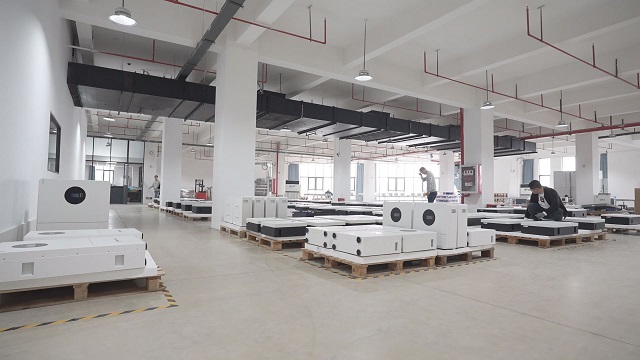
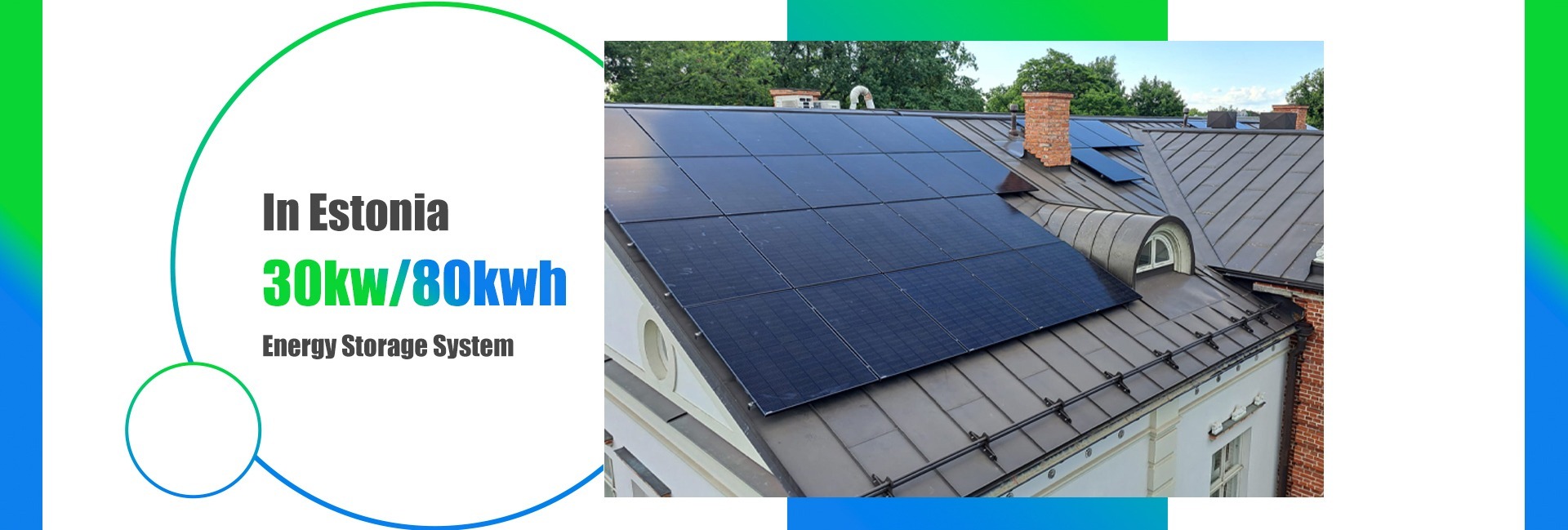
Factory Production, Testing & Global Exhibition Footprint
We invite international B2B buyers, EPC procurement executives, and distribution partners to review our actual operational infrastructure:


Technical & Commercial Procurement FAQ: Off-Grid Inverters & Systems
To assist EPC contractors, customs brokers, and municipal buyers, our electrical engineering team has addressed the ten most critical technical inquiries encountered during project sizing and customs import clearance.
Request Your Custom Sized Off-Grid System & Wholesale Pricing
Send our senior engineering team your site location, anticipated daily kilowatt-hour load profile, and target delivery port. We will return a comprehensive single-line electrical diagram (SLD), complete bill of materials, and an itemized quotation within one business day.