Precision-Engineered Energy Storage & Solar Solutions
Discover our field-tested LiFePO4 battery modules, multi-string hybrid inverters, Tier-1 N-Type TOPCon panels, and high-voltage commercial battery cabinets designed for seamless closed-loop communication.
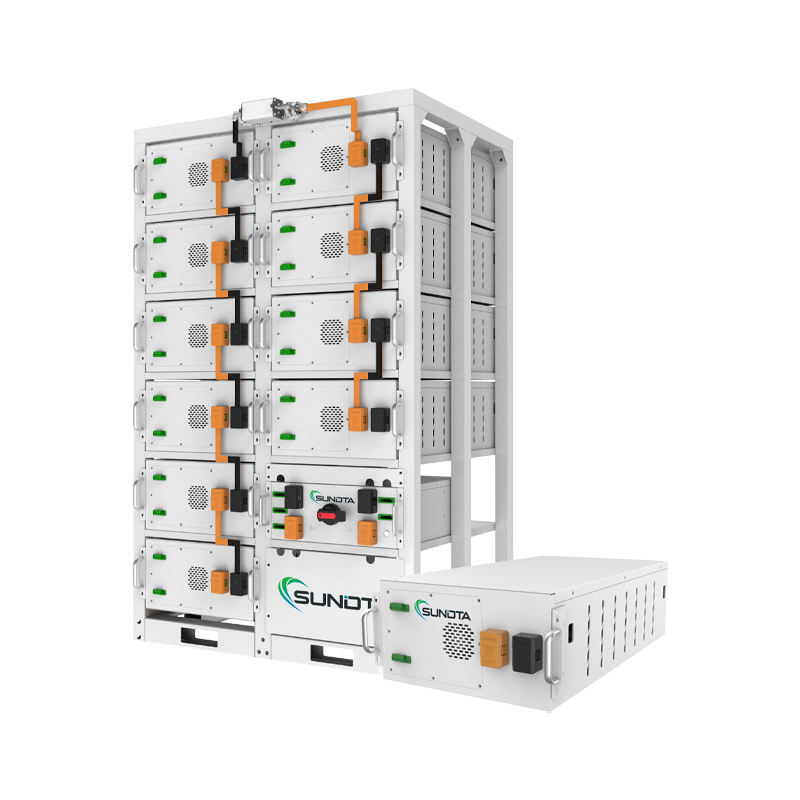
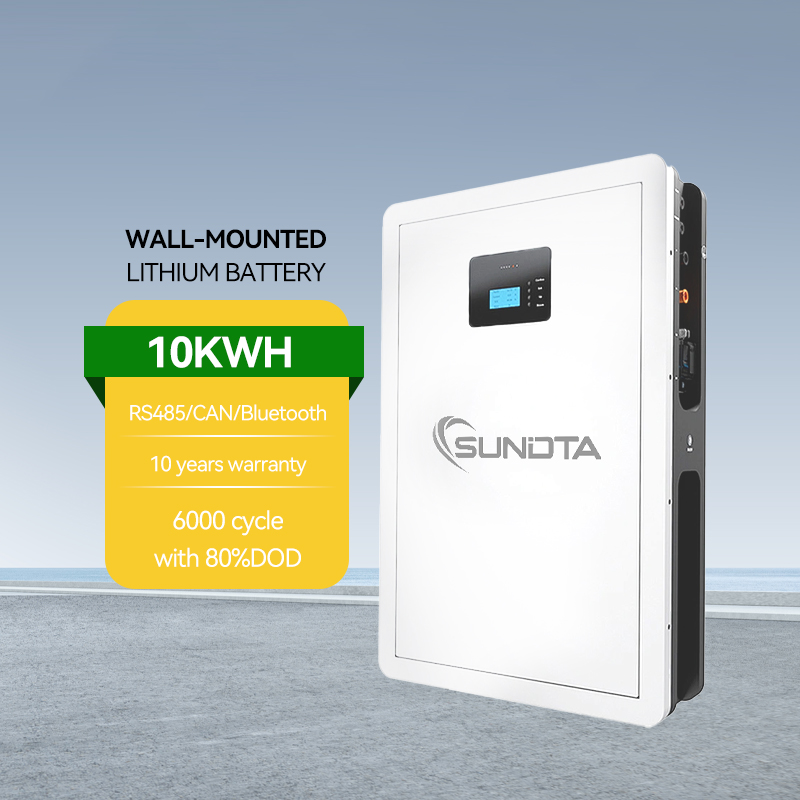
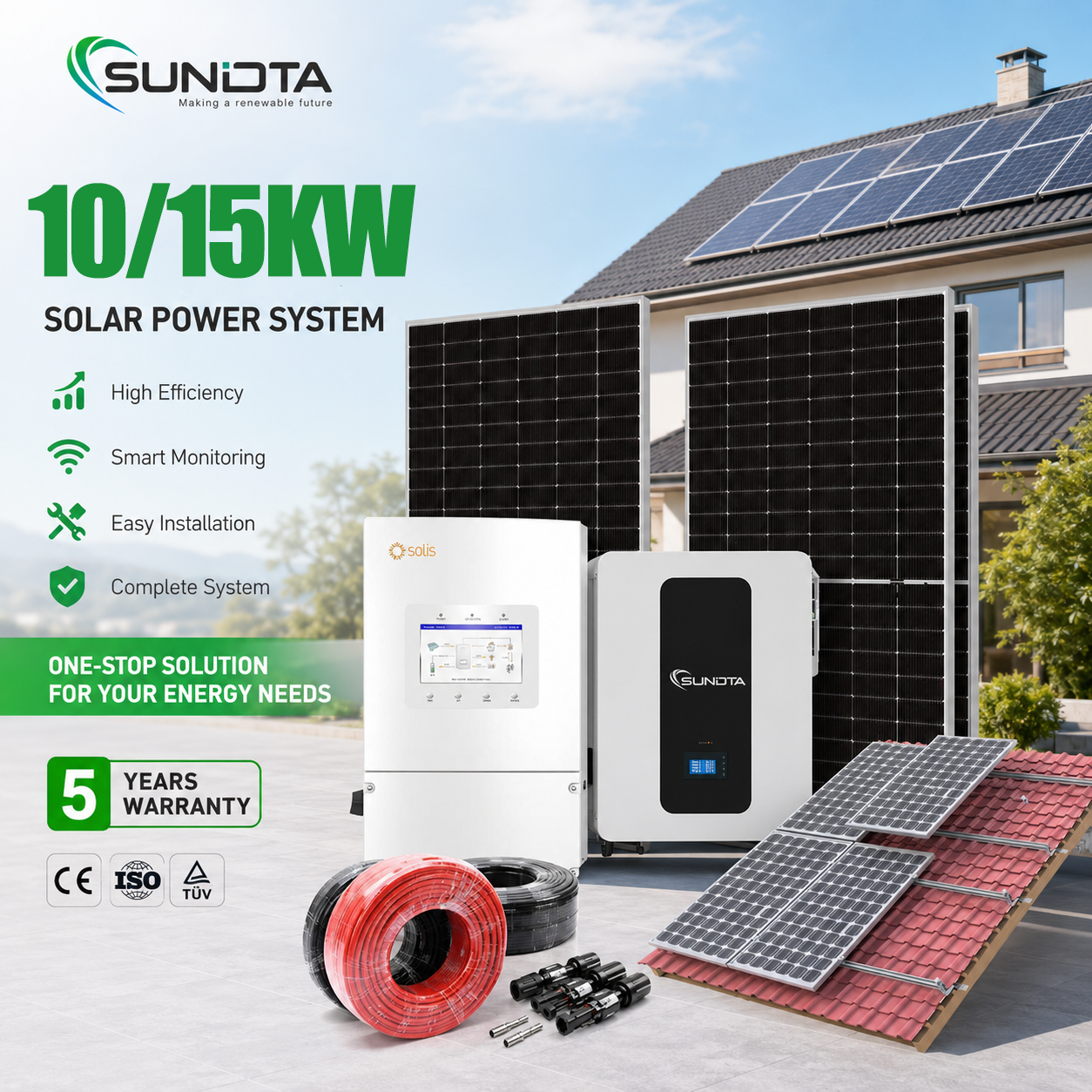
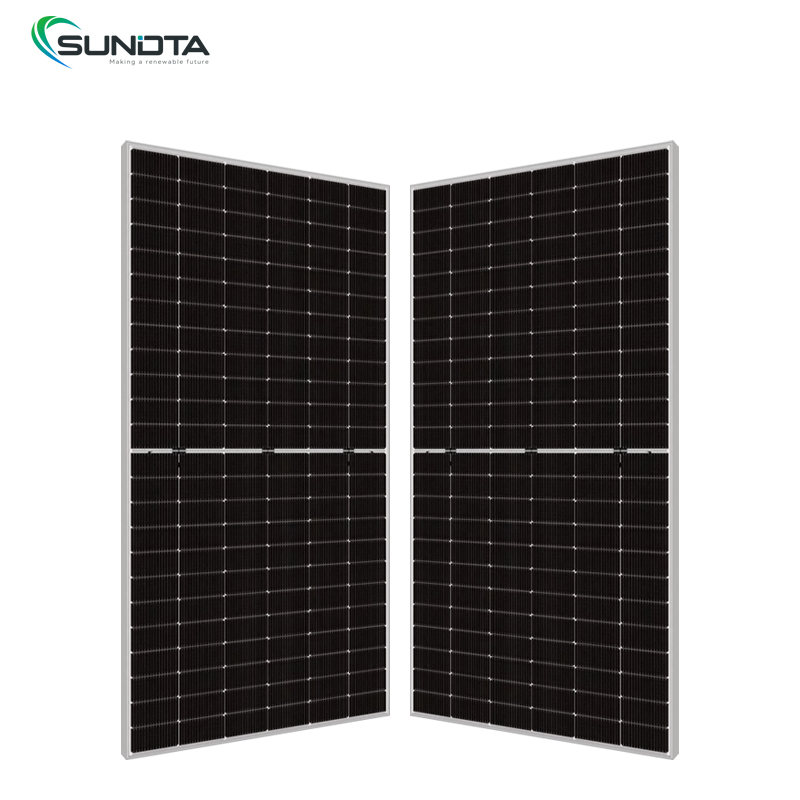
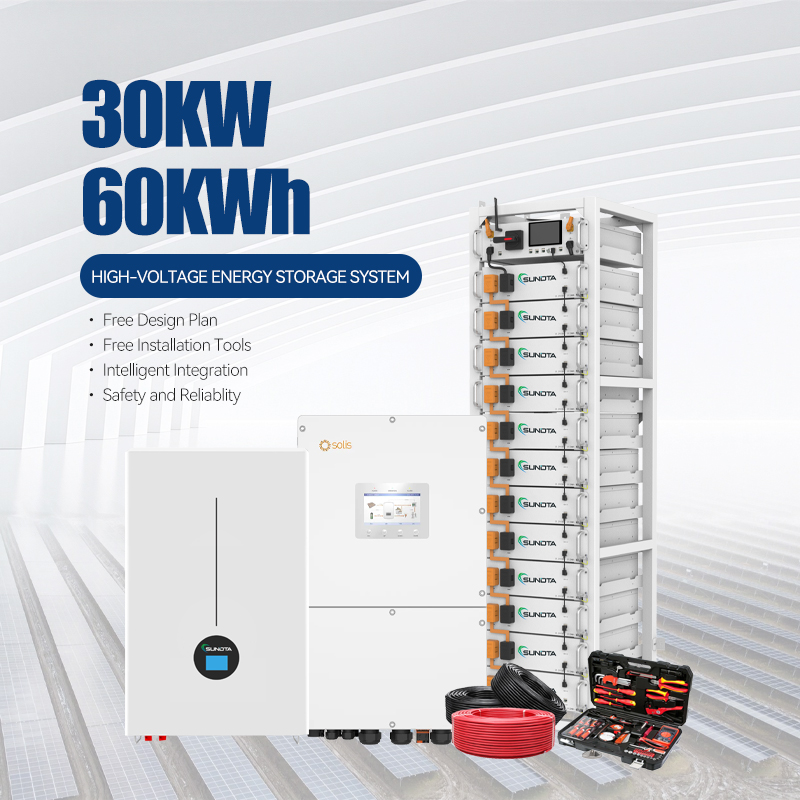
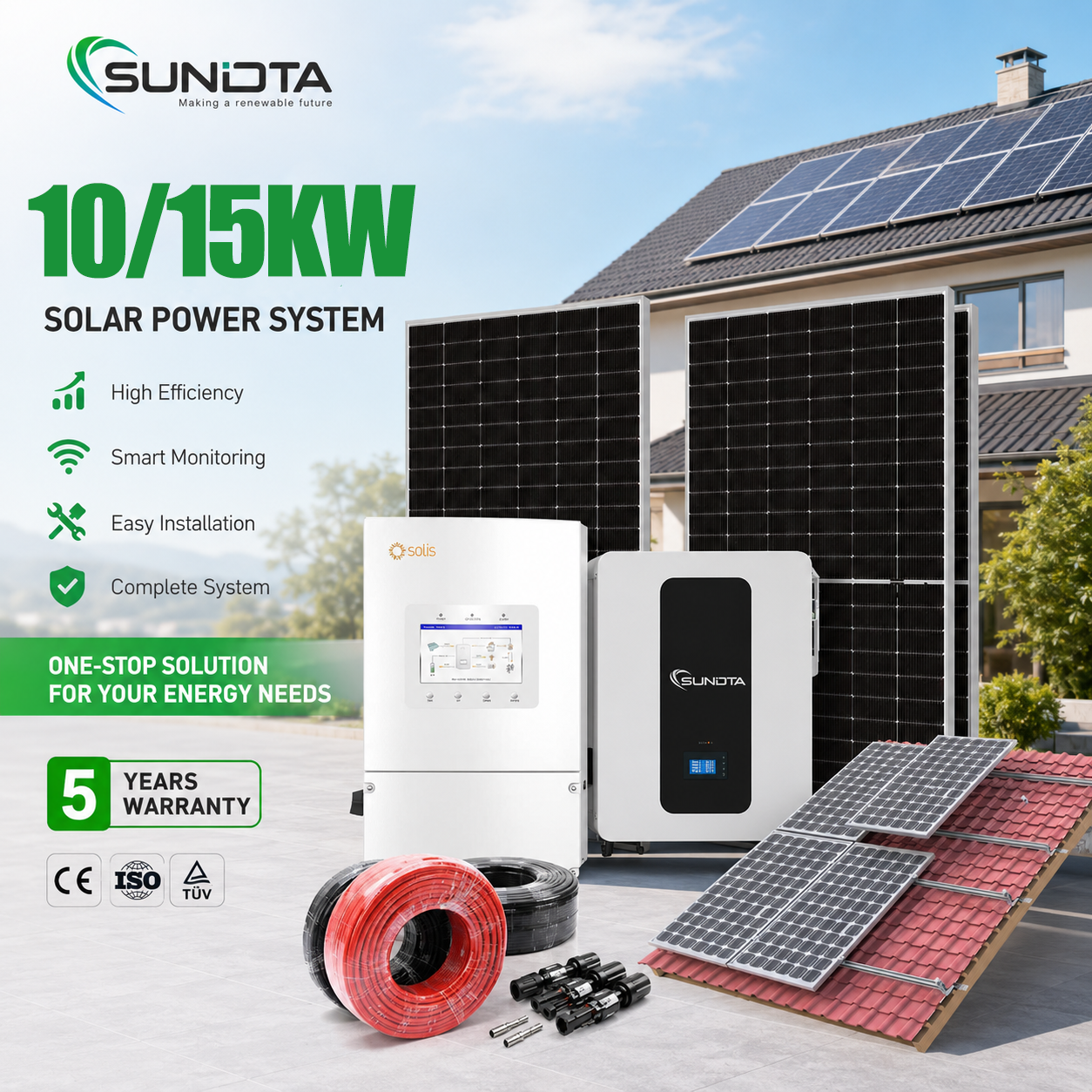
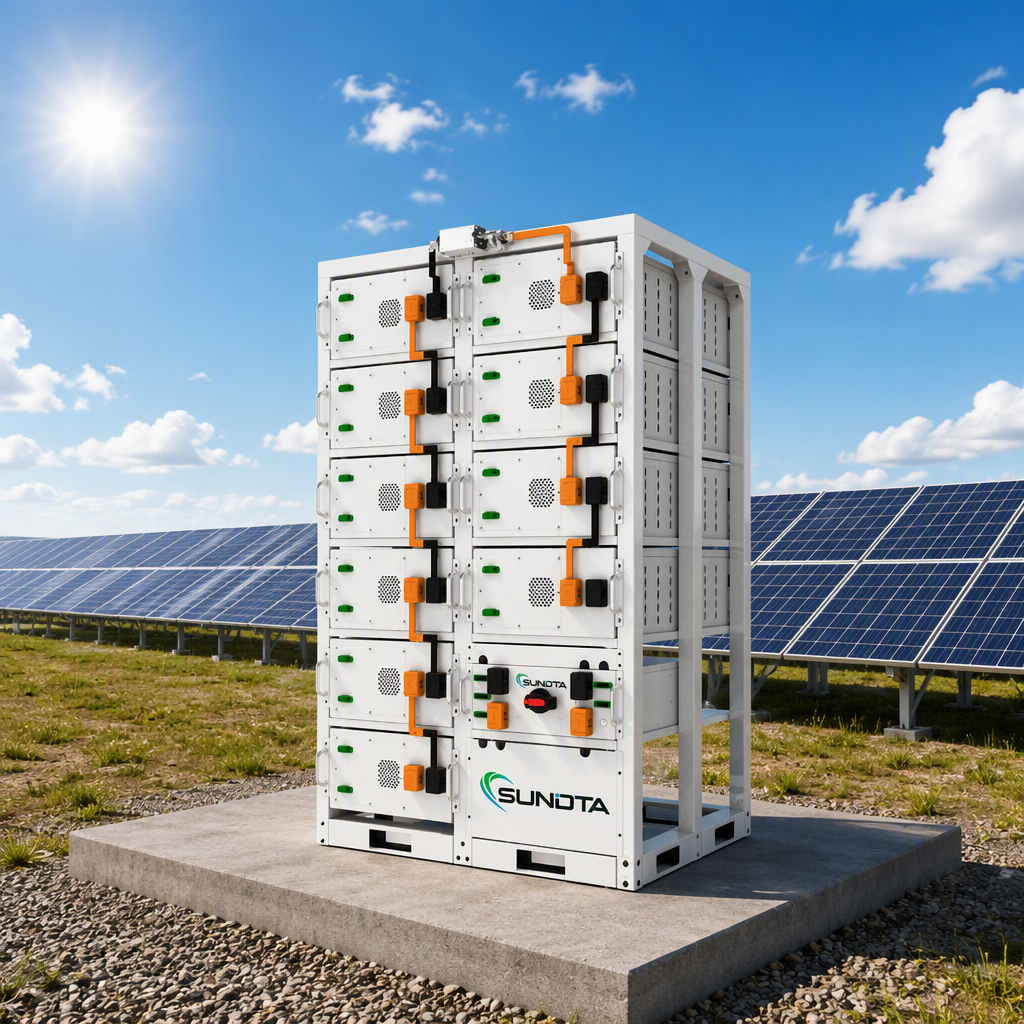
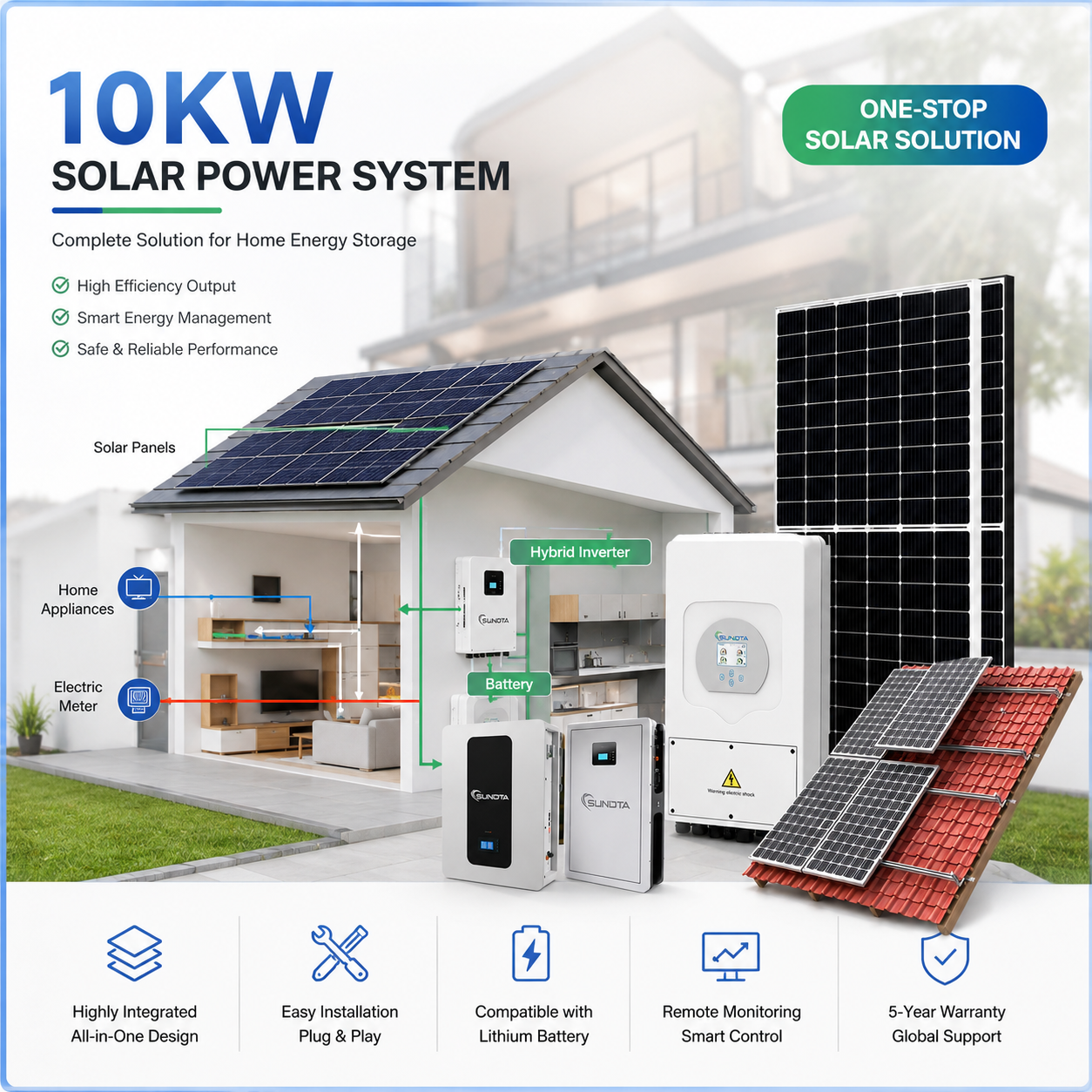
Anhui RJV New Energy: Delivering Utility-Grade Reliability from Hefei to the Global Grid
Founded at the heart of China’s premier photovoltaic and battery manufacturing cluster in Hefei, Anhui RJV New Energy Co., Ltd. has spent over 12 years pioneering smart renewable energy systems. Operating with an annual PV module capacity exceeding 2 GW and having delivered over 500 MW of solar and battery projects worldwide, our team engineers robust, field-tested solutions that eliminate the single points of failure typical of multi-vendor sourcing.
Unlike standard trading intermediaries, RJV operates as a multispecialty manufacturer and integration power plant. Assessed and certified on-site by TÜV Rheinland, our production lines adhere strictly to ISO 9001, ISO 14001, and ISO 45001 management protocols. Every containerized battery system (BESS), from 40-foot utility blocks down to 51.2V commercial powerwalls, undergoes multi-stage Factory Acceptance Testing (FAT), encompassing high-potential dielectric breakdown tests, thermal chamber thermal cycling, and closed-loop BMS communication protocol verification before export.
Audited Factory Operations
Headquartered at Phase I, Innovation Industrial Park, No. 800 Wangjiang West Road, Hefei, our production infrastructure bridges cell-level sorting with multi-megawatt container mechanical engineering:
Inside Modern 20ft & 40ft Utility-Scale Containerized BESS
A granular look at high-density lithium iron phosphate cell packaging, 1500V DC topologies, liquid thermal management systems, and three-tier BMS safety architecture.
The Evolution from Distributed Cabinets to Megawatt Utility Enclosures
Modern containerized energy storage systems (BESS) represent the ultimate synthesis of chemical, mechanical, electrical, and thermal engineering. As utility grids and energy developers shift away from centralized fossil generation, the demand for high-density, rapidly deployable containerized systems has surged. China’s manufacturing ecosystem, spearheaded by Anhui RJV New Energy, has catalyzed the standard transition from older 1000V DC architectures to cutting-edge 1500V DC containerized systems. Operating at 1500V reduces auxiliary cabling cross-sections, cuts overall ohmic losses by up to 35%, and optimizes the conversion efficiency of the central Power Conversion System (PCS).
Central to our container architecture is the strategic adoption of 280Ah and next-generation 314Ah prismatic LiFePO4 cells. In standard 20-foot high-cube ISO shipping container footprints, this leap in gravimetric and volumetric energy density allows Anhui RJV to engineer capacities exceeding 3.72MWh to 5.016MWh in a single transportable module. These units are shipped fully assembled, drastically minimizing field assembly labor and eliminating on-site high-voltage wiring errors.
Liquid-Cooled vs. Forced-Air Thermal Management Dynamics
Thermal consistency across large cell strings dictates whether a battery bank reaches its theoretical 6,000–8,000 cycle lifespan or suffers accelerated capacity fade. In older air-cooled enclosures, parasitic HVAC fan power typically accounted for 8% to 15% of daily energy overhead, while internal temperature gradients across cell stacks frequently exceeded 6°C to 8°C.
RJV's industrial containerized energy storage solutions feature balanced micro-channel liquid-cooling cold plates coupled with an intelligent variable-speed thermal chiller. By circulating glycol-water coolant directly under each cell cluster, the maximum cell-to-cell delta-T is tightly held under 2.5°C, even during prolonged 0.5C to 1C continuous charge-discharge regimes. This uniform thermal profile reduces auxiliary parasitic loads by 30%, elevates round-trip efficiency (RTE) past 90%, and extends operational asset life past 15 years.
Safety Through Hardware & Firmware Redundancy
Our commercial and containerized systems incorporate a three-tier hierarchical Battery Management System that continuously communicates with PCS and SCADA platforms:
NFPA 855 & UL 9540A Active Fire Suppression
Every RJV container is outfitted with multi-sensor combustible gas detection (H2, CO, VOCs) that triggers before smoke or thermal runaway ensues. Dual-stage suppression combines rack-level aerosol or Novec 1230 gas flooding with dry-pipe water mist deluge and roof-mounted deflagration relief panels engineered in accordance with NFPA 68/69.
| Architecture Parameter | Legacy Air-Cooled (280Ah Basis) | RJV Advanced Liquid-Cooled (314Ah Basis) | Engineering Benefit to Developer |
|---|---|---|---|
| 20ft Container Capacity | 1.5 MWh – 2.5 MWh | 3.72 MWh – 5.016 MWh | 100% higher volumetric density; halves required civil foundation footprint. |
| Cell Delta-T Under 0.5C | 5.0°C – 8.0°C | ≤ 2.2°C – 2.5°C | Dramatically reduces cell degradation variance, avoiding premature string retirement. |
| HVAC Parasitic Consumption | 10% – 14% of gross power | 4% – 7% of gross power | Significantly higher daily net export revenue across 15-year PPA contracts. |
| DC Bus Nominal Voltage | 1000 VDC | 1500 VDC (1200V–1500V range) | Lower conductor mass, reduced copper costs, fewer PCS inverter modules required. |
| Cycle Life (@ 80% DOD, 25°C) | 4,500 – 6,000 cycles | 8,000 – 10,000 cycles | Lowers Levelized Cost of Storage (LCOS) by an estimated $0.018/kWh. |
Future Procurement Trends for Containerized BESS
Strategic purchasing managers must navigate technological shifts and regulatory demands. Here is where the global energy storage procurement landscape is moving over the next 3 to 5 years.
1. Standardization of 314Ah+ High-Capacity Cells
The global BESS procurement standard has decisively migrated from 280Ah cells toward 314Ah and 500Ah+ form factors. Maintaining the exact same physical dimensions as the 280Ah cell, 314Ah chemistry elevates energy density by 12% at zero mechanical footprint penalty. By contracting early for 314Ah-based production lines with RJV, international buyers secure immediate logistical freight savings, reducing container ocean shipping cost per kilowatt-hour by 18%.
2. String PCS vs. Central Inverter Topologies
Utility projects are increasingly transitioning from massive multi-megawatt centralized inverters to decentralized string PCS architecture (215kW–300kW modular converters per rack). String PCS designs isolate cell-degradation mismatches to individual battery strings, eliminating the "barrel effect" where one failing module drags down the entire array. Furthermore, mean time to repair (MTTR) drops from 48 hours to under 45 minutes.
3. Mandatory Grid-Forming Capabilities
Transmission operators in the UK, Europe, Australia, and the US now penalize simple grid-following inverters. The future of utility storage procurement centers on grid-forming (GFM) inverters capable of providing virtual synchronous machine (VSM) inertia, black-start capabilities, and sub-transient grid voltage stabilization during deep line faults. RJV systems integrate PCS platforms engineered to support dynamic synthetic inertia.
4. 4-to-8 Hour Long-Duration Energy Storage (LDES)
While frequency regulation historically drove 1-hour to 2-hour (1C to 0.5C) installations, capacity markets and solar-smoothing mandates have extended target discharge durations to 4, 6, and 8 hours (0.25C to 0.125C). System procurement demands shifting thermal design priorities from extreme high-amperage heat dissipation to low-quiescent standby losses and exceptionally low cyclic degradation over extended dwell times.
5. Battery Passport & Lifecycle Carbon Accounting
With the phase-in of the European Union Battery Regulation (EU 2023/1542), B2B buyers must procure from suppliers capable of issuing verifiable digital battery passports. RJV prepares full supply chain carbon footprint disclosures, documenting ethical sourcing of lithium carbonate, responsible supply chain verification, and recyclability pathways for every delivered megawatt.
6. AI-Driven Predictive BMS & Digital Twins
Cloud-connected SCADA platforms now leverage neural network algorithms to predict internal short circuits weeks before micro-volt thermal anomalies trigger physical sensors. By tracking impedance growth and differential voltage deltas in real-time, asset managers can execute condition-based module replacements during routine maintenance rather than emergency outages.
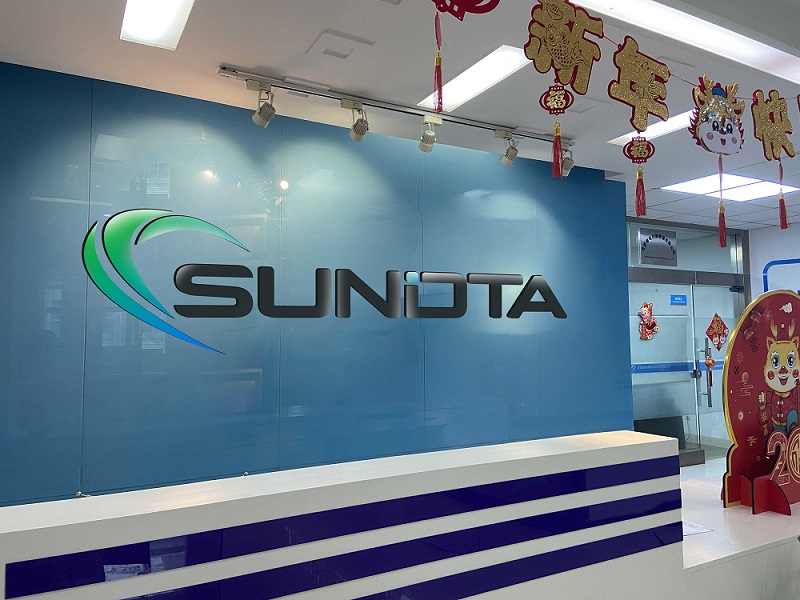
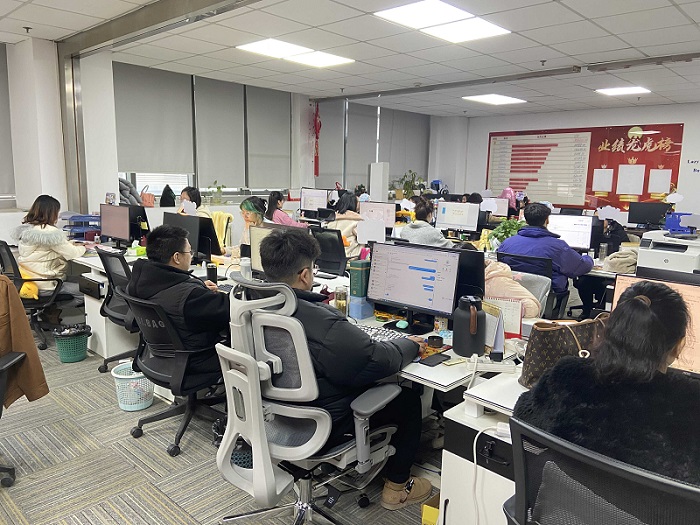
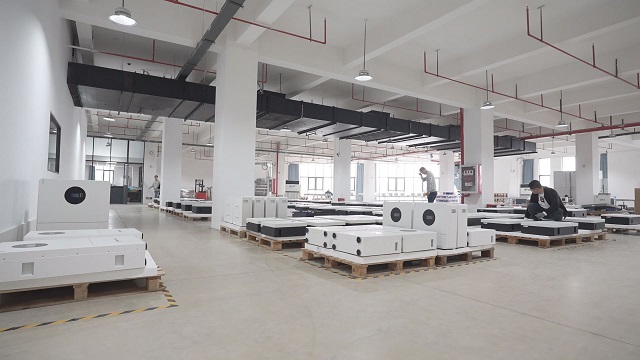
Inside Anhui RJV New Energy: Factory Facilities
Transparency from raw cell incoming inspection through to robotic automated module assembly, inverter testing, and final container packaging.
Frequently Asked Questions by EPCs & Battery Importers
Direct technical and commercial answers addressing compliance, battery chemistry, freight protocols, and factory customization.
What international fire safety and grid interconnection certifications accompany RJV containerized BESS?
Our complete systems, sub-assemblies, and battery racks are engineered to comply with the most stringent North American, European, and Australian safety mandates:
Cell & Pack Level: Tested and certified to IEC 62619, UL 1973, and UN 38.3. Furthermore, extensive UL 9540A thermal runaway propagation testing has been conducted to prove zero fire spread to adjacent racks.
System Level: Turnkey enclosures adhere to UL 9540, NFPA 855 installation parameters, CE-LVD, and CE-EMC. Inverters carry IEEE 1547, UL 1741-SB, and VDE-AR-N 4105 grid interconnection approval.
Full third-party test reports, flash data files, and Declarations of Conformity are transmitted with formal project quotations.
How does Anhui RJV guarantee communication compatibility between batteries and hybrid inverters?
Mismatched communication protocols are the primary cause of prolonged on-site commissioning delays. RJV eliminates this issue by maintaining factory-level software and firmware integration with market-leading inverter manufacturers, including Deye, Solis, Sungrow, Growatt, and GoodWe.
Our BMS master units feature pre-programmed CAN 2.0B and RS485 communication profile selectors. During the pre-shipment FAT stage, our engineering team loads your designated inverter protocol and performs physical closed-loop bench testing to guarantee handshake recognition of real-time state-of-charge (SOC), allowable charge current (CCL), discharge limits (DCL), and fault alerts.
What are the minimum order quantities (MOQ), OEM lead times, and supported Incoterms?
We accommodate both fast-turnaround distributor replenishments and multi-megawatt project schedules:
- Standard LiFePO4 Packs & Inverters: MOQ starts from 1 piece/set. Standard stock items ship within 3–7 business days.
- Commercial High-Voltage Cabinets (40–100kWh): MOQ is 1 unit, with lead times averaging 15–20 days for custom voltages.
- Containerized BESS (1MWh to 5MWh): Engineered-to-order containers typically require 35–45 days for full integration, testing, and container certification.
Supported delivery terms include FOB (Shanghai/Ningbo), CFR, CIF, and EXW factory pick-up. We accept T/T, Irrevocable Letters of Credit (L/C at sight), and secure commercial payments.
How are Class 9 Dangerous Goods sea shipments and maritime documentation handled?
Lithium iron phosphate batteries and pre-integrated BESS containers are classified as UN 3480 / UN 3536 (Class 9 Dangerous Goods). Sourcing from inexperienced traders often leads to port demurrage or vessel refusal.
Anhui RJV maintains an in-house dangerous goods documentation and logistics team. Every shipment includes official UN 38.3 test summaries, MSDS (Material Safety Data Sheets), Dangerous Goods Packaging Certificates issued by China Maritime Authorities, and valid CSC container safety certificates for standard shipping lines (COSCO, Maersk, MSC, Evergreen).
What performance warranties and degradation thresholds are guaranteed in the supply contract?
Our Tier-1 LiFePO4 energy storage systems come with enforceable 10-year linear performance warranties. We guarantee a minimum remaining State of Health (SOH) of ≥ 70% to 80% after 10 years or 6,000 equivalent full cycles (under standard operating conditions: 25°C ± 3°C, 0.5C/0.5C charge-discharge, and 80% DOD).
In the event of cell-level or BMS hardware failure within the warranty envelope, RJV provides fast air-freight replacement modules or on-site dispatch support backed by our corporate engineering headquarters.
Ready to Engineer Your Containerized Storage System?
Contact Anhui RJV New Energy’s engineering desk today. Share your target capacity (MWh), grid voltage, inverter preference, or site single-line diagram (SLD). Our senior application engineers will provide an optimized Bill of Materials (BOM), mechanical CAD layout, and factory-direct quotation within 24 hours.