Industrial & Residential Pure Sine Energy Solutions
From single-phase low-voltage residential backup to utility-scale 500kW three-phase containerized energy storage, each system incorporates true pure sine wave inversion with less than 2.5% THD.
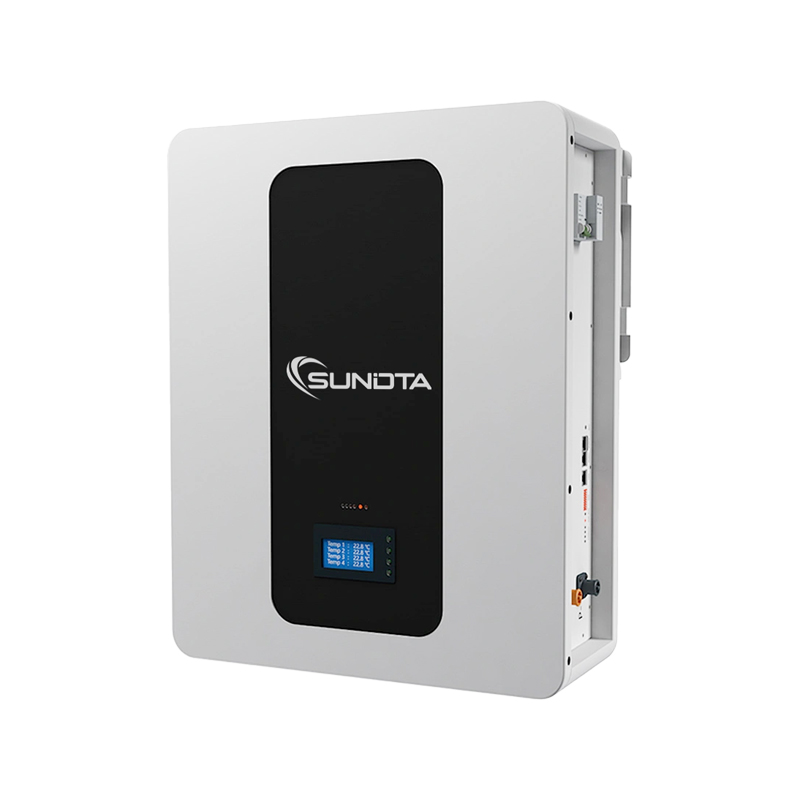
Sundta 48V/51.2V 10kWh LiFePO4 Wall-Mounted Solar Energy System
- 200Ah Prismatic Grade-A Cells
- Closed-loop CAN/RS485 handshake
- 6,000+ Cycles at 80% DoD
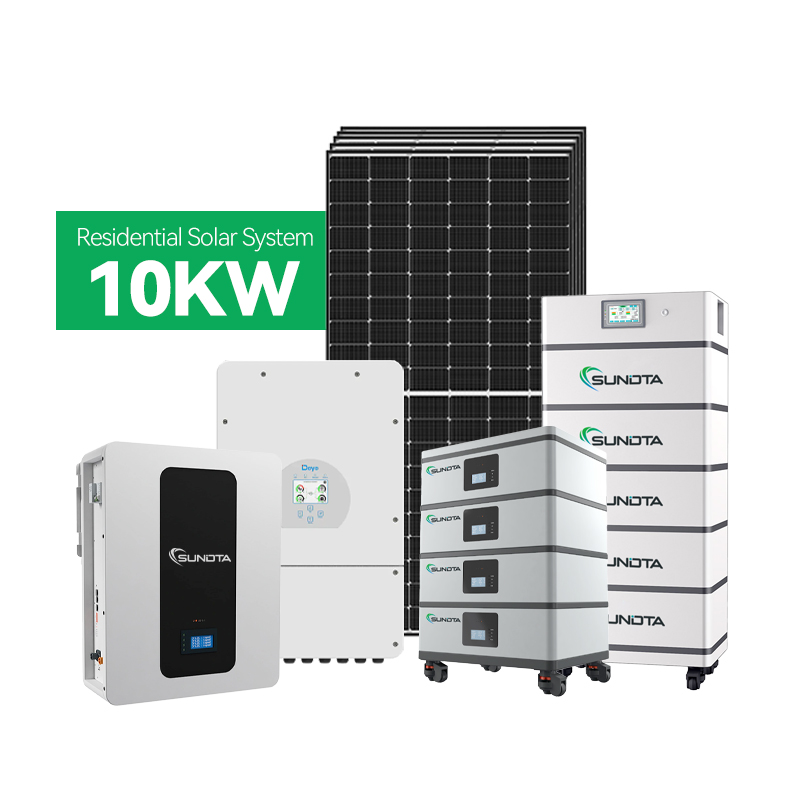
2026 Sundta 10KW/12KW Hybrid Solar Power System with LiFePO4 Pack
- Pure Sine Wave THD < 2%
- Dual MPPT Channels (99.9% Eff.)
- Seamless 8ms On/Off-Grid Transfer
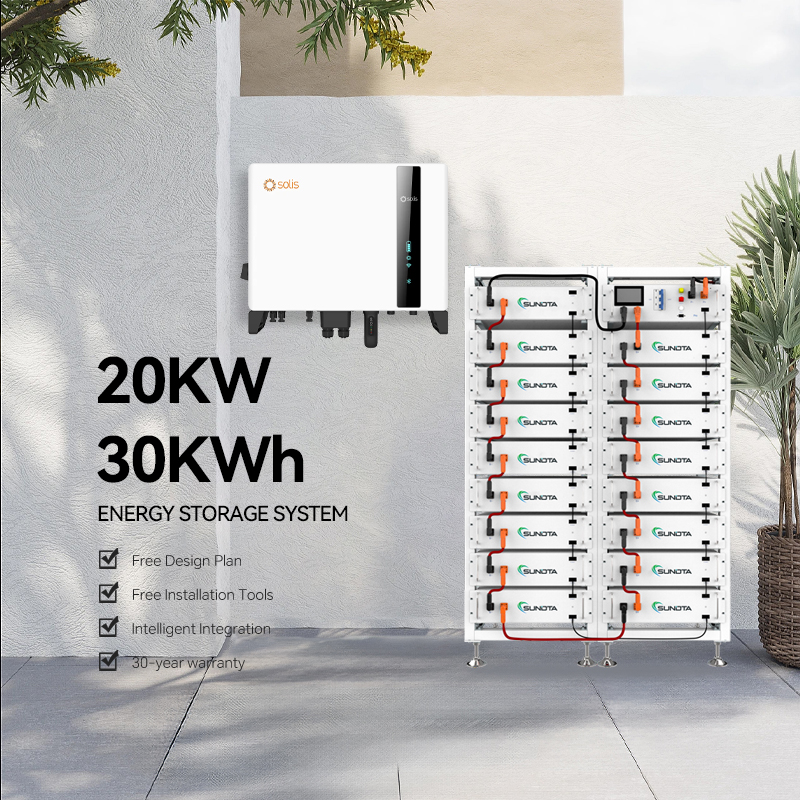
Complete 50kW Deye 3-Phase 380V Hybrid Pure Sine Solar System
- 100% Unbalanced Load Capability
- High Voltage DC Battery Range
- Diesel Generator Auto-Dispatch Support
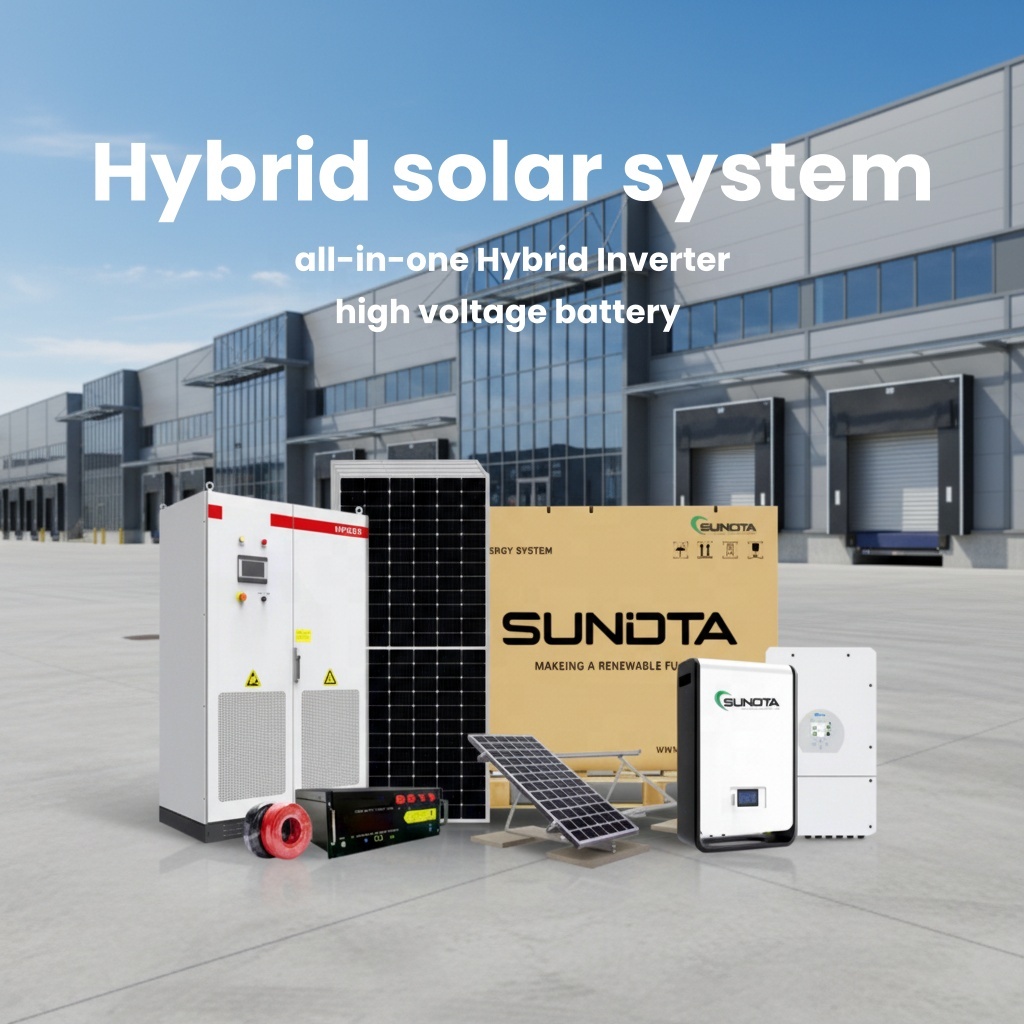
All-in-One Outdoor Energy Storage Cabinet 100kW/200kW/500kW BESS
- Integrated HVAC & Aerosol Fire Sup.
- Smart Liquid/Air Thermal Management
- Peak-Shaving & Microgrid Operation
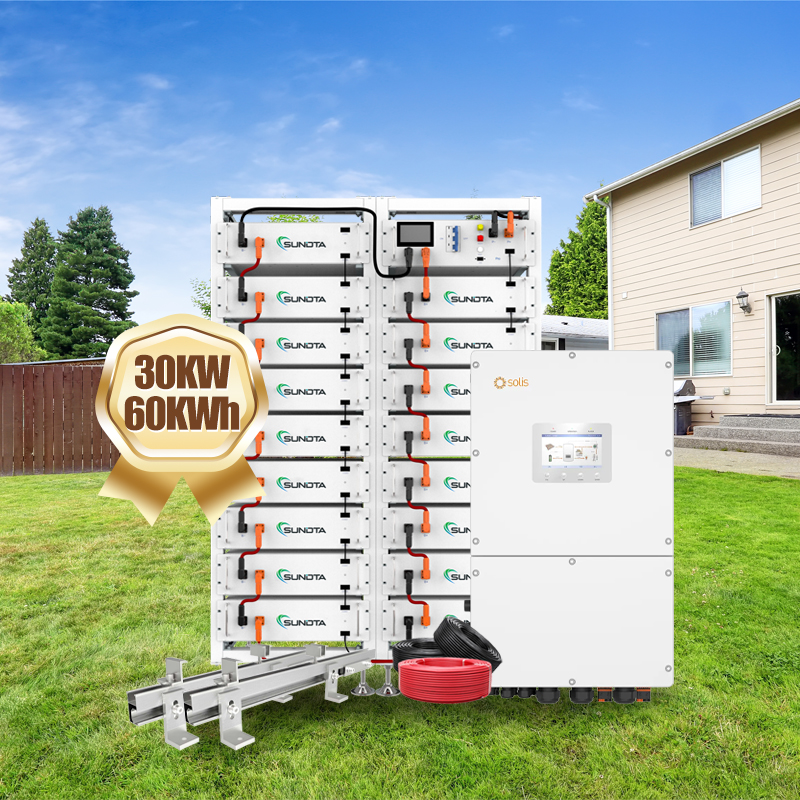
Complete 30kW Hybrid Pure Sine Solar System with CE/VDE Certification
- Grid Injection Regulation Ready
- Modular Rack LiFePO4 Bank
- IP65 Outdoor Environmental Rating
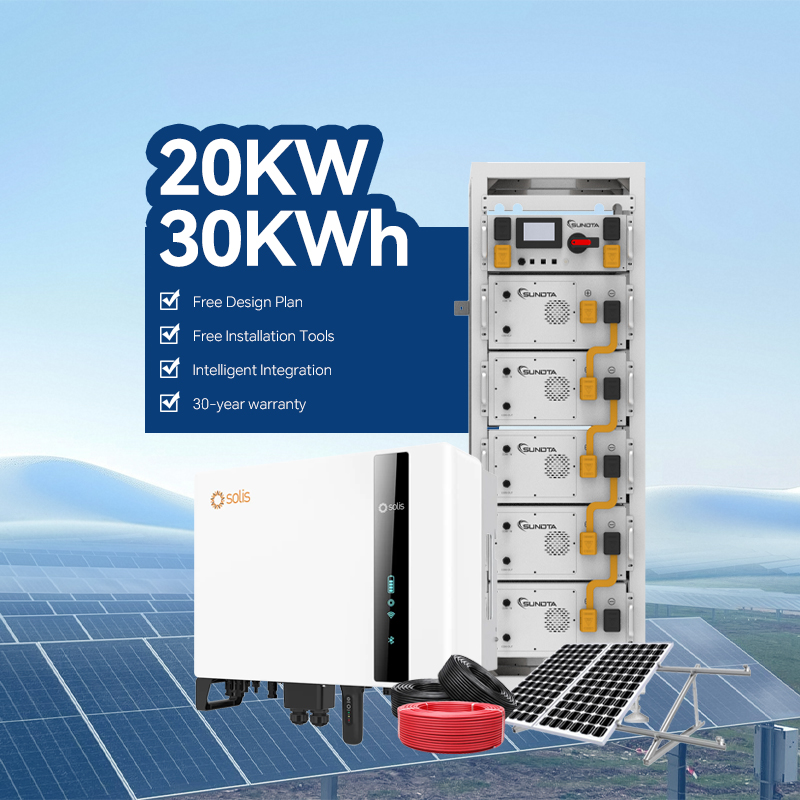
20kW-35kW Complete Pure Sine Power Storage Generation Kit
- Pre-wired Distribution Breaker Box
- Surge Protection Device (SPD Class II)
- Solar Strings Pre-calculated for MPPT
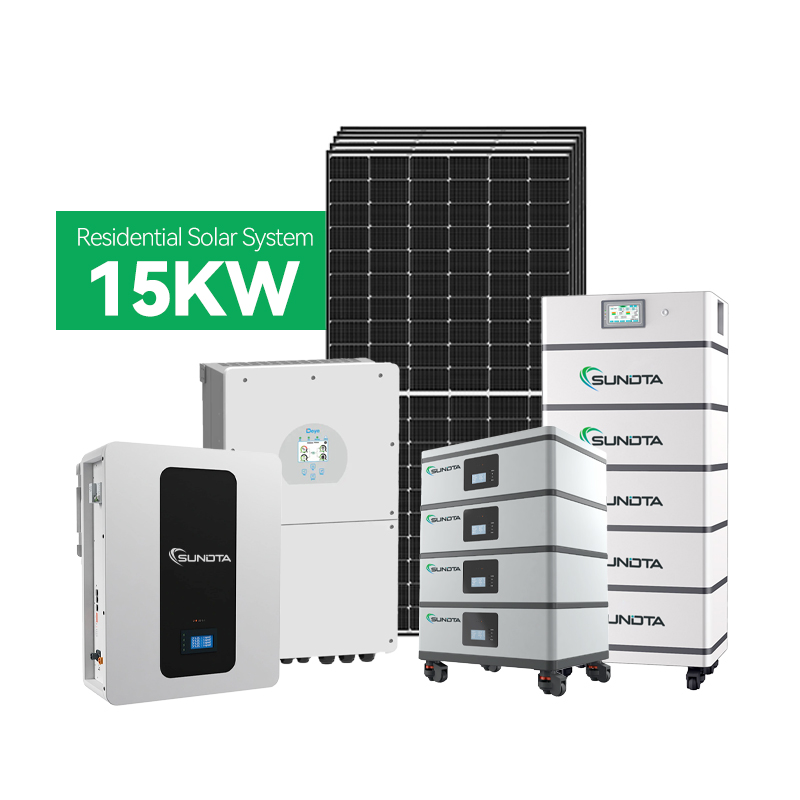
Sundta 5kW-15kW Cost-Optimized Pure Sine Wave Hybrid Solar Kit
- Factory Direct OEM Price Point
- Low Frequency Heavy Inductive Surge
- Plug-and-play Installer Harness
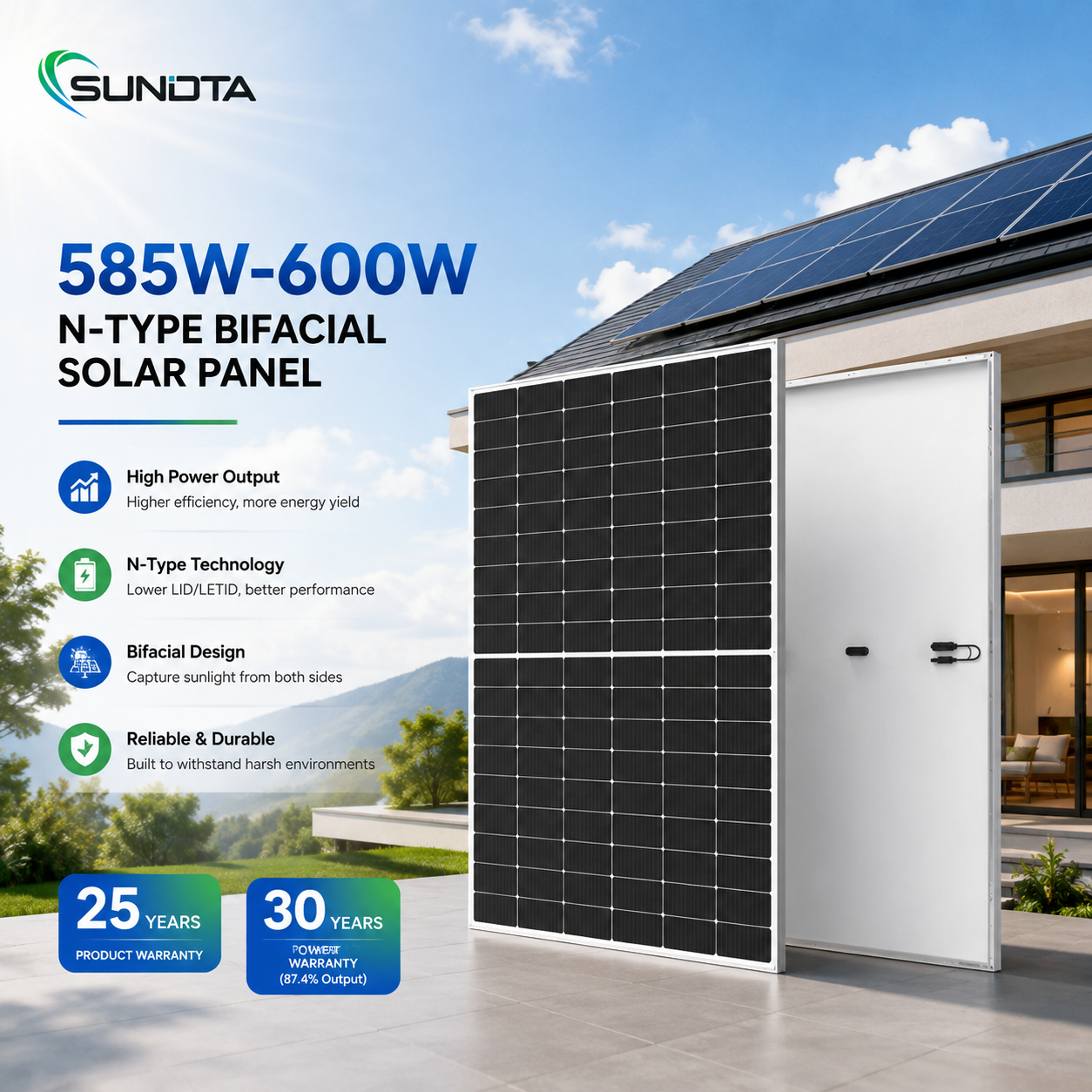
585W-595W Premium N-Type Bifacial Monocrystalline Module
- 23.1% Module Conversion Efficiency
- Bifaciality Factor up to 80±5%
- Optimized for Pure Sine MPPT Trackers
Anhui RJV New Energy: Precision Power Engineering
Based in Hefei's world-class Clean Energy Industrial Corridor, Anhui RJV New Energy Co., Ltd. blends vertically integrated photovoltaic module production with enterprise pure sine power electronics integration.
TÜV Rheinland Assessed Facility
Our manufacturing facilities in Hefei undergo regular rigorous on-site verification by TÜV Rheinland. We operate automated Surface-Mount Technology (SMT) lines, selective robotic soldering, and dynamic burn-in testing chambers to eliminate infant mortality in inverter power stages.
Tier-1 Inverter Ecosystem Integration
As authorized engineering integration partners for market-leading platforms including Deye, Solis, and Growatt, RJV solves the notorious field communication gap. Our in-house R&D customizes CAN/RS485 firmware profiles to ensure plug-and-play synchronicity between BMS and PCS.
Bankable AAA Credit & Compliance
With an enterprise AAA Credit Index, 38 patented utility designs, and certifications across CE, IEC 62109-1/-2, IEC 62477, and UN38.3, international EPCs, project developers, and governmental procurement agencies can execute large-volume letters of credit with total institutional confidence.
Pure Sine Wave Inverter Architecture: Topology & Selection Criteria
An authoritative engineering breakdown of power inversion mechanics, harmonic suppression, semiconductor materials, and energy storage pairing.
1. The Fundamental Physics: Pure Sine Wave vs. Modified Sine Wave
In alternating current (AC) power distribution, the mechanical rotation of utility grid alternators yields a naturally smooth, continuous mathematical sine function. When converting stored direct current (DC) energy from photovoltaic arrays or LiFePO4 battery stacks into AC utility current, modern inverters must replicate this sinusoidal waveform with surgical precision.
Modified sine wave units—often marketed as "quasi-sine" or "modified square wave" devices—switch DC voltage through primitive H-bridge topologies with coarse, stepped plateaus. While economically viable for basic resistive loads such as incandescent lamps or baseboard heaters, stepped waveforms cause severe functional degradation across inductive, capacitive, and sensitive electronic equipment.
Standard utility grids require AC power with a THD under 5%. Anhui RJV’s high-precision pure sine wave inverters achieve a voltage THD of < 2.5% linear load and < 4.0% non-linear load. In contrast, modified sine wave devices output catastrophic THD figures ranging from 25% to 45%, inducing parasitic eddy currents, severe electromagnetic interference (EMI), and destructive dv/dt stresses on motor windings.
2. Technical Comparison Matrix: High-Frequency vs. Low-Frequency Topologies
Procurement directors must decide between High-Frequency (HF) transformerless architectures and Low-Frequency (LF) heavy toroidal copper transformer designs based on deployment environments.
| Performance Vector | High-Frequency (HF) Inverters | Low-Frequency (LF) Inverters | Engineering Implication for Procurement |
|---|---|---|---|
| Isolation Method | Solid-state / High-freq ferrite core | Heavy iron-core toroidal transformer | LF models provide true galvanic isolation from utility surges. |
| Surge Capacity | 150% to 200% (typically ≤ 150ms) | 300% to 500% (sustained up to 20s) | LF is mandatory for heavy inductive starting loads (HVAC, submersible pumps). |
| Conversion Efficiency | 97.5% – 99.0% Peak | 92.0% – 95.0% Peak | HF minimizes thermal losses and PV string oversizing in urban setups. |
| Power Density & Weight | Ultra-light (8 – 25 kg per unit) | Heavy industrial (35 – 90+ kg per unit) | HF slashes international shipping container freight costs by up to 60%. |
| Switching Element | Advanced SiC MOSFETs / High-speed IGBT | Standard high-current Power IGBT blocks | Wide bandgap semiconductors allow switching frequencies beyond 40kHz. |
3. Semiconductor Evolution: Silicon IGBTs Transition to Silicon Carbide (SiC) & GaN
The global pure sine wave inverter landscape is undergoing a technological revolution driven by wide-bandgap (WBG) semiconductors. Traditional silicon insulated-gate bipolar transistors (IGBTs) suffer from significant reverse recovery losses and tail current phenomena, effectively capping practical Pulse Width Modulation (PWM) switching frequencies between 16kHz and 25kHz.
Anhui RJV incorporates next-generation Silicon Carbide (SiC) MOSFETs into its premium 10kW–50kW hybrid power conversion stages. Operating at switching frequencies above 80kHz to 120kHz, SiC power blocks drastically diminish the volumetric size of passive inductive and capacitive smoothing filters. This yields an inverter footprint reduction of nearly 40% while raising thermal tolerance thresholds from 125°C up to 175°C, ensuring continuous rated power delivery without thermal de-rating in high-ambient Middle Eastern and Southeast Asian installations.
4. Closed-Loop BMS Protocol Harmonization & DC-Coupled Architecture
A pure sine inverter is only as dependable as its direct DC power bus synchronization with the energy storage unit. When deploying lithium iron phosphate (LiFePO4) chemistry, voltage curves remain exceptionally flat between 20% and 80% State of Charge (SoC). Consequently, inverters relying purely on open-circuit voltage sensing cannot accurately deduce real-time battery status, leading to premature cutoffs or dangerous over-discharge.
Our pure sine wave hybrid systems employ dedicated hardware-isolated CAN 2.0B and RS-485 bus nodes operating custom microcode libraries. Handshake telemetry feeds real-time parameters every 100 milliseconds: individual cell millivolt differentials, internal temperature arrays, dynamic charge current limits (CCL), and discharge current limits (DCL). If a single lithium cell approaches thermal or voltage deviation thresholds, the inverter instantaneously modulates its PWM duty cycle, safeguarding the battery pack while preserving pure sinusoidal AC waveform continuity on the critical load output.
Future Procurement Trends in Pure Sine & Hybrid Storage
How technical specifications, international trade regulations, and decentralized grid paradigms are reshaping equipment sourcing through 2030.
High-Voltage (HV) DC Bus Dominance
Residential and small commercial procurement is pivoting from legacy 48V low-voltage battery banks to 150V–800V high-voltage series stacks. Higher DC bus voltages drastically reduce current, allowing thinner copper cabling, slashing I²R thermal losses, and boosting bidirectional round-trip conversion efficiency above 96.5%.
Grid Code Compliance (UL 1741-SB & IEEE 1547)
Tier-1 markets require pure sine inverters to operate as active grid-supportive nodes rather than passive shut-offs. Procurement contracts mandate advanced smart-inverter functions: dynamic Frequency-Watt (FW), Volt-Var (VV) reactive power compensation, Low-Voltage Ride-Through (LVRT), and Anti-Islanding safety handshakes.
Turnkey Single-BOM Procurement
Distributors are moving away from piecemeal sourcing (buying modules from manufacturer A, inverters from manufacturer B, and rack batteries from manufacturer C). Single-supplier BOM procurement—such as Anhui RJV’s pre-certified PV + Inverter + Storage kits—eliminates warranty finger-pointing and on-site commissioning deadlocks.
Frequently Asked Questions for Importers, Wholesalers & EPCs
Direct technical answers addressing minimum order volumes, compatibility verification, customs clearances, and factory warranty protocols.