High-Efficiency Photovoltaic & Energy Storage Configurations
Integrated solutions combining high-power shingled module layouts, intelligent MPPT charge control, and high-safety LiFePO4 battery storage, pre-tested for seamless plug-and-play field commissioning.
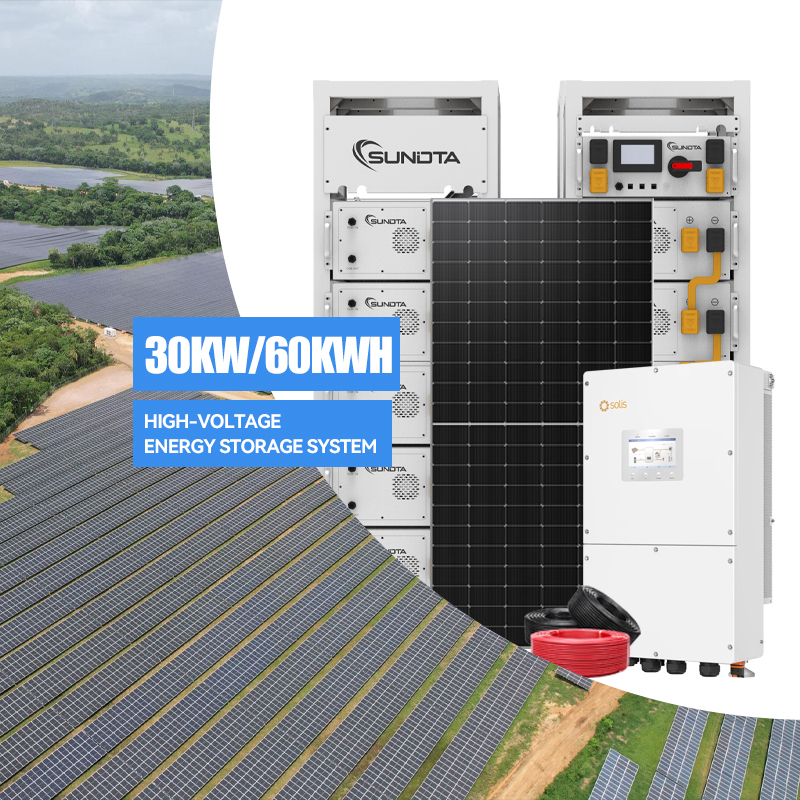
Off Grid Hybrid Solar Energy Storage System 20KW 30KW 40KW Hot-selling 30 kw Hybrid for Home Use With EU Certification
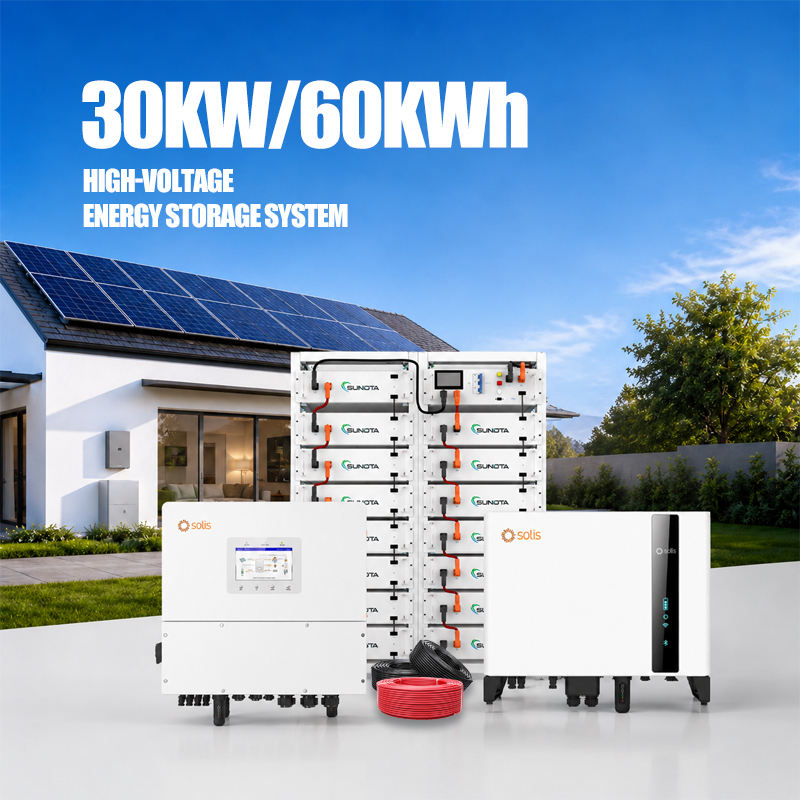
51.2V Split All-in-One Solar Battery Inverter System 30kWh 30kWh LiFePO4 Energy Storage Backup Power Hybrid CAN CE Long Warranty
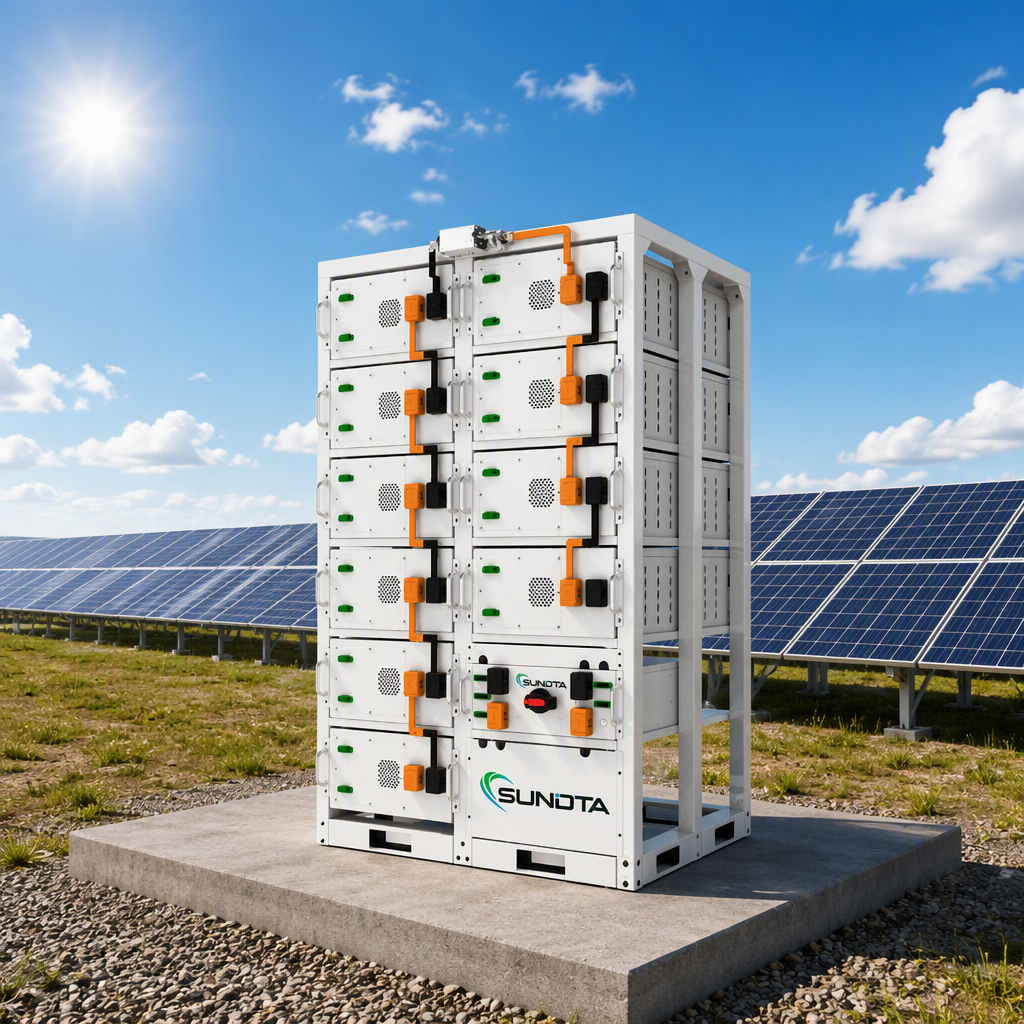
SUNDTA SDT-280 Commercial High Voltage LiFePO4 Energy Storage System 40-100kWh Air-Cooled Battery Cabinet for Hybrid/Off/On-Grid
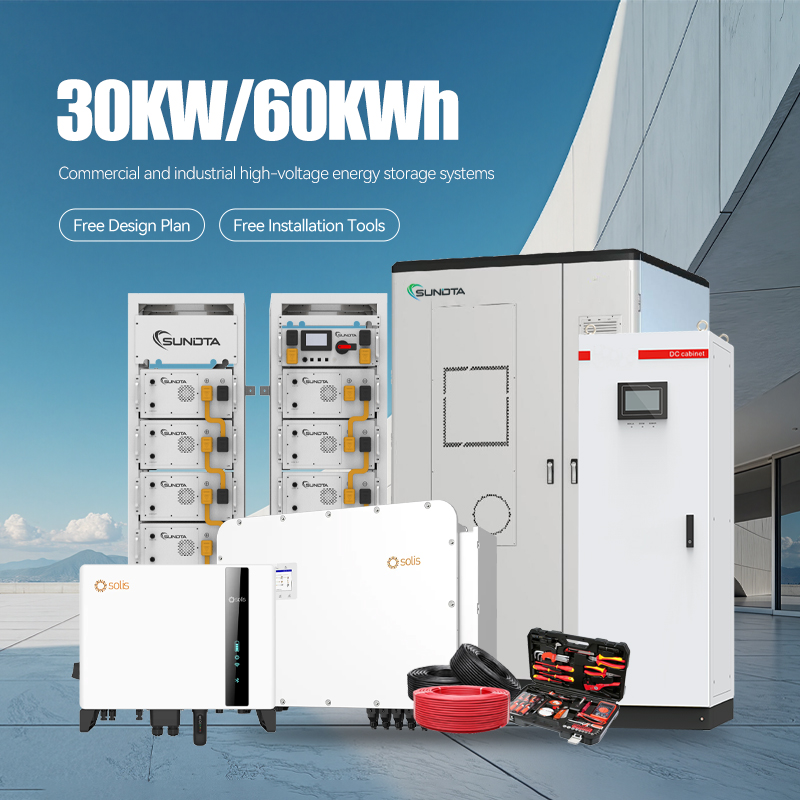
30KWH 51.2V 314AH LiFePO4 Battery Solar Energy Home Energy Storage 48v Solar Battery ALL in ONE SOLAR POWER SYSTEM
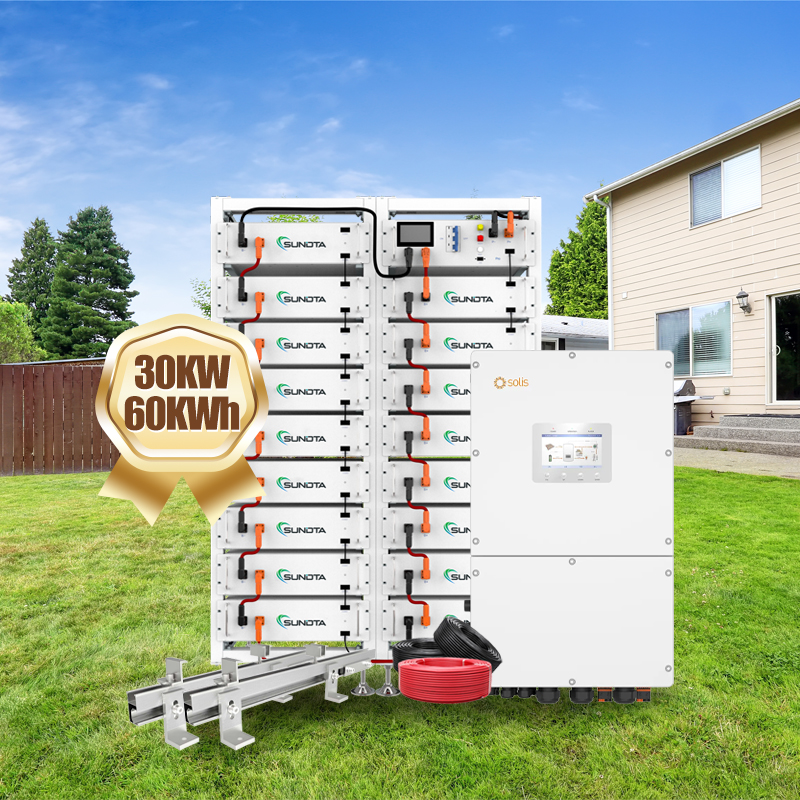
Complete 30kw Solar System 10kw 15kw 20kw 30kw Solar Energy System 30 kw Hybrid for Home Use With EU Certification
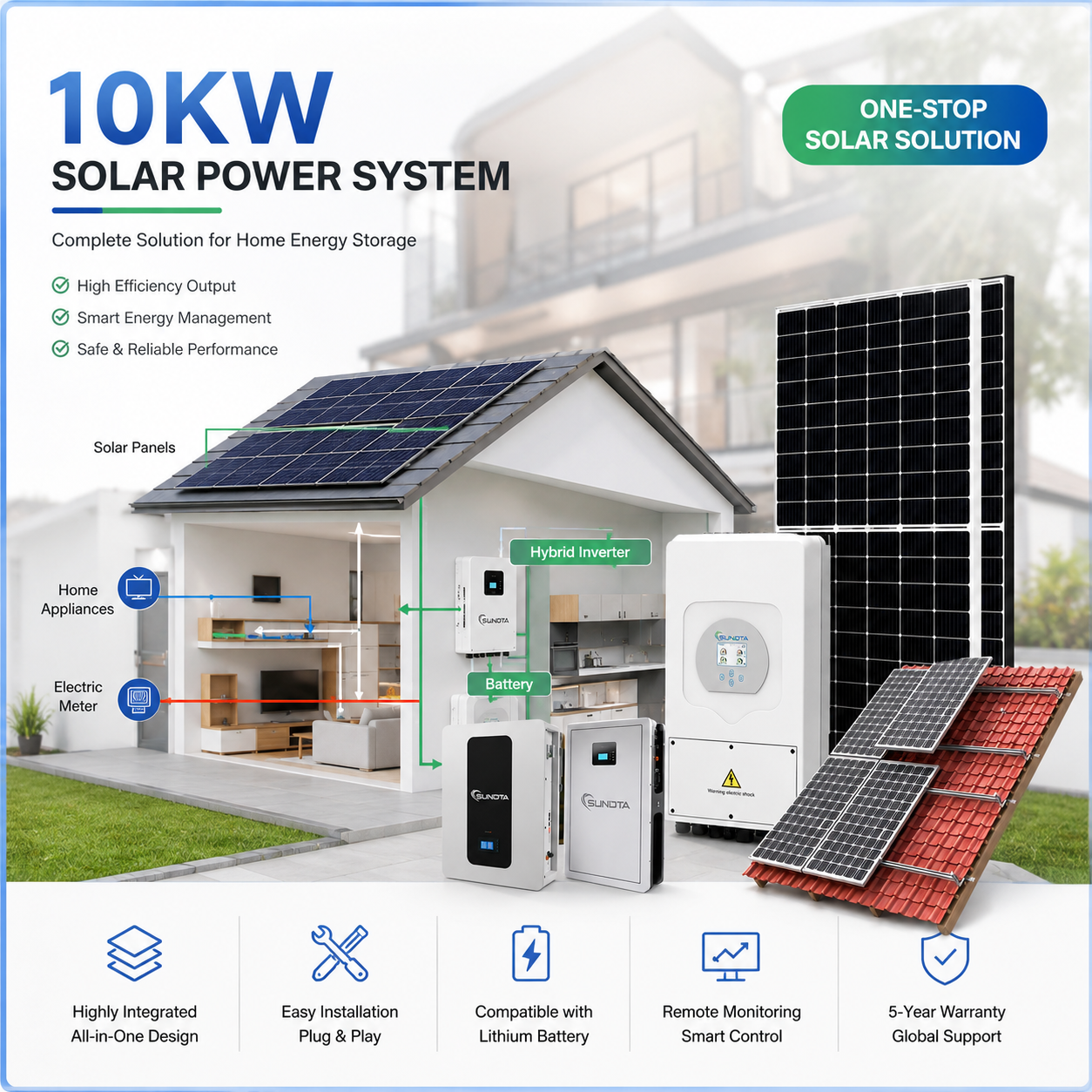
15kW-50kW High-Efficiency Hybrid Solar Power System with Smart MPPT for Whole-House Backup
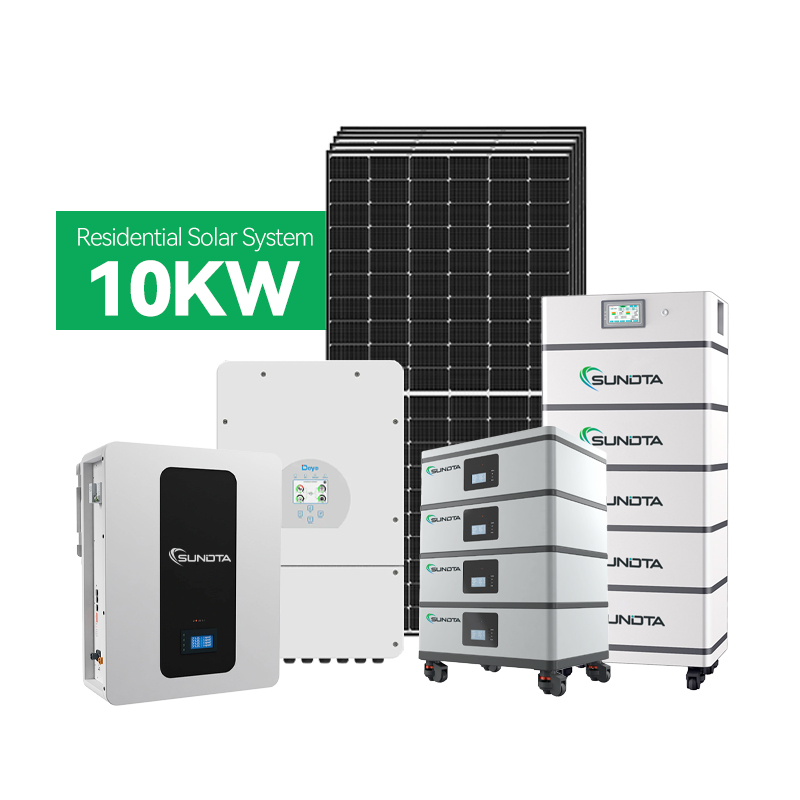
Stock Available Sundta 5KW 8KW 10KW 12KW 15KW 20KW New Innovation Complete Solar Hybrid System Kit with Lithium Battery
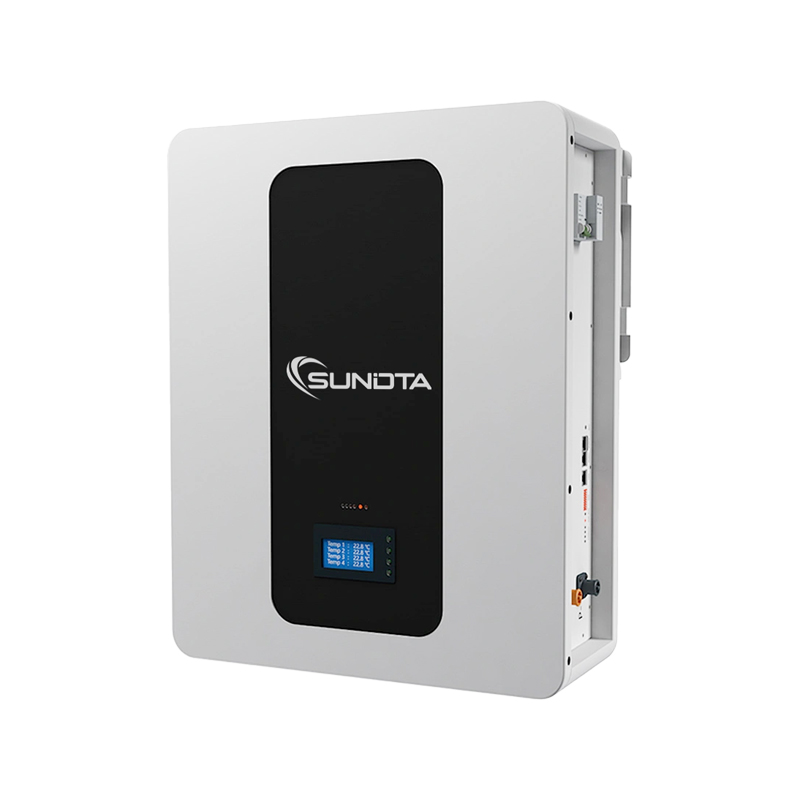
Sundta EU Warehouse 48V/51.2V LiFePO4 Lithium Ion Battery 10kWh Solar Home Energy Storage System Wall-Mounted 200Ah Capacity
Why Shingled Solar Modules Are Replacing Conventional Half-Cut Architectures
In the competitive global solar marketplace, engineering procurement and construction (EPC) firms, utility developers, and tier-one importers seek maximum area efficiency and long-term mechanical resilience. Shingled cell technology fundamentally redefines how crystalline silicon wafers convert sunlight into harvestable kilowatt-hours.
Busbarless ECA Matrix Architecture
Traditional multi-busbar (MBB) half-cut panels rely on high-temperature copper ribbons soldered across cell surfaces, creating thermal stress concentrators and shading up to 3.2% of the active cell area. Shingled modules cut wafers into precision strips via non-destructive laser cleavage and overlap them like roof tiles, bonded with aerospace-grade Electrically Conductive Adhesive (ECA).
- Zero reflective copper ribbon shading
- Low curing temperature (<150°C) prevents micro-cracks
- Elastic ECA absorbs field thermal expansion/contraction
Exceptional Shade Tolerance & Parallel Circuitry
Standard half-cut modules configure cells in series-parallel circuits governed by three bypass diodes. When partial shading occurs on a single row, one-third to one-half of the string drops output precipitously. Shingled modules feature dense parallel matrix strings where current can reroute around partial obstacles without dragging entire strings down.
- Up to 35% higher yield in partial shade
- Reduced hot-spot temperature by 15°C to 25°C
- Mitigates localized bypass diode overheating
Optimized Packing Density & Cell-to-Module Ratio
By eliminating the 2mm to 3mm inter-cell spacing mandatory in conventional soldering, shingled engineering achieves an active surface packing density exceeding 95.8% (compared to 88%–91% on conventional modules). This translates to 15W–25W higher nominal power output within identical physical frame dimensions.
- Cell-to-module (CTM) power gain reaches 101.5%
- Reduces balance-of-system (BOS) racking and cabling costs
- Ideal for area-constrained rooftops and high LCOE regions
Shingled N-Type TOPCon vs. Standard Half-Cut MBB
A side-by-side engineering breakdown based on independent laboratory flash test data, accelerated aging chamber results (IEC 61215:2021), and field telemetry in diverse climatic zones.
| Evaluation Parameter | Next-Gen Shingled N-Type TOPCon | Standard MBB Half-Cut PERC | Legacy Full-Cell PV Module |
|---|---|---|---|
| Module Efficiency Ceiling | 22.8% – 23.4% | 20.8% – 21.6% | 18.5% – 19.4% |
| Interconnection Technology | Electrically Conductive Adhesive (ECA) Overlap | High-Temp Soldered Copper Ribbons (9–16BB) | Traditional Lead-Tin Flat Busbars (3–5BB) |
| Inter-Cell Gap / Dead Space | 0 mm (Seamless Overlapping Structure) | 1.8 mm – 2.5 mm Inactive Gaps | 3.0 mm – 4.5 mm Inactive Gaps |
| Temperature Coefficient (Pmax) | -0.29% / °C (Outstanding Hot-Climate Yield) | -0.34% / °C | -0.39% / °C |
| Hot Spot Temperature Threshold | < 90°C (Reduced Fire & Backsheet Risk) | Up to 125°C | Exceeds 150°C |
| Mechanical Static Wind/Snow Load | 5400 Pa Front / 2400 Pa Rear (High Elasticity) | 5400 Pa / 2400 Pa (Rigid Ribbon Stress) | 2400 Pa / 2400 Pa |
| 30-Year Power Output Warranty | 87.4% Residual Power Guaranteed | 84.8% Residual Power | 80.2% Residual Power |
| BOS Cost Reduction (Per MWp) | 5.5% – 8.2% Reduction (Fewer Racks & Cabling) | Baseline Reference | +12.4% Capital Expense |
Future Sourcing & Technology Trends in Shingled PV Modules
As international trade policies evolve, carbon border adjustments (CBAM) tighten, and grid constraints increase, global buyers must anticipate key technological shifts shaping wholesale solar procurement over the next five years.
Transition to N-Type TOPCon & HJT Shingled Wafers
The phase-out of P-type PERC is accelerating. Tier-1 exporters in China are retrofitting shingling lines to handle ultra-thin (110–130µm) N-type TOPCon and Heterojunction (HJT) wafers. These substrates exhibit near-zero Light Induced Degradation (LID) and superior bifaciality coefficients (up to 85%), delivering levelized cost of energy (LCOE) reductions of 4% to 7% across 25-year project life cycles.
All-Black Aesthetics Dominating Distributed Markets
Architectural and residential projects in Northern Europe, North America, and Australia demand sleek visual integration. Shingled modules naturally eliminate reflective white grid lines, metallic ribbon spots, and glaring busbars. Combining deep black N-type cells with black backsheets and anodized black frames makes shingled modules the preferred SKU for premium residential distributors.
PV + BESS Turnkey Co-Procurement Sourcing
Importers are moving away from multi-vendor sourcing where panels, inverters, and lithium storage batteries are purchased separately. Sourcing matched systems guarantees that open-circuit voltages (Voc), MPPT operating windows, and CAN/RS485 battery management system (BMS) handshakes match perfectly, cutting field commissioning disputes and technical support delays by over 80%.
Carbon Footprint Audits & Traceability Compliance
European and American regulatory bodies are enforcing stringent Environmental Product Declarations (EPD) and supply chain origin verification. Exporters that utilize clean hydropower energy during polysilicon ingot crystallization, automated cleanrooms, and low-toxicity ECA adhesives provide verified compliance certificates that streamline customs clearance and qualify developers for green bank financing.
Exporting Excellence from China's Premier Clean Energy Hub
Headquartered in the Innovation Industrial Park of Hefei, Anhui—the epicenter of global photovoltaic innovation—Anhui RJV New Energy Co., Ltd. combines precision module fabrication, high-voltage battery assembly, and comprehensive international trade support.
2 GW Automated Production & Supply Security
Our fully automated cleanroom facilities in Anhui feature high-speed robotic stringer lines, automatic optical inspection (AOI), and triple EL (Electroluminescence) micro-crack screening. With 2 GW annual module output and 500+ MW in turnkey installations delivered across 60+ countries, we handle container-volume orders with predictable 15-day factory turnaround.
On-Site TÜV Rheinland Verification & AAA Credit
Trust in international B2B transactions requires institutional verification. Our manufacturing plant and export processes are audited and certified on-site by TÜV Rheinland. RJV maintains an official AAA Corporate Credit Rating, IEC 61215/61730 certifications, CE compliance, UN38.3 lithium battery shipping security, and 38 national invention and design patents.
EU Strategic Warehousing & Flexible Incoterms
To support European wholesalers and EPC contractors with tight construction deadlines, we maintain steady inventories of all-black shingled modules and 51.2V 10kWh–30kWh LiFePO4 batteries in strategic German and Dutch bonded warehouses. We support FOB, CFR, CIF, and EXW Incoterms with flexible payment protocols (T/T, L/C, D/P, PayPal, Credit Card).
Frequently Asked Questions by Global Importers & EPCs
Clear, direct answers regarding minimum order quantities, logistics security, mechanical durability, and technical system matching for B2B procurement professionals.
What is the minimum order quantity (MOQ) for shingled panels and hybrid systems?
For complete residential solar systems and hybrid inverters, our MOQ starts from 1 set/piece to facilitate sample testing, pilot verification, and project sizing. For bare solar modules, quotes are typically organized by pallet (approx. 31–36 pieces, ~14kW–17kW) or full 40-foot HQ container loads (approx. 620–720 panels) to optimize ocean freight cost per watt.
How does Electrically Conductive Adhesive (ECA) withstand 25-30 years of thermal cycling?
Unlike rigid metallic solders that experience tin-lead fatigue and brittle fracture under continuous thermal stress (-40°C to +85°C), our aerospace-grade ECA contains flexible polymers loaded with microscopic silver flake conductors. This maintains high electrical conductivity while absorbing differential expansion between silicon wafers and glass, as proven in 3,000-hour damp heat tests.
Are your LiFePO4 batteries natively compatible with Tier-1 hybrid inverters?
Yes. Our Sundta 51.2V and high-voltage commercial storage systems integrate a multi-protocol smart BMS pre-configured with CAN and RS485 communication protocols for immediate closed-loop integration with Deye, Solis, Growatt, Victron, and SMA inverters. Firmware protocol maps and pinout configurations are supplied with every shipment.
What measures are taken to prevent module micro-cracks during long-distance maritime transit?
Shingled modules inherently resist micro-crack propagation better than conventional panels because smaller cell strips experience reduced bending stress. For export shipments, we employ reinforced corner protectors, vertical carton stacking with anti-collapse strapping, and moisture-sealed vacuum wrap to guarantee container delivery with zero micro-fracturing.
Can you provide full OEM customization and localized branding?
We provide comprehensive OEM services for established solar brands and distributors. This includes customized junction box logos, tailored cable lengths (MC4/compatible), personalized backsheet designs, branded carton packaging, and customized serial number barcoding tied to your distributor's warehouse management system.
What certifications and documentation accompany your export shipments?
Every commercial container includes factory flash test reports (indicating Pmax, Voc, Isc, and Fill Factor for each serial number), EL inspection certificates, CE declarations of conformity, IEC 61215/61730 test reports, and UN38.3 / MSDS shipping documentation for lithium battery consignments to ensure smooth customs clearance globally.