Featured Wholesale Grid-Tied & Hybrid Storage Systems
From single-phase residential grid-parallel kits to industrial containerized peak-shaving microgrids, each bill of materials (BOM) is pre-matched and factory-validated for rapid commissioning.
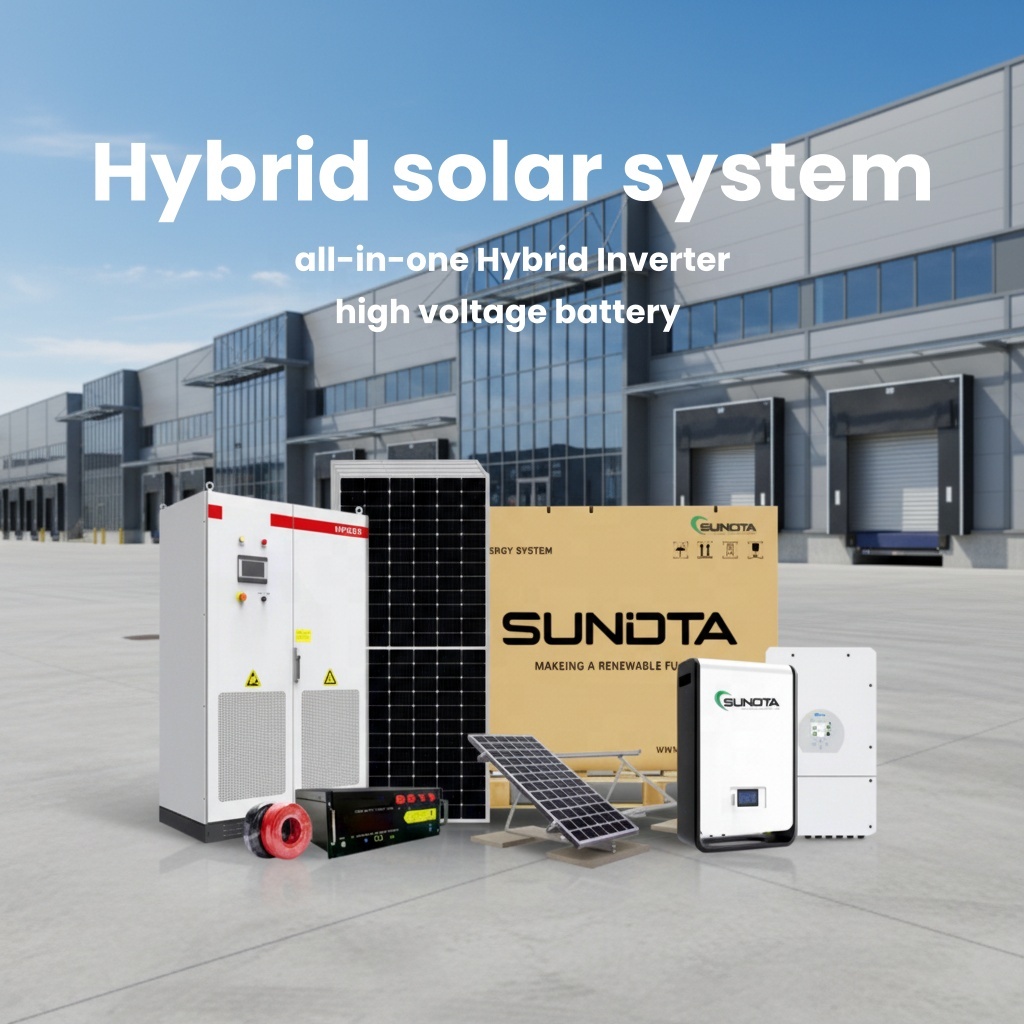
All in One Energy Storage Outdoor Cabinet 100kw 200kw 500kw Lifepo4 Solar Battery Energy Storage Systems Residential Energy
Turnkey outdoor liquid/air-cooled cabinet system with integrated PCS, aerosol fire suppression, and smart BMS for factory peak shaving and grid backfeed limitation.
- Scalable 100kW to 500kW configurations
- Industrial C&I on-grid tariff arbitrage
- IP55 outdoor weatherproof rating
15kW-50kW High-Efficiency Hybrid Solar Power System with Smart MPPT for Whole-House Backup
Engineered for large luxury estates and light commercial workshops, featuring dual/quad MPPT trackers, sub-10ms UPS grade transfer switch, and seamless grid export control.
- High PV input voltage up to 1000Vdc
- Unbalanced three-phase load support
- 98.4% maximum conversion efficiency
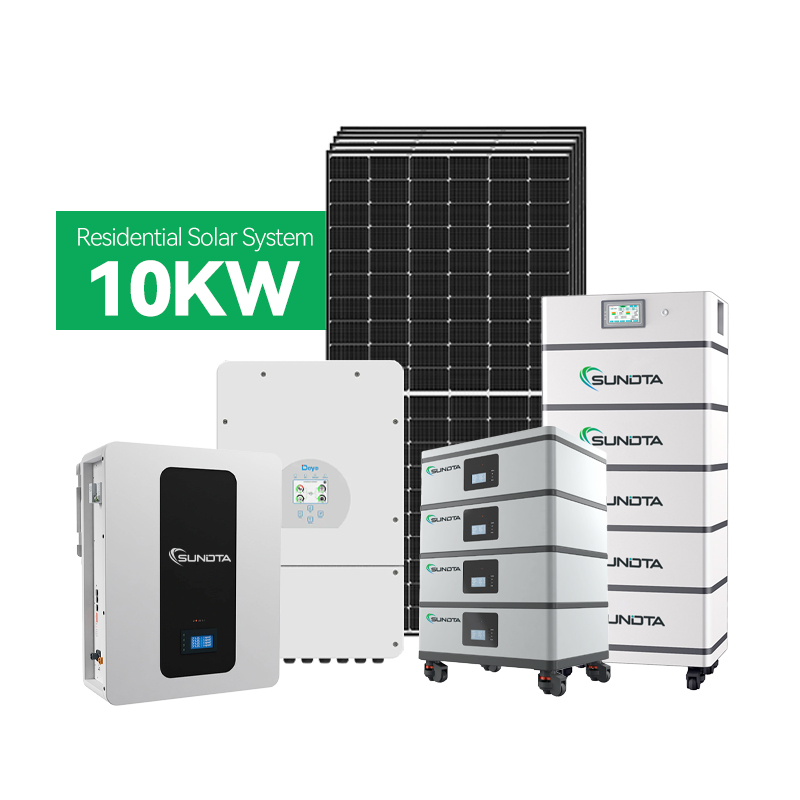
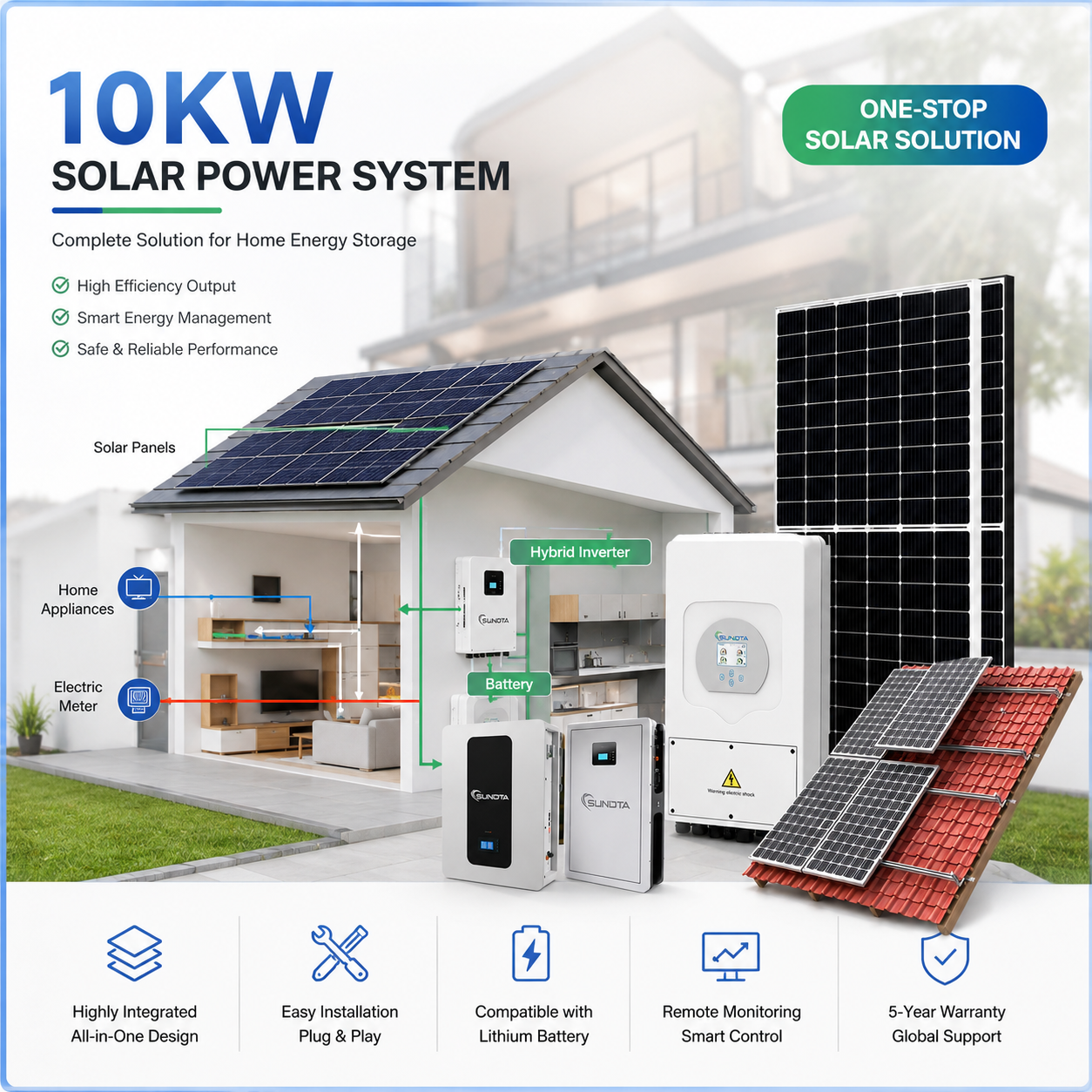
Stock Available Sundta 5KW 8KW 10KW 12KW 15KW 20KW New Innovation Complete Solar Hybrid System Kit with Lithium Battery
Fully matched turnkey bill of materials including Tier-1 TOPCon bifacial modules, pre-wired hybrid inverter, low-voltage rack batteries, and rapid-shutdown DC combiner boxes.
- 5kW to 20kW residential flexibility
- Ready-to-ship European/Asian stock
- Pre-configured CAN/RS485 firmware
51.2V Split All-in-One Solar Battery Inverter System 30kWh 30kWh LiFePO4 Energy Storage Backup Power Hybrid CAN CE Long Warranty
Optimized for North American and Caribbean grid architectures, delivering genuine split-phase 120V/240V sine wave without requiring external autotransformers.
- Dual 15kWh prismatic battery blocks
- Automated generator start dry contacts
- CE, UL9540A compliant architecture
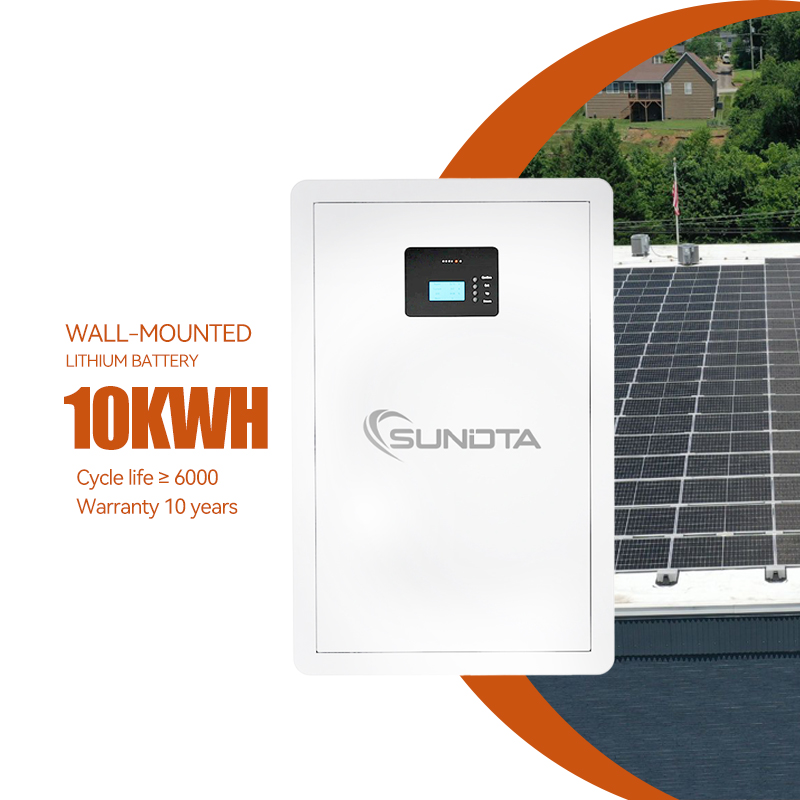
Sundta IP65 10kWh 51.2V 200Ah Wall Mounted LiFePO4 Battery for Home Solar Storage with Smart BMS
Space-saving residential power bank utilizing Grade-A 3.2V EV-class prismatic cells, active balancing BMS, and IP65 dust and moisture sealed aluminum chassis.
- 6,000+ deep discharge cycles @ 80% DoD
- Native plug-and-play with Deye & Solis
- Wall bracket & floor mount adaptable
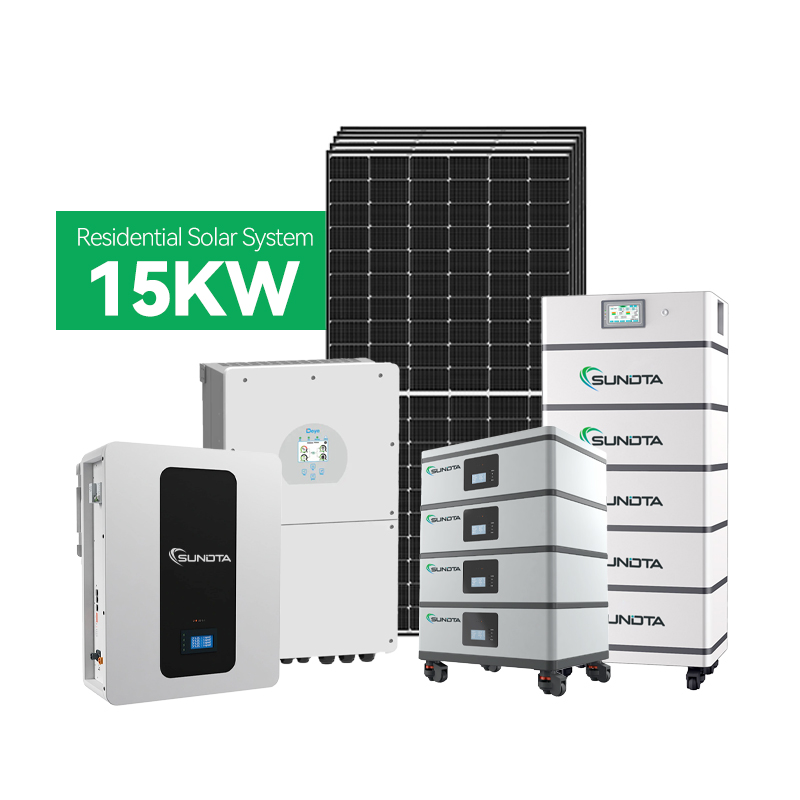
Sundta Hybrid Solar Energy System Low Price Solar Panel Kit 5KW 10KW 12KW 15KW Full Set Solar System Kit Home System
Cost-engineered complete solar package for regional retail distributors and government rural electrification bids, balancing tier-1 efficiency with exceptional capital recovery metrics.
- 580W-600W high-density PV array
- Integrated AC/DC protection board
- Direct container palletized loading
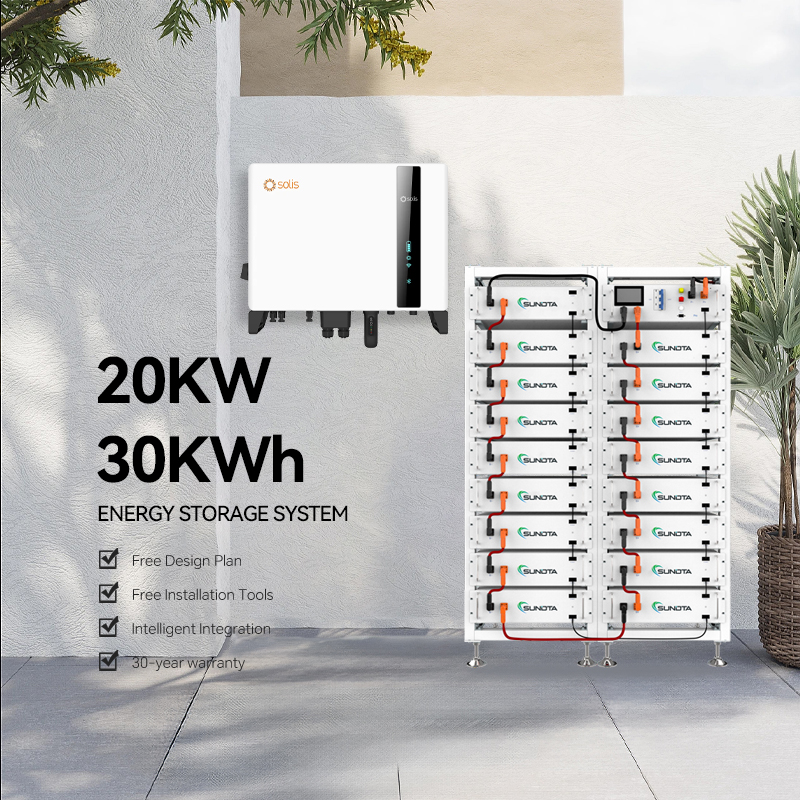
Complete 50kw Hybrid Solar System deye 3 Phase 380v on off Grid 10kw 15kw 20kw 25kw 30kw 40kw 50kw Solar Energy System
Industrial grid-tied system equipped with genuine Deye 50kW hybrid inverter, allowing parallel clustering up to 10 units (500kW total) for factories, cold stores, and shopping centers.
- Supports 100% 3-phase unbalanced loads
- High-voltage battery input (160V-800V)
- Zero-export power curtailment metering
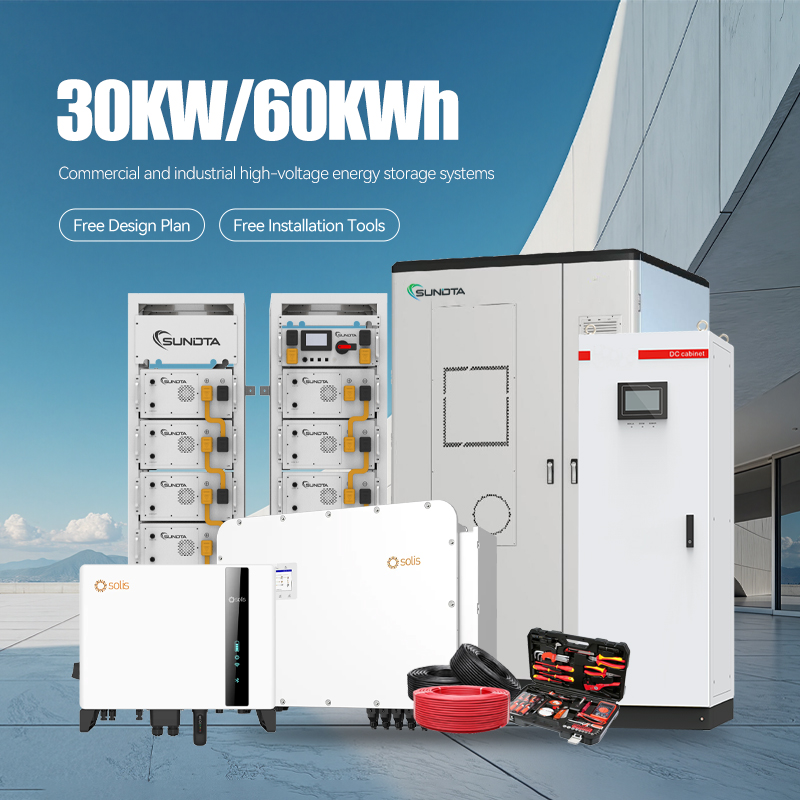
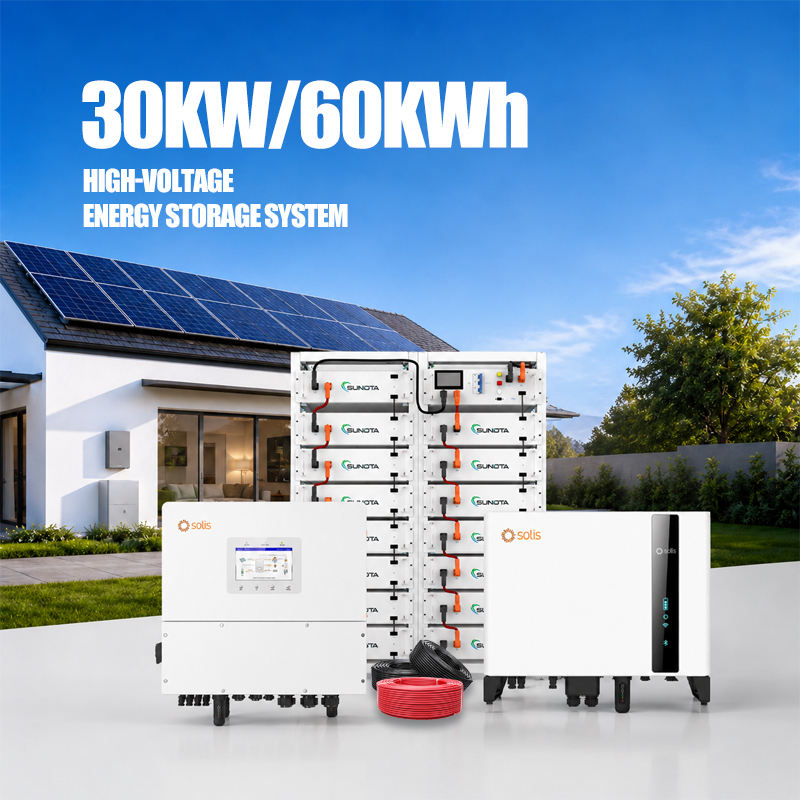
30KWH 51.2V 314AH LiFePO4 Battery Solar Energy Home Energy Storage 48v Solar Battery ALL in ONE SOLAR POWER SYSTEM
Adopts ultra-dense 314Ah lithium iron phosphate cells, delivering a compact 30kWh residential footprint with high round-trip efficiency (>95%) and integrated thermal management.
- Next-gen 314Ah high-density cells
- Zero thermal runaway risk design
- Real-time IoT cloud telemetry app
Why Tier-1 EPCs and Global Wholesalers Partner with RJV
Located in Hefei, China—the global hub of modern PV and battery manufacturing—Anhui RJV New Energy Co., Ltd. eliminates cross-vendor failure points by engineering the entire solar power generation and storage ecosystem under strict quality controls.
Automated 2 GW Cell & Module Assembly
Our intelligent cleanroom lines incorporate automated stringing, vacuum laminating, double-stage electroluminescence (EL) defect scanning, and automated flash-test sorting to guarantee zero micro-cracks before packing.
TÜV Rheinland On-Site Verification
Our Hefei production bases undergo rigorous third-party auditing by TÜV Rheinland. Full product lines meet CE, IEC 61215, IEC 61730, UN38.3, and MSDS standards, guaranteeing rapid customs release and utility interconnection approvals.
End-to-End Closed-Loop Matching
Incompatible protocols between battery management systems (BMS) and inverter MPPT power stages cause 78% of field commissioning failures. RJV tests and pre-programs native CAN/RS485 firmware profiles for Deye, Solis, and Growatt ecosystems.
Consolidated Containerized Logistics
We pack modules, hybrid inverters, LiFePO4 batteries, anodized aluminum rail systems, and DC cabling into single coordinated container shipments (FOB, CFR, CIF, DDP), dramatically cutting ocean freight expenses and customs paperwork overhead.
Technical Whitepaper: Engineering Trends Reshaping Wholesale Grid-Tied PV Systems
Modern commercial and residential photovoltaic engineering is undergoing an unprecedented shift from conventional string-inverter grid feed-in topologies to smart hybrid grid-interactive architectures with integrated storage. Sourcing managers must evaluate manufacturing partners not only on module cost-per-watt ($/W), but on levelized balance-of-system (BOS) efficiency, anti-islanding transient response times, and dynamic export curtailment capabilities.
1. The Transition to N-Type TOPCon & Heterojunction (HJT) Cells
Legacy P-type PERC cells have hit their practical laboratory and manufacturing efficiency ceilings (~23.2%). RJV has transitioned 85% of its Hefei module lines to N-Type TOPCon (Tunnel Oxide Passivated Contact) architecture. TOPCon provides three distinct commercial advantages for grid-tied arrays:
• Lower Temperature Coefficient: At -0.30%/°C (versus -0.35%/°C for PERC), N-Type panels yield up to 3.5% more annual kilowatt-hours in hot Middle Eastern, Southeast Asian, and Latin American climates.
• Near-Zero Light Induced Degradation (LID/LeTID): N-type wafers doped with phosphorus are virtually immune to boron-oxygen defect recombination, yielding a 30-year linear power warranty with less than 1% first-year degradation.
• Superior Bifaciality (Up to 80-85%): Enhancing ground-reflected albedo capture for flat roofs and utility ground mounts, reducing the Levelized Cost of Electricity (LCOE) by 4.8% to 7.2%.
2. High-Voltage (HV) vs. Low-Voltage (LV) Storage System Architecture
While 51.2V low-voltage battery banks remain the industry benchmark for standard residential 5kW to 12kW setups due to electrical shock safety and simple paralleling, commercial installations (30kW to 500kW) are adopting high-voltage series stacks (160V to 800V DC). Operating at higher voltages slashes DC resistive line losses ($I^2R$), reduces copper cable diameter requirements by over 60%, and achieves inverter conversion efficiencies above 98.4% by avoiding steep DC-DC step-up transformer stages.
| Evaluation Parameter | Legacy Grid-Tied (String PV) | Modern Low-Voltage Hybrid (48V/51.2V) | Industrial High-Voltage Grid-Tied ESS (HV) |
|---|---|---|---|
| Primary System Function | Direct grid export during daylight | Self-consumption + residential backup | Factory peak-shaving + demand charge curtailment |
| Inverter AC Output Rating | 3 kW to 110 kW Pure Grid-Tie | 5 kW to 16 kW Single/Split/Three-Phase | 30 kW to 500 kW Modular Three-Phase (380V/480V) |
| Battery Bus Voltage | N/A (No storage support) | 40.0 Vdc – 58.4 Vdc (Safe LV limit) | 160 Vdc – 800+ Vdc (High Efficiency) |
| UPS Switchover Latency | No islanding backup support | < 10 ms (Seamless IT loads) | < 20 ms (Industrial contactor switch) |
| Grid Code Compliance | Standard UL1741, IEEE1547 | VDE-AR-N 4105, EN 50549, CE | Full Dynamic Reactive Power Control (Q(U), P(f)) |
| System Balance of System (BOS) Cost | Baseline Lowest | Moderate (Includes LiFePO4 pack) | Highest Capital Yield / Fastest ROI in TOU zones |
3. Grid Compliance & Dynamic Zero-Export Curtailment
Utilities worldwide—particularly in South Africa, Australia, Germany, and parts of the United States—now mandate stringent export limits to prevent distribution transformer saturation. Sourcing wholesale grid-tied systems requires intelligent bidirectional energy meters (CTs) and inverter firmware capable of milli-second reactive power control. Our hybrid grid-tied inverters deliver closed-loop dynamic power curtailment, ensuring 0W backfeed while dynamically powering heavy internal inductive loads like variable-frequency drives (VFDs) and HVAC compressors.
Future Wholesale Sourcing Trends in China's Photovoltaic Sector (2025–2030)
International procurement directors must anticipate structural regulatory and technological shifts to protect their balance sheets and maintain competitive pricing. Here are the macro procurement trends governing the solar manufacturing landscape:
1. 314Ah+ Cell Chemistry Standard
The global energy storage industry is migrating rapidly from 280Ah to high-density 314Ah and 320Ah prismatic cells. This lowers storage cabinet footprints by 15%, optimizes containerized volumetric energy density up to 5MWh per 20ft container, and reduces structural civil engineering costs.
2. Full Supply Chain Traceability (CBAM)
With the European Union's Carbon Border Adjustment Mechanism (CBAM) and strict North American import documentation, tier-1 Chinese factories must deliver quartz-to-module ESG auditable supply chain manifests, guaranteeing low-carbon polysilicon smelting.
3. Pre-Engineered Turnkey Kits (One-Stop BOM)
Wholesalers and EPC contractors are abandoning piecemeal component procurement. Sourcing integrated system kits—where panels, inverters, batteries, rapid shutdown devices, and anodized aluminum mounting rails come from one accountable source—prevents project delays and warranty finger-pointing.
By establishing strategic volume procurement agreements with Anhui RJV New Energy, international buyers leverage our deep supply chain integration in Anhui province, locking in quarterly price-protection guarantees and direct engineering dispatch support.
Frequently Asked Questions for B2B Importers & EPCs
Clear, authoritative technical answers addressing customs clearance, warranty claims, equipment compatibility, and volume order terms.
• Grid-Tied & Hybrid Inverters: MOQ starts at 1 piece for evaluation samples, with master carton and pallet shipments standard for production runs.
• LiFePO4 Home & C&I Batteries: MOQ starts at 1 to 2 sets for sample verification; full container loads (20GP / 40HQ) offer significant ocean freight consolidation advantages.
• Complete Turnkey Solar Kits: MOQ is 1 complete set. We provide consolidated container stuffing plans, strapping inverters, batteries, and palletized solar panels with protective corner posts to prevent transit vibration damage.
• Solar Modules: IEC 61215, IEC 61730, CE, ISO 9001/14001, and salt-mist/ammonia corrosion resistance certifications.
• Grid-Tied & Hybrid Inverters: CE-LVD, CE-EMC, VDE-AR-N 4105, EN 50549, NRS 097, UL1741/IEEE1547 compliant designs.
• Lithium Batteries: UN38.3, MSDS, dangerous goods transport packaging certifications, and CE declarations.
Full TÜV Rheinland factory inspection audit reports and flash-test calibration reports are supplied directly with bill of lading documentation.
Accelerate Your Solar Supply Chain with Direct Factory Pricing
Contact our bilingual Hefei engineering and commercial export team today. Receive tailored single-line electrical diagrams (SLDs), complete bill-of-materials cost estimates, and certified datasheets within 24 business hours.