585W–595W PV
Premium 585W-595W N Type Bifacial PV Module Tier 1 Array
High conversion yield up to 23.03%
TOPCon dual-glass architecture
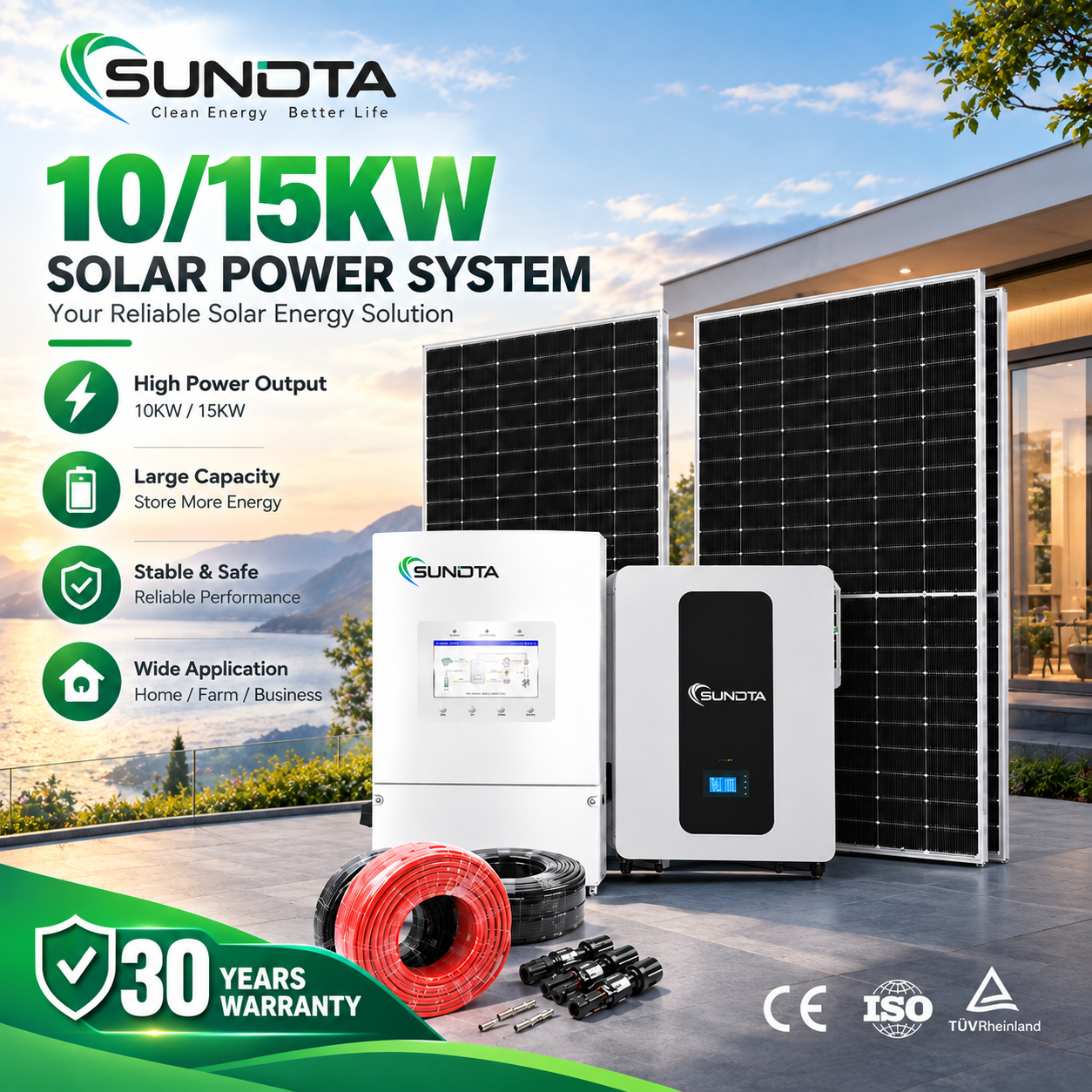
Source pre-commissioned, protocol-matched lithium iron phosphate (LiFePO4) Powerwall units, high-efficiency hybrid inverters, and N-type bifacial modules with guaranteed closed-loop communication.
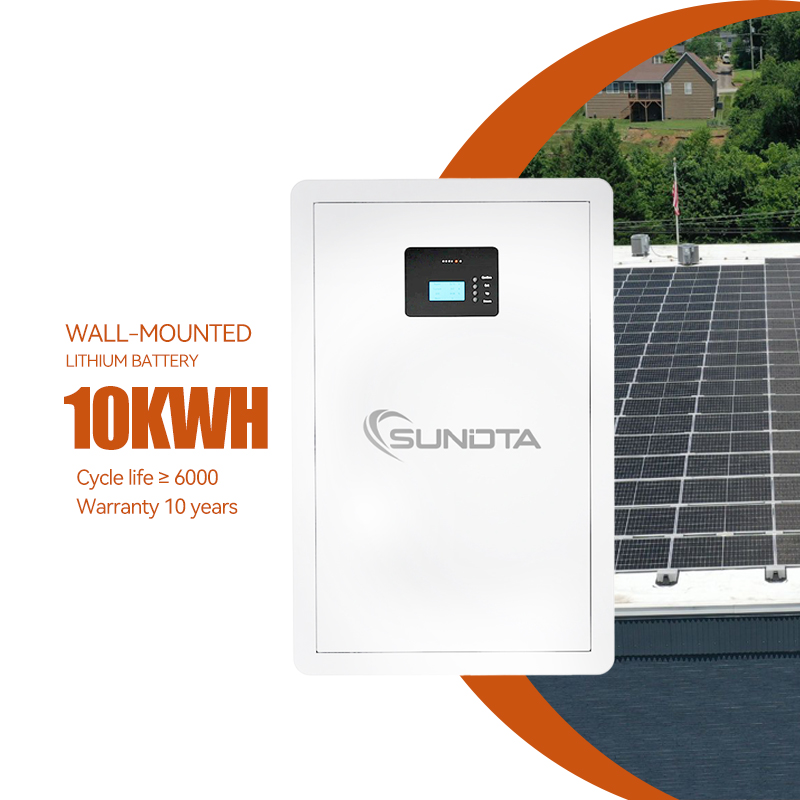
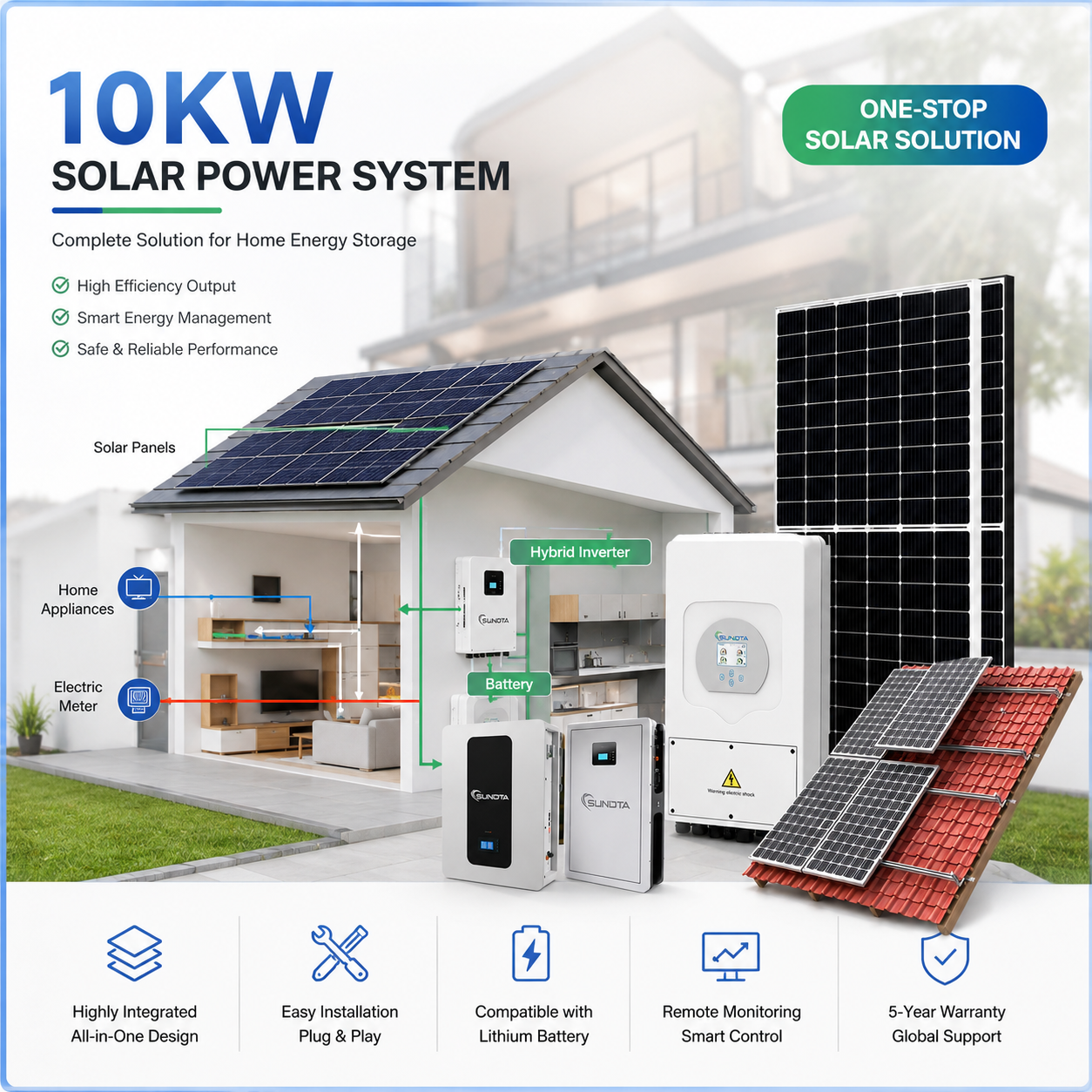
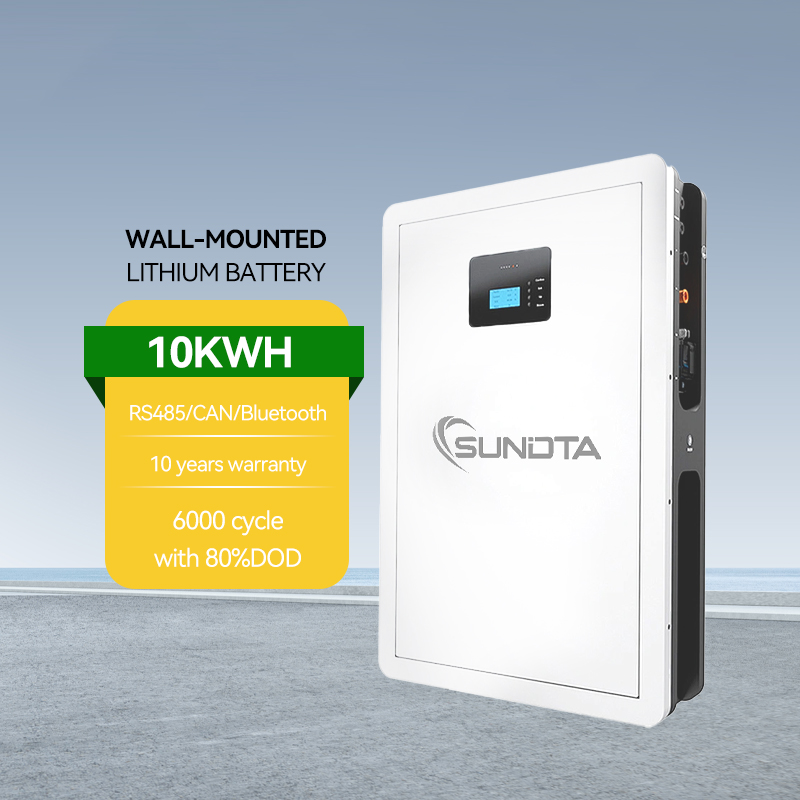
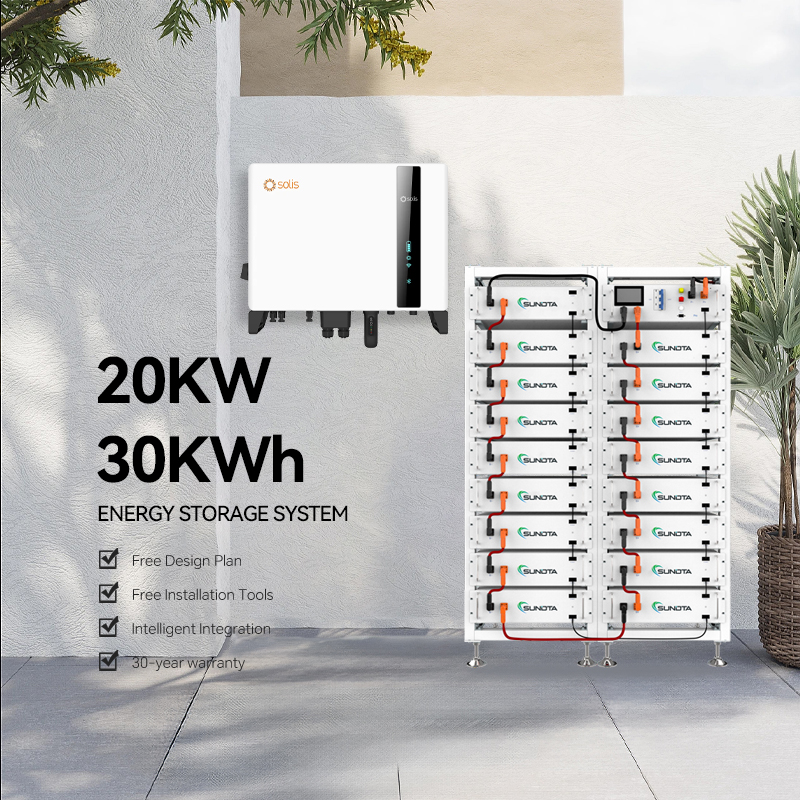
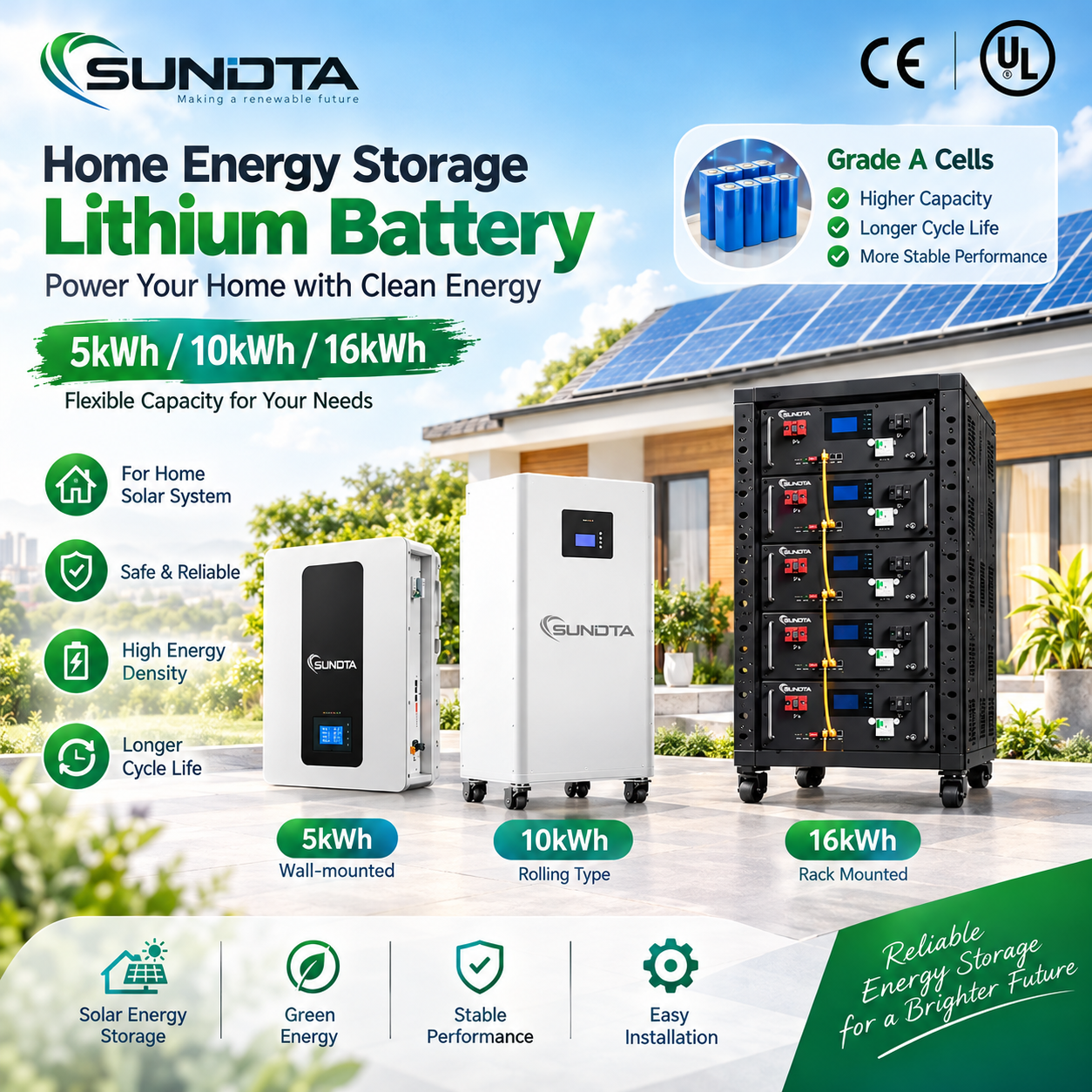
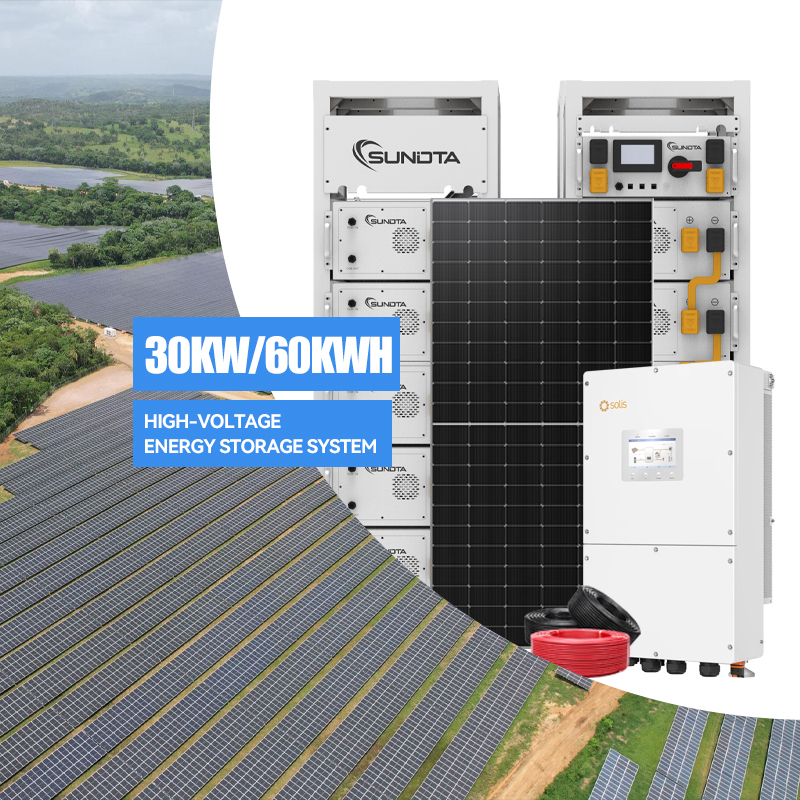
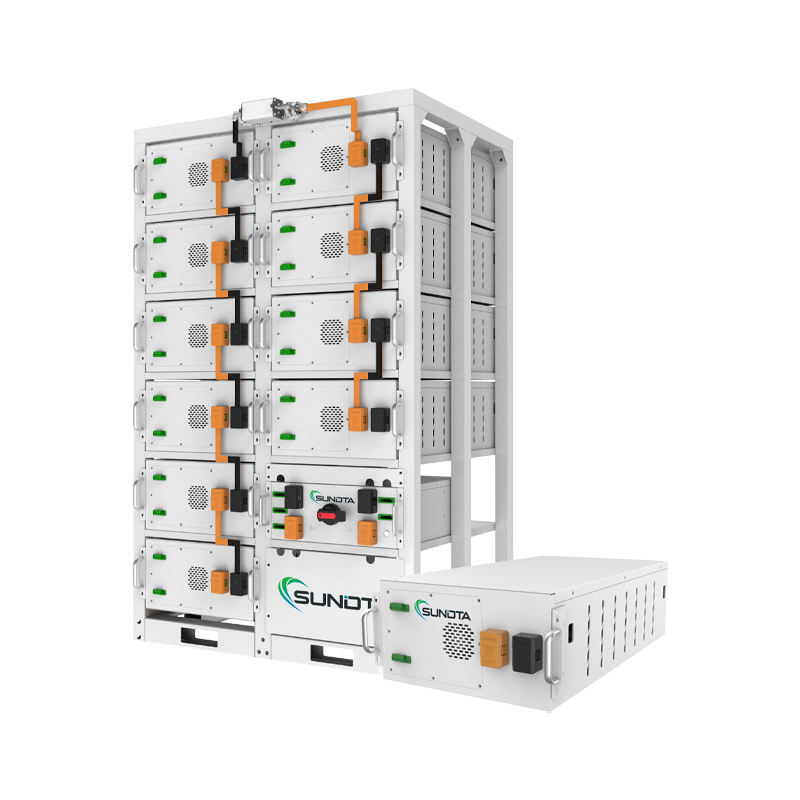
The global shift toward distributed residential microgrids and self-consumption optimization has altered procurement parameters for tier-1 residential and commercial battery storage. For distributors, brand-holders, and engineering, procurement, and construction (EPC) firms, procuring residential energy storage systems (BESS) or Powerwall-style battery walls requires deeper validation than evaluating base kilowatt-hour capacity and nominal pricing. Engineering reliability lies primarily within cell classification grade, internal thermal dissipation, battery management system (BMS) closed-loop architecture, and multi-inverter protocol standardization.
As an established manufacturer headquartered in Hefei, Anhui RJV New Energy executes rigorous design-for-manufacturability workflows across our specialized automated production facilities. We bridge the gap between pure cell-chemistry assembly and operational field performance, delivering systems that reliably withstand severe cyclic loading and irregular grid circumstances.
When engineering customized OEM/ODM wall-mounted and stackable units, selecting an optimal electrical topology dictates installation velocity and ongoing round-trip efficiency (RTE). The technical reference matrix below details parameters verified by our engineering teams across hundreds of field deployments:
| Evaluation Parameter | Low-Voltage (LV) 51.2V Systems | High-Voltage (HV) Stack Architectures | Engineering Selection Rule |
|---|---|---|---|
| Nominal Voltage Baseline | 51.2 VDC (16S LiFePO4) | 150 VDC – 600+ VDC (Multi-module Series) | LV for simple parallel domestic installations; HV for zero-loss 3-phase commercial loads. |
| Inverter MPPT Efficiency | 94.5% – 95.8% (typical step-up conversion) | 97.5% – 98.4% (direct DC bus coupling) | HV eliminates high-current DC losses, driving superior round-trip efficiency in 10kW+ installations. |
| Cable Sizing & Copper Load | Heavy gauge (1/0 to 4/0 AWG required) | Standard diameter (6 mm² to 10 mm² PV cables) | LV requires heavy busbars; HV reduces containment footprint and copper consumption across job sites. |
| Safety & Compliance Boundary | Inherently safe touch voltage (<60 VDC limits) | Classified lethal DC voltages; rapid-shutdown required | LV complies immediately with unrestricted residential electrical codes across remote territories. |
| Parallel Expansion Capability | Massive modularity (up to 15-32 parallel packs) | Series-bound; limited parallel flexibility | LV architectures allow incremental capacity upgrades without replacing the baseline inverter. |
The operational longevity of a Powerwall system is determined entirely by internal cell consistency. RJV New Energy relies exclusively on UL1973/UL9540A-certified, automotive-grade lithium iron phosphate (LiFePO4) prismatic cells. Unlike lower-tier providers who deploy secondary-grade or reconstituted cylindrical formats to compress production expenditures, automotive Grade A cells provide tightly bounded internal resistance deviations (ΔIR ≤ 0.05mΩ) and precise initial open-circuit voltage tracking (ΔOCV ≤ 2mV across lots).
This cell uniformity eliminates localized cell drift during deep high-rate charge and discharge cycles (0.5C to 1C constant continuous loading). When mated to our proprietary Smart BMS platform, our systems achieve over 6,000 cycles at 80% Depth of Discharge (DoD) under nominal 25°C operational parameters. This provides commercial distributors with the operational backing necessary to issue ironclad 10-year warranty documents without exposing themselves to catastrophic replacement liabilities.
Market intelligence derived from frontline project sizing and global customs delivery patterns across European, North American, and Asia-Pacific renewable sectors.
Next-generation Powerwalls require firmware capable of automated localized trading. By integrating native API support for wholesale day-ahead energy pricing (Nord Pool, EPEX Spot), our systems charge automatically during negative pricing windows and discharge during peak retail tariffs.
Unmatched protocols create field failure risks. Procurement demands pre-mapped CAN bus profiles compatible with market staples such as Deye, Solis, Victron, GoodWe, and Growatt, enabling rapid plug-and-play handshakes without manual software flashing in the field.
Municipal residential mandates now frequently enforce strict non-propagation thresholds. Factory-integrated aerosol suppression cartridges within the sealed battery chassis stop thermal propagation at the individual cell level, satisfying tier-one safety audits.
Founded on rigorous research and automated PV assembly in Hefei, China, Anhui RJV New Energy provides end-to-end manufacturing oversight. We eliminate the systemic headaches of multi-vendor friction by supplying unified PV-Storage bills of materials (BOMs).
Every Powerwall system leaves our testing facility fully mapped to our bifacial high-power modules and accompanying hybrid inverters. This assures EPC contractors that ground connections, MPPT tracking ranges, battery communication busses, and localized grid parameters work cohesively from initial power-on.
Every single lithium module undergoes a 100% capacity cycle and internal resistance (IR) flash assessment before crating. Full serial-tracked flash records and individual test profiles are compiled and forwarded directly with bill of lading documentation.
From industrial aesthetic sheet metal modifications and corporate brand silk-screening to customized communication firmware for proprietary remote cloud monitoring systems, we facilitate scalable custom manufacturing starting at approachable order quantities.
Direct technical answers addressing the logistical, electrical, and commercial parameters encountered by energy project managers and procurement officers.
Request comprehensive OEM/ODM pricing tiers, full cell testing telemetry, complete factory equipment specifications, and inverter compatibility charts from our technical support team.