Engineered Inverter & Storage Ecosystems
Component-level interoperability is verified prior to dispatch. Sizing, MPPT tracking ranges, and smart BMS communication layers are synchronized to maximize Levelized Cost of Energy (LCOE).
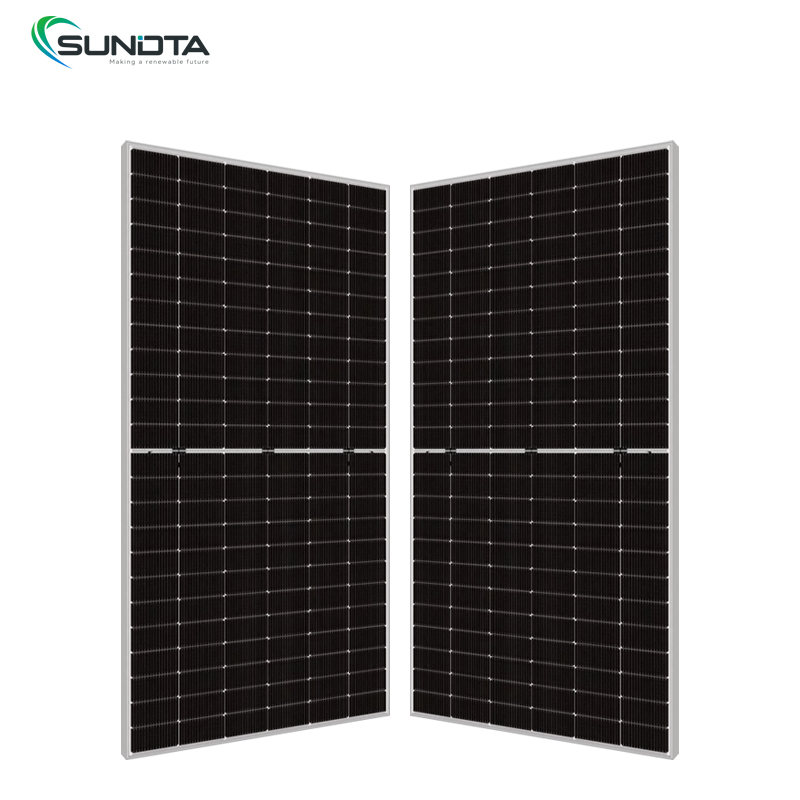
- High-bifaciality utility generator
- Optimized for high-input inverters
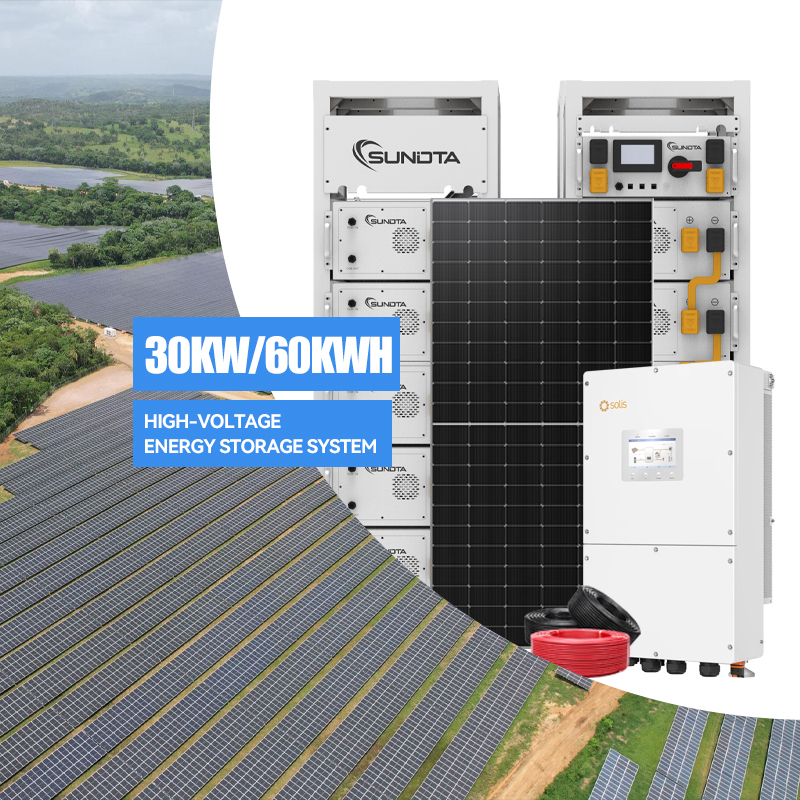
- Three-phase unbalanced output
- Seamless <10ms UPS transfer
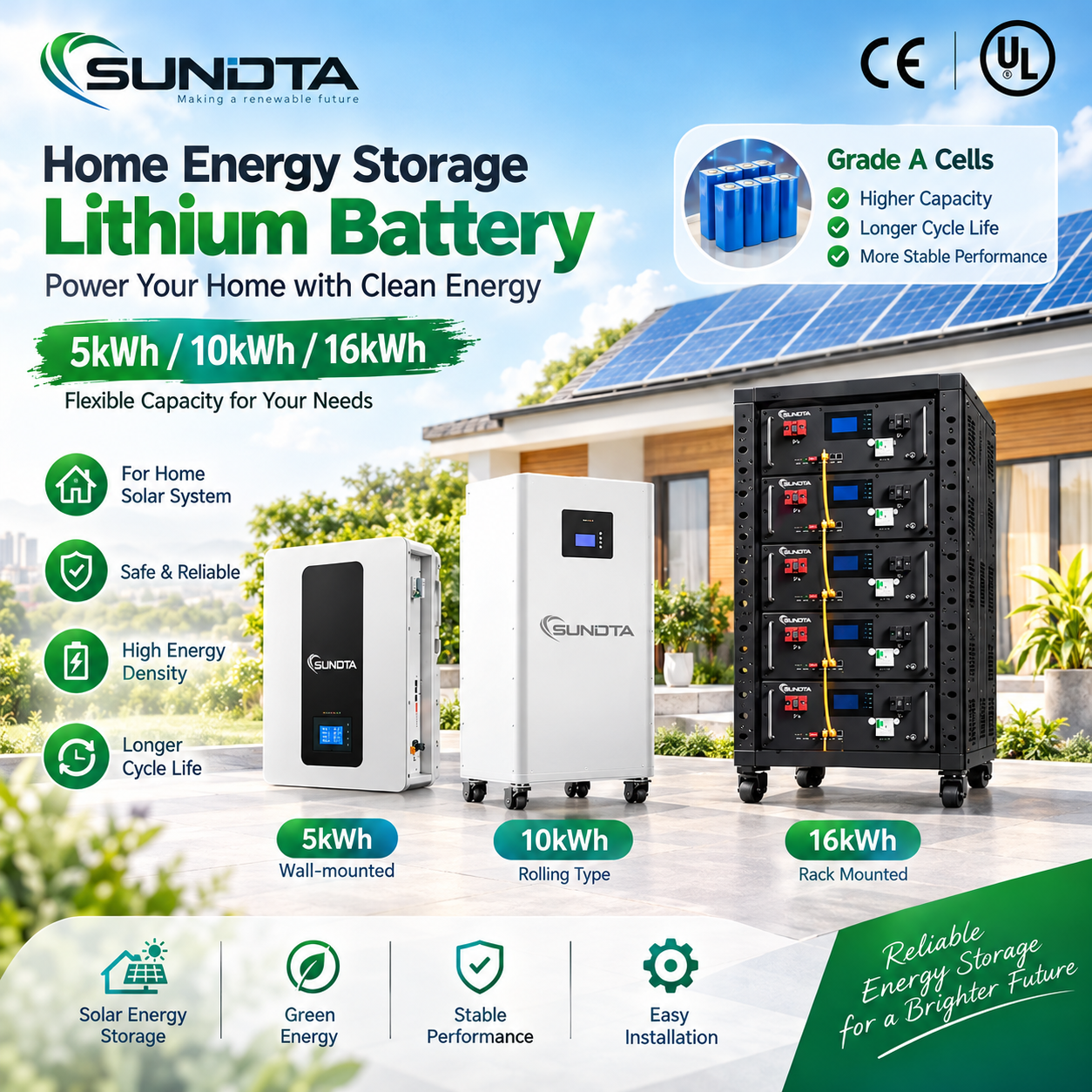
- Automated CANbus communication
- 6000+ deep cycle longevity
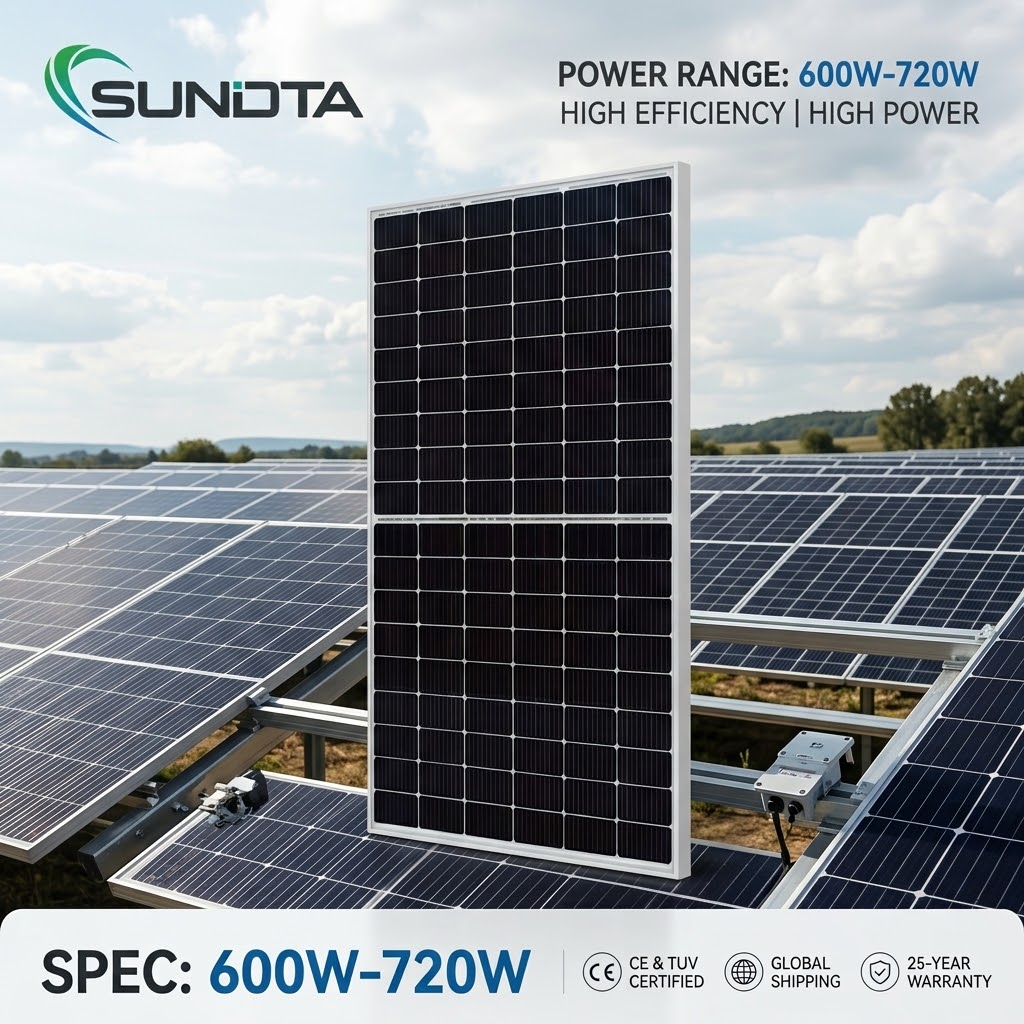
- Dual-glass robust mechanical strength
- Superior PID / LID resistance
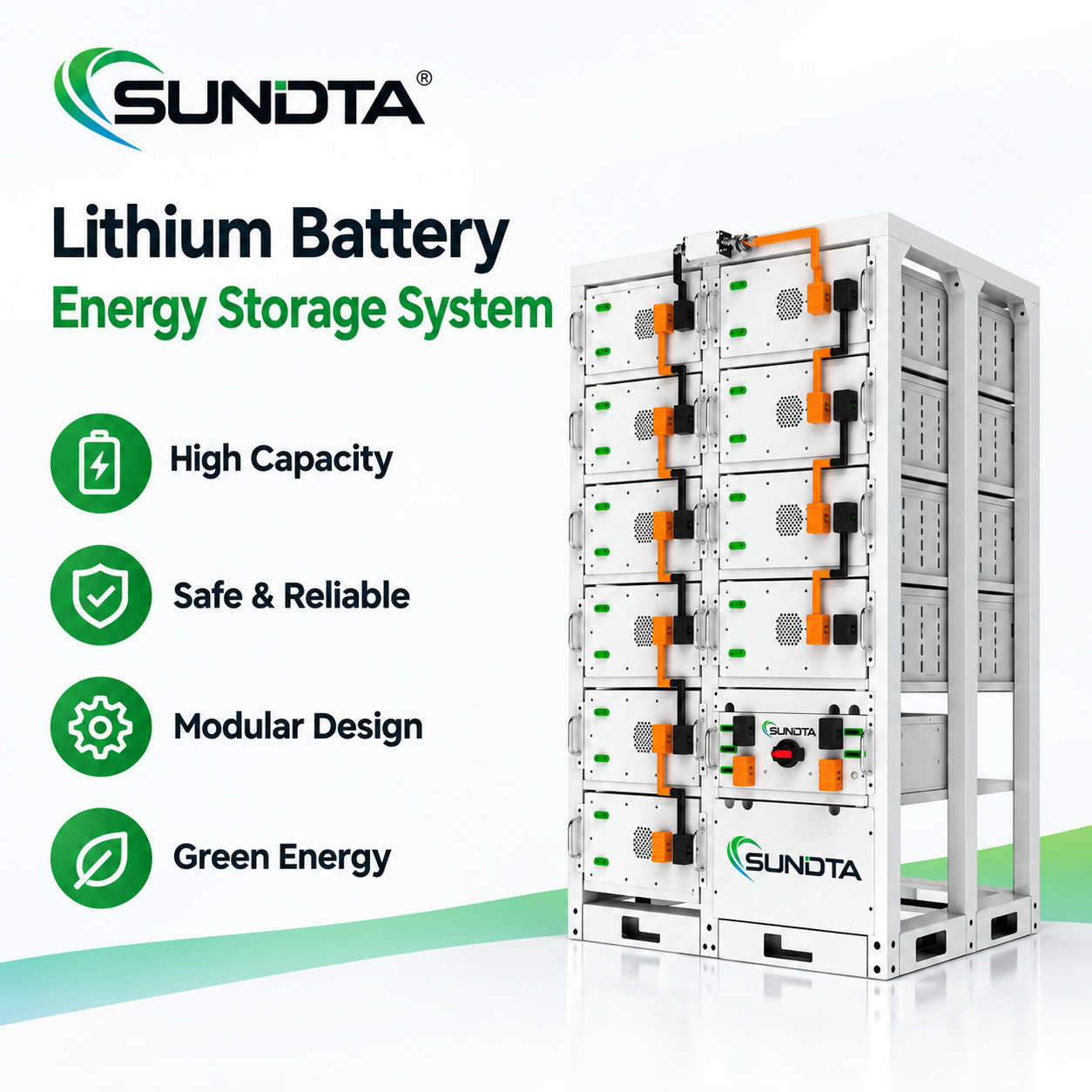
- Plug-and-play modular rail wiring
- Deye & Solis inverter certified
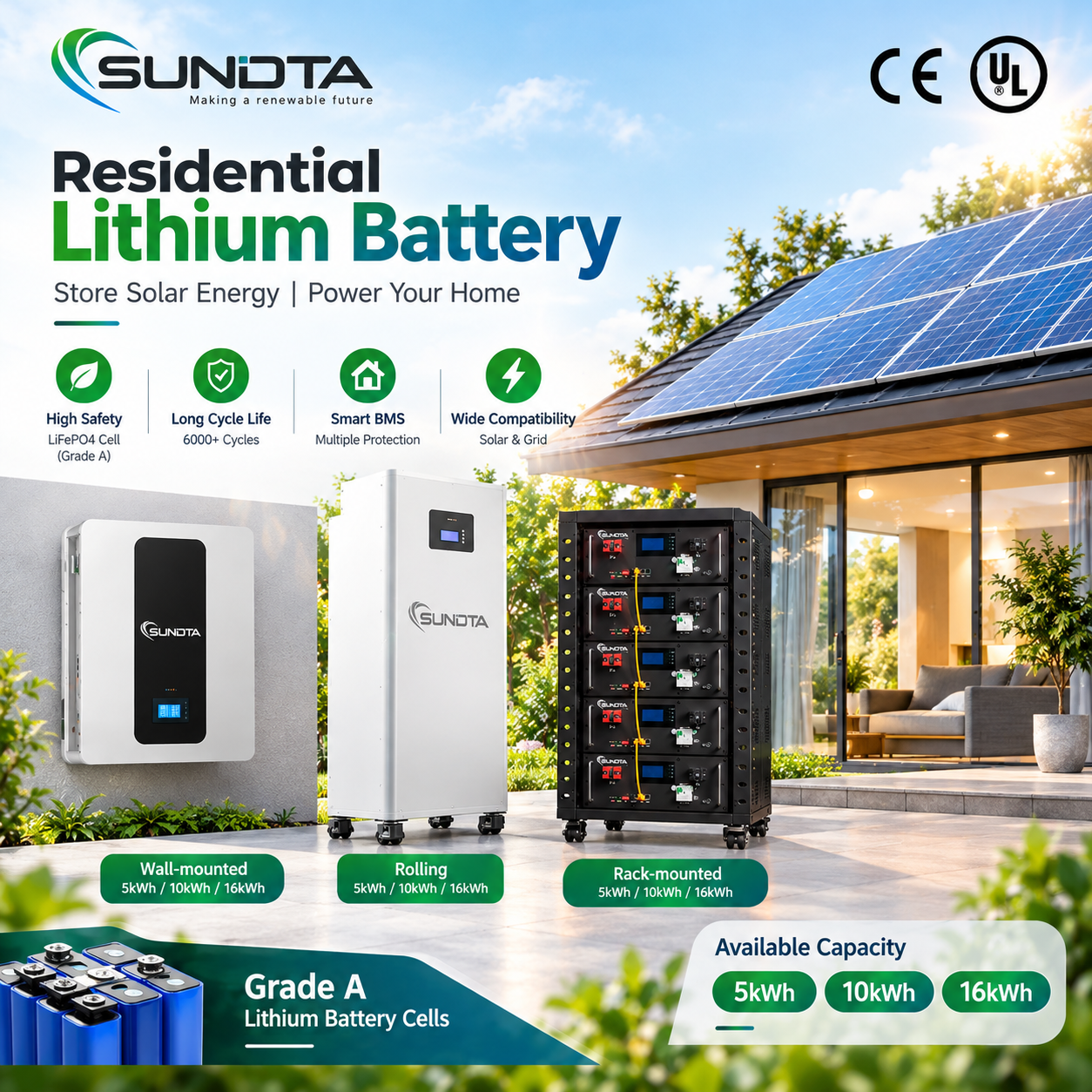
- Customizable parallel capacity
- Integrated circuit isolation breaker
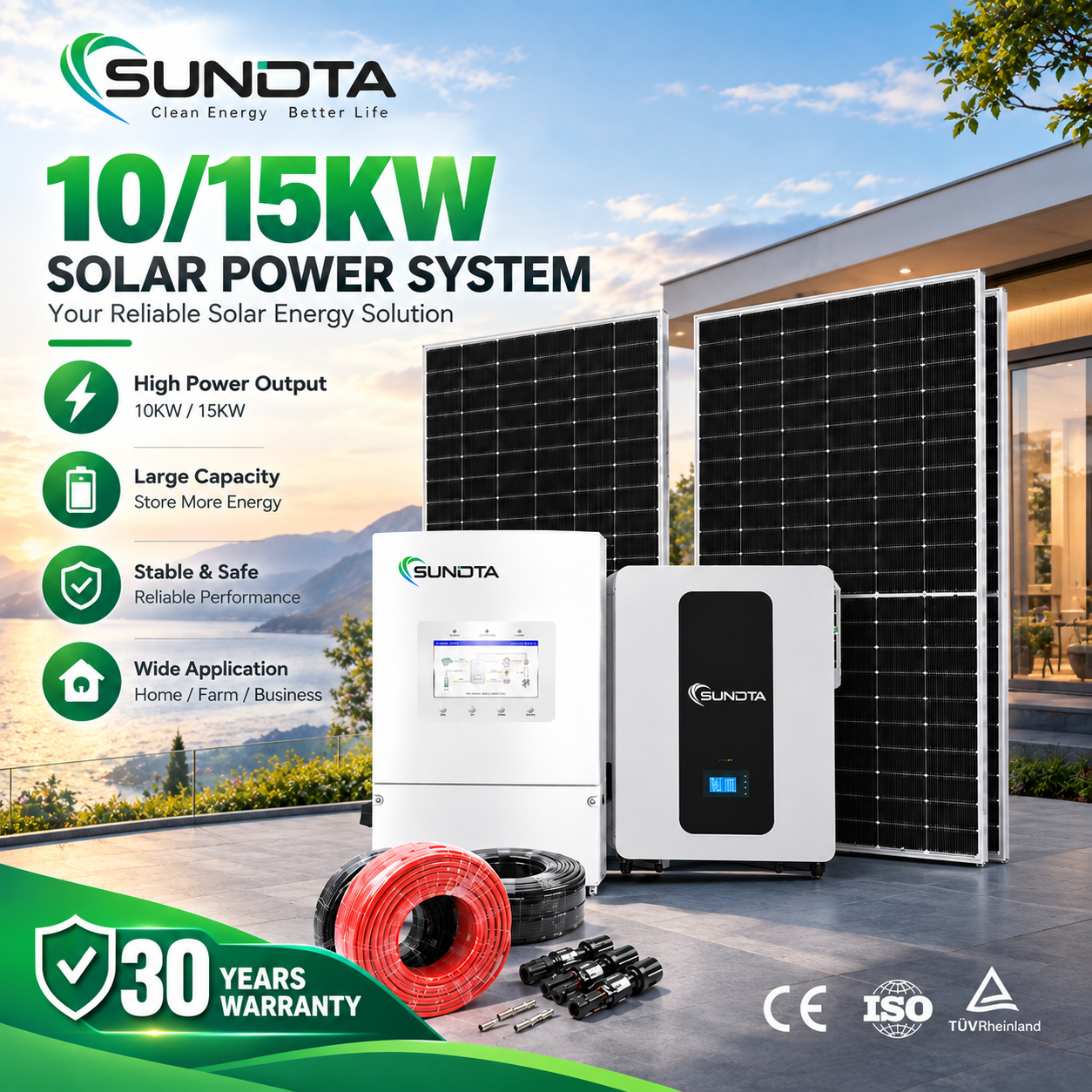
- Low temperature coefficient (-0.30%/°C)
- Heavy snow (5400Pa) / wind (2400Pa)
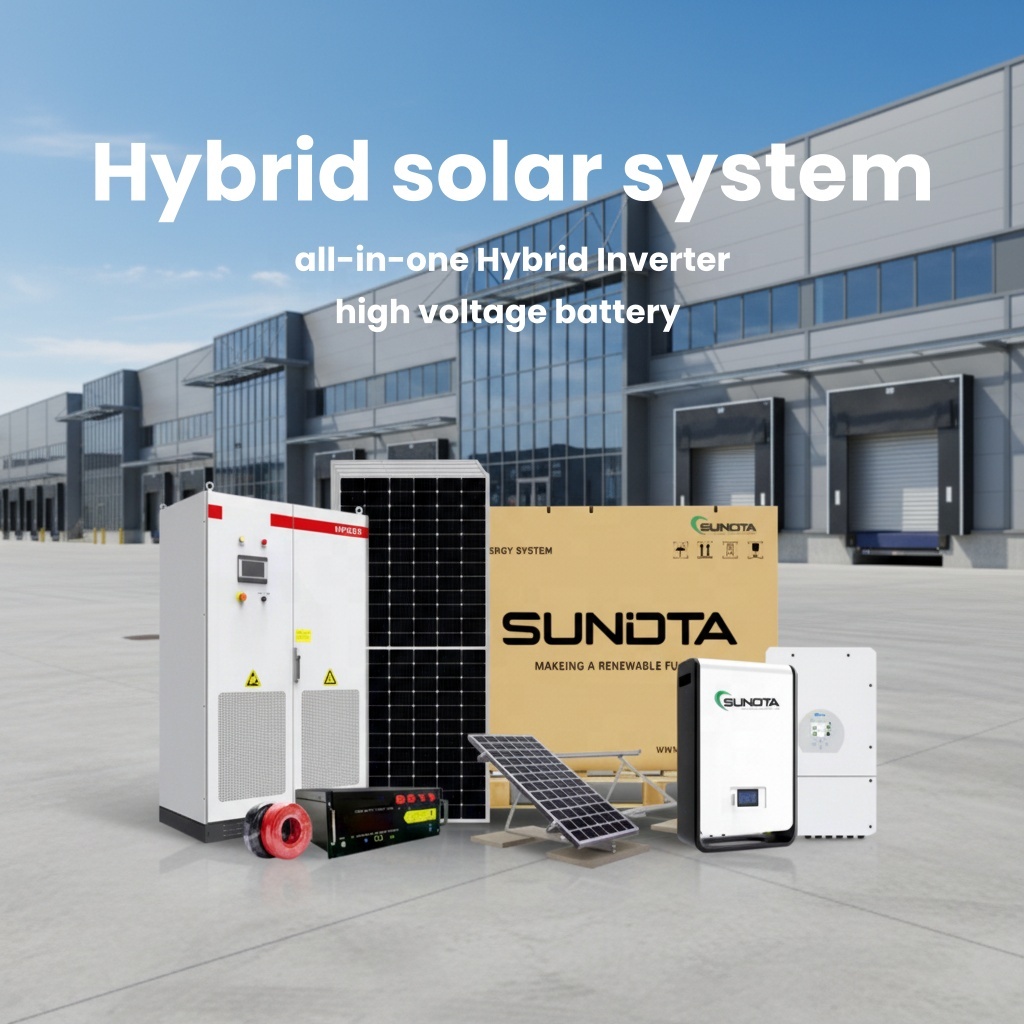
- Integrated HVAC liquid cooling & aerosol
- Demand management & peak clipping
Global Analysis: The Tier-1 Solar Inverter Landscape & Manufacturing Ecosystem
As the worldwide photovoltaic industry shifts from simple grid injection to responsive, grid-forming hybrid architecture, selecting an inverter vendor involves assessing both basic power conversion and operational firmware, cyber resilience, thermal efficiency under variable load, and dynamic software communication layers. The modern solar inverter is no longer an isolated bridge; it operates as the intelligence core of distributed energy resources (DERs).
Evaluating the World's Leading Inverter Manufacturers
Independent EPC engineering teams benchmark inverter producers using operational criteria: Silicon Carbide (SiC) MOSFET switching losses, maximum string operating currents matching 182mm/210mm high-yield wafers, multi-battery protocol compatibility, and regional regulatory compliance (such as IEEE 1547-2018, UL 1741-SB, and VDE-AR-N 4105).
Within this ecosystem, manufacturers split into specialized segments: utility-scale central and multi-MPPT string producers (Huawei, Sungrow, SMA), commercial and industrial flexible string converters (Solis, Growatt), and residential-to-commercial hybrid storage innovators (Deye, GoodWe, SolarEdge, Enphase, and Victron Energy). Anhui RJV New Energy bridges this ecosystem by maintaining direct integration channels with premier inverter platforms while providing verified production oversight from its Hefei manufacturing hub.
| Manufacturer Class / Focus | Dominant Topology | Battery Coupling Window | MPPT Max Amperage | Ideal Application Sector |
|---|---|---|---|---|
| Enterprise Hybrid Specialists (Deye, Solis) | Transformerless SiC Active Inversion | Dual LV (40–60V) & HV (160–800V) | 16A – 20A per input | Residential retrofit, off-grid microgrids, commercial storage |
| C&I Multi-String Tier-1 (Sungrow, Huawei) | High-Density Grid-Tied Multi-MPPT | HV Specialized Busway Coupling | 30A – 40A per MPPT | Commercial rooftop arrays, utility MW solar farms |
| Module-Level Electronics (Enphase, SolarEdge) | Microinverter / DC Optimizer Architectures | Proprietary High-Voltage Storage | Integrated per module | Complex shade residential, safety-restricted roof environments |
| Industrial Integration (Anhui RJV Turnkey) | Hybrid Bi-directional Active Filtered PCS | Universal CAN/RS485 LiFePO4 Stacks | Matched to 700W+ Bifacial N-Type | One-stop EPC B2B supply, containerized microgrids, OEM projects |
Technical Trends Shaping the Next Five Years of PV Power Electronics
Procurement directors must account for distinct technological inflection points when issuing long-term procurement frameworks:
1. Wide-Bandgap Semiconductors: Gallium Nitride (GaN) and Silicon Carbide (SiC) switches are superseding legacy Silicon IGBT modules. This shift slashes thermal dissipation by 30%, increases round-trip conversion efficiencies above 99%, and dramatically shrinks the physical chassis footprint of 50kW+ units.
2. Transition from Grid-Following to Grid-Forming: Inverters increasingly rely on advanced virtual synchronous generators (VSG) capable of establishing voltage and frequency references autonomously. This is mandatory for installations in remote or fragile grid corridors prone to brownouts.
3. Open-Protocol Battery Harmonization: Locked, single-brand ecosystems are losing favor among enterprise buyers. The procurement sector demands universal CAN 2.0B / Modbus RTU standards that allow one inverter model to negotiate charging algorithms interchangeably across varied LiFePO4 cell form factors.
Future-Proof Sourcing Strategies for Solar Inverters
Mitigate risk, ensure seamless grid interconnection, and defend operating margins by implementing strict vetting criteria across every procurement cycle.
Imp Rating Synchronization
Ensure nominal MPPT input currents exceed 18A to handle new 210mm N-type bifacial modules without clipping peak midday production.
Rapid Shutdown & AFCI Protection
Procure units with integrated UL1699B certified arc-fault detection and module-level rapid shutdown compliant with NEC 2020/2023 690.12 mandates.
Firmware & Dynamic Shading
Verify integrated digital scanning features that sweep IV curves continuously, preventing hotspot localization on partially shaded commercial arrays.
Why Global Distributors Partner with Anhui RJV New Energy
Direct manufacturing depth combined with curated tier-1 inverter alliances guarantees reliable supply chain continuity and verifiable bankability.
TÜV Rheinland Audited
Production facilities undergo recurring third-party operational and quality-line evaluations, ensuring full compliance across CE, IEC 61215, and IEC 61730 certifications.
Pre-Commissioning Compatibility
Every inverter and LiFePO4 battery combination undergoes full bench testing for protocol handshakes prior to container consolidation, eliminating field configuration errors.
Turnkey Containerized Logistics
Consolidate modules, inverters, racking, and battery cabinets under single-source shipping manifests, optimizing ocean freight rates and simplifying customs clearance.
Frequently Asked Questions for Inverter & Storage Sourcing
Straightforward answers addressing operational compliance, sizing tolerances, and commercial trade terms.
How do you guarantee inverter compatibility with customized LiFePO4 battery banks?
Our power systems use custom firmware configurations programmed into the Battery Management System (BMS). Using native CAN 2.0B and RS485 communication lines, our engineering team pre-calibrates charging voltage thresholds, low-temperature cutoff points, dynamic current taper rates, and fault reporting protocols to match Deye, Solis, Growatt, and Victron profiles before packing. This end-to-end matching prevents communication dropouts and protects inverter warranties.
What is the standard lead time and Minimum Order Quantity (MOQ) for custom OEM configurations?
Standard off-the-shelf inverters and modular 51.2V batteries start from an MOQ of 1 unit or sample set for qualified engineering and distribution partners. For custom brand badging, OEM chassis silkscreening, and specialized firmware adjustments, the production run MOQ typically ranges from 10 to 20 units depending on the model tier. Turnaround times average 15 to 25 business days from final engineering review to FOB Hefei / Shanghai loading.
Why should buyers source both PV modules and inverters from a single integrated supplier?
Purchasing components from separate brokers often leads to installation delays due to mismatched MPPT voltage windows or inverter input current clipping with newer ultra-high-power modules (700W+). Sourcing an integrated Bill of Materials from Anhui RJV guarantees the entire electrical path—from the Open Circuit Voltage (Voc) of our N-type modules down to the PCS inverter inputs and DC disconnects—is calculated and verified for target ambient climate conditions.
What testing and documentation are supplied for local utility and customs clearance?
Every shipment is accompanied by complete testing and compliance documentation. This includes TÜV-inspected factory acceptance reports, CE declarations, IEC 62109-1/-2 test certificates for inverters, UN38.3 test records, and MSDS safety dossiers for LiFePO4 batteries. We also provide flash-test performance reports for PV modules, streamlining customs clearance and grid interconnection approval with local network operators.