High-Yield Residential Hybrid Systems & Energy Storage Kits
Pre-engineered, factory-harmonized PV generation and storage modules built to eliminate on-site commissioning delays, phase imbalance, and communication handshake mismatches.
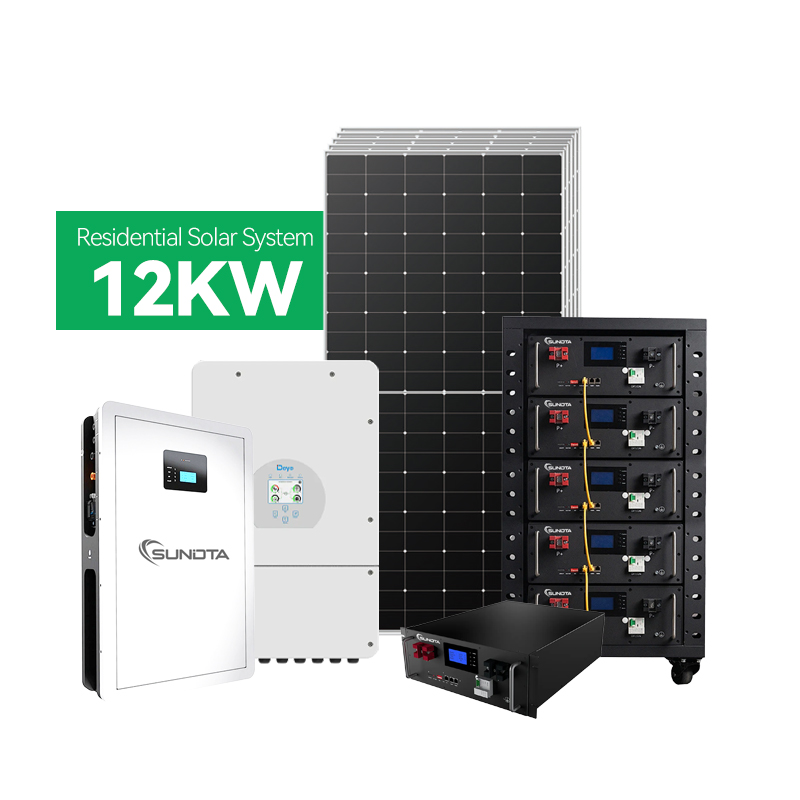
- 12kW Split/Three-Phase Hybrid Output
- 25kWh Deep-Cycle LiFePO4 Capacity
- Pre-Configured CANbus & RS485 Link
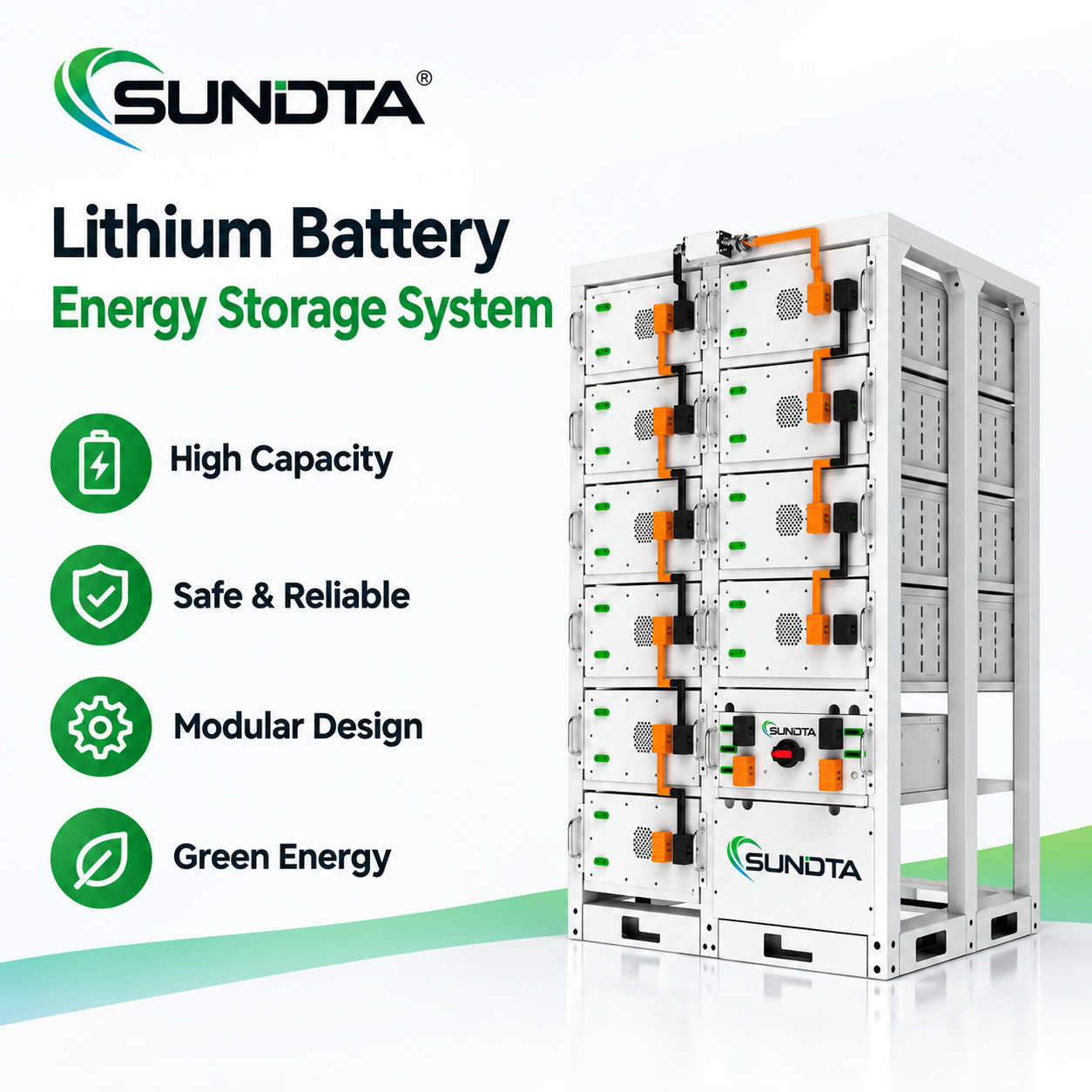
- Automotive-Grade Prismatic LiFePO4
- Inverter Auto-Handshake Protocol
- Vertical Modular Stack Sizing
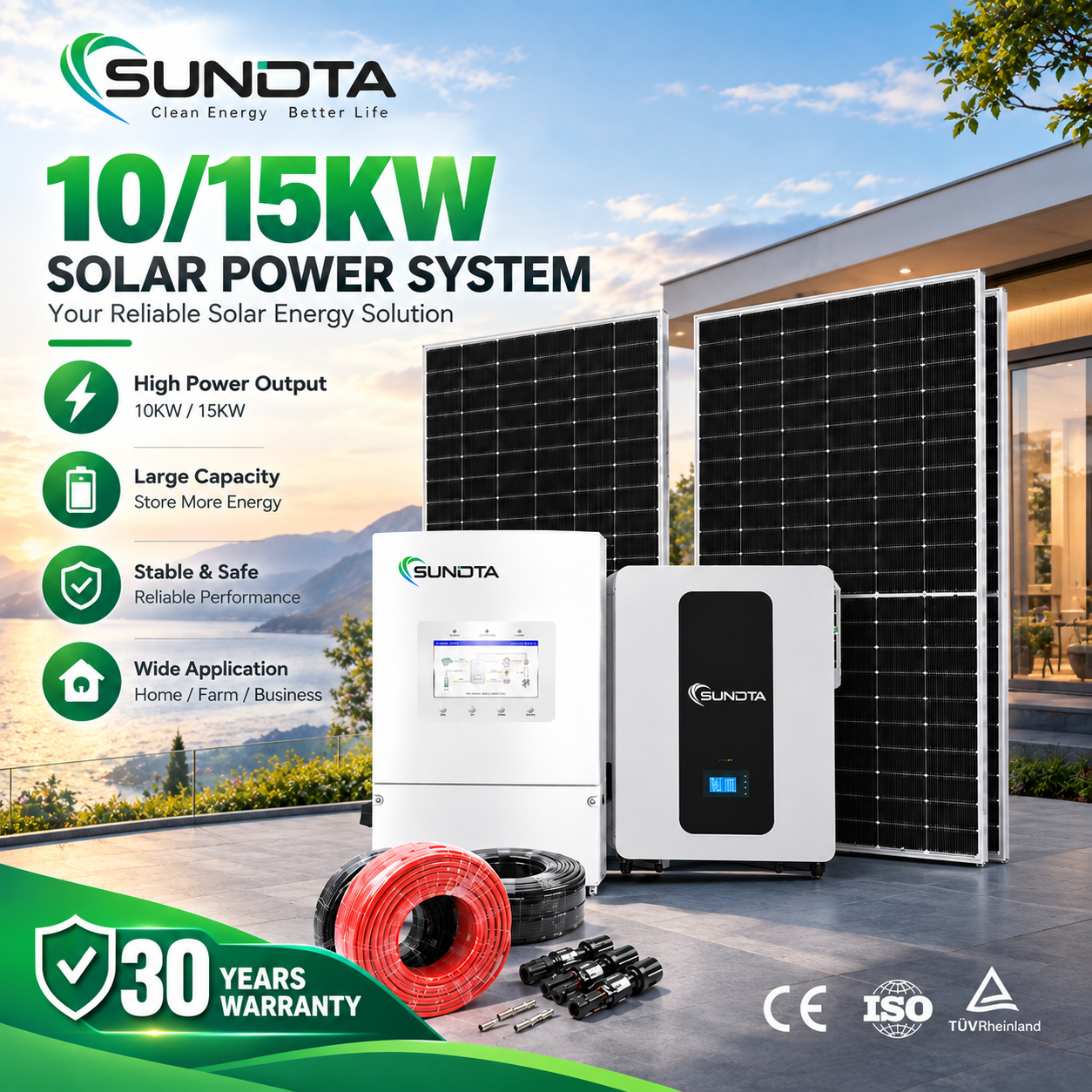
- Module Efficiency Exceeding 22.8%
- Up to 25% Bifacial Albedo Rear Gain
- Near-Zero LID/LeTID Degradation
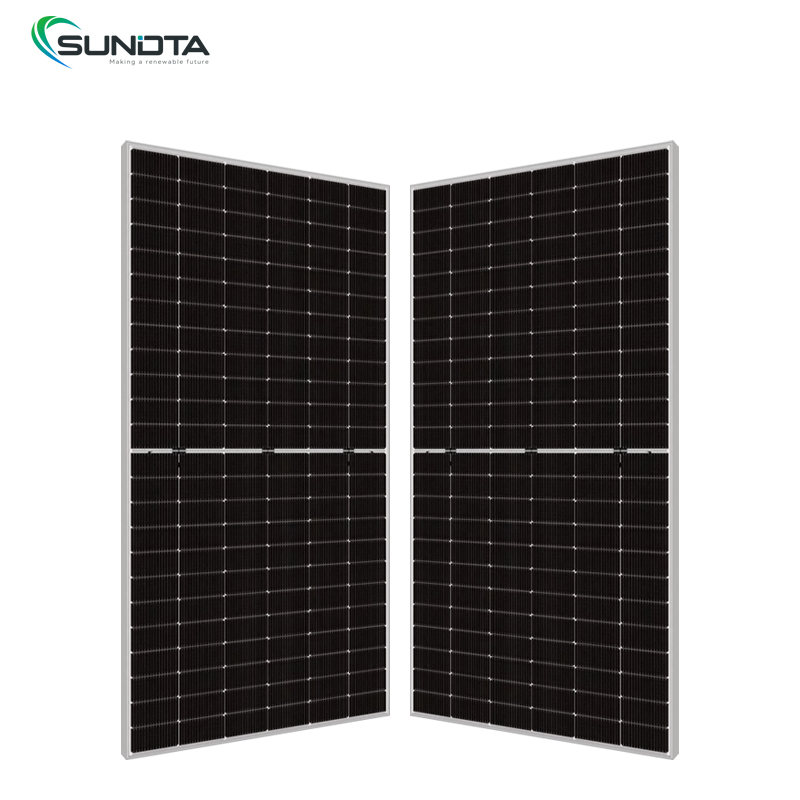
- Massive 700W–730W Peak Power
- Lowest Balance-of-System (BOS) Cost
- Heavy Mechanical Load Verified
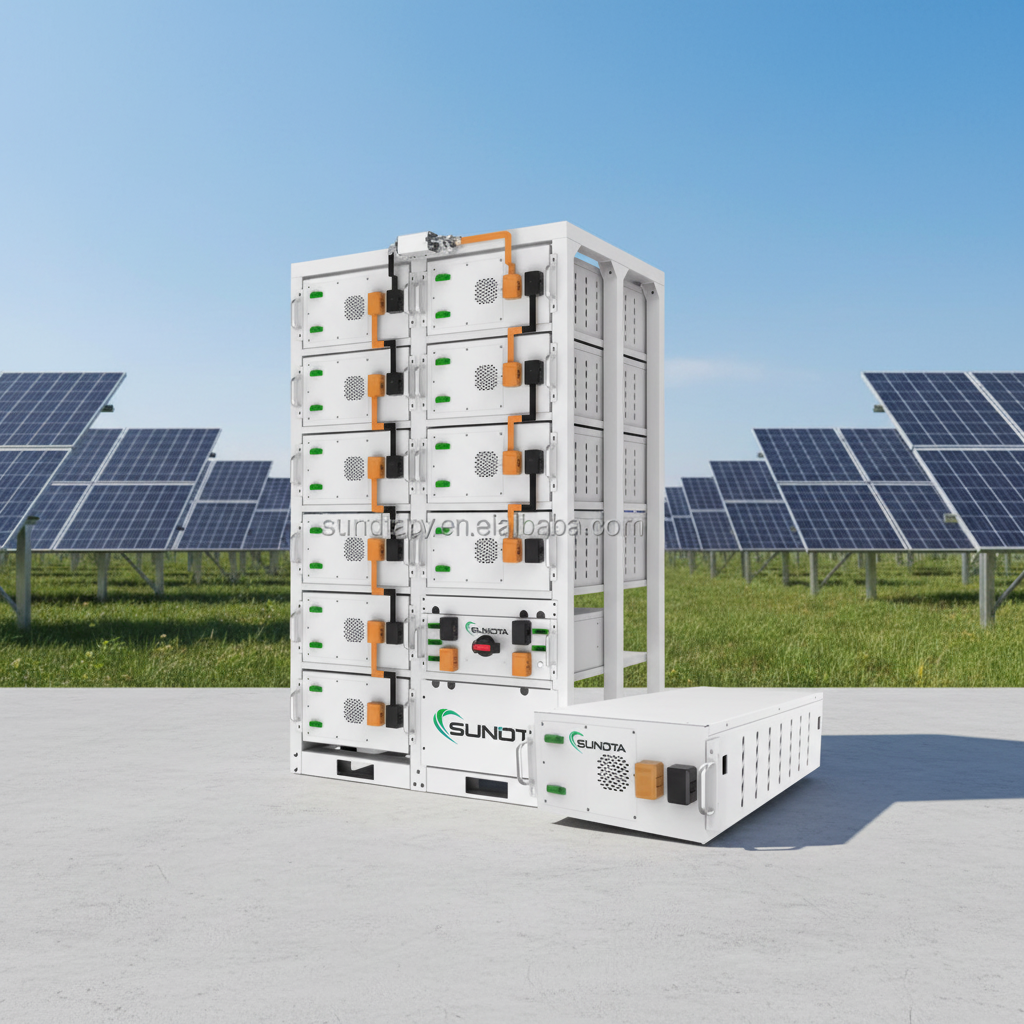
- 400V–800V High Efficiency Bus
- Industrial Active Air Thermal Cooling
- Multi-Unit Parallel Scalability
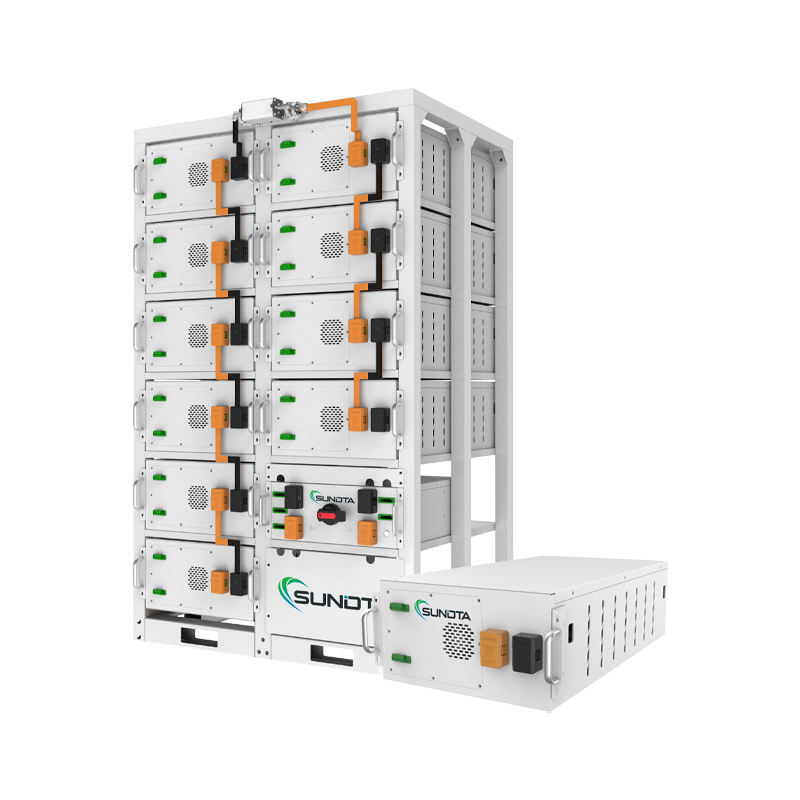
- 14.336kWh High Density Architecture
- Dual Wall-Mount or Floor Installation
- 6,000+ Deep Cycles at 90% DOD
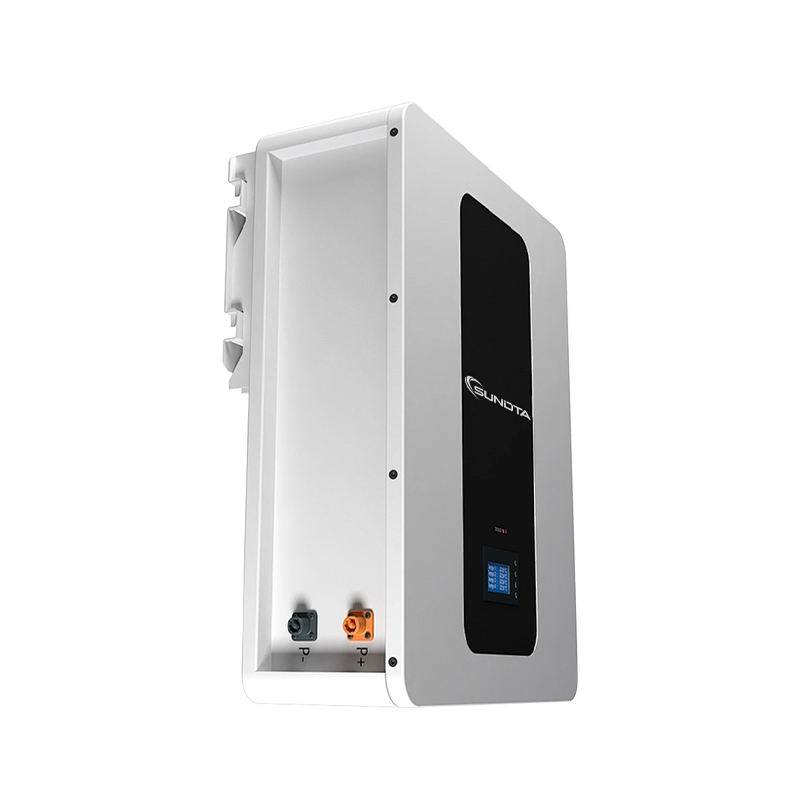
- 51.2V 100Ah Standard Form Factor
- IP65 Ingress Water/Dust Rating
- Ultra-Slim Residential Profile
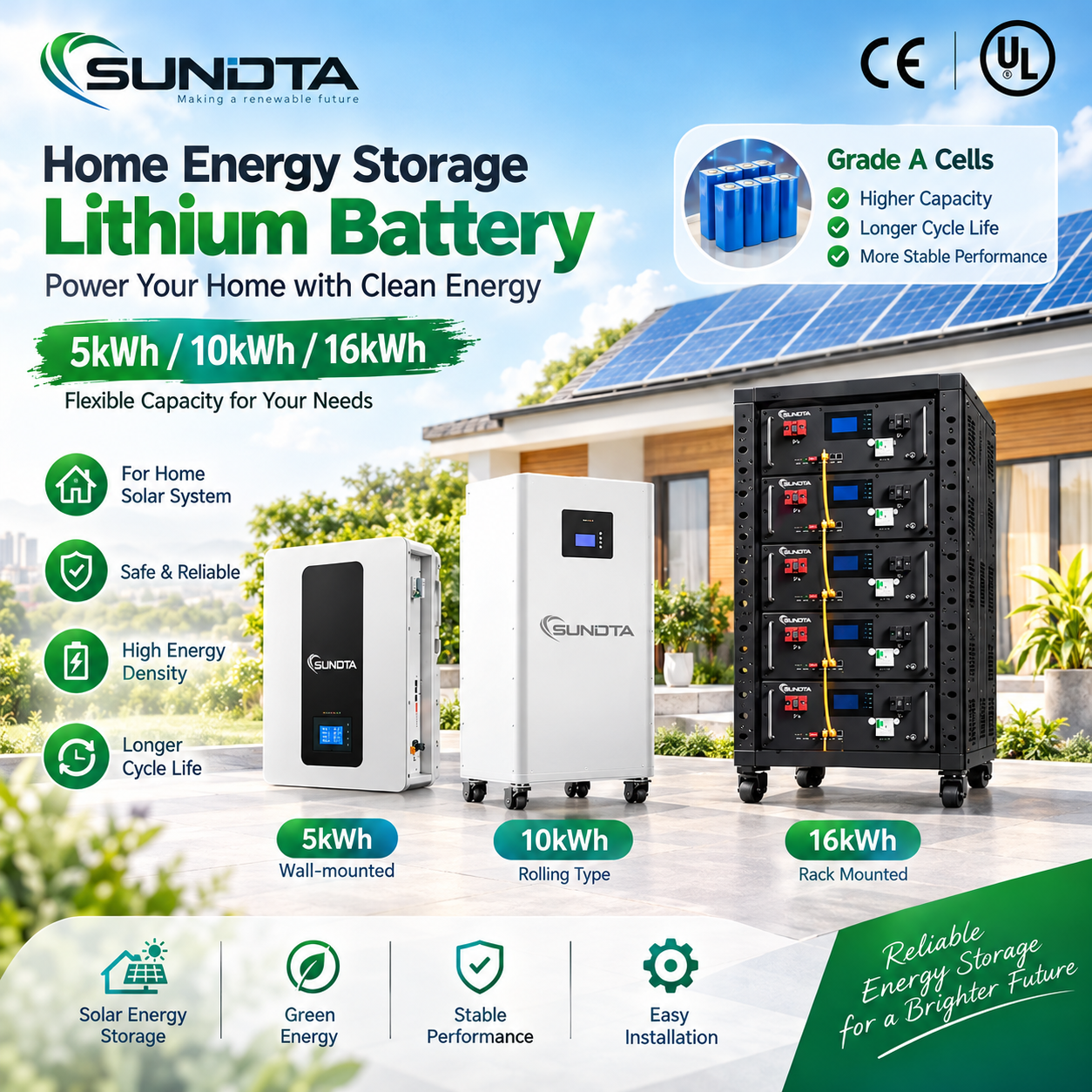
- 10.24kWh Scalable Residential Block
- Smart BMS Active Balancing Circuit
- Deye/Solis Direct Inverter Paralleling
Anhui RJV New Energy: Industrial Scalability Meets Sourcing Security
Headquartered in the global clean-energy manufacturing epicenter of Hefei, China, Anhui RJV New Energy Co., Ltd. serves tier-1 distributors, EPC contractors, and system integrators with factory-certified solar modules, inverters, and battery storage solutions.
TÜV Rheinland Audited
Our operations, testing facilities, and assembly protocols undergo rigorous on-site verification by TÜV Rheinland, ensuring total traceability and transparency.
Zero-Mismatch Integration
We eliminate on-site integration friction by strictly verifying DC bus voltage windows, MPPT tracker parameters, and CAN/RS485 communication protocols prior to container loading.
Customs & Grid Compliance
Every shipment is delivered with comprehensive CE declarations, IEC 61215/61730 certifications, UN38.3 battery transport test summaries, and factory EL flash test curves.
24/7 Global Engineering Desk
Direct line access to senior PV electrical engineers for string sizing reviews, firmware harmonization, remote BMS commissioning, and expedited warranty claim handling.
Engineering Evolution: Next-Generation Home Solar Kit Architecture
The global distributed residential photovoltaic sector is undergoing a profound structural transition. Historically treated as commoditized collections of discrete components—solar modules, string inverters, lead-acid or basic lithium packs—residential solar kits are now viewed as holistic, software-coupled power plants. Procurement directors and EPC executives no longer focus solely on the levelized nameplate cost per watt (FOB $/Wp) of the photovoltaic panel. Modern procurement strategies prioritize systemic Levelized Cost of Energy (LCOE), round-trip efficiency (RTE) across battery-coupled storage, communication protocol harmonization, and Balance-of-System (BOS) footprint reduction.
This technical evolution is primarily accelerated by three systemic transformations: the widespread commercialization of N-Type Tunnel Oxide Passivated Contact (TOPCon) silicon cells, the shift from low-voltage (51.2V) to high-voltage (HV) battery architectures, and the operational convergence of Battery Management Systems (BMS) with high-efficiency hybrid inverters via closed-loop CANbus communication topologies.
1. PV Cell Physics: N-Type TOPCon & Heterojunction (HJT) vs. Legacy P-Type PERC
For more than seven years, Passivated Emitter and Rear Cell (P-type PERC) technology served as the benchmark for residential kits. However, PERC has hit its practical efficiency ceiling at roughly 23.2% in mass production. Anhui RJV New Energy’s production lines have transitioned decisively to N-type TOPCon, pushing cell conversion efficiencies beyond 25.5% and module ratings to 585W–730W.
Unlike P-type wafers, which suffer from boron-oxygen defect complexes under solar irradiance (causing Light-Induced Degradation of 1.5% to 2.5% in the initial operational months), N-type phosphorus-doped silicon wafers are immune to boron-oxygen pairs. The residual degradation of N-type cells is limited to less than 1.0% in year one and 0.4% per annum thereafter, guaranteeing over 87.4% linear power output after 30 years of operational runtime.
Furthermore, bifacial TOPCon panels exhibit an exceptional bifaciality factor of 80% to 85% (compared to 65% to 70% for standard PERC). In residential rooftop environments with reflective membrane underlayments, concrete flat roofs, or light-colored industrial metal roofs, this bifacial gain contributes an additional 8% to 22% in real kilowatt-hour generation without consuming additional rooftop surface area.
Higher Conversion Efficiency
TOPCon delivers 22.5%+ module efficiency, generating substantially more watt-hours per square meter to maximize restricted residential rooftop spaces.
Lower BOS Infrastructure Sizing
Higher unit wattage (585W–730W) reduces mounting rail meters, DC wiring runs, combiner hardware, and installation man-hours per system installed.
Enhanced Low-Light Performance
N-type substrates exhibit superior spectral response under diffuse morning, dusk, and overcast conditions, delivering longer productive generation hours daily.
2. Energy Storage Chemistry & BMS Protocol Interoperability
Lithium Iron Phosphate (LiFePO4 / LFP) has definitively superseded Nickel Manganese Cobalt (NMC) as the chemistry of choice for residential energy storage kits due to its intrinsic thermal stability and structural resilience. The chemical olivine crystal structure of LiFePO4 forms strong covalent P-O bonds, preventing oxygen release during high-temperature events and eliminating the hazard of catastrophic thermal runaway below 270°C.
However, the real engineering differentiator in high-reliability solar kits lies in the Battery Management System (BMS). Anhui RJV New Energy integrates intelligent master-slave BMS units featuring automotive-grade A-class prismatic cells. The onboard firmware is pre-configured with multi-vendor CANbus and RS485 communication stacks, facilitating automated handshakes with tier-1 hybrid inverter topologies, including Deye, Solis, and Growatt.
In unmanaged or poorly configured battery banks, open-loop voltage-sensing charging creates severe cell drift, premature thermal throttling, and early battery lockouts. RJV’s integrated BMS delivers closed-loop control: the battery dynamically transmits Maximum Charge Voltage (CV), Charge Current Limit (CCL), Discharge Current Limit (DCL), and Cell Temperature telemetry to the inverter’s MPPT control loop every 100 milliseconds, maximizing cell lifespan past 6,000 cycles at 90% Depth of Discharge (DOD).
System Sizing & Architecture Reference for B2B Importers
Selecting the optimal home solar kit configuration depends strictly on grid stability, local utility interconnection tariffs (Net Energy Metering vs. Feed-in-Tariff), and typical household peak surge loads. Use the technical engineering matrix below to match market conditions with verified BOM configurations.
| Target Market Scenario | Kit Configuration (BOM) | Storage Topology | Inverter Phase / Bus | Primary Economic Benefit |
|---|---|---|---|---|
| European Rooftop Retrofit (High grid reliability, net billing, feed-in limits) |
10kW TOPCon Panels (590W x 17) 8kW–10kW Hybrid Inverter 14.3kWh LiFePO4 Battery |
Low-Voltage 51.2V Stackable / Wall-mount CANbus Auto-sync |
Three-Phase 400V Grid Split-load backup circuit < 10ms UPS switch |
Maximizes self-consumption; mitigates surging peak retail electricity costs with automated time-of-use (TOU) arbitrage. |
| North America / LatAm Residential (Split-phase 120V/240V, frequent grid outages) |
12kW All-Black Modules 12kW Hybrid Storage Inverter 20kWh–25kWh Lithium Pack |
Low-Voltage 51.2V High-discharge dual pack Integrated active balance |
Single-Phase Split 120/240V Full home backup switch Surge for HVAC compressors |
Whole-home grid defection resilience, capable of cold-starting inductive loads (water pumps, air conditioning units). |
| Emerging Markets / Island Grids (Unstable grid infrastructure, weak transmission) |
15kW High-Yield TOPCon Arrays 15kW MPPT Off-Grid Inverter 30kWh LiFePO4 Battery Cabinet |
High-Voltage (HV) or Heavy-duty 51.2V Bank IP65 Ingress Casing |
Single/Three-Phase selectable Built-in diesel genset autostart Wide MPPT 120V–500V input |
Autonomous, fuel-free 24-hour baseline power; completely protects sensitive residential electronics from brownout voltage sags. |
| High-End Modern Luxury Villa (EV fast chargers, heat pumps, high daily consumption) |
20kW–25kW Bifacial Modules 20kW Commercial Hybrid Inverter 40kWh–50kWh HV ESS Cabinet |
High-Voltage 400V–600V Bus Low cable loss profile Active liquid/air heat pump |
Three-Phase Balanced Output Dual MPPT (4 strings) Integrated smart EMS node |
Slashes line thermal losses, charges EV fleet directly from DC PV bus without round-trip AC conversion losses. |
Future Procurement Trends in the Global Solar Supply Chain (2025–2030)
Purchasing agents, EPC contract managers, and solar equipment importers must navigate an increasingly complex international procurement landscape. Understanding market dynamics over the coming five-year horizon is vital to hedging inventory value, securing warranty continuity, and guaranteeing regulatory clearance.
1. The Move Toward Pre-Packaged, Modular "All-in-One" BOS Kits
The historical procurement practice of sourcing solar modules from Manufacturer A, inverters from Manufacturer B, and lithium batteries from Manufacturer C is declining across competitive installation markets. The driver is not manufacturing monopolization, but the direct labor cost of installation and the hidden overhead of warranty arbitration. When an installer encounters communication faults between a third-party inverter and a battery pack, both manufacturers frequently assign blame to the other party's firmware, leaving the distributor or installer with stranded inventory and frustrated homeowners.
Pre-packaged, factory-validated kits eliminate cross-vendor liability. Every component—from DC rapid-shutdown combiners and surge protection devices (SPDs) to inverter firmwares and BMS battery stacks—is pre-tested in factory burn-in chambers under simulated loads before packing. This drops residential install times from 2.5 days to under 6 hours, providing installation companies with substantial operational margin improvements.
2. Regionalization of Supply Chains & Regulatory Traceability
Import compliance is no longer a passive administrative task. The expansion of stringent international trade frameworks—such as the European Union’s Corporate Sustainability Due Diligence Directive (CSDDD), the EU Carbon Border Adjustment Mechanism (CBAM), and global anti-forced-labor import controls—demands auditable chain-of-custody documentation. Professional exporters like Anhui RJV New Energy ensure end-to-end supply chain transparency, tracing silicon feedstock, ingot crystallization, wafer slicing, and cell metallization to ensure friction-free customs clearance in regulated ports.
3. Transition to High-Voltage (HV) Residential Architectures
While 48V/51.2V systems will maintain high market share in entry-level and off-grid markets due to their intrinsic touch-safe installation voltage, high-end residential systems are migrating rapidly to High-Voltage (HV) battery systems (200V–500V DC). Operating at higher voltages significantly reduces current for equivalent power outputs, minimizing thermal losses ($I^2R$), shrinking copper wire gauges, and increasing round-trip inverter-to-battery charging efficiency by 1.8% to 3.2%.
Frequently Asked Questions: Global Solar Kit Procurement
Direct technical and operational answers to the most common queries raised by engineering project leads, wholesale distributors, and overseas procurement departments.