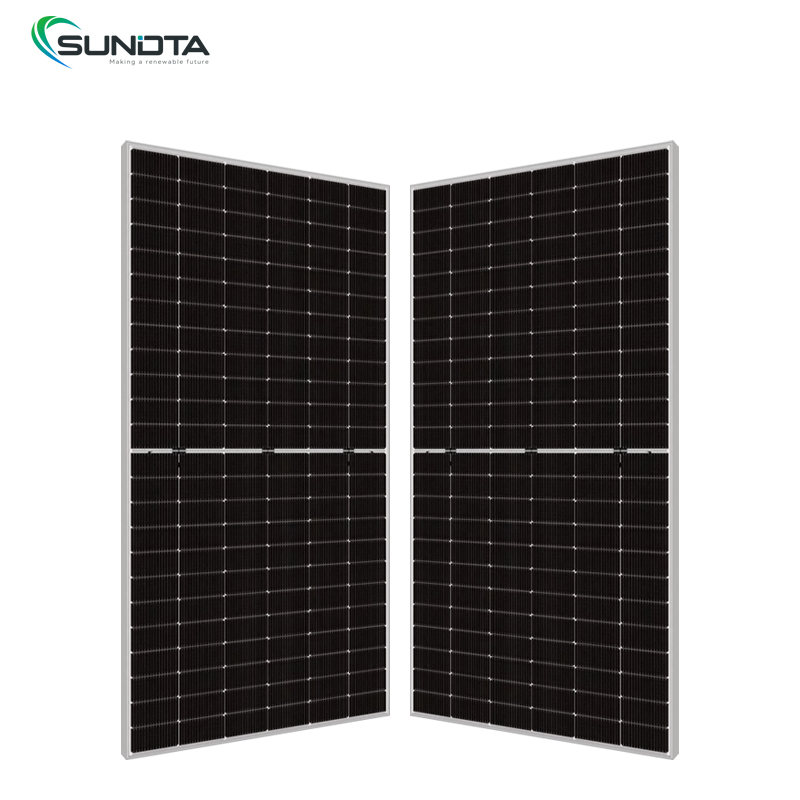
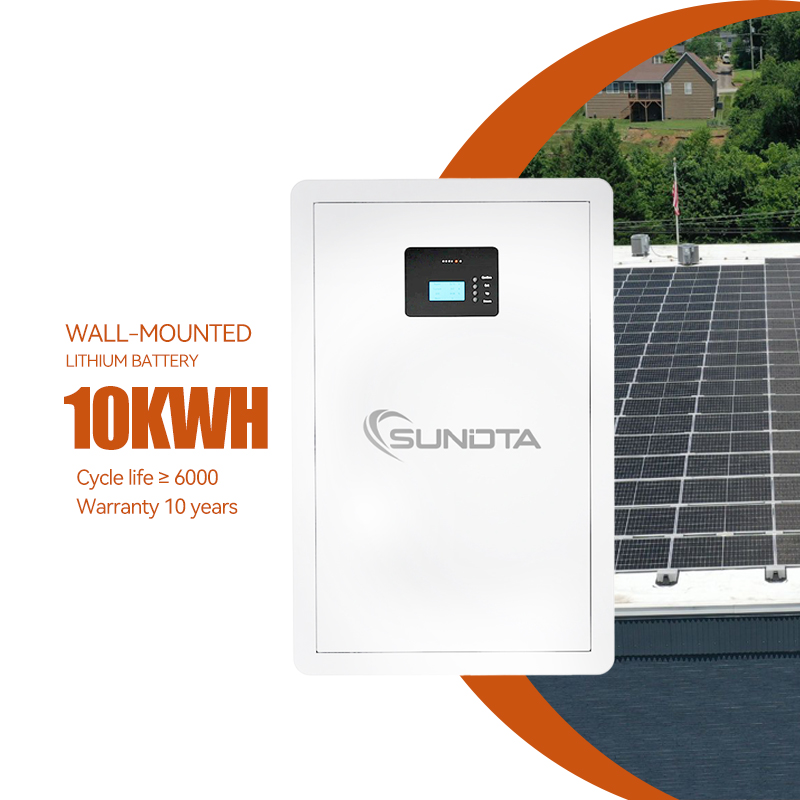
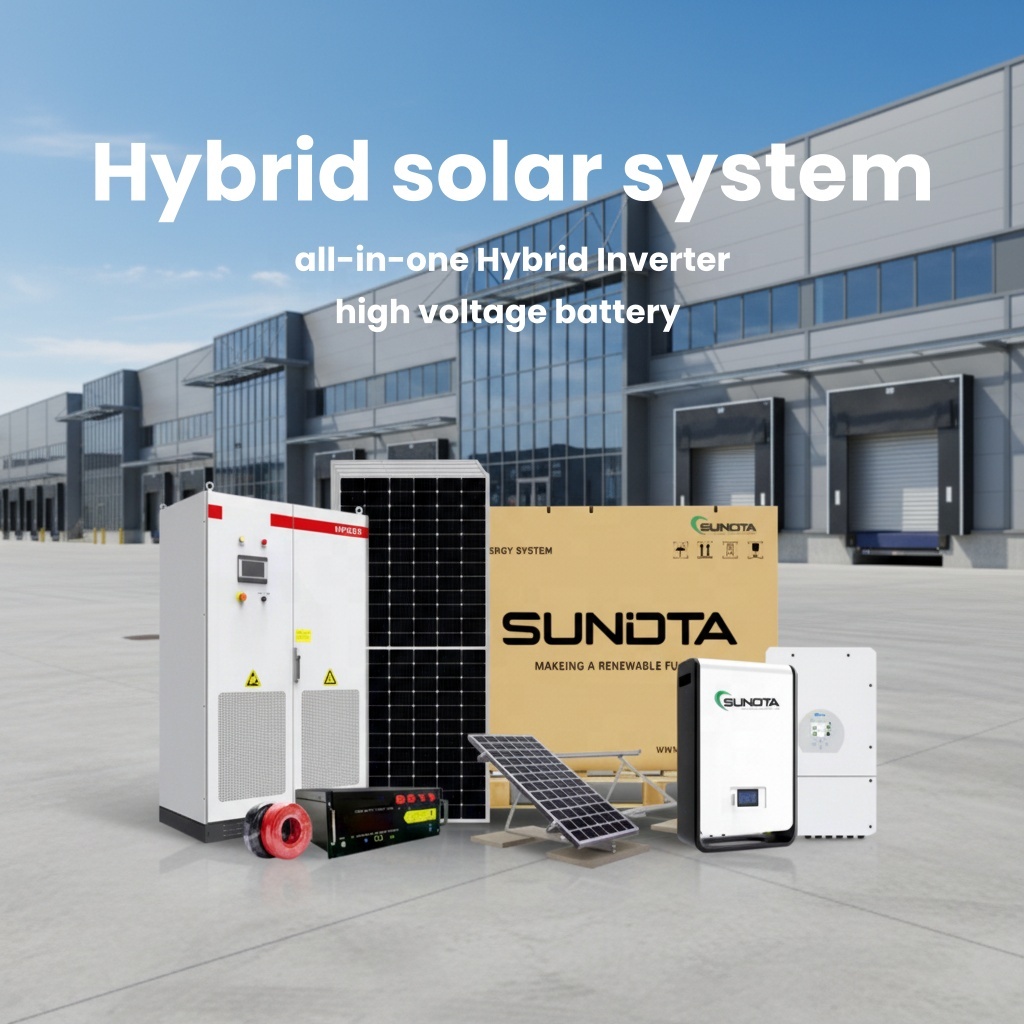
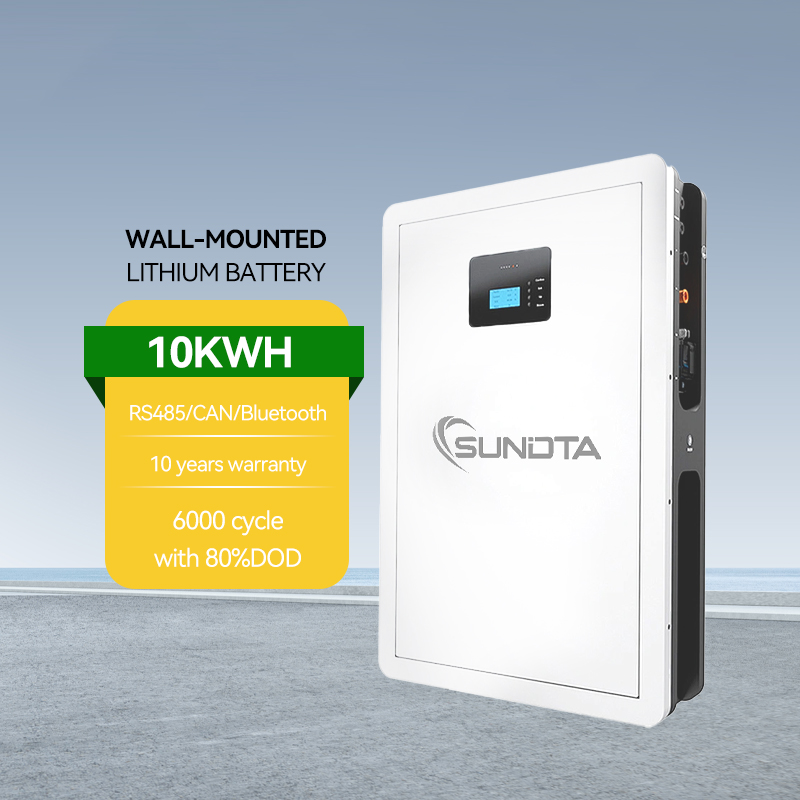
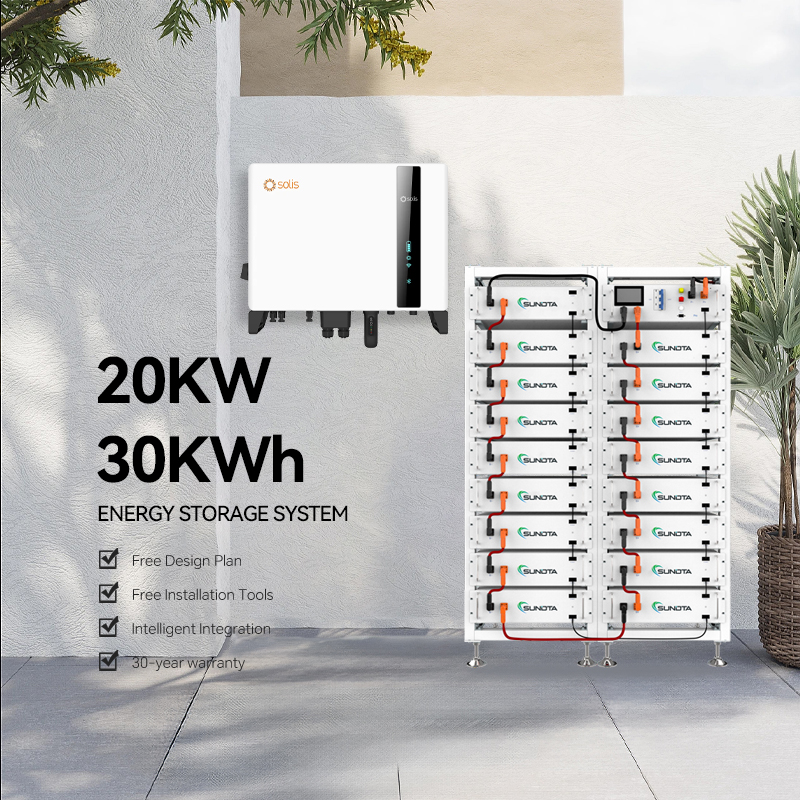
51.2V Split All-in-One Solar Battery Inverter System 30kWh LiFePO4 Backup Hybrid
- CAN/RS485 closed-loop bus
- Dual MPPT tracking efficiency >99.9%
- Seamless <10ms UPS grade transfer
Pre-tested balance-of-system (BOS) architectures engineered to eliminate commissioning delays, protocol mismatch, and microgrid brownouts.
A deep engineering review of component synchronization, bus voltage stability, and battery chemistries for critical installations.
Modern decentralized power stations have advanced far beyond rudimentary charge controllers coupled with lead-acid battery banks. Contemporary engineering mandates AC-coupled versus DC-coupled topological coherence to maintain line frequency integrity and low total harmonic distortion (THD < 2%) under heavy reactive inductive loads, such as agricultural irrigation pumps and industrial three-phase compressors.
As a seasoned tier-1 solar panel and turnkey off-grid power manufacturer, Anhui RJV New Energy engineers systems where photovoltaic arrays, multi-string MPPT controllers, power conversion systems (PCS), and lithium-iron-phosphate (LiFePO4) storage integrate as a single coordinated organism. Below, we examine the systemic engineering principles that differentiate mission-critical off-grid systems from generic assembled kits.
In DC-coupled architectures, photovoltaic energy is routed directly through high-efficiency MPPT controllers to a common 48V/51.2V low-voltage or 400V–800V high-voltage DC bus. This method is mathematically optimal for domestic and light-commercial off-grid configurations where daytime solar energy is primarily stored for overnight depletion. The round-trip efficiency (RTE) often exceeds 92% because redundant DC-to-AC and AC-to-DC inversions are completely eliminated.
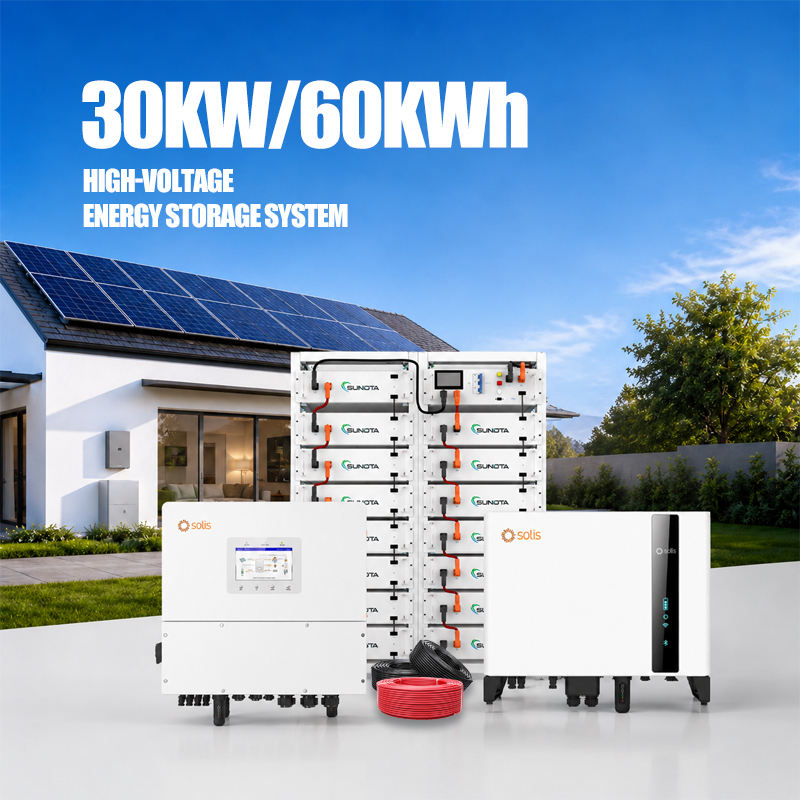
Conversely, for large C&I facilities where heavy manufacturing loads operate synchronously with peak solar irradiation hours, our engineers deploy AC-coupled microgrids. Here, grid-tied string inverters feed directly into the central AC bus alongside bi-directional hybrid inverters (such as our Deye and Solis industrial series). By dynamically adjusting system AC frequency (Frequency Shift Power Control), the hybrid master inverter signals the string inverters to curtail production linearly when the battery state-of-charge (SoC) hits 98%, preventing overvoltage trip events without hard disconnecting mechanical contactors.
Lead-acid (VRLA/AGM) and nickel-manganese-cobalt (NMC) chemistries present unacceptable life-cycle operating expenses and thermal runaway hazards in unconditioned off-grid enclosures. RJV manufactures its energy storage solutions exclusively utilizing lithium iron phosphate (LiFePO4) prismatic cells. Boasting an olivine crystal molecular structure, LiFePO4 does not release oxygen upon thermal breakdown, eliminating combustion hazards under continuous high ambient temperatures (+55°C).
Furthermore, our automotive-grade cell screening protocol enforces <2mΩ internal resistance tolerance and <0.005V cell-to-cell delta. This eliminates premature pack degradation caused by "weak cell" micro-cycling, ensuring that an RJV ESS delivers over 6,000 cycles at 80% Depth of Discharge (DoD) and 0.5C discharge rates—providing 15+ years of daily reliable autonomy.
Static Transfer Switch (STS) bypass mechanisms switch from incoming auxiliary generator power to inverter backup in <10ms, shielding sensitive enterprise telecommunication servers from voltage dips.
Pre-configured communication handshakes with mainstream inverter chips (Deye, Solis, Growatt) ensure real-time dynamic charge/discharge current limits based on internal cell temperatures.
From marine-grade anodized aluminum panel framing to IP65-rated battery cabinets and conformal PCB coatings, RJV systems endure salt-spray, desert sands, and tropical humidity.
How supply chain economics, cell innovations, and automated microgrid controllers are shaping the next 3 to 5 years of commercial off-grid deployment.
Procurement is shifting from traditional 48V battery strings to 400V–800V high-voltage architectures. This drastically diminishes I²R copper cable thermal losses, increases overall inverter conversion efficiency by 2.4%, and lowers project wiring bills of materials.
Standard P-type PERC panels are being superseded by N-Type TOPCon and Heterojunction (HJT) technologies. Their superior temperature coefficient (-0.30%/°C) delivers up to 4.5% higher specific energy yields (kWh/kWp) in hot equatorial climates.
EPCs are rapidly moving away from site-built assembly. Pre-integrated 20ft and 40ft BESS containers (1MWh–2MWh)—complete with internal HVAC, aerosol fire extinguishing, and EMS—compress on-site commissioning timelines from 45 days to 72 hours.
Autonomous algorithmic firmware now monitors string-level IV curves in real-time. By dynamically predicting battery degradation and dispatching automated diesel start/stop controls, operational and maintenance (O&M) visits are slashed by up to 60%.
Combining automated production in Hefei with proven tier-1 inverter alliances to eradicate international supply chain friction.
Headquartered in Innovation Industrial Park, Hefei, Anhui RJV New Energy manages fully automated module assembly lines with 2.0 GW annual capacity, 12+ years of PV research, and 38 registered patents spanning junction box and cell laminations.
Our operational plant, ethical labor compliance, and testing laboratories have undergone extensive on-site audit verification by TÜV Rheinland. We maintain ISO9001, ISO14001, CE declarations, and complete IEC 61215/61730 certifications.
Eliminate costly field troubleshooting. Inverter MPPT input ranges, CAN-bus battery communications, solar string voltages, and circuit breaker sizing are rigorously verified in our factory test bays prior to export container loading.
Our multilingual application engineers assist international buyers across European, North American, and Southeast Asian time zones with custom solar string sizing, schematic designs, and direct after-sales firmware support.
Direct technical and operational answers to reduce risk in commercial microgrid investments.