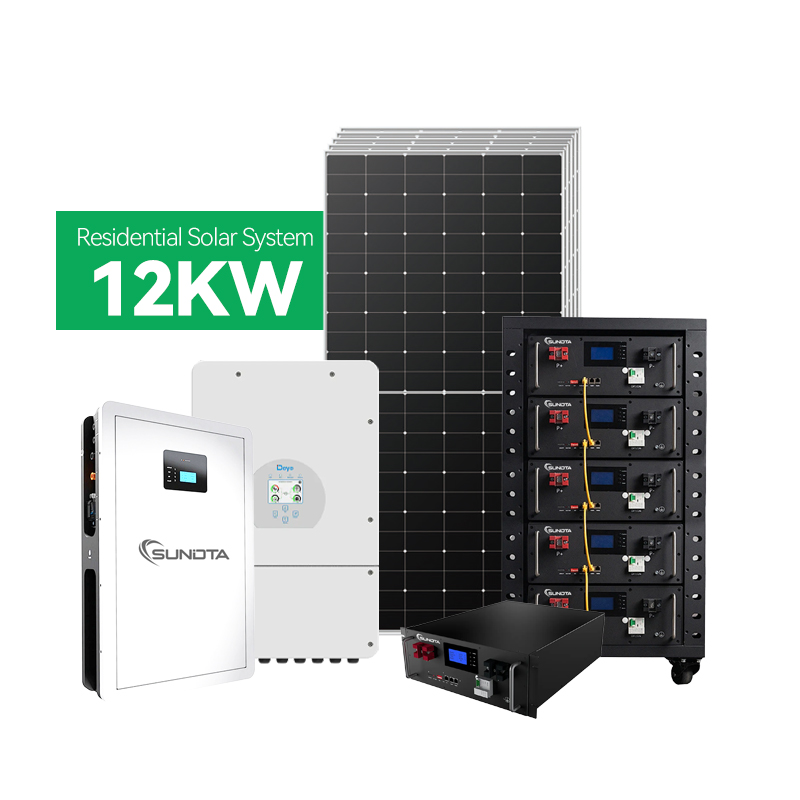
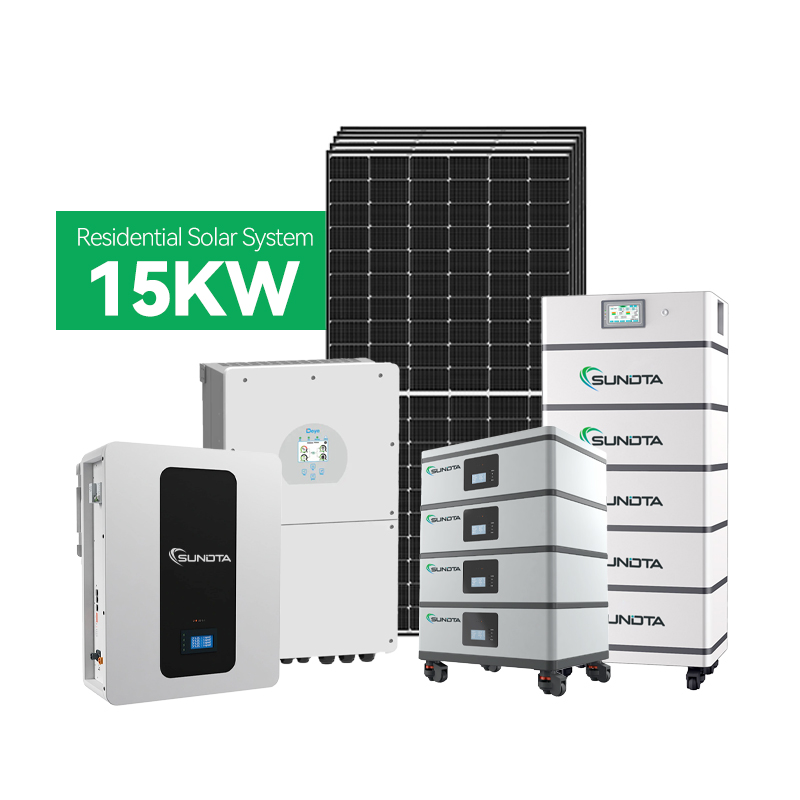
Balcony Solar System Manufacturers & Factories in Guyana

Industrial-grade N-type micro-PV arrays, plug-in balcony architectures, and robust 51.2V LiFePO4 battery energy storage built for the Caribbean coastal climate and unstable grid topology.

Engineering White Paper & Sourcing Matrix

High-Yield Distributed Micro-Generation for Demerara-Mahaica & Beyond

A rigorous engineering framework for electrical contractors, EPC firms, and real estate developers procuring architectural mini-photovoltaics and hybrid microinverter systems in Georgetown, Linden, and Berbice.

In the evolving renewable landscape of South America's northern littoral, the Co-operative Republic of Guyana represents one of the most uniquely demanding microclimates and electrical operating environments for distributed solar infrastructure. As Georgetown's urban density accelerates along the Atlantic coast, the traditional paradigm of sprawling ground-mount or heavy residential rooftop solar arrays faces substantial spatial, structural, and regulatory friction. Coastal settlements along the Low Coastal Plain, often lying up to 1.5 meters below sea level during high tide, contend with persistent high relative humidity (consistently exceeding 80–90%), severe airborne salinity, and sudden precipitation bursts characteristic of equatorial marine regimes.

Concurrently, the national grid managed by the Guyana Power and Light (GPL) system experiences frequent power quality variations, transient surges, and periodic localized outages. In this exact junction of spatial scarcity and grid volatility, modular balcony solar systems (architecturally integrated plug-and-play and sub-array PV storage solutions) have transitioned from an aesthetic European import to an essential urban distributed energy resource (DER). By shifting energy harvesting from overloaded roofs to balcony handrails, reinforced terrace parapets, concrete external verandas, and exterior architectural envelopes, Guyanese commercial and residential property managers can harvest Guyana's impressive 5.2 to 5.8 peak sun hours (PSH) per day directly where power is consumed.

However, importing standard off-the-shelf European mini-solar kits into Guyana invariably yields high equipment mortality rates. Coastal saline mist corrodes standard uncoated aluminum frames and oxidizes unprotected terminal junction boxes. Furthermore, ambient operating temperatures regularly exceeding 33°C (with module surface temperatures crossing 65°C under direct equatorial irradiance) induce violent thermal degradation and voltage drop in legacy P-type PERC cells. As direct tier-1 manufacturers and integrated system packagers operating out of Hefei's technological manufacturing corridor, Anhui RJV New Energy Co., Ltd. supplies turnkey micro-PV, hybrid string inverters, and IP65/IP66 LiFePO4 lithium storage platforms explicitly over-engineered to withstand the electrical disruptions and atmospheric conditions of the Guyanese and wider Caribbean basin.
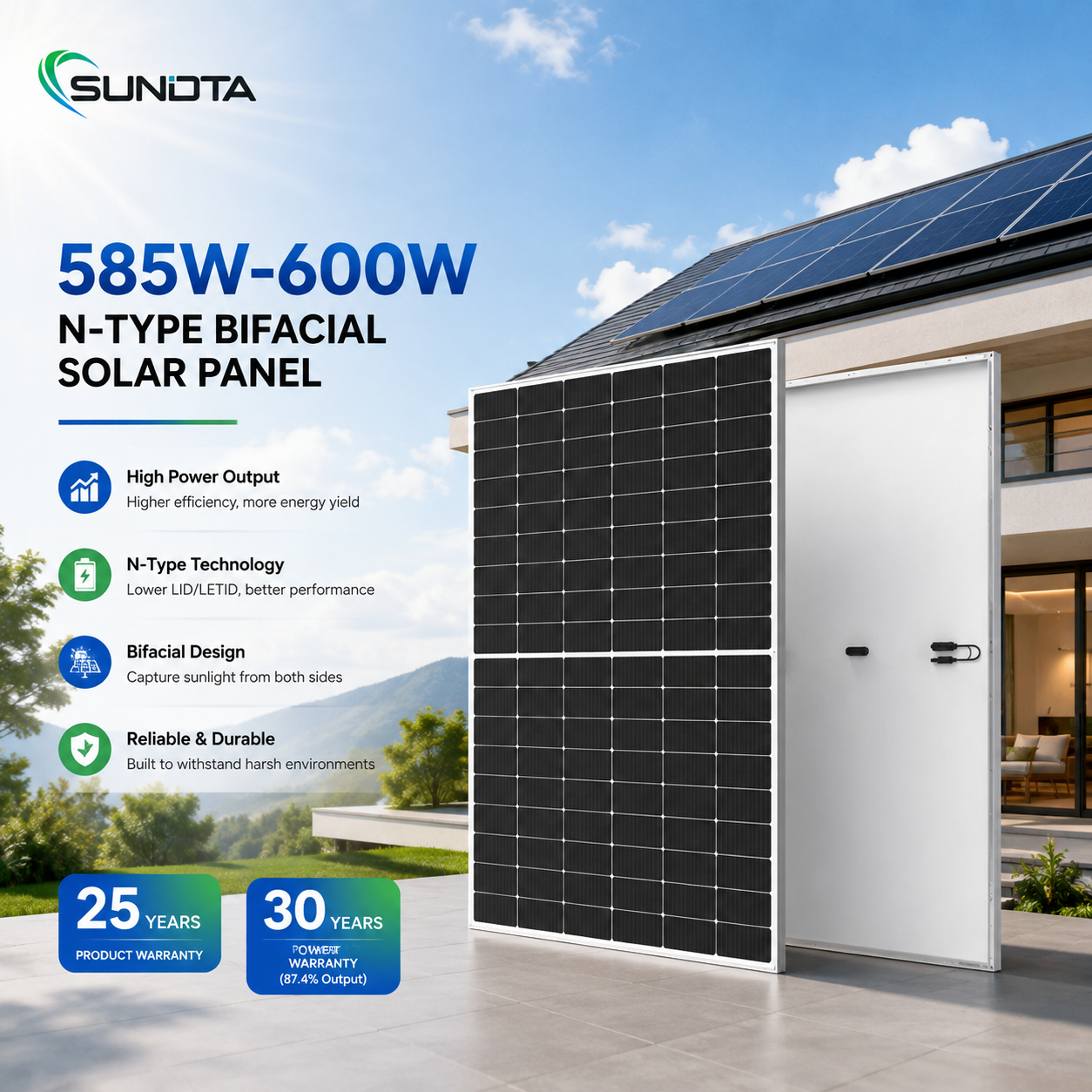
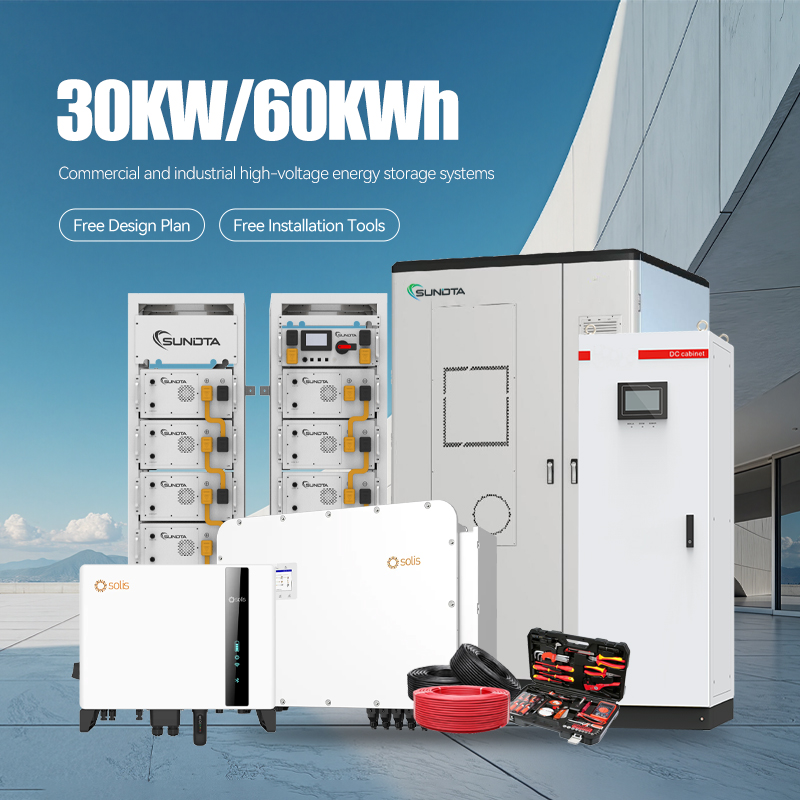
2GW
Annual Module Capacity
500MW+
Turnkey Solar Delivered
38Patents
PV & Storage Architecture
6,000Cycles
LiFePO4 Cell Longevity
Engineered Hardware Architecture

Commercial & Residential Micro-Generation Lineup

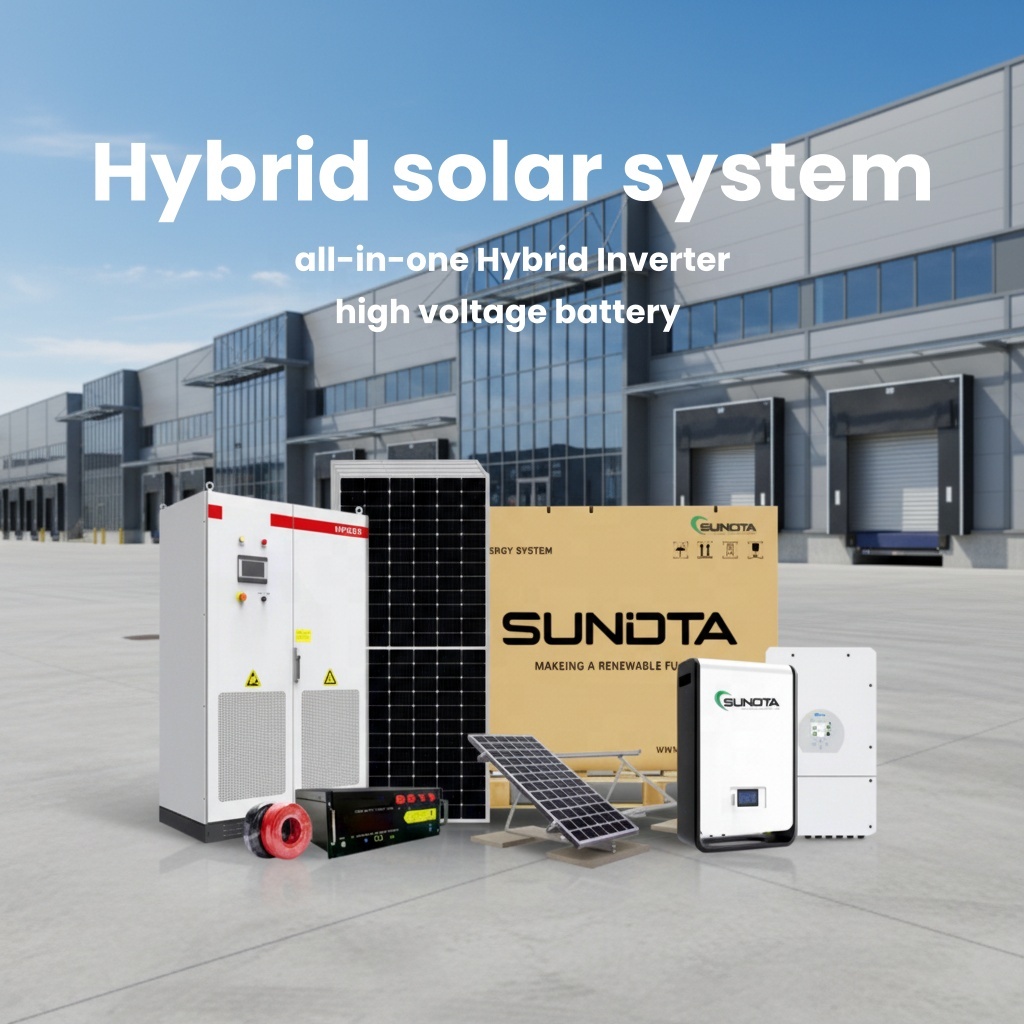
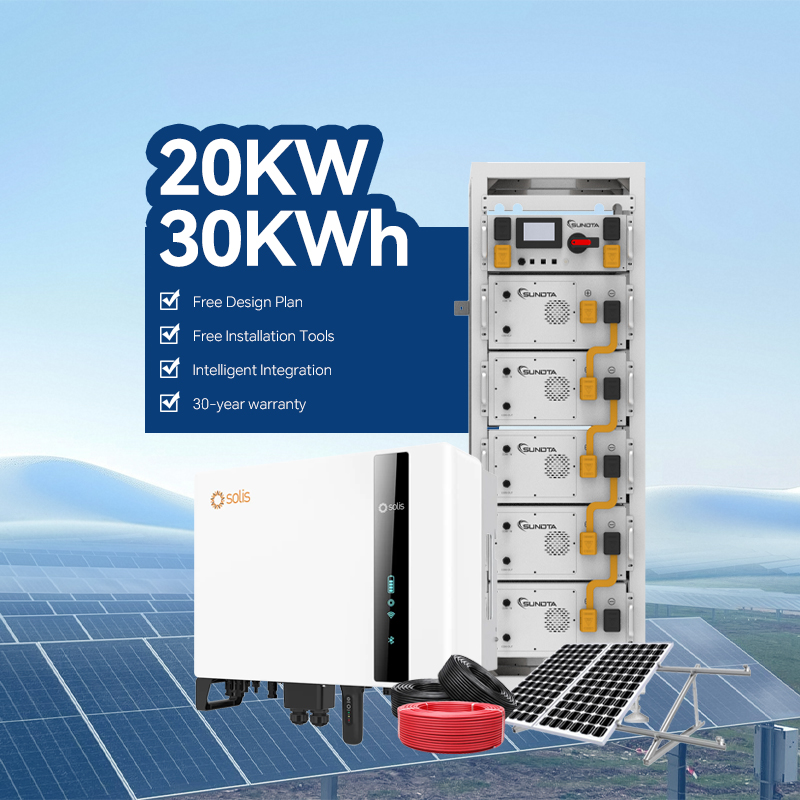
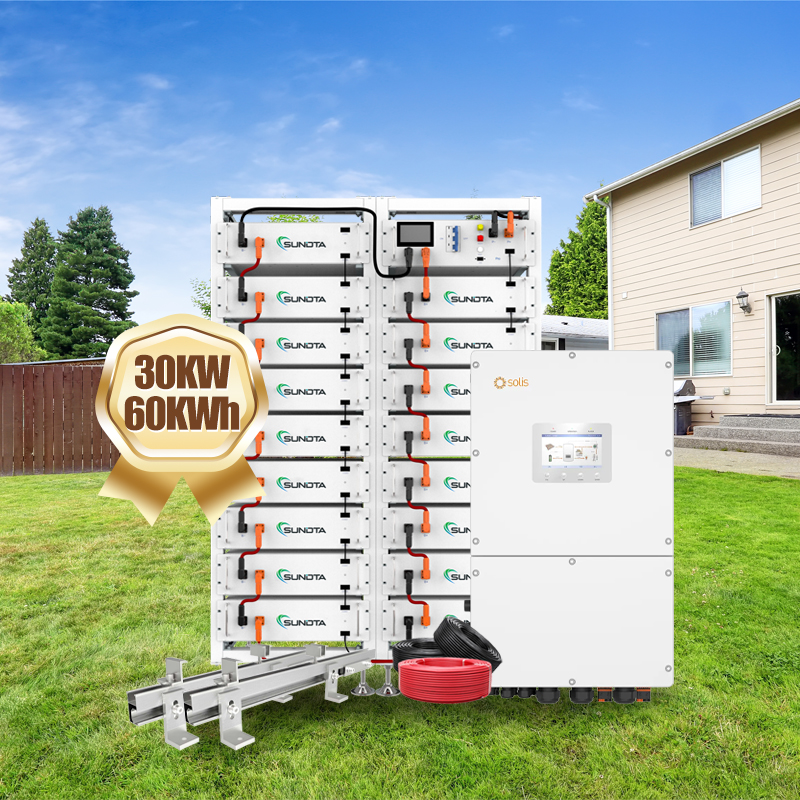
Precision-matched PV modules, high-efficiency hybrid inverters, and robust LiFePO4 storage cabinets tailored for balcony, residential, and light-commercial decentralized deployment.

Get Catalog
Contextual Engineering

Optimized Balcony & Decentralized PV Use Cases in Guyana

Analyzing structural loading, wind shear, shading dynamics, and electrical topology across residential, commercial, and hinterland applications.

Georgetown High-Density Multi-Family Condos

Multi-story apartments in neighborhoods such as Kitty, Bel Air Park, and Campbellville often lack individual roof ownership. Balcony-mounted micro-arrays (400W–1200W) integrated into balcony balustrades allow tenants and condominium owners to independently offset baseline daytime refrigeration and air conditioning loads, directly lowering escalating utility tariffs without requiring complex roof penetrations or homeowner association renegotiations.

Commercial Verandas & Offshore Logistics Offices

With Guyana's oil-and-gas boom driving rapid development across coastal administrative centers, corporate buildings and engineering consultancies along the East Coast Demerara utilize balcony rails and structural sun-shading brise-soleil configurations. Integrating N-type bifacial modules on building façades reduces architectural thermal solar heat gain while generating localized power coupled to 10kWh–30kWh indoor lithium backup systems for non-stop IT continuity.

Riverine & Hinterland Eco-Resorts (Essequibo & Rupununi)

Riverfront lodges, private island residences, and interior outposts often depend completely on noisy, costly diesel generation where fuel transport up the Essequibo River exceeds local pump prices by 200%. Micro-solar systems mounted securely along exterior balcony decks, guest verandas, and boardwalk railings yield quiet, independent decentralized power that charges compact 51.2V wall batteries without disrupting delicate natural habitats.

Macro Sourcing Dynamics

Emerging Solar Trends in Guyana’s Energy Landscape

How policy frameworks, rapid urbanization, and coastal vulnerability are reshaping procurement specifications for international B2B importers.

Low Carbon Development Strategy (LCDS 2030)

Guyana's national decarbonization roadmap specifically incentivizes distributed generation to balance heavy infrastructure buildouts. Importers are leveraging duty concessions on certified Tier-1 photovoltaic components, elevating demand for pre-engineered, modular solar systems that satisfy regulatory interconnection codes.

Grid Resilience & Micro-Storage Migration

Due to intermittent brownouts and micro-surges across aging distribution circuits, purely grid-tied systems without storage are falling out of favor in Guyana. The current trend strongly favors AC-coupled or DC-coupled hybrid balcony solutions featuring 5kWh to 15kWh LiFePO4 batteries acting as instantaneous UPS stations.

Marine Atmosphere Durability Mandates

EPC contractors along the Atlantic shoreline now reject standard mill-finish mounting brackets. Procurement specifications explicitly mandate anodized aluminum frames (minimum 15-20µm coating), 316 stainless steel fastening hardware, and junction boxes certified to IP68 with salt-mist corrosion testing according to IEC 61701 standards.

Prefabricated "Plug-and-Generate" Kits

Because certified electrical engineering labor command high daily rates in the Guyanese construction boom, building managers increasingly specify all-inclusive boxed sets that integrate adjustable railing tilt-hooks, MC4 cables, integrated micro-inverters, and standard local outlet adapters to cut site installation time to under two hours.

Engineering Sourcing FAQ

Frequently Asked Procurement & Technical Questions

Critical engineering considerations, shipping practicalities, and installation realities for developers and importers operating within the Guyanese regulatory regime.

How do RJV balcony solar systems handle Georgetown's coastal air and extreme salinity?
Our modules and mounting hardware undergo stringent testing under IEC 61701 Severity 6 (the most aggressive salt-spray testing cycle, simulating direct marine atmospheres). The modules feature 3.2mm tempered dual-glass or high-grade anti-soiling coated front glass, anodized aluminum frames with an enhanced anti-oxidation barrier, and junction boxes sealed with industrial fluorosilicone gaskets rated IP68. Mounting hook clamps for balcony rails are forged from marine-grade SUS316 stainless steel and AL6005-T5 extruded anodized aluminum, completely eliminating galvanic corrosion when installed adjacent to coastal seawalls.
What happens during a sudden Guyana Power and Light (GPL) grid failure?
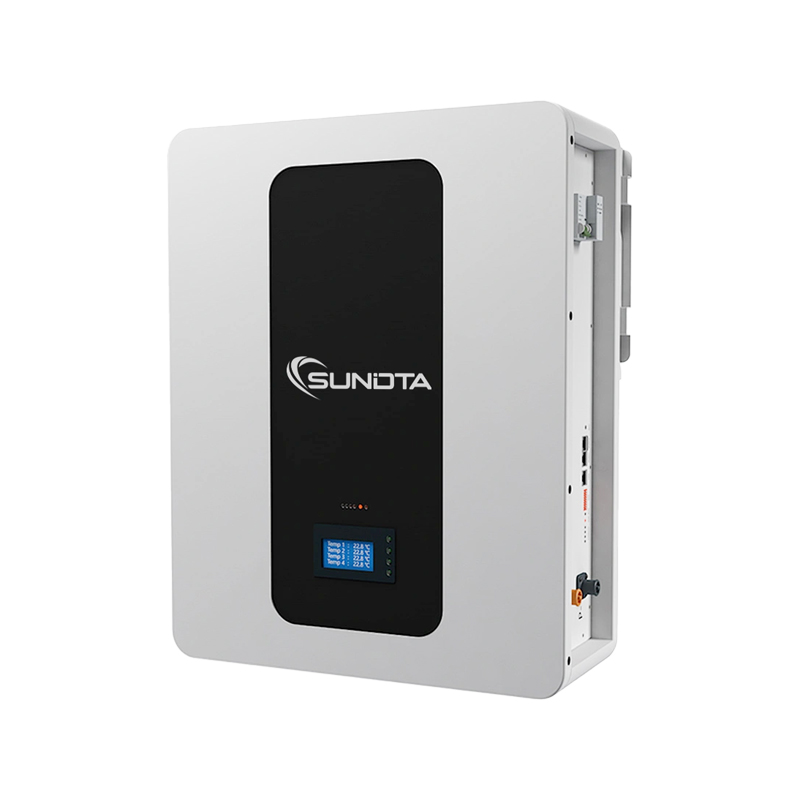
Standard basic on-grid microinverters feature an automatic anti-islanding protection mechanism (conforming to IEEE 1547 / UL 1741), which disconnects the system within milliseconds to prevent back-feeding into the de-energized utility line, ensuring worker safety. However, for Guyana, RJV recommends and engineers systems utilizing our Hybrid Micro-Storage Architecture (such as our 51.2V LiFePO4 Battery Solar Energy Storage line). These units feature a dedicated EPS (Emergency Power Supply) circuit with an automatic transfer switch (<10ms switch time). When GPL power drops, your critical balcony circuits, lighting, and communication electronics transfer smoothly to the lithium battery bank without reset.
Are balcony solar systems safe during seasonal high Atlantic wind gusts and tropical storms?
Yes. RJV balcony mounting brackets are aerodynamically modeled and structurally stress-tested to withstand wind gusts up to 45 m/s (162 km/h), exceeding the local wind load safety requirements for Region 4 (Demerara-Mahaica). The system includes multi-point mechanical interlocking clamps, steel safety lanyards, and adjustable inclination angles (typically 15° to 30° optimized for 6° North latitude in Guyana) that prevent wind-uplift pressures while maximizing seasonal equatorial photon capture.
What are the minimum order quantities (MOQ), container packing, and lead times to Port of Georgetown?
We provide highly flexible procurement structures for B2B distributors: complete turnkey hybrid residential systems start at an MOQ of just 1 set, stand-alone hybrid inverters and 51.2V LiFePO4 batteries start from 1 piece, while commercial solar panels are quoted in pallet loads (e.g., 13,650W or 17,280W) or combined in 20GP/40HQ mixed containers. Typical manufacturing turnaround at our Hefei factory is 12–18 business days, with transit times to the Port of Georgetown through major ocean freight carriers averaging 32 to 45 calendar days. We supply full export documentation, CE declarations, test flash reports, and customs bill of ladings under FOB, CFR, CIF, and EXW Incoterms.
Can 51.2V LiFePO4 batteries communicate seamlessly with third-party hybrid inverters?
Yes. Our internal Smart Battery Management System (BMS) is pre-programmed with universal CAN and RS485 communication protocols. Out of the box, our batteries operate in a closed-loop handshake with Solis, Deye, Growatt, Victron, and Schneider hybrid platforms. The BMS continuously reports State of Charge (SOC), cell voltage, pack temperature, and allowable charge/discharge limits, preventing over-charge, over-discharge, and thermal runaway under equatorial ambient conditions.
RJV Manufacturing Depth

Why Tier-1 Solar Engineering Sourcing Begins with RJV

Combining automated production, multi-layered quality control, and rigorous international certification to de-risk Caribbean supply chains.

2 GW Automated Production

Equipped with state-of-the-art automated cell-soldering, stringing, vacuum lamination, and dual-junction EL flaw-detection testing lines, ensuring zero micro-crack defects in high-efficiency N-Type TOPCon and bifacial panels before palletizing.

TÜV Rheinland Assessed

Our Hefei enterprise facilities are audited and verified on-site by TÜV Rheinland. Full model-level compliance documentation, including CE, IEC 61215, IEC 61730, and UN38.3 battery flight/ocean certifications, is supplied with every shipment for frictionless customs clearance.

Full OEM & ODM Customization

We provide full structural, mechanical, and electrical customization: tailored balcony bracket rail clamps, custom-branded high-yield microinverters, pre-engineered packaging kits for local retail, and custom battery cabinet paint finishes resistant to harsh tropical salt-fog.

24/7 Remote System Engineering

From initial PVsyst array modeling and MPPT voltage matching to remote firmware updates and live commission monitoring across Caribbean time zones, RJV electrical engineers support your technical teams throughout the life of the installation.

Accelerate Your Solar Procurement in Guyana

Connect directly with Anhui RJV New Energy's senior engineering team. Obtain comprehensive datasheets, factory-direct CIF Georgetown price matrices, and complete product catalogs today.