BIPV Solar Panels Manufacturers & Factory Serving the Trinidad and Tobago Market

Tier-1 Architectural Photovoltaics, Hurricane-Rated Structural Glazing & Integrated LiFePO4 Hybrid Energy Storage Systems Engineered for the Caribbean Climate

Export-Grade Inventory

Industrial-Grade BIPV Modules & Hybrid Storage Kits

Precision-engineered solar building envelope modules, bifacial panels, and balanced power storage architectures fully compatible with T&TEC grid standards and Caribbean coastal weather loads.

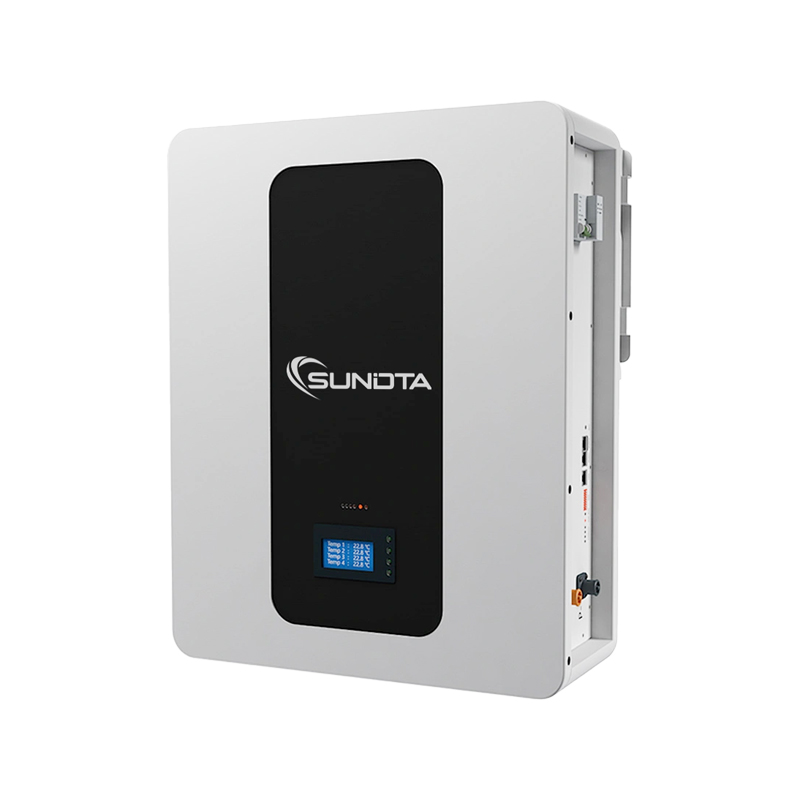
10-Yr Warranty High Quality LiFePO4 Lithium Battery Stackable 51.2V 14.336kWh Home Energy Storage
ESS · 51.2V 14.336kWh

Stackable LiFePO4 Lithium Wall-Mounted Battery

  • Grade A prismatic cells, 6,000+ deep cycles
  • Wall/rack hybrid mount, dual CAN/RS485 BUS
  • Designed for high ambient tropical operating ranges
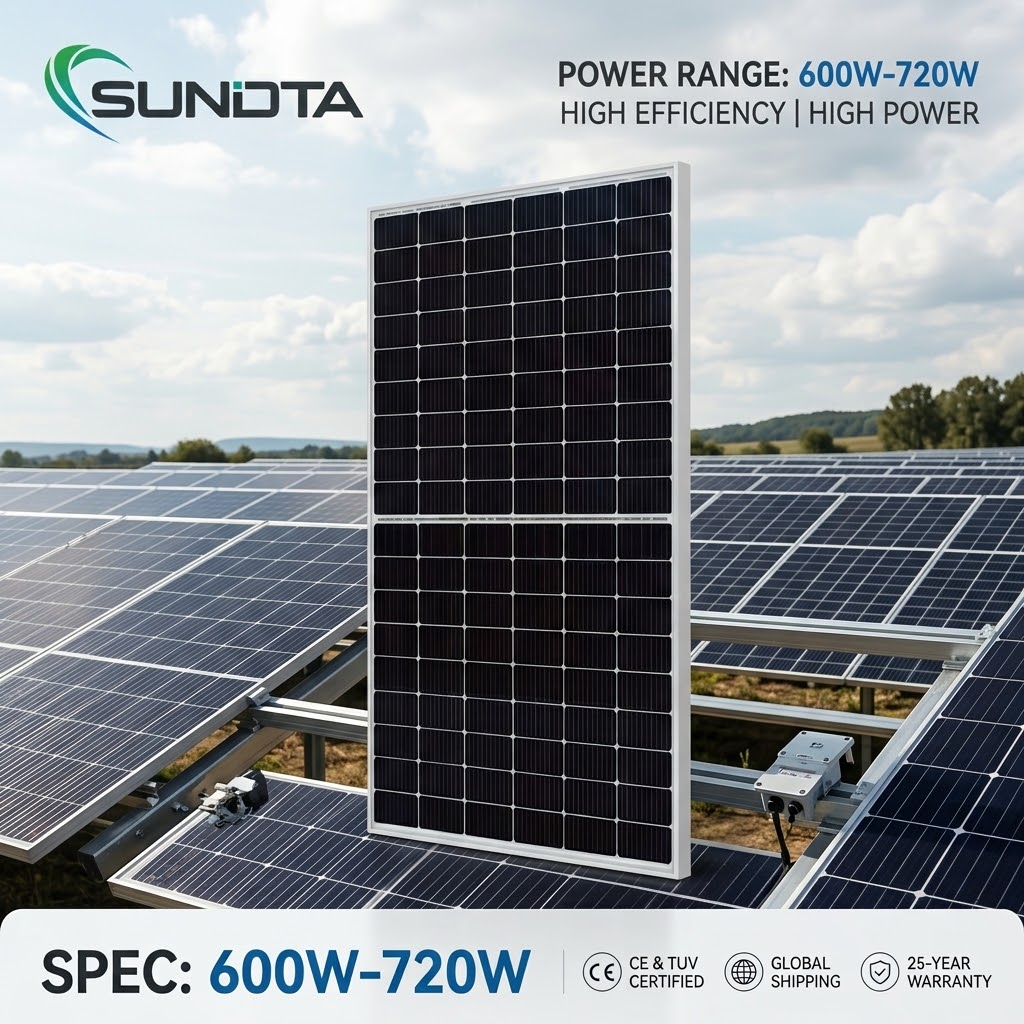
23.03% Efficiency SUNDTA 500W-595W Black Glass Bifacial PV Module Half-Cut PERC
BIPV Glazing · 500W–595W

Black Glass Bifacial Half-Cut Solar Panel

  • Dual-tempered anti-reflective glass façade compatibility
  • Rear-side albedo gain up to 25% on concrete decks
  • Resistant to PID, high salt mist & tropical humidity
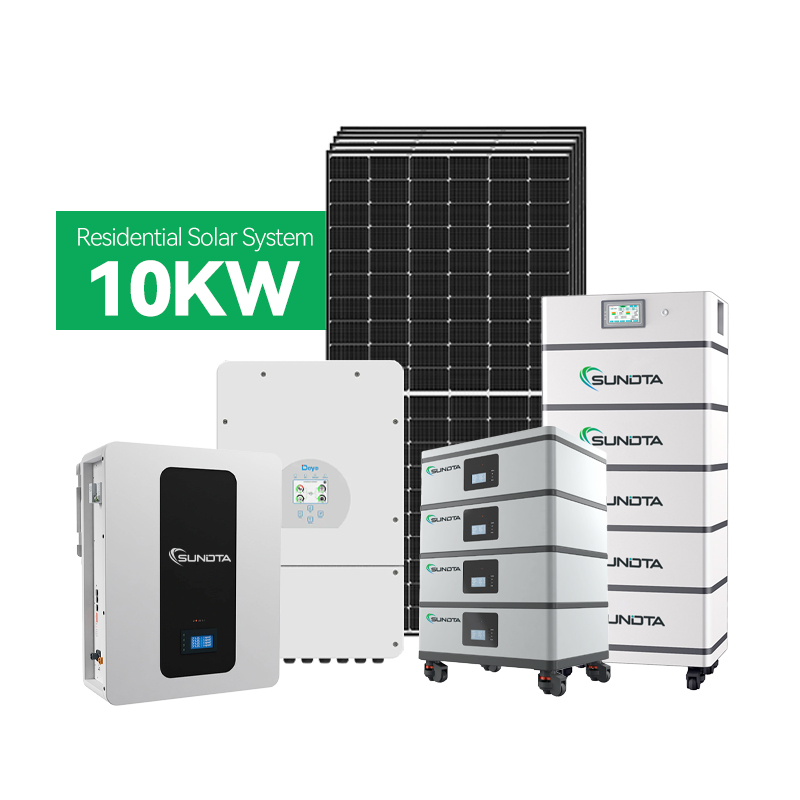
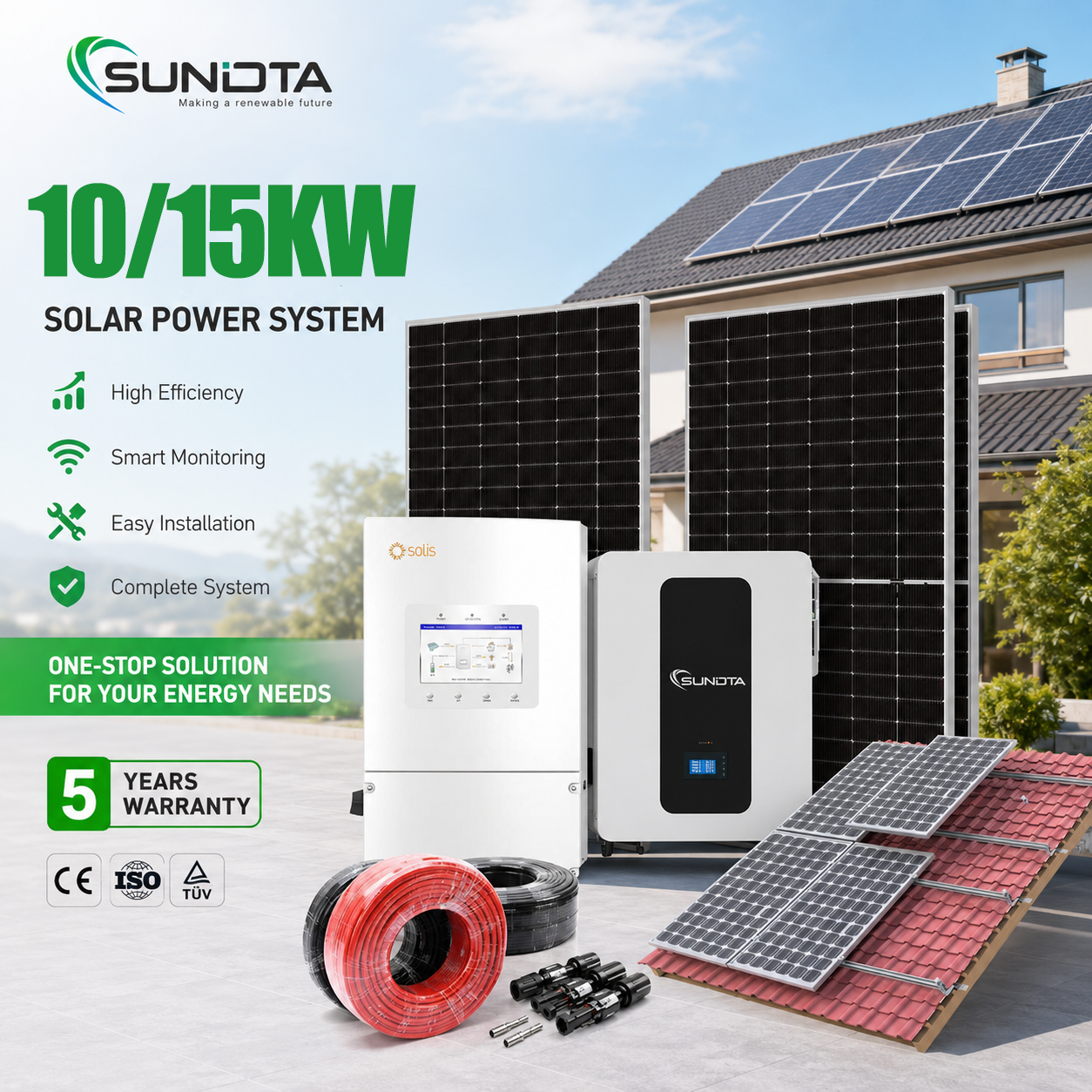
All-In-One Kit Sundta 5KW to 20KW Complete Solar Hybrid System Kit
Hybrid Ready · 5kW–20kW

Complete Innovation Hybrid System with Storage

  • Includes MPPT inverter, LiFePO4 packs & DC protection
  • Seamless 10ms microsecond auto-transfer UPS function
  • Engineered for Trinidad off-grid & grid-tied backup
EU Warehouse Sundta 48V 51.2V LiFePO4 Lithium Battery 10kWh Home Storage
Storage · 48V/51.2V 200Ah

10kWh LiFePO4 Home Energy Wall Unit

  • Integrated smart thermal monitoring & cell balancing
  • Compact footprint designed for coastal residences
  • Compatible with Solis, Deye, and Victron inverters
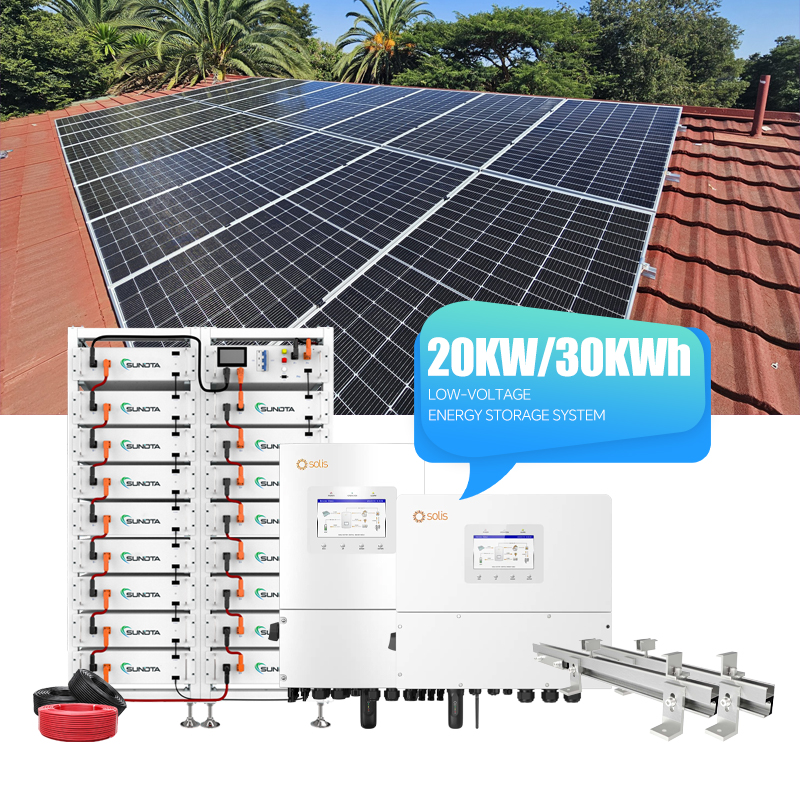
Commercial Complete Set of 20kW Solar Energy Storage System Hybrid Power Kit
C&I Scale · 20kW–35kW

Turnkey 20kW–35kW Commercial Hybrid Array Kit

  • Full Bill of Materials: structural mounts, cabling & isolators
  • Designed for Point Lisas industrial plants & estates
  • Factory-direct pricing optimized for container shipments
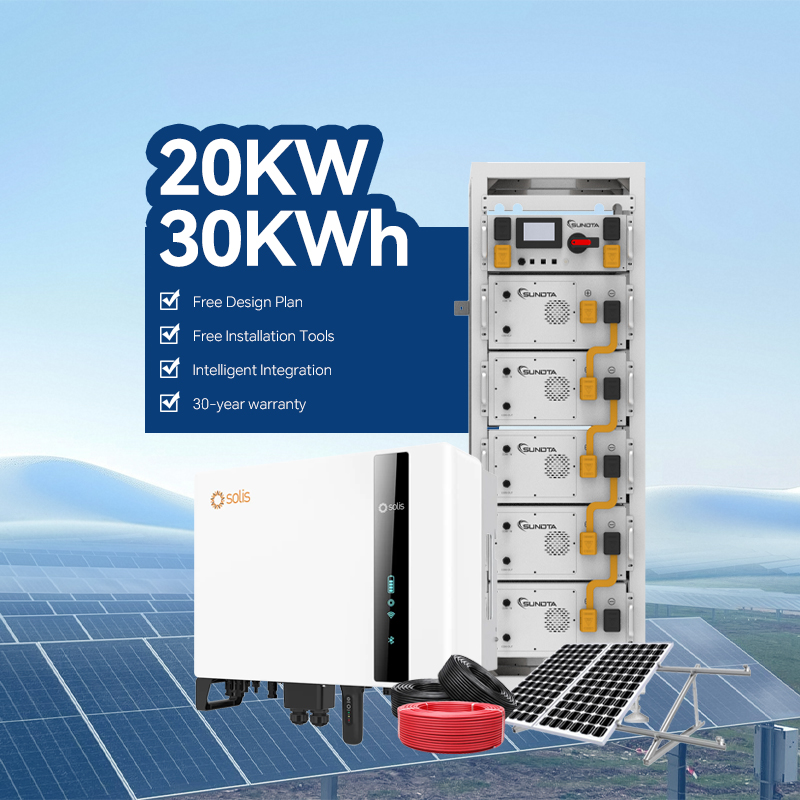
Heavy-Duty 20kw Complete Set Solar Energy Power Storage System Hybrid Kit
Generation · 20kW–35kW

High-Yield Solar Electric Power Storage Kit

  • High-capacity inverter surge tolerance for compressor loads
  • Corrosion-resistant anodized aluminum racking options
  • Factory pre-tested protection boxes to lower EPC labor
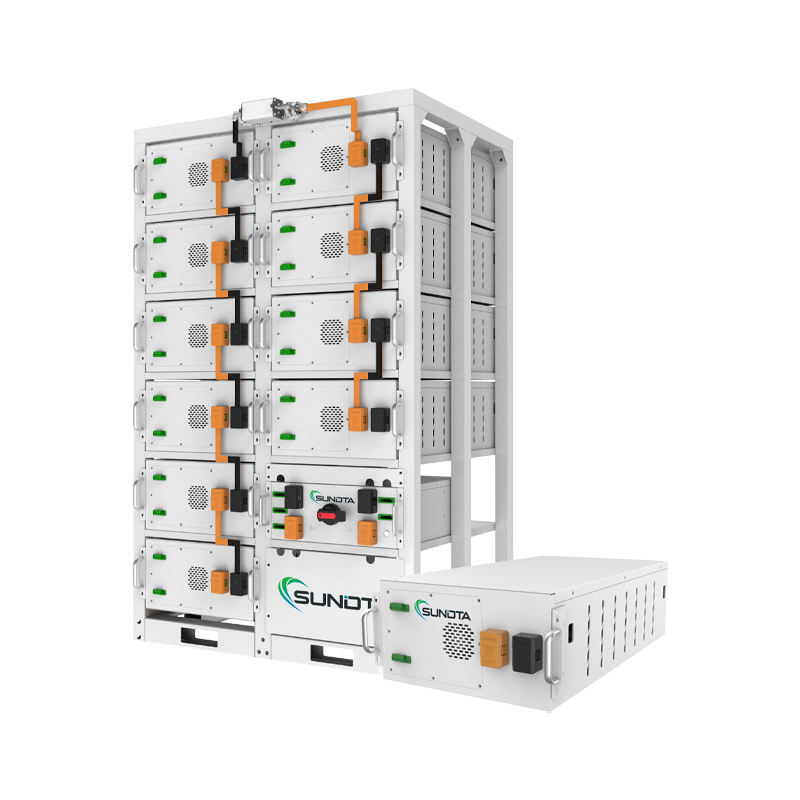
Split-Stack Hybrid 15kWh Inverter System 300Ah Lithium Ion Battery
Split Stack · 15kWh 300Ah

CAN Communication Stackable Hybrid Battery

  • High-speed closed-loop inverter-to-BMS CAN protocol
  • Modular interlocking design allows easy future expansion
  • Heavy-duty thermal dispersion for unconditioned plant rooms
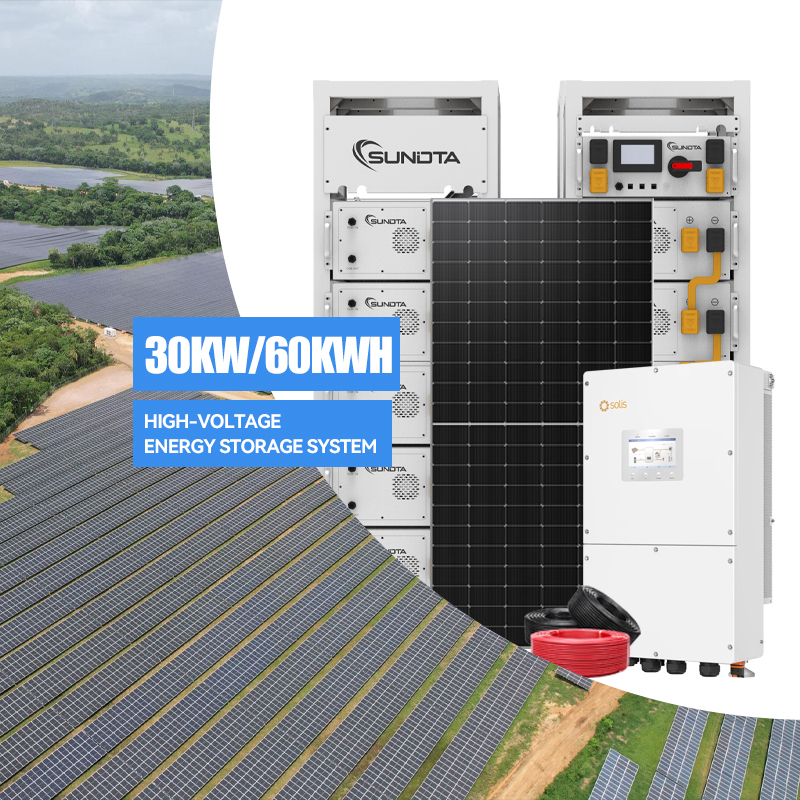
TÜV / CE Off Grid Hybrid Solar Energy Storage System 20KW 30KW 40KW
Microgrid · 20kW–40kW

Off-Grid & Hybrid Dual-Mode Energy Station

  • Engineered for Tobago eco-resorts & remote communication
  • Diesel generator auto-start integration dry contacts
  • Complies with international low-voltage utility requirements
2.0 GW

Annual Automated PV Module Capacity

500+ MW

Global Microgrid & Solar Deployments

185 MPH

Wind Uplift Resistance Rating

TÜV Assessed

Rigorous On-Site Factory Verification

Technical Architecture

Overcoming Island Grid Fragility & Tropical Environmental Stresses

Building-Integrated Photovoltaics (BIPV) in the Republic of Trinidad and Tobago must transition from standard decorative architectural glass to reinforced, utility-grade structural envelopes. The twin-island republic presents distinct meteorological, seismic, and regulatory parameters that dictate precise equipment engineering.

Grid Volatility & Phase Stability

The Trinidad and Tobago Electricity Commission (T&TEC) operates standard 115V/230V residential and 230V/400V industrial grids. Frequent voltage sags caused by heavy petrochemical refinery switching in Point Lisas and offshore line surges necessitate hybrid inverters that integrate wide MPPT DC voltage windows and ultra-rapid transfer switches (<10ms) to ensure continuous industrial uptime.

High Thermal Derating Management

Caribbean ambient temperatures frequently hover near 34°C with rooftop surfaces surpassing 65°C. Conventional solar modules suffer output degradation due to adverse temperature coefficients. Our N-Type TOPCon and half-cut crystalline BIPV elements exhibit a low Pmax temperature coefficient of -0.30%/°C, paired with custom rear ventilated curtain wall profiles that mitigate heat entrapment.

Salt Mist, Humidity & Cyclonic Wind Loads

Surrounded by the Atlantic and Caribbean Sea, buildings in Port of Spain, San Fernando, and Scarborough encounter severe marine aerosol corrosion. Our factory laminates double-tempered solar glass with marine-grade POE (Polyolefin Elastomer) encapsulation, ensuring IEC 61701 Salt Mist Severity Level 6 resistance alongside structural framing tested against Category 5 cyclonic uplift pressures.

Island-Specific Use Cases

High-Impact BIPV Deployment Scenarios in Trinidad & Tobago

Architects, corporate developers, and municipal planners are actively replacing traditional passive building facades with energy-harvesting, structural glass assemblies.

Port of Spain Corporate Façades & Curtain Walls

High-rise commercial properties in Port of Spain and Victoria Avenue maximize daylight harvesting while reducing internal chiller cooling demand. Semi-transparent BIPV curtain glass yields up to 130 W/m² while blocking 85% of infrared solar heat gain, significantly trimming HVAC operational overheads under intense tropical sun conditions.

Point Lisas Industrial Rooftops & Warehousing

Manufacturing facilities, storage sheds, and logistics depots across central Trinidad possess sprawling corrugated sheet roofs vulnerable to tropical heat degradation. Replacing or retrofitting standard corrugated metal decking with integrated structural BIPV solar roofing sheets provides weatherproofing, eliminates structural penetrations, and supplies direct DC solar feed to heavy machinery.

Tobago Luxury Eco-Resort Shading & Carports

Tobago's hospitality sector demands premium architectural aesthetics that align with global green certifications. Translucent BIPV glass verandas, parking canopies, and poolside cabanas generate localized power for electric golf carts and guest room air conditioning without the disruptive industrial aesthetic of standard solar frames.

Strategic Energy Transformation

Trinidad and Tobago Energy Transition & Procurement Drivers

A macroeconomic overview of national renewable policy shifts, carbon parity mandates, and structural procurement economics within the Caribbean Community (CARICOM).

The Subsidy Rationalization Paradigm

For decades, natural gas subsidies enabled Trinidad and Tobago to sustain domestic retail electricity tariffs below US$0.06/kWh, among the lowest in the Western Hemisphere. However, structural shifts under the Government’s National Climate Change Policy and Vision 2030 have redirected domestic natural gas reserves into higher-value LNG export markets. Concurrently, anticipated utility rate reviews by the Regulated Industries Commission (RIC) are driving commercial property managers toward on-site generation to protect long-term operating margins against volatile future tariff structures.

T&TEC Interconnection & Standardized Grid Code Compliance

Grid integration in Trinidad demands rigorous safety isolations to protect local distribution networks during sudden faults. Commercial BIPV installations must satisfy IEEE 1547 and UL 1741 anti-islanding parameters. Our integrated system platforms pair Tier-1 inverters with certified rapid-shutdown transmitters and fast-acting bidirectional metering protocols, streamlining the formal connection approval pathway overseen by the Electrical Inspectorate Division (EID).

Caribbean Climate Resilience and Structural Engineering Standards

The Caribbean Uniform Building Code (CUBiC) mandates high wind resistance thresholds to safeguard investments against severe Atlantic weather anomalies. Standard clamp-mounted solar panels are vulnerable to mechanical wind deflection during tropical squalls. In contrast, our BIPV structural glass utilizes laminated safety glass (6mm + 1.52mm PVB/POE + 6mm) mounted within structural silicone framing profiles, rated to resist dynamic wind pressures up to 5,400 Pa.

Architectural Asset Valorization & LEED Platinum Credits

Modern institutional and commercial developments across POS are seeking LEED, BREEAM, and EDGE environmental ratings to satisfy corporate ESG reporting standards. BIPV serves dual functional roles: it satisfies external wall envelope compliance while earning primary points for renewable generation, day-lighting optimization, and acoustic isolation (yielding sound transmission reductions exceeding 35 dB).

Engineering Matrix

BIPV Architectural Glazing Specifications for Island Builders

Compare standard module designs against custom architectural configurations engineered for Caribbean conditions.

Evaluation Parameter Standard Rooftop Module Double-Glass BIPV Façade Glass Architectural BIPV Skylight/Canopy
Front / Rear Glass Type 3.2mm Single Tempered ARC 5.0mm + 5.0mm Laminated Double-Tempered 6.0mm + 6.0mm Reinforced Safety Glass
Encapsulant Material Standard EVA Marine-Grade POE (Anti-Delamination) High UV Blocking POE / Acoustic PVB
Wind Load Rating 2,400 Pa (~130 MPH) 5,400 Pa (~185 MPH Hurricane Level) 6,000 Pa Concentrated Snow/Wind Load
Light Transmittance 0% (Opaque Backsheet) 10% - 40% Configurable Spacing 20% - 50% Semi-Transparent Tinting
Salt Spray Resistance IEC 61701 Class 1-3 IEC 61701 Severity 6 Marine Environment Hermetically Sealed Corrosion-Free Frame
T&TEC Application Profile Standard Industrial Clamping Structural Silicone Glazing (SSG) Integrated Water Drainage Rafter Mounts
Procurement Clarity

Frequently Asked Questions from Trinidad & Tobago Importers & EPCs

Authoritative technical and logistical answers addressing regulatory approval, customs clearance, and warranty management in the Caribbean.

Can BIPV installations be directly connected to the T&TEC electrical grid?
Yes. Interconnection is governed by T&TEC guidelines in accordance with the Government of Trinidad and Tobago's renewable energy framework. The system must utilize inverters with verified anti-islanding protection (UL 1741, IEEE 1547, or IEC 62109 certifications) and pass an official inspection by the Trinidad and Tobago Government Electrical Inspectorate (GEI/EID). Our turnkey hybrid configurations are delivered with pre-certified factory documentation matching T&TEC connection criteria.
How do BIPV modules survive severe Caribbean tropical storms and hurricanes?
Our architectural BIPV glass replaces standard lightweight aluminum frames with high-tensile architectural profiles and structural point-fixing fasteners. The dual 5mm–6mm heat-strengthened laminated glass layers withstand mechanical stress testing up to 5,400 Pa, resisting wind speeds equivalent to Category 5 hurricanes without glass failure or micro-crack-induced electrical arc faults.
What import duties, customs codes, and VAT exemptions apply to solar in Trinidad?
Under the Trinidad and Tobago Customs and Excise Act, solar photovoltaic panels and primary renewable energy storage components fall under designated HS codes (HS 8541.40 for PV cells and panels; HS 8507.60 for lithium batteries). Verified equipment qualifies for exemptions from customs import duty and Value Added Tax (VAT) under official Ministry of Finance green incentive programs. We issue standardized documentation and flash test reports to facilitate clean customs clearance via Port of Spain or Point Lisas container ports.
How does coastal salt mist impact BIPV glass, junction boxes, and battery storage units?
Marine air laden with airborne sodium chloride accelerates corrosion on standard junction boxes and edge sealants. Our Caribbean-spec BIPV modules incorporate IP68-rated potting junction boxes with bypass diodes sealed in high-grade dielectric gel, dual-barrier POE edge encapsulation that blocks water vapor ingress, and C5-M anti-corrosion rated marine enclosures for inverter and LiFePO4 battery modules.
What is the factory lead time and shipping transit schedule to Port of Spain or Point Lisas?
Standard OEM production spans 15 to 25 days depending on glass dimensions and transparency customizations. Sea freight transit times from our automated production facilities to the Port of Spain or Point Lisas terminals generally range between 32 and 40 days. We provide comprehensive export packaging, including heavy-duty moisture-barrier shrink wrap, wooden crating, and desiccants to maintain zero moisture ingress across equatorial sea lanes.
Can our engineering team order mixed container shipments containing both BIPV glass and LiFePO4 batteries?
Yes. We provide complete consolidated Bill of Materials (BOM) container loading. Our team manages dangerous goods handling (UN38.3, MSDS certifications) for high-grade LiFePO4 batteries alongside palletized BIPV glass panels and hybrid inverters, optimizing shipping space and reducing per-unit freight costs for regional distributors and EPC contractors.
Enterprise Engineering

Integrated PV Manufacturing & Global Trade Excellence

Headquartered in Hefei, Anhui—the premier manufacturing cluster for international photovoltaics—Anhui RJV New Energy Co., Ltd. operates state-of-the-art automated manufacturing lines backed by continuous research in N-Type, TOPCon, and architectural BIPV integration.

From custom structural glass fabrication to closed-loop BMS communication systems, our products undergo comprehensive quality management verified on-site by TÜV Rheinland. We combine deep engineering capabilities with robust trade infrastructure to supply long-term clean energy infrastructure across the Americas and the Caribbean.

Quality Verification TÜV Rheinland Assessed
R&D Capacity 38 Invention Patents
Credit Benchmark AAA Credit Rating
Trade Terms FOB · CFR · CIF · EXW
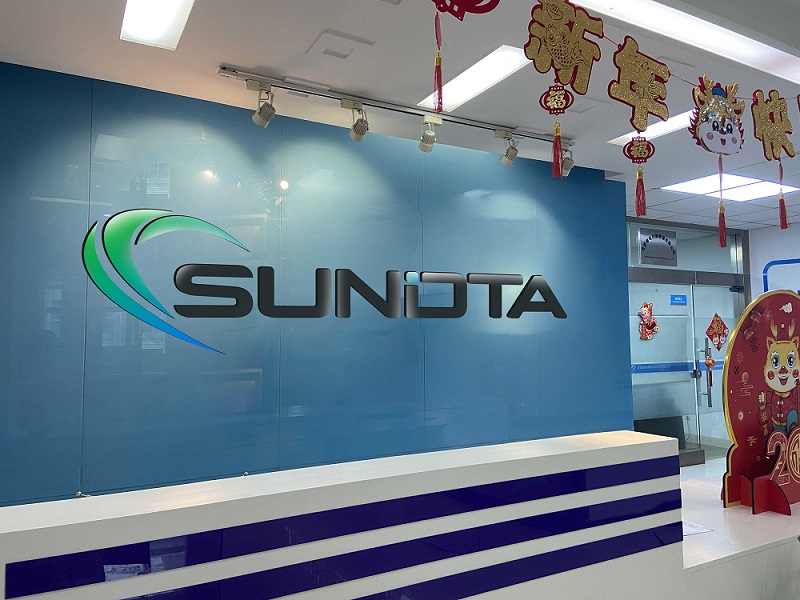
RJV Solar Production Facility and Corporate Headquarters
Automated Module Fabrication Facility

Precision EL testing and automated laminators ensure zero micro-cracks before packing.

Architecting a Solar Facade or Hybrid Microgrid in Trinidad?

Directly consult with our system engineering specialists. We prepare customized BIPV structural designs, inverter matching matrices, and complete factory BOM quotations tailored for delivery to Port of Spain and Point Lisas.

Get Catalog