Core PV Modules & Integrated Storage Systems for St. John’s Projects
Precision-matched solar panels, hybrid split-phase conversion inverters, and IP65 lithium iron phosphate storage units designed for full grid-code compliance and harsh maritime climates.
Engineering Optimization for Bifacial PERC Photovoltaics in the St. John’s Microclimate
Procuring solar modules for maritime coastal regions like St. John’s demands an engineering approach drastically different from standard inland deployments. Characterized by high marine atmospheric salinity, sustained North Atlantic gust velocities exceeding 130 km/h, persistent cloud and fog cover, and dense winter snowpack, St. John’s poses severe mechanical and photo-chemical degradation risks that quickly incapacitate generic commercial-grade panels.
As an established Tier-1 export manufacturer, Anhui RJV New Energy Co., Ltd. has re-engineered Passivated Emitter and Rear Cell (PERC) bifacial architecture specifically to overcome these environmental stress profiles. By pairing dual-glass 2.0mm+2.0mm heat-strengthened front and back lamination with an optimized POE (polyolefin elastomer) encapsulation matrix, our CE-certified bifacial PERC modules leverage ground surface albedo—yielding up to a 25% energy boost from rear-side irradiance while insulating vulnerable semiconductor wafers against moisture vapor penetration and electrochemical corrosion.
Albedo Energy Multiplying
Exploiting the high reflectivity of maritime snowpack (albedo coefficient 0.70–0.85) and light-colored crushed ballast to stimulate rear P-N junctions, raising real-world energy density to over 700W equivalent.
IEC 61701 Salt Spray Cl. 6
Certified immunity against severe marine atmospheric salinity. Anodized 35mm corrosion-resistant aluminum alloy frames prevent galvanic bonding breakdown in high-chloride coastal fogs.
5400 Pa / 2400 Pa Dynamic Load
High-tensile tempered glass withstands violent Atlantic gale wind shears (2400 Pa dynamic downforce) and excessive maritime wet snow accumulations (5400 Pa static mechanical loading).
The localized thermodynamic equation for St. John’s installations relies heavily on the low temperature coefficient of Pmax (-0.35%/°C). While tropical regions suffer dramatic efficiency losses due to cell junction overheating (often exceeding 65°C operating temperatures), the cool ambient regime in St. John’s enables PERC silicon to operate at near-laboratory peak operating voltages ($V_{mp}$). When paired with our high-permeability anti-reflective glass coatings, diffuse atmospheric light during overcast Atlantic afternoons is converted into usable direct current, keeping commercial strings running when single-sided systems shut down under sub-threshold irradiance.
| Engineering Parameter | Standard PERC Single-Glass | RJV Dual-Glass Bifacial PERC | Operational Gain in St. John's |
|---|---|---|---|
| Module Encapsulation Layer | EVA (Ethylene Vinyl Acetate) | Cross-linked POE Elastomer | 100% barrier against acetic acid & moisture ingress in fog |
| Bifaciality Factor (%) | 0% (Opaque Backsheet) | 70% ± 5% Active Backside | +15% to +28% seasonal gain from snow and marine albedo |
| Front / Rear Static Mechanical Load | 5400 Pa / 2400 Pa | 5400 Pa / 3600 Pa (Reinforced) | Zero micro-crack propagation under heavy freezing rain & ice |
| Marine Corrosion Standard | Basic IEC 61215 | IEC 61701 Severity 6 + IEC 62716 | Guaranteed 30-year operational life within 500m of Atlantic surf |
| PID (Potential Induced Degradation) | Standard tolerance | Anti-PID Dual-Glass Construction | <1.5% degradation over first year; 0.45% annual degradation |
Furthermore, our CE compliance framework incorporates stringent factory-level testing in Hefei, including triple electroluminescence (EL) inspections before and after continuous thermal cycle testing (-40°C to +85°C). For regional importers and EPC contractors in St. John’s, this reduces warranty disputes and unifies installation paperwork across municipal, commercial, and utility interconnection filings.
Strategic PV & Storage Application Scenarios in St. John’s
Tailored system integration architectures designed to mitigate grid instability, high baseline tariffs, and extreme weather profiles.
Residential Dual-Glass Arrays & Hybrid Storage
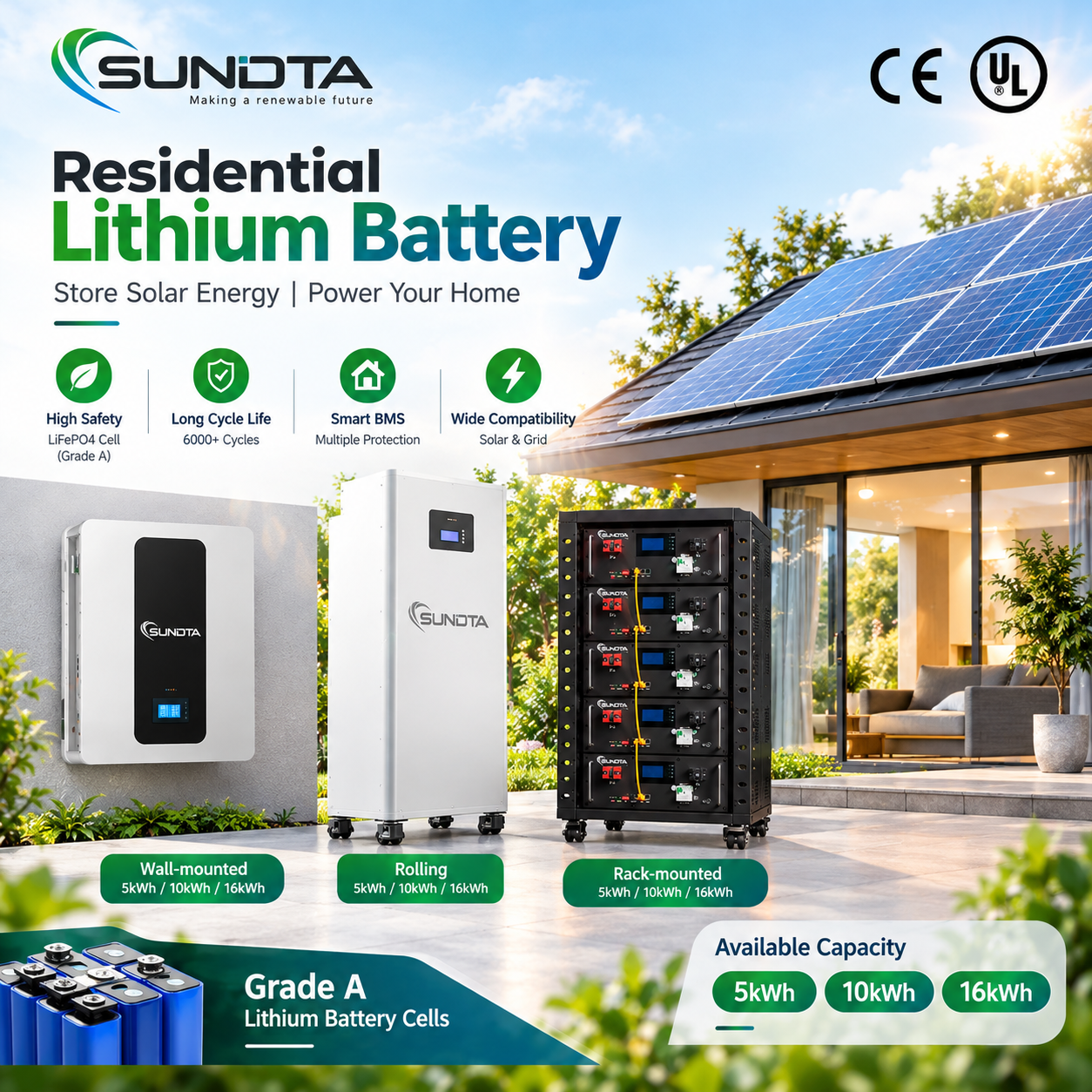
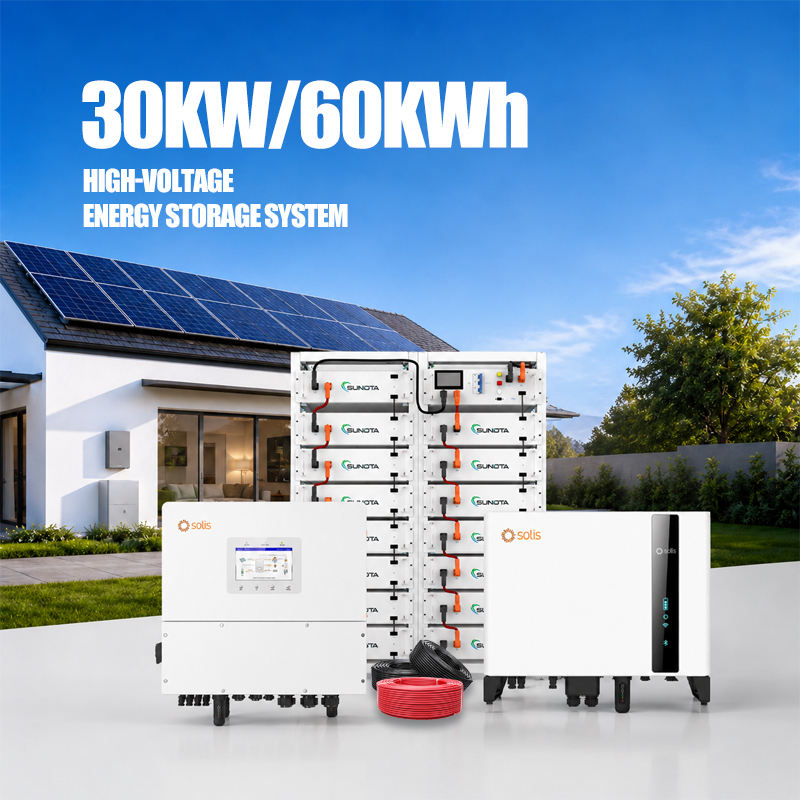
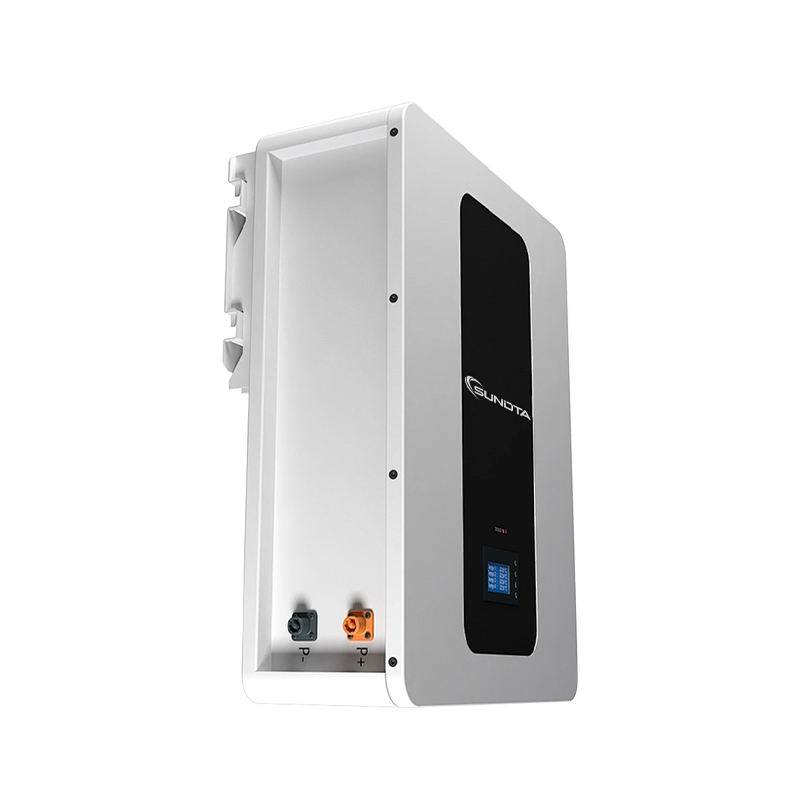
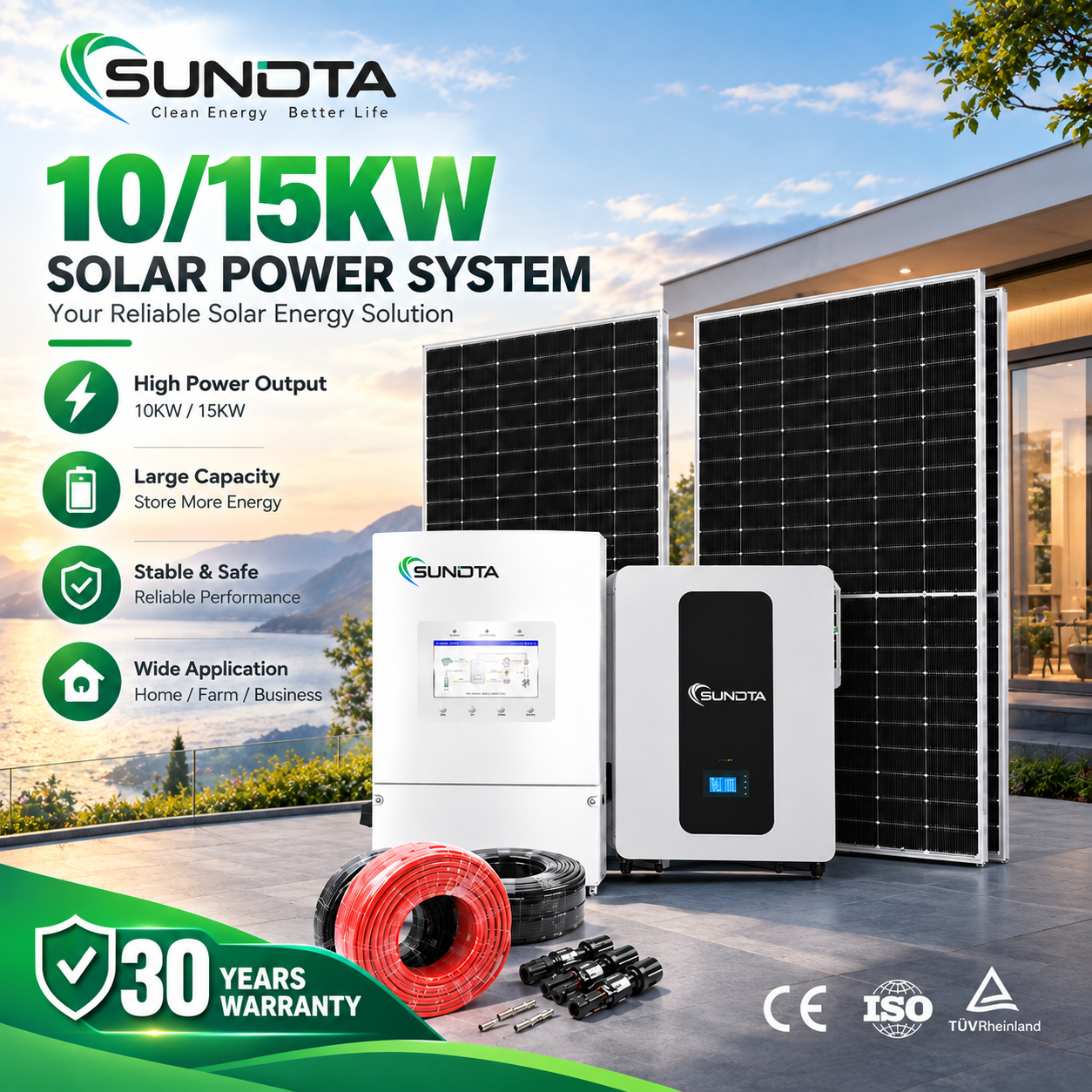
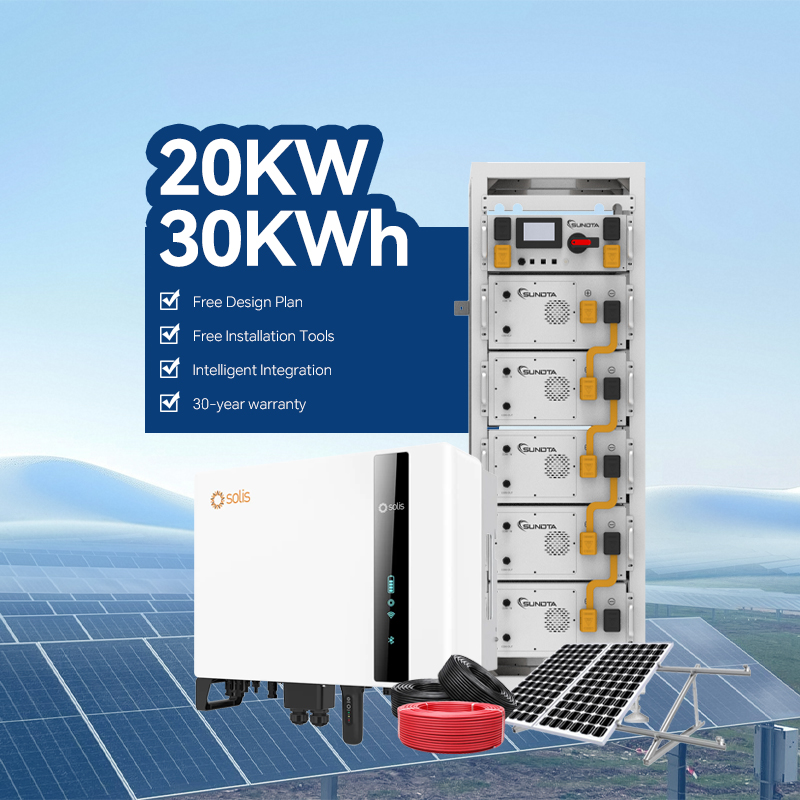
St. John's residential properties face frequent winter grid interruptions from freezing rain and coastal squalls. Our 10kW to 20kW complete turnkey hybrid packages integrate bifacial roof/ground modules with 51.2V 100Ah/200Ah wall-hung or stacked LiFePO4 batteries. Closed-loop CAN communication with Deye and Solis inverters guarantees UPS-grade transfer (<10ms) to ensure critical home heating and electrical loads never falter.
- Instantaneous automatic islanding during storm cut-offs
- Snow shedding accelerated by dual-glass thermal absorption
- Integrated smart heaters prevent battery low-temp lockouts
Commercial Warehousing & Cold Storage Logistics
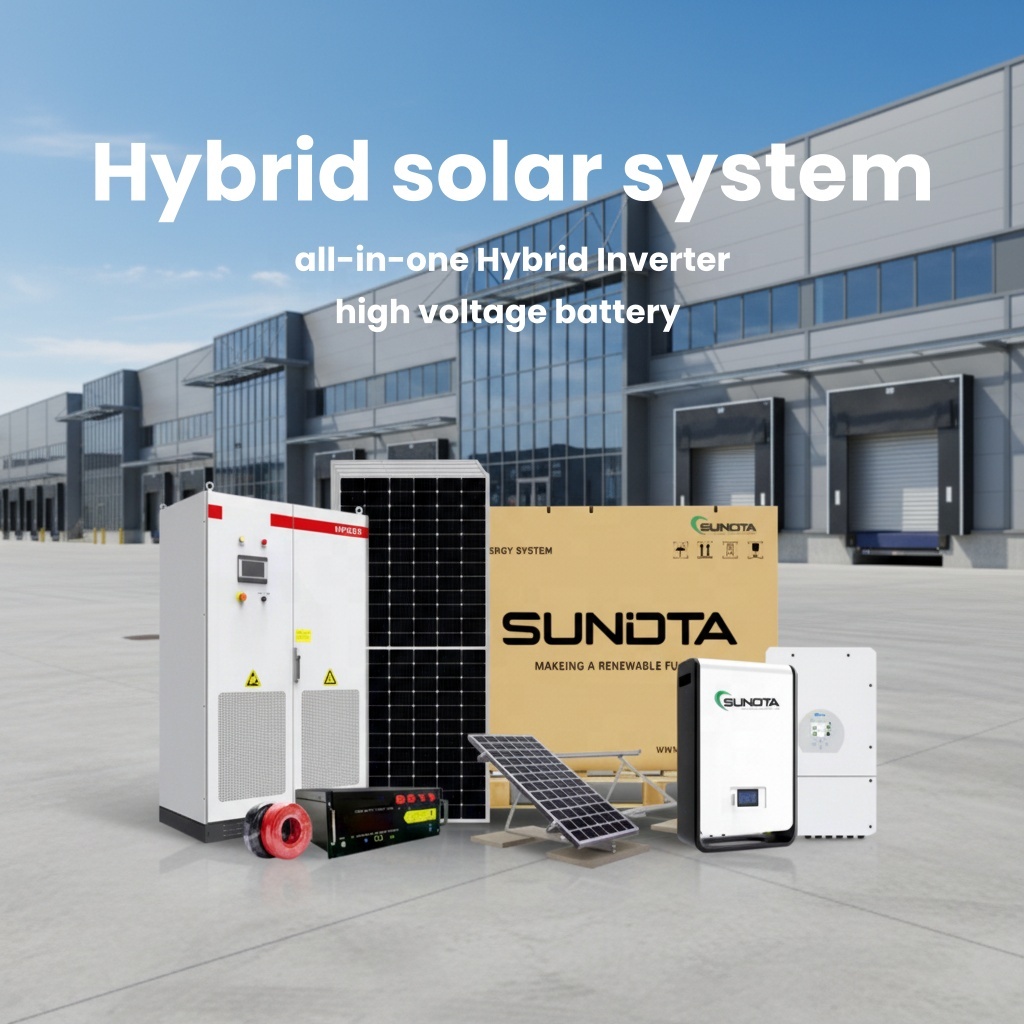
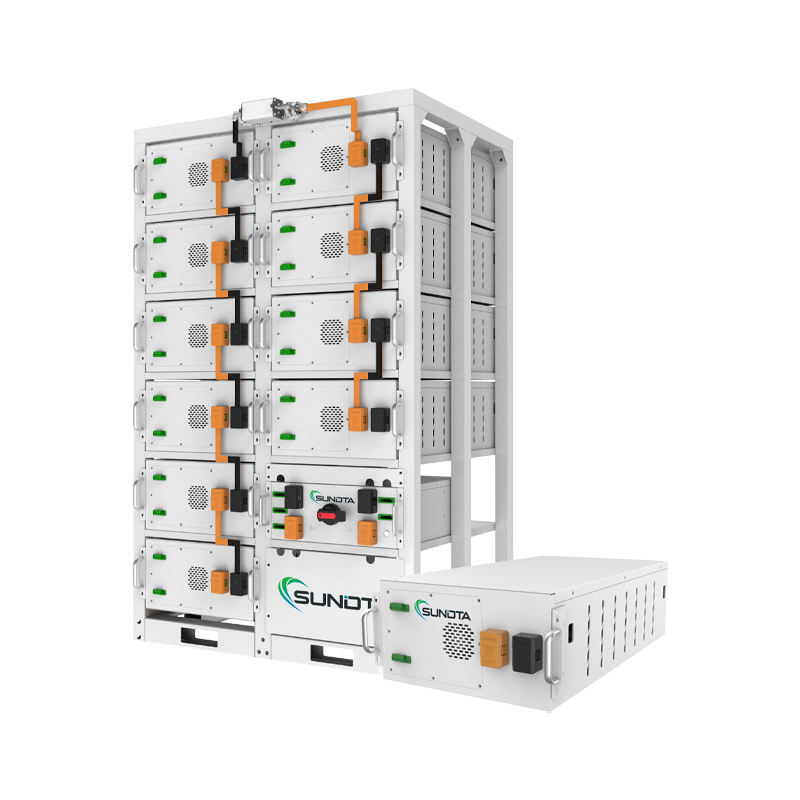
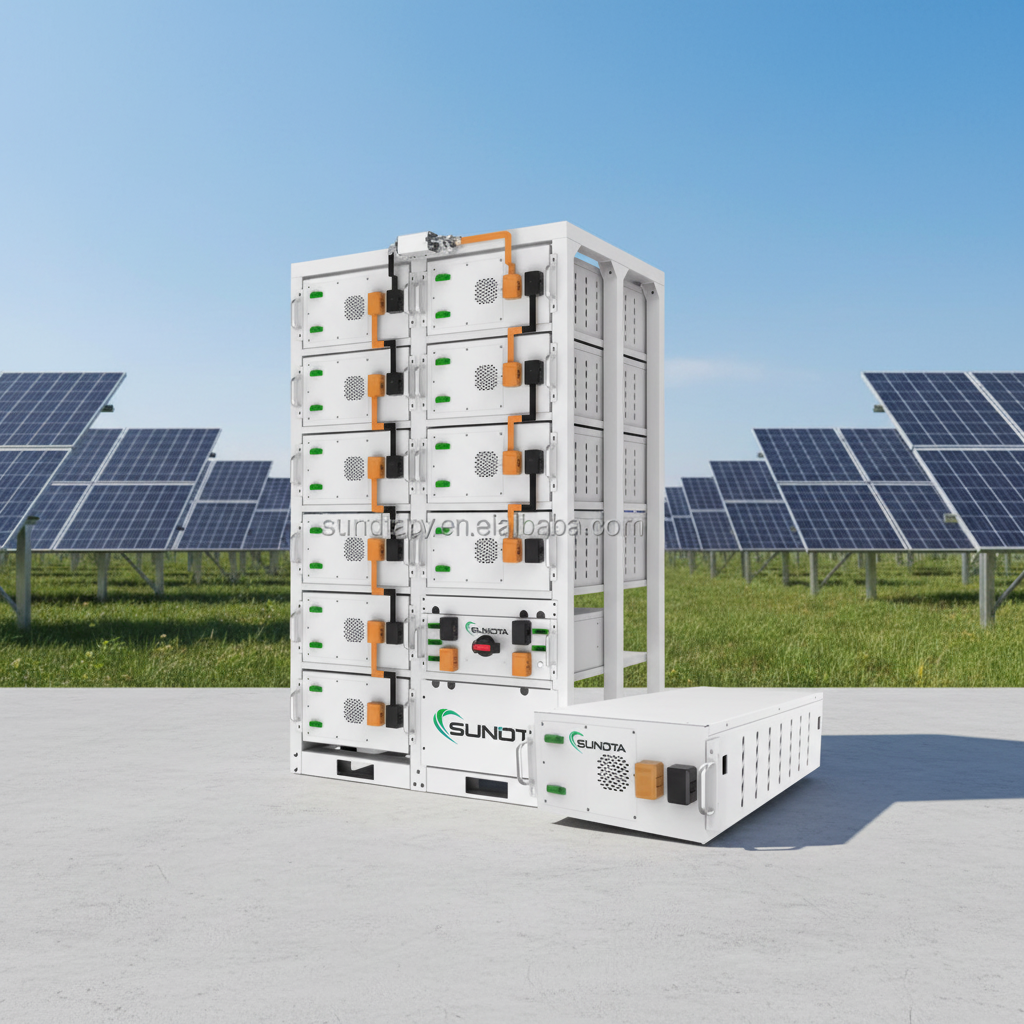
Commercial facilities along the harbor and outer ring road battle high demand charges and high utility tier thresholds. By installing 585W–595W high-yield bifacial PERC arrays on flat commercial membrane roofs with ballast mounting, companies capture reflected diffuse light while integrating our 100kW–500kW high-voltage ESS storage cabinets to automate load peak-shaving and backup operation.
- High-voltage battery architecture cuts conductor resistive losses
- Zero membrane penetration mounting preserved by dual-glass rigidity
- Programmable EMS for dynamic tariff time-of-use optimization
Coastal Fisheries, Harbors & Remote Marine Microgrids
Fish processing facilities, aquaculture sites, and remote marine navigation stations require independent, diesel-offset power. Our 50kW to 2MWh containerized BESS installations deliver off-grid reliability while shielding core electronics via IP65/IP66 enclosures. Bifacial modules ground-mounted along coastlines utilize natural water reflection to deliver unmatched LCOE (Levelized Cost of Electricity).
- Level 6 Salt Spray resistance eliminates shoreline chassis pitting
- Dramatic diesel generator fuel burn reduction up to 68%
- Scalable containerized architecture for simple harbor crane drop-in
Renewable Energy Modernization & Regulatory Trends in the Region
The clean energy landscape across Newfoundland and coastal eastern markets is reaching an inflection point. Escalating fossil-fuel thermal generation costs combined with aggressive provincial and federal net-zero benchmarks have forced utilities to overhaul net-metering interconnection procedures. In previous years, distributed solar was considered a secondary supplement; today, commercial facilities and residential developers view high-durability photovoltaics as a crucial hedge against volatile fuel surcharges and impending grid congestion fees.
Crucially, regulatory approvals are tightening around hardware resilience. Local electrical inspectors and utility review boards increasingly enforce strict verification of anti-islanding parameters, IEEE 1547 compliance, and fire-safety rated dual-glass designs. Flammable backsheet solar modules are rapidly being eliminated in commercial building codes in favor of non-combustible Class A fire-rated dual-glass modules. For distributors and EPC firms, securing CE-certified and TÜV-audited bifacial modules eliminates compliance delays and unlocks commercial project financing from leading Canadian institutional lenders.
Simultaneously, the convergence of solar generation with lithium iron phosphate storage has shifted procurement habits. Where local buyers once imported standalone panels from one source and battery packs from another, chronic communication handshake failures between incompatible third-party BMS units and solar inverters have steered the market toward single-source PV+Storage bills of materials. Anhui RJV New Energy’s capability to deliver matched modules, factory-coded hybrid inverters, and plug-and-play LiFePO4 batteries within a consolidated container order provides an undeniable competitive advantage for contractors across the island.
Anhui RJV New Energy Co., Ltd.
Headquartered in Hefei’s Innovation Industrial Park, Anhui RJV New Energy is an advanced solar manufacturer and energy system integration specialist. With continuous technical R&D since 2016, our manufacturing complex houses fully automated dual-glass laminate lines, high-precision laser dicing equipment, and comprehensive solar cell testing infrastructure.
Frequently Asked Questions for St. John’s Solar Importers
Direct technical and logistical answers addressing procurement, certifications, extreme weather handling, and shipment procedures.
How do your bifacial PERC modules maintain high output during overcast and foggy days in St. John’s?
What structural precautions prevent micro-cracking during heavy winter snow and gale-force Atlantic storms?
Are your LiFePO4 batteries engineered to operate safely in cold climate coastal conditions?
Can we purchase mixed-container shipments combining panels, hybrid inverters, and battery storage?
What warranties and documentation accompany orders to ensure local utility grid interconnection?
Accelerate Your Next Clean Energy Procurement for St. John’s
Consult directly with Anhui RJV New Energy's senior technical sales engineers. Receive optimized string schematics, complete Bill of Materials pricing, and seaworthy freight schedules within 24 business hours.