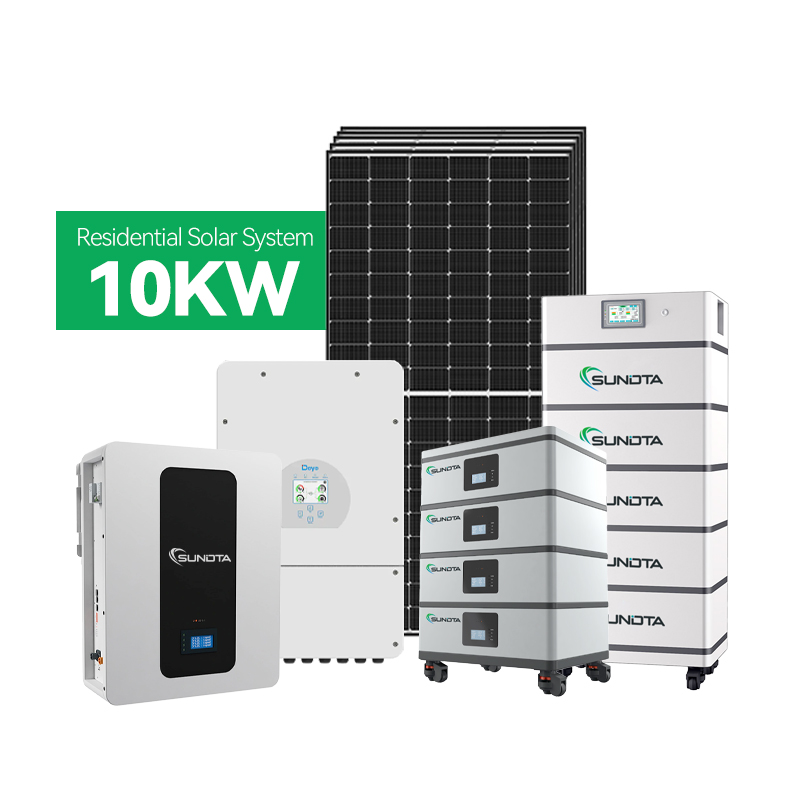
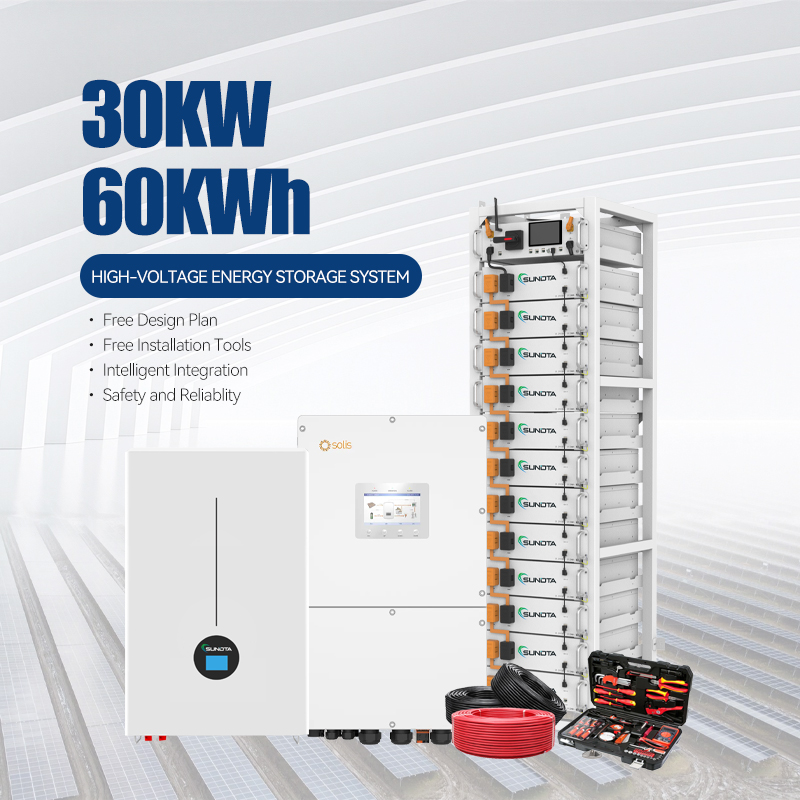
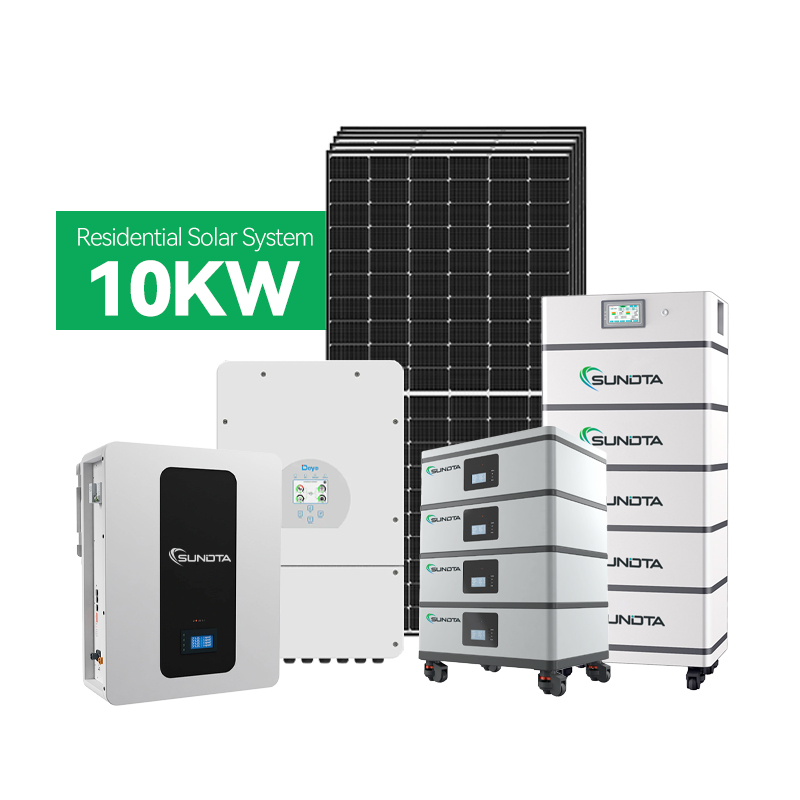
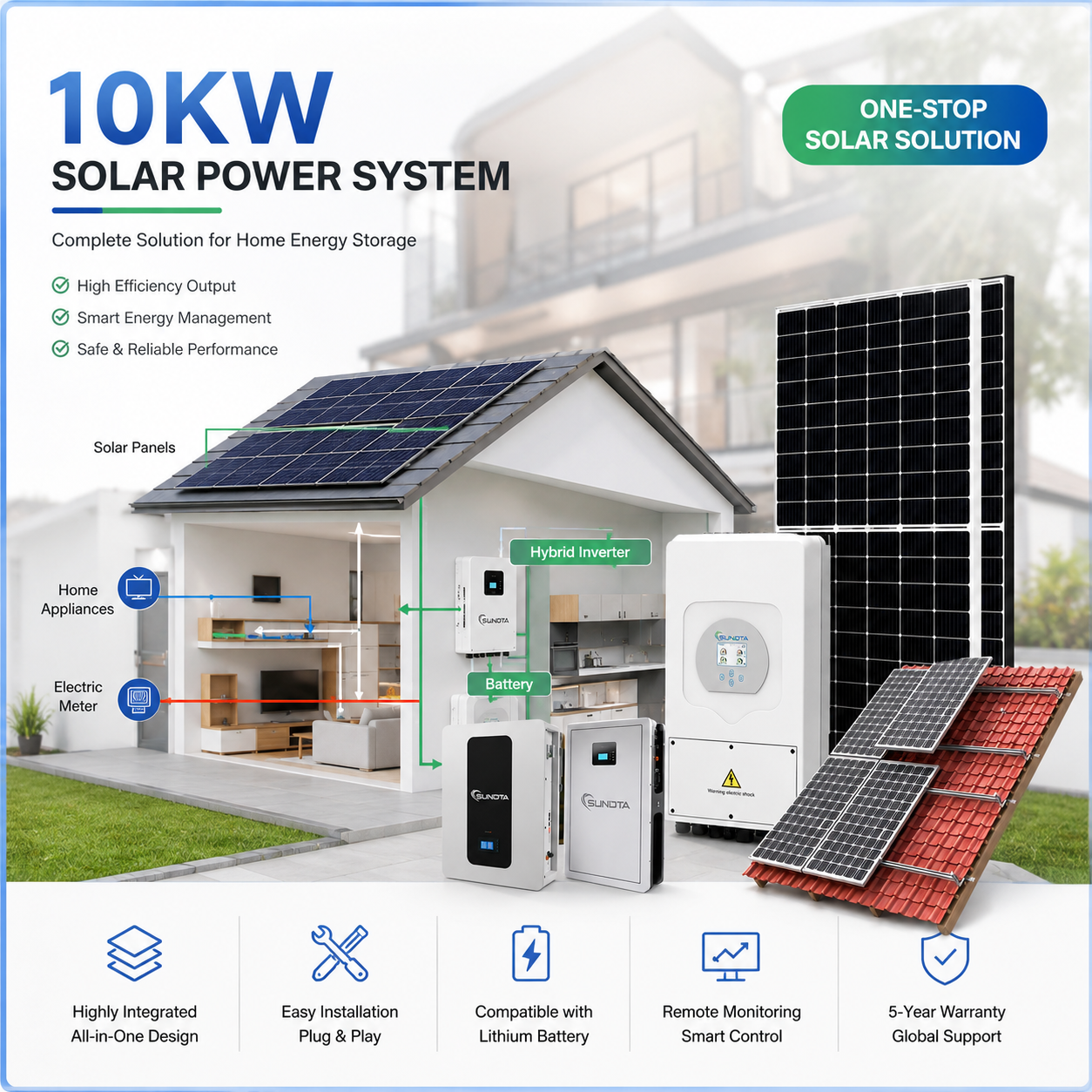
15kW-50kW High-Efficiency Hybrid Solar Power System with Smart MPPT for Whole-House Backup
- High-Yield Smart MPPT Tracking Algorithm
- Rapid Grid-Tie / Island Auto-Switching <10ms
- Fully Scalable Commercial & Large Residential
Explore our export-ready photovoltaic modules, intelligent grid-tied hybrid inverters, and high-safety storage architectures engineered for seamless integration with national utility infrastructure.
Analyzing high-temperature irradiance, utility compliance hurdles, and industrial integration frameworks under the regulatory oversight of INE and MEM.
Nicaragua's National Interconnected System (Sistema Interconectado Nacional - SIN) spans critical economic zones from Managua to León and Chinandega. While the country has made immense strides in renewable energy penetration, grid instability remains a operational reality for high-capacity on-grid deployments. Grid-tied commercial systems must deal with periodic voltage swings, frequency variations, and the demanding technical requirements set by the Instituto Nicaragüense de Energía (INE).
Deploying CE-certified on-grid and hybrid grid-interactive PV systems allows manufacturing plants, agro-industrial facilities, and commercial distributors to participate in peak shaving and self-consumption frameworks while preventing unintended distribution trips through advanced anti-islanding mechanisms compliant with standard IEC 62116 / IEEE 1547.
The solar irradiance profile across western Nicaragua yields exceptional horizontal radiation figures averaging between 5.5 to 6.5 kWh/m²/day. However, the accompanying operating conditions—characterized by ambient temperatures routinely surpassing 38°C and ambient relative humidity levels reaching 85%—impose severe thermal stress on standard photovoltaic silicon.
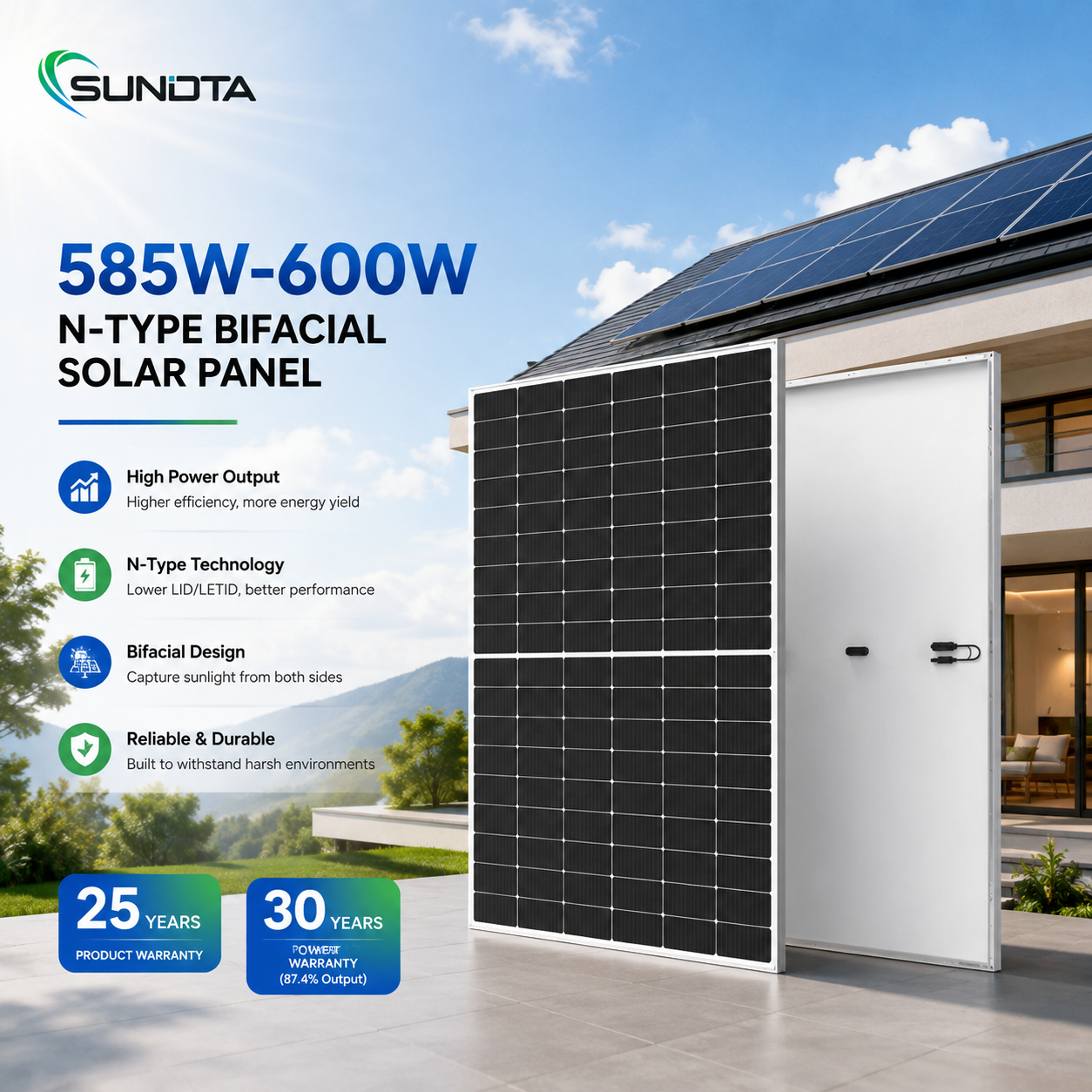
Traditional p-type PERC panels suffer steep thermal efficiency penalties in these zones. RJV counters this through high-efficiency N-type TOPCon bifacial modules, which possess an ultra-low temperature coefficient of -0.30%/°C compared to conventional -0.38%/°C. The resulting performance preserves an additional 5% to 8% in daily energy output over the 25-year lifecycle, protecting the Internal Rate of Return (IRR) for local engineering and procurement contractors (EPCs).
Heavy agro-processing hubs in Matagalpa and Chinandega utilize centralized 50kW to 100kW grid-tied configurations to offset massive three-phase motor loads during daylight harvesting hours, slashing expensive peak utility tariffs.
Resorts in San Juan del Sur and Tola require resilient hybrid grid-connected infrastructure. Systems leverage IP65-sealed LiFePO4 storage to eliminate noise pollution and guarantee uncompromised luxury hospitality during local substation outages.
Industrial parks around Managua maximize industrial warehouse roof space with high-wattage 595W monocrystalline modules, delivering turnkey Levelized Cost of Energy (LCOE) reductions without exceeding mechanical structural load limits.
Integrated MPPT string inverter arrays coupled directly with AC three-phase induction pumps stabilize municipal water delivery in northern rural departments, dramatically cutting diesel generator reliance.
Navigating Net-Metering policies, Law 532 tax incentives, and the massive shift toward smart energy storage across Central America.
Nicaragua's renewable expansion is catalyzed by Ley para la Promoción de la Generación Eléctrica con Fuentes Renovables (Law 532). This landmark legislation provides substantial tax exemptions on import duties, VAT (Impuesto al Valor Agregado - IVA), and municipal property taxes for solar equipment verified under international quality marks. As international suppliers of CE-certified equipment, Anhui RJV New Energy provides the rigorous flash test data, factory conformity documentation, and bill of ladings required by customs authorities to expedite duty-free clearance.
Furthermore, recent modernization by the Ministry of Energy and Mines (MEM) aims to simplify net-metering schemes for commercial entities under 100 kW. By synchronizing grid-tie inverters to zero-export controllers when local transformers hit capacity, system developers avoid regulatory penalties while ensuring 100% internal utilization of generated energy.
The traditional distinction between strictly grid-tied systems and off-grid standalone kits is rapidly closing in Central America. Installers across Nicaragua are standardizing on "Grid-Tied with Storage" (Hybrid) topologies. Pure on-grid systems historically posed a fatal flaw: during utility blackouts, standard grid-tie inverters shut down immediately to protect grid line workers, leaving the facility in darkness despite blazing midday sunlight.
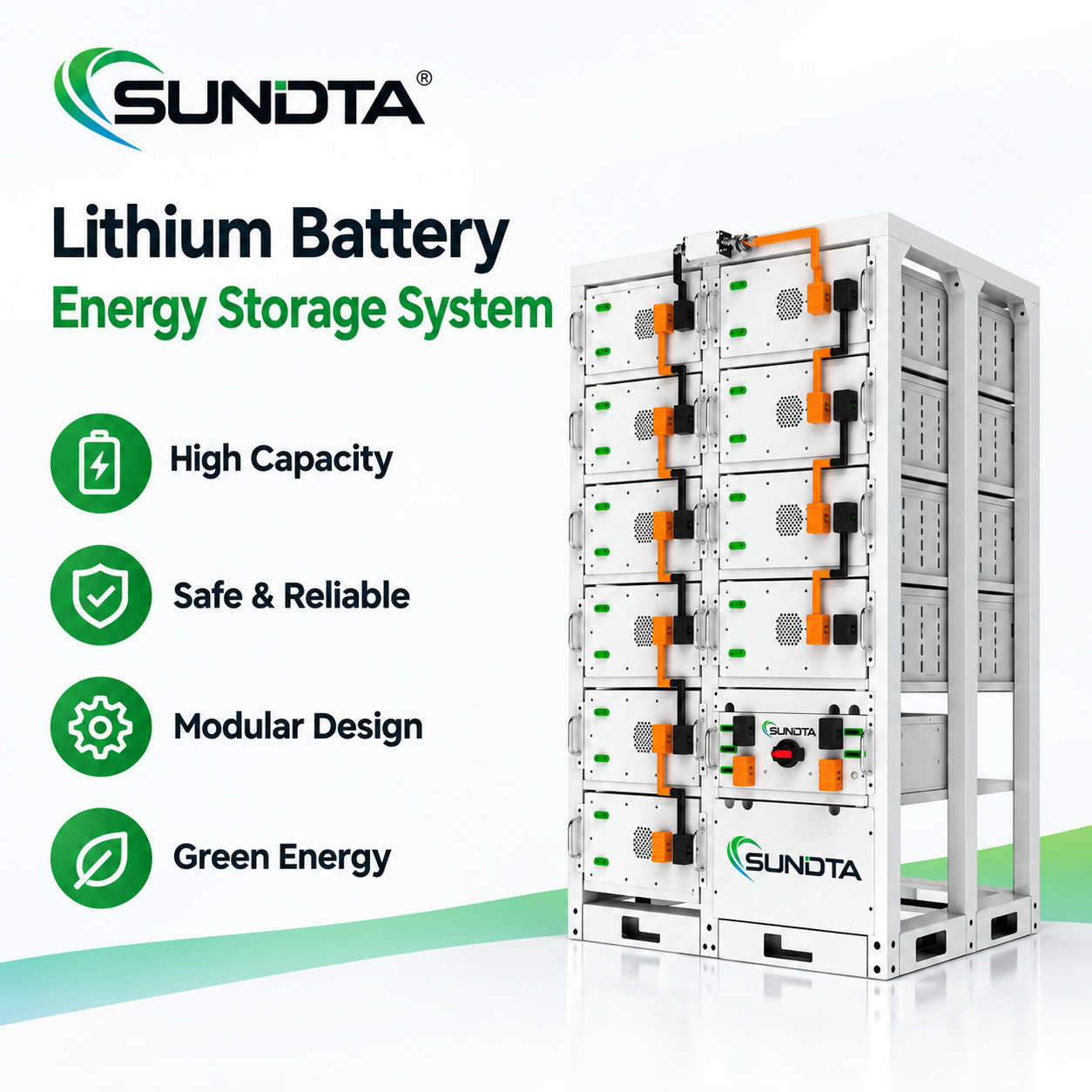
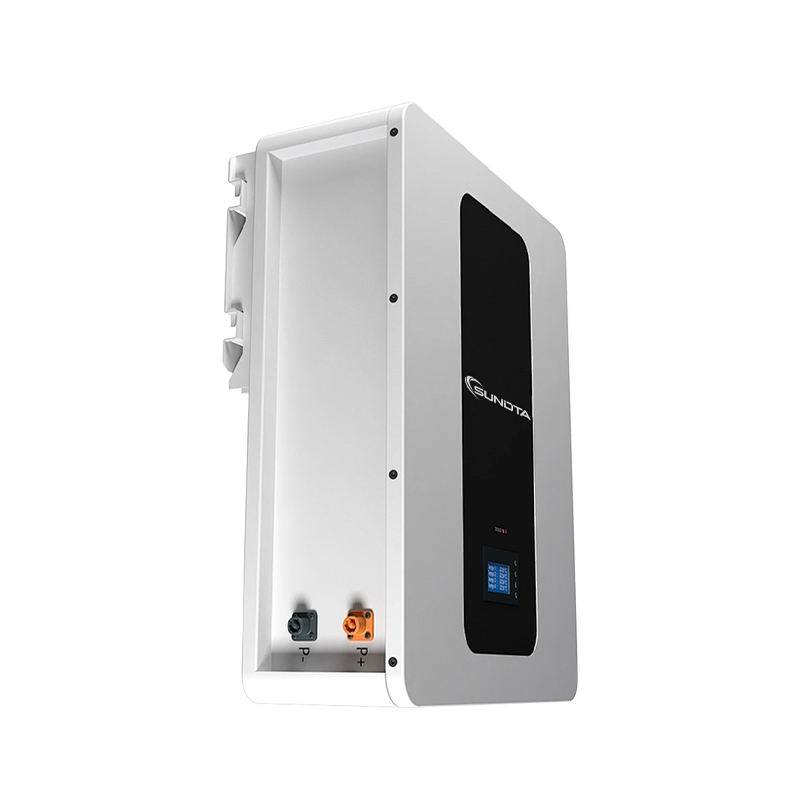
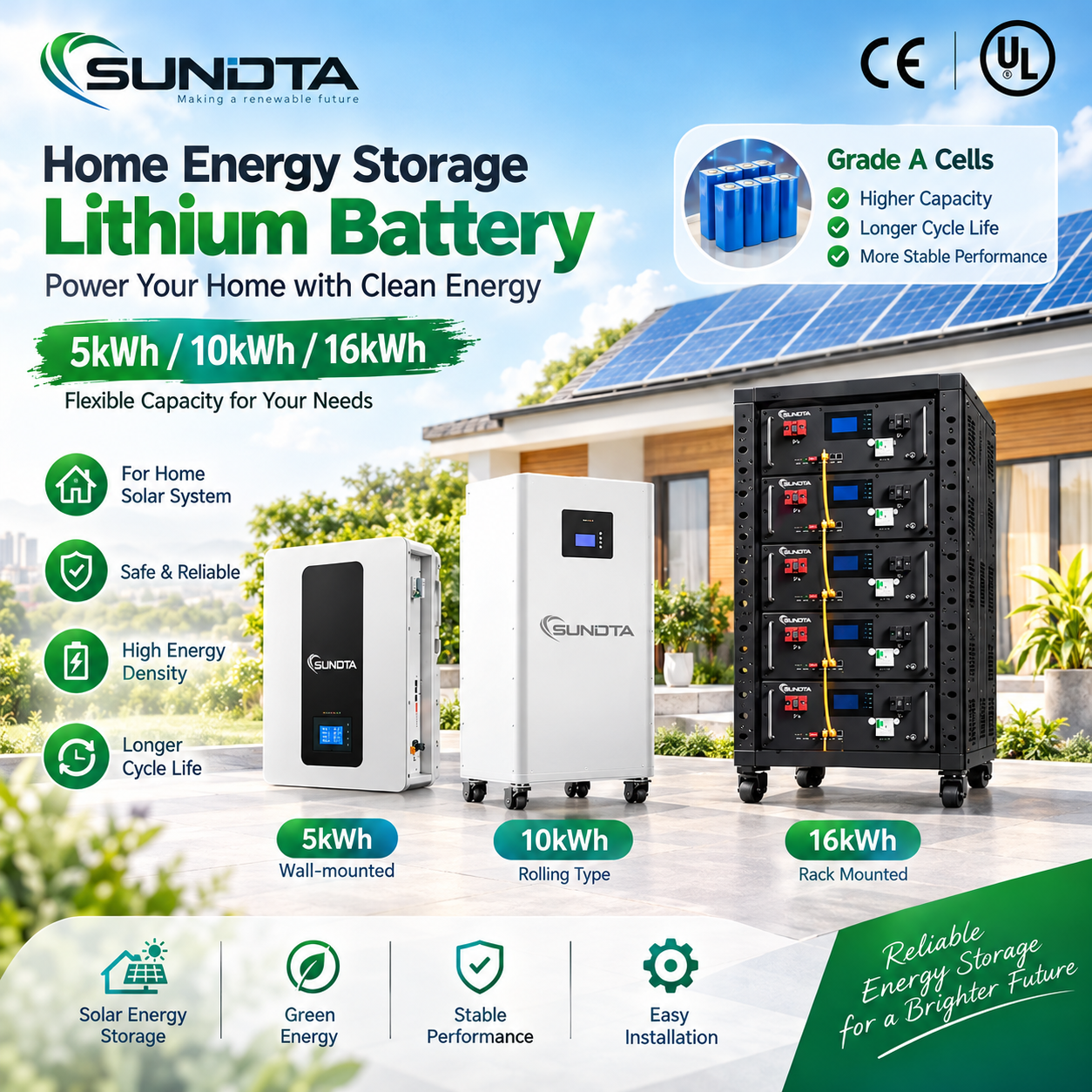
Modern EPC operations are eliminating this drawback by introducing low-voltage and high-voltage 51.2V LiFePO4 battery modules equipped with closed-loop CAN communication. These hybrid powerhouses maintain grid-parallel feed-in while isolating critical loads in less than 10 milliseconds during brownouts, effectively delivering zero-interruption industrial reliability.
| System Specification Parameter | Standard On-Grid Photovoltaic Array | Advanced Hybrid LiFePO4 ESS System | Recommended Engineering Deployment |
|---|---|---|---|
| Grid Interconnection Status | Active Net-Metering / Zero Export | Dual (Grid Interconnected + Island Microgrid) | Hybrid systems required for areas with frequent voltage dips. |
| Blackout Autonomy | 0 Hours (Shuts down on utility loss) | Configurable (4 to 24+ Hours via LiFePO4) | Essential for cold-chain warehousing, clinics, and manufacturing. |
| PV Module Architecture | 585W–595W N-Type TOPCon Bifacial | 460W–595W High-Density Monocrystalline | Bifacial yields up to 25% rear gains on reflective tropical roofs. |
| Inverter Topology | String Transformerless (IP65 / IP66) | Bidirectional Split/Three Phase Hybrid | RJV hybrid series supports unbalanced three-phase load supply. |
| Levelized Cost of Energy (LCOE) | Lowest initial capital expenditure ($/W) | Optimized lifetime energy reliability index | Industrial rooftops seek standard grid-tie; critical facilities choose hybrid. |
Anhui RJV New Energy Co., Ltd. delivers verifiable photovoltaic value through vertically integrated manufacturing, automated optical inspection, and specialized export packaging.
Our fully automated production base in Hefei features high-precision stringer robotics, automated laminators, and dual-stage electroluminescence (EL) testing to completely eliminate micro-cracking.
Operations and quality control workflows are assessed on-site by TÜV Rheinland. Products comply rigorously with CE, IEC 61215, IEC 61730, and UN38.3 battery transport standards.
We eliminate commissioning headaches by pre-matching module string voltages, MPPT inverter tracking windows, and lithium battery BMS protocols prior to container dispatch.
Dedicated bilingual solar engineers provide load profiling, single-line wiring diagrams (SLD), remote commissioning guidance, and responsive warranty fulfillment across international time zones.
Key information regarding customs clearance, maritime logistics to Puerto Corinto, technical warranties, and grid interconnection compliance.
Nicaragua's energy regulatory body, Instituto Nicaragüense de Energía (INE), and transmission utility ENATREL mandate that all grid-tied distributed generation systems incorporate certified anti-islanding protection (compliant with IEC 62116 or UL 1741) and meet tight power quality thresholds for total harmonic distortion (THD < 3%). All RJV grid-tied and hybrid inverters hold genuine CE declarations of conformity and independent lab test reports that can be directly submitted to local distribution utilities (such as Disnorte-Dissur) during the grid interconnection study.
Standard full-container load (FCL) shipments depart from Ningbo or Shanghai port directly to Puerto Corinto, Nicaragua's primary Pacific commercial gateway. Average ocean transit time ranges between 28 and 38 days depending on the shipping line (e.g., Maersk, CMA CGM, or MSC). RJV provides export-grade maritime packaging, including reinforced vertical wooden crates, desiccants inside moisture barrier bags, and corner protectors to ensure complete protection against heavy ocean swell and tropical saltwater humidity.
Yes. Law 532 grants fiscal benefits including exemption from Import Tariffs (DAI) and Value Added Tax (IVA) for machinery and equipment exclusively used in renewable energy power generation. To utilize this incentive, the importer of record must submit an itemized Bill of Materials (BOM), factory technical datasheets, and certificates of origin to the Ministry of Energy and Mines (MEM) and the Ministry of Finance (MHCP). RJV furnishes authenticated export documentation, CE certifications, and factory test records customized to match your customs clearance application precisely.
In high-ambient regions such as León and Managua, rooftop temperatures often exceed 65°C. At these temperatures, solar cell efficiency drops significantly. RJV's N-type TOPCon modules feature an advanced cell architecture with virtually zero Light Induced Degradation (LID < 1% in year one) and an industry-leading temperature coefficient of -0.30%/°C. Furthermore, when installed on commercial white-coated zinc roofs or concrete decks, our bifacial glass-glass construction captures reflected albedo sunlight from the rear side, generating up to 15–25% supplementary energy yield over single-sided panels.
For complete residential hybrid solar kits, our MOQ starts from 1 full set. Individual inverter units and LiFePO4 batteries have an MOQ of 1 piece, whereas solar panels are quoted in pallet loads (typically 31 to 36 pieces per pallet) or container batches (13,650W to 17,280W+). We offer a 12-year product warranty and 25-to-30-year linear performance warranty on solar panels, alongside a 5-to-10-year warranty on inverters and storage batteries. Remote warranty issues are addressed via modular spare-part air shipments, detailed diagnostic log analyses via smart Wi-Fi dongles, and complete unit replacements when necessary.