Engineered Solar PV & LiFePO4 Storage Architecture
Factory-integrated systems built for extreme tropical ambient temperatures, coastal salinity exposure, and erratic grid telemetry, supplied direct from verified Hefei manufacturing hubs to Puerto Progreso and Mérida distribution centers.
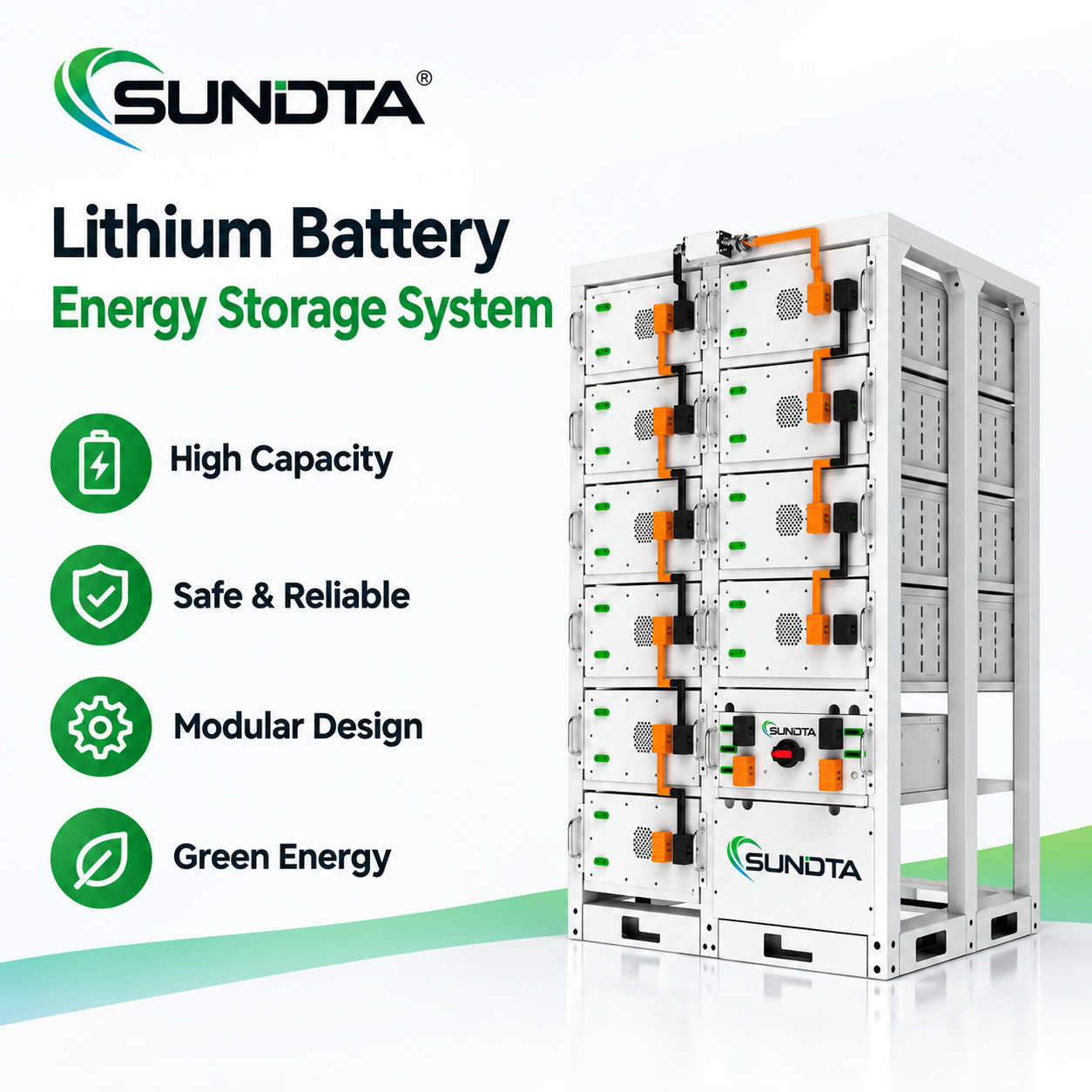
Smart BMS 51.2V Stackable LiFePO4 Solar Home Battery Storage System Monocrystalline Pack
- 51.2V Prismatic LiFePO4 Grade-A cells
- CAN/RS485 closed-loop protocol with Deye & Solis
- Modular stackable expansion: 5kWh to 40kWh
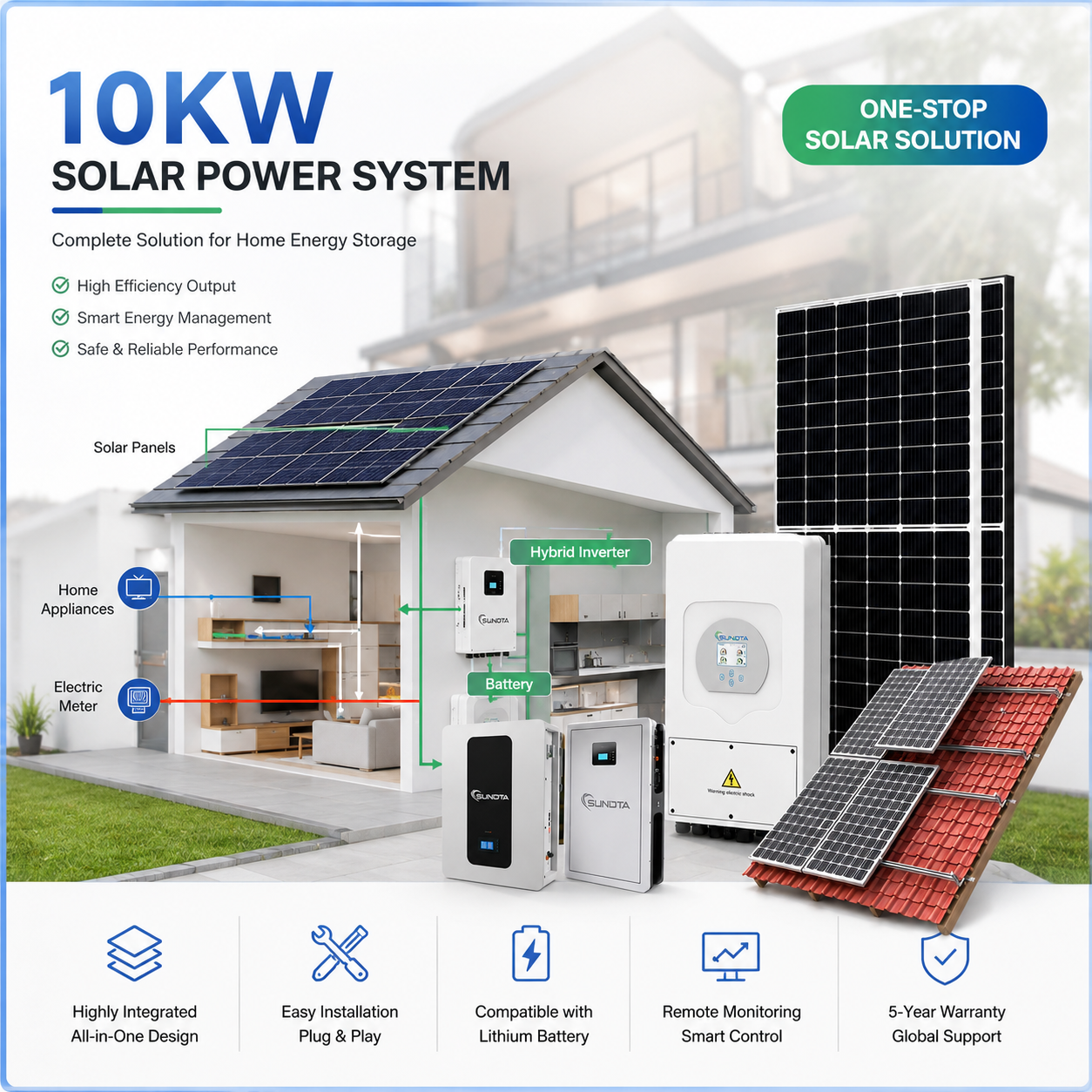
15kW-50kW High-Efficiency Hybrid Solar Power System with Smart MPPT for Backup
- High-voltage dynamic multi-MPPT tracking (150–850V)
- Full microgrid islanding within <10ms transfer
- Heavy-duty thermal dissipation for 45°C ambient
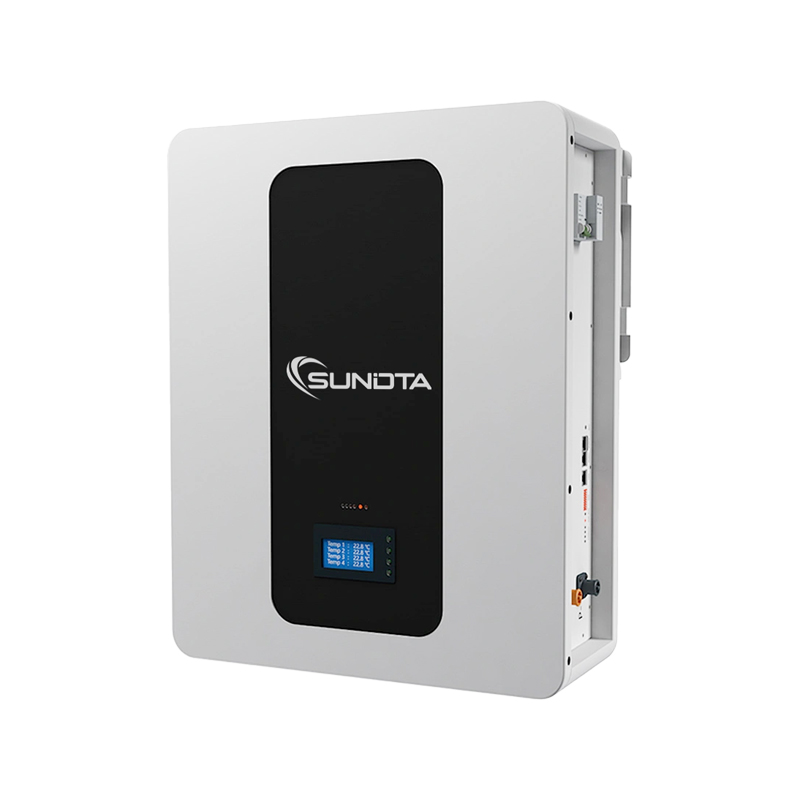
Sundta 48V/51.2V LiFePO4 Lithium Battery 10kWh Solar Energy Storage Wall-Mounted 200Ah
- Ultra-slim wall-mounted footprint with heat-sink design
- Integrated smart aerosol thermal suppression system
- Direct plug-and-play for commercial & villa setups
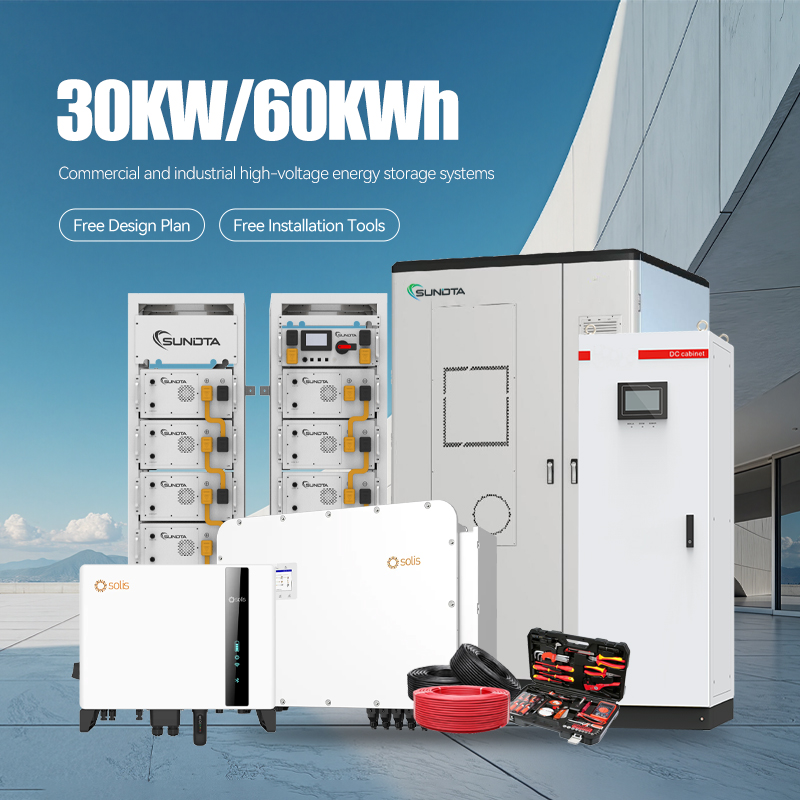
30KWH 51.2V 314AH LiFePO4 Solar Home Energy Storage All-in-One Power System
- Latest-generation 314Ah ultra-dense lithium cell blocks
- Integrated inverter, BMS, and automatic bypass switch
- Continuous 1C charge/discharge power output
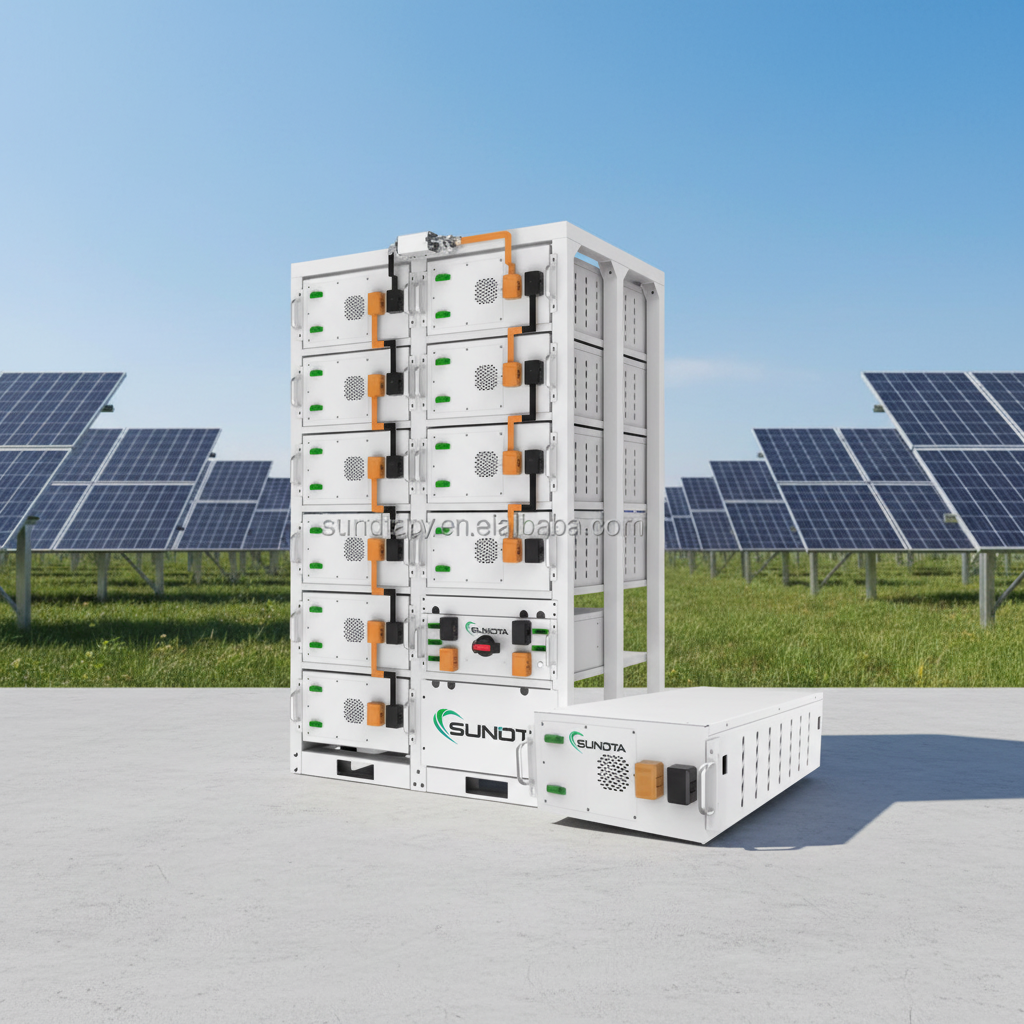
Commercial High Voltage LiFePO4 Energy Storage System 40kWh–100kWh Cabinet
- Active air/liquid cooling loop keeping cell ΔT < 2.5°C
- HV DC bus (200V–900V) minimizing transmission loss
- Peak shaving, time-of-use (TOU), and grid dispatch ready
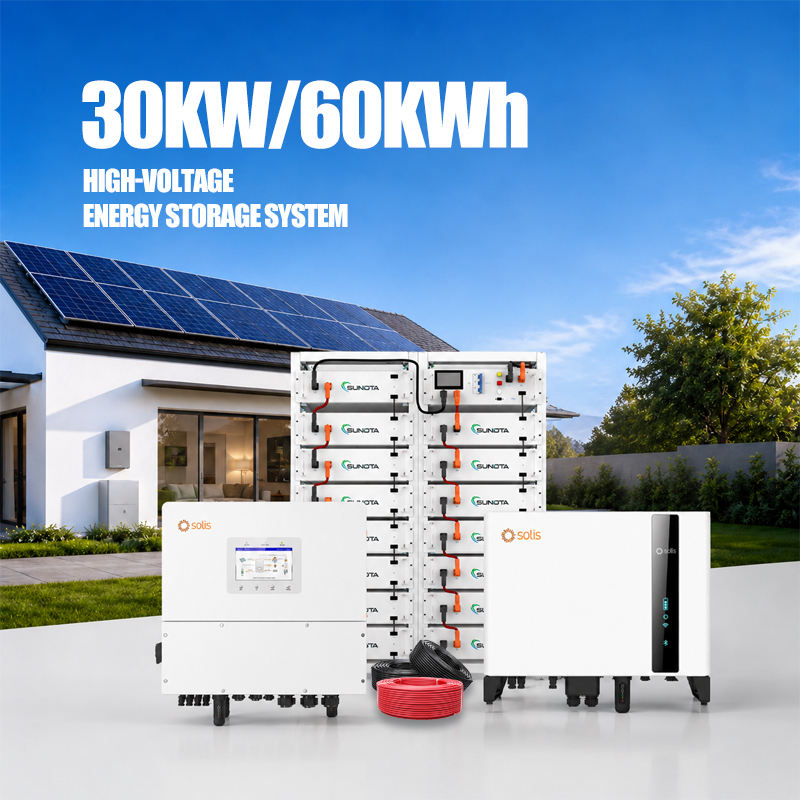
51.2V Split All-in-One Solar Battery Inverter System 30kWh LiFePO4 Backup Power Hybrid
- 120V/240V split-phase architecture native to Mexico grids
- CE certified galvanic isolation transformer safeguard
- Remote cloud diagnostic interface with telemetry link
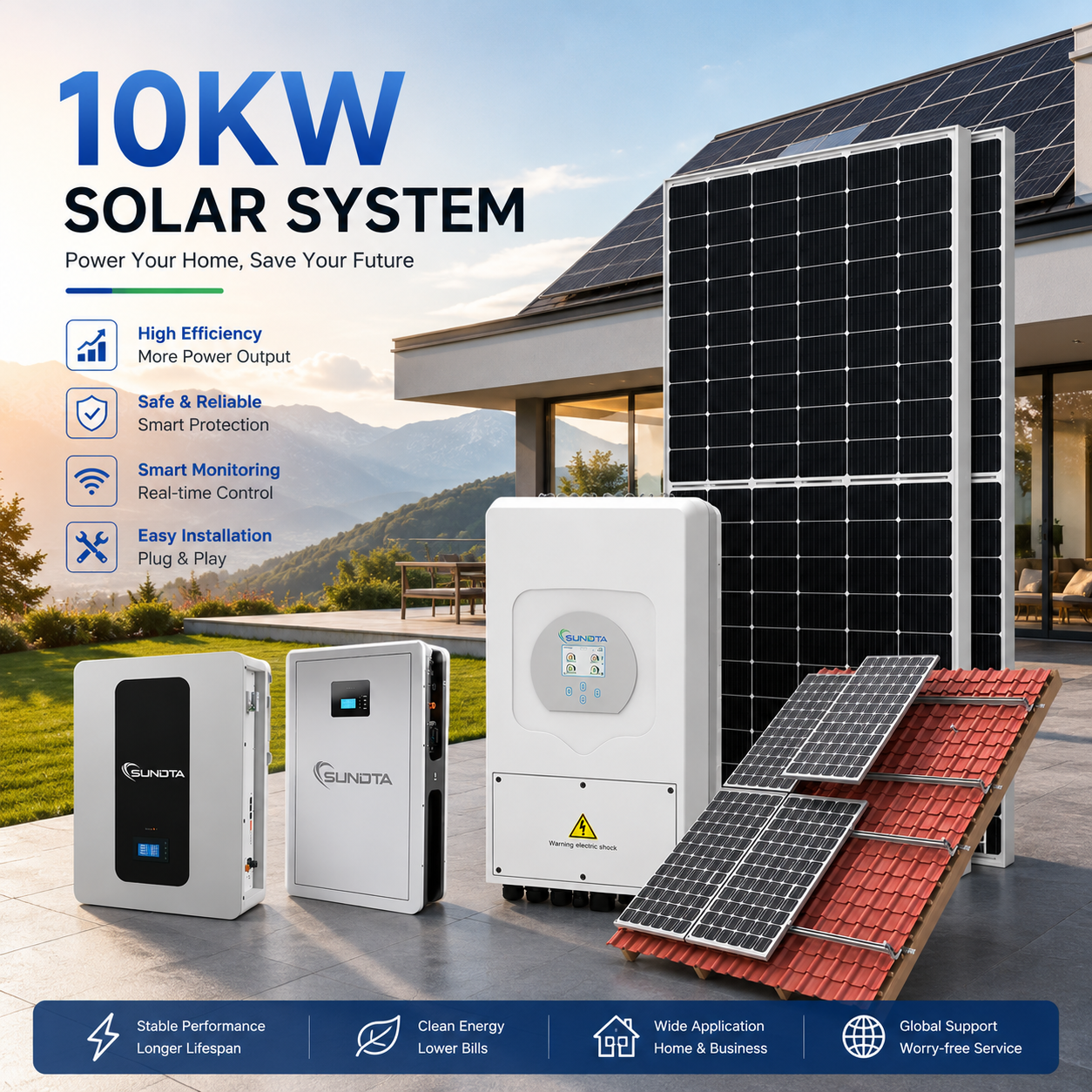
Emergency Backup Whole House Hybrid Solar Power System 15kW–50kW Smart MPPT
- Ruggedized surge withstand capability for storm seasons
- Diesel generator auto-start (dry contact) synergy logic
- IP65 outdoor rated enclosure with corrosion barrier
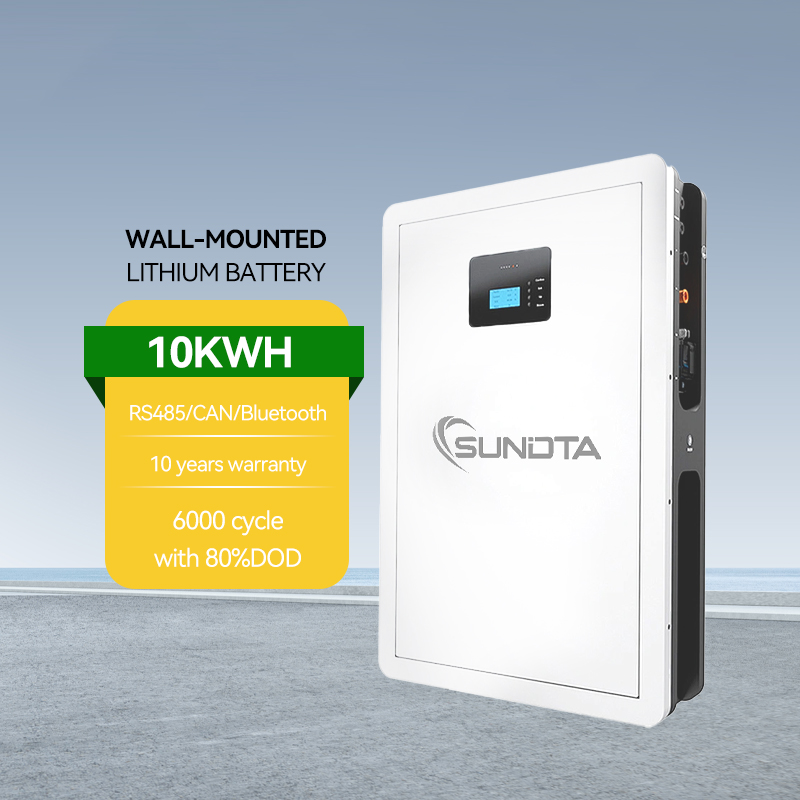
Fast Shipping Solar Battery 48V 51.2V 100Ah 200Ah 5kWh Wall-Mounted LiFePO4
- Compact, heavy-duty form factor for residential retrofits
- Universal protocol emulation for legacy string inverters
- CE, UN38.3, MSDS documentation verified for fast import
Engineering Solar PV Reliability Under Extreme Tropical Regimes: Mérida Technical Dossier
Deploying photovoltaic arrays and distributed storage in the Yucatán Peninsula presents engineering challenges distinct from temperate latitudes. Mérida experiences an average of 5.8 to 6.3 peak sun hours (PSH) per day, accompanied by ambient temperatures regularly surpassing 42°C during heatwaves, relative humidity rates averaging 75% to 90%, and severe marine aerosols driven by prevailing Gulf winds from Progreso. Standard PV modules engineered without specialized encapsulation and thermal optimization degrade rapidly under these conditions due to Potential Induced Degradation (PID) and violent thermal coefficient losses.
As dedicated CE-certified solar PV manufacturers and exporters supplying developers and EPCs in Mérida, Anhui RJV New Energy engineers our bifacial monocrystalline TOPCon (Tunnel Oxide Passivated Contact) and PERC half-cut modules to counter localized degradation mechanisms. By switching to N-type TOPCon substrate wafer chemistry, our solar panels mitigate Boron-Oxygen pair defects, driving Light Induced Degradation (LID) and Light-and-Elevated-Temperature Induced Degradation (LeTID) close to zero. Furthermore, our temperature coefficient of Pmax is kept down to -0.30%/°C—far superior to traditional P-type panels (-0.38%/°C). In a climate like Mérida, where summer cell operating temperatures reach 68°C, this variance alone yields an additional 5.2% to 6.8% annual kilowatt-hour energy harvest over lifetime operations.
Mitigating Coastal Salt-Mist and High-Humidity Premature Failure
Photovoltaic installations across Mérida's residential corridors (Altabrisa, Temozón Norte, Montebello) and commercial logistics arteries (Mérida-Progreso Highway, Periférico Manuel Berzunza) face corrosive halogen penetration. Salt particles carried inland by maritime currents react with low-grade anodized frames and porous POE/EVA encapsulants, leading to delamination, busbar oxidation, and catastrophic leakage currents. Our export configurations implement heavy-duty 35mm to 40mm anodized aluminum frames with 20μm minimum oxide coatings, reinforced by high-volume resistivity polyolefin elastomer (POE) dual encapsulation. This guarantees passing rigorous IEC 61701 (Salt Mist Corrosion Testing Severity 6) standards, ensuring 30-year physical integrity across coastal and inland Yucatán projects.
Harmonizing Generation with High-Voltage Lithium Iron Phosphate Storage
The intermittent generation profiles typical of tropical cloud transitions, paired with the Comisión Federal de Electricidad (CFE) transmission bottlenecks in southeastern Mexico, necessitate robust Energy Storage Systems (ESS). RJV's stackable 51.2V low-voltage battery banks and commercial high-voltage (HV) LiFePO4 rack cabinets integrate seamlessly with multi-MPPT hybrid platforms (including Deye and Solis inverters). Our cell selections prioritize prismatic automotive-grade LiFePO4 chemistries featuring internal ceramic separators and closed-loop aerosol fire suppression. Operating natively with RS485 and CAN protocols, our intelligent BMS continuously manages cell balancing, preventing runaway under hot, high-load continuous cycling.
Mérida Commercial & Residential Deployment Scenarios
Engineered to resolve real operational hurdles in Yucatán: soaring CFE DAC (Tarifa de Alto Consumo) domestic tariffs, unstable rural circuits, and industrial continuous cooling loads.
Residential DAC Deflection & Resiliency
In high-income Mérida zones, domestic air-conditioning loads propel households into punitive CFE DAC rates. Our all-black TOPCon panels and 10kWh–30kWh stackable LiFePO4 units shave daylight peaks, absorb solar excess, and sustain seamless whole-home HVAC operations during brownouts with split-phase 120V/240V synchronicity.
Industrial Park Cold-Chain Peak Shaving
Facilities across Parque Industrial Yucatán and logistics parks along the Progreso corridor operate high-tonnage cold storage compressors. Coupling our 585W bifacial modules with 100kWh–500kWh high-voltage LiFePO4 cabinets stabilizes power factor, cuts peak capacity surcharges, and provides uninterrupted cold-chain preservation.
Agro-Industrial & Henequenera Microgrids
Farms and processing plants in Umán, Kanasín, and Motul face weak rural grid feeder lines subject to heavy voltage dips. Our 15kW–50kW off-grid/hybrid platforms integrate intelligent MPPT arrays with automated backup generator sequencing, maintaining uninterrupted agricultural pumping and manufacturing throughput.
Photovoltaic Growth Trends Across Yucatán Peninsula
Key regulatory and climatic factors shaping the procurement pipeline for regional EPCs, developers, and electrical engineering firms.
Surging Net-Metering (Contrato de Interconexión)
CFE’s net-metering framework allows systems up to 500kWp under Distributed Generation (Generación Distribuida). Sourcing fully documented, CE-marked, and UL/IEC compliant inverters and modules streamlines interconnection reviews with CRE and CENACE inspectors, minimizing costly sign-off postponements.
Electrification & Industrial Real Estate Influx
Nearshoring initiatives in Yucatán, bolstered by rail and port modernization, are driving multinational factory expansion. These developments demand standardized, high-density PV infrastructure that delivers verified returns on investment (ROI) within 3.5 to 4.2 years under current local electricity tariff structures.
Mandatory Transition to Hybrid Energy Storage
As tropical storm frequencies increase and the regional grid faces higher penetration of renewables, standalone grid-tie solar is shifting decisively to hybrid battery-integrated systems. Installers in Mérida are increasingly specifying LiFePO4 configurations over outdated gel lead-acid due to superior thermal stability and depth-of-discharge (DoD).
Why International Procurement Teams Partner with Anhui RJV
2.0 GW Factory Scale
Fully automated cell sorting, multi-busbar soldering, and vacuum lamination lines in Hefei, China, guaranteeing precise mechanical tolerances, zero micro-cracking, and verified flash-test flash data per container.
Full Interoperability Check
We eliminate system-level commissioning headaches. Inverter communication protocols (CAN/RS485), PV string sizing, and battery BMS interfaces are matched, pre-tested, and validated before customs dispatch.
TÜV Rheinland Audited
Our manufacturing and assembly hubs undergo stringent on-site validation by TÜV Rheinland. Every batch includes full CE compliance declarations, IEC 61215/61730 certifications, and UN38.3 transport reports.
End-to-End Export Support
Full support for FOB, CFR, and CIF shipping to Puerto Progreso. We supply consular-cleared documentation, packed containers optimized against transit vibration, and 24/7 bilingual engineering post-sale support.
Frequently Asked Questions by Mérida Solar Contractors
Direct technical responses addressing import logistics, Mexican grid compliance, and hot-weather operational life.
Are your solar panels and inverters accepted for CFE Distributed Generation interconnections?
Yes. Our modules and hybrid inverter systems are engineered to comply with CFE and CRE technical regulations for interconnections under 500kWp. Modules hold full IEC 61215 and IEC 61730 certificates, and inverters conform to standard voltage/frequency trip settings, UL 1741, and IEEE 1547 equivalencies. We provide comprehensive technical datasheets and CE/TÜV documentation to streamline municipal and federal inspection approvals.
How does Mérida's extreme heat affect the operational lifespan of your LiFePO4 batteries?
Mérida regularly sees temperatures above 40°C, which degrades low-grade lithium packs. RJV utilizes prismatic Lithium Iron Phosphate (LiFePO4) cells known for high thermal runway thresholds (270°C+). Our systems feature heavy heat-sink aluminum chassis and smart BMS thermal throttling, maintaining optimal internal temperatures. When installed in shaded or ventilated spaces, our batteries deliver over 6,000 cycles at 80% Depth of Discharge (DoD).
What logistics route is used for shipments to Yucatán, and what are typical lead times?
Cargo originates at our Hefei production hub, transits through Ningbo or Shanghai port, and ships directly via ocean freight to Puerto Progreso, Yucatán (or via Altamira/Veracruz depending on container availability). Maritime transit typically ranges from 28 to 35 days. We handle export packaging with reinforced corner posts, moisture desiccant, and anti-vibration crating to ensure zero shipping defects.
What are your Minimum Order Quantities (MOQ) for systems and containerized shipments?
For hybrid inverters and residential wall-mounted batteries, our MOQ is 1 piece/set to support prototype evaluation. Complete solar kits start at 1 set. For solar PV modules, standard supply is by pallet (31 to 36 modules depending on wattage) or 20ft/40ft HQ full container loads (up to 936 panels). Mixed containers combining solar modules, hybrid inverters, and battery racks are readily available.
Do you offer customized OEM services and tailored wiring schematics for Mexican installers?
Yes. We offer complete OEM branding for local distributors and EPC contractors, including custom casing colors, silk-screened logos, packaging, and custom-tuned firmware parameters (such as default 120V/240V split-phase 60Hz settings). Our engineering group also supplies single-line diagrams (SLD) and string configuration calculations tailored to specific solar designs.
Direct Sourcing for High-Yield Solar Projects Across Mérida
Consult with Anhui RJV's technical engineering department to match modules, inverters, and LiFePO4 battery capacity to your project's load requirements. Receive factory-direct pricing and verified datasheets within 24 hours.
Contact Us