High-Yield Solar & Energy Storage Portfolio for Central Asian Deployment
Pre-engineered, fully integrated PV bills of materials: rigorously verified for extreme desert temperature deltas, high wind shear, and continuous dusty conditions in Turkmenabat.
High Quality LiFePO4 Lithium Battery Stackable 51.2V 14.336kWh Wall-Mounted Home Energy Storage
Smart BMS with closed-loop CAN communication, high thermal resilience up to 55°C ambient, stackable design.
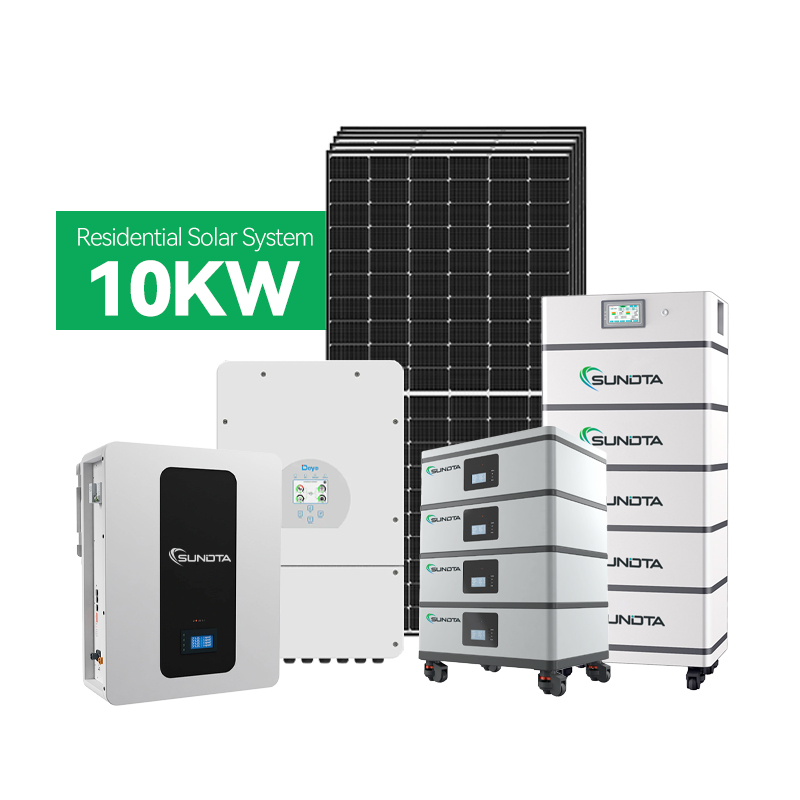
Stock Available Sundta 5KW 8KW 10KW 12KW 15KW 20KW Innovation Hybrid System Kit
Complete hybrid kit with LiFePO4 storage, dual MPPT tracking, and rapid grid-to-island switching under 10ms.
Premium 585W-595W N Type Bifacial PV Module High Yield Monocrystalline Solar Panels
Dual-glass encapsulation, 22.8% efficiency, lower temperature coefficient (-0.30%/°C) optimized for hot Karakum sands.
Smart BMS 51.2V Stackable LiFePO4 Solar Home Battery Storage System
Modular stackable capacity from 5.12kWh to 30.72kWh, native RS485/CAN compatibility with Deye, Solis, and Growatt.
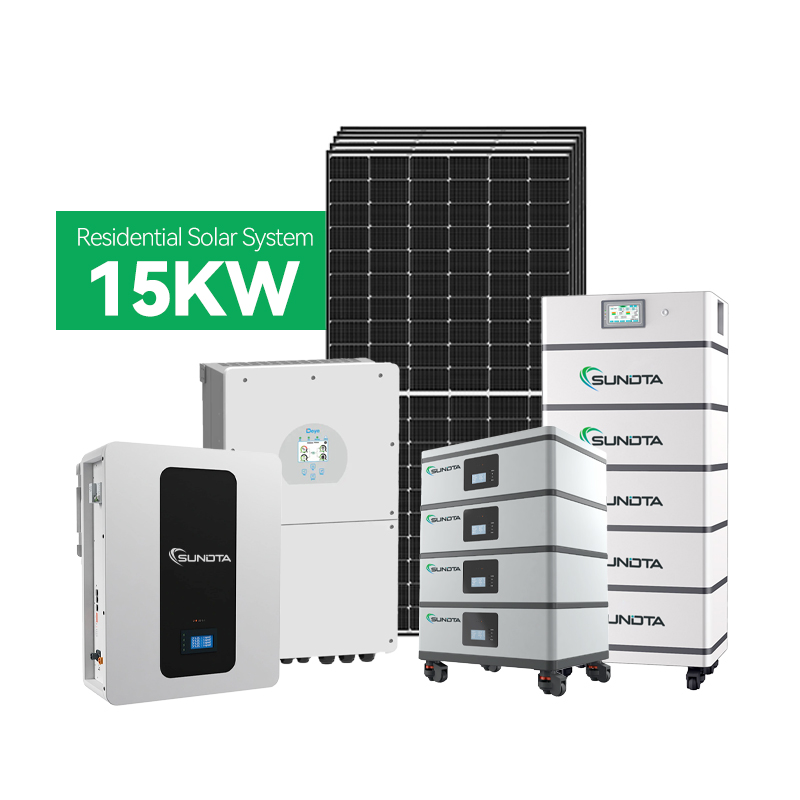
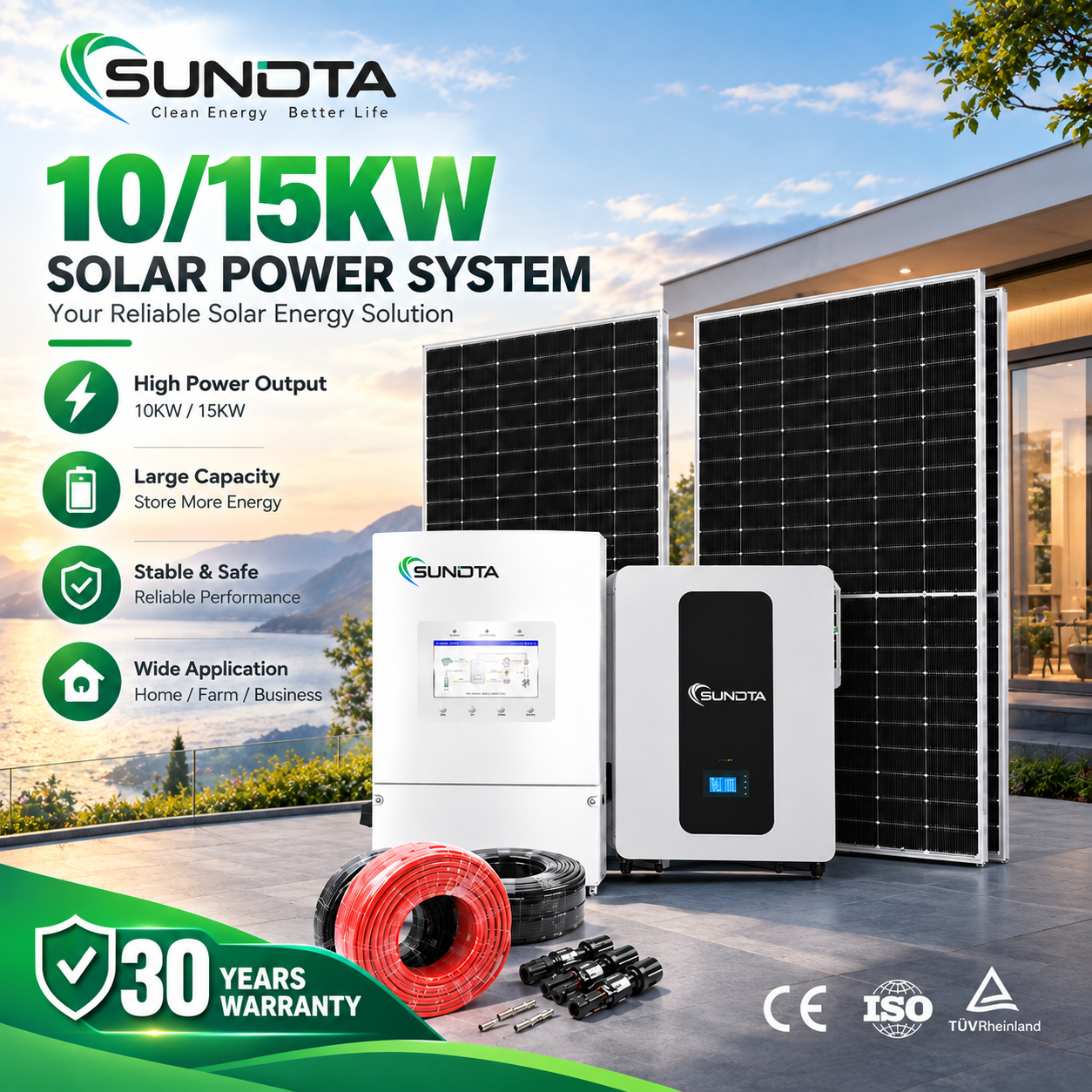
Sundta Hybrid Solar Energy System Kit 5KW 10KW 12KW 15KW Full Set Home System
Cost-optimized balanced system package engineered for residential rooftops and agricultural pump stations.
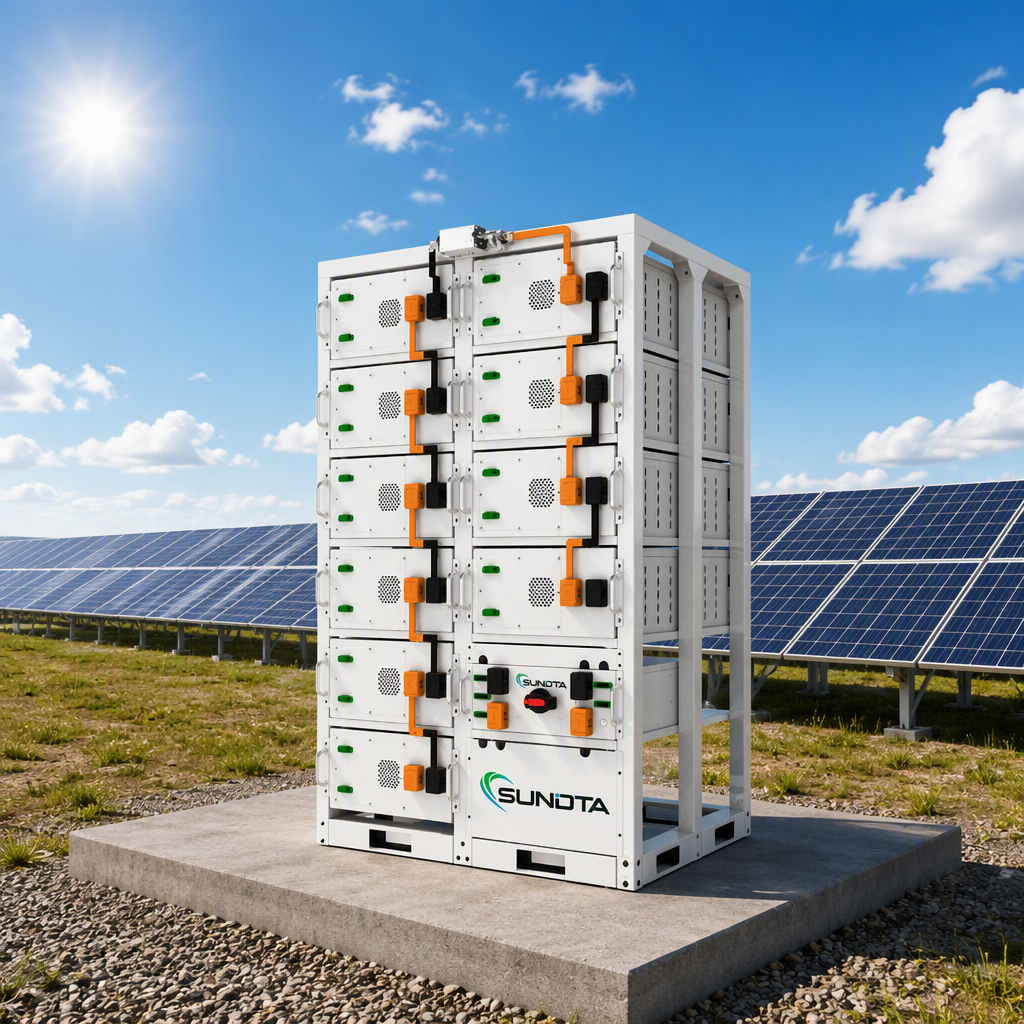
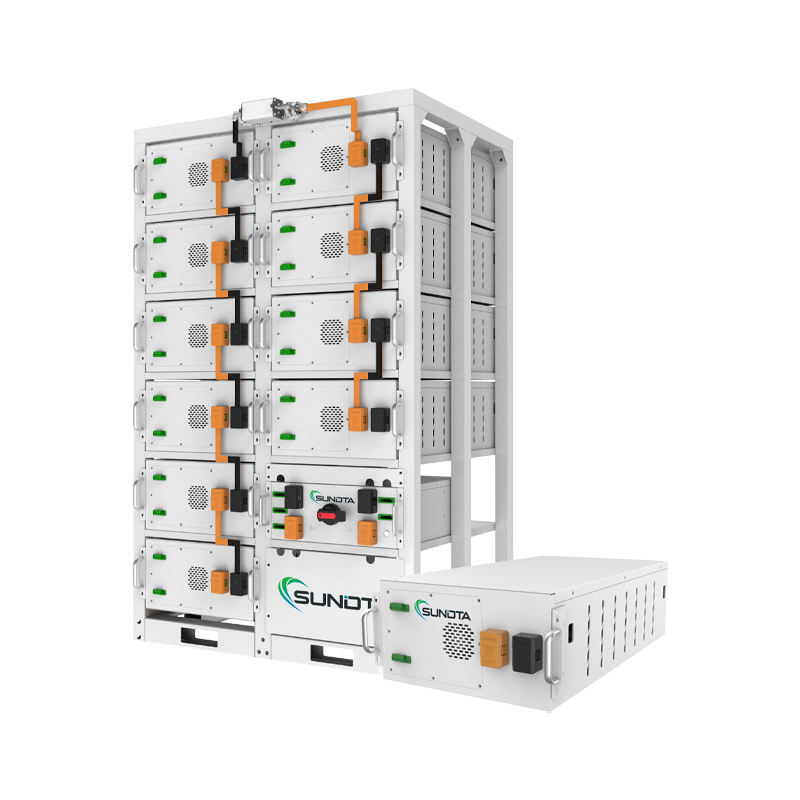
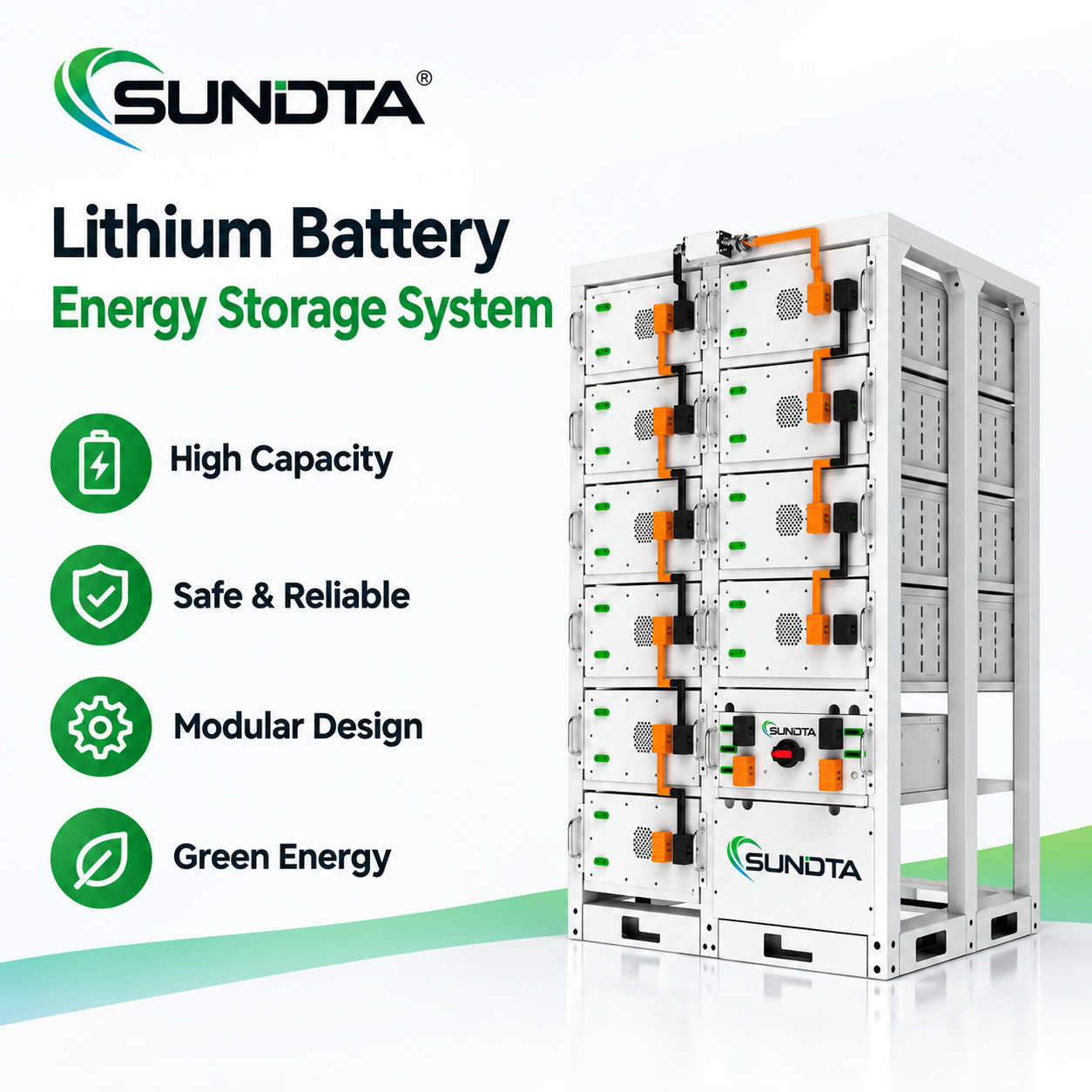
SUNDTA SDT-280 Commercial High Voltage LiFePO4 ESS 40-100kWh Battery Cabinet
Industrial HVAC cooling, 280Ah prismatic cells, peak-shaving control, designed for Lebap industrial facilities.
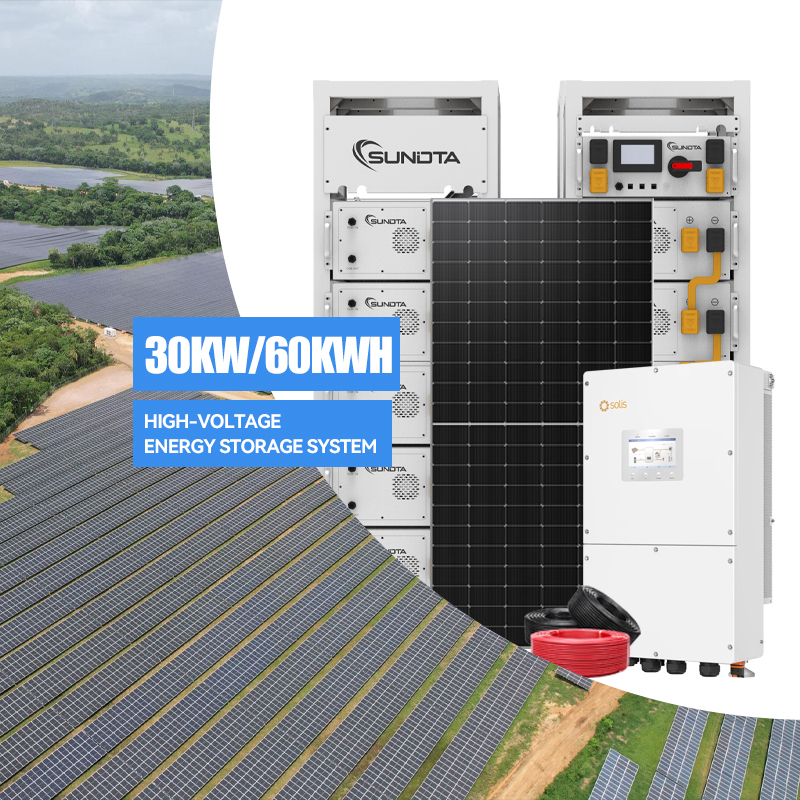
Off Grid Hybrid Solar Energy Storage System 20KW 30KW 40KW Hot-Selling 30kW Hybrid
Dual-output capability, rugged surge tolerance for motor loads, and full CE/IEC compliance documentation.
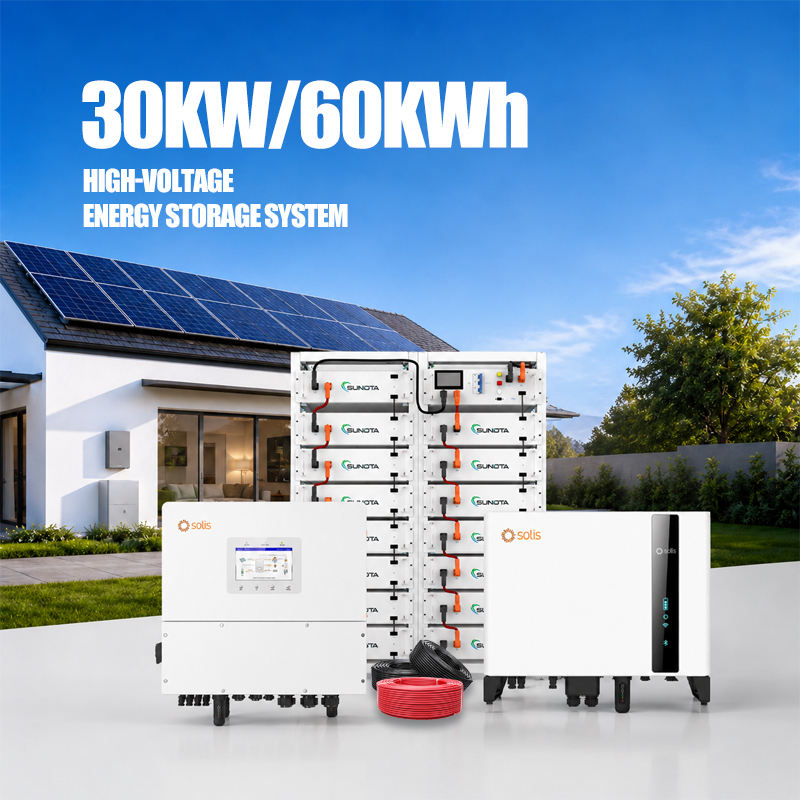
51.2V Split All-in-One Solar Battery Inverter System 30kWh LiFePO4 Backup Power
Plug-and-play installation with integrated distribution box, eliminating site wiring errors and commissioning delays.
Engineering BIPV & Solar Architecture for Turkmenabat's Arid Continental Climate
Turkmenabat, situated along the Amu Darya river in the Lebap Region of eastern Turkmenistan, experiences an extreme arid continental climate. Summer temperatures frequently surpass +45°C, while winter lows plummet below -20°C. Coupled with severe diurnal thermal cycling and intense sand-dust events blown from the neighboring Karakum Desert, conventional photovoltaic installations often suffer premature degradation, cell micro-cracking, EVA yellowing, and severe thermal derating.
As China’s leading manufacturer and exporter of Building-Integrated Photovoltaics (BIPV) and complete renewable systems, Anhui RJV New Energy Co., Ltd. supplies precision-engineered PV solutions designed specifically to surmount Central Asian environmental stresses.
1. Advanced Glass-Glass Architecture and POE Encapsulation
Standard solar modules utilize standard EVA (Ethylene Vinyl Acetate) encapsulants and plastic backsheets. In Turkmenabat’s intense ultraviolet radiation and high-temperature ambient environment, EVA accelerates acetic acid generation, causing internal corrosion and catastrophic delamination. RJV integrates dual-tempered glass (2.0mm + 2.0mm or 3.2mm + 3.2mm) configured with Cross-linked Polyolefin Elastomer (POE) encapsulation.
- Zero Moisture Ingress: True glass-to-glass edge hermetic sealing prevents micro-vapor penetration, completely eliminating Potential Induced Degradation (PID).
- Desert Sand Abrasion Resistance: High-hardness anti-reflective nano-coating with Mohs hardness > 6 resists constant abrasion from desert silica storms without optical haze development.
- Structural BIPV Rigidity: Dynamic wind pressure resistance engineered up to 3,600 Pa and snow mechanical loading up to 5,400 Pa, satisfying international building codes for facade glass curtain walls.
2. Thermal Regulation & Architectural Integration
BIPV facades and skylights installed across commercial buildings in Turkmenabat serve a dual role: clean on-site power generation and passive solar heat reduction. By adjusting cell transparency (from 10% to 50% light transmittance) and utilizing low-emissivity (Low-E) coated architectural back-glass, our BIPV curtain walls significantly decrease cooling loads inside facilities, trimming chiller electricity demand during harsh summer afternoons.
Localized BIPV & Solar Applications Across Turkmenabat
Targeted solutions engineered for Turkmenabat’s municipal modernizations, textile processing complexes, transit corridors, and rural agro-energy microgrids.
Commercial Glass Facades & Administrative Centers
Modern public and administrative structures along Turkmenabat’s primary boulevards demand prestige aesthetics alongside energy conservation. Our customized Cadmium Telluride (CdTe) thin-film and crystalline N-type BIPV curtain walls substitute passive stone or tinted glass with active power-generating facades, matching local architectural building codes.
Industrial Warehousing & Cotton Processing Hubs
Turkmenabat is the historical industrial pillar of Lebap’s cotton ginning, chemical manufacturing, and logistics warehousing. Incorporating rooftop BIPV corrugated solar tiles alongside SUNDTA SDT-280 High-Voltage 100kWh Battery Cabinets creates an uninterrupted power shield against seasonal grid voltage drops, preventing costly factory halts.
Rail & Transit Hub Canopy Solarization
As a critical crossroads connecting Turkmenistan’s railway networks toward Uzbekistan and the Caspian Sea port of Turkmenbashi, Turkmenabat’s logistics platforms and parking terminals are primed for high-yield BIPV carports and canopy installations, delivering shaded EV-fleet charging and station microgrid resilience.
Residential Retrofits & Standalone Desert Ranches
For private villas in suburban districts and agricultural farming settlements along the Amu Darya canal network, our Sundta 5kW to 20kW Complete Hybrid Kits paired with 51.2V 100Ah LiFePO4 battery modules ensure complete power autonomy independent of regional utility fluctuations.
Engineering Selection Matrix for Turkmenabat Solar Projects
EPC contractors and procurement directors must balance initial capital expenditure with leveled cost of energy (LCOE) under arid, desert conditions. The table below outlines how our core systems compare across key technical indices.
| System Architecture | Cell / Storage Chemistry | Degradation & Lifecycle | Thermal Coeff. / Cooling | Ideal Lebap Project Type |
|---|---|---|---|---|
| Custom BIPV Glass Facades | N-Type TOPCon / Bifacial Double-Glass | <1% Year 1, <0.4%/yr (30-Year Performance) | -0.30% / °C (High heat tolerance) | Public institutions, modern corporate HQ, train terminal facades |
| Bifacial Utility Modules (585W–595W) | Dual-Glass Half-Cut Monocrystalline | Anti-PID, 30-Year Linear Warranty | Bifacial gain up to 25% on sand albedo | Industrial ground arrays, warehouse roofs, agricultural irrigation |
| C&I High-Voltage ESS (SDT-280) | Grade-A LiFePO4 (280Ah Prismatic) | ≥6,000 Cycles @ 80% DoD | Integrated Industrial HVAC Cabinet | Continuous manufacturing, chemical processing, peak load shifting |
| Residential All-in-One ESS (30kWh) | Modular LiFePO4 + Smart Inverter | ≥6,000 Cycles @ 90% DoD | Intelligent air-cooling & thermal BMS | Suburban residences, retail hubs, off-grid desert farm stations |
* All modules and storage platforms come standard with closed-loop CAN/RS485 communication protocols and verified CE/IEC conformity documentation for rapid Turkmen customs clearance.
Macro Trends: Turkmenistan's Renewable Transition & Turkmenabat's Solar Outlook
Historically dominated by natural gas, Turkmenistan’s national energy strategy has progressively integrated renewable resources to optimize hydrocarbon exports, decrease domestic fossil combustion, and modernize municipal grid networks under the National Strategy on Climate Change. Lebap Velayat, and particularly Turkmenabat as its administrative center, is experiencing accelerated transition imperatives:
1. Solar Irradiance Abundance vs. Transmission Bottlenecks
Turkmenabat benefits from over 3,000 hours of direct sunshine per year with global horizontal irradiance (GHI) measuring between 1,750 and 1,900 kWh/m². However, expanding industrialization in fertilizer production and cotton processing frequently strains the legacy centralized Soviet-era grid infrastructure during extreme heatwaves. Distributed BIPV and on-site solar storage systems provide the exact decentralized load relief required by local planners.
2. Transitioning from Retrofit PV to Building-Integrated Architecture
Urban planning guidelines in Turkmenabat increasingly focus on architectural harmony, fire safety, and aesthetic modernization. Traditional rack-mounted panels on commercial facades present mounting liabilities and aesthetic compromises. RJV's BIPV solutions directly replace building envelopes—acting as both thermal envelope insulation and an electrical generator—drastically lowering overall construction materials expenditure while fulfilling modernization standards.
3. Microgrid Emergence for the Amu Darya Agricultural Belt
Agricultural irrigation pumping stations along the Amu Darya canal network frequently suffer from line loss over lengthy transmission lines. Deploying hybrid solar-storage microgrids (combining 585W–595W bifacial modules with containerized or rack-mounted LiFePO4 batteries) is rapidly emerging as the gold standard for continuous irrigation reliability without reliance on diesel generators.
Why Global EPCs & Central Asian Importers Partner with Anhui RJV New Energy
Headquartered in Hefei, Anhui—one of China's premier photovoltaic and battery manufacturing clusters—Anhui RJV New Energy Co., Ltd. serves as a direct manufacturer and turnkey export partner for international B2B buyers, EPC contractors, and equipment distributors.
2 GW Automated Production
State-of-the-art automated manufacturing lines feature rigorous multi-stage electroluminescence (EL) inspection to guarantee zero cell micro-cracks before factory dispatch.
TÜV Rheinland Assessed
Our company operations, manufacturing capacity, and testing laboratories have passed exhaustive on-site supplier verification by TÜV Rheinland, backed by an AAA Enterprise Credit Rating.
Complete One-Stop PV BOM
Eliminate project delays caused by sourcing incompatibilities. We provide solar panels, Deye/Solis/Growatt compatible inverters, LiFePO4 batteries, and balance-of-system hardware in unified container shipments.
Desert-Proof Engineering
Every BIPV module and commercial ESS cabinet is custom-designed for the climatic parameters of Central Asia, integrating advanced POE films, high-grade anti-sand glass, and intelligent temperature-controlled BMS enclosures.
Frequently Asked Questions: Sourcing BIPV & Solar to Turkmenabat
Direct answers for EPC procurement managers, project developers, and import agents operating in the Turkmenistan market.
What is the logistical transit route and shipping timeline from China to Turkmenabat?
We routinely execute freight shipments through the China-Central Asia Railway route (departing via Khorgos/Alashankou through Kazakhstan and Uzbekistan directly to Turkmenabat Station, station code 752803) with an average transit timeline of 14 to 22 days. For multimodal ocean-rail shipments, cargo transits via Bandar Abbas or Poti. We provide comprehensive export documentation including Certificate of Origin, Bill of Lading, packed flash-test reports, and customs-clearing packing manifests under CIF, CFR, or FOB terms.
How do RJV BIPV modules withstand extreme summer heat in Lebap without premature degradation?
Our architectural BIPV systems utilize advanced N-Type TOPCon bifacial cell architecture with a temperature coefficient of -0.30%/°C, significantly outperforming legacy PERC modules (-0.38%/°C). Furthermore, we exclusively employ cross-linked Polyolefin Elastomer (POE) encapsulants instead of standard EVA, preventing thermal-induced acetic acid corrosion, bubble formation, and yellowing even when glass surface temperatures exceed 75°C.
Are your 51.2V and high-voltage LiFePO4 batteries pre-matched to mainstream inverters?
Yes. All RJV lithium iron phosphate batteries—including our 14.336kWh wall units and 40–100kWh commercial cabinets—feature advanced internal BMS controllers programmed with native CAN and RS485 communication protocols for immediate plug-and-play synchronization with Deye, Solis, Growatt, and Schneider inverters. We supply complete protocol wiring schematics and pre-commissioning firmware settings prior to dispatch.
What is the Minimum Order Quantity (MOQ) for projects in Turkmenistan?
We accommodate varied project scales: complete hybrid solar kits and standard energy storage batteries start from an MOQ of just 1 set/piece to facilitate pilot evaluations and residential installs. For standard PV modules and custom BIPV architectural glass, orders are typically quoted in pallet batches (approx. 13.6kW to 17.2kW) or full 40ft HQ container volumes for maximum freight cost efficiency.
How do BIPV solar facades handle desert dust and sand buildup?
Our BIPV facade panels utilize high-transmittance, double-tempered glass treated with a durable hydrophilic and anti-static nano-coating. When installed at vertical or steep tilt angles common in architectural facades and curtain walls, sand particles do not adhere easily and wash away with minimal rainfall or automated spray maintenance, eliminating the severe 20-30% soiling yield losses common to low-tilt desert ground mounts.
What technical documentation is provided for local grid approval and building safety inspection?
Every commercial delivery includes official TÜV Rheinland factory audit reports, CE compliance certificates, IEC 61215/IEC 61730 safety certifications for PV modules, UN38.3/MSDS documentation for lithium batteries, and comprehensive structural load and fire-rating datasheets required by municipal engineering inspectors in Turkmenistan.