Featured Photovoltaic & Storage Systems for Chilean Grid Projects
Direct factory sourcing of utility-grade N-type solar modules, multi-MPPT grid-tie string inverters, and modular LiFePO4 battery storage configurations calibrated for Santiago's 50Hz high-irradiation conditions.
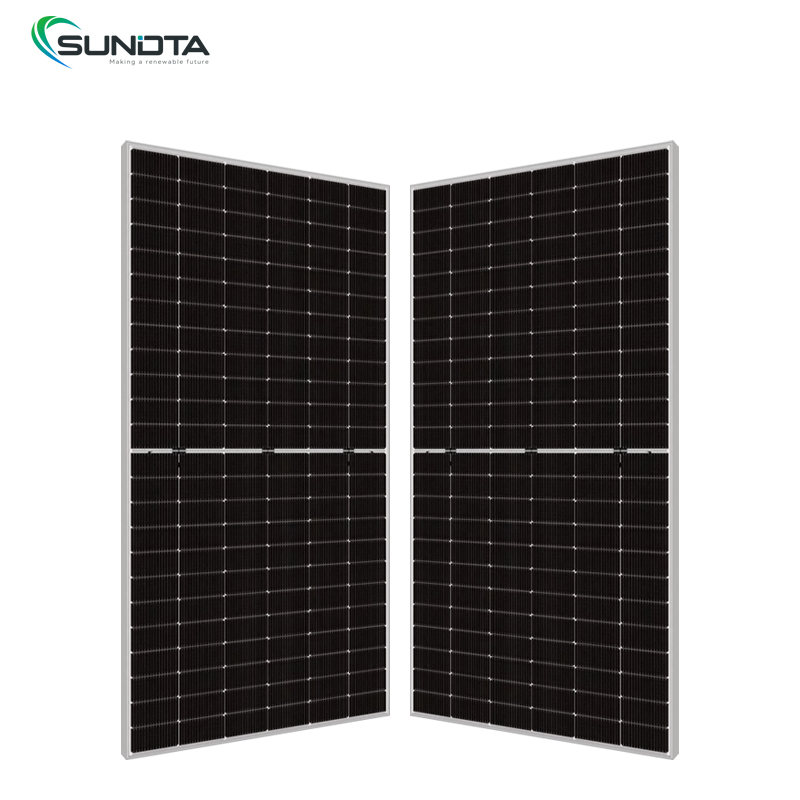
- High-density 210mm SMBB half-cut cells
- Up to 23.2% module conversion efficiency
- Optimized low-irradiance and anti-LID/PID tolerance
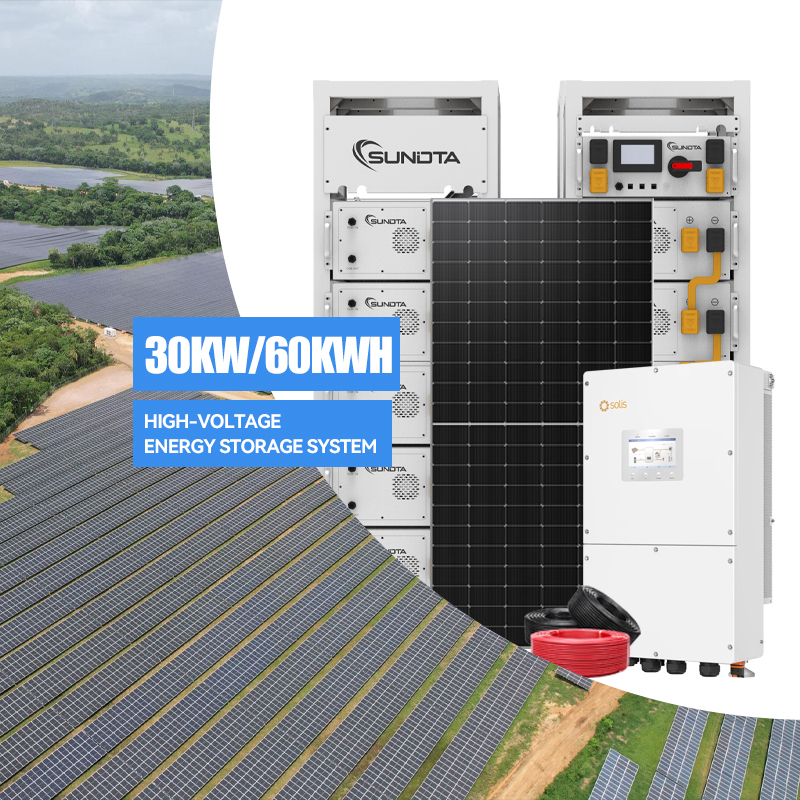
- Seamless on/off-grid transfer within 4ms
- Multi-voltage battery BMS CAN communication
- Ideal for Santiago peri-urban microgrids & backup
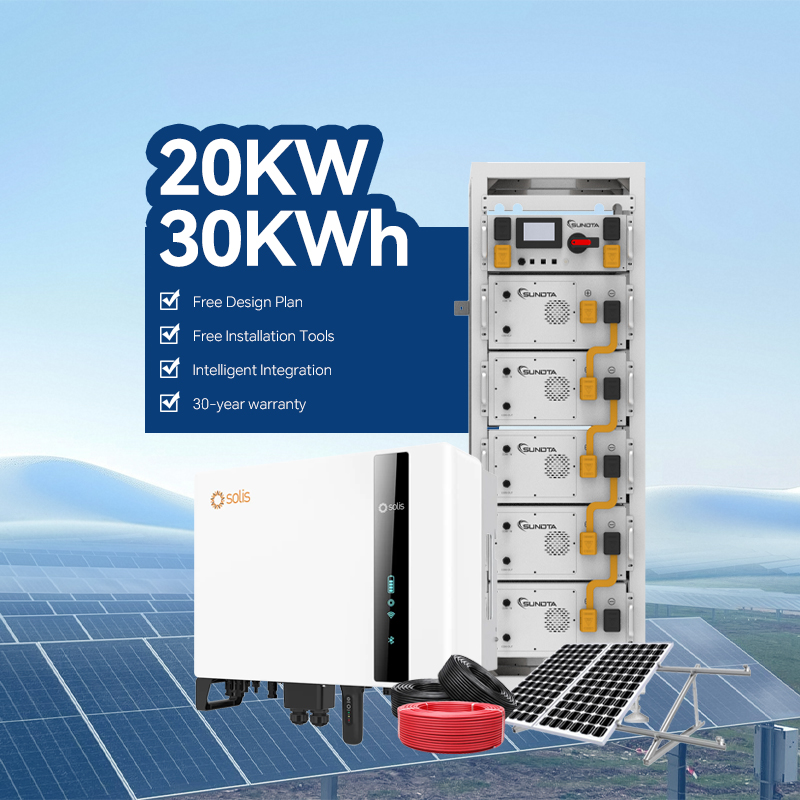
- Integrated hybrid inverter, racking & cabling
- Direct three-phase 380V/400V grid interconnection
- Pre-tested for accelerated commissioning in Chile
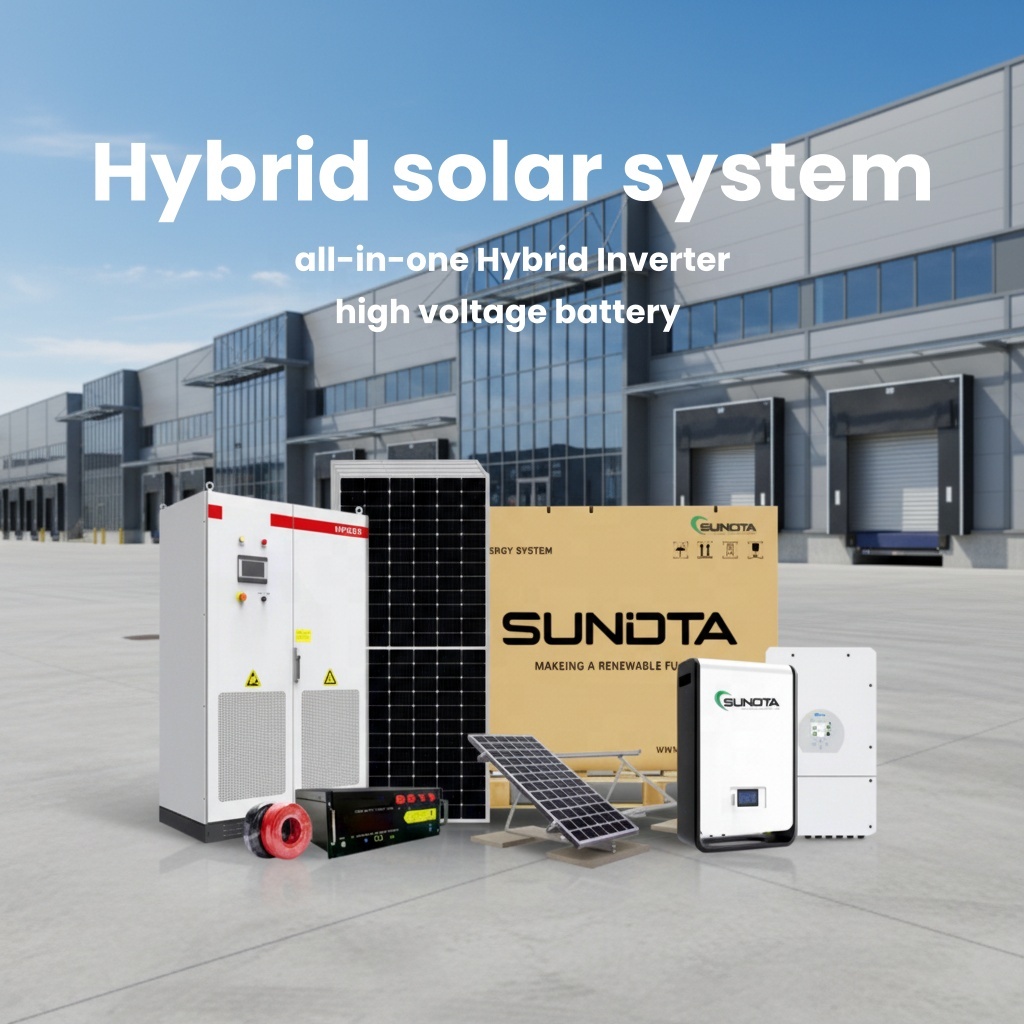
- IP55 liquid/air climate-controlled outdoor enclosure
- Peak-shaving EMS algorithms for industrial tariffs
- Internal fire-suppression (aerosol + smoke detection)
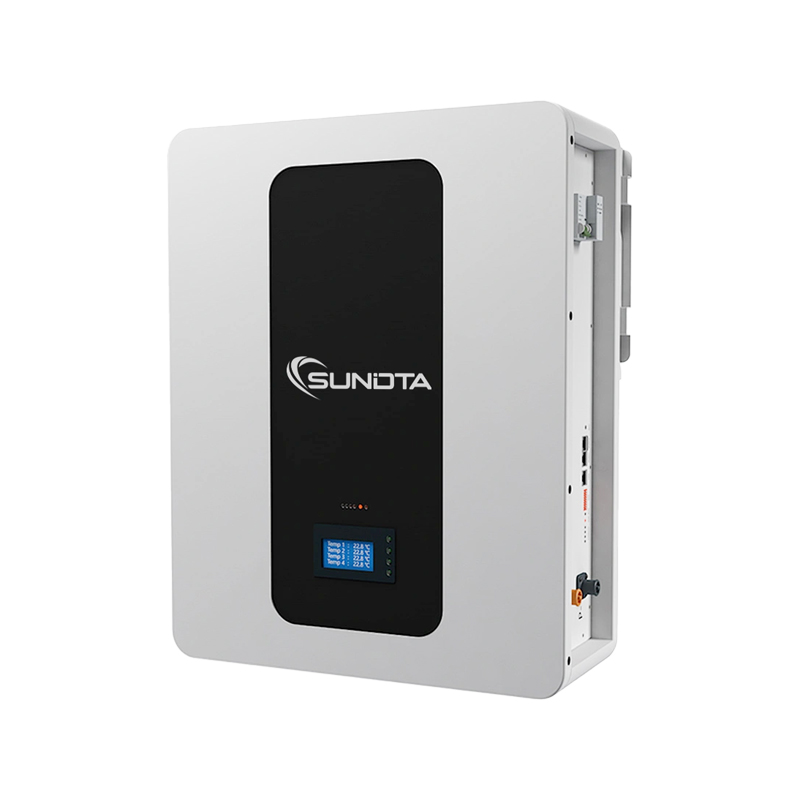
- Grade-A prismatic cells with >6,000 cycles at 80% DoD
- Closed-loop CAN/RS485 protocol for Solis & Deye
- Wall-mountable compact architectural enclosure
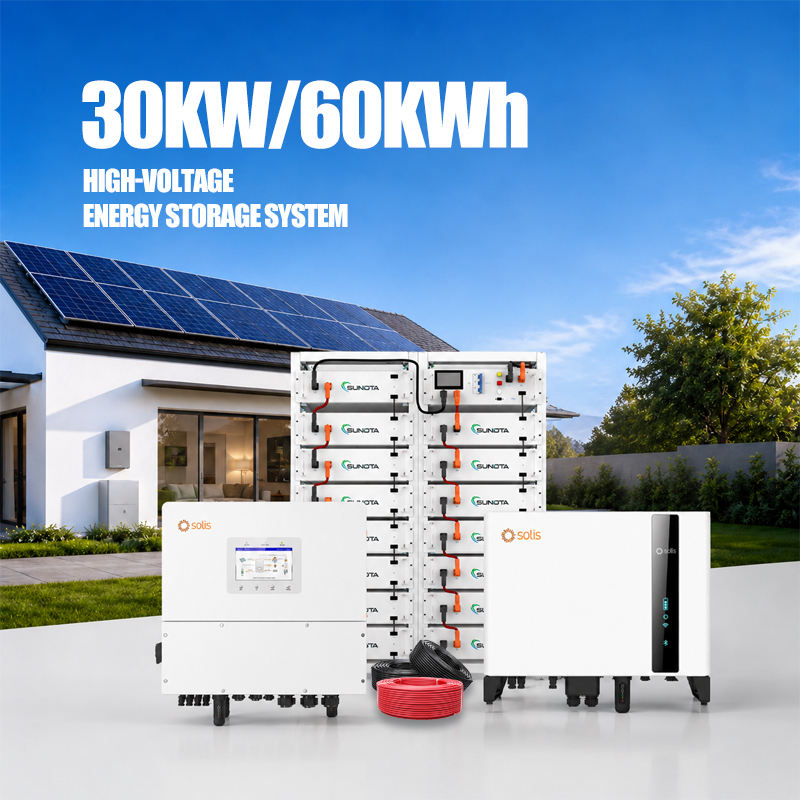
- Expandable modular plug-and-play stacking chassis
- Integrated dual MPPT solar charge controller
- CE, UN38.3, and IEC 62619 safety certified
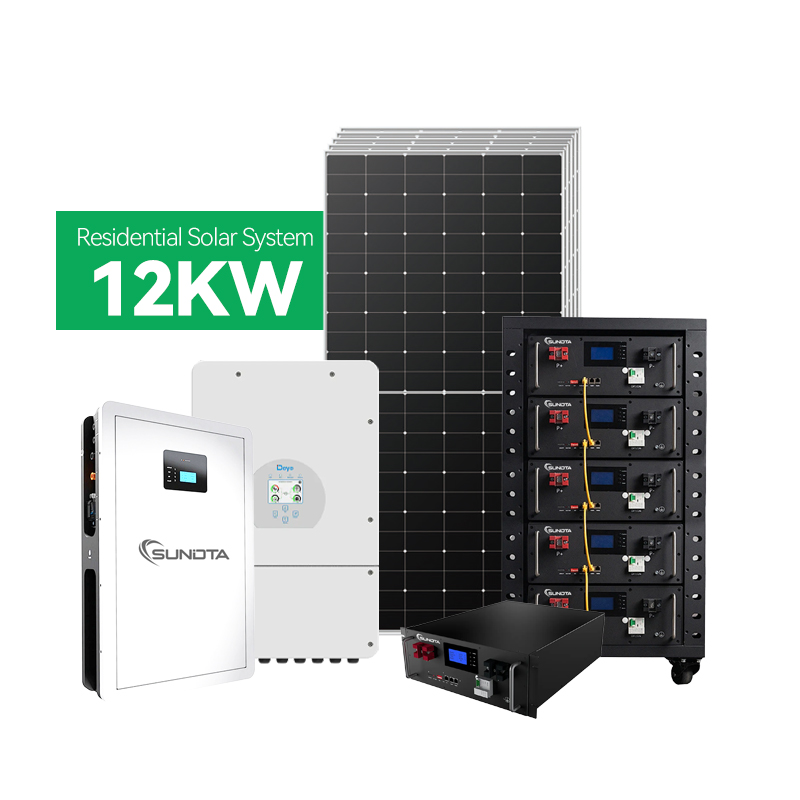
- Dual MPPT tracker with wide 150V–850V DC voltage span
- Asymmetric three-phase load balancing feature
- Direct bulk container shipping to Valparaíso/San Antonio
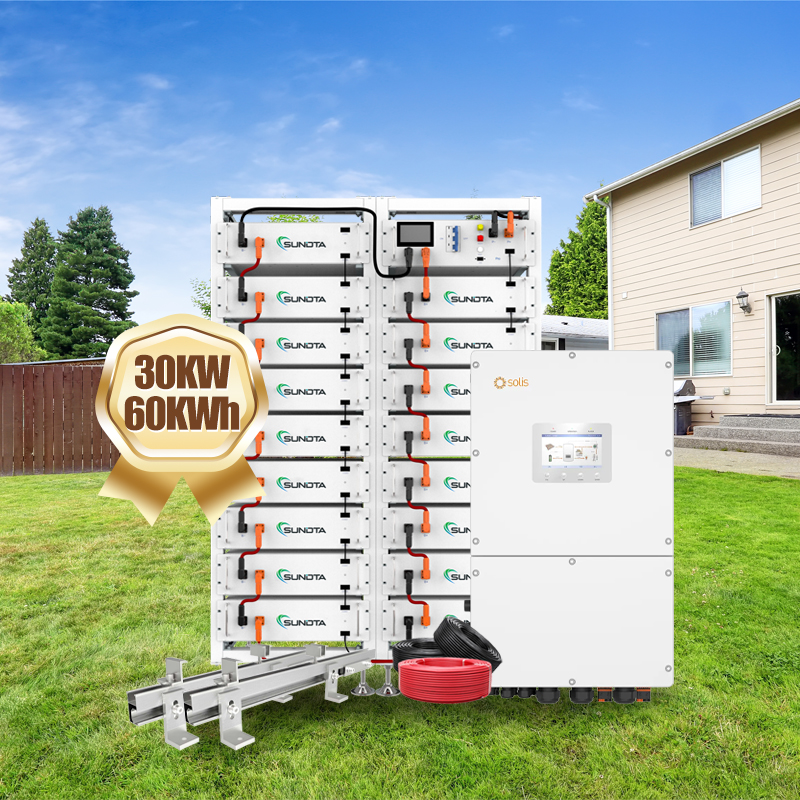
- Zero-export injection limiter for utility interconnection
- Remote cloud SCADA monitoring (iOS / Android / Web)
- Includes full engineering schematics & single-line diagrams
Engineered for Central Chile's High DNI, Thermal Cycling & Grid Dynamics
The Santiago basin (Región Metropolitana de Santiago) poses rigorous environmental and electrical demands: high summer temperatures exceeding 36°C, winter thermal inversions with particulate accumulation, high UV index (>11), and strict electrical oversight by the SEC (Superintendencia de Electricidad y Combustibles).
Residential Net Billing (Ley 20.571 & Ley 21.118)
For residential arrays across Las Condes, Vitacura, Lo Barnechea, and Colina (Chicureo), our single-phase and split-phase string inverters (3kW to 8kW) integrate certified anti-islanding protection and precise smart meters. They allow homeowners to monetize excess generation by injecting kilowatt-hours straight back into Enel Distribución or CGE urban circuits with verified net compensation.
Industrial Self-Consumption & Peak Shaving
Heavy industrial hubs in Quilicura, Pudahuel logistics centers (Enea), San Bernardo, and Maipú suffer from expensive "Horas Punta" capacity charges between April and September. Our 50kW to 125kW commercial hybrid inverters and BESS cabinets discharge stored energy selectively during peak tariff intervals, slashing industrial monthly electricity bills by up to 42%.
Agro-Photovoltaic Systems in the Central Valley
Surrounding agricultural belts in Melipilla, Talagante, Buin, and Paine rely heavily on deep-well water pumping for vineyards, citrus, and avocado orchards. Our three-phase grid-tied inverters deliver high starting torque tolerance and dual MPPT algorithms that maintain continuous pumping efficiency even during fluctuating solar irradiance or rural line voltage sags.
Santiago's Solar Energy Trajectory: 2025–2030 Technical Drivers
As Chile accelerates its National Decarbonization Plan toward closing coal-fired thermal generation, distributed generation (PMGD and Net Billing) within the Metropolitan Region has transitioned from a cost-saving preference to an infrastructure imperative.
The Santiago solar ecosystem is distinct from the hyper-arid Atacama desert in northern Chile. In the central valley, grid-tied photovoltaic inverters must navigate heavy summer air-conditioning load peaks, atmospheric dust deposition mixed with urban pollution, and stringent electromagnetic compatibility demands imposed by the CEN (Coordinador Eléctrico Nacional). Importers, electrical contractors, and EPC engineers face three critical market dynamics:
1. The Transition to Distributed Energy Storage (Ley 21.505)
With the enactment of Chile's Energy Storage and Electric Mobility Law (Ley 21.505), grid-tied systems in Santiago are rapidly shifting toward coupled hybrid architectures. Pure string inverters are giving way to storage-ready hybrid units that interface directly with 51.2V low-voltage or 400V high-voltage LiFePO4 batteries. This enables commercial facilities along the Américo Vespucio ring road to store daytime solar surplus and avoid transmission bottlenecks on the central grid.
2. Mandatory SEC Certification Protocols (PE Nº8/1:2019)
The Superintendencia de Electricidad y Combustibles (SEC) enforces strict oversight under test protocol PE Nº8/1:2019 for inverters and PE Nº8/2 for modules. Every inverter unit deployed under Net Billing must possess verified type-test certificates from an internationally accredited ISO/IEC 17025 laboratory (such as TÜV Rheinland or Intertek) validating IEC 62109-1/-2, IEC 61000-6-1/-3, and VDE-AR-N 4105 / UNE 217001 anti-islanding parameters. RJV ensures that complete compliance dossiers, factory declaration letters, and single-line diagrams accompany each shipment to guarantee zero rejection during SEC TE4 filing.
| Grid-Tie Inverter Class | Typical Santiago Application | DC/AC Ratio & MPPT Setup | Nominal Grid Voltage & Freq. | SEC Interconnection Protocol |
|---|---|---|---|---|
| Single-Phase String (3kW–8kW) | Residential rooftop Net Billing (Vitacura, Las Condes, Peñalolén) | Up to 1.5 DC/AC Ratio; 2 MPPT (Dual orientation tracking) | 220V / 230V AC ± 10%, 50 Hz | TE4 filing; PE Nº8/1:2019; IEC 62109-1/-2 |
| Three-Phase Commercial (10kW–30kW) | Offices, schools, commercial clinics (Providencia, Santiago Centro) | 1.4 DC/AC Ratio; 2–3 MPPT trackers | 380V / 400V AC 3P+N+PE, 50 Hz | TE4 filing; Smart meter zero-injection validation |
| Industrial High-Power (50kW–125kW) | Logistics distribution centers, metalworking (Quilicura, San Bernardo) | 1.5 DC/AC Ratio; 6–12 MPPT; High string current (30A/MPPT) | 380V / 400V AC nominal; Modbus RS485 SCADA | TE4 filing; CEN dynamic curtailment compliance |
| Containerized ESS & Hybrid (250kW–1MW) | Industrial microgrids, PMGD feeder support (Melipilla, Lampa) | Bi-directional PCS with liquid-cooled LiFePO4 battery banks | Medium voltage step-up transformer (12kV / 23kV) | CEN interconnection; Norma Técnica de Seguridad y Calidad |
Streamlined TE4 Certification
Complete laboratory documentation matching Chilean SEC PE Nº8/1:2019 protocols prevents authorization halts with Enel or CGE grid inspectors.
Thermal De-Rating Resistance
Intelligent heat-pipe cooling and fanless cast-aluminum heat sinks prevent derating up to 45°C ambient, preserving peak midday harvest during Santiago heatwaves.
High DC Input Current (Up to 32A)
Fully compatible with ultra-high-power 210mm and 182mm bifacial solar modules (such as our 700W+ TOPCon series) with zero string clipping.
Advanced AFCI Arc Protection
Integrated AI-based arc-fault circuit interrupter (AFCI) detects and trips DC arcing within 200ms, conforming to commercial safety regulations on Chilean roofs.
Why Latin American EPCs & Distributors Partner with Anhui RJV
Headquartered in Hefei's High-Tech Innovation Industrial Park (Anhui Province, China), Anhui RJV New Energy Co., Ltd. integrates 12+ years of manufacturing expertise, delivering unified PV BoM solutions directly to Chilean ports.
TÜV Rheinland Assessed
Fully verified on-site by TÜV Rheinland. Our automated production lines operate under strict ISO 9001, ISO 14001, and ISO 45001 quality, environmental, and occupational standards.
Direct Shipping: Valparaíso & San Antonio
Robust export packing in heavy-duty sea freight pallets with desiccant protection. Established liner routes from Shanghai/Ningbo directly to San Antonio and Valparaíso with 28–35 day transit.
Synchronized BoM Verification
We eliminate commissioning mismatches. Inverter MPPT input voltages, open-circuit safety margins, and LiFePO4 battery BMS protocols (CAN 2.0B / RS485) are factory pre-tested before crating.
OEM / ODM Customization
Customized firmware with pre-loaded Chilean grid parameters, bespoke exterior enclosures, local distributor branding, and bilingual Spanish installation documentation on demand.
Frequently Asked Questions by Chilean Solar Installers & Buyers
Direct answers regarding SEC regulations, shipping terms, warranties, and grid interconnection in the Santiago Metropolitan Region.