Engineering Whitepaper: Lithium Storage Deployment in the Caribbean Basin (Focus: La Ceiba, Honduras)
Operating stationary electrical storage along Honduras's Atlantic seaboard presents unique physical and mechanical challenges. As the commercial nexus of the Atlántida department and the primary transit hub for the Bay Islands (Roatán, Utila, and Guanaja), La Ceiba experiences severe microclimatic stress characterized by high relative humidity (frequently exceeding 85%), elevated ambient temperatures, airborne coastal salinity, and chronic transmission line instability from the national grid (ENEE). Traditional valve-regulated lead-acid (VRLA) and flooded lead-acid batteries suffer rapid thermal runaway and premature sulfation under these deep-cycling, high-ambient regimes. Transitioning to Grade-A Lithium Iron Phosphate (LiFePO4) chemistry is an operational imperative for commercial longevity and uptime.
Electrochemical Resilience Under Tropical Ambient Thermal Regimes
Standard lithium chemistries (such as NMC) present narrow thermal operating tolerances and an increased risk of thermal propagation above 45°C. In contrast, Anhui RJV New Energy's LiFePO4 architectures utilize inherently stable olivine crystal structures (LiFePO4). Chemical P-O bonds resist oxygen release at operational spikes up to 270°C, providing total resistance to spontaneous internal combustion. For systems installed across coastal facilities, our battery packs incorporate precision-milled aluminum heat sinks alongside automated internal thermal throttling managed by high-speed microcontrollers.
Mitigating Coastal Salt-Mist Corrosion & Grid Sags
Grid infrastructure in northern Honduras is subject to significant voltage dips, frequency jitter, and unannounced load shedding during peak daytime hours. These fluctuations strain standard consumer-grade inverters and unprotected battery banks. Anhui RJV integrates dual-layer conformal coating across all Battery Management System (BMS) logic circuits to withstand aggressive salt spray (IEC 60068-2-52 severity level certified). Our systems couple with low-frequency and transformerless hybrid inverters featuring wide MPPT tracking windows (150V–850V DC) and isolated sub-cycle static bypass mechanisms, isolating sensitive commercial refrigeration, logistics hubs, and medical infrastructure from devastating voltage surges.
Supply Chain Optimization: Direct Factory Sourcing to Puerto Cortés
By bypassing third-party middlemen and consolidators in South Florida, Honduran EPC contractors, hotel operators, and independent power producers (IPPs) cut balance-of-system (BOS) capital costs by 22% to 35%. RJV’s dedicated export manufacturing facilities in Hefei manage automated containerizing, full UN38.3 maritime safety testing reports, flash test analytics, and bill of lading (B/L) logistics routed directly through Puerto Cortés, ensuring frictionless customs clearance and expedited transfer to La Ceiba job sites.
Ecotourism & Beach Resorts
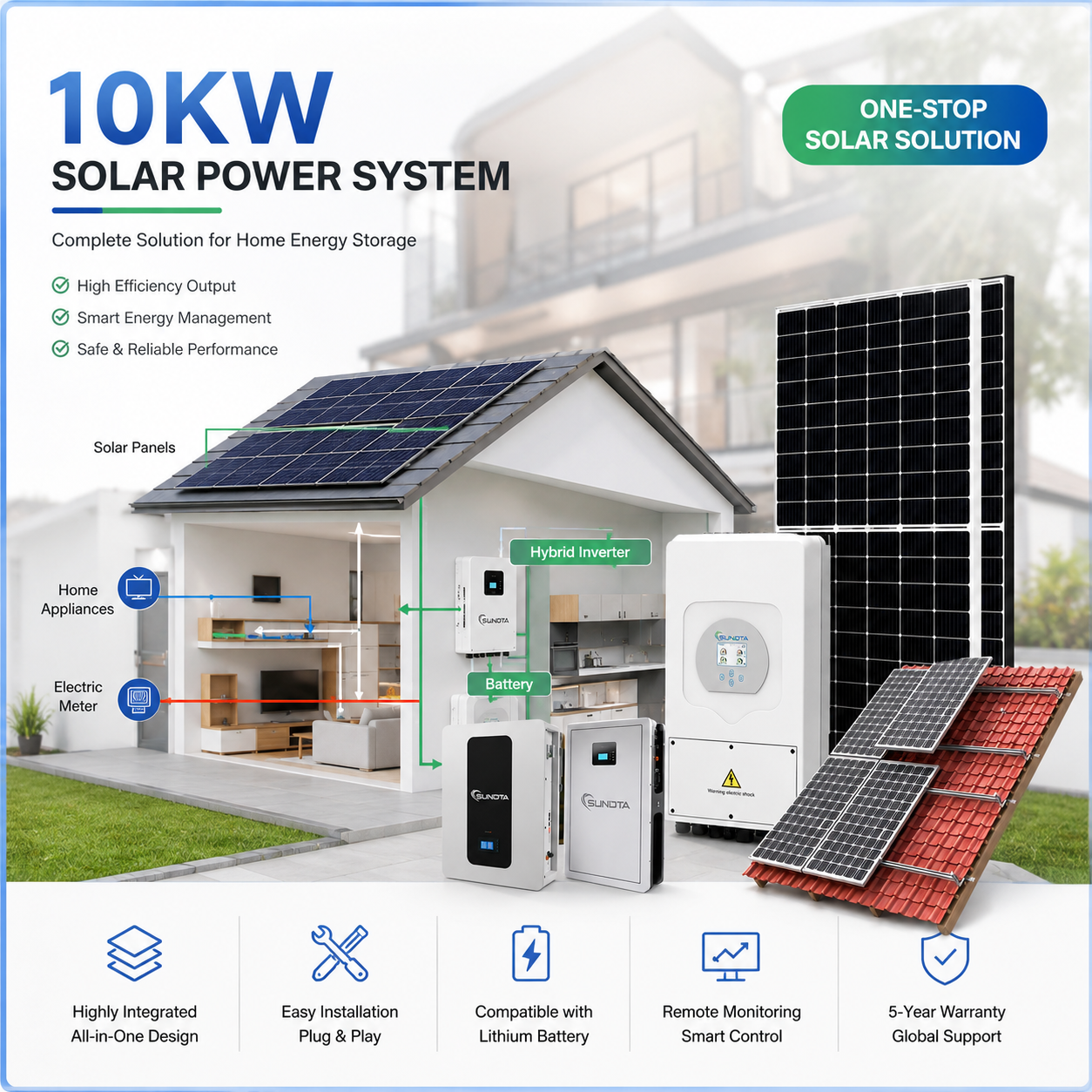
Eco-lodges along the Cangrejal River and beachfront properties require 24/7 noise-free, zero-emission electricity. Our stackable 51.2V systems integrate with rooftop solar arrays, eliminating noisy diesel generators at night, powering continuous air conditioning, and cutting fuel logistics expenses across remote tourist corridors.
Cold Storage & Agro-Logistics
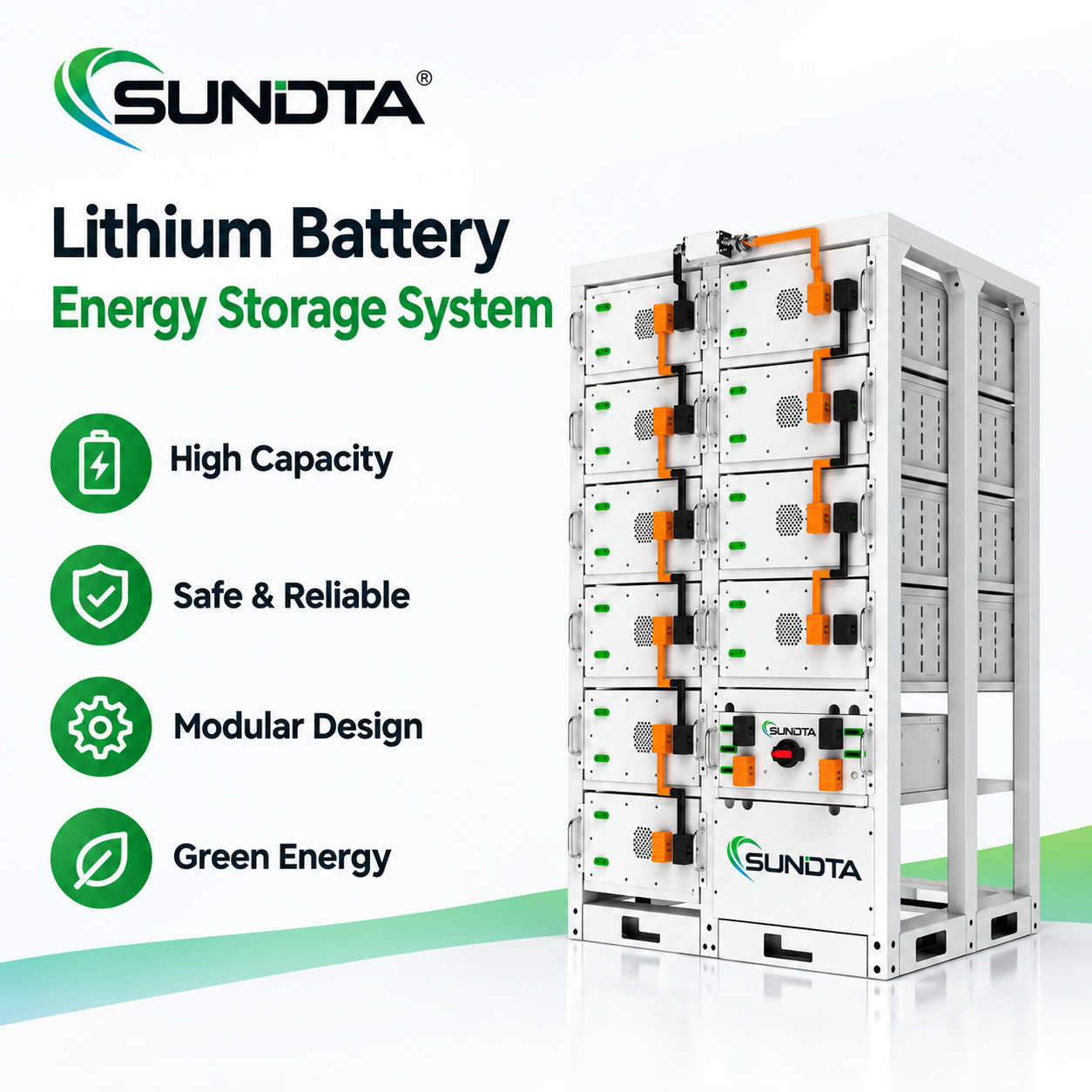
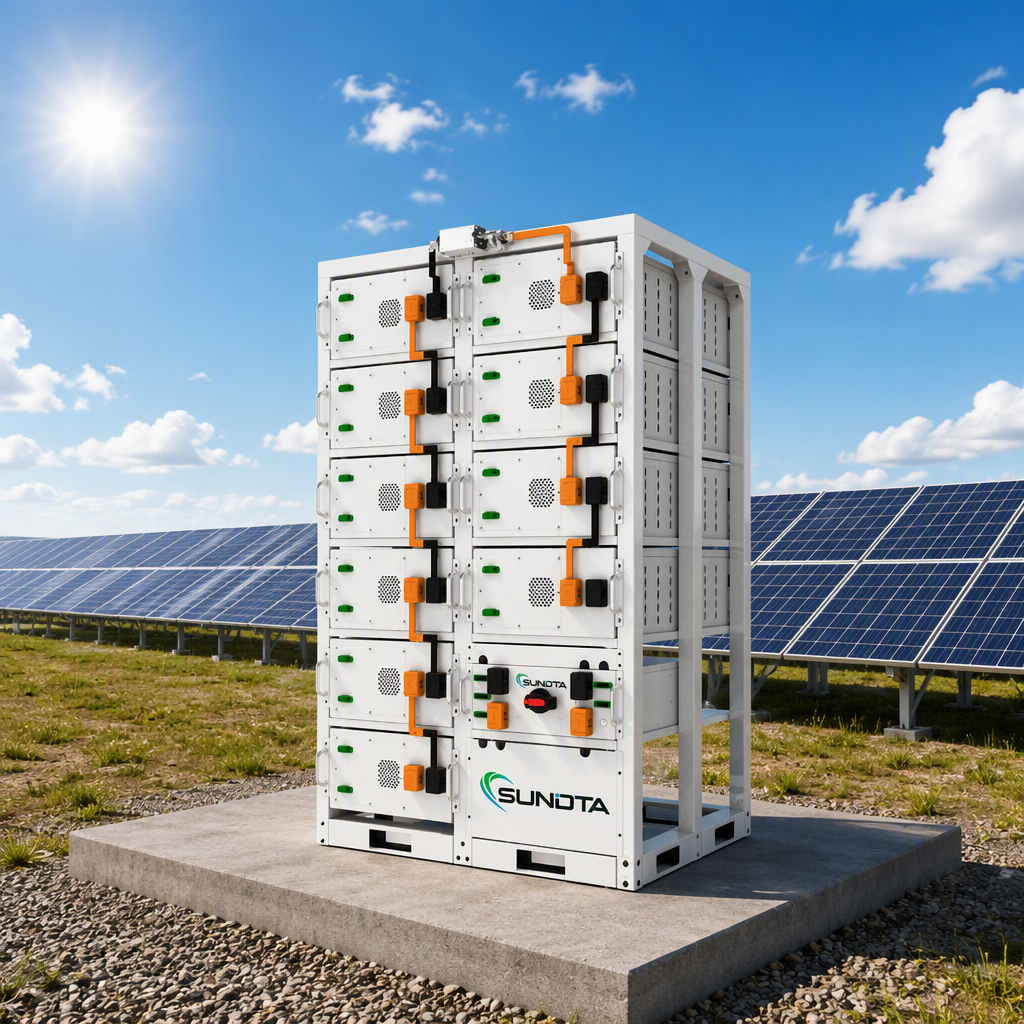
La Ceiba’s agricultural operations, pineapple packing plants, and commercial seafood exporters depend heavily on uninterrupted cooling. RJV’s 100kW–500kWh containerized BESS units provide instantaneous peak shaving during elevated demand windows, preventing catastrophic cold-chain spoilage during frequent grid brownouts.
Municipal & Healthcare Resilience
Private clinics, diagnostic centers, and civic emergency facilities in central Atlántida maintain uninterrupted operation of sensitive diagnostic gear through our high-voltage SDT-280 series. Zero transfer time prevents medical imaging reboots and ensures diagnostic labs remain operational around the clock.
Macro Trends Shaping Honduras’s Clean Energy Transition
The Honduran commercial and residential energy markets are undergoing a fundamental transformation driven by three core economic factors:
1. Escalating Retail Energy Costs vs. Levelized Cost of Storage (LCOS): Rising generation surcharges from centralized utilities have pushed commercial power tariffs higher across northern municipalities. Over a 10-year operational horizon, LiFePO4 energy storage delivers a Levelized Cost of Storage below $0.08 per kWh—substantially undercutting both standard utility retail prices and diesel generator running costs.
2. Rapid Island Microgrid Expansion: As neighboring Roatán and Utila scale private microgrids to cope with booming tourism, La Ceiba serves as the continental engineering, staging, and logistics base. Standardizing on compatible 48V/51.2V modular storage architecture allows EPC companies to stock unified replacement modules, dramatically reducing operational risk.
3. Institutional Mandates for Decentralized Storage: Industrial consumers are adopting rooftop solar coupled with closed-loop battery storage to meet sustainability targets, hedge against fuel price shocks, and maintain business continuity without downtime.
01
Cell Matching Precision
Every module is assembled using strict capacity, internal resistance, and voltage cell sorting tolerances, ensuring uniform degradation and preventing premature string failure.
02
Native Inverter Handshake
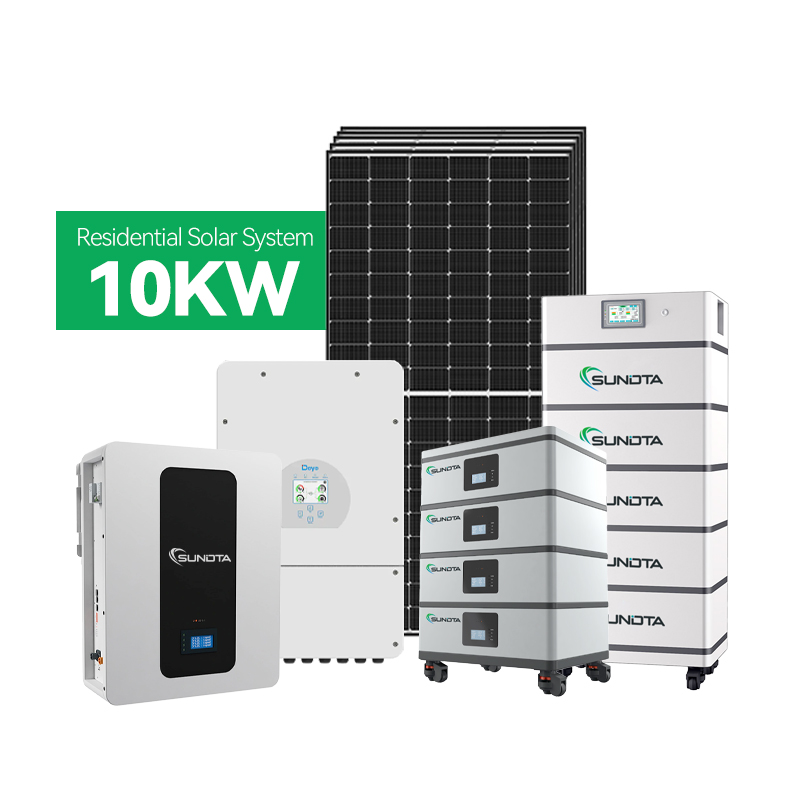
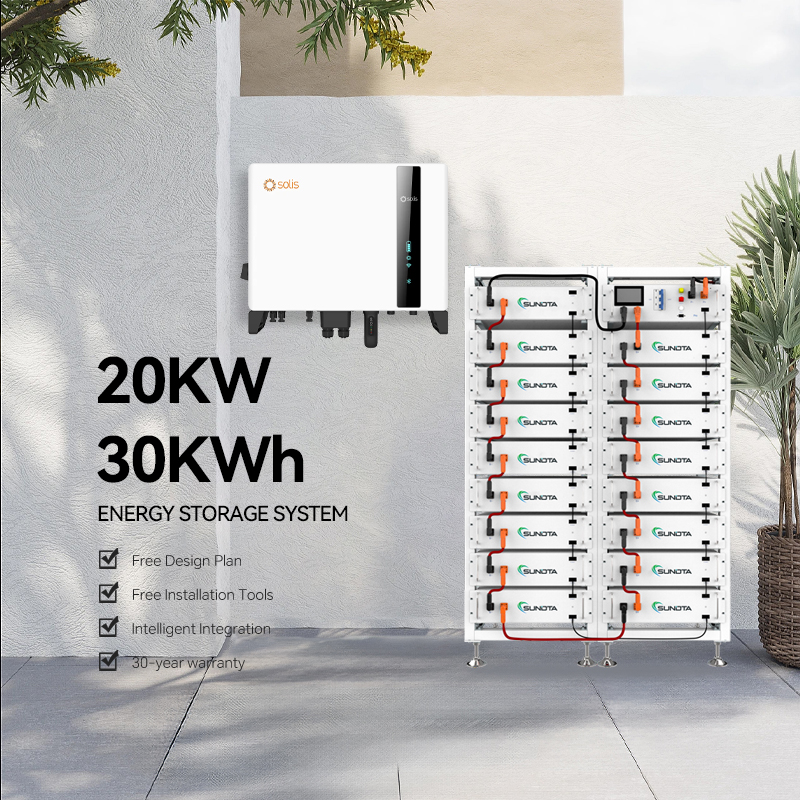
Direct pre-configured communication protocols for Deye, Solis, Growatt, and Victron hardware. No manual pin rewiring or protocol patching required on-site.
03
TÜV Assessed Quality
Rigorous multi-stage factory acceptance tests (FAT), full thermal imaging tests under load, and comprehensive CE, IEC 62619, and UN38.3 certification documentation.
04
Direct Logistics Support
Turnkey maritime container packing, hazardous materials (Class 9) export documentation, and customs clearance paperwork prepared directly for Central American ports.
What are the transit times and import requirements for shipping lithium batteries to Honduras?
Shipments depart our central production hub in Hefei, transit via Ningbo or Shanghai port, and arrive at Puerto Cortés within approximately 28 to 35 days. From Puerto Cortés, overland transport to La Ceiba takes 4 to 6 hours. Because LiFePO4 batteries are classified as Class 9 Dangerous Goods (UN3480), we supply all required documentation, including UN38.3 test summaries, MSDS, sea transport safety certifications, and customized commercial invoices compliant with SAR customs procedures.
How does high coastal humidity and temperature in La Ceiba affect system lifespan?
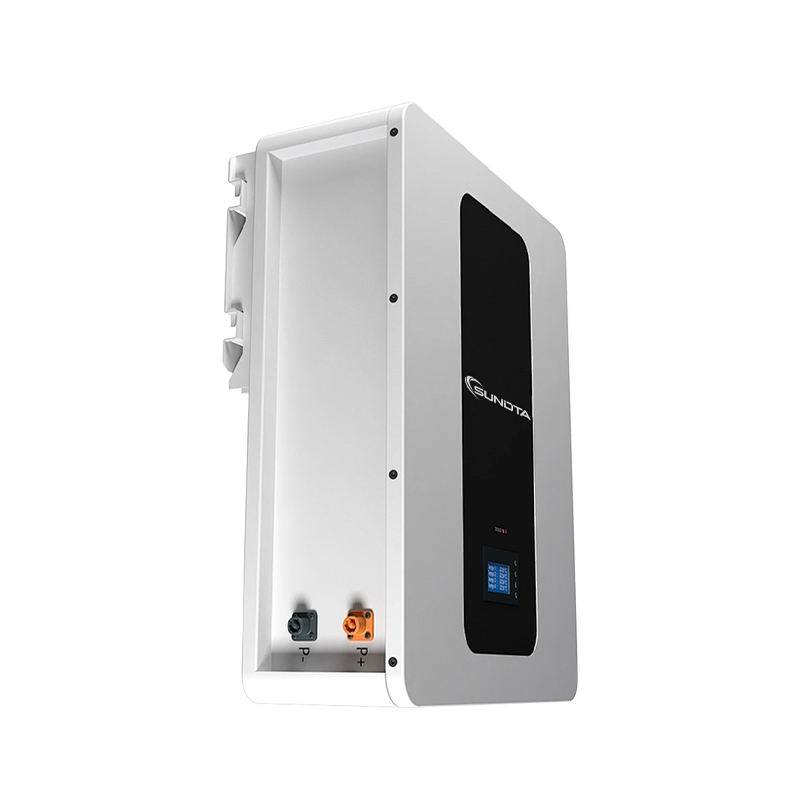
High ambient heat combined with humidity accelerates degradation in inferior batteries. RJV’s LiFePO4 packs use industrial-grade thermal isolation, conformal-coated circuit boards, and IP65-rated enclosures for wall/cabinet systems. The BMS features intelligent thermal throttling that limits charge current if internal temperatures exceed safety margins, ensuring systems maintain 6,000+ cycles at 80% Depth of Discharge.
Are RJV LiFePO4 battery packs compatible with split-phase 120V/240V grids?
Yes. The electrical distribution system in Honduras matches North American single-phase and split-phase topologies (120V/240V 60Hz). Our low-voltage (51.2V) and high-voltage rack systems interface seamlessly with split-phase hybrid inverters (including Deye and Solis models), ensuring full compatibility without external transformers.
What is the Minimum Order Quantity (MOQ) for distributors and EPC projects?
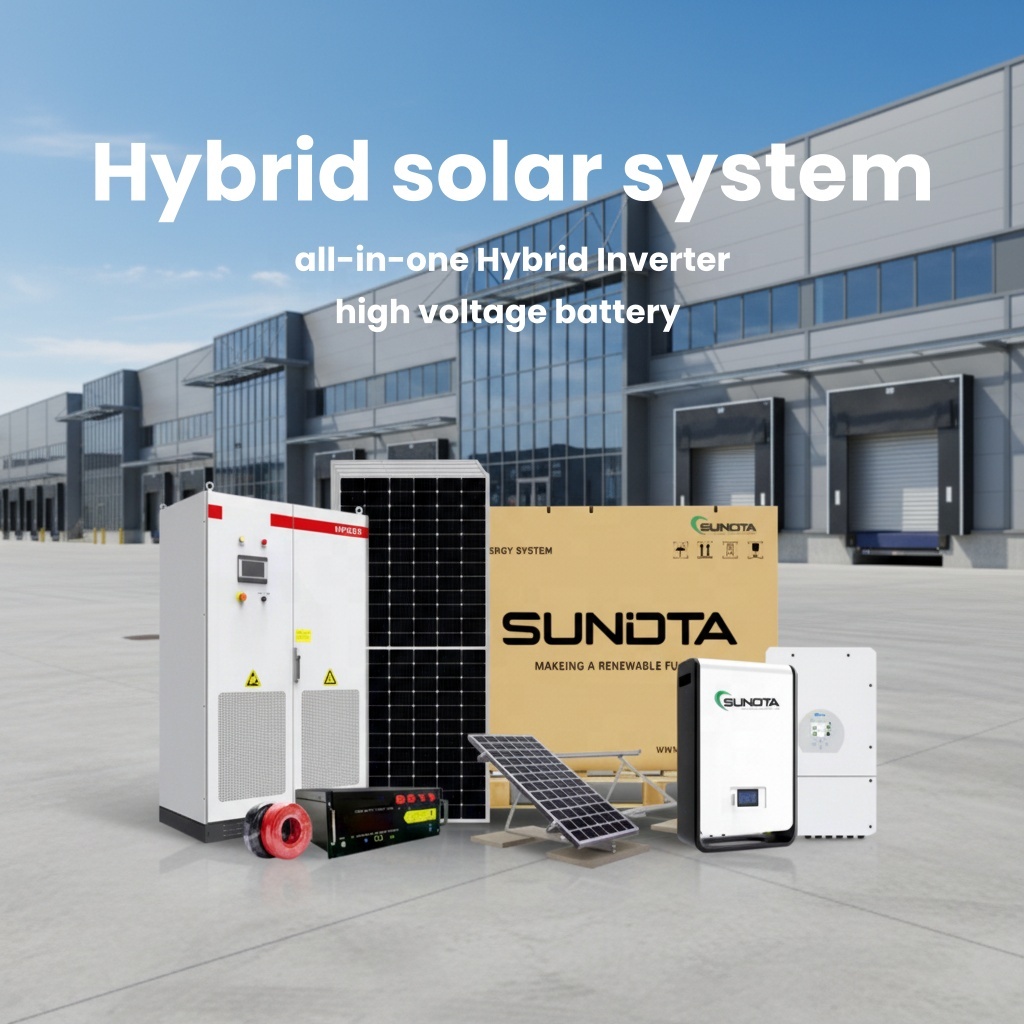
We support both project-based contractors and large distributors. Low-voltage residential wall-mounted units and stackable batteries have an MOQ starting at 1 unit for sample evaluation and prototyping. Containerized C&I systems are manufactured on a project-by-project basis. Palletized container orders can combine panels, inverters, and lithium storage modules into a single coordinated shipment.
Can existing lead-acid systems be retrofitted with RJV LiFePO4 batteries?
Yes. Our 48V/51.2V battery packs are drop-in compatible with standard 48V lead-acid inverter-chargers. When upgrading, our engineering team assists with setting appropriate bulk, absorption, and float voltage setpoints, or establishing direct CANbus closed-loop communication for compatible smart inverters.