Optimizing Energy Resilience in New Providence & the Family Islands
A technical guide for EPC contractors, resort operators, and solar distributors navigating archipelago power dynamics.
Electricity supply throughout the Bahamian archipelago is characterized by critical macroeconomic vulnerabilities: reliance on imported automotive diesel and heavy fuel oil (HFO), dispersed off-grid geography across more than 700 cays, and residential tariffs routinely exceeding $0.32 to $0.42 per kilowatt-hour. In this electrical environment, grid-tied string inverters without battery storage are no longer financially or operationally optimal. Power quality fluctuations, frequent grid dropouts during peak summer cooling seasons, and volatile fuel adjustment charges demand robust, decentralized infrastructure.
As a leading original equipment manufacturer (OEM) and supply chain partner based in the green energy manufacturing hub of Hefei, China, Anhui RJV New Energy Co., Ltd. provides commercial, industrial, and luxury residential consumers in The Bahamas with state-of-the-art three-phase hybrid inverters and matched lithium-iron-phosphate (LiFePO4) storage ecosystems. Combining the proven power electronics architectures of Tier-1 brands like Deye and Solis with in-house PV module manufacturing, we engineer complete three-phase energy systems specifically calibrated to meet Bahamas Power and Light (BPL) interconnection requirements, withstand extreme coastal humidity, and maintain seamless microgrid autonomy under Category 5 storm conditions.
Bahamian Operational Notice: Standard three-phase European voltage topologies (400V/230V 50Hz) are entirely incompatible with Bahamian distribution systems. Commercial and multi-family residential supplies across Nassau and Freeport predominantly run on American-standard topologies, including 208V/120V Three-Phase Wye, 240V Delta, and 480V/277V Industrial Service at 60Hz. RJV delivers custom-configured inverters with factory-preset 60Hz operational parameters and certified IEEE 1547 / UL 1741 anti-islanding profiles.
High-Yield Hybrid Systems & Power Electronics
Fully certified PV modules, three-phase hybrid inverters, and high-voltage energy storage systems ready for containerized sea shipment to Nassau and Freeport.
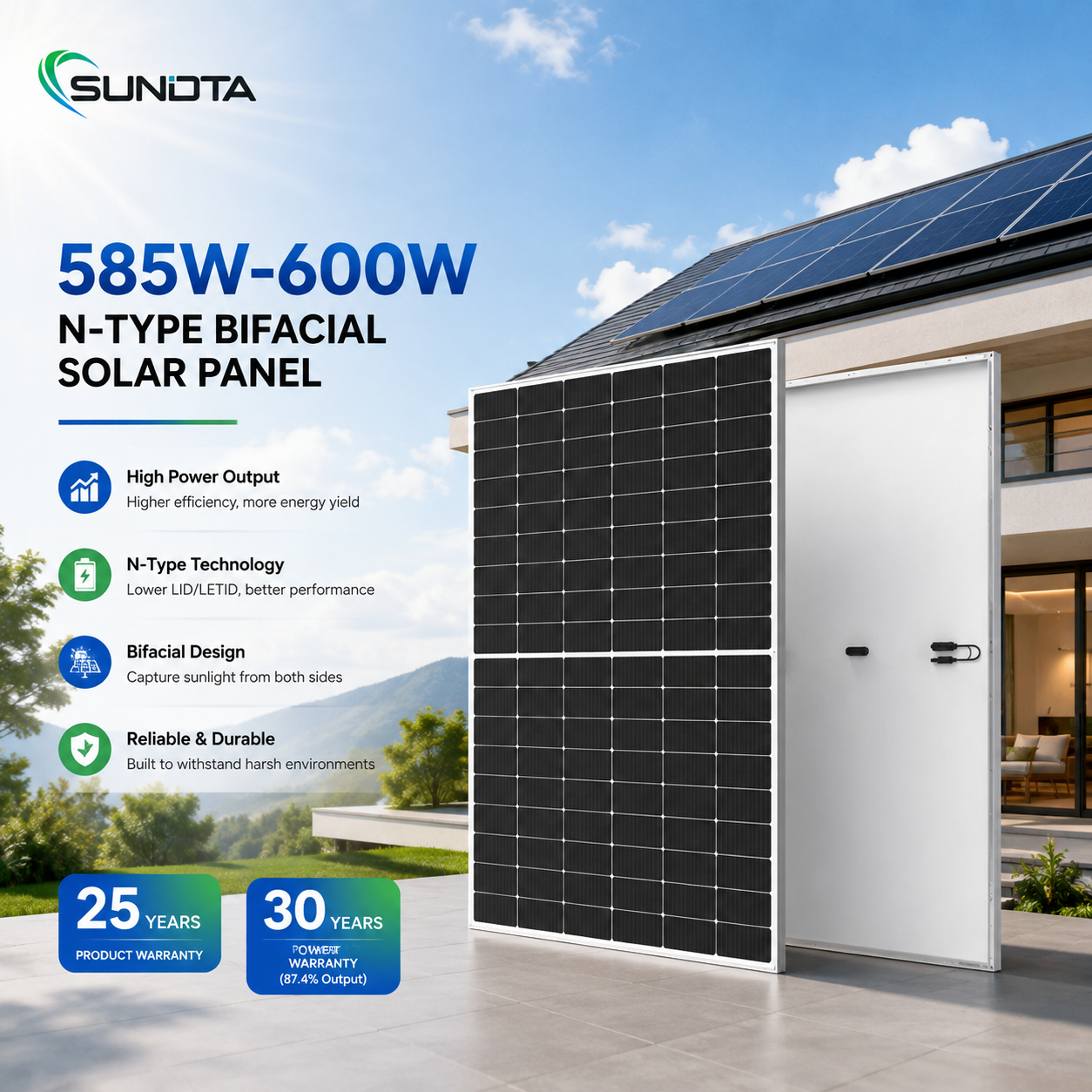
585W-595W Premium N-Type Bifacial PV Module | Monocrystalline Solar Panel
- Up to 23.03% Module Efficiency
- Dual-Glass Salt Mist & Sand Resistance
- +30% Rearside Coastal Albedo Yield
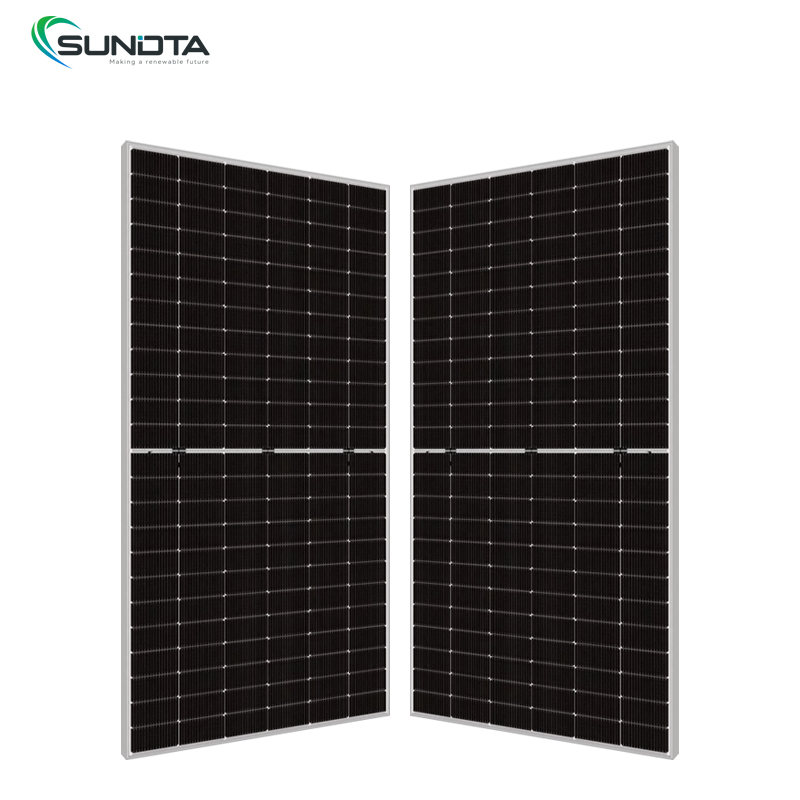
Tier 1 Solar Panel Sodenergy 700W 705W 710W 715W 720W 725W 730W N-Type
- Low Temperature Coefficient (-0.30%/°C)
- Commercial Ground & Carport Focus
- Certified 5400Pa Mechanical Load
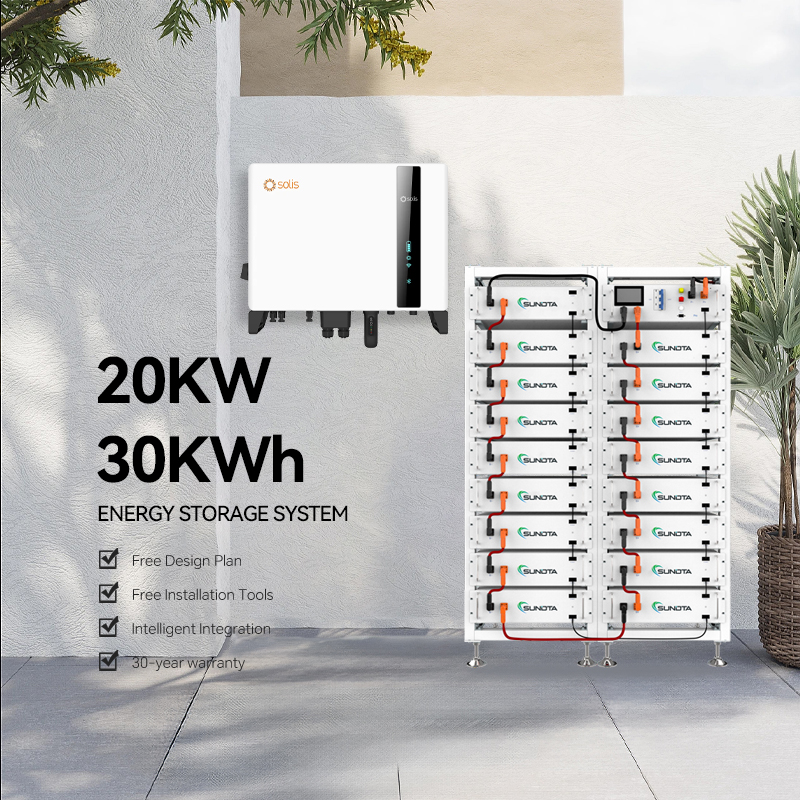
Complete 50kw Hybrid Solar System Deye 3 Phase 10kw-50kw Turnkey ESS
- 100% Unbalanced Three-Phase Output
- Diesel Generator Auto-Start Control
- High-Voltage Battery BMS Protocol
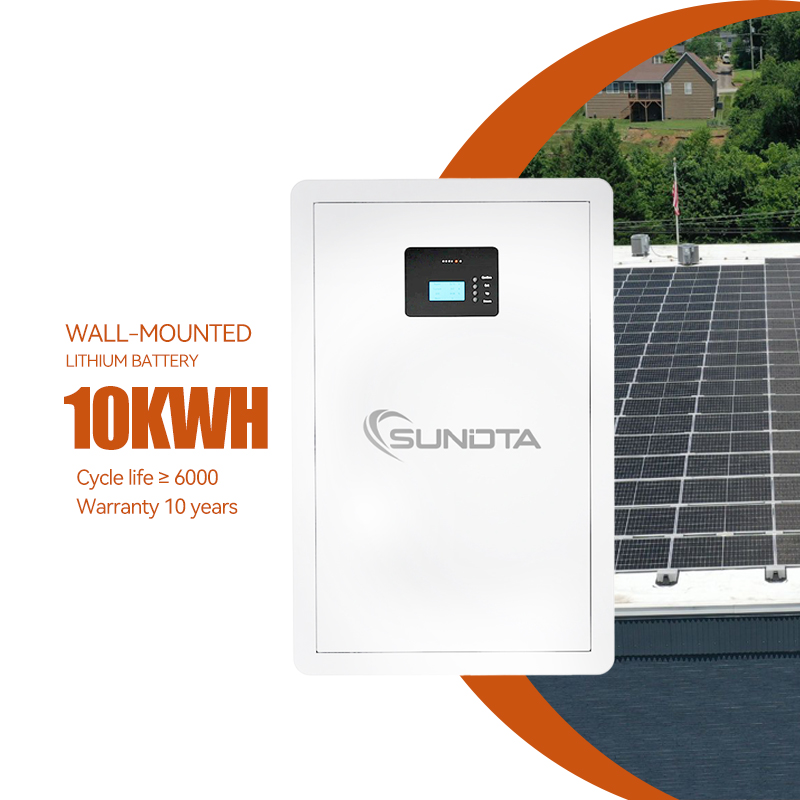
Sundta IP65 10kWh 51.2V 200Ah Wall Mounted LiFePO4 Battery Smart BMS
- A-Grade Prismatic Lithium Cells
- CAN/RS485 Dual Bus Protocol
- Compact Corrosion-Proof Enclosure
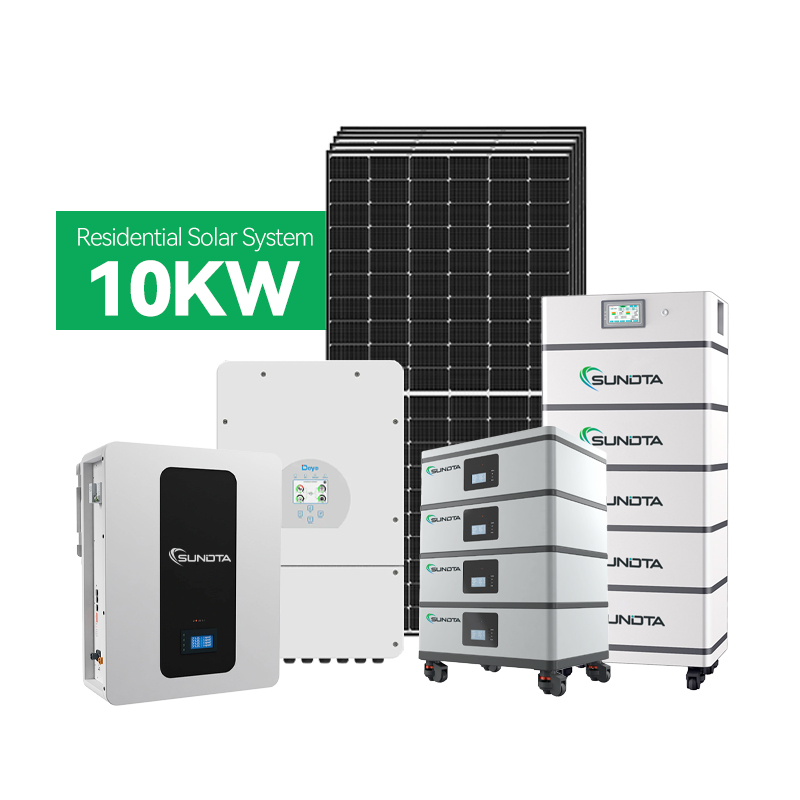
Sundta 5KW-20KW Innovation Complete Solar Hybrid System Kit
- Matched Wiring, Combiners & Breakers
- Integrated Hybrid Inverter & Storage
- Tropical Cyclone Ready Racking
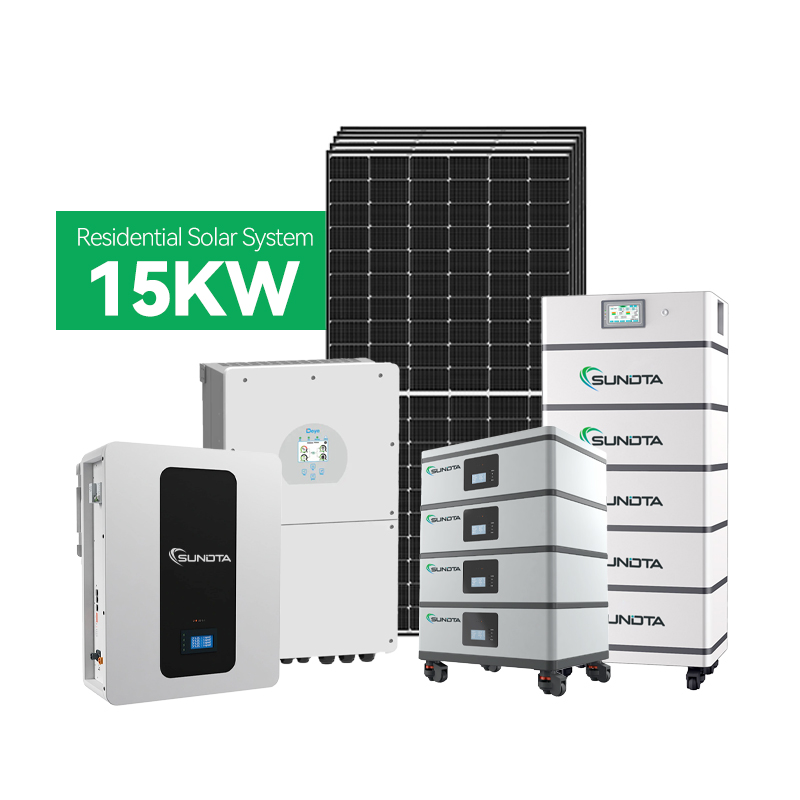
Sundta Hybrid Solar Energy System Low Price Solar Panel Kit 5KW-15KW
- Cost-Optimized Residential Architecture
- Smart App Cloud Telemetry
- Rapid Grid-Disconnect Transfer
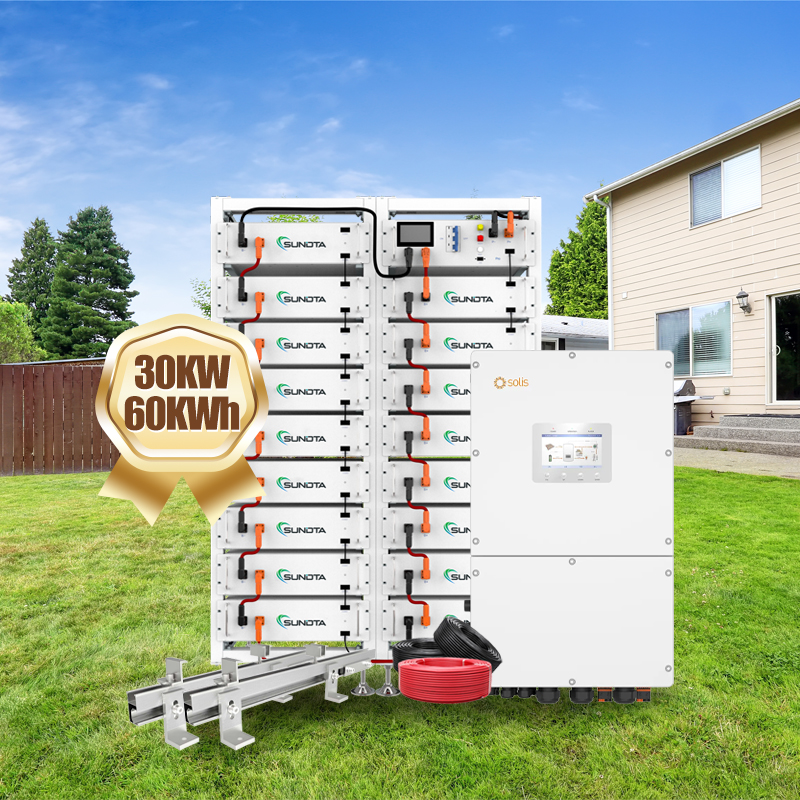
Complete 30kw Solar Energy System Hybrid for Commercial & Estate Use
- Dual MPPT Maximum Energy Capture
- Peak Shaving & Tariff Shifting Logic
- Industrial Grade Galvanized Frame
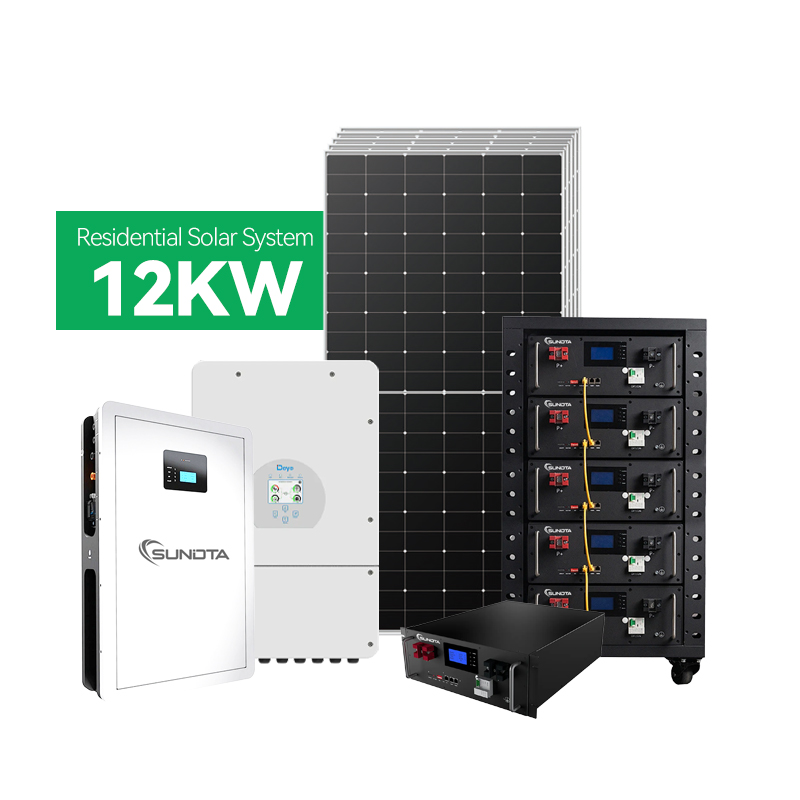
Sundta 12Kw Hybrid Storage System 25Kw Residential Battery Setup
- High Round-Trip Efficiency (>97.6%)
- Stackable Floor-Mount Architecture
- Full Off-Grid Black Start Capable
Engineered for Extreme Island Topography
From Nassau's commercial zones to remote private out-islands, our systems resolve mission-critical power challenges.
Boutique Eco-Resorts & Out-Island Lodges
Family Island resorts across Eleuthera, Exuma, and Abaco often operate either completely isolated from the central grid or face recurrent brownouts. RJV's 30kW–50kW three-phase hybrid inverters feature programmable auxiliary inputs that automatically cycle existing diesel generators, running them exclusively at peak fuel-efficiency loads while our LiFePO4 battery banks handle nighttime air-conditioning baseloads.
Commercial Tariffs Mitigation & Peak Shaving
Commercial enterprises in New Providence encounter punitive demand penalties and stepped commercial fuel surcharges. Our multi-inverter parallel configurations allow business facilities, cold-storage warehouses, and retail plazas to systematically discharge stored solar energy during peak demand windows, flattening power draws from BPL and reducing electricity overhead by up to 68%.
Critical Hurricane Standby & Microgrids
Following hurricane events, utility restoration on barrier cays can require weeks or months. RJV three-phase inverters feature rapid hardware-level switching (less than 4ms transfer) providing true Uninterruptible Power Supply (UPS) performance. In full islanded mode, the system black-starts automatically from the solar array without requiring external grid excitation or starter battery draw.
Three-Phase Hybrid Inverter Configuration Protocols
Ensure regulatory compliance and electrical symmetry before placing your container consignment.
| System Architecture | Nominal Output Voltage | Battery Operating Window | BPL Grid Compatibility | Target Installation Scenario |
|---|---|---|---|---|
| 10kW - 15kW Low-Voltage 3-Phase | 120V / 208V (60Hz Wye) | 40V - 60V (51.2V Nominal) | Small Scale Renewable Generation (SSRG) | Luxury Residential, Duplexes, Small Marinas |
| 20kW - 30kW High-Voltage 3-Phase | 120V / 208V or 277V / 480V | 160V - 650V High Voltage | Commercial Interconnection Rule | Shopping Plazas, Private Estates, Clinics |
| 50kW Modular Industrial Hybrid | 277V / 480V (60Hz Three-Phase) | 200V - 800V Stackable Rack | Dedicated Substation / PPA Standard | Cold Storage, Processing Facilities, Resort Microgrids |
| 100kW - 125kW Solis Commercial C&I | 480V Industrial 3-Phase | Direct High-Voltage Lithium Bus | Commercial Industrial Renewable Code | Desalination Plants, Island Distribution Microgrids |
Regulatory Drivers Shaping Bahamian Solar Procurement
Understanding policy dynamics, tariff structures, and technological shifts across the Caribbean basin.
The Commonwealth of The Bahamas has enacted aggressive legislative mandates via the National Energy Policy (NEP) 2013-2030, establishing a sovereign target of achieving 30% renewable energy penetration by 2030. To facilitate this transformation, the Utilities Regulation and Competition Authority (URCA) alongside BPL introduced the Small-Scale Renewable Generation (SSRG) framework and Commercial Interconnection Approvals. However, the realities of utility balancing mean grid operators severely restrict unmanaged, reverse-power export into aging island distribution feeders.
Consequently, the Bahamian clean energy market has decisively pivoted toward Zero-Export / Smart-Export Hybrid Systems. Rather than feeding erratic solar power back to the grid under low net-billing credit rates, modern Bahamian installations maximize self-consumption. Advanced three-phase hybrid inverters utilize dynamic CT clamps and smart meters at the service entrance to match solar production exactly to real-time load requirements, shunting every excess watt directly into high-density LiFePO4 battery systems for nighttime utilization.
Furthermore, climate vulnerability has fundamentally transformed equipment procurement standards. Inverters and battery housings deployed in coastal outposts such as Spanish Wells or Marsh Harbour face continuous exposure to salt-laden airborne moisture, extreme UV radiation indices, and ambient thermal conditions continuously hovering near 35°C with 90% relative humidity. Tier-1 buyers and EPC contractors now specifically mandate IP65/IP66 enclosure ratings, conformal-coated internal printed circuit boards (PCBs), and anti-corrosion aluminum alloy chassis to eliminate premature field failures.
Why Tier-1 Caribbean Developers Source Through RJV
An integrated manufacturing and engineering ecosystem situated in China's photovoltaic heartland.
TÜV Rheinland Audited
Complete manufacturing, assembly, and testing lines undergo rigorous third-party on-site inspection. Verified ISO9001 and ISO14001 compliance guarantees documented raw material traceability across all production batches.
One-Stop PV Bill of Materials
Eliminate multi-vendor commissioning disputes. We integrate N-type TOPCon bifacial modules, Deye/Solis inverters, smart BMS communication cables, and Class-A LiFePO4 cells matched into single container consignments.
Full Tropical Documentation
Every shipment is delivered with factory flash test reports, EL crack detection imagery, CE/IEC certificates, UL 1741 conformity declarations, and pre-formatted documentation for Bahamian customs and URCA compliance.
Direct Engineering Support
Our senior application engineers provide remote electrical sizing, single-line diagram (SLD) validation, and real-time remote commissioning assistance, bridging timezone gaps through dedicated project technical channels.
Frequently Answered Technical Questions for Bahamian Importers
Essential guidance covering grid codes, import logistics, and equipment warranties.