Engineered Solar Inverters & Integrated Storage Systems
Precision-matched balance of systems (BOS) configured for harsh tropical ambient conditions, extreme voltage fluctuations, and autonomous high-power inductive operations.
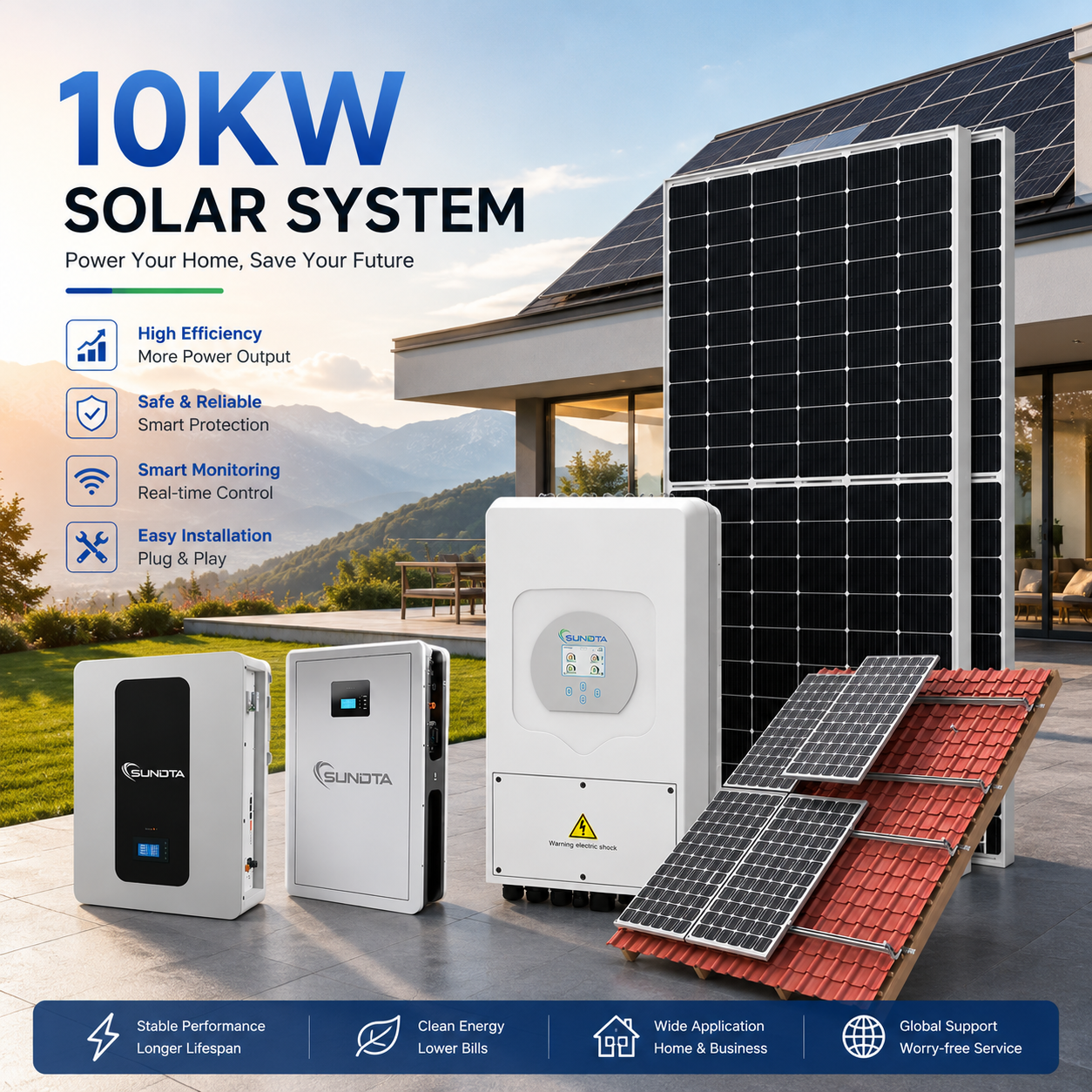
- Dual/Triple MPPT with Smart Generator Sync
- Unbalanced 3-phase 100% load tolerance
- Zero-switchover seamless UPS bypass (<4ms)
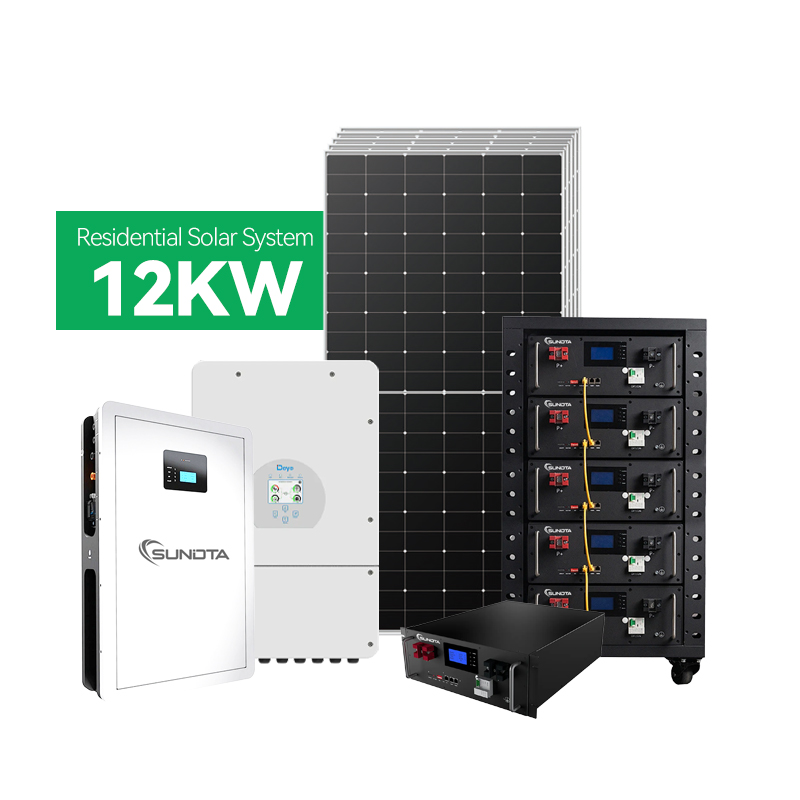
- Low-voltage safe 48V/51.2V architecture
- Monocrystalline Tier-1 solar input matching
- Touchscreen LCD parameter calibration
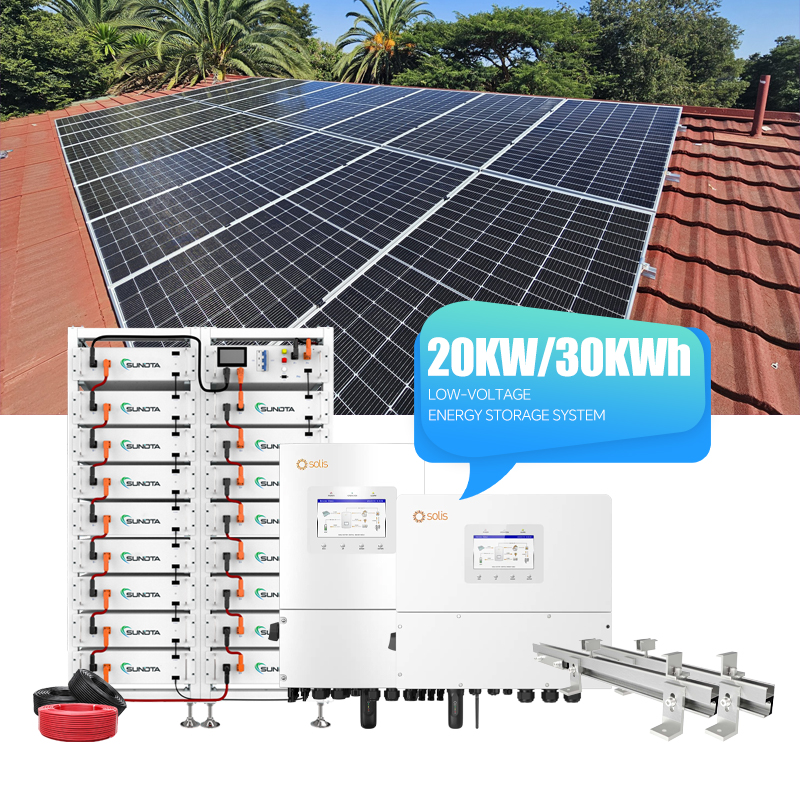
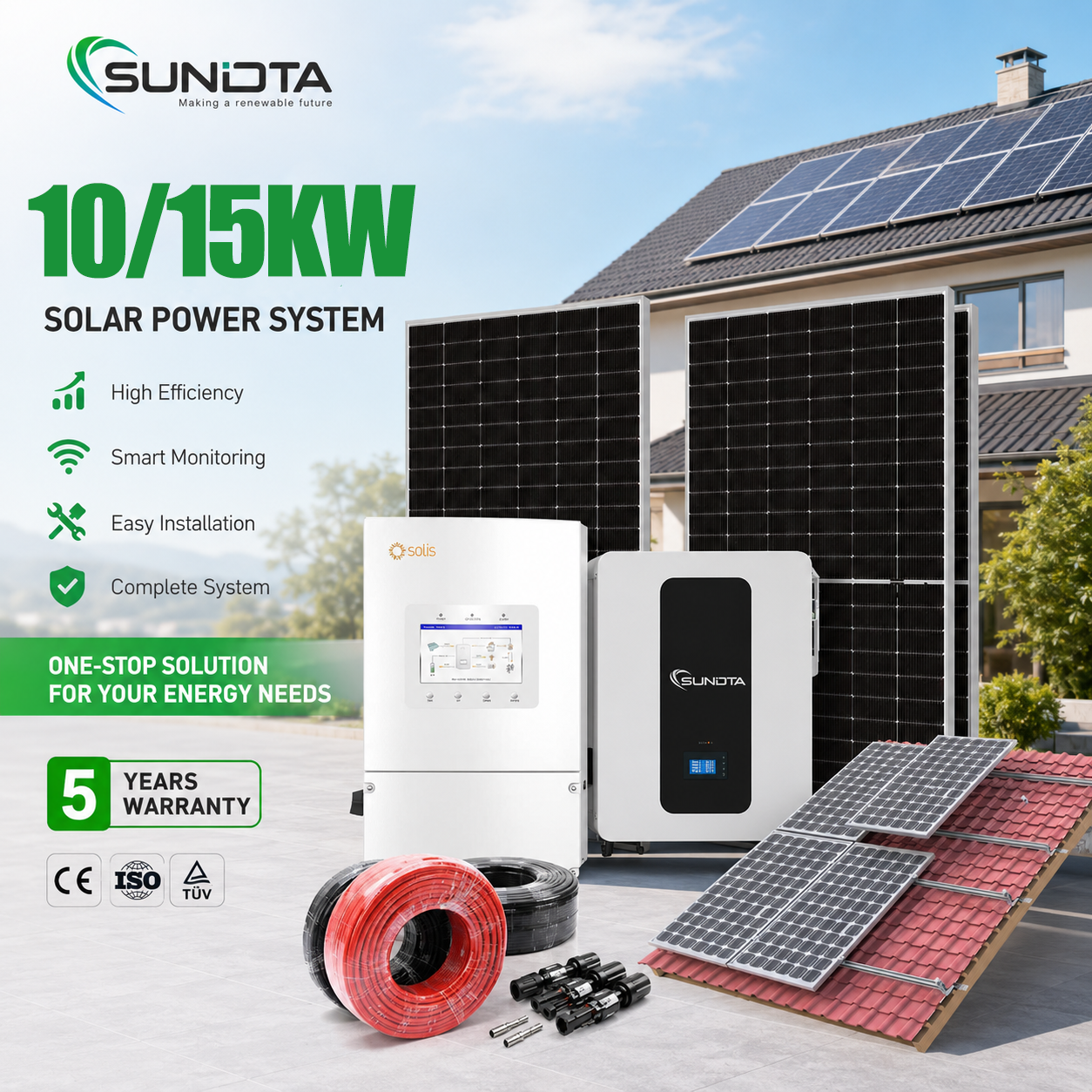
- Pre-wired distribution box & DC disconnect
- High surge ratio for cold room compressors
- Tropicalized corrosion-resistant mounting
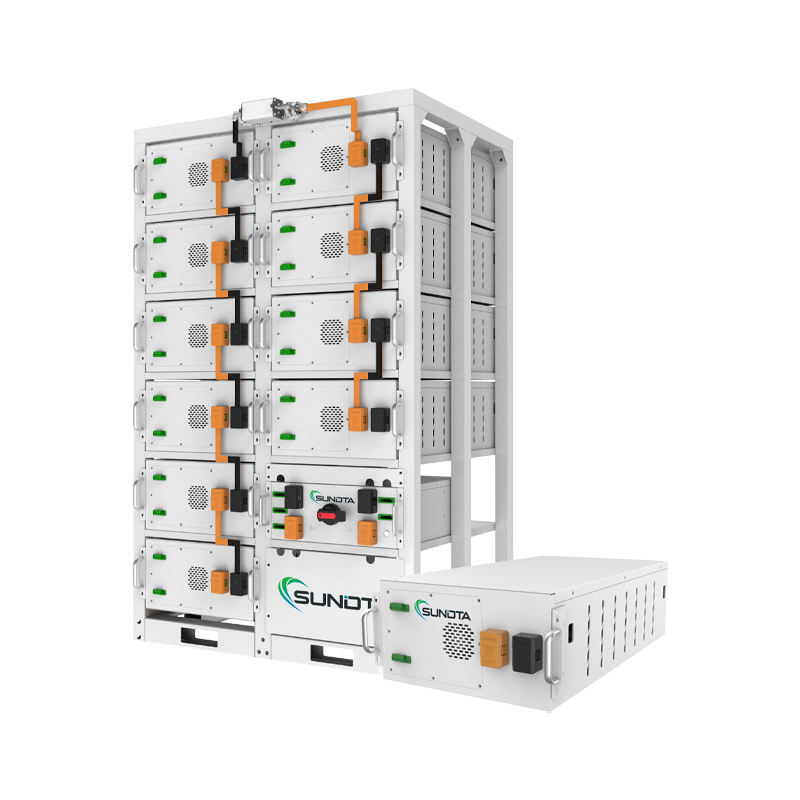
- Grade A EVE/CATL prismatic 6,000+ cycle cells
- CAN / RS485 direct handshake to Deye/Solis
- Built-in fire aerosol suppression cartridge
- Customized frequency adaptability (50Hz / 60Hz)
- Dynamic export curtailment for EdH grid zones
- Remote 4G/GPRS & Wi-Fi telemetry module
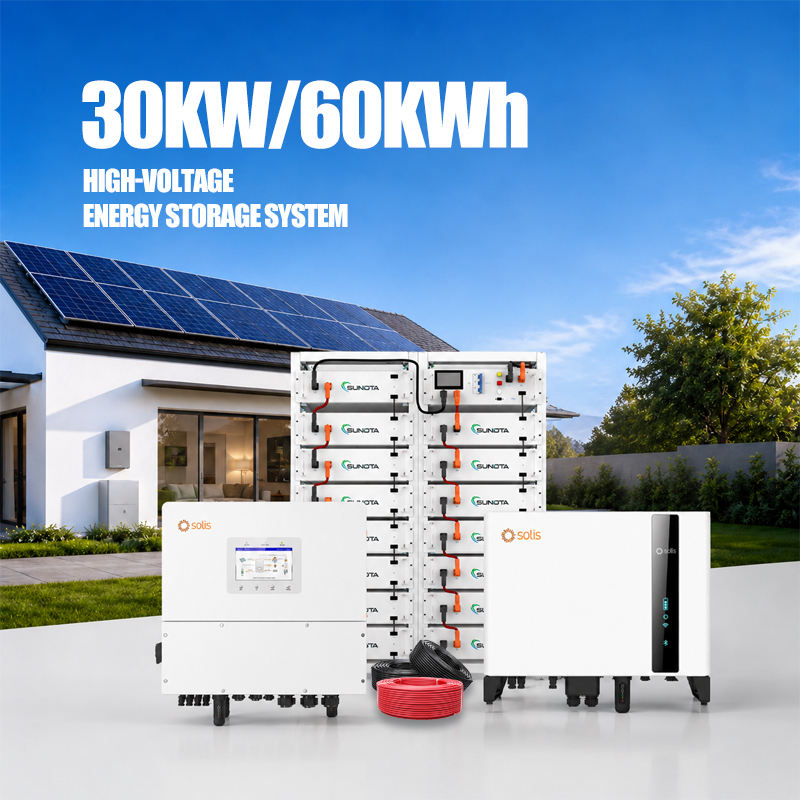
- Compact footprint for limited utility rooms
- Expandable up to 16 units in master-slave parallel
- Integrated smart battery management system
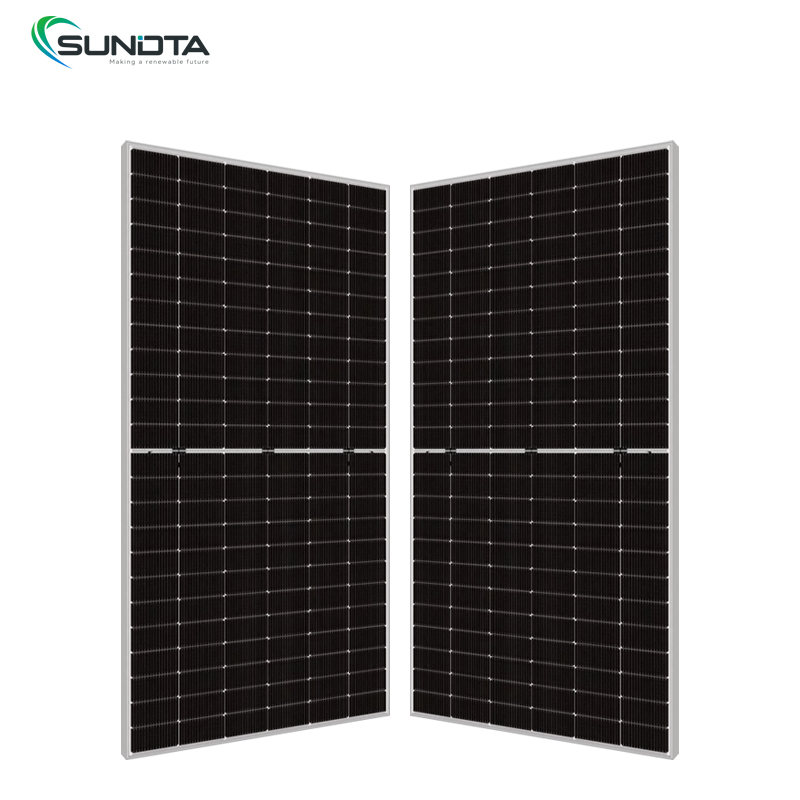
- Ultra-low temp coefficient (-0.30%/°C) for heat
- 210mm wafer architecture with 132 half-cells
- Reinforced anodized frame (5400Pa snow/wind)
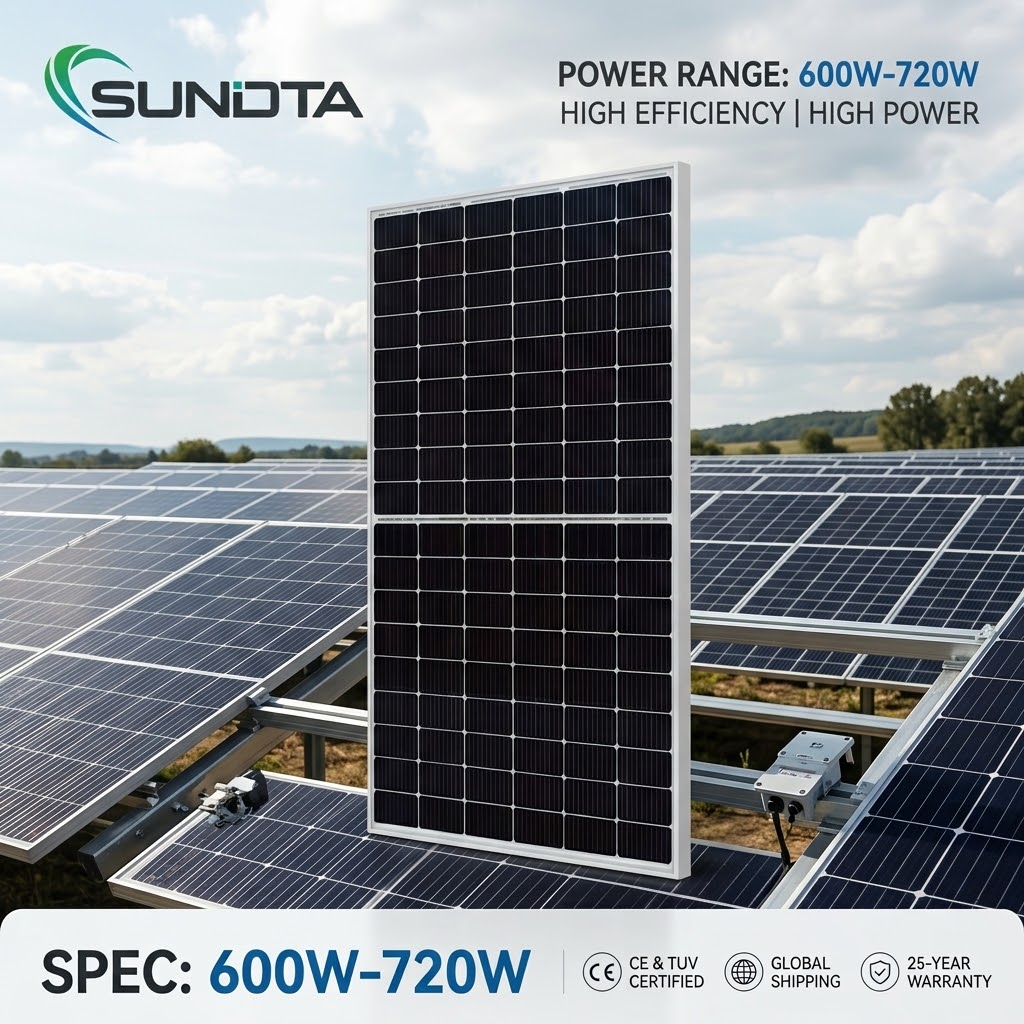
- Dual 2.0mm tempered glass (salt-mist C5 resistant)
- Up to 25% bifacial backside irradiance harvest
- PID resistant encapsulant for high Caribbean humidity
Annual PV Module Automation
Global Projects Commissioned
Inverter & BMS R&D Innovations
Rheinland Factory Audit Verified
Technical White Paper: Resolving Grid Instability in Haiti via Advanced Three-Phase Power Conversion
The electrical grid landscape of Haiti presents some of the most rigorous operational challenges in the Western Hemisphere for power conversion electronics. Managed primarily by Électricité d'Haïti (EdH), the national infrastructure is characterized by acute generation deficits, severe brownouts, voltage sags plummeting below 160V on nominal 220V lines, and prolonged islanding outages lasting days or even weeks. In Port-au-Prince, Cap-Haïtien, Les Cayes, and Gonaïves, commercial enterprises, light industrial parks, private healthcare facilities, and mission-critical agricultural operations have historically relied upon expensive, diesel-fueled synchronous generators. Operating diesel generators in Haiti carries an exorbitant levelized cost of energy (LCOE), frequently driven beyond $0.55 to $0.75 per kilowatt-hour due to volatile fuel supply chains, inland haulage tariffs, and high-frequency servicing requirements.
As the leading Chinese manufacturer and turnkey export partner of three-phase hybrid inverters, Anhui RJV New Energy has re-engineered power topology architectures specifically to replace and hybridize diesel-heavy microgrids across Haiti. Unlike generic grid-tied inverters that trip instantly under frequency swings or low voltage conditions, our commercial three-phase hybrid inverters (ranging from 10kW to 125kW) integrate galvanically isolated DC buses, wide MPPT operational windows (150V to 850V DC), and four-quadrant reactive power control. This enables Haitian system integrators, EPCs, and multilateral development programs to establish ultra-stable, self-sustaining mini-grids capable of black-start synchronization without relying on an external utility reference.
Engineering Matrix: Three-Phase Inverter Architectures in Haiti Environments
Specifying three-phase solar equipment for importation into Haiti requires a rigorous analysis of voltage configurations, cooling mechanisms, and battery interconnectivity. The table below delineates the performance metrics required to guarantee a 15-to-25-year operational lifecycle under Caribbean climatic and electrical stress.
| Engineering Parameter | Standard Commercial Inverters | RJV / Deye / Solis Industrial Hybrid | Direct Benefit to Haitian Importers & EPCs |
|---|---|---|---|
| Grid Voltage Flexibility | Fixed 400V/230V EU Grid Standard | Adjustable 120V/208V, 220V/380V, 240V/415V | Seamless compatibility with both US-style split/delta grids and European legacy systems in Haiti. |
| Generator Integration | Dry contact only; requires ATS transfer switch | Built-in Smart Generator Peak-Shaving Port | Inverter automatically modulates genset throttle, slashing diesel consumption by up to 78%. |
| Unbalanced Phase Load | Maximum 10% to 15% imbalance tolerance | 100% Unbalanced Load Capacity (Phase-by-Phase) | Enables heavy single-phase A/C and pumps to run simultaneously without inverter fault shutdown. |
| Thermal De-rating Threshold | Linear power drop starting at 40°C | Full rated output sustained up to 50°C | Guarantees continuous 100% continuous nominal output during blistering Caribbean midday heat waves. |
| Ingress & Anti-Corrosion | IP54, standard zinc-coated casing | IP65/IP66 enclosure, C5-M marine-grade epoxy | Withstands extreme airborne humidity and salt-laden ocean air in coastal hubs like Port-au-Prince and Cap-Haïtien. |
| Switchover Latency (UPS) | > 20ms to 50ms (causes server reboot) | ≤ 4ms Seamless Hardware Transfer | Preserves uninterrupted operation of surgical suites, telecom basestations, and critical server racks. |
Localized Application Scenarios Across the Republic of Haiti
Energy demand profiles across Haiti require differentiated hardware configurations tailored to specific commercial and geographical realities. Anhui RJV New Energy designs each bill of materials (BOM) to match the distinct load curves encountered in the Caribbean basin.
Industrial Parks & Free Zones
Facilities within SONAPI and the Caracol Industrial Park rely on three-phase 50kW-125kW hybrid inverters paralleled with containerized BESS. These systems eliminate high demand charges, mitigate voltage transients from sudden motor starts, and prevent line collapse.
Hospitals & Healthcare Clinics
From university hospitals in Delmas to regional clinics in the Artibonite Department, uninterrupted power is non-negotiable. High-voltage three-phase inverters coupled with stackable LiFePO4 batteries deliver millisecond UPS transfer for oxygen concentrators and surgical lights.
Agro-Processing & Solar Pumping
Agricultural cooperatives cultivating mango, vetiver, coffee, and rice require three-phase inductive energy for high-capacity irrigation pumps and grain mills. Our inverters feature a 200% surge capacity for 10 seconds, eliminating reliance on oversized fossil generators.
Off-Grid Telecom & Microgrids
Cellular towers and remote island communities (such as Île de la Gonâve and Tortuga) leverage multi-source hybrid platforms that harmonize solar PV, wind, battery, and auxiliary diesel into a single unified SCADA-monitored microgrid.
Emerging Energy Trends in Haiti: The Transition to Distributed Autonomy
The solar energy sector in Haiti is undergoing a structural paradigm shift. Historically centered on small-scale pico-solar lanterns and lead-acid residential back-up kits, the market is rapidly maturing toward commercial-scale three-phase microgrids and high-voltage lithium storage infrastructure. This acceleration is driven by several macro-economic vectors:
1. Phasing Out Lead-Acid Chemistry: Tropical temperatures exceeding 35°C in Haiti degrade traditional AGM and Gel lead-acid batteries within 12 to 18 months due to severe electrolyte dry-out and grid corrosion. Commercial buyers now strictly demand Lithium Iron Phosphate (LiFePO4) chemistry with cycle lives exceeding 6,000 cycles at 80% Depth of Discharge (DoD), backed by intelligent CAN-bus communication links directly interfacing the inverter's energy management system (EMS).
2. The Hybridization of Captive Diesel Fleets: Commercial enterprises are no longer discarding their expensive diesel gensets; instead, they are integrating them into smart three-phase hybrid platforms. By programming the inverter to engage the diesel generator only during consecutive rainy days or at maximum battery depth, Haitian business operators are reducing fuel bills by 70% to 85% while extending generator overhaul intervals by up to four times.
3. Multilateral Development Bank Standards: Funding programs backed by the Inter-American Development Bank (IDB), the World Bank (Scaling Up Renewable Energy Program - SREP), and USAID demand strict adherence to international safety metrics. Equipment procured for subsidized electrification must hold authenticated TÜV Rheinland certifications, CE marks, and IEC 62109-1/-2 compliance—standards that Anhui RJV New Energy guarantees on every exported shipment from our Hefei production hub.
Why Importers & EPCs in Haiti Choose Anhui RJV New Energy
Selecting an export manufacturing partner in China is a high-stakes decision for Haitian solar distributors and engineering firms. Shipping containers to the Autonomous Port of Port-au-Prince or the Port of Cap-Haïtien requires impeccable component reliability, meticulous maritime consolidation, and total supply-chain transparency.
Integrated One-Stop PV BOM
We eliminate commissioning failures caused by multi-vendor component mismatch. Panels, three-phase hybrid inverters, rack/stackable LiFePO4 batteries, and pre-wired switchgear are matched and protocol-tested before departing our Hefei facility.
TÜV Rheinland Audited Facility
Our automated manufacturing processes carry on-site verification by TÜV Rheinland. With an annual module capacity exceeding 2 GW, 38 engineering patents, and AAA commercial credit standing, we guarantee consistent quality in every sea container.
Caribbean Maritime Logistics & Support
We provide full export documentation (CE, IEC, UN38.3 MSDS for maritime lithium carriage) and flexible Incoterms (FOB, CFR, CIF Port-au-Prince/Lafito). Our multilingual engineering group provides 24/7 commissioning guidance across Caribbean time zones.
Haitian Solar Procurement FAQ: Practical Questions from Local Engineers & Buyers
Procurement managers and electrical contractors operating in Haiti face logistical, technical, and regulatory hurdles. Below are direct, engineering-backed answers to the most common inquiries received by our export desk.