Offshore Microgrid
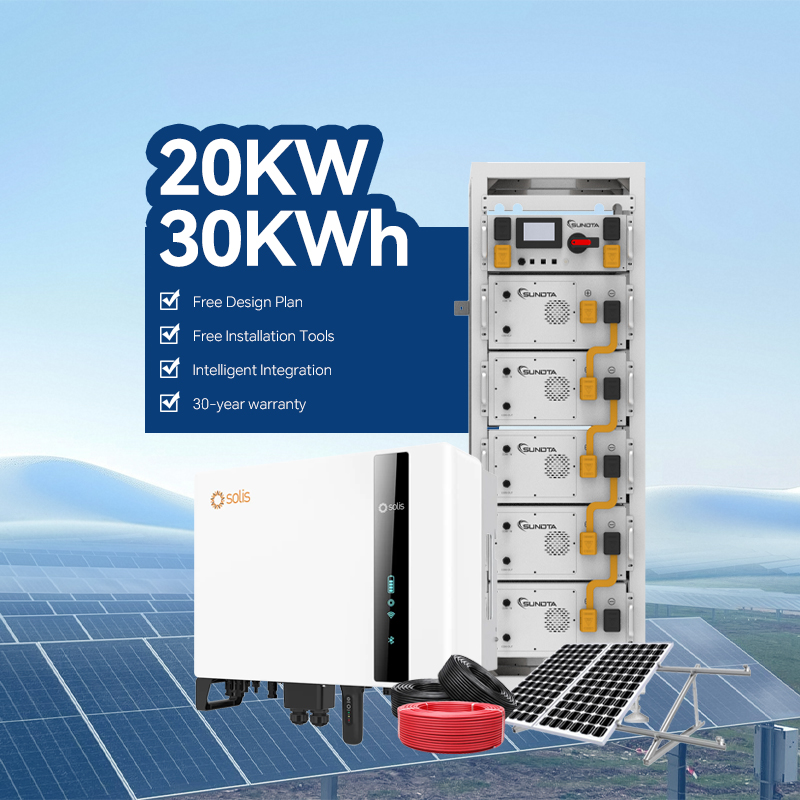
Pre-engineered hardware matched for zero potential mismatch losses, galvanic corrosion immunity, and CAN/RS485 hybrid communication protocols across marine commercial platforms.
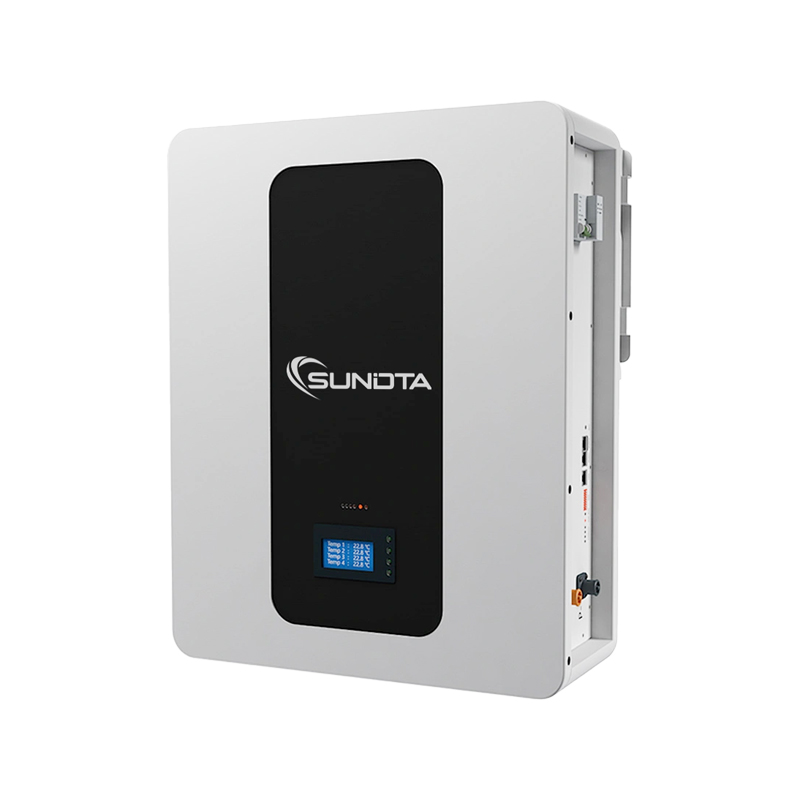
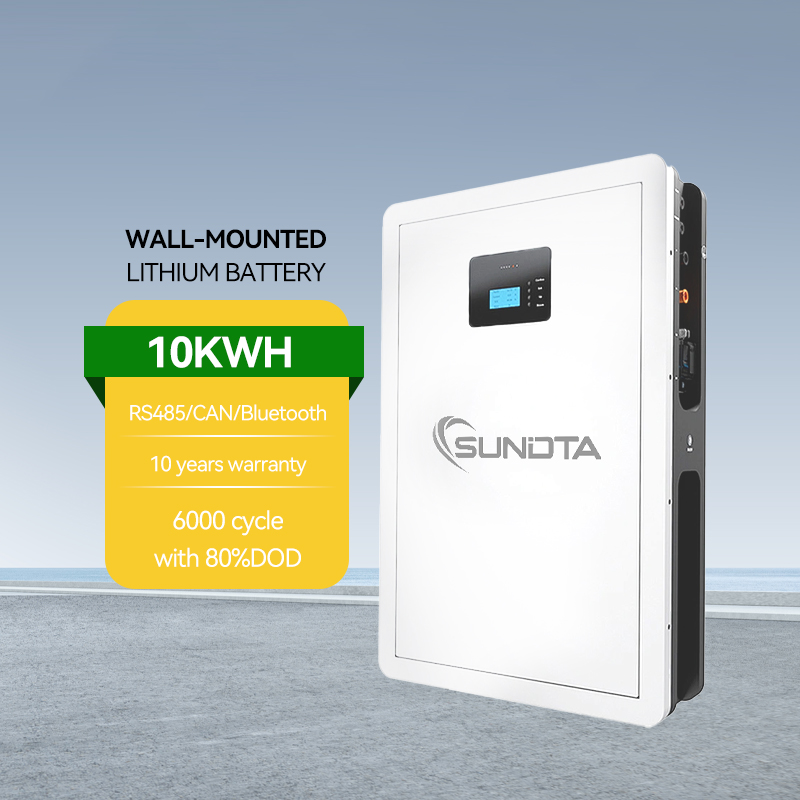
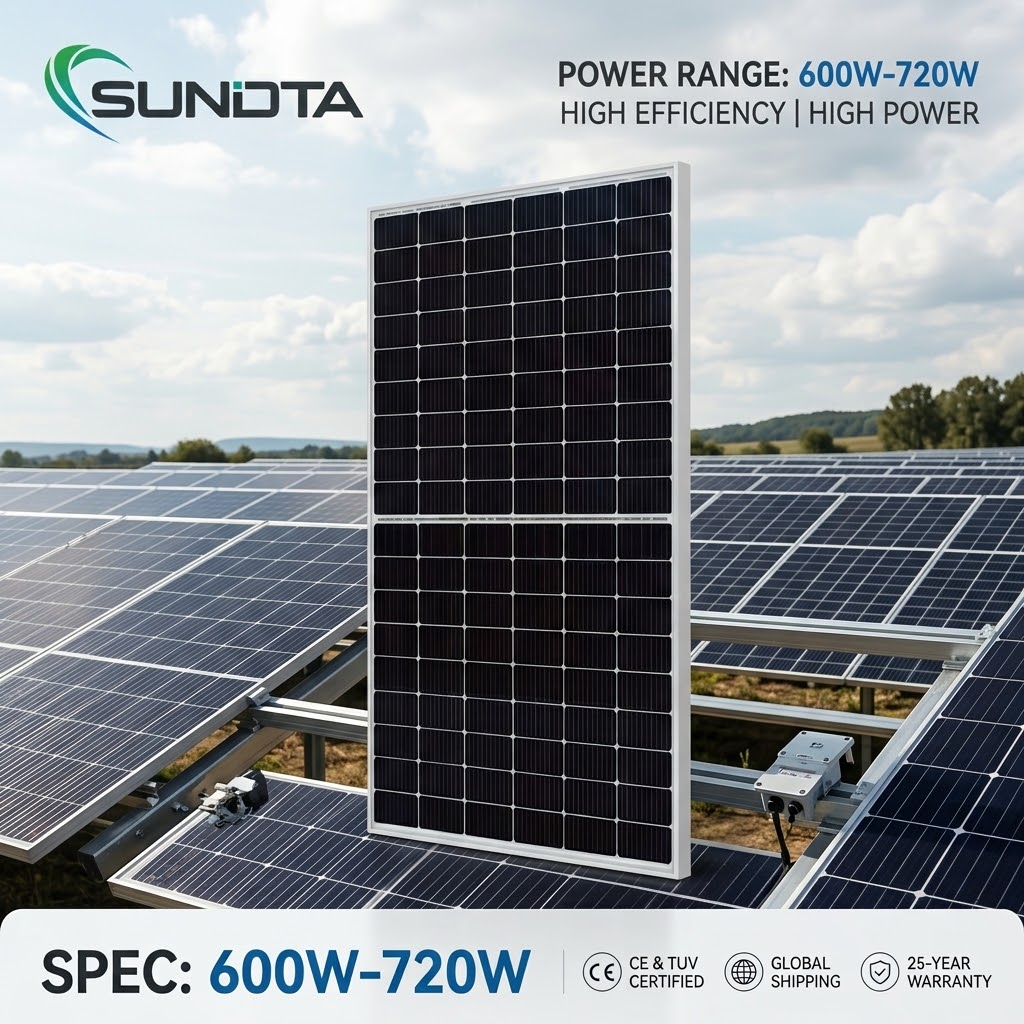
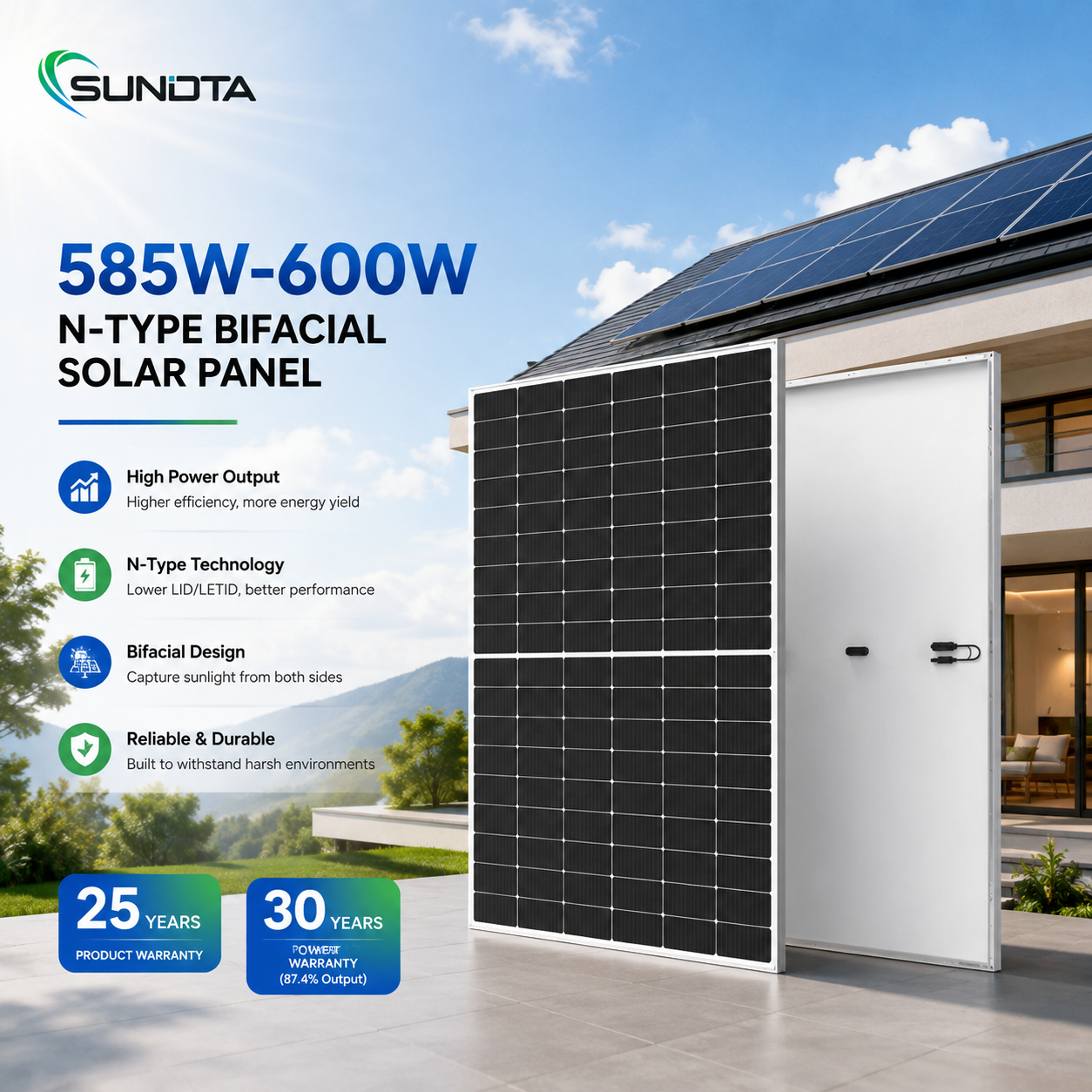
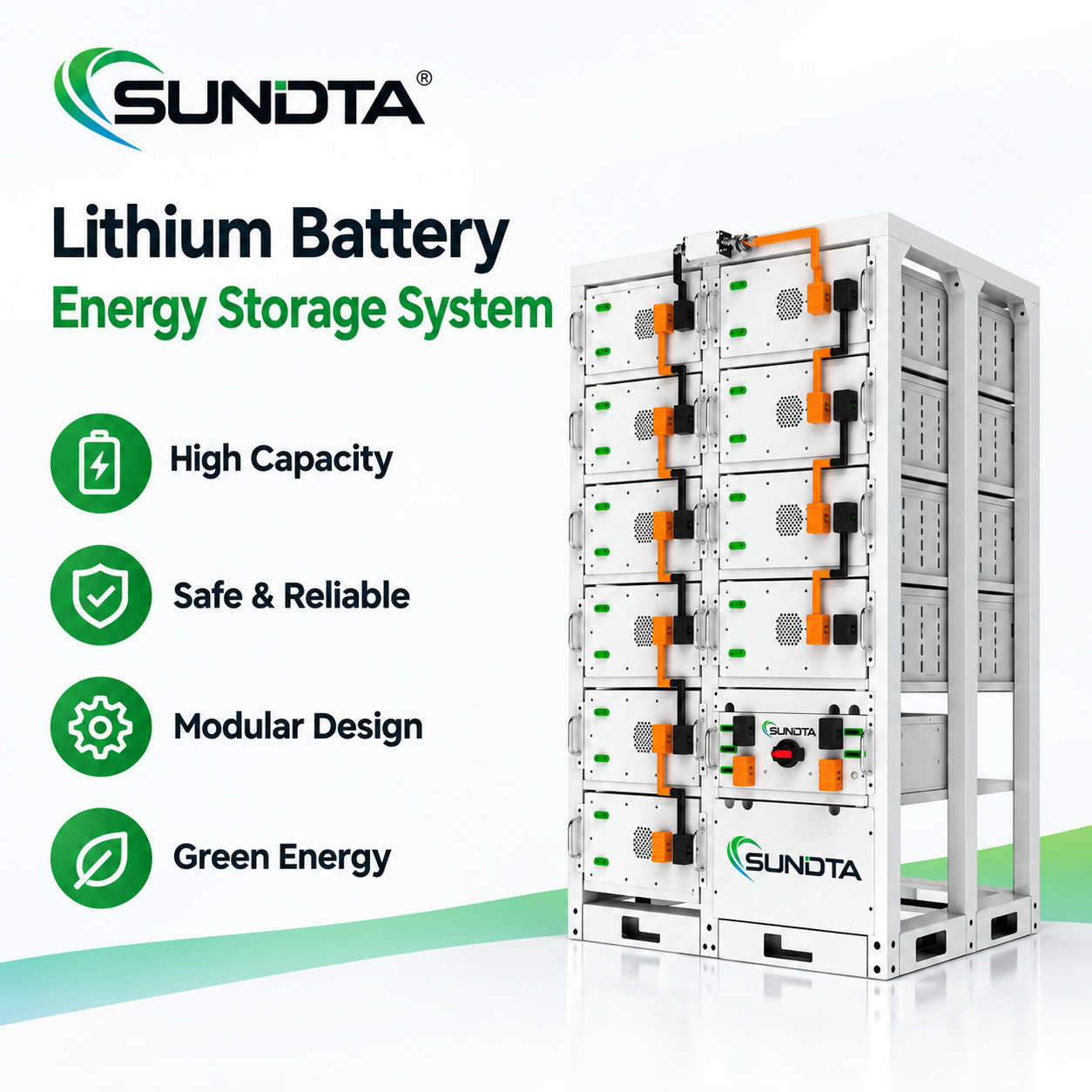
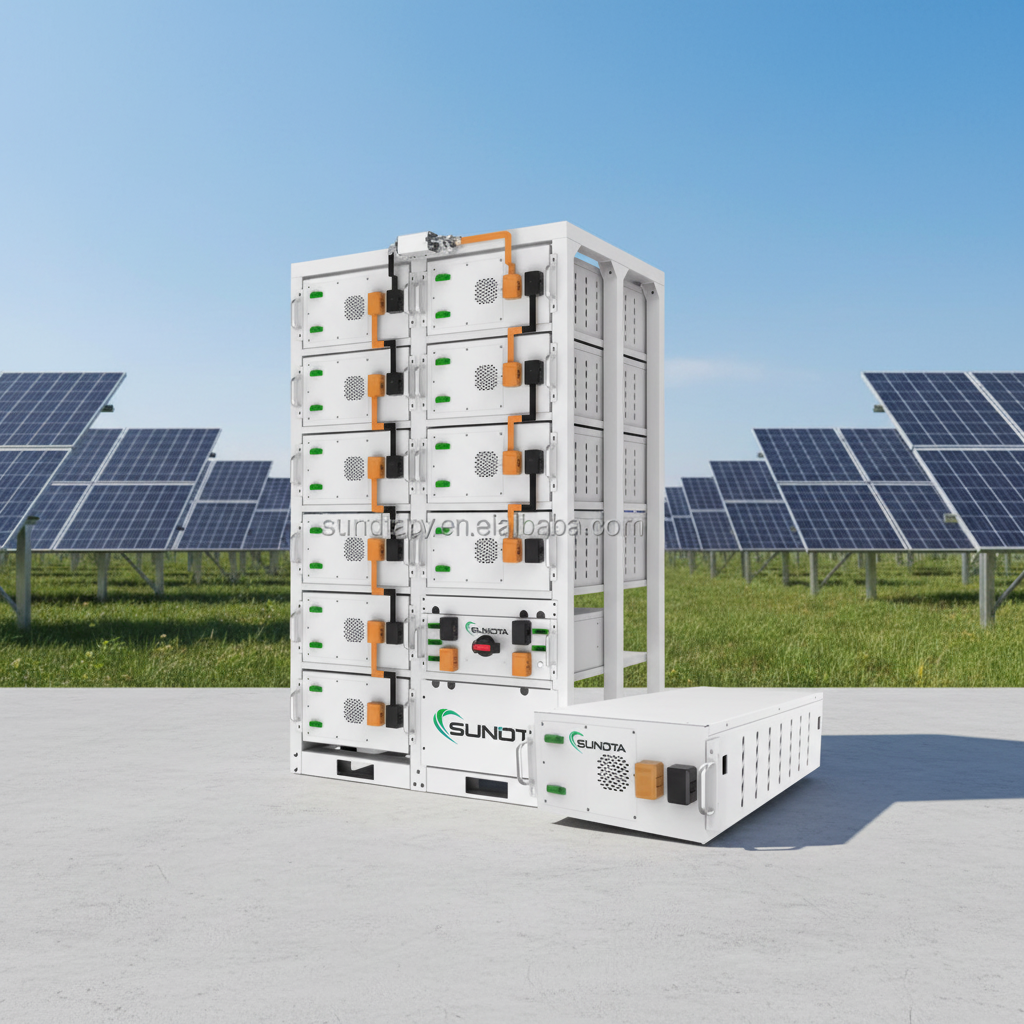
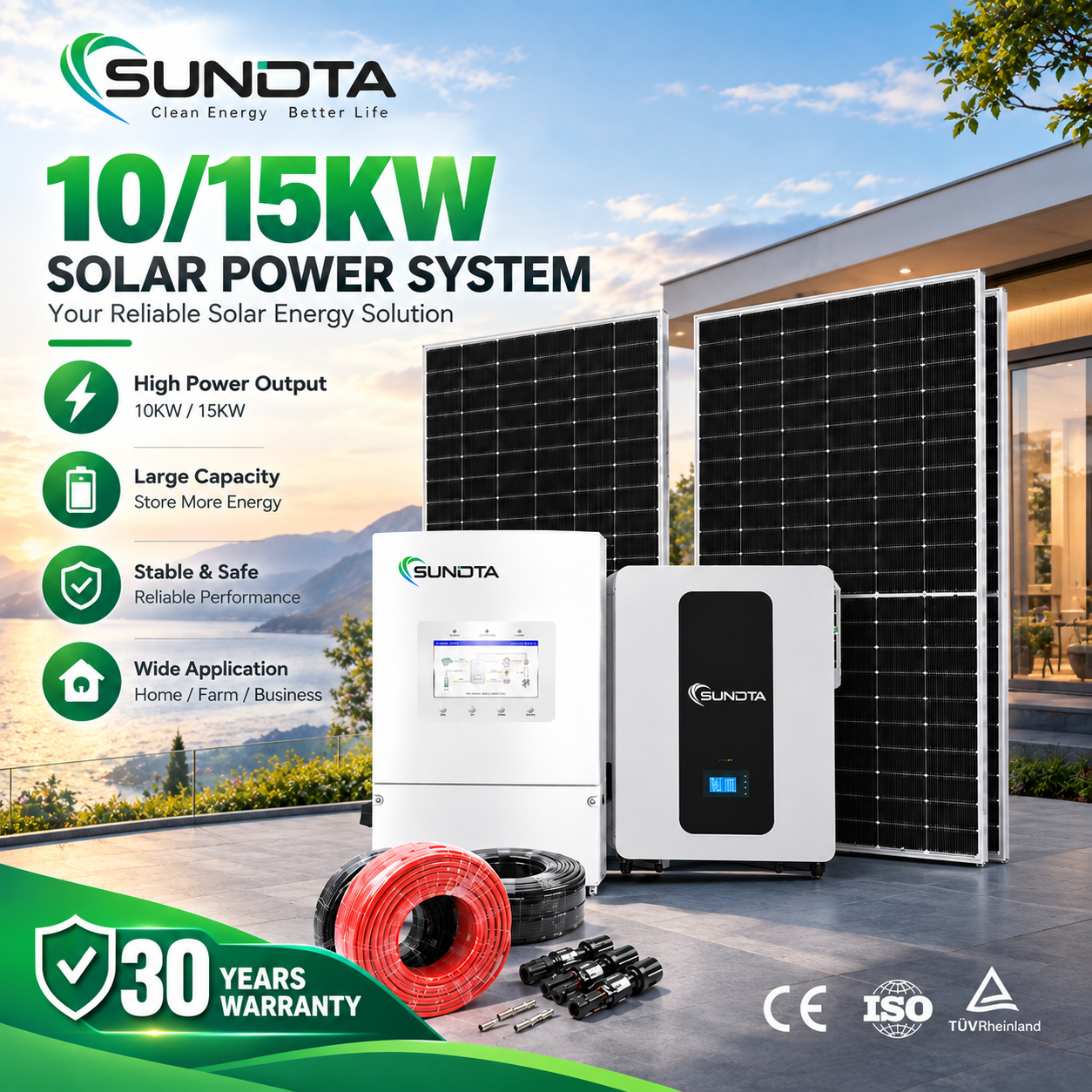
Operating photovoltaic equipment in Salvador, Bahia—ranging from Baía de Todos os Santos out to Morro de São Paulo—imposes hyper-specific mechanical, chemical, and atmospheric stress. Our marine PV modules are built to eliminate common off-the-shelf field failures.
Tropical maritime humidity and constant sea-spray rapidly breach standard EVA film and porous aluminum frame anodizations. Our marine-grade panels utilize dual-glass POE (Polyolefin Elastomer) encapsulation and 25µm clear-anodized marine corrosion-resistant frames. This prevents moisture ingress, acetic acid degradation, and frame-to-rack galvanic oxidation throughout decades of nautical exposure.
Salvador registers ambient year-round temperatures above 30°C with intense solar irradiance, pushing exposed vessel and dock panel cell temperatures past 65°C. With an ultra-low temperature coefficient of -0.30%/°C, our N-type TOPCon modules generate up to 4.8% more net kilowatt-hours compared to conventional P-type PERC panels under real-world maritime operating conditions.
Water mirrors incident solar radiation, producing a natural ground albedo of 18% to 30%. Our dual-glass bifacial modules capture both direct irradiance from above and diffused reflection from the Atlantic water surface from behind, yielding up to an additional 25% energy output without demanding extra square footage on cramped deck space or floating pontoons.
From tourist catamaran fleets navigating Todos os Santos Bay to remote aquaculture microgrids on coastal islands, our integrated solar and energy storage systems guarantee electrical independence.
Salvador's marine tourism operators rely heavily on noisy diesel generators for cabin HVAC, galley induction, and navigation systems. Combining our low-profile monocrystalline arrays with Sundta 51.2V LiFePO4 batteries enables silent, non-fume overnight hoteling, dramatically slashing fuel burn and maintenance overhead.
Yacht clubs and marinas in Aratu and Bahia Marina utilize modular floating docks equipped with dual-glass solar panels to supply direct shore-power to berthed vessels, eliminating complex underwater grid cable lay and stabilizing localized microgrids during peak utility tariff intervals.
Offshore fish pens and oyster concessions around Valença and Itaparica require continuous aerator operation, night security illumination, and sensor telemetry. Standalone 15kW–20kW hybrid off-grid systems provide bulletproof, automated autonomy without generator fueling logistics.
Islands like Boipeba and Tinharé face fragile grid connections or outright isolation. Our containerized ESS units (40kWh–100kWh) and TOPCon PV fields replace obsolete fossil generator infrastructure with robust, silent, renewable power plants aligned with eco-tourism mandates.
B2B importers, EPC engineers, and shipyard procurement teams must assess key reliability parameters prior to placing volume container orders for maritime projects.
| Evaluation Parameter | Standard Terrestrial Rooftop Panels | Industrial Marine-Grade Systems (RJV Sundta) | Impact on Salvador Marine Installations |
|---|---|---|---|
| Encapsulation Material | Standard EVA (Ethylene Vinyl Acetate) | Cross-linked POE (Polyolefin Elastomer) | Prevents water vapor transmission and acetic acid yellowing in salt atmospheres. |
| Glass Architecture | Single Glass (3.2mm) with Plastic Backsheet | Dual Glass (2.0mm + 2.0mm Heat Strengthened) | Guarantees zero moisture ingress and zero mechanical twisting under high wind loads. |
| Junction Box Rating | IP67 Non-Submersible | IP68 Potted with Marine-Grade Silicone | Prevents internal terminal block short circuits under wave splash and high-pressure washdowns. |
| Frame Coating | Standard Anodized (12–15 µm thickness) | Marine Salt-Spray Anodized (≥25 µm) | Prevents galvanic pitting and structural shearing at SS316 marine mounting brackets. |
| BMS Communication | Open/Unmanaged Lead-Acid Logic | Closed-Loop CAN/RS485 Dual Bus Protocol | Syncs cell-level SOC and thermal safety throttling with Deye/Solis hybrid inverters. |
Regulatory shifts, volatile diesel logistics, and booming nautical hospitality make solarization the fastest-growing capital upgrade for commercial vessel operators and marinas in northeastern Brazil.
Marine fuel distribution along the Salvador coastal archipelago carries hefty logistics surcharges. Catamaran operators and ferry concessions report operating cost reductions of up to 45% when transitioning their continuous daytime auxiliary hotel loads (refrigeration, dynamic positioning, lighting, and air filtration) to marine solar-hybrid architectures.
The Brazilian Navy (Marinha do Brasil - Capitania dos Portos) and environmental agencies (IBAMA) are progressively tightening noise pollution thresholds and hydrocarbon discharge rules in sensitive marine sanctuaries such as Baía de Todos os Santos. Zero-emission solar-battery systems future-proof fleets against tightening port licensing mandates.
Traditional marine lead-acid and AGM battery banks suffer catastrophic capacity loss after 500 cycles in high-temperature engine bays while carrying toxic acid leak hazards. Importers across Salvador are rapidly standardizing on modular, lightweight LiFePO4 battery cabinets that deliver 6,000+ stable cycles with zero maintenance.
Combining end-to-end solar module automation with vetted inverter and battery supply chain mastery, our Hefei manufacturing headquarters delivers unmatched consistency and international compliance.
Our fully automated lines in Hefei integrate multi-busbar stringing, high-precision thermal lamination, and automated electroluminescence (EL) double testing to guarantee zero micro-cracks before packing.
Operations and quality control protocols have passed comprehensive on-site assessments by TÜV Rheinland. Full product lines carry CE, IEC 61215, IEC 61730, and UN38.3 certifications ready for smooth customs clearance.
Avoid costly on-dock commissioning delays caused by cross-vendor incompatibilities. We engineer, match, and pack N-type TOPCon panels, hybrid inverters, and LiFePO4 batteries into consolidated container shipments.
From custom anodized black framing to private-label silk screening and tailor-made battery cabinet engineering, our bilingual engineering team provides 24/7 technical validation for your custom project specs.
Essential guidance for naval architects, solar EPCs, and hardware distributors sourcing marine photovoltaic equipment directly from Chinese manufacturers.
Our marine solar panels are engineered in strict compliance with the IEC 61701 Severity-6 salt mist standard. Unlike standard residential panels that use standard EVA backsheets, our marine modules employ double-tempered anti-reflective glass with POE (Polyolefin Elastomer) encapsulation. This creates an impermeable hermetic barrier against salt moisture, while the frame is finished with a 25µm marine anodized layer that halts galvanic corrosion when paired with SS316 mounting hardware.
Yes. Our modules are built using half-cut monocrystalline cell technology with integrated multi-busbar (MBB) interconnects. This segmented mechanical architecture minimizes micro-crack propagation under constant vessel engine vibration and hydrodynamic hull shock. Panels are mechanically load tested to 5400 Pa positive load and 2400 Pa wind uplift, ensuring complete structural durability under open ocean transit.
Yes, all our 51.2V wall-mounted, stackable, and high-voltage rack batteries feature integrated intelligent BMS units pre-loaded with CAN and RS485 communication protocols for major marine-grade hybrid inverters including Deye, Solis, and Growatt. This provides complete closed-loop control over real-time state-of-charge (SOC), multi-temperature cell balancing, and dynamic charge current optimization.
Direct ocean freight shipments from major Chinese ports (Shanghai/Ningbo) to the Port of Salvador (BRSSA) typically require 35 to 45 days transit time. RJV handles full export palletization, moisture-barrier shrink wrapping, and container loading. We provide complete documentation including CE declarations, IEC test certificates, flash test reports, UN38.3 test data, and MSDS documentation to ensure frictionless customs clearance with Brazilian Receita Federal brokers.
For hybrid inverters and wall-mounted LiFePO4 batteries, MOQ starts as low as 1 piece/set, allowing for sample field testing. For custom PV modules, orders are typically supplied by full pallet (approx. 31 to 36 panels) or 20ft/40ft container volumes (13,650W to 17,280W+ per pallet lot). Importers frequently combine solar panels, hybrid inverters, and battery banks into a single consolidated container to minimize sea freight costs per watt.
Planning an offshore microgrid, vessel solarization project, or regional distribution container order? Connect directly with our engineering sales team to receive customized string layouts, BOM compatibility reviews, and full FOB/CIF pricing within 24 hours.