Certified Smart Solar Inverters & Storage Systems for Masaya Wholesalers
Factory-matched PV modules, hybrid inverters, and battery banks pre-calibrated for rapid deployment across residential, agricultural, and commercial microgrids in Masaya.
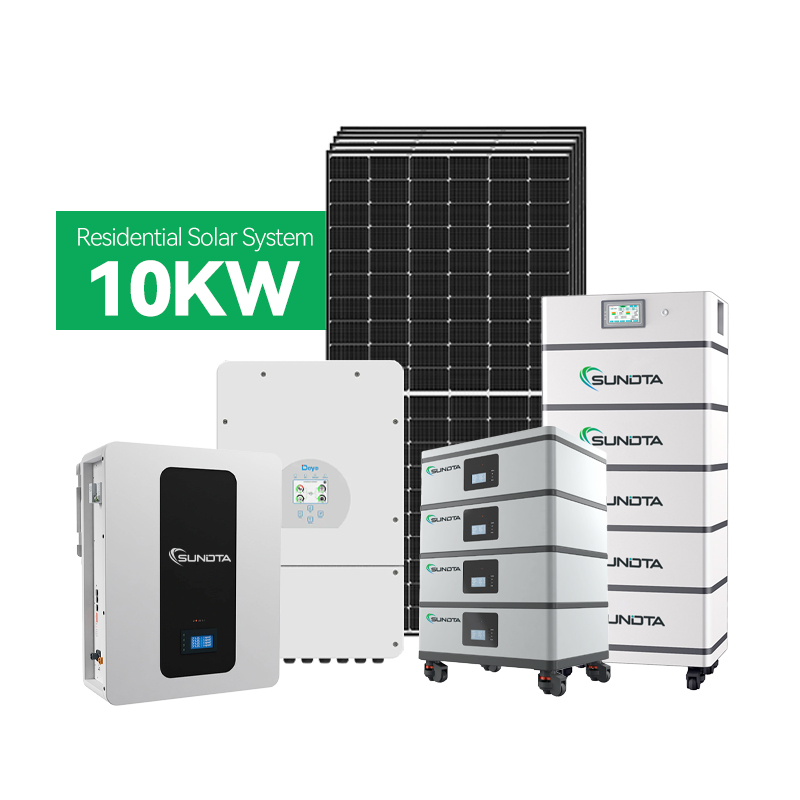
Stock Available Sundta 5KW 8KW 10KW 12KW Complete Hybrid System Kit
- 5kW–20kW Smart Inverter + LiFePO4
- High Efficiency Dual MPPT Trackers
- Rapid 8ms Automatic Transfer Switch
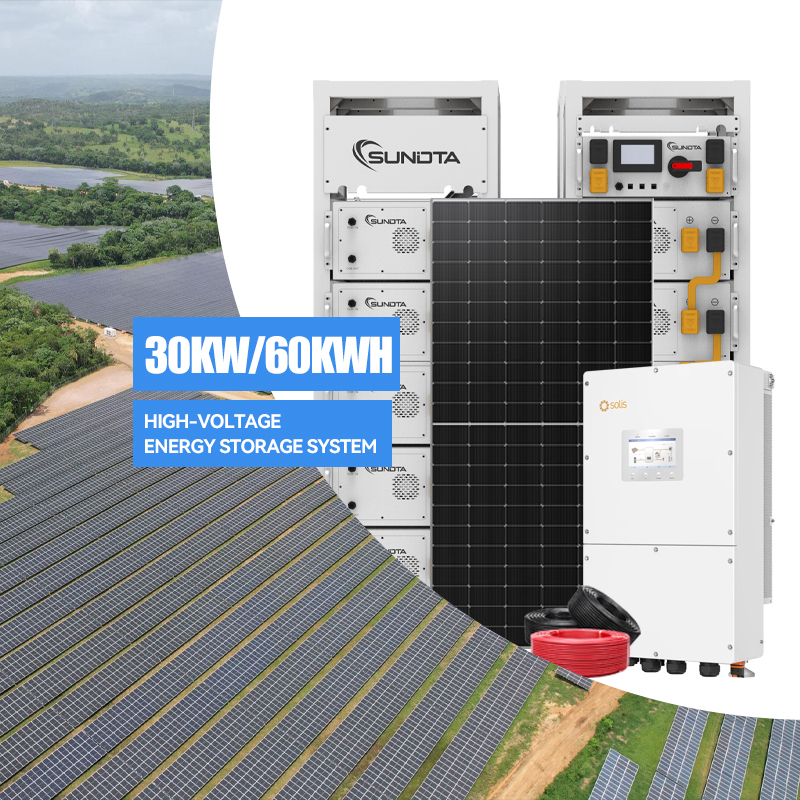
Off Grid Hybrid Solar Energy Storage System 20KW 30KW 40KW Hot-Selling
- 20kW–40kW Three-Phase Hybrid Inverter
- Full Off-Grid / Grid-Tied Coordination
- CE, TÜV Rheinland & ISO Certified
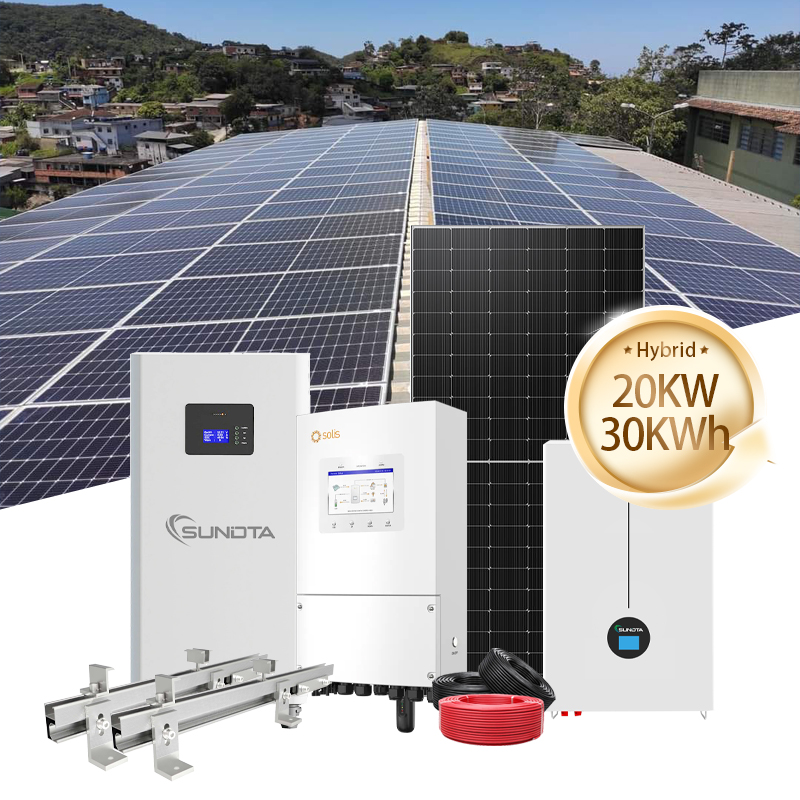
Complete Hybrid Solar Energy Storage System 20KW 30KW 50KW with Lithium Battery
- 20–50kW High Output Solar Arrays
- Integrated Modular Energy Architecture
- Peak Shaving & Emergency UPS Logic
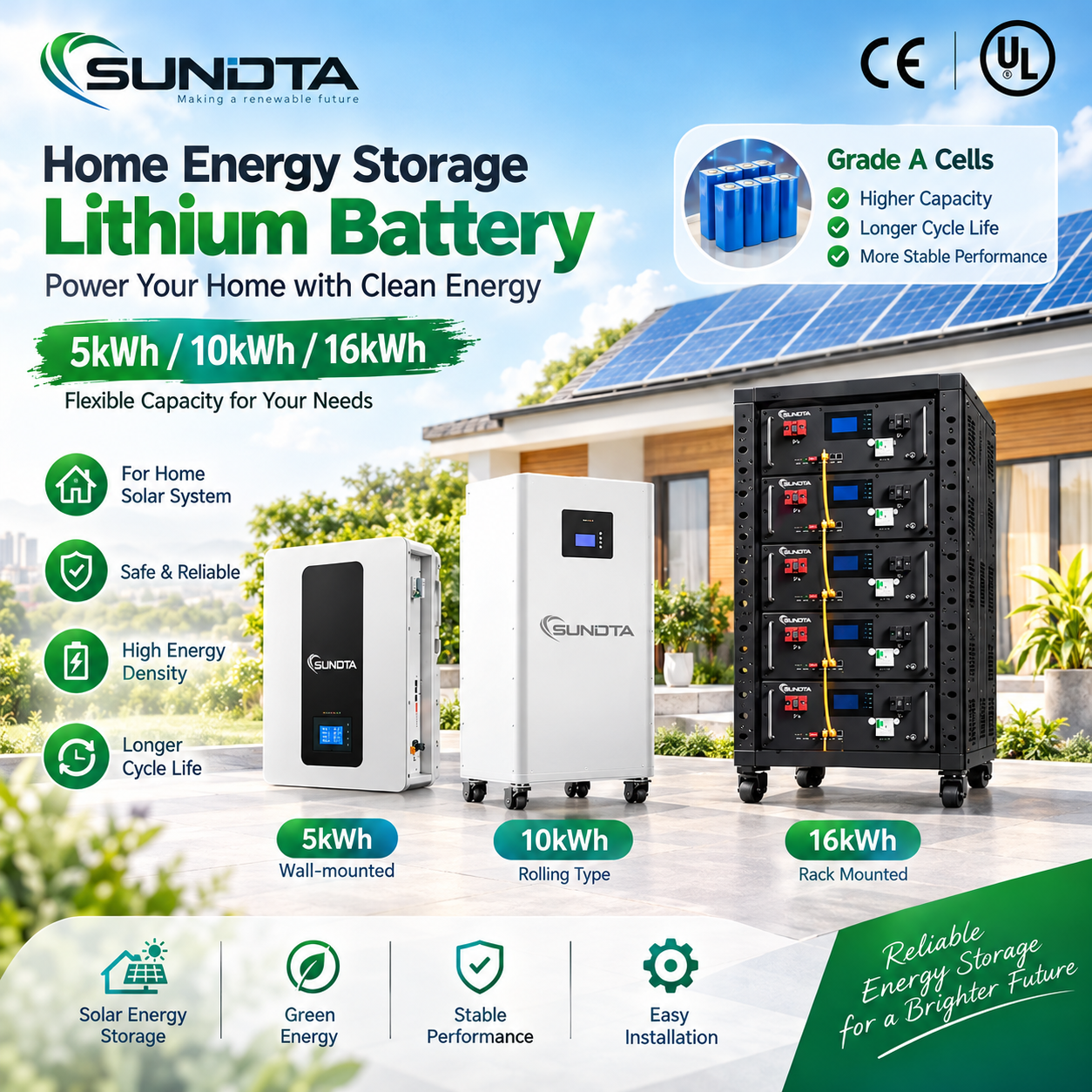
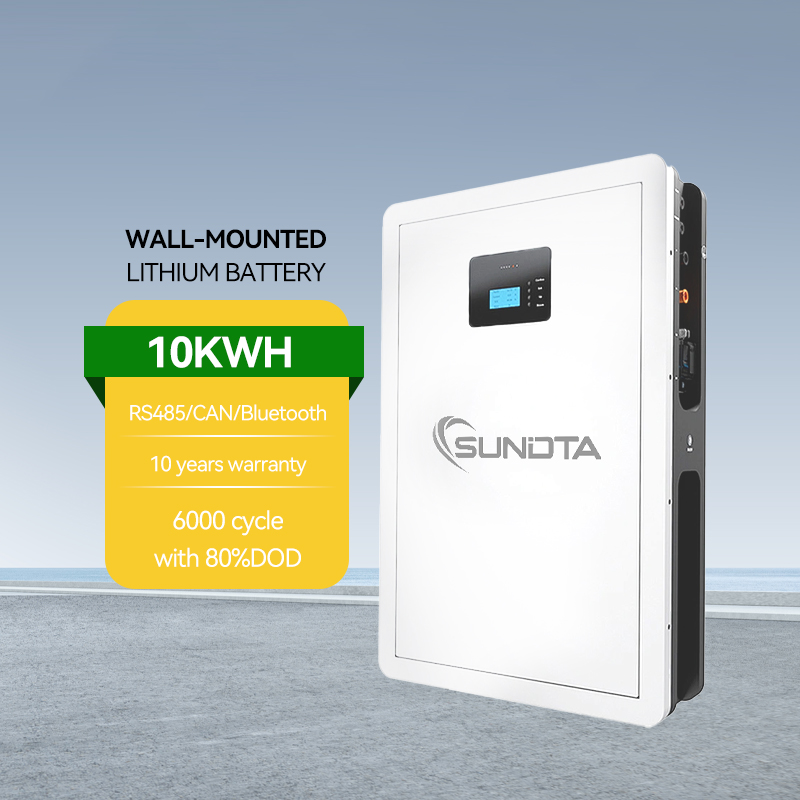
Sundta 51.2V 200Ah 10kWh LiFePO4 Battery Wall Mounted Energy Storage
- Prismatic Tier-1 LiFePO4 Cell Modules
- CAN/RS485 Multi-Protocol Closed-Loop
- 6,000+ Deep Cycles @ 80% DOD
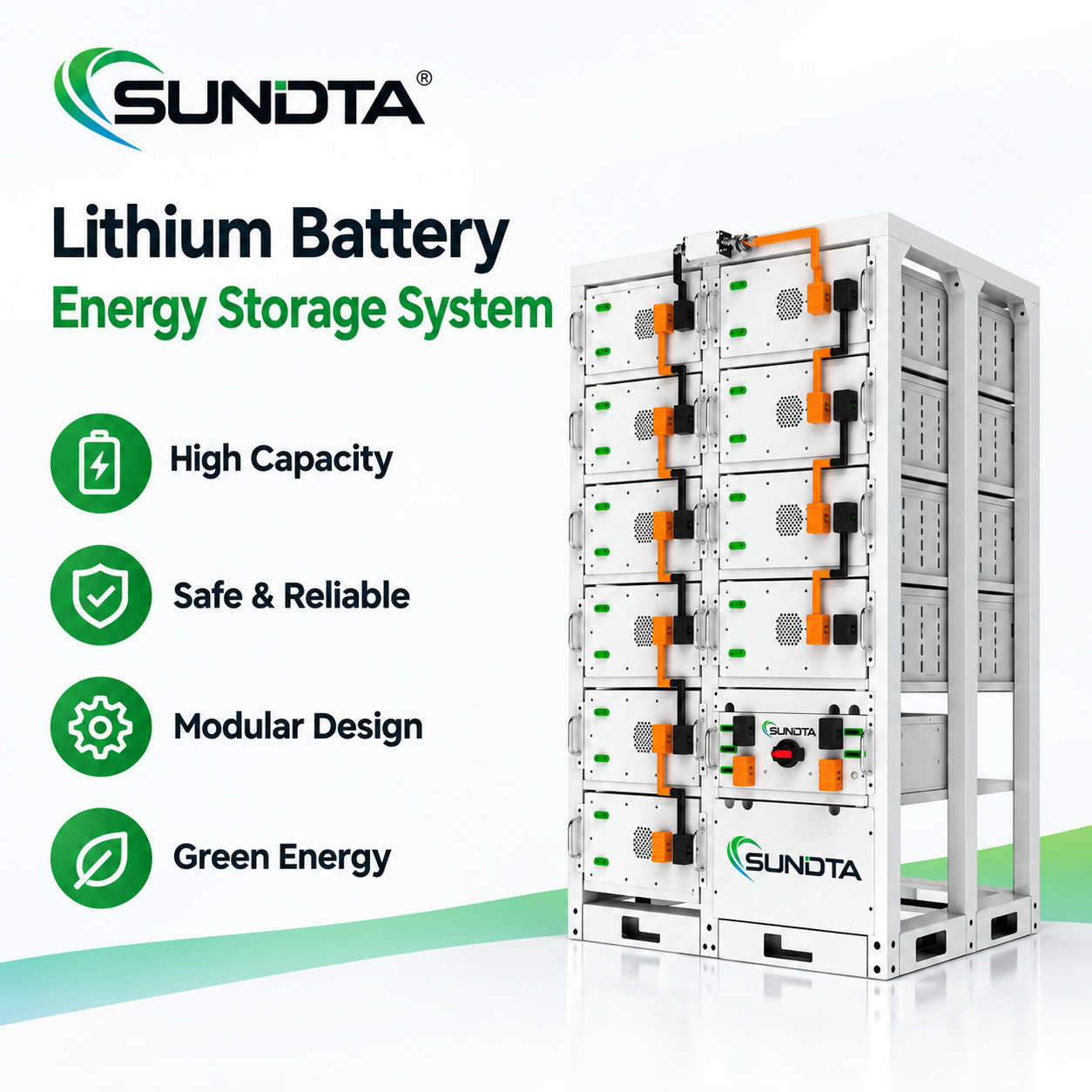
Smart BMS 51.2V Stackable LiFePO4 Battery Storage Inverter Compatible
- Modular Stacking up to 80kWh Bank
- Seamless Deye & Solis Handshake
- Quick-Plug High Voltage Wiring
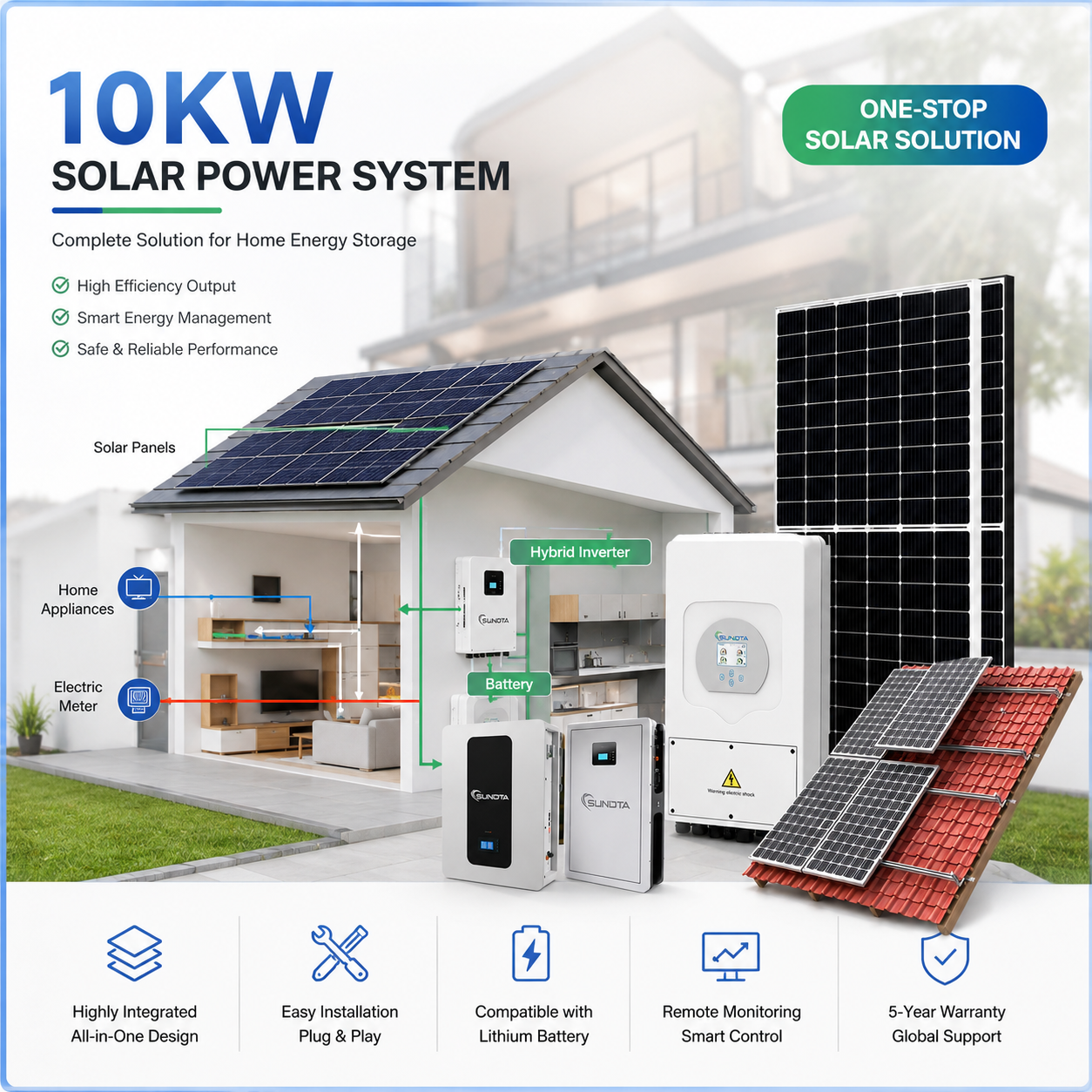
15kW-50kW High-Efficiency Hybrid System with Smart MPPT for Whole-House Backup
- 99.9% MPPT Dynamic Tracking Purity
- Whole-Property Essential Load Backup
- Generator Auto-Start Integration Port
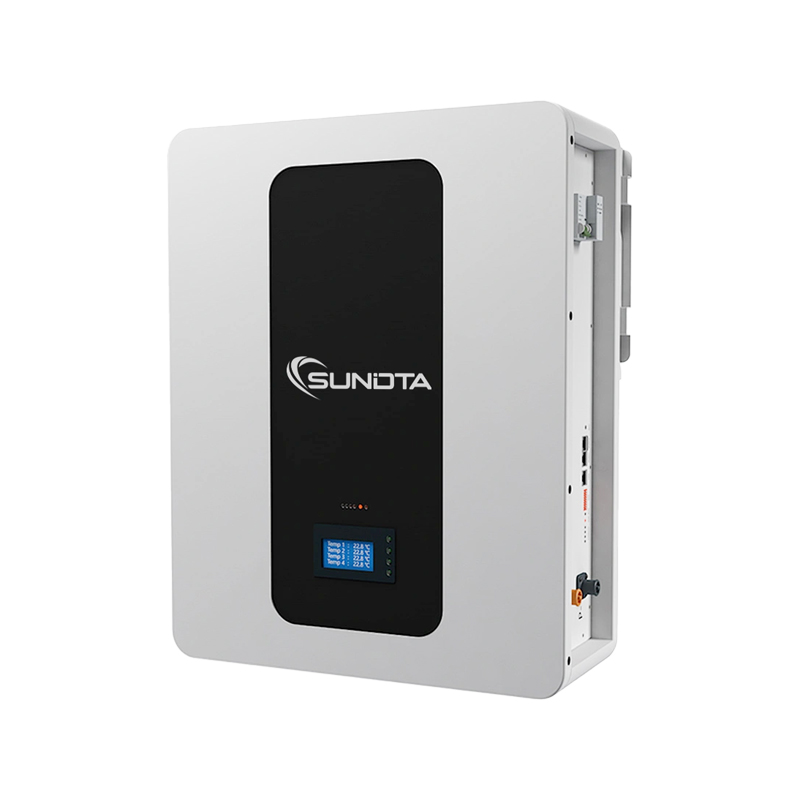
Fast Shipping Stock Solar Battery 48V 51.2V 100Ah 200Ah 5kWh LiFePO4 Pack
- 48V / 51.2V Universal Compatibility
- Slim Wall-Hanging Enclosure Design
- Multi-Unit Parallel Support (Up to 15)
Sundta 48V/51.2V LiFePO4 Battery 10kWh Home Energy Storage System 200Ah
- 200Ah Nominal Extended Power Core
- Heavy Gauge Thermal Insulated Shell
- UN38.3 & CE Transport Compliant
The Masaya Solar Paradigm: Engineering Grid-Resilience for Western Nicaragua
As the commercial heartbeat of Nicaragua's craft manufacturing, agricultural processing, and cultural tourism, the department of Masaya presents a uniquely demanding operating profile for renewable energy generation. While Masaya benefits from exceptional equatorial solar irradiance—averaging between 5.3 and 6.2 kWh/m²/day throughout the dry and wet seasons—its regional distribution grid experiences profound technical vulnerabilities. Medium-voltage lines administered through regional substations are historically prone to severe voltage transients, unannounced load-shedding, harmonic distortion, and frequency excursions.
For municipal enterprises in Masaya city, textile workshops in Monimbó, agricultural packaging hubs in Nindirí, and processing plants in Masatepe, grid collapse translates directly to expensive production halts, machinery damage, and unrecoverable downtime. Standard on-grid string inverters fail to address these local pain points because anti-islanding mechanisms immediately trip systems off during grid anomalies, leaving operations paralyzed during high-sunlight hours.
To eliminate these vulnerabilities, China's leading smart solar inverter manufacturers—anchored by specialized tier-1 facilities such as Anhui RJV New Energy Co., Ltd. in Hefei—have engineered next-generation hybrid architectures. These devices fuse multi-stage Maximum Power Point Tracking (MPPT) algorithms, intelligent bi-directional DC-DC converters, and autonomous battery-management subroutines into an integrated power center. Rather than simply converting solar photons to AC power, these smart inverters function as intelligent microgrid managers: balancing solar generation, battery storage reserves, standby diesel generator inputs, and unstable utility lines with sub-10-millisecond uninterruptible power supply (UPS) switching latency.
Environmental Hardening: Countering Volcanic Sulfur & Tropical Humidity in Masaya
Supplying smart solar inverters to the Masaya market demands an engineering discipline far beyond standard consumer electronics. Masaya sits in close proximity to the active Santiago crater of the Masaya Volcano, which continuously emits significant plumes of sulfur dioxide (SO₂), hydrogen sulfide (H₂S), and fine volcanic particulates. When coupled with the department’s tropical relative humidity (often exceeding 80% to 90% during the rainy season) and high ambient temperatures peaking at 35°C, airborne sulfur converts to dilute sulfurous acid. This creates an aggressively corrosive atmospheric environment that rapidly degrades exposed PCB copper traces, terminal lugs, and cooling heat sinks.
Wholesale smart solar inverters sourced from our Hefei production facilities are custom-engineered with localized durability enhancements specifically suited to resist these environmental stressors:
IP65 / IP66 Hermetic Isolation
Electronics chambers are completely sealed with high-density polyurethane gaskets. Internal sensitive silicon switching stages (IGBT/SiC MOSFETs) are physically separated from external cooling air channels to prevent corrosive sulfurous particulate ingress.
Conformal Class 3C3 Coating
Every internal printed circuit board (PCB) undergoes a automated dual-pass robotic conformal coating process adhering to IEC 60721-3-3 Class 3C3 standards. This chemical shield prevents acidic condensation from attacking micro-soldering joints.
Intelligent Thermal De-rating
Tropical climates cause conventional inverters to throttle output early in the day. Our units feature oversized finned aluminum alloy heat sinks and dual magnetically levitated IP68 cooling fans, sustaining full 100% rated capacity up to 45°C ambient temperatures.
Localized Application Scenarios Across Masaya Municipalities
Through our comprehensive supply chain in Hefei, China, we export targeted power capacities engineered to resolve specific operational challenges across key commercial, industrial, and rural zones of the Masaya Department:
Masaya City Center & Monimbó
High-density residential rooftops and artisan workshops operating leather crafting machinery, sewing machines, and domestic loads. Requiring clean split-phase 120V/240V power with silent LiFePO4 energy storage that replaces noisy, fume-emitting gasoline generators.
Nindirí & Tisma Agricultural Zones
Fruit packaging plants, poultry incubators, and dairy chillers requiring continuous three-phase power. Inverters must tolerate deep motor starting inductive inrush currents without tripping offline or dropping operational voltage.
Catarina, San Juan de Oriente & Laguna
Boutique hotels, viewpoints, restaurants, and pottery craft centers vulnerable to regional weekend power blackouts during peak tourist intake. Demands 100% silent solar operation with generator auto-start integration for extreme emergency reserves.
Rural Masatepe & Valley Outskirts
Isolated agricultural perimeters lacking utility connectivity. Dedicated solar pump inverters and off-grid hybrid units driving deep-well submersible water pumps directly from DC solar strings during daylight with zero grid connection.
Engineering Benchmark: Inverter Topologies for Western Nicaragua
Importers, engineering contractors (EPCs), and solar wholesalers in Masaya must navigate technical trade-offs between differing inverter power topologies. The matrix below contrasts the three primary architectural classes distributed by Anhui RJV New Energy Co., Ltd.:
| Performance Parameter | High-Frequency Transformerless Hybrid (e.g., Solis S6) | Low-Frequency Heavy Transformer Inverter | Modular High-Voltage Commercial Hybrid (Deye / Solis HV) |
|---|---|---|---|
| Primary Application | Residential villas, urban workshops, small commercial | Heavy agro-industrial, sawmills, deep-well pumping motors | Large craft factories, packing hubs, commercial facilities |
| Inverter Efficiency | 97.6% – 98.2% Maximum Efficiency | 91.0% – 93.5% (Thermal core transformer losses) | 98.4% – 98.8% Peak MPPT & Inversion Efficiency |
| Surge Capacity (Motor Starts) | 150% rated power for 10 seconds | 300% rated power for 20 seconds (Heavy inductive) | 160% rated power for 10 seconds |
| Battery Bus Voltage | Low-Voltage 48V / 51.2V DC (Safe installation) | Low-Voltage 48V DC | High-Voltage 160V – 800V DC (Minimal cable line drop) |
| Grid Reconnection Speed | Fast UPS switching (<8ms to 10ms) | Standard switching (15ms to 20ms) | Seamless UPS-grade (<4ms to 8ms) |
| Sulfur & Salt Corrosion Immunity | Class 3C3 coated, IP65 sealed enclosure | Standard IP21 / IP31 (Requires protected dry room) | Class 3C3 coated, IP66 NEMA 4X industrial housing |
Nicaraguan Regulatory Landscape & Distributed Generation Trends
The solar market within Nicaragua has entered an accelerated expansion phase driven by national energy diversification directives under the Ministry of Energy and Mines (MEM) and the regulatory framework established by the Nicaraguan Energy Institute (INE). Key developments shaping procurement behavior across the Masaya solar supply chain include:
1. Escalating Retail Electricity Tariffs: Commercial and small industrial users in Masaya served by distributor Disnorte-Dissur endure some of the highest tier-rate tariffs in Central America, frequently ranging between $0.22 and $0.31 per kilowatt-hour (kWh). Sponsoring on-site smart solar inversion directly compresses levelized cost of energy (LCOE) to under $0.05/kWh over a 25-year asset lifecycle.
2. Interconnection Compliance (Net Billing Protocols): Local grid connection for distributed systems necessitates strict adherence to IEEE 1547 and UL 1741 standards. Smart solar inverters exported from our manufacturing facilities feature pre-programmed grid codes matching Central American grid requirements, including adjustable over/under-voltage protection limits, anti-islanding trip thresholds, and certified zero-injection export-limitation meters (essential where distribution companies delay bi-directional net-meter agreements).
3. Transition from Lead-Acid to Closed-Loop LiFePO4: The Masaya commercial market is rapidly phasing out traditional flooded lead-acid and gel batteries due to their short 2-to-3 year lifespans under tropical heat and lack of digital communication. The local market now predominantly mandates 51.2V and high-voltage Lithium Iron Phosphate (LiFePO4) systems with integrated Smart Battery Management Systems (BMS) communicating via CANbus or RS485 directly with the inverter’s firmware.
Why Masaya Importers & EPCs Partner with Anhui RJV New Energy
Sourcing directly from China represents a tremendous competitive price and quality advantage for Nicaraguan distributors, provided they work with a fully audited, accredited, and operationally transparent manufacturing partner. Headquartered in Hefei’s High-Tech Innovation Industrial Park, Anhui RJV New Energy Co., Ltd. eliminates international procurement risks through end-to-end technical control:
2 GW Automated Manufacturing
State-of-the-art robotic production lines producing ultra-efficient TOPCon modules and tightly controlled inverter assembly with zero manual soldering variability.
TÜV Rheinland Assessed
Full on-site supplier verification and ISO9001/14001 certification. Every product batch carries genuine CE, IEC 61215, IEC 61730, and UN38.3 test documentation.
Pre-Engineered BOM Matching
No commissioning finger-pointing. We ensure inverter MPPT input voltages, battery BMS communication protocols, and PV string designs are 100% matched prior to loading.
Corinto Direct Sea Logistics
Specialized export crating and containerization via FOB Shanghai/Ningbo or CIF Puerto Corinto, Nicaragua, complete with consular documents and customs flash-test sheets.
Masaya Procurement FAQ: Technical & Commercial Answers for Solar Buyers
Below are authoritative answers compiled by our international applications engineering team addressing the most critical technical, commercial, and logistical queries raised by solar contractors, importers, and EPC firms in Masaya:
How do RJV smart inverters prevent corrosion from Masaya's volcanic emissions? ▼
Our hybrid inverters feature a segregated thermal and electrical chamber design certified to IP65/IP66. The core electronics, microprocessors, and power semiconductors (IGBTs) are housed within an airtight compartment protected by continuous rubber compression seals. Furthermore, all internal circuit boards are protected with automated dual-layer silicone conformal coating certified to IEC 60721-3-3 Class 3C3, which prevents airborne sulfur dioxide (SO₂) and volcanic acid mist from contacting conductive micro-soldered copper paths.
Can the inverter operate safely with the high voltage fluctuations of Disnorte-Dissur? ▼
Yes. The utility grid in the Masaya and Managua metropolitan areas regularly experiences voltage swings extending between 180V and 265V AC. Our smart inverters integrate an ultra-wide programmable AC input window. Through the LCD interface or mobile monitoring portal, installers can calibrate trip thresholds, ramp-up delays, and voltage regulation parameters to match regional Nicaraguan grid conditions, completely preventing false blackout trippings while safeguarding sensitive downstream customer machinery.
How does the BMS closed-loop communication work with your LiFePO4 batteries? ▼
Our Sundta and customized stackable LiFePO4 battery modules feature an intelligent master BMS equipped with dedicated CANbus and RS485 communication protocols. When paired with our hybrid inverters (as well as partner architectures like Deye and Solis), the inverter and battery establish a real-time digital handshake. The BMS actively dictates maximum charge/discharge current, dynamic voltage setpoints, and cell-temperature limits directly to the inverter, eliminating battery degradation caused by uncoordinated open-loop charging.
What shipping route, lead time, and Incoterms apply for delivery to Masaya? ▼
We routinely support EXW, FOB (Shanghai, Ningbo, or Shenzhen), CFR, and CIF delivery terms. For shipments destined for Masaya, freight is routed directly into Puerto Corinto on Nicaragua's Pacific coast. Maritime transit from main Chinese container terminals to Corinto generally spans 28 to 36 days. Inland bonded trucking from Puerto Corinto to warehouses in Masaya or Managua takes an additional 24 to 48 hours following customs release. All systems are crated in sea-worthy reinforced plywood boxes with anti-humidity desiccant packing.
What is the Minimum Order Quantity (MOQ) for wholesale buyers and OEM customization? ▼
To support growing installation businesses and distributors in Nicaragua, our minimum order quantity for hybrid solar inverters and complete wall-mounted LiFePO4 battery units starts from just 1 unit/set for evaluation samples. For customized OEM production—including custom silkscreen front branding, specific Spanish LCD menus, tailored packaging, and custom-tuned firmware parameters—the typical MOQ begins at 10 to 20 units depending on the kilowatt capacity.
Can your hybrid inverters synchronize with existing on-site backup diesel generators? ▼
Absolutely. For commercial operations in Masaya that already possess emergency standby diesel generators, our hybrid inverters offer a dedicated auxiliary generator input port with dry contact auto-start relay capabilities. When solar production is zero and the LiFePO4 battery depth-of-discharge reaches a pre-set emergency threshold (e.g., 15%), the inverter sends an automated start signal to the generator, runs it at its peak fuel efficiency curve to recharge the battery bank and service critical loads, and automatically shuts it down once reserves are restored.
How are warranty claims, field repairs, and spare parts handled internationally? ▼
All RJV smart hybrid inverters include a standard 5-year factory warranty (extendable to 10 years), and LiFePO4 storage batteries carry a standard 5 to 10-year / 6,000-cycle warranty. For our wholesale and distribution partners in Central America, we provide 1% to 2% complimentary spare parts (including replacement mainboards, MPPT control boards, cooling fans, and LCD modules) with container shipments, accompanied by comprehensive component-level video diagnosis and 24/7 direct remote engineering support via digital conferencing.