Commercial PV & Energy Storage Lineup Serving Detroit
Engineered to withstand Michigan's severe thermal cycling and sub-zero freeze-thaw cycles, our tier-engineered solar panels, stackable LiFePO4 batteries, and hybrid power systems integrate seamlessly with DTE Energy grid-tie standards.
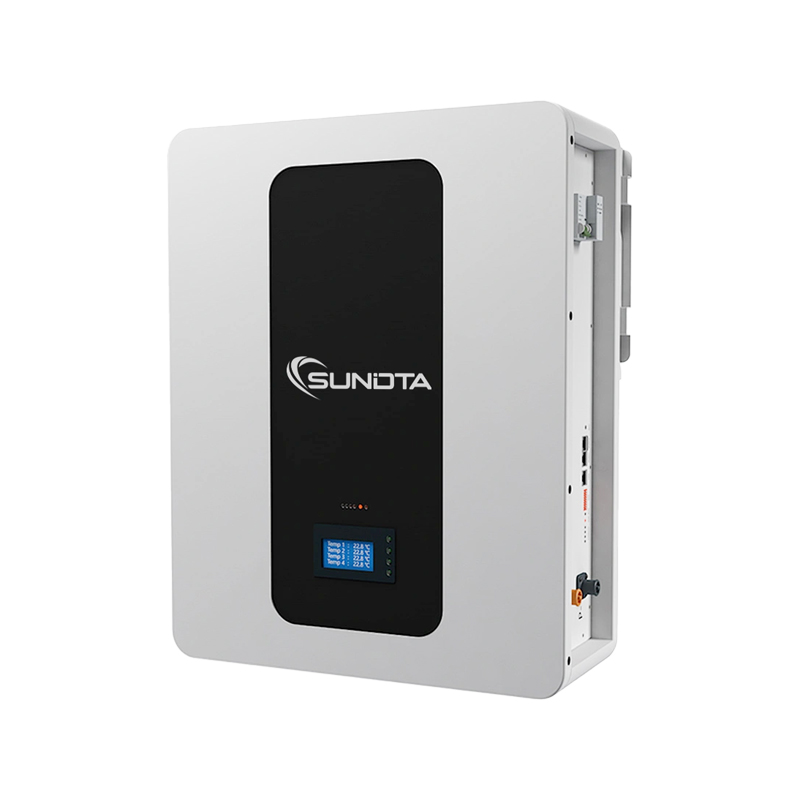
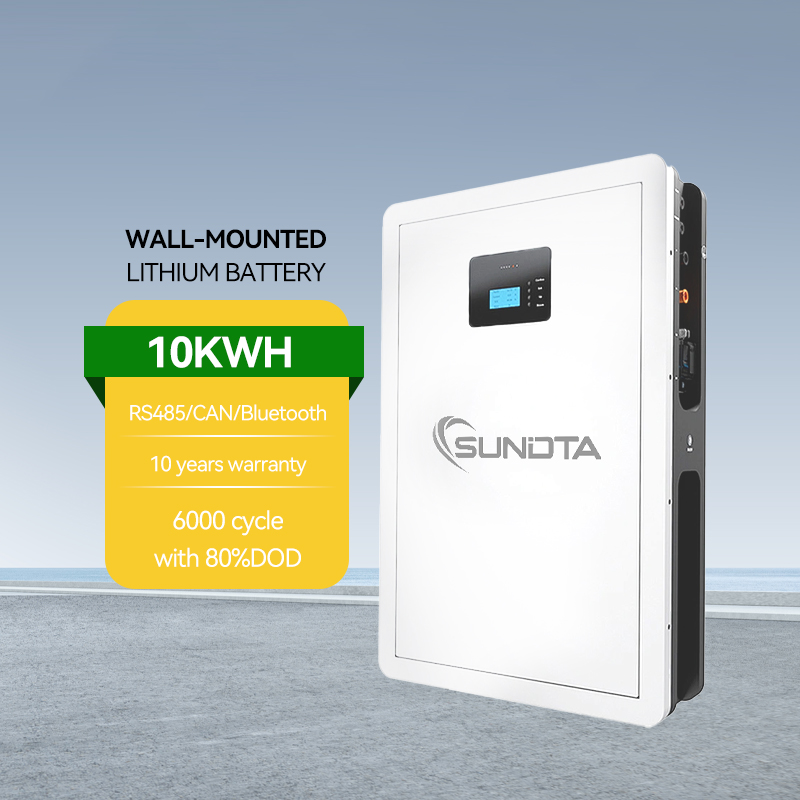
- 200Ah nominal capacity, deep-cycle cells
- Wall-mounted industrial steel chassis
- Dual CAN/RS485 closed-loop communication
- 6,000+ cycle life at 80% DoD
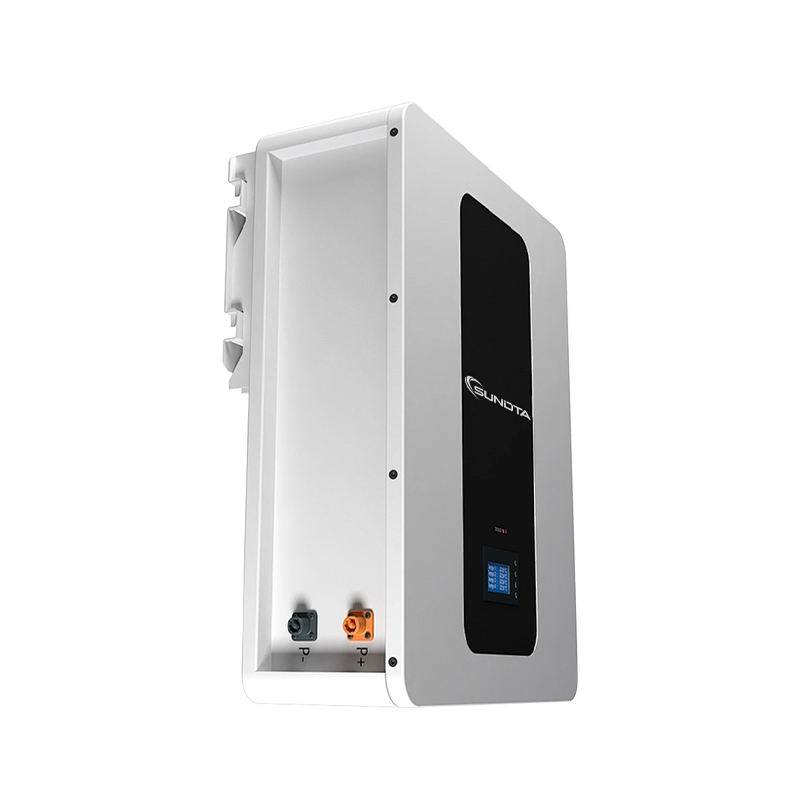
- 51.2V 100Ah high-safety prismatics
- IP65-rated moisture & dust ingress casing
- Smart thermal sensor array for sub-zero safety
- Compatible with Solis, Deye, and Growatt
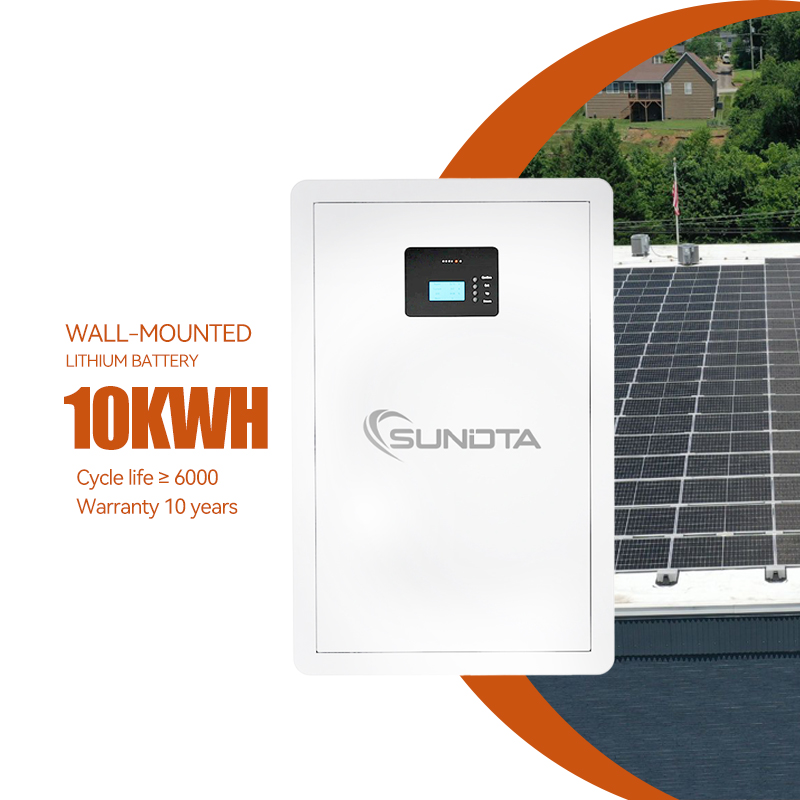
- Integrated cell-level active balancing
- Zero thermal runaway LFP chemistry
- Scalable parallel grouping up to 160kWh
- Designed for light commercial demand reduction
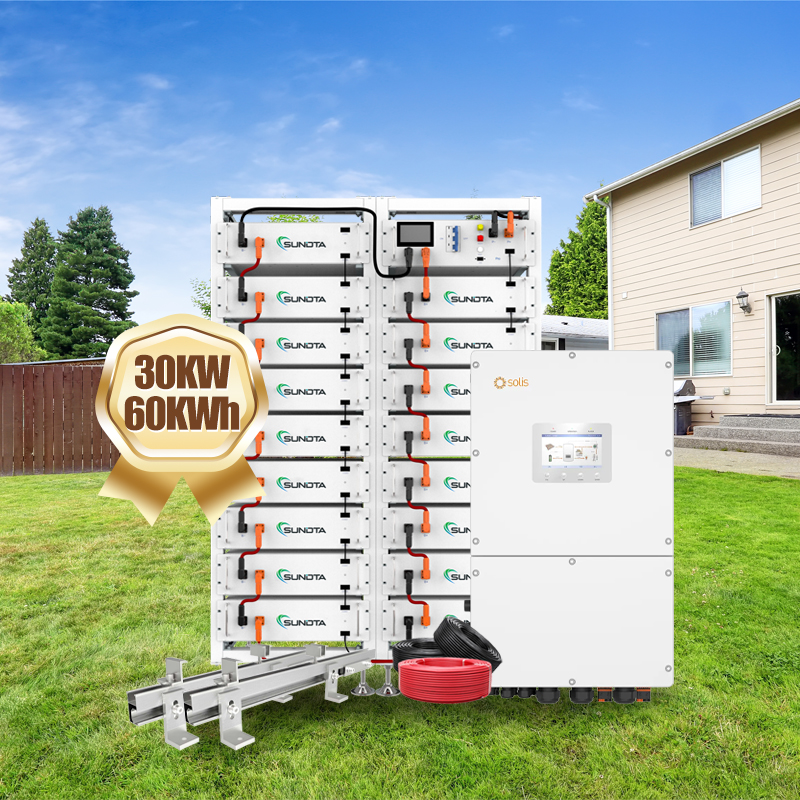
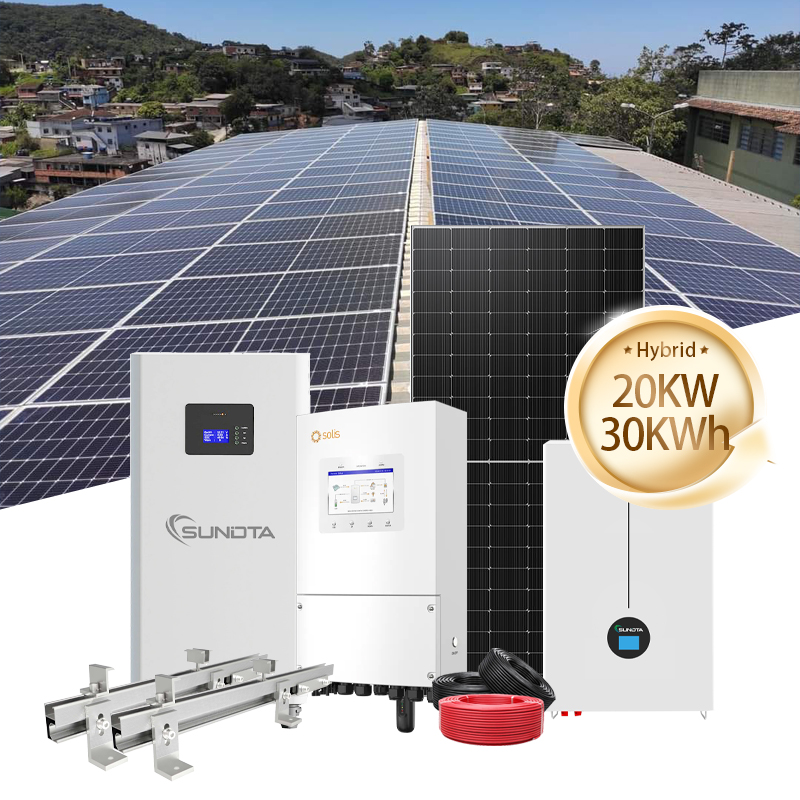
- Pre-engineered 30kW three-phase inverter
- Matched high-density TOPCon solar arrays
- Smart rapid-shutdown & AFCI safety
- Includes racking, cabling & combiners
- Factory-direct bonded inventory support
- Ultra-fast cycle-to-float recovery
- Reinforced mounting brackets for warehouse walls
- RS232/CAN remote cloud telemetry
- Configured for industrial peak load clipping
- Seamless on-grid/off-grid UPS transfer <10ms
- High DC/AC loading ratio up to 1.5
- High-voltage battery bank architecture
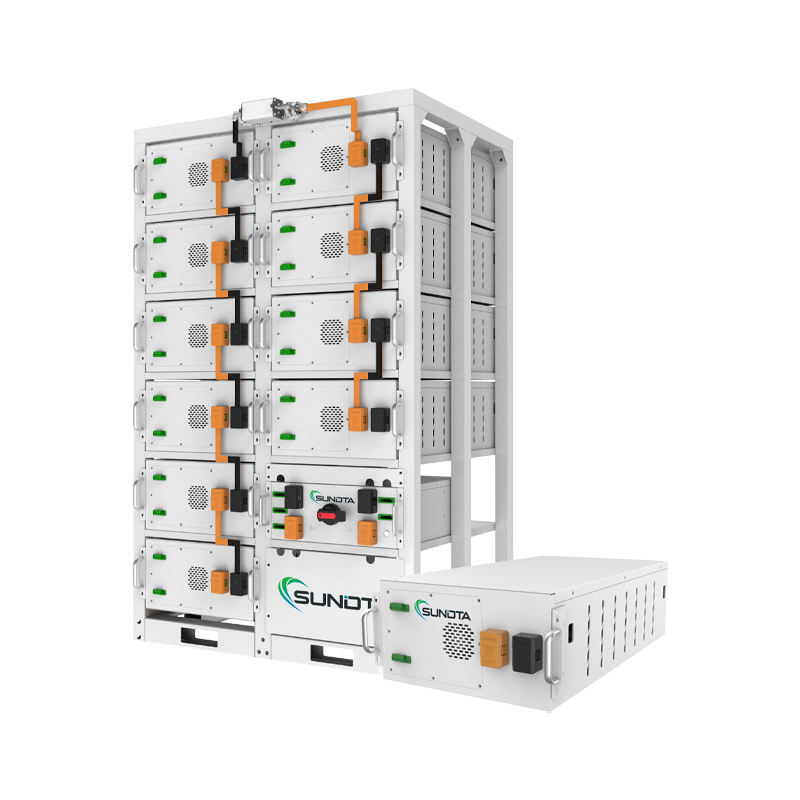
- Tool-free vertical stacking interconnects
- Heavy gauge steel housing with thermal isolation
- Multi-level electrical and thermal safety design
- 98% round-trip coulombic efficiency
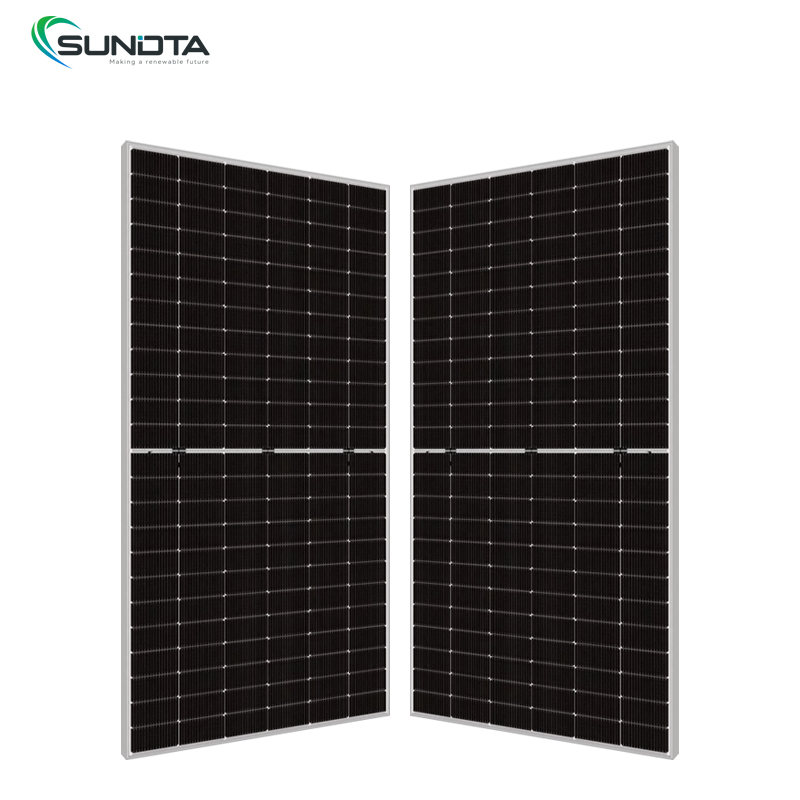
- 23.2%+ module efficiency with N-type cell architecture
- Bifaciality up to 85% for high albedo winter snow gain
- Ultra-low temperature coefficient (-0.30%/°C)
- Certified 5400Pa front snow / 2400Pa rear wind load
Commercial Solar Deployment Scenarios Across Detroit & Wayne County
Commercial and industrial facility operators across Southeastern Michigan face unique grid structures, high non-coincident demand charges, and harsh Great Lakes microclimates. Our systems are engineered to solve these exact geographical challenges.
Automotive Tier-1 Suppliers & Stamping Plants
Heavy fabrication and injection molding facilities across Warren, Dearborn, and Livonia operate on intensive peak-demand tariffs. By coupling our 700W+ N-Type Bifacial TOPCon panels with industrial containerized ESS, auto plants shave high DTE Energy demand spikes during robotic shift startups and machine cycling, drastically lowering capacity reservation fees.
Logistics Warehouses & Cold Storage (I-94 & I-75 Corridors)
Detroit's expansive freight corridors feature expansive TPO and EPDM membrane roofs. Using lightweight high-power density modules with ballast or mechanically attached racking, distribution centers convert expansive square footage into multimegawatt generators. Cold storage units run continuous daytime compressors directly off zero-marginal-cost solar power.
Brownfield Redevelopment & Urban Microgrids
Wayne County features historical manufacturing brownfields perfectly primed for renewable repurposing under the Inflation Reduction Act’s Energy Community Tax Credit Bonus. Our utility-grade ground mount bifacial systems revitalize decommissioned assembly grounds into active clean energy hubs, feeding municipal microgrids and commercial vehicle fleet charging stations.
Navigating Detroit's Solar Policy Landscape: DTE Energy, Michigan PA 235 & Federal Incentives
The transition toward commercial-scale solar across Southeastern Michigan is backed by the aggressive regulatory mandates outlined in Michigan's landmark Clean Energy and Climate Action Package (Public Act 235), requiring regulated utilities to achieve 100% clean electricity by 2040, alongside a 2,000 MW carve-out for distributed clean generation. For commercial developers, EPCs, and building operators in Detroit, understanding the financial interplay between local utility tariffs and federal tax incentives represents the core differentiator for project internal rates of return (IRR).
1. DTE Energy Distributed Generation (DG) Rider vs. Peak Demand Shaving
In Detroit, commercial solar systems connect to DTE Energy's distribution network under the Distributed Generation (DG) inflow/outflow billing mechanism. Unlike legacy net metering, outflow generation (power exported to the grid) is credited at DTE's avoided-cost rate—typically around the LMP (locational marginal price) wholesale clearing price—which is lower than retail volumetric power tariffs. Therefore, optimizing behind-the-meter self-consumption via integrated LiFePO4 battery energy storage (BESS) yields significantly higher value than pure export.
Detroit commercial enterprises on DTE tariffs D3 (General Commercial) or D11 (Primary Supply) incur substantial monthly demand charges ($/kW), established by their single 15-minute peak during on-peak summer periods. Utilizing our high-voltage battery storage cabinets with automated automated EMS software allows C&I clients to throttle peak grid consumption, locking in ongoing operational OPEX savings.
2. Stackable Tax Credits: The 30% Base ITC + 10% Brownfield Bonus
Federal policy under Section 48 Investment Tax Credit (ITC) yields significant capital expenditure offset for Detroit developments. When equipment meets the domestic content thresholds and projects qualify under the Energy Community Tax Credit (which explicitly covers metropolitan statistical areas with elevated historical fossil/industrial employment and Wayne County census tracts containing brownfield designations), developers can capture an extra 10% bonus, lifting the total upfront tax credit to 40% or even 50%.
3. PV Module Technology Comparison for Michigan's Severe Winters
Selecting appropriate PV module architectures is crucial for Detroit's ASHRAE design temperatures (-15°C / 5°F design conditions) and frequent lake-effect snow covers. Standard P-type PERC panels experience excessive light-induced degradation (LID) and low albedo harvesting compared to modern N-type TOPCon bifacial modules.
| Engineering Metric | Standard P-Type PERC 550W | RJV N-Type TOPCon 700W+ Bifacial | Commercial Value in Detroit / Great Lakes |
|---|---|---|---|
| Module Efficiency | 20.8% - 21.2% | 22.8% - 23.4% | Up to 11% higher power density per square foot on constrained Detroit industrial roofs. |
| Bifaciality Factor | 65% - 70% | 80% - 85% | Harvests secondary reflected radiation from snowy roofs and ground during December–March. |
| Temperature Coefficient (Pmax) | -0.35% / °C | -0.30% / °C | Maintains higher output during hot Midwest summer factory production spikes. |
| First-Year / Annual Degradation | <2.0% first yr / 0.55% yr | <1.0% first yr / 0.40% yr | Greater 30-year cumulative kWh output, directly increasing lifetime PPA asset valuation. |
| Mechanical Snow Load Rating | 2400 Pa standard | 5400 Pa heavy snow reinforced | Complies with local building codes for high-density wet snow accumulation without micro-cracking. |
Engineering Solar Systems for Michigan's Extreme Weather
Detroit arrays must survive harsh winter polar vortexes, Lake Huron/Erie lake-effect snowfall, and humid continental summers. Off-the-shelf residential components fail under these conditions; industrial systems must be reinforced across mechanical, electrical, and thermal domains.
5400Pa Structural Load Frames
Equipped with 35mm-40mm heavy anodized aluminum alloy frames and dual 2.0mm tempered glass to prevent frame bowing and micro-cell cleavage under Wayne County's 40-50 psf snow accumulation limits.
Sub-Zero LFP Battery Heating
LiFePO4 chemistry cannot safely accept fast charging current below 0°C (32°F). Our industrial storage solutions incorporate internal heating mats powered by baseline solar DC, keeping cells at optimal 15°C-25°C ranges.
Albedo Gain on Snow Cover
Double-glass bifacial modules harness light bouncing from snow-covered gravel or white TPO membrane roofs. In Detroit winters, albedo reflection can generate an extra 15% to 25% rear-side yield when front faces are partially obscured.
UL 1741 SB & IEEE 1547-2018
All supplied commercial string inverters and storage PCS meet latest smart inverter grid interconnection codes required by DTE Energy, providing reactive power control, frequency ride-through, and zero-export fail-safes.
Why Major EPCs & Industrial Importers Partner With RJV New Energy
Sourcing commercial solar equipment through intermediaries introduces component mismatch risks, fragmented warranties, and delayed logistics. Anhui RJV New Energy operates advanced manufacturing facilities in Hefei, delivering end-to-end engineered BOM packages to North American commercial developers.
2 GW Automated Manufacturing
Our Hefei smart production base employs high-precision laser non-destructive cutting, multi-busbar (SMBB) soldering, and dual-stage automated EL inspection to eliminate internal cell micro-defects before container staging.
TÜV Rheinland On-Site Verified
Our operational management, ethical production processes, and supply chain accountability are rigorously assessed on-site by TÜV Rheinland. We maintain ISO 9001, ISO 14001, CE, and internationally accepted bankability paperwork.
Guaranteed Component Compatibility
Never deal with communication failure between batteries and inverters on a Detroit jobsite. We pre-commission and flash CAN-bus / RS485 communication protocols with leading power conversion partners including Solis and Deye prior to shipment.
Complete Turnkey BOM Logistics
Ship panels, matching 1500V balance of system (combiners, fuses, DC disconnects), certified racking, and LiFePO4 containers on synchronized bills of lading via FOB, CFR, CIF, or DDP direct to Midwest distribution hubs.
Tier-1 Grade-A Prismatic Cells
Our energy storage modules utilize strictly brand-new, tier-1 brand prismatic LiFePO4 cells with laser-welded nickel busbars, high-current discharge handling, integrated aerosol fire containment, and full cell traceability reports.
24/7 Global Engineering Hotline
Our degreed electrical and structural engineers assist contractors with PVsyst yield modeling, SLD (Single Line Diagram) drafting, string sizing verification, and remote commissioning assistance matching local Michigan electrical inspectors' demands.
Frequently Asked Questions: Detroit Commercial Solar Sourcing
Crucial commercial, technical, and regulatory answers for Wayne County engineering directors, procurement managers, and commercial building developers.
How do DTE Energy interconnection review timelines impact commercial procurement? +
Can bifacial solar panels generate power during Detroit's snow-covered winters? +
What battery storage fire safety codes apply to Wayne County commercial properties? +
What is the typical Minimum Order Quantity (MOQ) and lead time for shipments to Detroit? +
How do commercial hybrid solar-plus-storage systems defend against local power outages? +
Accelerate Your Detroit Commercial Solar Project
Connect directly with Anhui RJV New Energy's senior PV applications engineering team. Request comprehensive manufacturer datasheets, project pricing matrices, factory flash test guarantees, and turnkey system proposals.