TOPCon Bifacial
Premium 585W-595W N-Type Bifacial PV Module
- N-Type Cell Tech with <1% Year-1 LID
- Up to 23.03% Module Efficiency
- Dual-Glass Tropical Storm Load (5400Pa)
- Rear-Side Albedo Gain: 10%–25%
Precision-matched monocrystalline modules, intelligent CAN/RS485 lithium batteries, and split-phase hybrid inverters tuned specifically for the high ambient temperatures and fluctuating grid parameters of Santiago de Cuba.
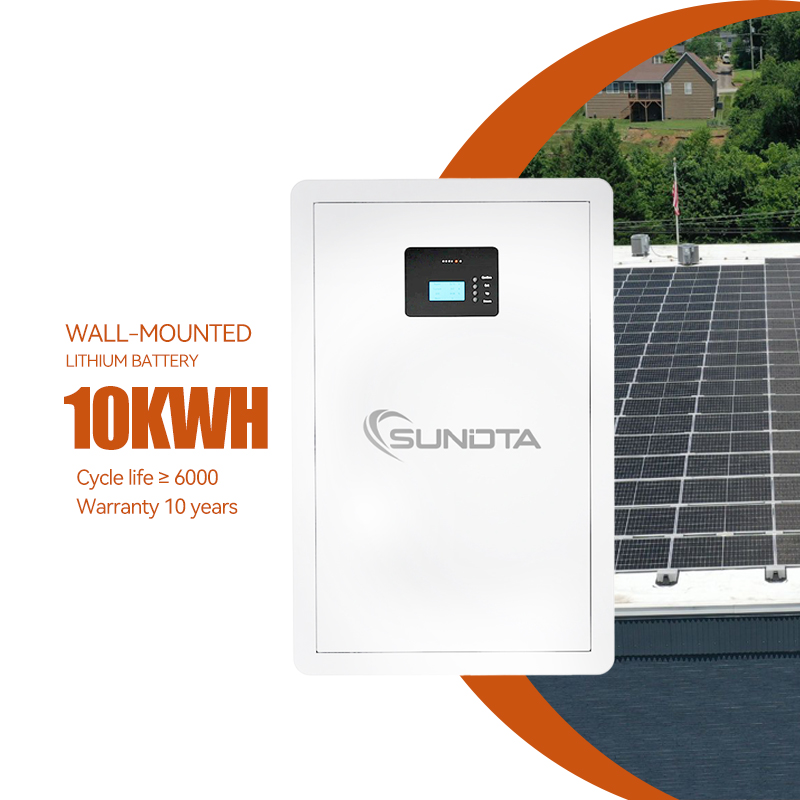
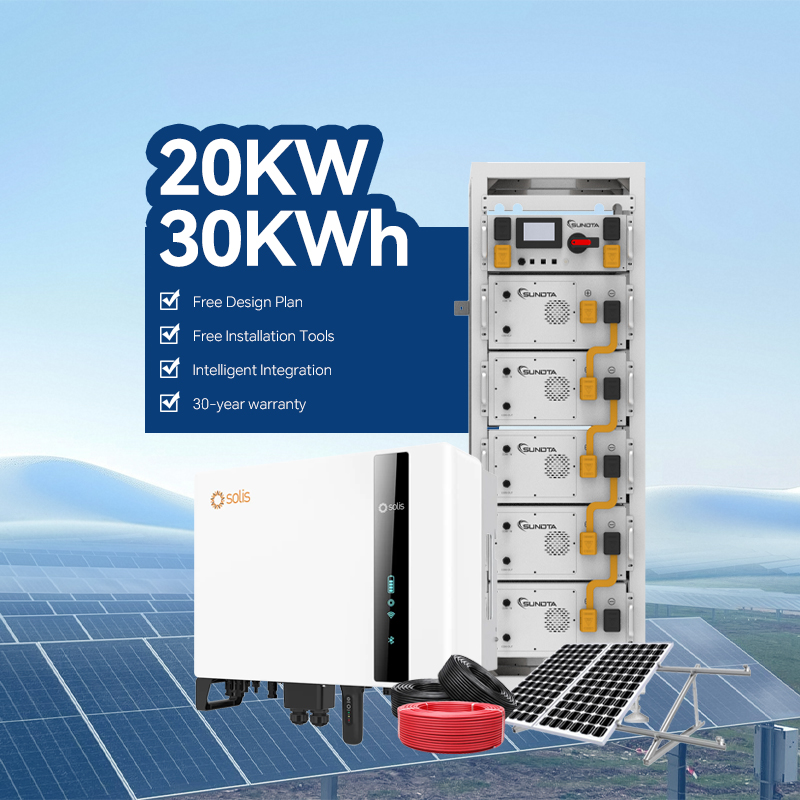
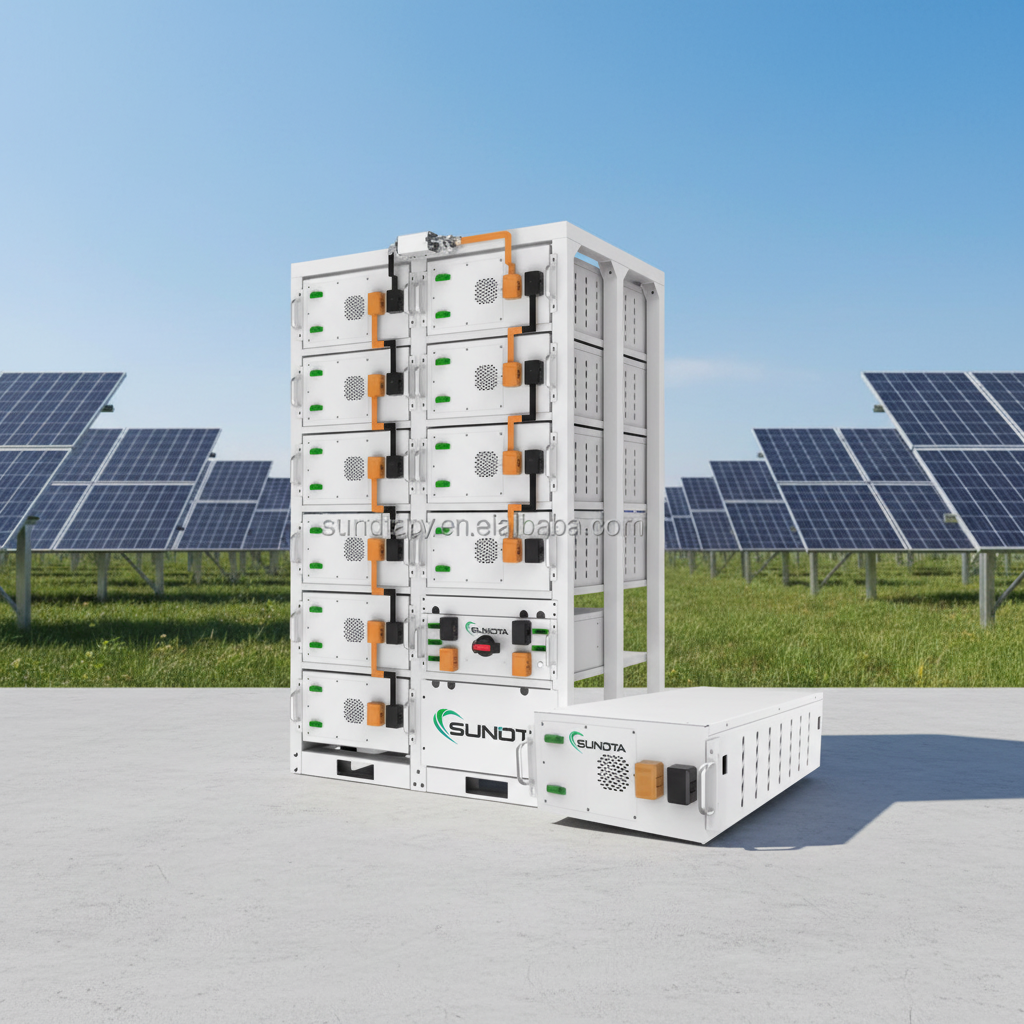
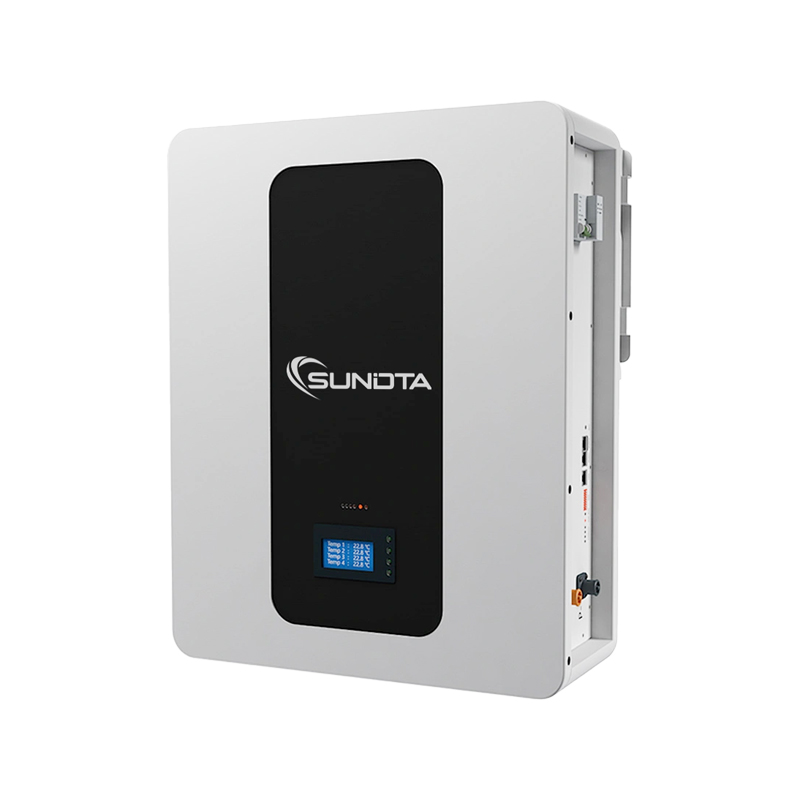
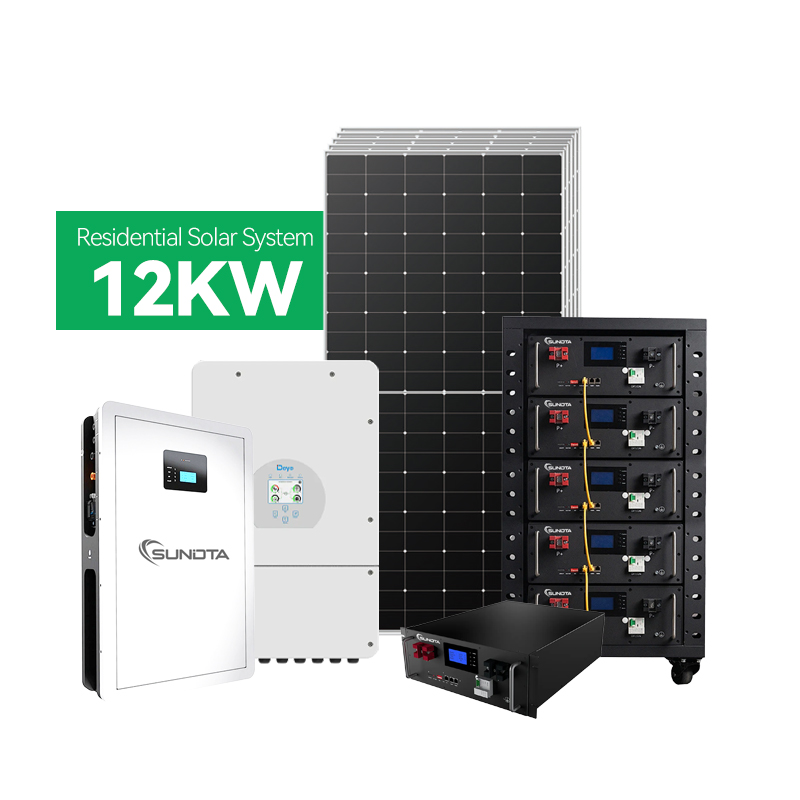
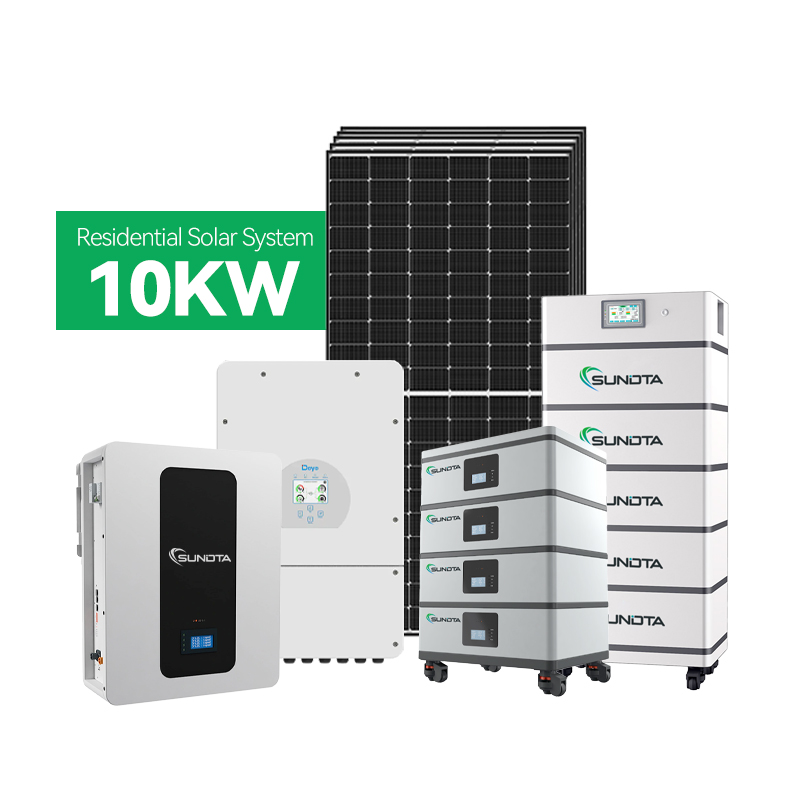
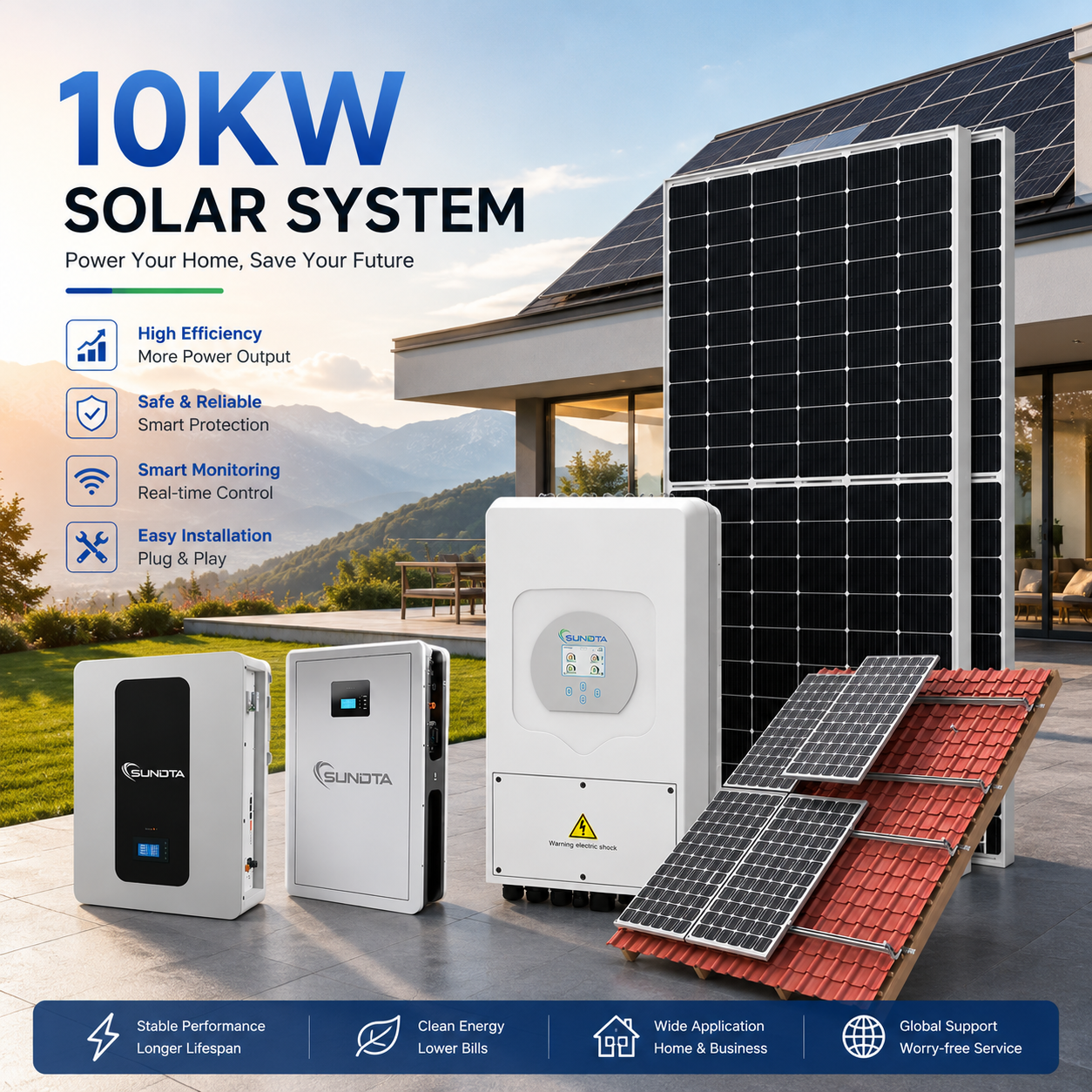
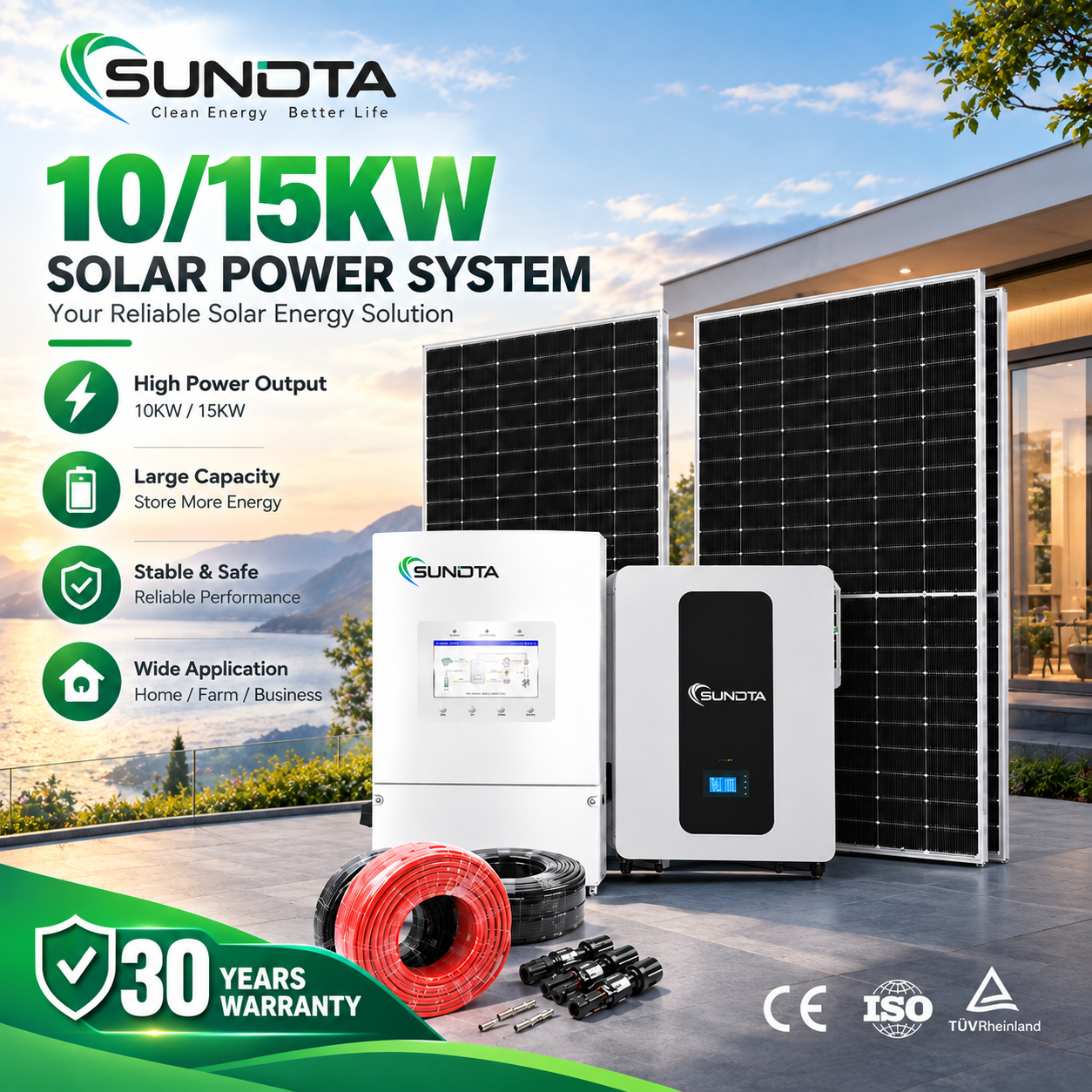
Operating electrical infrastructure across Santiago de Cuba demands an uncompromising engineering standard. Connected to the eastern perimeter of the National Electric System (Sistema Eléctrico Nacional - SEN), the province experiences prolonged transmission line instability, frequent fuel rationing constraints at local thermal facilities such as the Central Termoeléctrica Antonio Maceo (Renté), and recurring island-wide blackout events. Commercial facilities, state entities, and burgeoning private enterprises (MIPYMEs) cannot rely on nominal grid delivery. Anhui RJV New Energy engineers and manufactures high-density Lithium Iron Phosphate (LiFePO4) battery systems and turnkey hybrid photovoltaic systems created directly to survive, island, and stabilize eastern Cuba’s extreme electrical and climatic stresses.
Santiago de Cuba is renowned as the warmest province in Cuba, with ambient summer temperatures consistently exceeding 35°C (95°F) and extreme solar irradiance index levels. Standard lithium ternary (NMC) batteries face severe thermal runaway risks under such conditions. RJV strictly utilizes high-stability Lithium Iron Phosphate (LiFePO4) chemistry with an intrinsic thermal runaway threshold exceeding 270°C, reinforced by integrated aluminum cooling fins and smart BMS thermal throttling.
Overlooking the Caribbean Sea along the Bay of Santiago de Cuba, coastal infrastructure suffers aggressive electrochemical oxidation caused by high relative humidity (averaging 78% to 84%) and chloride-laden sea breezes. RJV’s Sundta wall-mount and high-voltage cabinets boast IP65 ingress protection, marine-grade powder-coated cold-rolled steel enclosures, and conformally coated printed circuit boards (PCBs) to halt galvanic corrosion.
The SEN experiences acute frequency drifts (swinging far below 59 Hz or above 61 Hz) and aggressive voltage drops prior to complete system tripping. Our hybrid inverters integrate broad AC input voltage windows (90V–280V) and millisecond transfer relays. In the event of total blackout, the integrated BMS supports cold Black-Start protocols, kicking in without requiring grid excitation voltage.
From downtown commercial establishments along Enramadas to industrial agro-processing facilities in San Luis and Palma Soriano, our systems provide continuous mission-critical power.
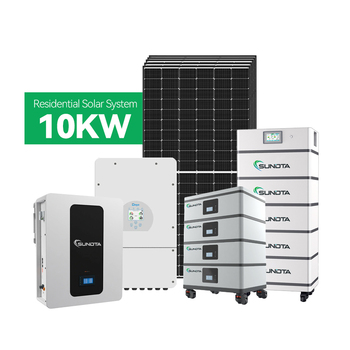
Homeowners, private rental hosts (Casas Particulares), and family estates in Vista Alegre and Reparto Sueño deploy 5kW to 12kW split-phase hybrid inverters coupled with 10kWh–20kWh wall-mounted LiFePO4 batteries. This architecture delivers uninterrupted refrigeration, water pressurization, and air conditioning throughout daily 8 to 16-hour rolling blackouts.
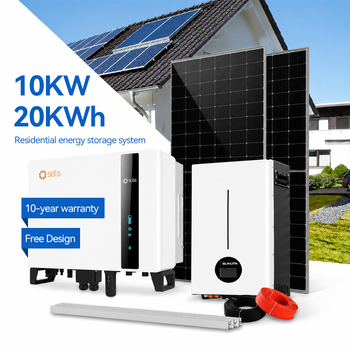
Emerging private food processors, bakeries, ice factories, and logistics hubs require constant three-phase refrigeration. A customized 25kW to 50kW solar array paired with 40kWh to 80kWh high-voltage lithium cabinets prevents spoilage of perishable meat and dairy stocks, eliminating exorbitant diesel generator fuel bills and maintenance downtimes.
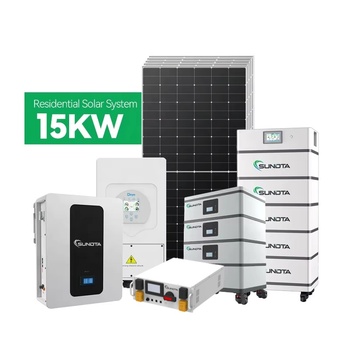
Agricultural cooperatives cultivating coffee, cocoa, and fruit in the mountainous peripheries of Contramaestre and Third Front operate largely beyond stable electrical reach. Standalone 15kW–35kW off-grid MPPT systems power high-torque irrigation pumps, processing mills, and drying blowers entirely from clean daily solar harvesting.
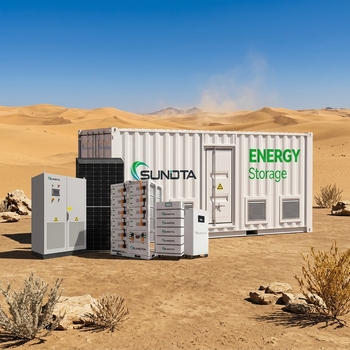
Industrial logistics hubs near the Port of Guillermón Moncada, hospitals such as Hospital Provincial Saturnino Lora, and municipal pumping stations utilize containerized 500kWh to 2MWh BESS systems. Integrated PCS units stabilize regional grid frequency, facilitate peak shaving, and guarantee absolute continuity for life-safety services.
Why Tier-1 LiFePO4 cells outperform traditional deep-cycle lead-acid and NMC ternary cells under Caribbean environmental parameters.
| Engineering Parameter | RJV Sundta LiFePO4 (Grade-A) | Generic Lithium (NMC / Ternary) | Traditional Deep-Cycle GEL / AGM |
|---|---|---|---|
| Cycle Life (@ 80% Depth of Discharge) | 6,000+ Cycles (15+ Years) | 1,200 - 2,000 Cycles | 400 - 600 Cycles (< 2 Years in Cuba) |
| Thermal Runaway Threshold | > 270°C (Inherent Chemistry Safety) | 150°C - 180°C (Volatile Risk) | N/A (Sulfide Gas Venting Risk) |
| Usable Energy Efficiency (Round-Trip) | 96% – 98% | 90% – 92% | 70% – 78% (Extreme heat loss) |
| Continuous High-Temp Endurance | Up to 55°C without cell degradation | Degrades rapidly above 35°C | Plate corrosion accelerates @ >30°C |
| BMS Inverter Closed-Loop Comm | Native CAN / RS485 for Deye, Solis, Victron | Variable / Limited Protocols | None (Voltage sensing only) |
| Levelized Cost of Storage (LCOS) | $0.065 / kWh over asset lifespan | $0.145 / kWh | $0.380+ / kWh (Frequent replacements) |
Under ongoing Cuban governmental resolutions aimed at addressing the national electrical emergency (including regulations following Resolución 206/2021 and subsequent updates), solar panels, hybrid inverters, and lithium storage batteries imported by physical persons and registered non-state economic actors (MIPYMEs) benefit from substantial customs tariff relief. RJV provides complete HS code classification and declared commercial documentation for seamless border clearance.
Severe fuel supply disruptions and diesel price increases have made traditional internal combustion generators financially untenable across Santiago de Cuba. Industrial operators face maintenance downtime due to low-cetane fuel impurities. Hybrid solar + LiFePO4 battery architectures offer guaranteed zero-fuel dispatchability, paying for themselves within 14 to 22 months through diesel displacement alone.
While Western Cuba imports primarily clear via Port of Mariel, shipping heavy container loads overland across the Central Highway to Santiago de Cuba (over 850 km) incurs immense inland freight expense and potential transit damage. RJV arranges scheduled ocean freight consignments routed via transshipment hubs directly to the Port of Guillermón Moncada in Santiago de Cuba, reducing local handling overheads.
Backing your solar infrastructure with an AAA-rated manufacturer operating 2 GW automated capacity in Hefei, China.
State-of-the-art automated module lamination, robotic stringing, and computerized LiFePO4 battery pack assembly ensure uniform cell impedance matching, rigorous EL testing, and flawless mechanical tolerances.
Our manufacturing plants, engineering management systems, and ISO9001/14001 compliance are verified by on-site third-party TÜV Rheinland inspections, backed by official CE, IEC 61215, IEC 61730, and UN38.3 test records.
We eliminate commissioning failures. Our in-house engineers pre-configure communication protocols (CAN / RS485) between BMS platforms and mainstream hybrid inverters (Deye, Solis, Victron, Growatt) before cargo dispatch.
B2B importers can consolidate complete project bills of materials (PV panels, mounting rails, inverters, cables, and lithium batteries) into unified 20GP or 40HQ container shipments under a single verifiable bill of lading.
Direct answers to common technical, shipping, and regulatory questions from Cuban B2B buyers and commercial project contractors.
Whether you require containerized LiFePO4 shipments for municipal infrastructure, private commercial MIPYME backup packages, or custom OEM branding for your Caribbean distribution business, our bilingual solar application engineers are ready to build your Bill of Materials.