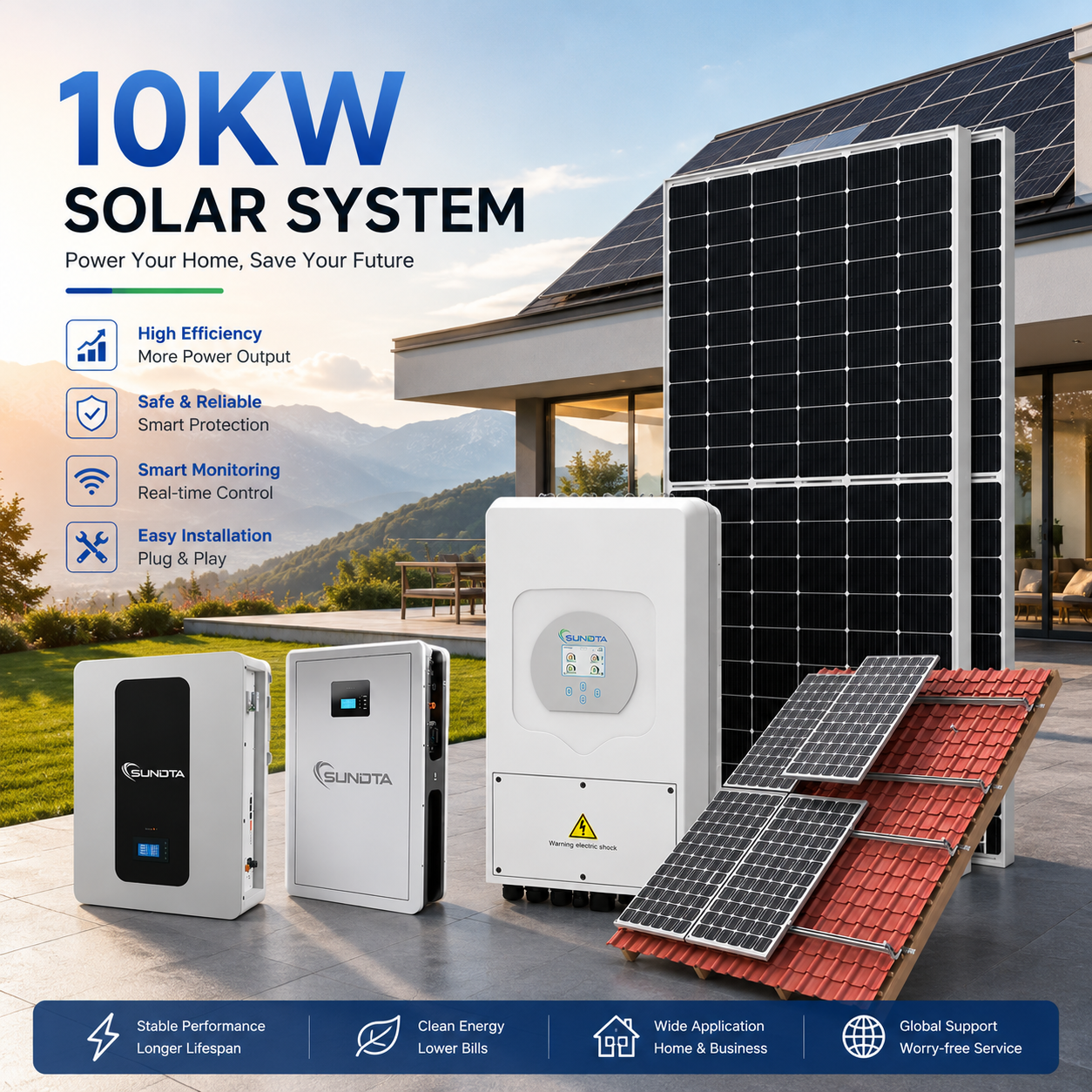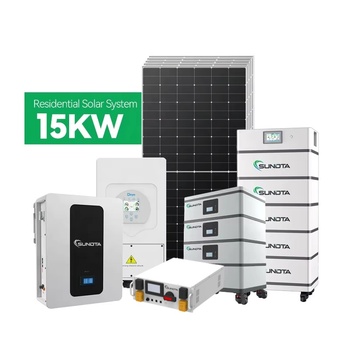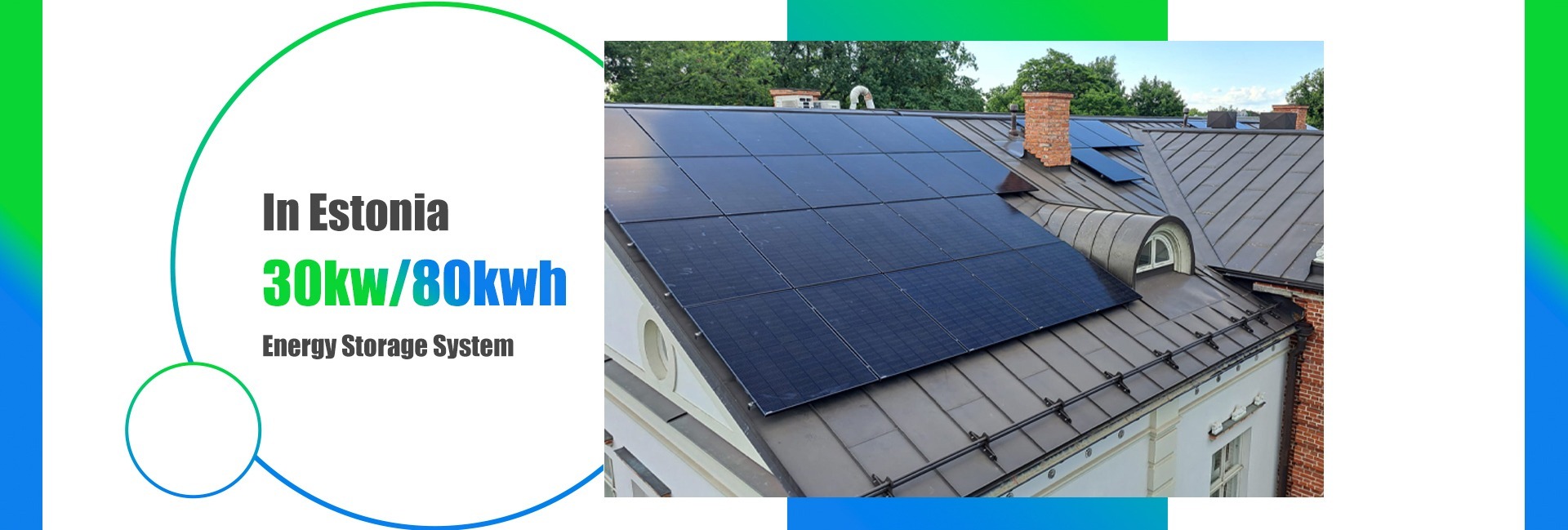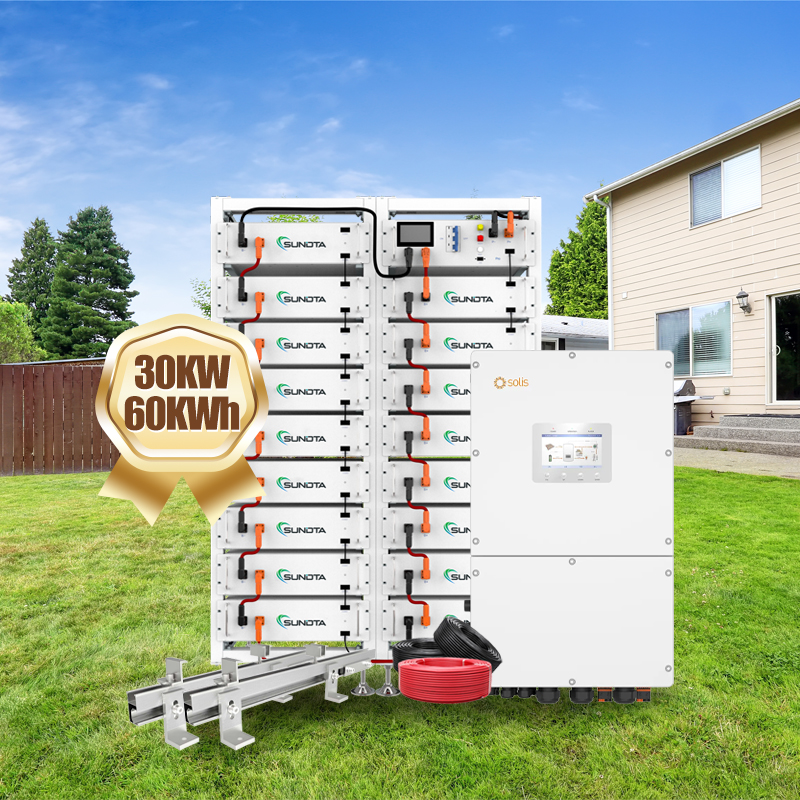
Complete 30kW Hybrid Energy System (10kW–30kW)
- Smart Dual-MPPT architecture
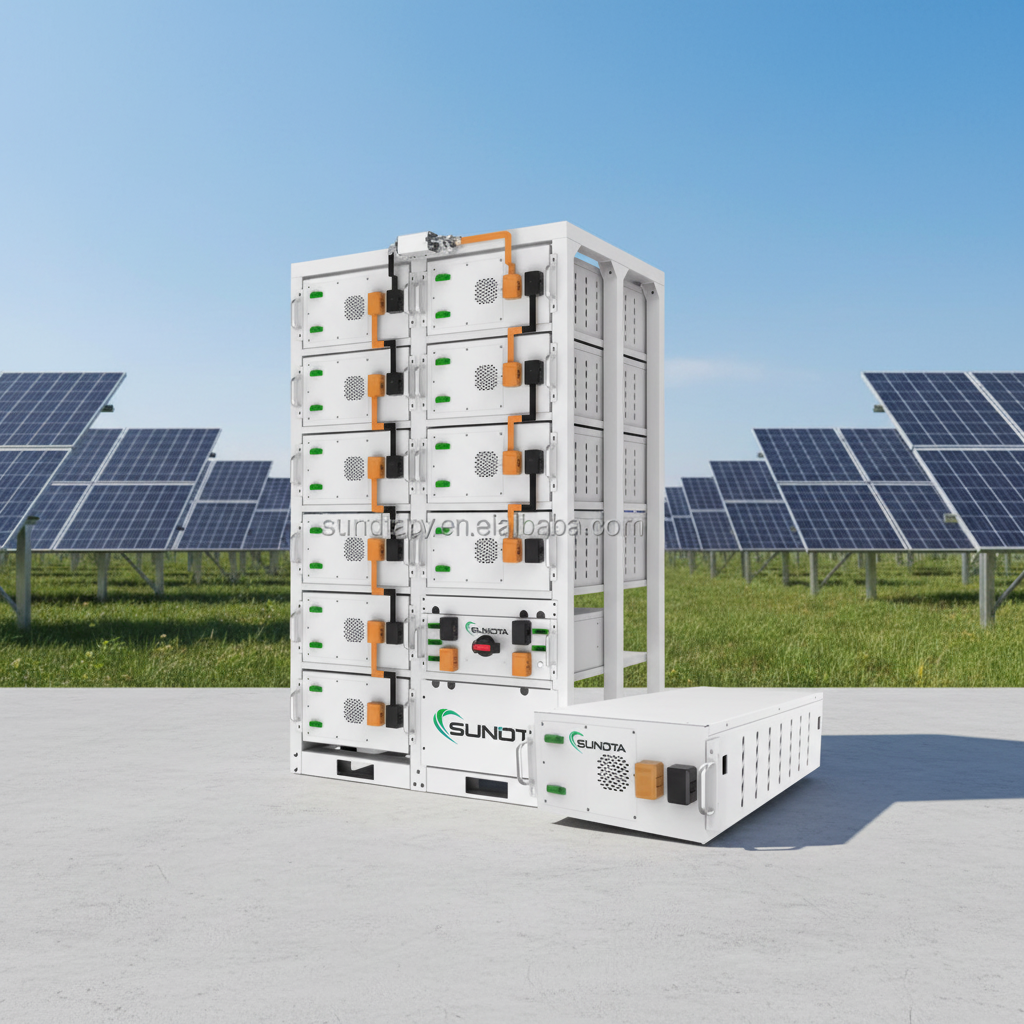
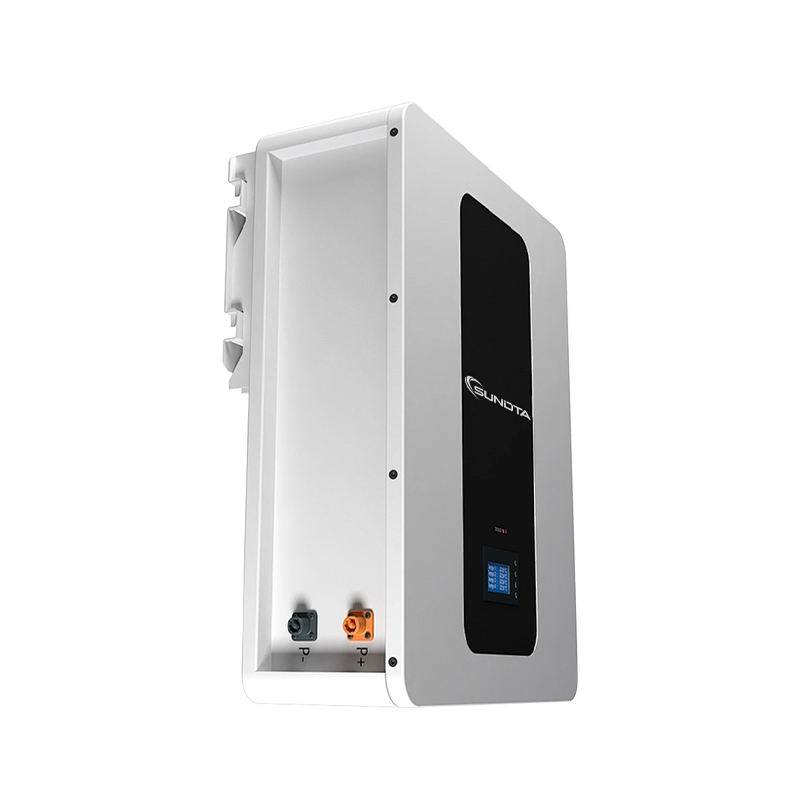
- Integrated LiFePO4 battery cabinet
- Rapid millisecond switchover
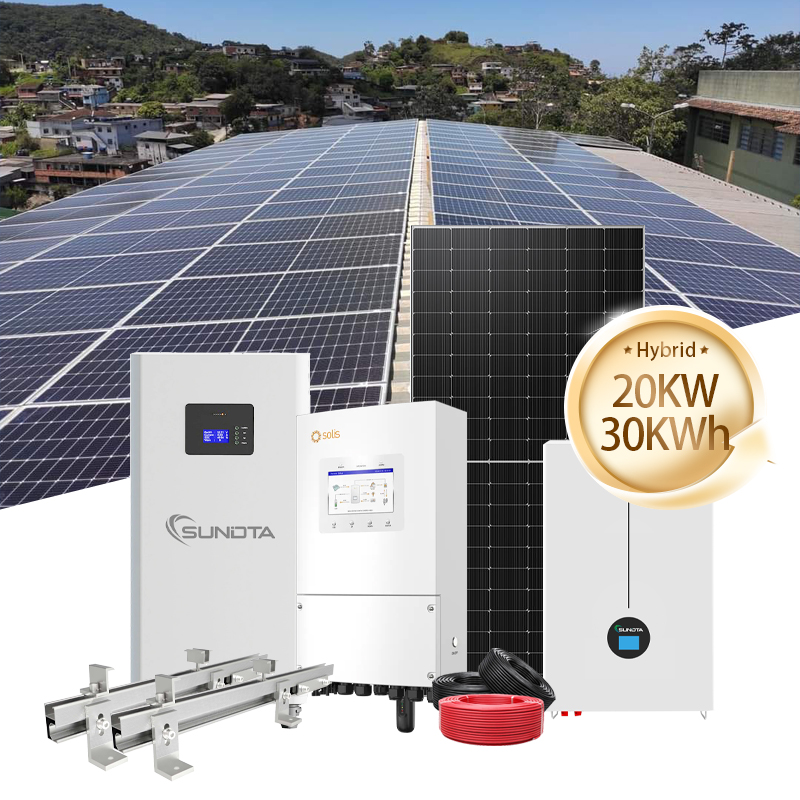
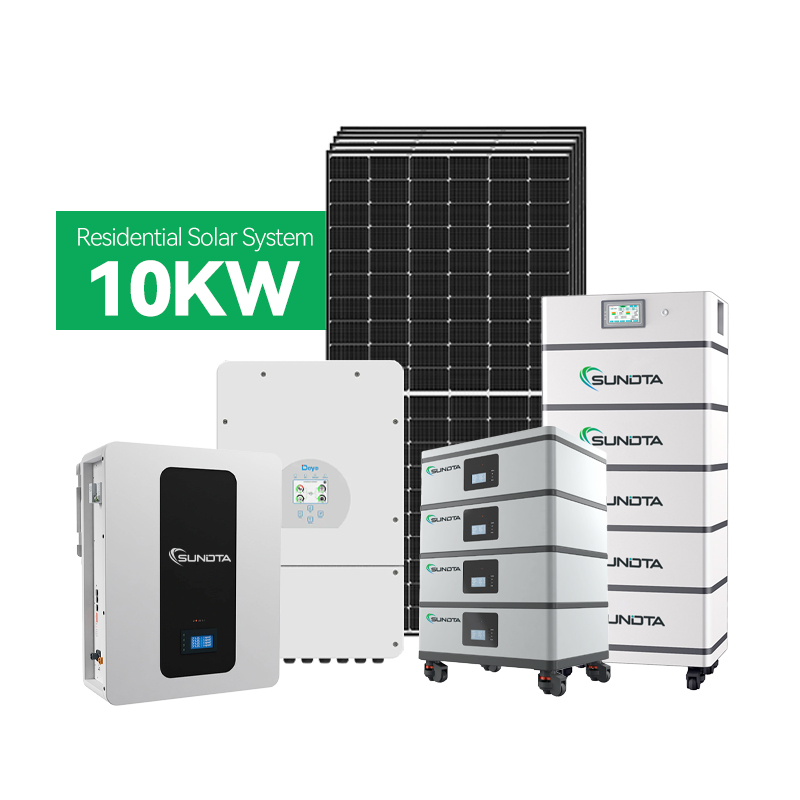
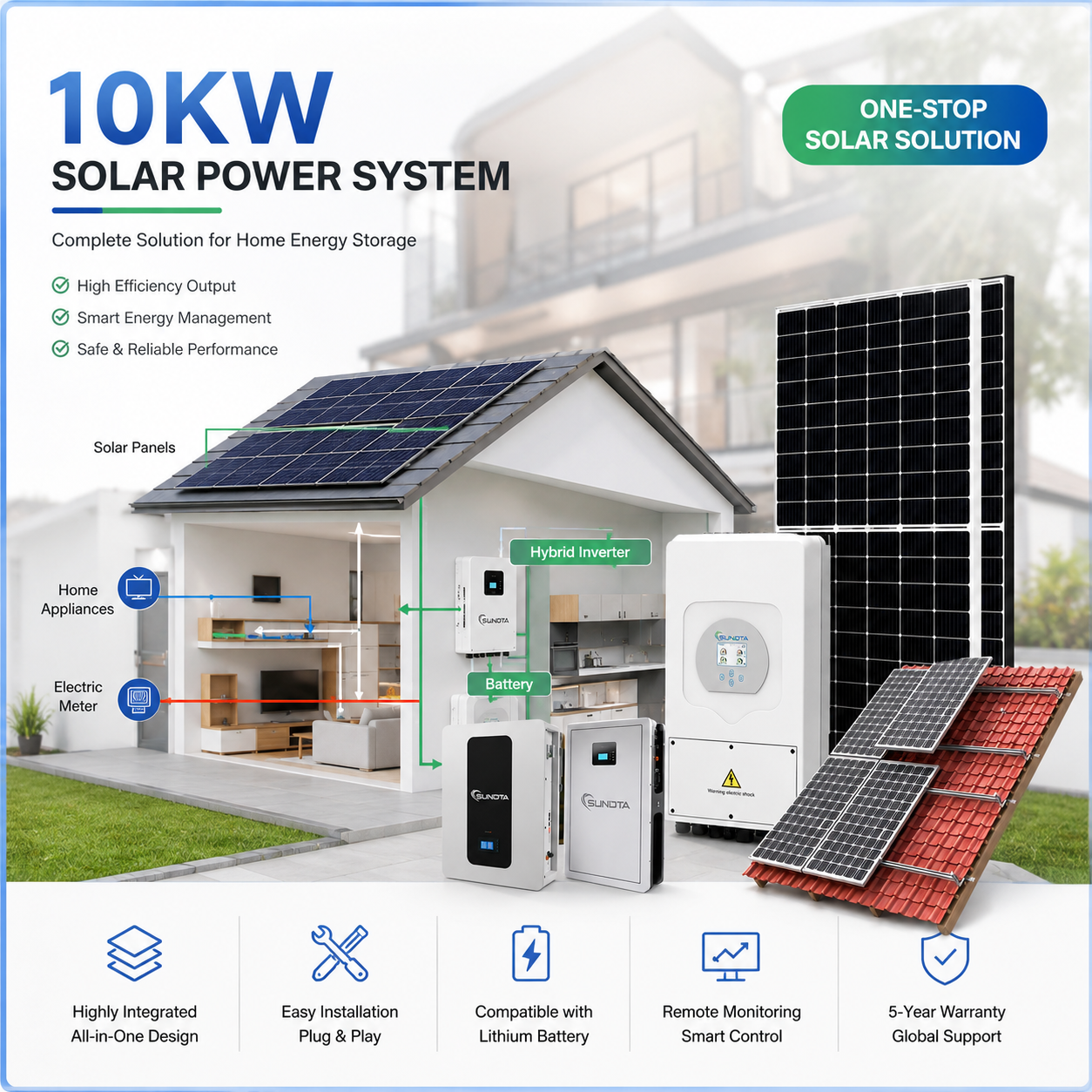
Pre-configured, field-tested lithium iron phosphate (LiFePO4) storage units and whole-house hybrid kits designed for plug-and-play commissioning across residential, commercial, and industrial arrays.
Why conventional lead-acid and generic NMC storage chemistries fail under the prolonged low-solar conditions and severe winter temperature drops of the Pacific Northwest.
Portland winters regularly see sub-freezing events where standard lithium cells experience severe lithium plating if charged below 32°F (0°C). Our deep cycle LiFePO4 configurations integrate intelligent pre-heating film circuitry activated directly via BMS logic, pulling power from incoming PV arrays to raise core cell temperatures safely before high-rate charging begins.
Legacy AGM or Gel deep cycle batteries sold throughout Oregon offer a nominal rating that degrades rapidly when discharged beyond 50% DoD, providing an actual usable capacity of merely half their stamped rating. Our Grade-A LiFePO4 cells sustain 6,000 to 8,000 cycles at 80% to 90% DoD, reducing levelized cost of storage (LCOS) to under $0.06 per cycled kWh over 15 years.
Uncoordinated open-loop battery charging leads to frequent premature cutoff, inaccurate state-of-charge (SoC) drift, and accelerated degradation. RJV storage systems feature hardware-level closed-loop communication over CAN and RS485 with Deye, Solis, and Schneider hybrid inverters, transmitting dynamic voltage and amperage thresholds per microsecond.
Engineered to resolve real-world deployment challenges throughout Multnomah, Washington, and Clackamas counties, as well as the Columbia River Gorge corridor.
Pacific Northwest winter storms frequently drop heavy freezing rain across Portland's urban tree canopy, severing overhead transmission lines for days. Our 15kW to 30kW whole-house lithium systems automatically isolate from the utility grid in under 10 milliseconds, maintaining essential heating pumps, refrigeration, and well pumps without flickering home electronics.
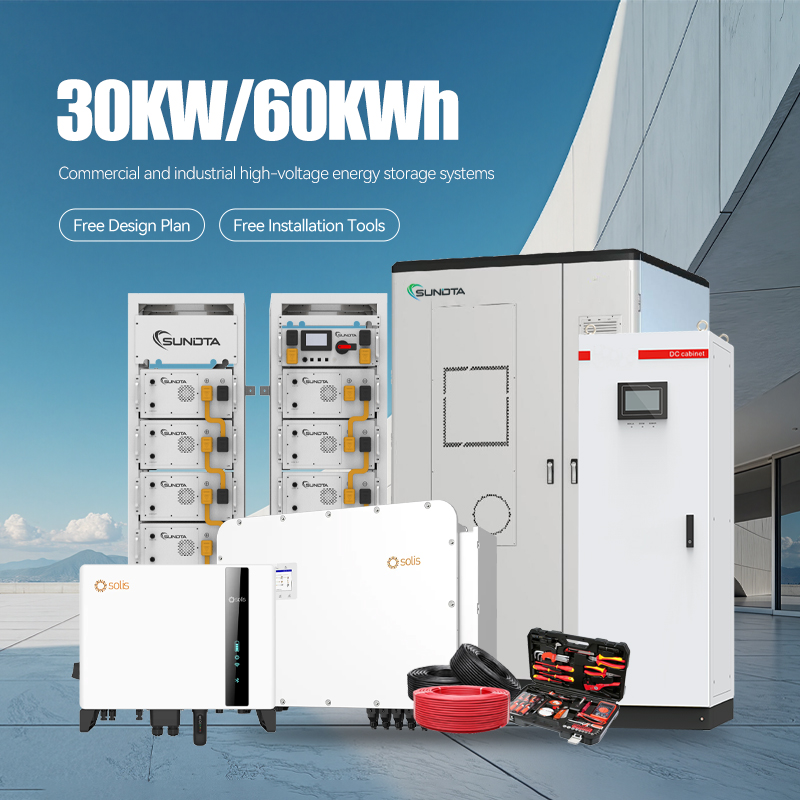
Commercial facilities and craft breweries in East Portland and Hillsboro face surging utility demand charges during late-afternoon system peaks. Installing our 50kWh to 100kWh High-Voltage LiFePO4 battery cabinets allows automated tariff arbitrage—discharging battery reserves during on-peak rate windows and charging from rooftop solar arrays during midday.
From liveaboard vessels cruising the Columbia and Willamette rivers to remote retreats in Mt. Hood National Forest, conventional utility ties are unavailable. RJV's IP65-sealed 51.2V wall-mounted modules deliver robust corrosion resistance against damp maritime air while cycling reliably under diffuse cloud-cover light conditions.
Strategic regulatory shifts, climate resilience goals, and evolving grid architectures driving commercial and residential battery adoption across Oregon.
As regional utilities restructure legacy net metering tariffs toward split Time-of-Use (TOU) schedules, standalone solar arrays offer diminished ROI. Coupling deep-cycle lithium storage allows Portland property owners to consume 100% of their generated electrons rather than exporting them at devalued wholesale credits.
Oregon's commitment to 100% greenhouse gas reduction in electricity supply by 2040 accelerates utility-scale and distributed battery mandates. Commercial installers sourcing RJV containerized BESS and stackable HV units gain a decisive regulatory edge in municipal and institutional procurement.
Increasing wildfire risks in summer and severe wind/ice gusts in winter have made extended grid interruptions routine. B2B buyers and electrical contractors in Portland prioritize systems with high C-rate surge handling capable of starting high-amperage HVAC and heat pump compressors without grid assistance.
Regional maritime operators, telecom shelters, and off-grid homesteaders are aggressively decommissioning heavy, maintenance-intensive flooded lead-acid banks. Modern 314Ah lithium cells pack triple the usable power into one-third the physical footprint without toxic outgassing or acid watering.
Combining 2 GW of automated module manufacturing with precision-engineered lithium cell packaging, delivering seamless component harmony from a single audited partner.
Our Hefei production headquarters and battery integration lines are on-site verified by TÜV Rheinland. Full cell grading, batch traceabilities, CE marks, and UN38.3 transport safety documents accompany every bill of lading.
Avoid finger-pointing across distinct manufacturers. We configure matching TOPCon solar panels, Solis/Deye hybrid inverters, and our proprietary LiFePO4 batteries into a verified, single-warranty procurement package.
Whether you require branded exterior chassis designs for an Oregon installation network, custom CAN communication protocols, or specialized marine-grade enclosures, our engineering team handles end-to-end customization.
Our responsive technical desk operates across Pacific Standard Time (PST), providing single-line wiring diagrams, remote commissioning oversight, inverter firmware configuration, and warranty execution without delay.
Direct answers for solar contractors, procurement specialists, and commercial facility managers navigating Pacific Northwest installations.
Our systems feature integrated low-temperature charge management. When ambient temperatures drop below freezing, the internal BMS disables sub-zero high-current charging and activates internal thermal pads using solar power until the cells reach optimal chemical reaction temperatures (above 5°C/41°F).
Yes. Our complete hybrid kits utilize inverters fully certified under UL 1741-SB and IEEE 1547-2018 standards, ensuring full compliance with PGE and Pacific Power interconnection requirements for rapid anti-islanding, frequency support, and zero-export or microgrid operational parameters.
Absolutely. Our 51.2V low-voltage series supports parallel daisy-chaining of up to 16 units on a single communication bus without replacing the inverter. High-voltage commercial racks can be scaled in 5.12kWh modular steps from 40kWh to 100kWh+ cabinets as fleet or facility load expands.
We routinely ship CIF to the Port of Portland or DDP directly to your local warehouse or commercial jobsite. Container loads typically take 18–26 days on ocean transit from our Hefei plant. We accept FOB, CFR, CIF, and EXW terms under T/T, L/C, or verified trade channels.
Traditional lead-acid or AGM marine batteries yield 300 to 500 cycles at 50% Depth of Discharge before terminal failure. RJV deep-cycle LiFePO4 cells maintain over 80% remaining capacity after 6,000 cycles at 80% DoD, providing more than 15 years of daily cycling without liquid refilling or terminal corrosion.
Each shipment includes factory flash test reports, UN38.3 lithium battery transport test summaries, UL/CE declarations, BMS register maps, and pre-engineered single-line electrical diagrams ready for submittal to the City of Portland Bureau of Development Services (BDS) or regional county inspectors.