High-Yield Grid-Tied Systems & Energy Storage Kits
Engineered for seamless synchronization with the Chilean SEN (Sistema Eléctrico Nacional) and local distribution networks across La Serena and Coquimbo.
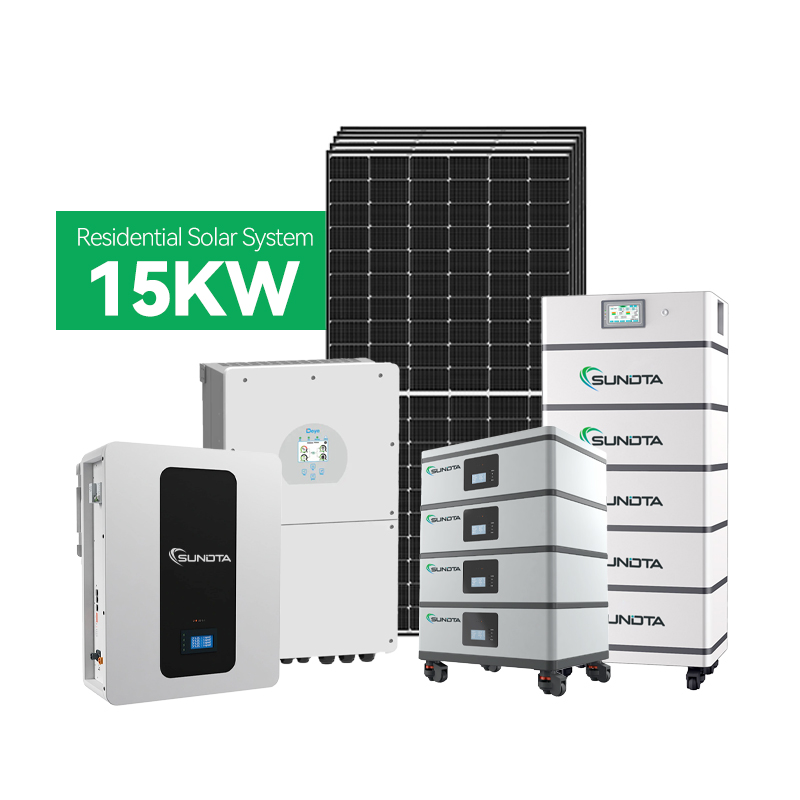
Sundta Hybrid Solar Energy System Kit 5KW–15KW
- Configurable: 5kW, 10kW, 12kW, 15kW
- Dual MPPT tracker with 98.4% peak efficiency
- Anti-islanding & grid-synchronous protection
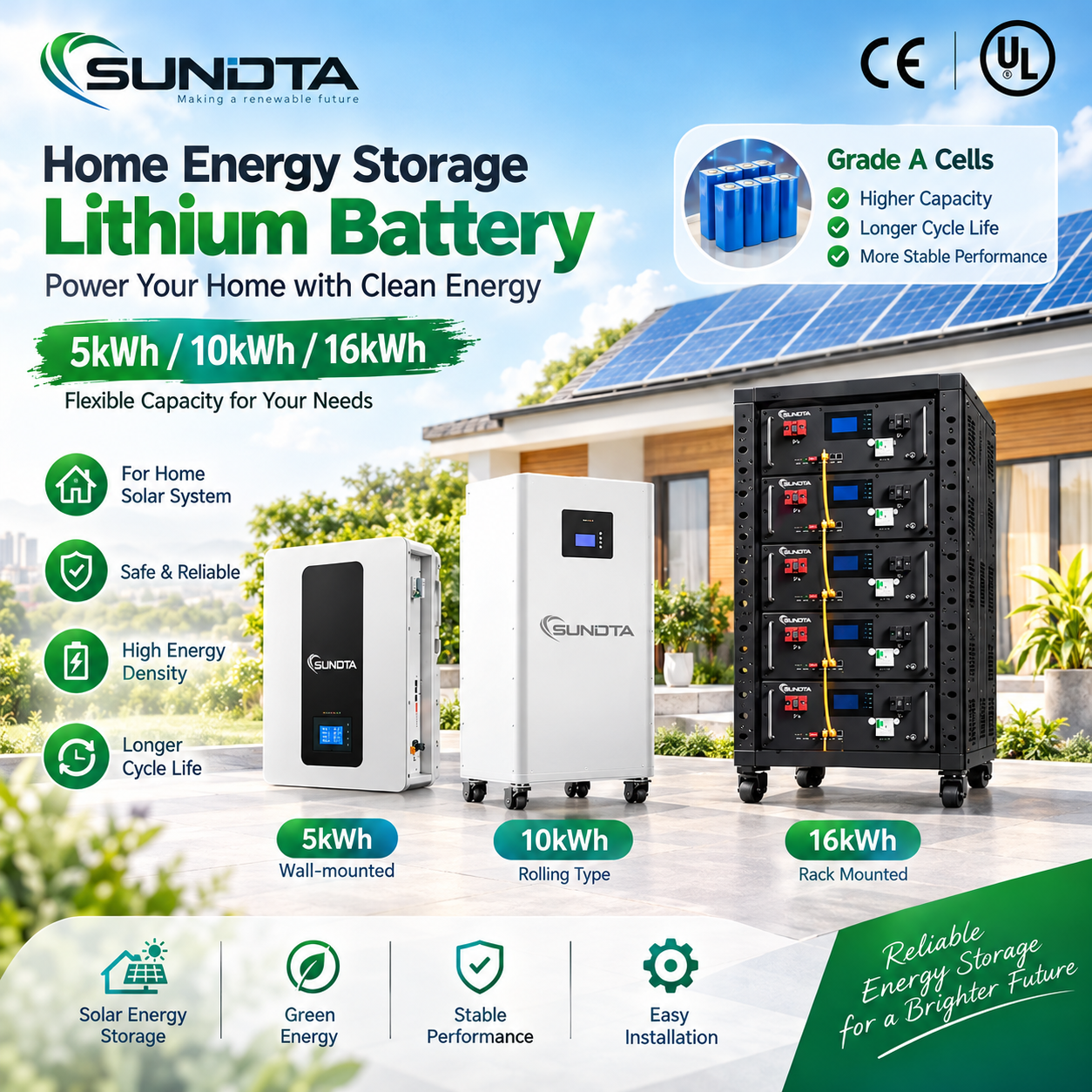
Sundta 51.2V 200Ah 10kWh LiFePO4 Wall Battery
- Grade-A prismatic lithium iron phosphate cells
- CAN / RS485 communication protocols
- 6,000+ deep cycles at 80% DoD
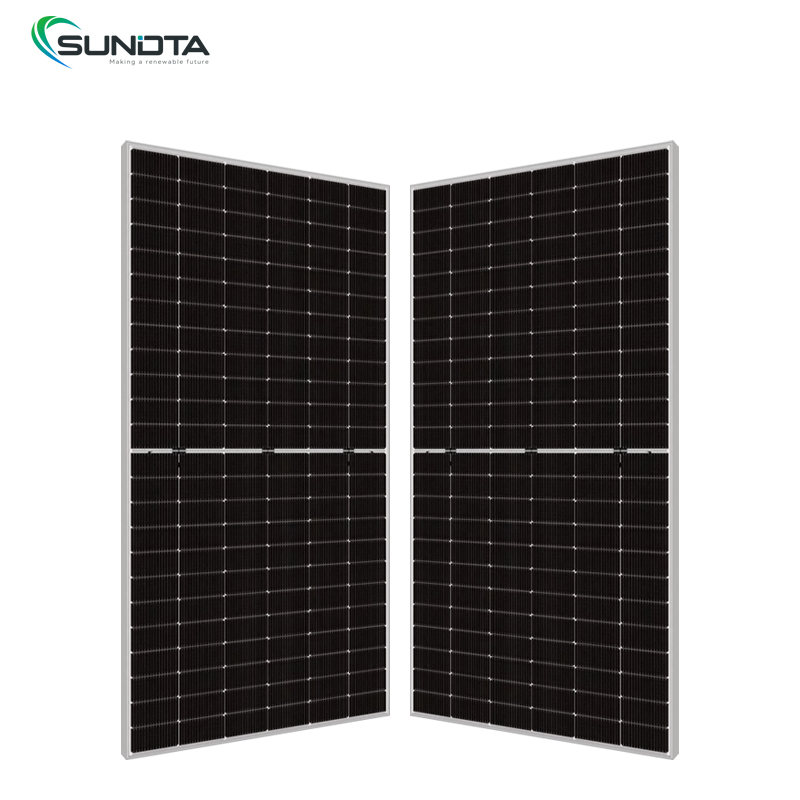
Tier 1 Sodenergy 700W–730W N-Type PV Module
- Ultra-high power output up to 730W
- Low temperature coefficient: -0.30%/°C
- Optimized for large utility & C&I arrays
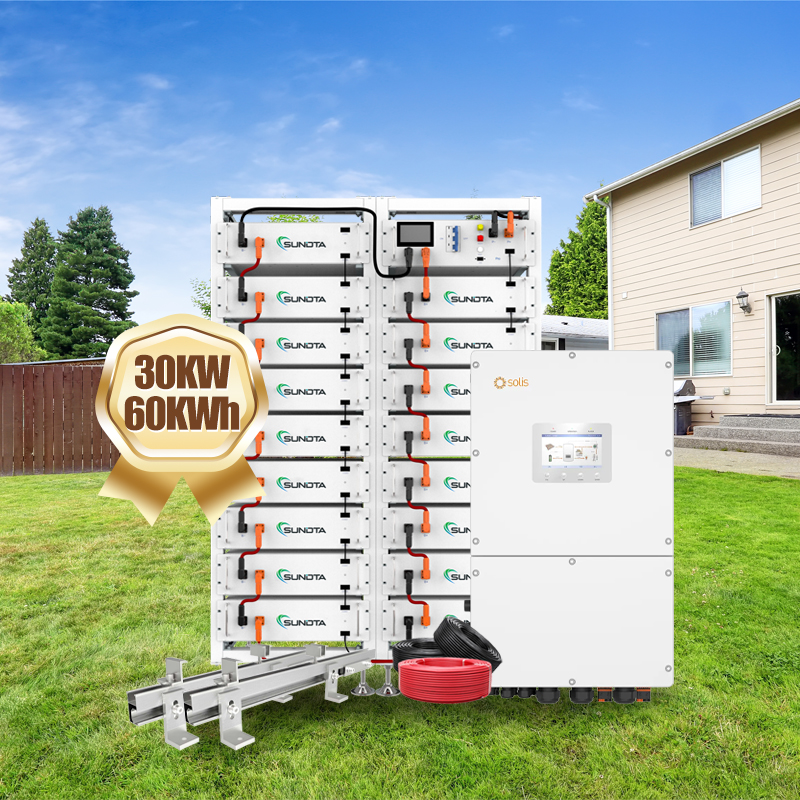
Complete 10kW–30kW On-Grid / Hybrid System
- Comprehensive three-phase commercial package
- Certified to CE, IEC 62109, and IEC 61000
- Pre-wired AC/DC protection combiners
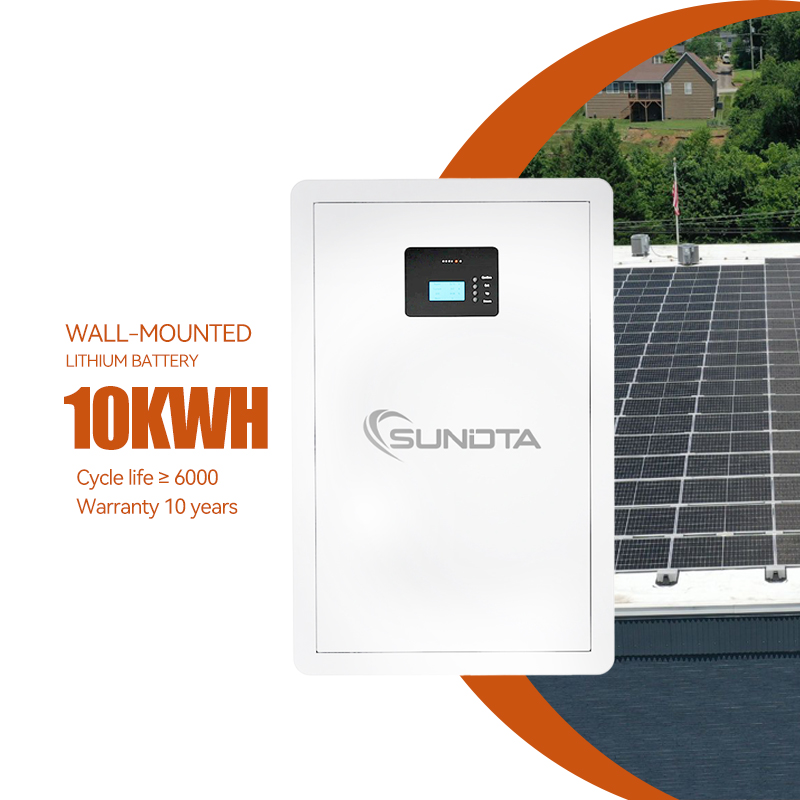
Sundta IP65 Marine-Grade 10kWh Storage Unit
- Hermetic IP65 enclosure for coastal humidity
- Anti-corrosion powder-coated exterior
- Seamless pairing with Solis & Deye hybrids
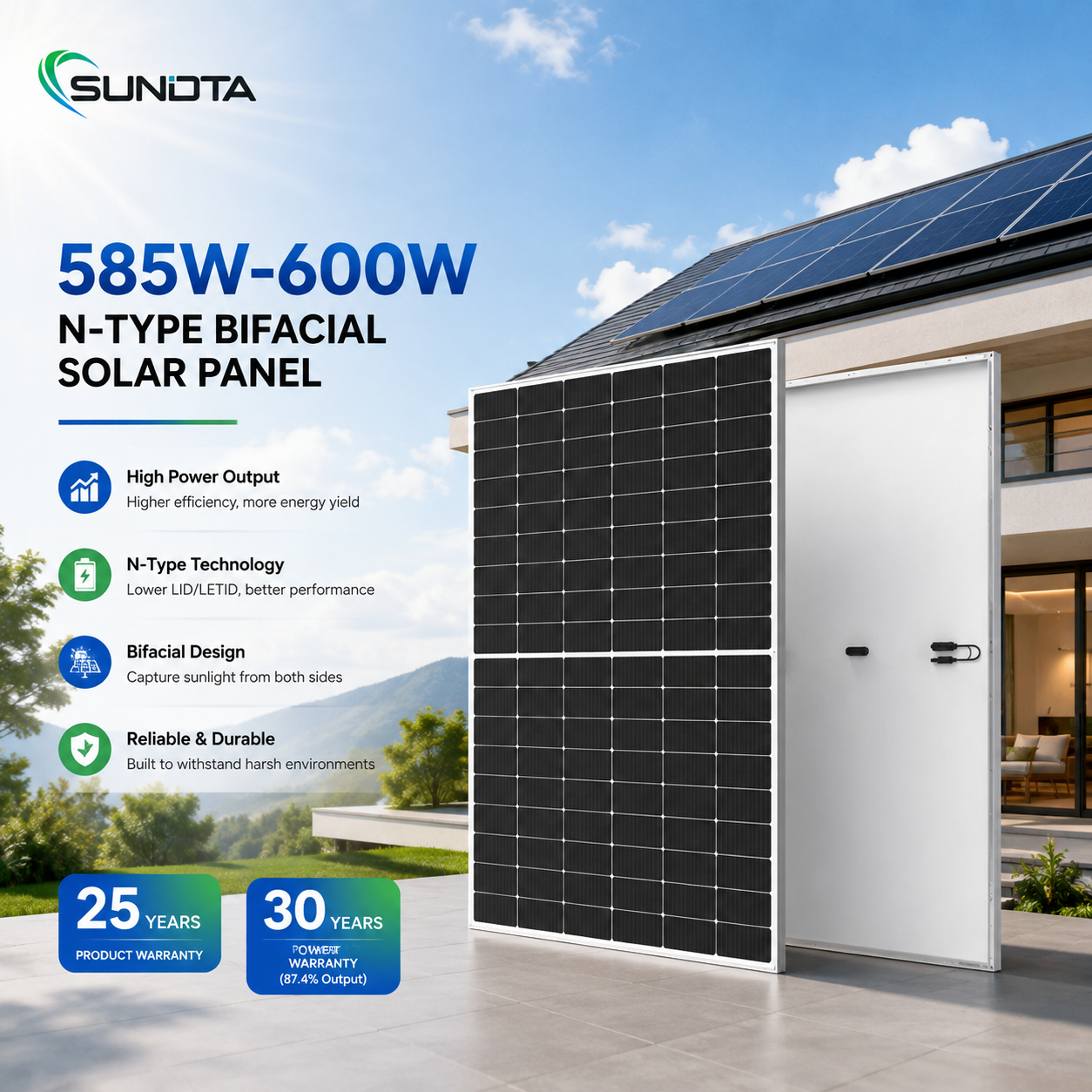
585W–595W N-Type Bifacial Monocrystalline Panel
- Dual-glass design with 80%±5% bifaciality
- Up to 25% rear-side energy yield boost
- Zero Light-Induced Degradation (Anti-LID/PID)
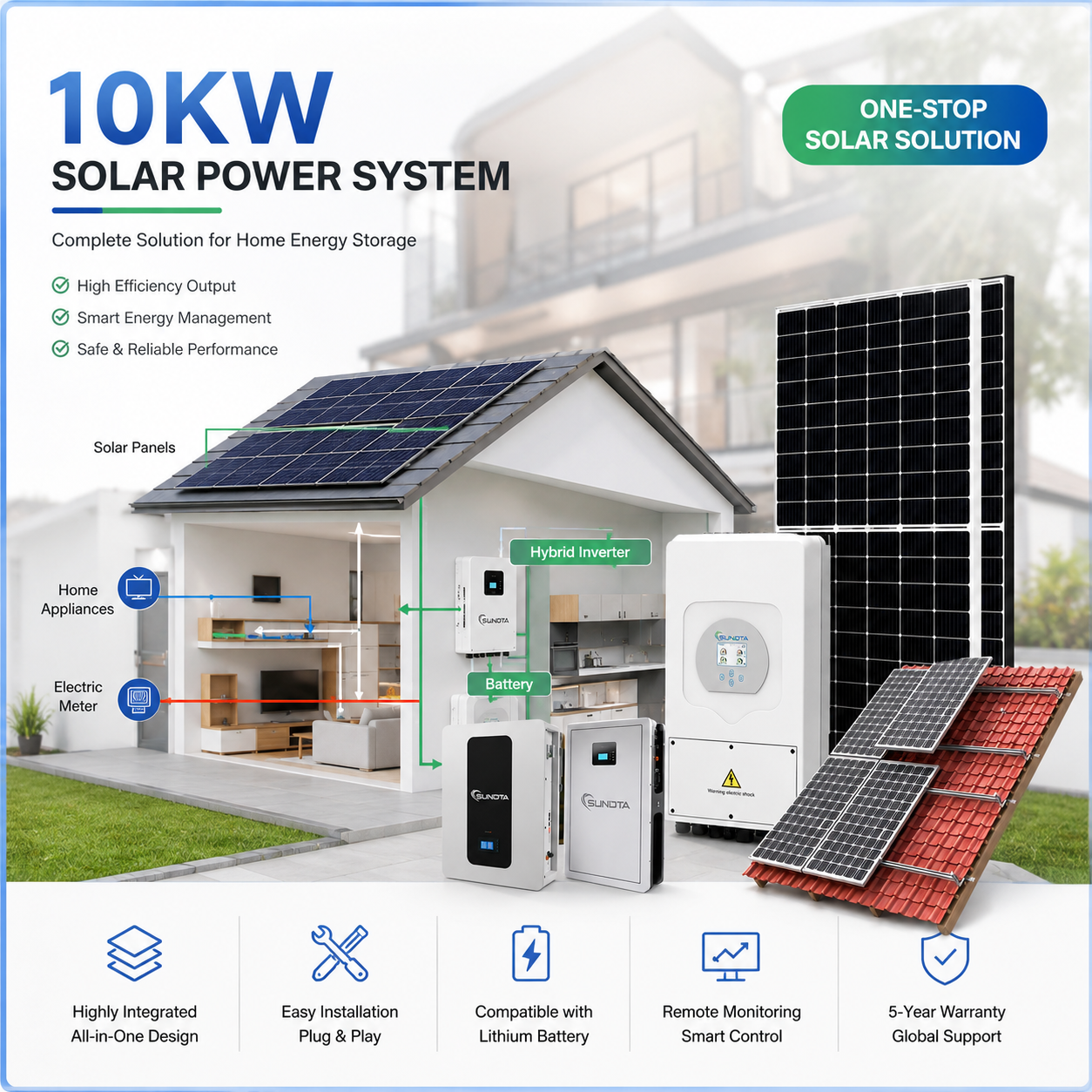
15kW–50kW Industrial Smart MPPT Solar Power Array
- Split/three-phase dynamic load shifting
- Integrated zero-export management capability
- Direct grid interconnection compliance
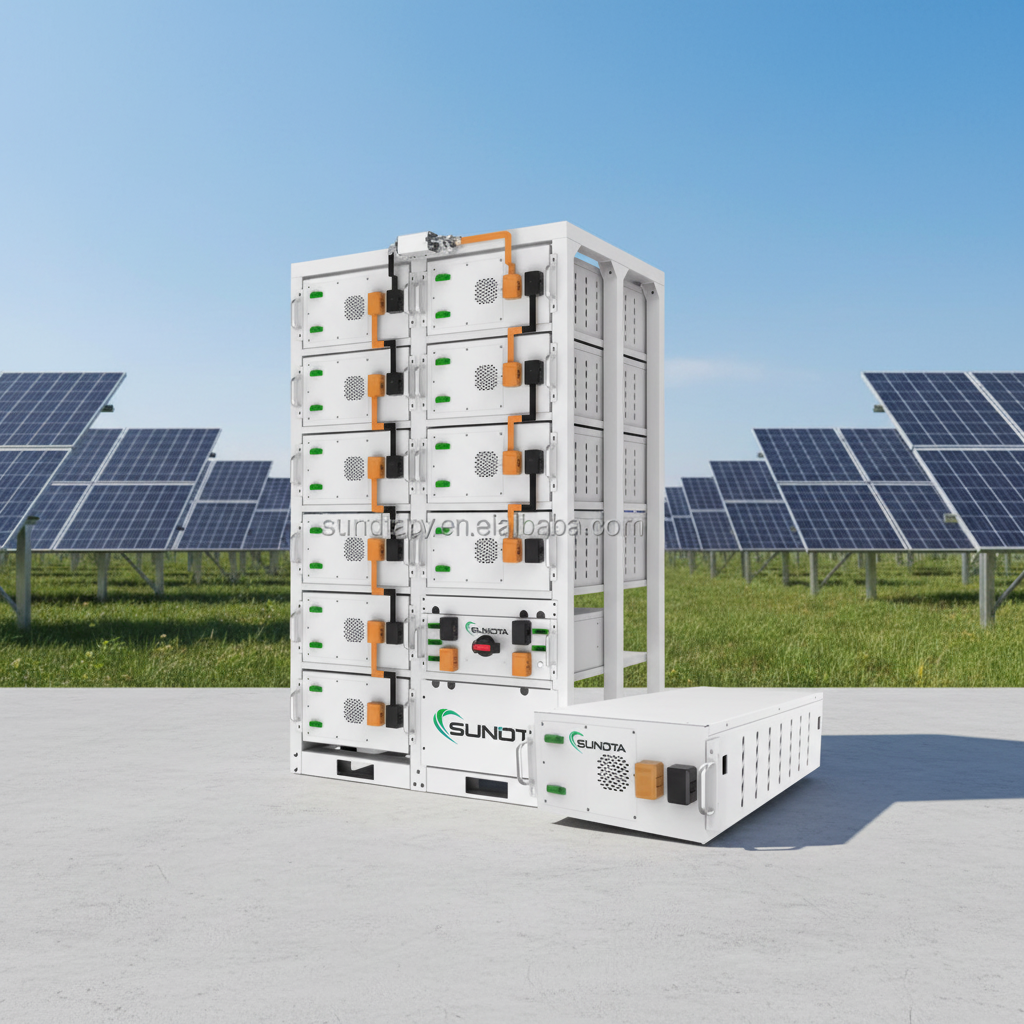
Commercial High-Voltage ESS Cabinet (40–100kWh)
- HV architecture minimizing round-trip losses
- Active air/liquid-cooling thermal management
- Peak-shaving for manufacturing & agro-facilities
Navigating the Photovoltaic Microclimate of La Serena and Coquimbo
The coastal corridor of the Coquimbo Region, anchored by the conurbation of La Serena and Coquimbo, presents one of the most uniquely demanding operating environments for grid-tied solar power systems in South America. Situated at the western gateway to the Elqui Valley, this geographical pocket combines exceptional Global Horizontal Irradiation (GHI exceeding 2,100 to 2,400 kWh/m² per annum) with the aggressive marine atmospheric dynamics generated by the Humboldt Current.
Engineers and EPC contractors designing grid-connected photovoltaic arrays in the La Serena market cannot simply deploy standard inland equipment. The morning maritime condensation, known locally as la camanchaca, regularly blankets coastal rooftop installations in fine, saline-dense moisture, followed within hours by fierce UV radiation reaching index levels higher than 11. This rapid cycle creates acute thermal cycling stress, potential-induced degradation (PID) accelerated by surface dampness, and severe galvanic corrosion on uncertified mounting assemblies and transformer enclosures.
Anhui RJV New Energy provides direct factory manufacturing channels tailored to resolve these precise failure points. By controlling the complete bill of materials—from high-strength anodized aluminum frames (anodization thickness ≥ 18 μm) and POE encapsulation to third-party tested Deye and Solis hybrid and grid-tied inverters—our manufacturing line eliminates the costly interface friction faced by Chilean commercial and industrial importers.
IEC 61701 Salt Mist Severity 6
Our solar modules undergo 56-day cyclical marine salt spray stress testing to certify zero corrosion breakdown in coastal La Serena and Coquimbo port operations.
Dual Glass Anti-PID TOPCon
Dual 2.0mm tempered glass envelopes with polyolefin elastomer (POE) prevent moisture ingress, neutralizing PID under heavy morning condensation.
Chilean SEC Protocol Alignment
Inverter topologies pre-configured to comply with TE-4 submission formats, voltage deviation thresholds, and rapid shutdown grid disconnects.
Localized Applications Across La Serena & Coquimbo
Strategic PV system sizing mapped directly to the industrial, agricultural, and commercial load profiles of Chile's Fourth Region.
Agro-Industrial Irrigation & Vineyards
Throughout the fertile valleys of Elqui and Limarí just inland from La Serena, agricultural enterprises producing table grapes, citrus, and pisco grapes face steep daytime electric tariffs from CGE. Our 30kW to 125kW three-phase grid-tied arrays synchronize directly with deep-well pump motor drives, slashing peak consumption charges during critical daylight irrigation cycles while pumping excess power into the local grid under Net Billing.
Cold Storage & Food Processing Facilities
Industrial packing houses and seafood processing complexes near the Port of Coquimbo require uninterrupted cold-chain logistics. Pairing 585W–595W bifacial monocrystalline arrays with high-voltage LiFePO4 battery cabinets provides double insulation against high utility demand spikes and short-term grid outages, maintaining cold storage refrigeration setpoints without burning expensive diesel backup fuel.
Avenida del Mar Hospitality & Retail
Hotels, commercial centers, and residential developments along Avenida del Mar and San Joaquín operate under stringent architectural and space limitations. Our 460W–480W all-black and high-density N-type panels maximize power output per square meter of available flat-roof real estate, utilizing IP65-sealed inverters that run silently without disturbing guests or local noise ordinances.
Small & Mid-Scale Mining (Faenas Mineras)
Auxiliary facilities for medium-scale copper and iron ore mining in Region IV require ruggedized balance-of-system (BOS) components capable of resisting severe particulate dust accumulation alongside high ambient temperatures. Our Tier-1 Sodenergy 700W+ panels offer anti-reflective, high-transmittance coated glass that sheds dry airborne dust, keeping yields maximized under heavy soiling conditions.
System Architecture Comparison for Chilean Commercial Buyers
Analyze how our grid-tied and hybrid configurations fulfill local technical requisites compared to generic market offerings.
| Engineering Vector | RJV Industrial Grid-Tied Solution | Standard Commodity PV Kits | Impact on La Serena Operation |
|---|---|---|---|
| Cell Technology | N-Type TOPCon Dual-Glass Bifacial (585W–730W) | P-Type PERC Mono-facial (450W–540W) | +18% to +24% higher lifetime yield over high albedo gravel/soil surfaces in coastal Atacama fringes. |
| Corrosion Immunity | IEC 61701 Severity 6 + C5 Anodized Al-Alloy | IEC 61701 Severity 1 or uncertified | Guarantees 25-year structural integrity against Pacific marine salt spray and morning camanchaca fog. |
| Inverter Grid Synchronization | Deye/Solis high-voltage platforms with SEC compliance | Generic off-grid inverters lacking anti-islanding | Immediate TE-4 electrical certification approval with CGE distributor; legal grid energy injection. |
| Temperature Degradation | Pmax Coefficient: -0.30% / °C | Pmax Coefficient: -0.38% to -0.42% / °C | Preserves power generation efficiency during intense summer midday irradiation periods exceeding 1,100 W/m². |
| Storage Flexibility | CAN/RS485 closed-loop LiFePO4 (51.2V to 600V HV) | Open-loop lead-acid or unmanaged lithium | Zero-export dynamic throttling prevents over-generation fines while storing surplus energy for nighttime tariff peak shaving. |
Law 21.118 (Expanded Net Billing)
Empowers systems up to 300 kW to inject power into the distribution grid, receiving economic credits applied directly to commercial billing accounts.
TE-4 Processing Acceleration
Our complete factory BOM includes comprehensive factory test reports, schematic single-line templates, and CE/IEC datasheets required by Chilean registered electrical installers.
Port Logistics via Coquimbo & Valparaíso
Direct ocean container shipping to TPC (Terminal Puerto Coquimbo) or Valparaíso/San Antonio with seamless overland transit via Ruta 5 Norte directly into La Serena industrial zones.
The Surge of Distributed Generation (PMGD & Net Billing) in Region IV
Chile remains Latin America's benchmark for renewable energy integration. In the Coquimbo Region, the combination of aggressive national decarbonization targets, rising retail electricity rates, and high solar irradiation has catalyzed an unprecedented transition from passive energy consumption to commercial self-generation. Under Chile's Distributed Generation Law (Ley 20.571 and updated Ley 21.118), agricultural operators, mining suppliers, and commercial warehouses in La Serena can legally install grid-connected systems up to 300 kW.
This legislative framework allows industrial prosumers to consume self-generated PV energy in real time and automatically export surplus electricity to the regional distributor (CGE), earning tariff credits at the regulated nodal price. However, navigating the technical mandates established by the Superintendencia de Electricidad y Combustibles (SEC) requires strict balance-of-system compliance. Grid-tied inverters must feature rapid anti-islanding mechanisms, automated frequency and voltage response, and comprehensive power quality metrics (low total harmonic distortion, THD < 3%).
Our factory systems bridge the gap between Chinese advanced manufacturing and Chilean on-site reality. RJV New Energy engineers pre-configure firmware parameters for 220V single-phase / 380V three-phase 50Hz grid standards, incorporating smart zero-injection meters and dual-contact safety contactors that facilitate rapid approval during TE-4 inspection procedures.
Why South American EPCs Partner with Anhui RJV New Energy
Eliminate procurement risks by sourcing directly from an audited, patent-backed manufacturer with complete PV bill-of-materials traceability.
TÜV Rheinland Audited
Our Hefei production workshops and manufacturing practices have passed rigorous on-site verification assessments by TÜV Rheinland, proving verified production capacity and international standard adherence.
2 GW Automated Production
State-of-the-art robotic stringing, non-destructive laser cell cutting, and automated dual-EL testing equipment ensure zero micro-cracks before modules are loaded into shipping containers.
One-Stop PV Compatibility
Never deal with cross-vendor finger-pointing again. We pre-match the inverter MPPT input windows, lithium BMS communications, and panel string voltages before the shipment departs our warehouse.
24/7 Engineering Support
Our dedicated bilingual solar engineering desk assists Chilean installers with PVsyst modeling, string design calculation, firmware configuration, and warranty verification across time zones.
Frequently Asked Questions for La Serena Procurement
Essential regulatory, logistical, and technical answers for solar importers, EPCs, and commercial developers in Chile.
Are your grid-tied inverters and solar modules certified for SEC TE-4 approval in Chile?
Yes. Chilean regulations require that all grid-connected equipment comply with specific safety and anti-islanding parameters monitored by the Superintendencia de Electricidad y Combustibles (SEC). Our systems leverage Solis, Deye, and certified RJV inverters that carry official CE, IEC 62109-1/-2, and IEC 61000-6-1/-3 certifications, matching the technical testing criteria specified in Chilean TE-4 filings.
When ordering containerized systems or project packages for the La Serena market, our engineering team delivers factory compliance files, model serial listings, and standard wiring schematics to ensure your local installer experiences zero delays with CGE interconnections.
How do your PV panels prevent premature degradation from La Serena's "camanchaca" fog?
The dense morning coastal fog (camanchaca) in Region IV creates a severe challenge: it leaves a wet, highly conductive saline film across the panel surfaces which, when struck by high morning solar irradiation, dramatically increases leakage current and accelerates Potential Induced Degradation (PID).
Our N-Type TOPCon bifacial modules neutralize this failure mode through three distinct engineering barriers: (1) dual 2.0mm heat-strengthened glass eliminating water vapor permeability through the backsheet, (2) advanced POE (Polyolefin Elastomer) encapsulation resisting acetic acid generation, and (3) an anodized aluminum frame exceeding 18 μm thickness tested under IEC 61701 Severity 6 salt mist conditions.
What is the standard shipping logistics lead time from China to La Serena / Coquimbo?
Direct maritime transit from Shanghai or Ningbo ports to Chilean container terminals—primarily Terminal Puerto Coquimbo (TPC), Puerto de Valparaíso, or San Antonio—typically takes between 28 to 35 ocean days. Custom clearance at Chilean customs generally spans 3 to 5 business days when utilizing our complete documentation pack (Bill of Lading, Certificate of Origin Form F, Commercial Invoice, Packing List, and TÜV flash test reports).
From the port, road transport along the Pan-American Highway (Ruta 5 Norte) connects directly into commercial project sites or warehouse hubs in the La Serena/Coquimbo industrial corridor within 24 to 48 hours.
Can we implement zero-export or hybrid peak-shaving without battery storage under local grid rules?
Yes. For facilities awaiting full Net Billing authorization or seeking to self-consume 100% of generation without injecting power back into the grid, our Deye and Solis grid-tied inverters include smart digital CT sensors and Modbus power meters that support rapid dynamic power throttling (zero-export control response time < 200 ms).
Furthermore, if battery storage is desired later to arbitrage high peak-period tariffs (horas punta between 18:00 and 22:00), our low-voltage and high-voltage hybrid architectures are fully modular, allowing plug-and-play addition of our 51.2V 200Ah wall batteries or 40–100kWh commercial cabinets without replacing the primary inverter core.
What are the minimum order quantities (MOQ) and custom OEM options for Chilean distributors?
We maintain flexible procurement terms for Chilean B2B clients: complete residential kits and individual hybrid inverters or lithium battery units start from an MOQ of 1 piece/set to facilitate sample verification and SEC compatibility pilot testing. Standard photovoltaic panel shipments are quoted based on pallet quantities (typically 31 to 36 pieces per pallet) or full 20GP / 40HQ container loads (13,650W to 17,280W+ per pallet configuration).
OEM branding, custom junction box cable lengths (e.g., 1200mm for landscape tracker installation), custom Chilean junction box connectors, and Spanish-language packaging and installation manuals are provided for volume distributors and institutional developers.
Engineering Your Next Grid-Tied Solar Project in La Serena?
Connect directly with Anhui RJV New Energy's senior technical sales desk. Send us your site coordinates, system capacity requirements, or single-line diagrams to receive a turnkey BOM quotation and verified engineering datasheets within 24 hours.