Engineered Solar Solutions for Bhutan's High Altitudes
Browse our flagship portfolio of N-type half-cut bifacial PV modules, stackable LiFePO4 battery energy storage systems (BESS), and certified hybrid inverters matched to withstand Thimphu's intense UV radiation, steep valleys, and sub-zero winter mornings.
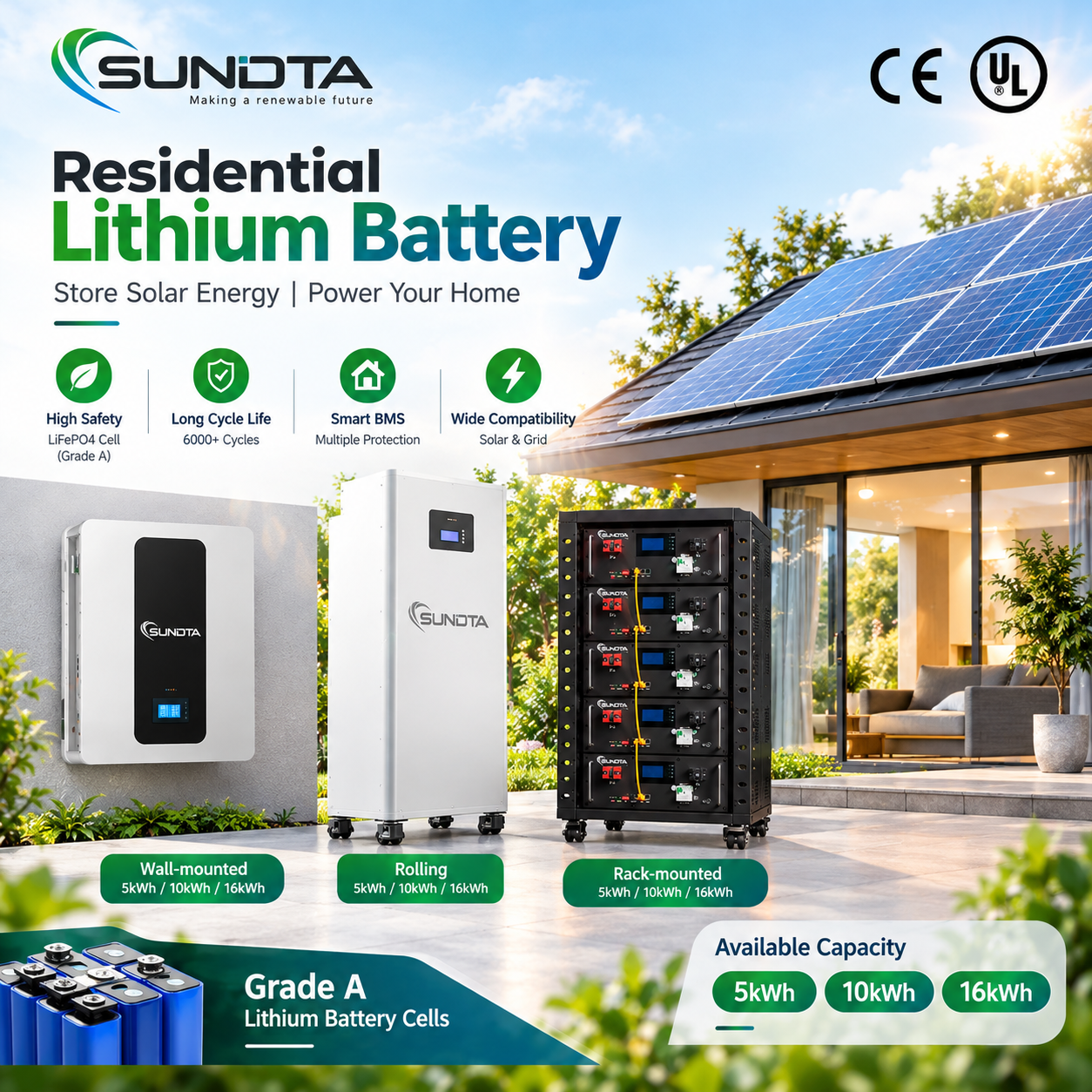
Sundta Stacked 10kWh 20kWh 30kWh Modular LiFePO4 Battery
- Scalable vertical footprint (10kWh to 30kWh)
- 6,000+ deep cycle life @ 80% DoD
- Integrated cold-weather cell thermal balance
Premium 585W-595W N Type Bifacial Half-Cut PV Module
- Up to 23.1% high-efficiency conversion
- Up to 30% rear albedo gain from winter snow
- Ultra-low temperature coefficient (-0.30%/°C)
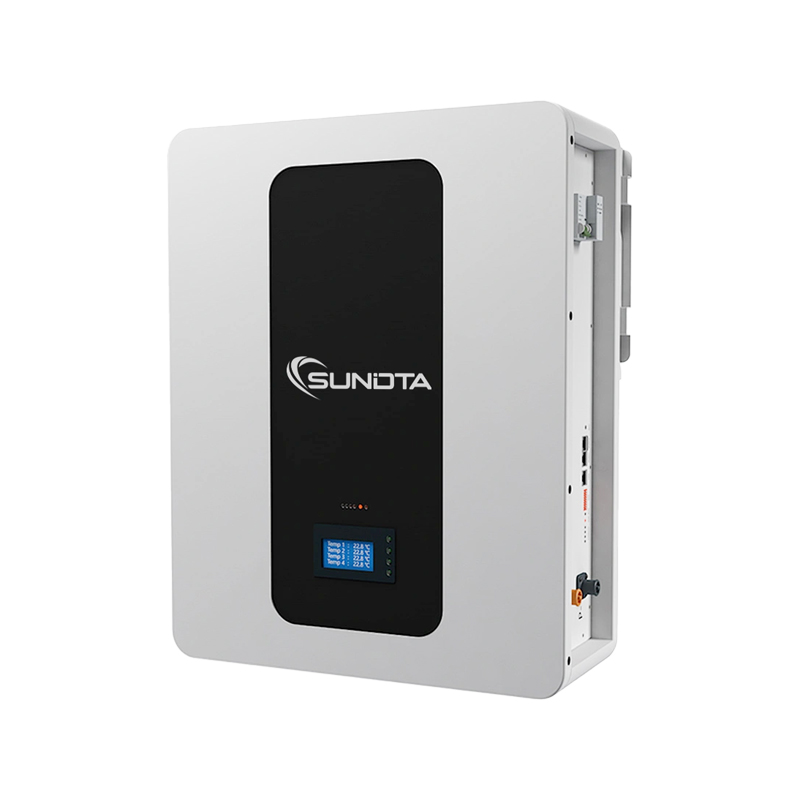
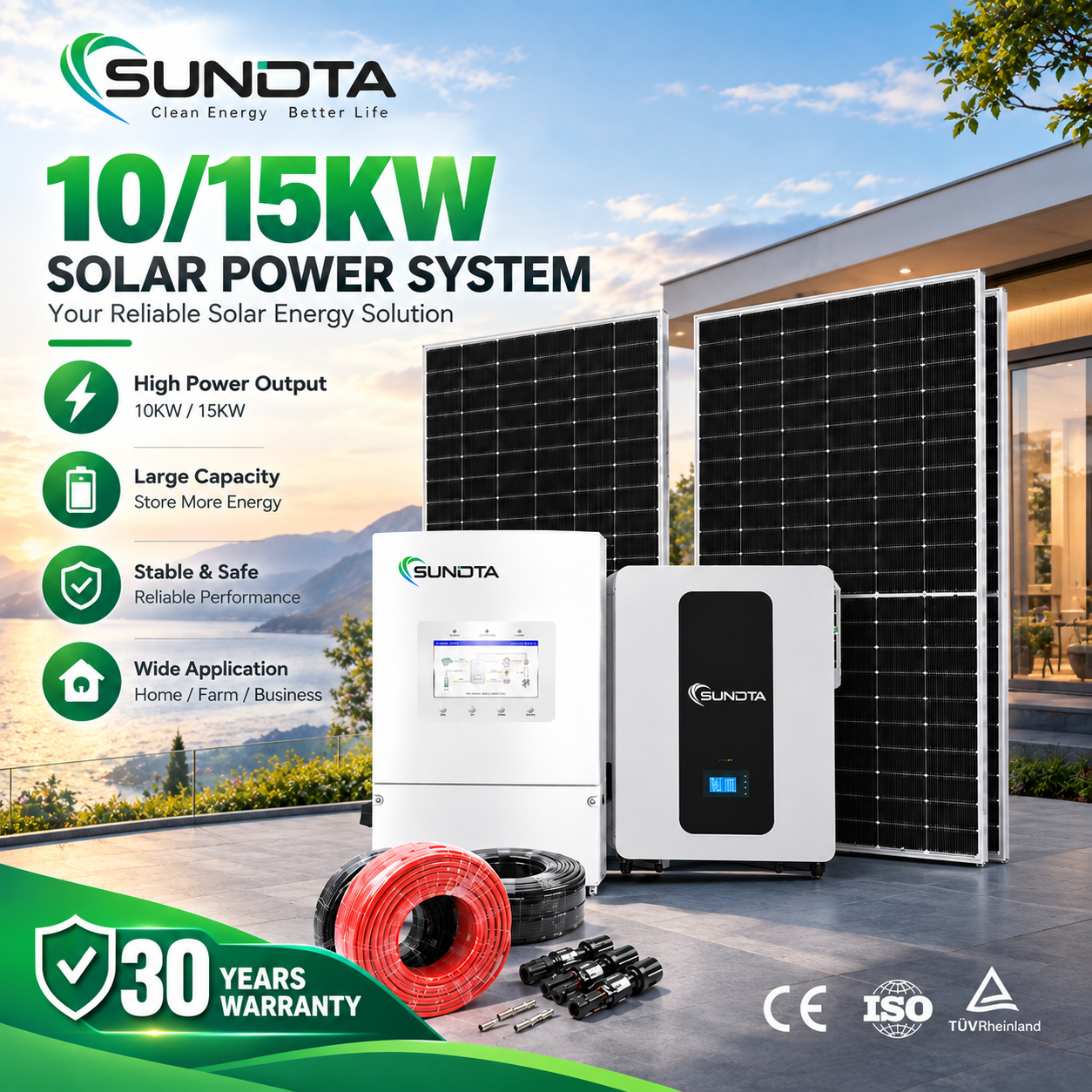
Sundta 48V/51.2V LiFePO4 10kWh Wall-Mounted System
- 200Ah prismatic cell architecture
- CAN/RS485 closed-loop communication
- Space-saving Bhutanese architectural wall fit
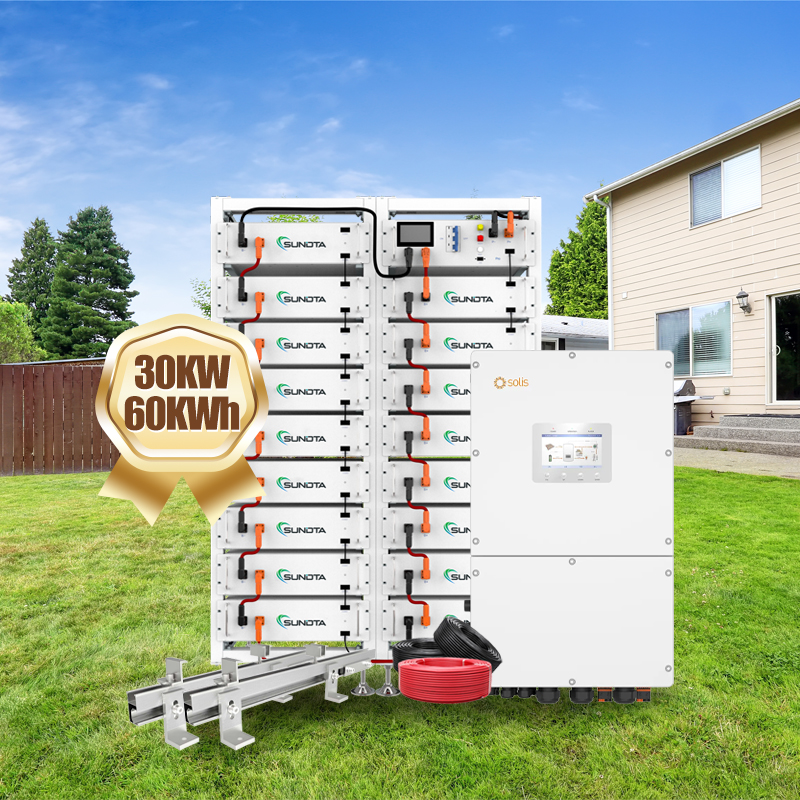
Complete 10kW–30kW Turnkey Hybrid Solar System
- Pre-engineered balance of system (BOS)
- High-yield half-cut panels + hybrid inverter
- EU & IEC grid certification compliant
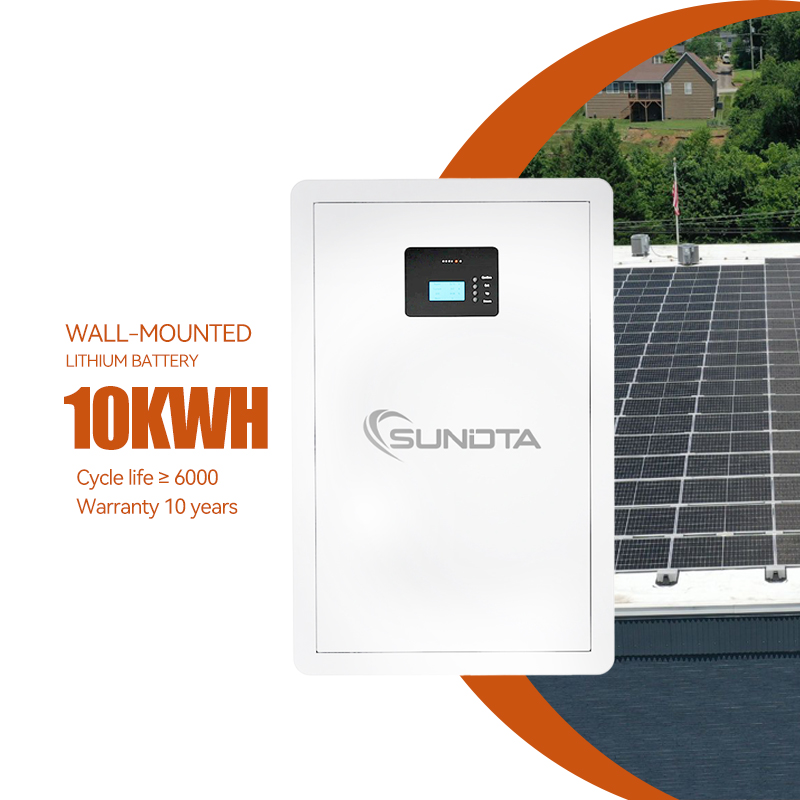
Sundta IP65 10kWh 51.2V 200Ah Smart BMS Battery
- Severe weather hermetic seal (IP65)
- Autonomous low-temp cell preheating
- Multi-unit parallel connection up to 150kWh
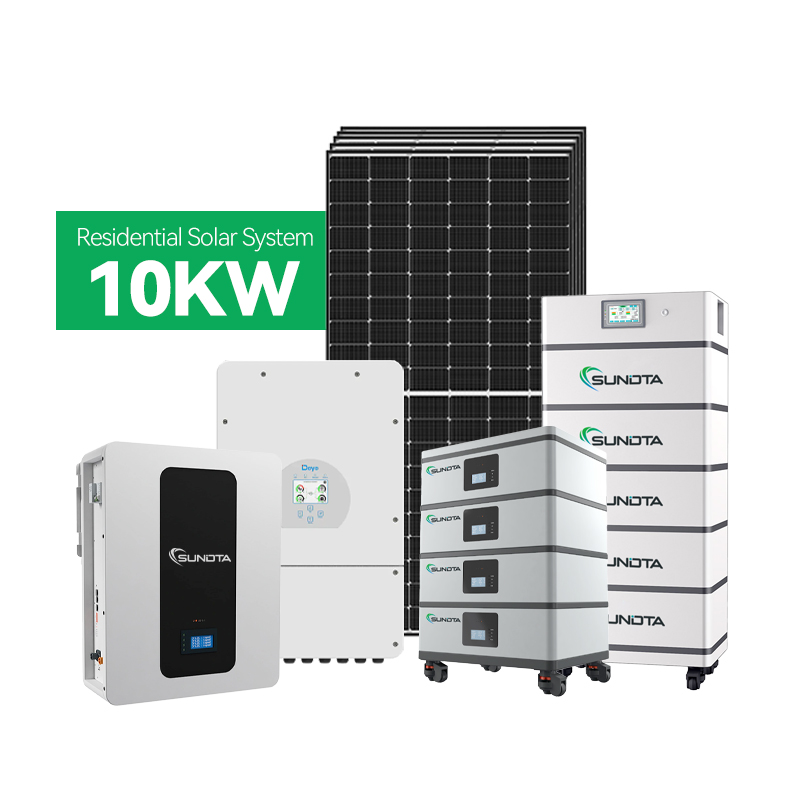
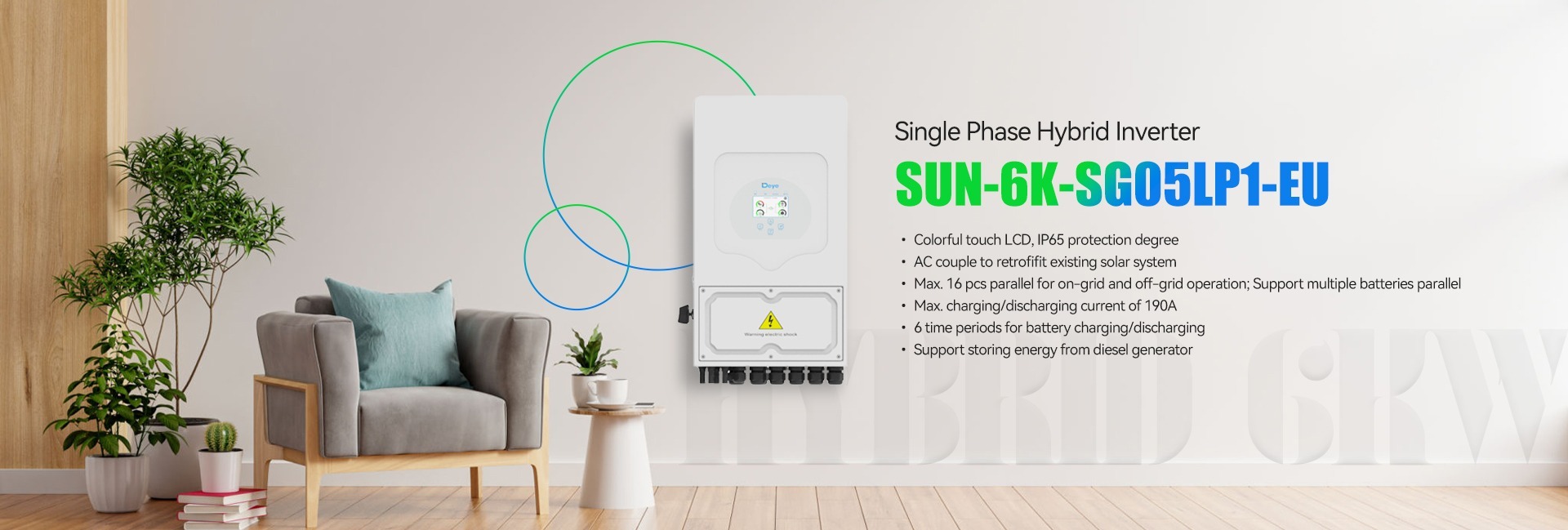
Sundta 10kW–12kW Hybrid Solar System with LiFePO4
- Instant 10ms microsecond UPS transfer
- Dual MPPT tracking for multi-pitch roofs
- Smart app remote performance monitoring
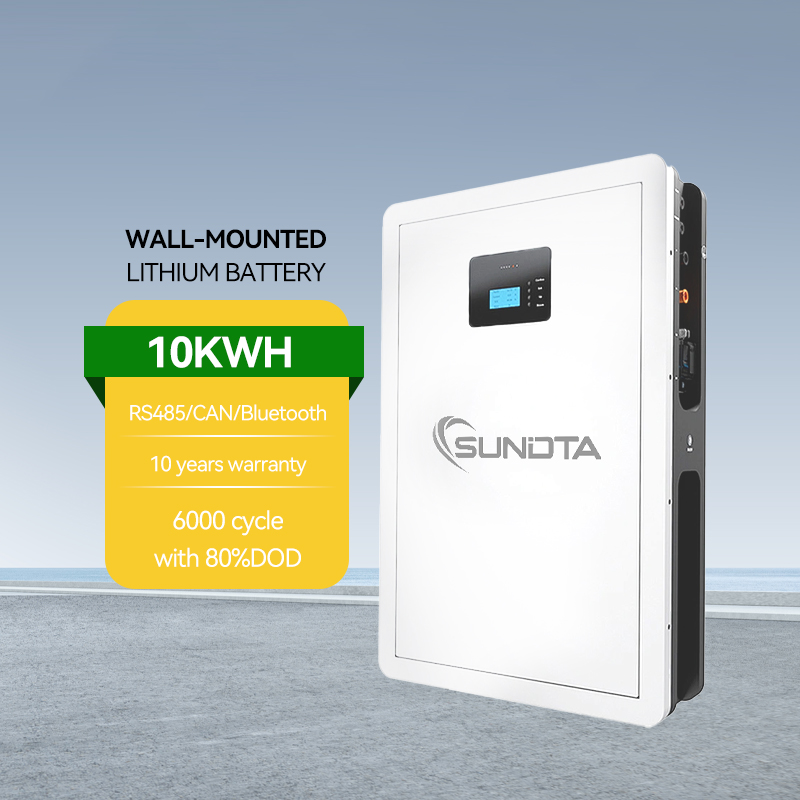
Fast Dispatch 48V/51.2V 5kWh–10kWh LiFePO4 Battery
- Tier-1 A-grade prismatic lithium cells
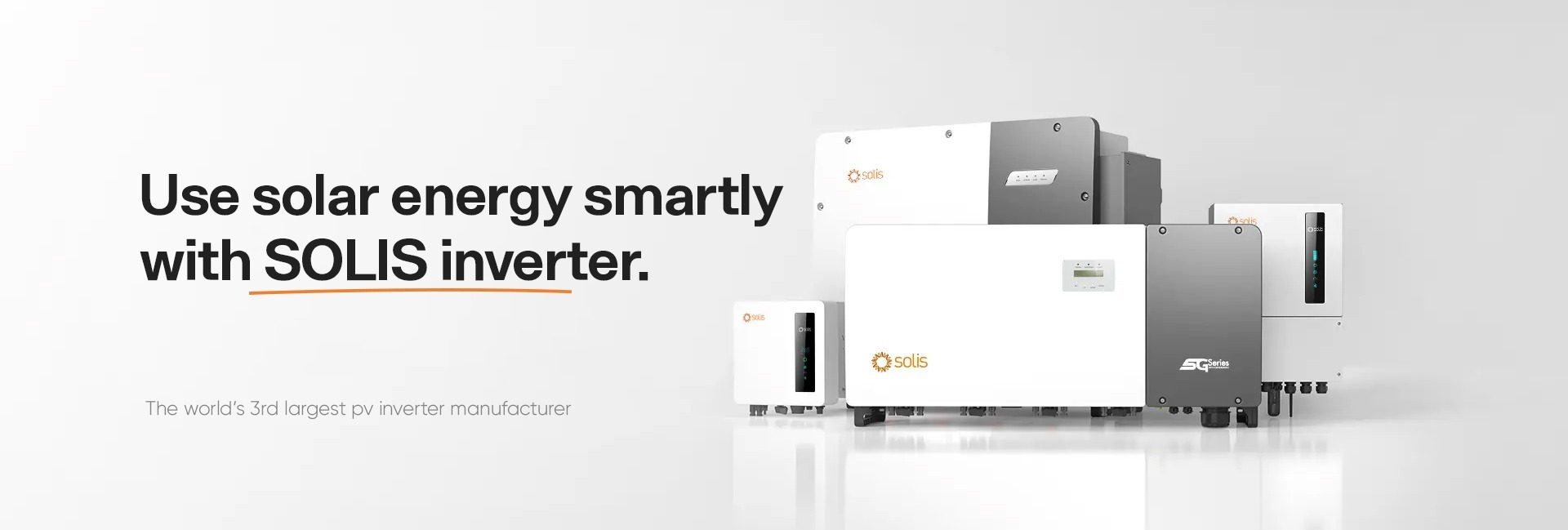
- Compatible with Solis, Deye & Growatt
- Factory-direct pre-delivery flash tested
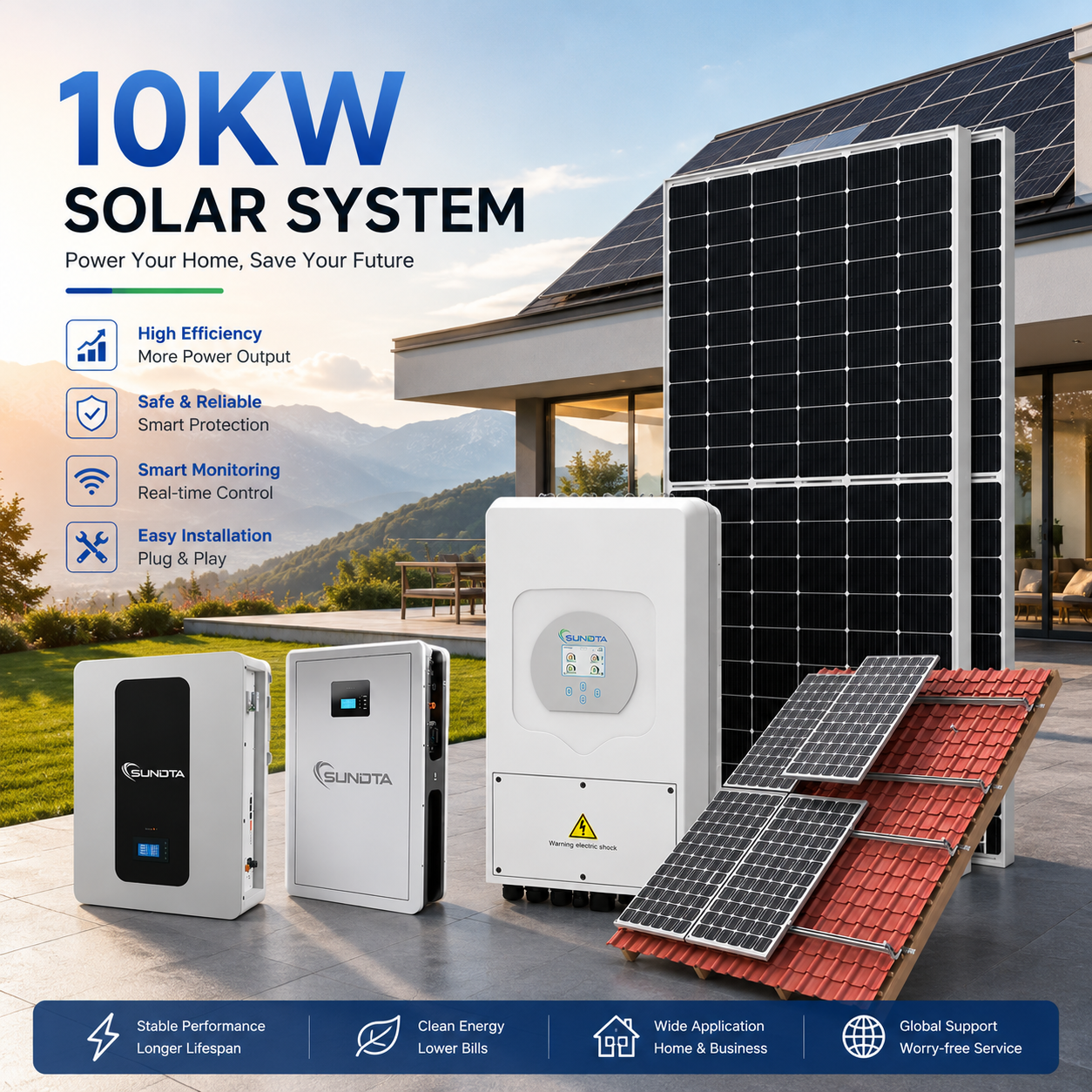
Emergency Whole-House 15kW–50kW Hybrid Generator
- High-capacity solar generation & storage
- Engineered for off-grid estates & remote resorts
- Heavy-duty surge support for heat pumps
Why Half-Cut Cell Architecture Is Mandatory for Thimphu
Situated at an elevation of 2,320 meters (7,610 feet) above sea level, Thimphu exhibits a unique microclimatic profile characterized by intense direct ultraviolet irradiance, severe diurnal thermal shock, persistent winter morning freezes, and acute mountain shadow casting.
50% Internal Current & Minimized I²R Losses
Standard full-cell panels suffer massive resistive losses under Thimphu’s peak noon irradiance, where peak sunlight reaches upwards of 1,100 W/m² due to thinner atmospheric dispersion. By splitting the standard monocrystalline wafer into two equal halves, half-cut technology halves the internal current flowing through each busbar ($I_{cell} = I_{full} / 2$). Because resistive power dissipation follows Joule's law ($P_{loss} = I^2R$), internal ribbon resistive losses are slashed by 75%, generating a measurable 2.5% to 4% boost in effective field energy harvest.
Superior Temperature Coefficient at Sub-Zero to High Noon
Bhutan experiences severe diurnal swings: sub-zero temperatures (-5°C) at dawn transitioning rapidly to elevated module surface temperatures (exceeding 45°C) under high-UV mountain sun. Our N-type TOPCon half-cut modules possess an industry-leading temperature coefficient of -0.30%/°C (contrasted with traditional P-type PERC at -0.36%/°C). Combined with dual split junction boxes that segregate heat dissipation points, our modules maintain operating temperatures 2.8°C lower than standard monolithic junction modules.
Parallel Sub-String Shade Immunity in Mountain Valleys
Thimphu’s steep valley slopes and high-ridge topology induce pronounced early-morning and late-afternoon localized horizon shading, exacerbated by traditional timber roof gables. Full-cell panels wired strictly in series shut down an entire string bypass diode when shaded across the bottom row. Half-cut modules feature split upper and lower sub-circuits connected in parallel. Partial bottom shading on a half-cut array leaves the upper 50% producing power at full capacity without collapsing circuit voltage.
Half-Cut TOPCon vs. Standard PERC: Thimphu Environmental Matrix
Empirical field comparisons illustrate why commercial, government, and residential solar EPCs in Bhutan are migrating away from legacy full-cell architectures to high-density half-cut TOPCon modules.
| Evaluation Parameter | Legacy Full-Cell 72/144 P-PERC | RJV Half-Cut N-TOPCon 585W–595W | Advantage for Thimphu & Paro Region |
|---|---|---|---|
| Module Efficiency (%) | 20.2% – 20.8% | 22.6% – 23.1% | +11% Area Yield Max output within restricted Bhutanese roof dimensions |
| Temperature Coefficient (Pmax) | -0.35% to -0.38% / °C | -0.30% / °C | Thermally Resilient Slashes derating losses under high alpine solar irradiance |
| Snow / Mechanical Static Load | 2,400 Pa Rear / 5,400 Pa Front | 2,400 Pa Rear / 5,400 Pa Front (35mm Al-Frame) | Reinforced Stability Zero micro-cracking under heavy wet Himalayan winter snowpacks |
| Bifaciality Factor | 65% – 70% (Standard Bifacial) | 80% ± 5% (Dual-Glass N-Type) | Snow Albedo Gain Up to 30% additional backside boost during Himalayan snowfall days |
| Hot-Spot Temperature Risk | High (> 110°C localized hotspot) | Low (< 85°C mitigated by half current) | Fire-Safe Certified Critical for traditional wooden lintels and heritage architecture |
| LID & LeTID Degradation | 2.0% Year 1, 0.55% annual | 1.0% Year 1, 0.40% annual | 30-Year Performance Delivers 87.4% rated output at Year 30 |
Tailored Application Scenarios Across Thimphu Dzongkhag
Integrating modern photovoltaic technology within Bhutan's strict cultural aesthetic guidelines and unique electrical ecosystem requires application-engineered hardware.

Heritage-Compliant Rooftop Solar
In central Thimphu and surrounding villages, the Thimphu Municipal Corporation (Thromde) enforces strict traditional architectural aesthetics (Bhutanese timber framing, pitched roofs, and trefoils). Our all-black half-cut modules integrate discreetly onto multi-tiered roofs, preserving historic visual identity while mitigating grid-tied winter electricity spikes.
Winter Hydro Peak-Shaving Hybrid Systems
While Bhutan exports surplus run-of-the-river hydropower to India in summer, river volumes plunge by over 75% in mid-winter, turning Bhutan into a net electricity importer. Pairing our 590W N-type half-cut modules with 30kW–50kW LiFePO4 ESS provides vital industrial daytime peak shaving and critical base-load autonomy for local enterprises.
Monastic Centers & High-Ridge Gompas
Sacred monastic institutions located on steep Himalayan ridgelines around Tango, Cheri, and Phajoding frequently suffer transmission disruptions caused by mountain landslides and heavy snowfall. Our robust off-grid half-cut kits with IP65-sealed lithium batteries guarantee uninterrupted lighting, religious temple climate control, and communication.
Eco-Resort & Boutique Hotel Energy Security
Thimphu's luxury eco-tourism sector depends on silent, zero-emission green power. Our three-phase hybrid inverters paired with stackable LiFePO4 batteries eliminate noisy diesel backup generators, silently handling heavy electric space heating loads and heat pump systems without disrupting guests.
Thimphu & Bhutan Solar Market Development Trends
Strategic analysis of the Kingdom of Bhutan's evolving renewable energy roadmap, grid parity, and cross-border energy dynamics.
Bhutan Alternative Renewable Energy Policy (AREP)
The Department of Energy (Ministry of Energy and Natural Resources) has accelerated deployment targets under Bhutan’s 13th Five-Year Plan to build over 500 MW of non-hydro renewables by 2030. To diversify beyond 100% hydropower reliance, national pilot projects in Shaba and surrounding valleys are driving demand for Tier-1 utility and commercial-grade half-cut modules.
Bhutan Power Corporation (BPC) Distributed Generation
Net metering regulations issued by the Bhutan Electricity Authority (BEA) are formalizing commercial grid-interconnection standards. Installers require CE-certified, low-harmonic-distortion inverters and anti-islanding-compliant systems capable of synchronizing smoothly with BPC’s 400V/230V 50Hz distribution network across the Thimphu Valley.
Gross National Happiness (GNH) & Carbon-Negative Mandate
As the world’s premier carbon-negative country, Bhutan prohibits high-emission generation methods. The adoption of high-efficiency N-type half-cut modules with Lead-Free soldering and 30-year lifecycle durability aligns directly with the nation's environmental protection constitutional mandates, giving RJV products significant preference among institutional EPC buyers.
Why Importers & EPCs in Bhutan Partner with RJV New Energy
Headquartered in Hefei, China, Anhui RJV New Energy Co., Ltd. eliminates procurement risks for international B2B buyers by integrating module manufacturing, power electronics, and lithium battery storage into one unified, tested bill of materials.
TÜV Rheinland Assessed
Our manufacturing facilities and testing protocols have undergone comprehensive on-site verification by TÜV Rheinland. Full flash test reports, EL crack tests, and CE compliance files accompany every shipping container.
2 GW Automated Production
Operating advanced automated stringer and lamination lines with 2 GW annual module capacity and 12+ years of PV research and development, ensuring absolute batch consistency and zero micro-cracks.
Pre-Matched Closed-Loop BOM
We eliminate commissioning delays in Bhutan by validating inverter MPPT voltage windows, CAN/RS485 BMS communication protocols, and DC disconnect hardware before cargo leaves our warehouse.
24/7 Direct Engineering Support
Direct access to dedicated electrical engineers for string sizing, mountain snow tilt-angle optimization, battery pre-heating configurations, and rapid warranty support across global time zones.
Reliable Freight & Customs Protocol for Bhutan Sourcing
Landlocked procurement into Thimphu demands meticulous freight route engineering and vibration-resistant export packaging.
Ocean Freight to Kolkata Port
Shipments depart directly from Shanghai, Ningbo, or Shenzhen to Kolkata Port (Syama Prasad Mookerjee Port), India, under international transit treaties. We issue pre-cleared Bill of Lading (B/L) and Bhutan Transit Declarations (CTD) to eliminate port detention delays.
Cross-Border Transit via Phuentsholing
Bonded freight moves inland via secure multi-axle trailers through West Bengal into the primary southern border trading hub of Phuentsholing, Bhutan, coordinating smoothly with the Department of Revenue and Customs (DRC) for swift clearance.
Reinforced Transport to Thimphu
Traversing the winding 170-kilometer Phuentsholing-Thimphu Highway requires our signature export packaging: heavy-duty vertical pallet crates with reinforced corner protectors, desiccants, and anti-shock strapping to eliminate cell micro-cracking across high-altitude mountain ascents.
Frequently Asked Questions by Bhutanese Solar Importers
Essential technical, operational, and commercial insights for engineers, commercial buyers, and EPC contractors operating in Thimphu, Paro, and Punakha.
How do half-cut solar panels withstand Thimphu's heavy winter snowfall and freezing temperatures?
Does altitude derating at 2,320m elevation impact solar panel performance in Thimphu?
Can we order mixed containers containing panels, hybrid inverters, and LiFePO4 batteries?
What are the accepted Incoterms, payment conditions, and minimum order quantities (MOQ)?
How is warranty and technical troubleshooting supported in Bhutan?
Ready to Engineer Your Solar Project for Thimphu?
Consult directly with our high-altitude photovoltaic engineering team. Whether you require containerized factory-direct module supplies, a commercial hybrid peak-shaving system, or a tender-compliant bill of materials for Bhutan, our specialists provide detailed string designs and quotations within 24 hours.
- TÜV Rheinland Inspected Factory
- Complete System BOM Compatibility
- Direct Support via Kolkata & Phuentsholing