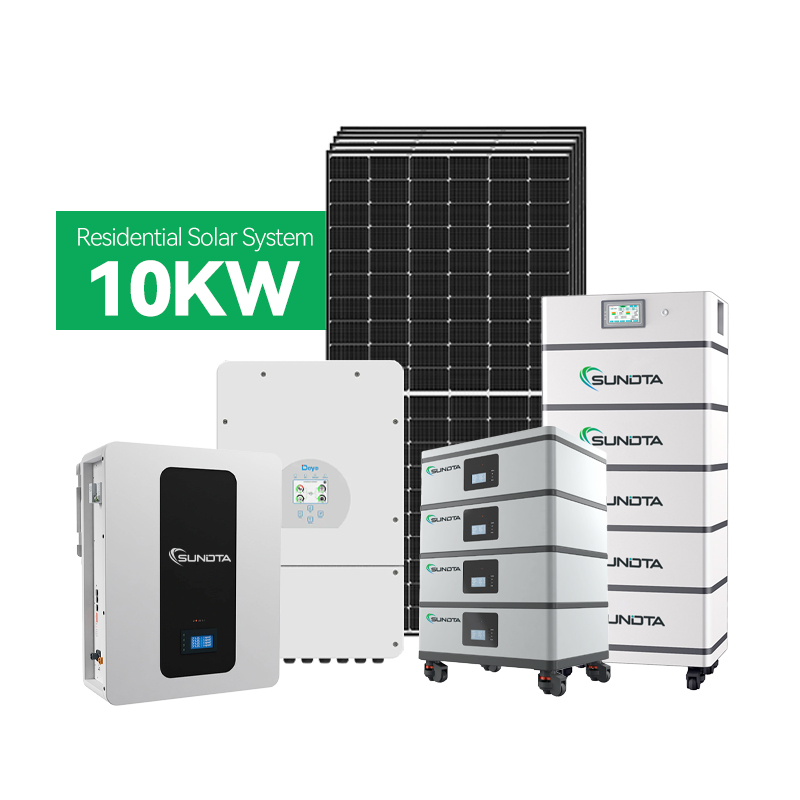
- Split-Phase 120/240V Native Topology
- Integrated LiFePO4 Energy Storage
- Certified for AEP Ohio Interconnection
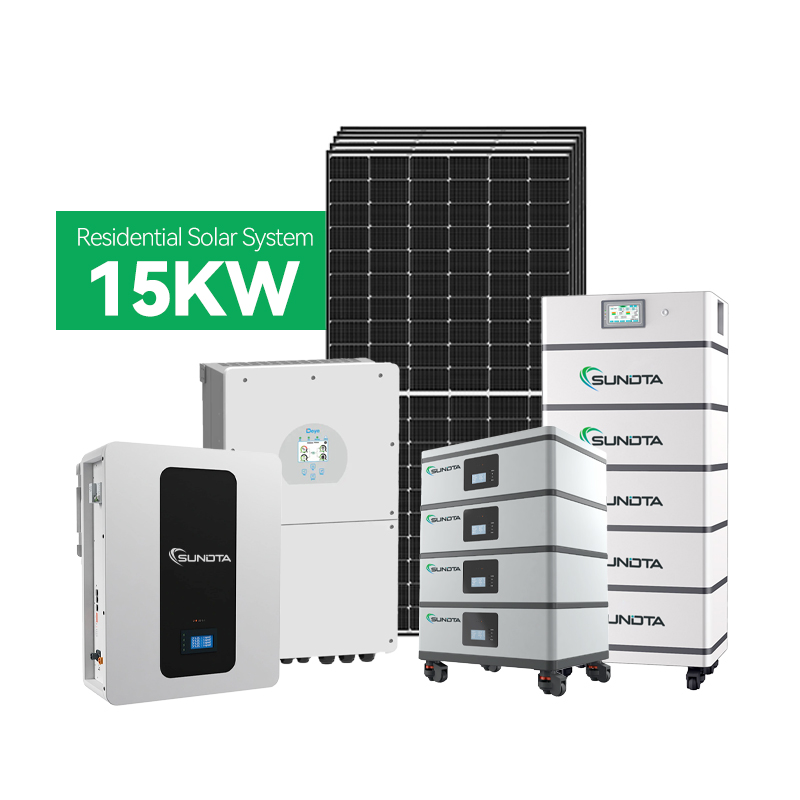
- Factory Pre-Wired Combiner & Inverter
- Anti-Islanding IEEE 1547.1 Compliant
- Rapid Shutdown & Arc-Fault Protection
- Grade-A Prismatic LiFePO4 Cells
- Dual CAN/RS485 Industrial Bus
- 6,000+ Deep Cycles at 90% DoD

- Vertical Plug-and-Play Quick Stacking
- Active Cell Thermal Balancing
- Multi-Inverter Protocol Auto-Sync

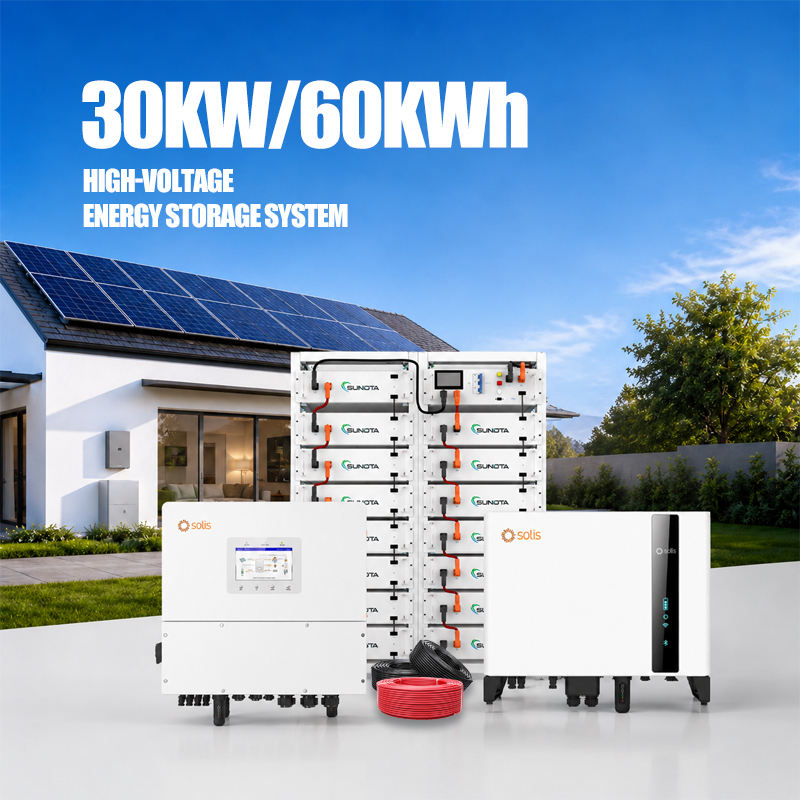
- Direct High-Voltage DC Bus (300V-800V)
- Peak Shaving & Demand Charge Curtailment
- Dual-Aerosol Internal Fire Suppression
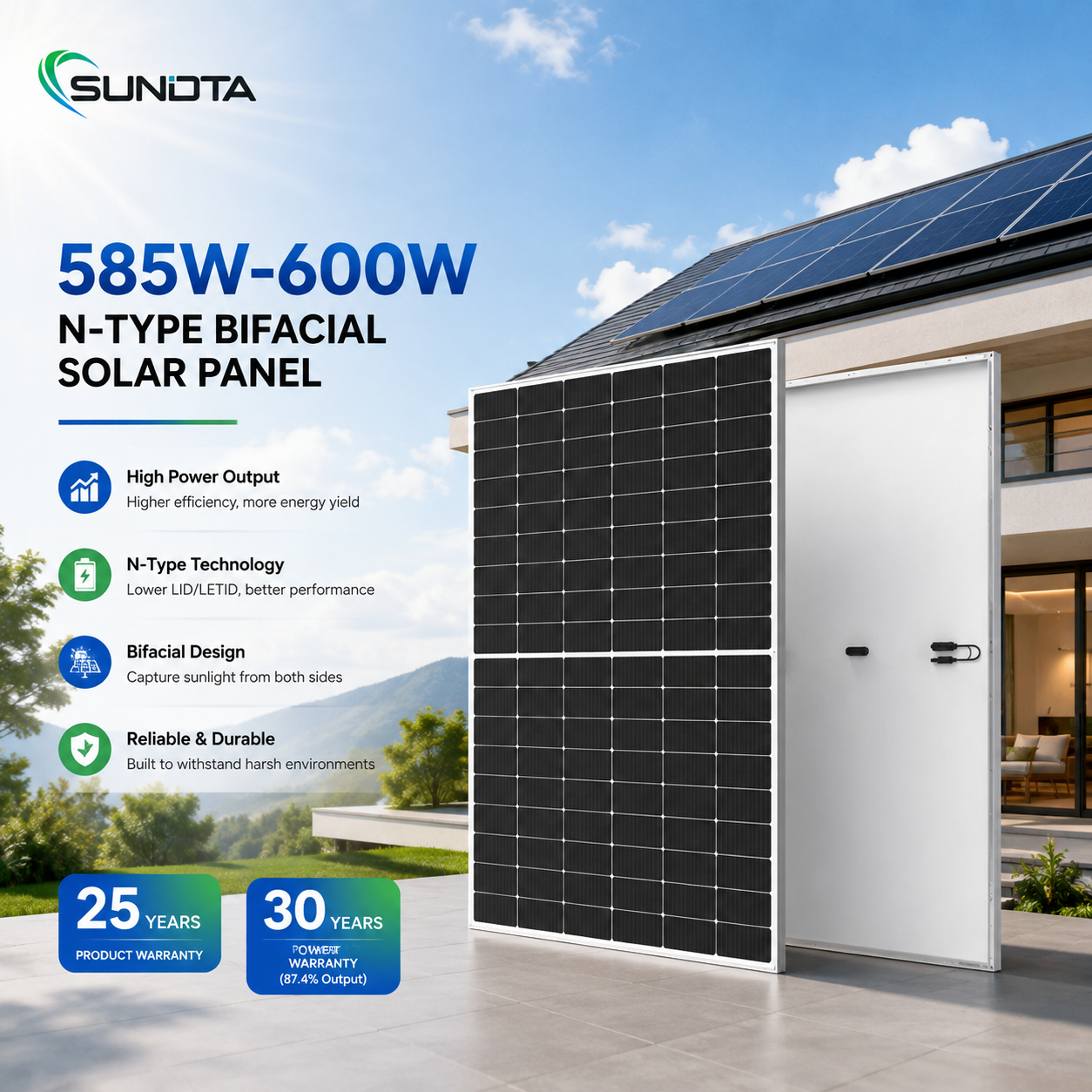
- 23.0%+ Aperture Conversion Efficiency
- 85%-90% Industry-Leading Bifaciality
- Optimized Albedo Gain for Midwest Snow
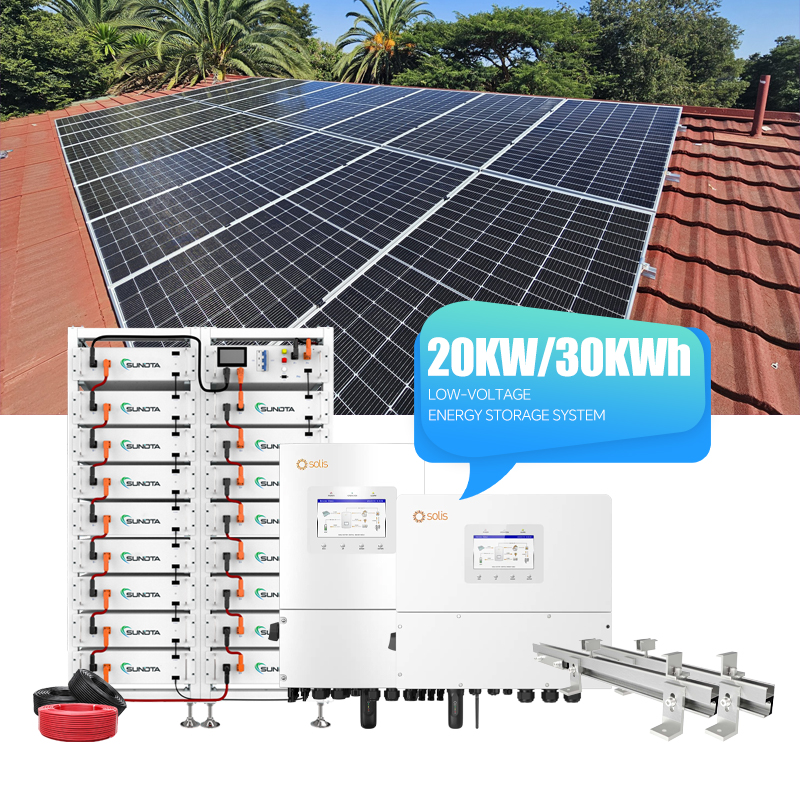
- Heavy C&I Three-Phase 208V/480V Matching
- Factory Pre-Commissioned Firmware
- Complete DC/AC Protection Cabinet
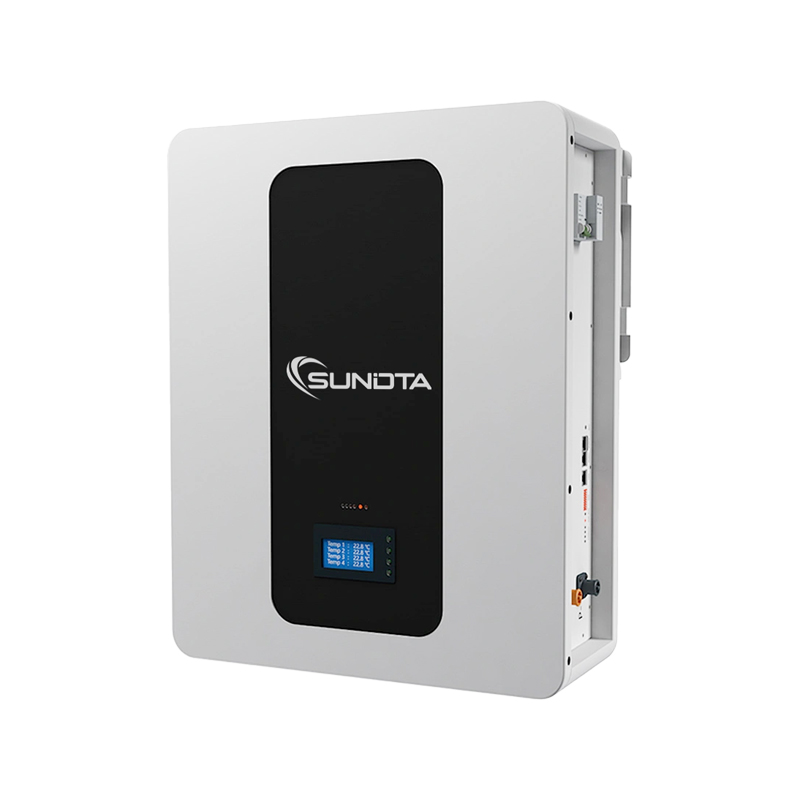
- Sleek Wall-Mount Architectural Profile
- Closed-Loop Deye / Solis CAN Protocols
- Rapid Containerized Dispatch
Silicon Heterojunction (HJT) Physics: Overcoming Midwest Climate Constraints
For solar engineering, procurement, and construction (EPC) firms and utility developers throughout Franklin County, Delaware County, and the broader Columbus metropolitan area, energy yield economics are heavily governed by variable Midwest weather patterns. Central Ohio experiences severe winter cloud cover, prolonged periods of low diffuse solar irradiation, ambient summer temperature spikes, and intense winter snow events. Heterojunction technology directly eliminates the physical bottlenecks inherent to legacy P-type PERC and transitional N-type TOPCon modules.
Amorphous Silicon (a-Si:H) Passivation
HJT utilizes an ultra-thin monocrystalline N-type silicon wafer encapsulated between layers of wide-bandgap intrinsic and doped hydrogenated amorphous silicon. This defect-free surface passivation suppresses carrier recombination velocity to under 1 cm/s, yielding open-circuit voltages (Voc) exceeding 750 mV and aperture conversion efficiencies above 23.5%.
Industry-Leading Temp Coefficient
While standard TOPCon degradation accelerates at -0.30%/°C and PERC at -0.35%/°C, RJV Heterojunction cells maintain an ultra-linear -0.26%/°C. During humid Columbus summer heatwaves where rooftop module temperatures reach 65°C, HJT delivers 3.8% to 5.4% greater instantaneous kilowatt-hour output compared to conventional platforms.
90%+ True Symmetrical Bifaciality
Due to identical front and rear electrode deposition using Transparent Conductive Oxide (TCO) layers, HJT achieves true bifaciality ratios between 90% and 95%. When deployed across commercial white TPO flat roofs or snow-covered Ohio ground arrays, rear-side albedo reflections boost gross string harvest by an additional 12% to 22%.
| Performance Characteristic | Heterojunction (HJT) | N-Type TOPCon | P-Type Mono PERC | Commercial Impact in Columbus, OH |
|---|---|---|---|---|
| Cell Architecture | N-Type Mono + a-Si:H Double Layer | N-Type Mono + Tunnel Oxide Passivated | P-Type Mono + Al2O3 Back Surface Field | HJT eliminates PID and zero-light LID degradation natively. |
| Pmax Temp. Coefficient | -0.26 % / °C | -0.30 % / °C | -0.35 % / °C | Substantial yield advantage during 85°F+ summer load peaks. |
| Bifaciality Factor | 90% – 95% | 80% – 85% | 65% – 70% | Captures up to 25% extra energy over snowy Ohio winter fields. |
| Low-Light Spectral Response | Superior (a-Si Wide Bandgap) | Moderate | Standard | Starts generating 25 minutes earlier; continues past dusk. |
| Year 1 Degradation | ≤ 1.0 % | ≤ 1.0 % | ≤ 2.0 % | Significantly protects project NPV and bankable debt service. |
| 30-Year Linear Output Guarantee | ≥ 88.0 % | ≥ 87.4 % | ≥ 84.8 % | Guarantees 30-year Levelized Cost of Electricity (LCOE) reduction. |
Engineered for Columbus: Application Scenarios & Load Profiles
From the bustling New Albany semiconductor and tech corridor to logistics complexes around Rickenbacker Airport, Central Ohio represents one of the fastest expanding power markets in the United States. RJV supplies tailor-matched solar PV and battery storage architectures built to satisfy municipal utility interconnection guidelines and strict local code ordinances.
Data Centers & Chip Fabs (New Albany Corridor)
With Intel's multibillion-dollar semiconductor foundry and surrounding hyperscale cloud data centers in eastern Franklin and Licking Counties, base-load and peak-shaving needs are critical. RJV high-density HJT modules coupled with containerized LiFePO4 ESS safeguard mission-critical uptime while shaving AEP Ohio peak capacity transmission charges.
Rickenbacker Intermodal & Distribution Centers
South of Columbus, the Rickenbacker International Airport logistics zone houses millions of square feet of warehouse rooftop space. High-albedo white single-ply TPO roofs provide an ideal reflection plane for HJT bifacial cells, generating up to 22% bonus yield to offset 24/7 refrigeration and automated sorting equipment energy demand.
Municipal, Healthcare & Campus Arrays
Public institutions across downtown Columbus, Grandview Heights, and the Ohio State University medical district demand maximum power generation from constrained urban footprint areas. The higher per-square-foot power density of HJT arrays maximizes rooftop ROI within rigid structural roof-weight limitations.
Central Ohio Farmland & Microgrids
Agricultural operations in Pickaway, Fairfield, and Madison counties require rugged distributed energy systems resilient to extreme midwestern freezing rains and heavy mechanical snow loading (tested to 5400 Pa mechanical load). Dual-glass bifacial HJT panels elevate ground clearance for continued grazing and crop compatibility.
Columbus Clean Energy Trends: PJM Queue, AEP Tariffs & IRA Headwinds
Deploying solar projects in the Columbus territory requires deep alignment with regional grid operator rules, utility tariff schedules, and federal incentive structures.
PJM Interconnection Queue Navigation
As Columbus sits directly inside the PJM Regional Transmission Organization (RTO), distributed generation projects under 20 MW face new cluster-study interconnection timelines. Sourcing pre-certified, IEEE 1547-2018 and UL 1741-SB compliant inverters with factory-validated ride-through capabilities prevents months of engineering review pushback from AEP Ohio.
Mitigating Commercial Demand Ratchets
AEP Ohio GS-3 and GS-4 general service tariffs penalize commercial facilities with heavy non-coincident demand charges calculated from their highest 15-minute electrical peak during billing cycles. Combining RJV HJT solar arrays with high-voltage LiFePO4 battery cabinets allows automated microsecond peak shaving, slashing utility charges by 30% to 55%.
Federal ITC & Energy Community Adders
Under the Inflation Reduction Act (IRA), solar and storage installations can leverage the 30% Investment Tax Credit (ITC). Select historical brownfield and energy communities bordering the Ohio River and eastern Appalachian basins qualify for additional 10% adder bonuses. RJV provides comprehensive supply chain tracing and documentation to substantiate developer tax claims.
Why Columbus EPCs & Wholesalers Partner with Anhui RJV
Procuring solar modules, hybrid inverters, and battery storage across separated vendors creates protocol incompatibilities, fragmented warranties, and costly jobsite delays. RJV delivers an integrated, factory-matched PV bill of materials directly from our Hefei manufacturing hub to your jobsite in Central Ohio.
2 GW Automated Production Depth
Our intelligent gigawatt-scale manufacturing facilities in Hefei, Anhui utilize cutting-edge robotic stringer soldering, dual-stage automated EL inspection, and MES traceability, guaranteeing zero micro-cracks before packing.
TÜV Rheinland Assessed Facility
Our operations, labor conditions, and quality management systems have undergone stringent on-site inspection by TÜV Rheinland. Products carry rigorous CE, IEC 61215, IEC 61730, and UN38.3 lithium safety certifications.
Closed-Loop Inverter & BMS Sync
We eliminate communication faults between Deye, Solis, and Growatt inverters and our 51.2V / HV LiFePO4 battery management systems. Firmware is calibrated and bench-tested over CAN and RS485 before dispatch.
Midwest Logistics Execution
Supported Incoterms include FOB, CFR, CIF, and full DDP delivery via East Coast intermodal rail directly to the Rickenbacker Intermodal Terminal, streamlining customs clearance and container handling.
Tier-1 Bankability & Flash Data
Every shipped pallet is paired with serial-numbered IV curve flash data, optical inspection reports, and factory warranty commitments. Our corporate balance sheet maintains an AAA financial credit rating.
Dedicated 24/7 Engineering Support
Our bilingual electrical and applications engineering team provides complete pre-sales string sizing, array tilt calculations, and real-time remote commissioning support to solve field challenges fast.
Columbus Solar Procurement: Frequently Asked Questions
Clear, engineering-driven answers to the technical, logistical, and compliance questions most often asked by Midwest solar buyers, developers, and electrical contractors.
How do HJT solar cells perform in Columbus during overcast winter months and freezing temperatures?
What are the typical shipping routes, lead times, and port handling for delivery into Columbus, Ohio?
Are RJV hybrid inverters and LiFePO4 batteries pre-certified for AEP Ohio and Duke Energy interconnection?
How does RJV prevent battery degradation during sub-zero Ohio winter weather?
What is the Minimum Order Quantity (MOQ) for distributors and developers in Columbus?
What linear warranty and degradation assurances are provided with your HJT modules?
Accelerate Your Columbus Solar Projects with Factory-Direct HJT Supply
Whether you are designing a multi-megawatt commercial rooftop array in New Albany, outfitting agricultural microgrids across Pickaway County, or stocking distribution warehouses throughout Central Ohio, our engineering team is ready to provide comprehensive Bill of Materials (BOM) sizing, electrical single-line diagrams, and competitive wholesale pricing within 24 hours.