Turnkey Solar Storage Kits Engineered for Bangladesh
Every complete hybrid kit and modular LiFePO4 battery pack features closed-loop CAN/RS485 BMS integration, seamless grid-to-island switching within 4 milliseconds, and corrosion-resistant IP65 encapsulation built for South Asian coastal and riverine climates.
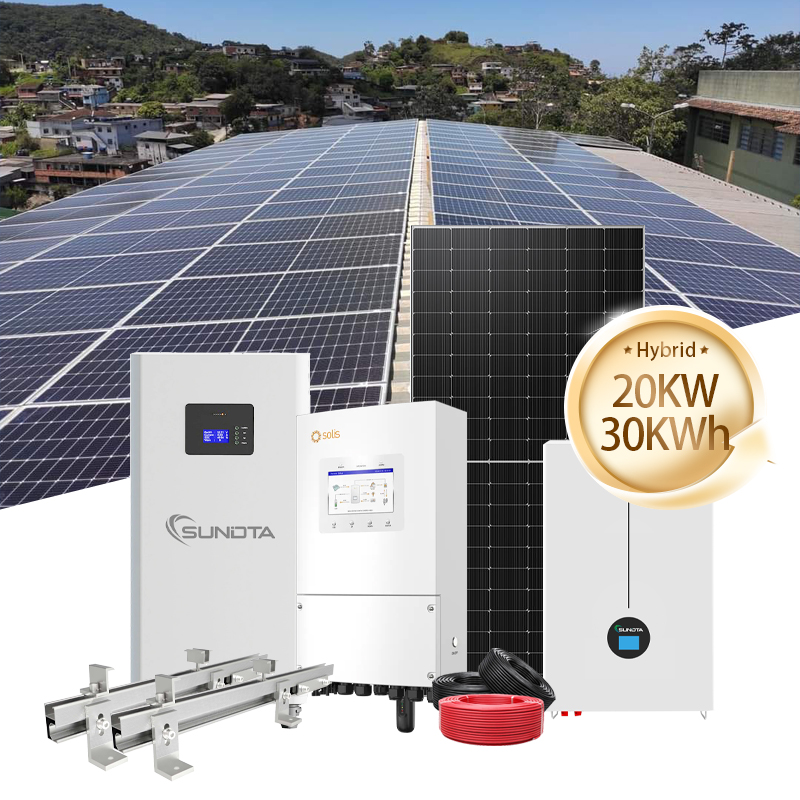
- Dual MPPT with 99.9% dynamic efficiency
- High-voltage LiFePO4 integration
- Zero-export & Net Metering compliant
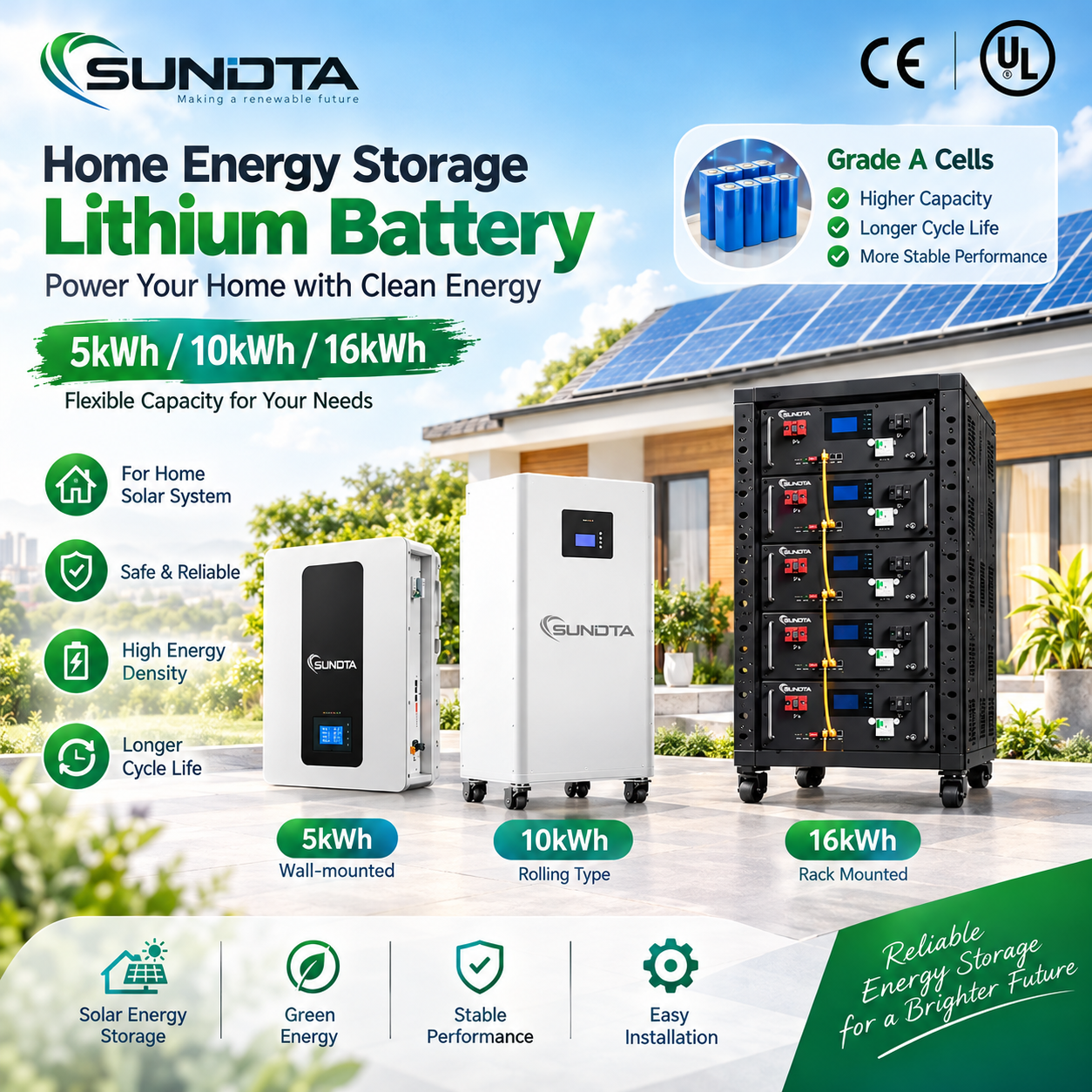
- Grade-A Prismatic EV-class cells
- 6,000+ deep discharge cycles @ 80% DoD
- Plug-and-play CAN/RS485 communication
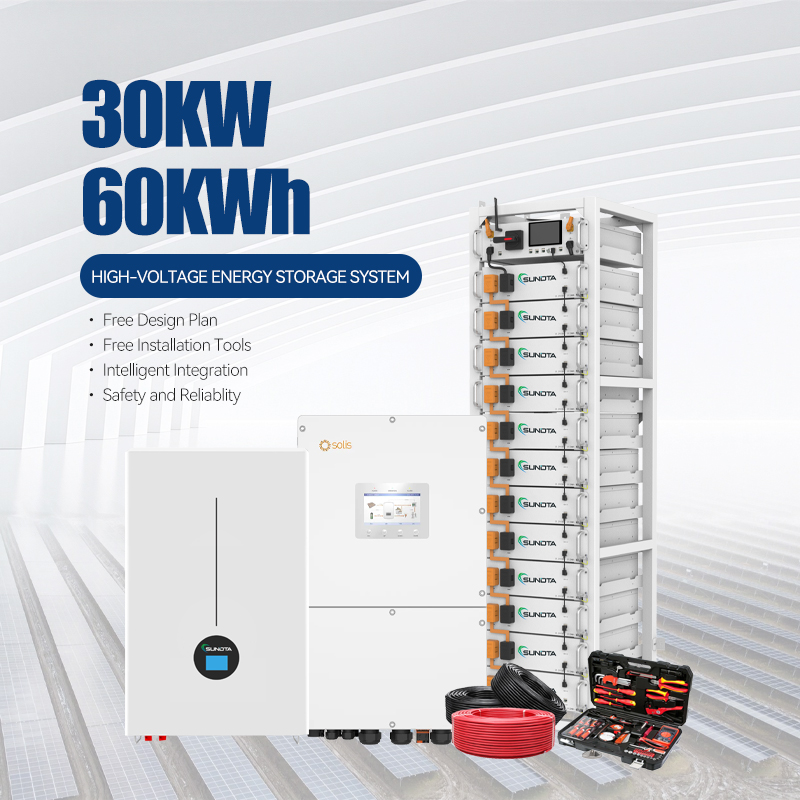
- Ultra-high energy density slimline design
- Integrated active cell balancing
- Up to 15 units parallel expansion
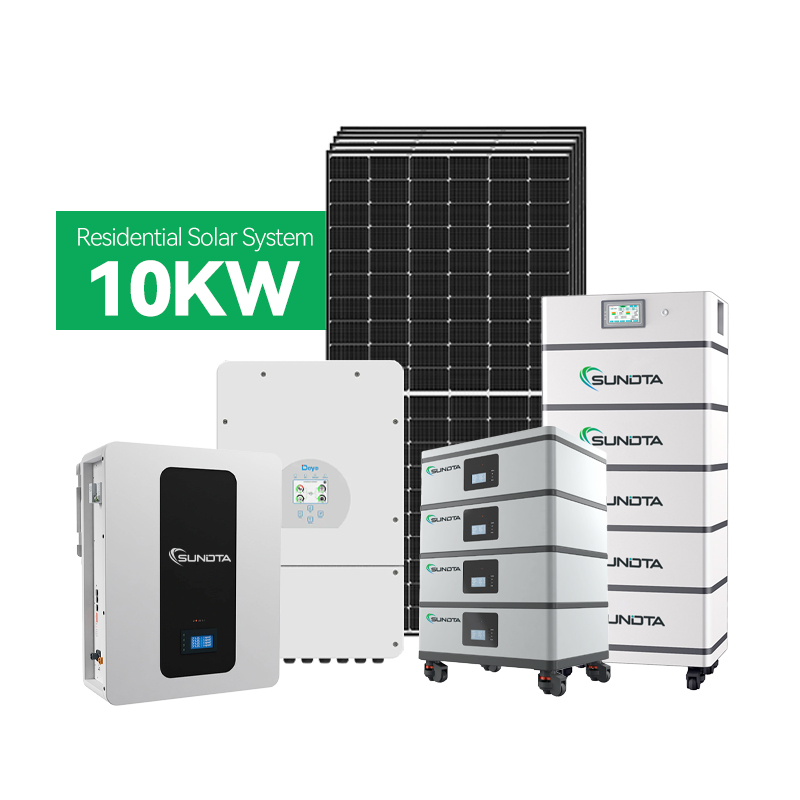
- Pre-wired distribution box included
- N-type TOPCon high-gain PV modules
- Factory direct inventory ready to load
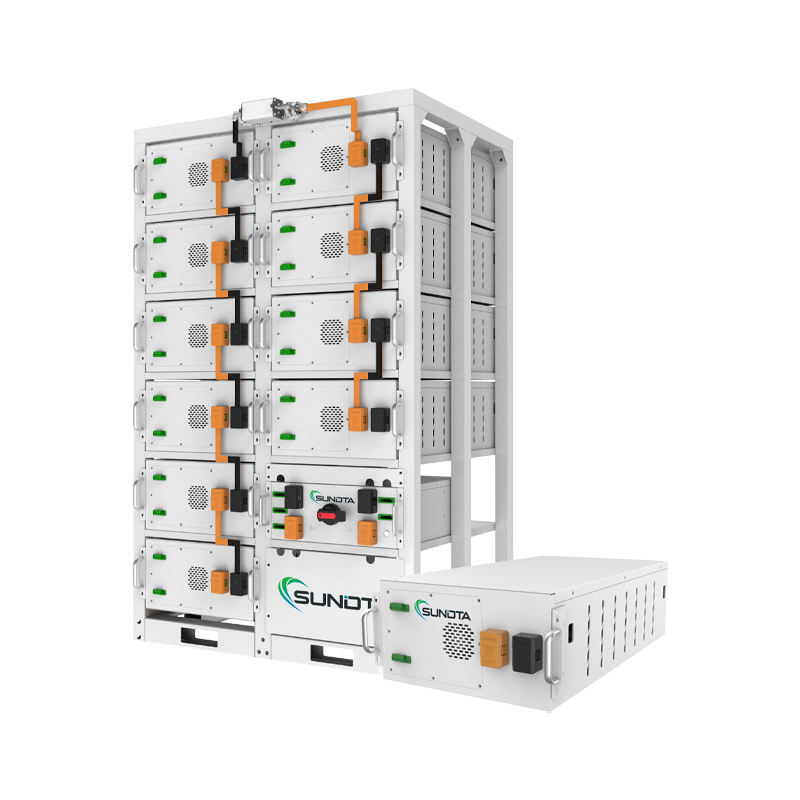
- Heavy-duty thermal dissipation chassis
- Aerosol fire suppression optional
- Built-in LCD real-time metrics monitor
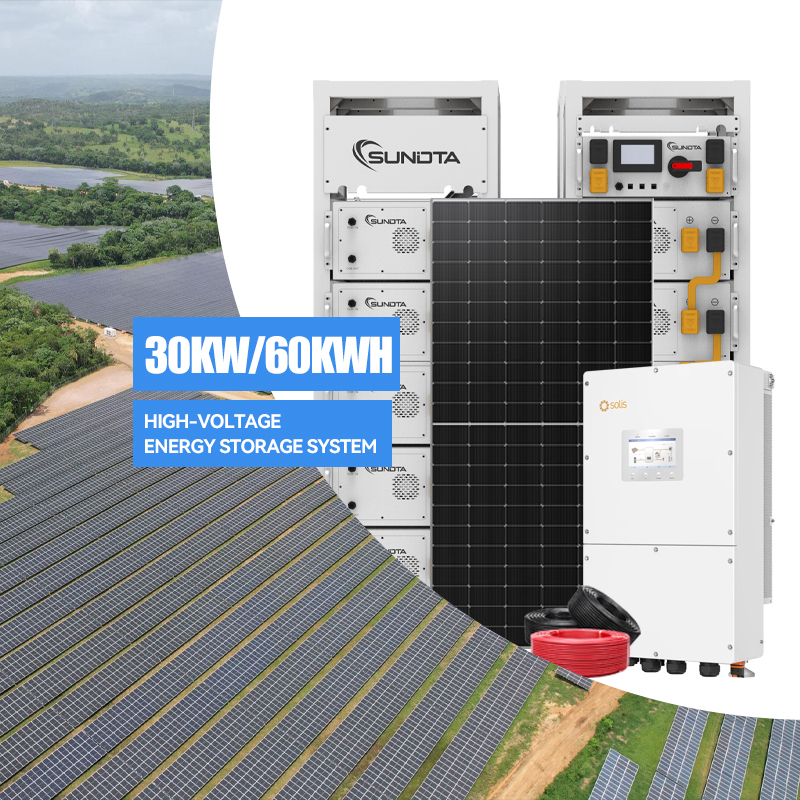
- Seamless diesel generator dry-contact start
- CE / IEC 62109 / IEC 62619 certified
- Unbalanced 3-phase output capability
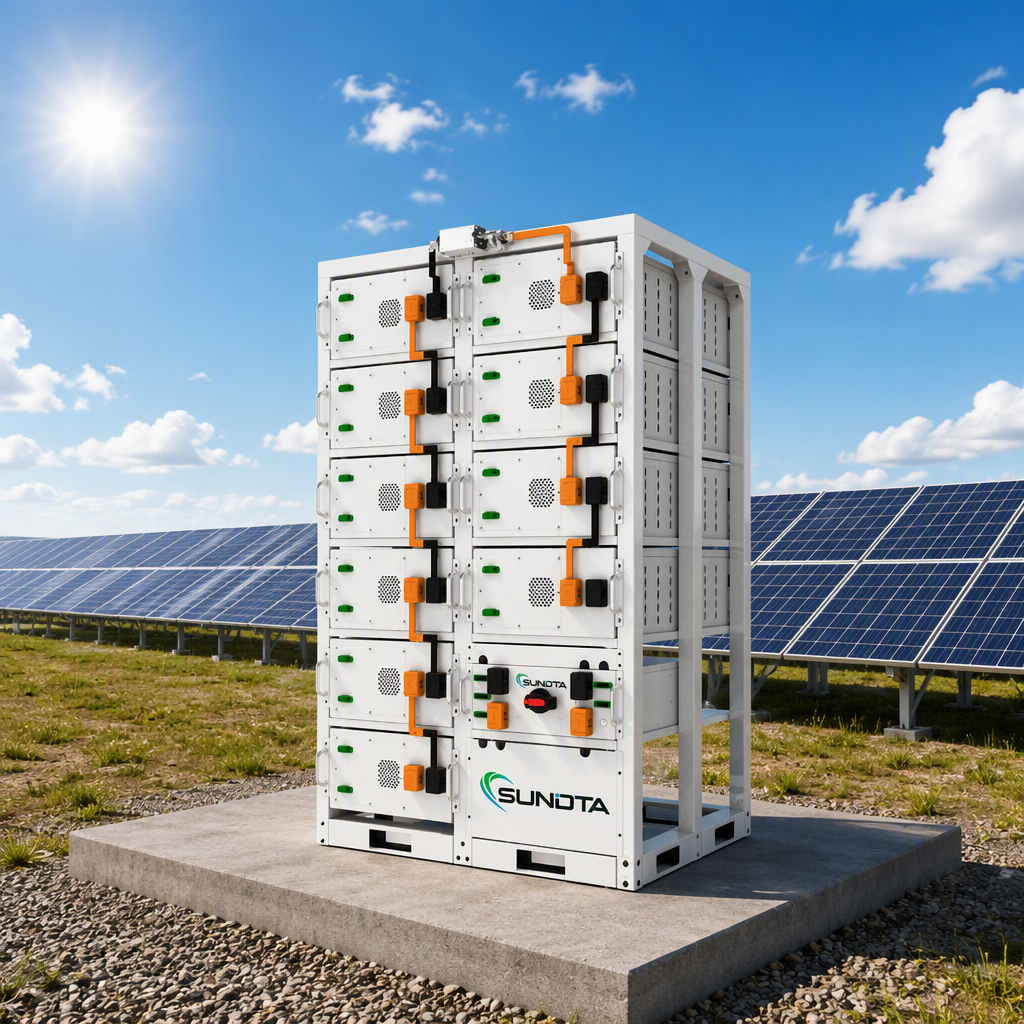
- Air-cooled climate controlled enclosure
- Multi-tiered industrial protection switchgear
- Ideal for RMG executive complexes & estates
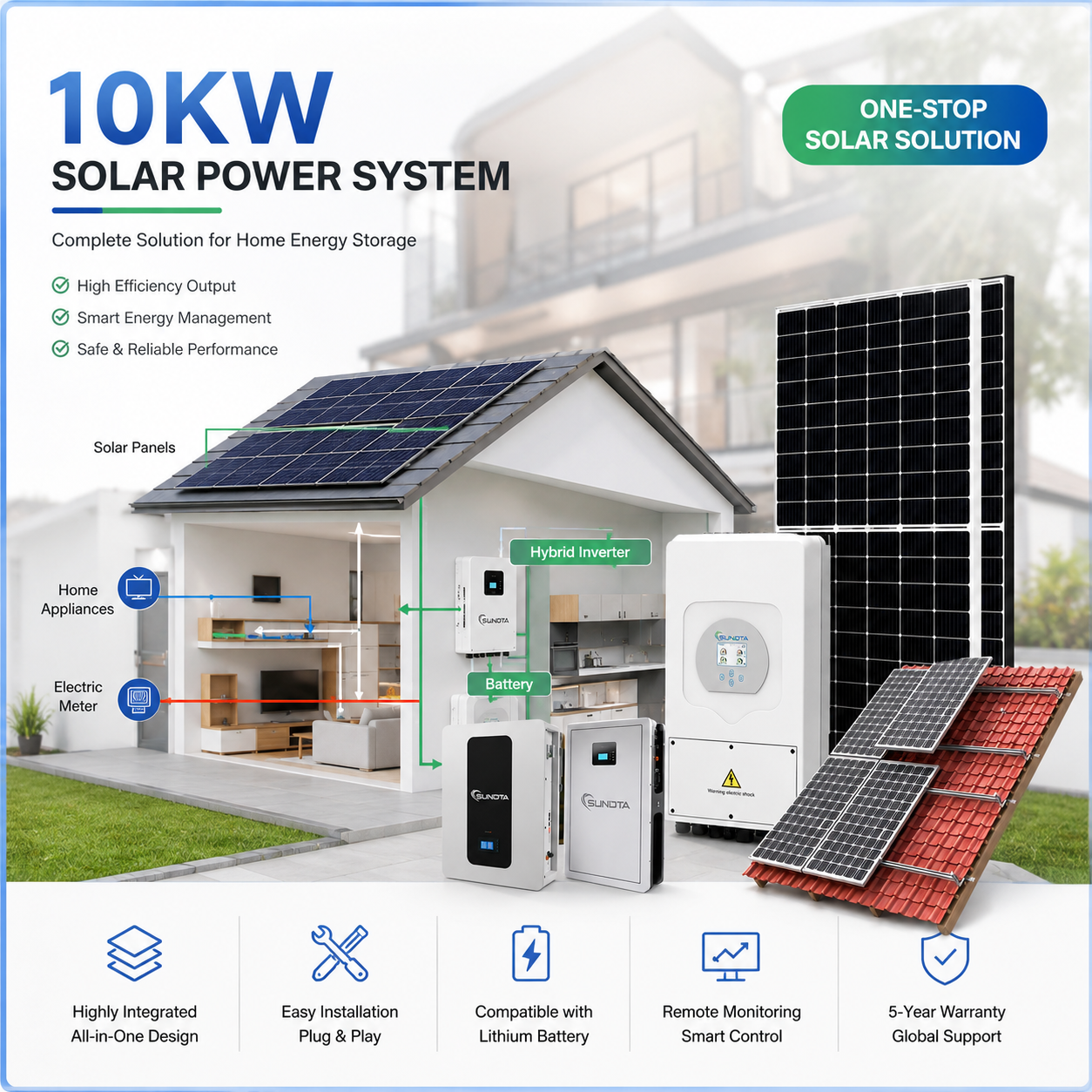
- Supports heavy inductive AC compressor loads
- Smart cloud monitoring via iOS/Android
- Comprehensive mounting & PV combiner box
Energy Transition Trends: Why Bangladesh Needs Hybrid LiFePO4 Kits
The People's Republic of Bangladesh faces a complex energy transition characterized by soaring retail and bulk electricity tariffs, domestic natural gas depletion, and severe grid unreliability outside municipal centers. Traditional lead-acid inverter systems (IPS) are failing under intensifying heatwaves, creating an unprecedented migration toward industrial-grade solar photovoltaic plus lithium energy storage.
Mitigating Grid Instability & Load Shedding
Across urban centers served by DPDC and DESCO, and peri-urban belts under the Bangladesh Rural Electrification Board (BREB), rolling load-shedding during peak summer months severely disrupts domestic life and residential work-from-home productivity. Standard grid-tie systems shut down completely during outages due to anti-islanding regulations. Our hybrid kits provide seamless 4ms transfer times, powering heavy inductive loads like air conditioners and water pumps without interruption.
Surging Tariffs & Net Metering 2024
Under continuous retail tariff adjustments enacted by the Bangladesh Energy Regulatory Commission (BERC), household electricity rates have escalated sharply. Concurrently, the Sustainable and Renewable Energy Development Authority (SREDA) has refined Net Metering Guidelines. Homes installing 5kW to 50kW systems can offset consumption at the highest tier and export surplus daytime power, delivering amortized payback horizons of under 4.2 years.
The Demise of Lead-Acid & Tubular Batteries
Historically, Bangladeshi consumers relied on localized lead-acid or tubular flooded batteries paired with basic IPS inverters. These batteries suffer from catastrophic capacity degradation in ambient summer temperatures exceeding 38°C, low Depth of Discharge (under 50%), toxic acid fumes, and required replacement every 18–24 months. Our LiFePO4 cells operate safely up to 60°C, providing 6,000 cycles and a 15-year operational lifespan.
Designed for Monsoon Humidity, Salinity & Ambient Heat
Importing standardized European or temperate-zone PV kits into Bangladesh frequently causes premature failure. From the saline winds of the Bay of Bengal in Chittagong to the silt-laden atmospheric humidity of the Brahmaputra basin, solar equipment demands rigorous engineering adaptations.
Low-Light N-Type TOPCon Performance
During Bangladesh's prolonged monsoon season (Asharh to Bhadra), overcast skies diminish direct solar irradiance for weeks. Our N-type TOPCon monocrystalline bifacial panels deliver exceptional low-light response and a low temperature coefficient (-0.30%/°C), generating up to 18.5% more kilowatt-hours per installed peak watt compared to conventional p-type PERC panels in high-heat conditions.
IEC 61701 Salt Mist & PID Immunity
In coastal zones including Chittagong, Cox's Bazar, and Khulna, airborne chloride rapidly attacks copper ribbon interconnects and aluminum mounting structures. RJV kits feature anodized 35mm-40mm 6005-T6 aluminum frames, IP68 junction boxes with bypass Schottky diodes, and anti-PID encapsulant foils tested to Severity 6 salt mist corrosion conditions.
Smart Inverter Grid Stability Protection
Fluctuating grid voltages (frequently swinging from 160V to 275V) across BREB feeders destroy conventional electronics. Our hybrid inverters integrate ultra-wide AC voltage and frequency acceptance windows, transient surge protection (Type II SPD on DC and AC sides), and intelligent zero-voltage-crossing switching to safeguard sensitive household refrigeration and medical equipment.
Real-World Deployment Archetypes Across Bangladesh
Whether maximizing limited rooftop real estate in congested metropolitan Dhaka or providing autonomous microgrid reliability for agricultural estates in Bogra, our customized systems meet specific territorial demands.
Dhaka & Chittagong Multistory Rooftops
High-density residential buildings in Gulshan, Banani, Dhanmondi, and Nasirabad face severe shadow casting and limited per-flat roof allocations. We deploy high-density 580W+ N-type TOPCon panels paired with smart split-phase or 3-phase hybrid inverters. The 10kWh to 20kWh wall-mounted Powerwalls fit neatly inside utility closets or basement sub-stations, providing quiet, fume-free whole-apartment backup.
RMG Industrialists & Executive Compounds
Bangladesh’s ready-made garments (RMG) sector and industrial estate owners in Gazipur, Narayanganj, and Savar require 24/7 uncompromised continuity for executive quarters, surveillance servers, and automated communication hubs. Our 20kW to 50kW commercial-grade hybrid systems combine solar, grid, and diesel generator synchronizing to eliminate micro-outages.
Off-Grid Chars & Agro-Processing Units
In riverine island belts (Chars) and rural agricultural belts across Rangpur and Rajshahi where the central grid is absent or economically unviable, our off-grid solar-plus-storage platforms power residential hubs, cold-storage units for perishables, and automated solar pumping systems without burning expensive subsidized diesel.
System Engineering Comparison: Traditional IPS vs. RJV Solar Hybrid
Evaluate the lifecycle techno-economic differences between outdated localized inverter power systems and Anhui RJV’s advanced LiFePO4 hybrid solar architectures.
| Performance Vector | Conventional Lead-Acid / IPS | RJV LiFePO4 Hybrid Solar Kit | Bangladesh Operational Advantage |
|---|---|---|---|
| Cycle Life (@ 25°C) | 400 – 800 cycles (2-3 years) | 6,000+ cycles (15+ years) | Eliminates frequent battery replacements amid high import costs and L/C restrictions. |
| High-Heat Resilience | Severe thermal runaway risk above 35°C | Full operation up to 55°C without derating | Impervious to Dhaka and Rajshahi summer heat spikes; no toxic fumes. |
| Usable Depth of Discharge (DoD) | 50% Max (voltage collapses under load) | 90% – 95% Continuous | A 10kWh LiFePO4 delivers twice the usable energy of a 10kWh lead-acid bank. |
| Grid Transition Switching | Manual or slow relay (15ms - 50ms) | < 4ms Seamless UPS-grade transfer | No rebooting of sensitive computers, fiber ONUs, smart televisions, or medical equipment. |
| Net Metering Integration | Incompatible; drains grid power to charge | Integrated Bi-directional Smart Inverter | Exports excess solar power to BPDB/DESCO grid; reduces monthly electric bill to near zero. |
| Weight & Space Footprint | Bulky, heavy, requires ventilated acid room | Compact wall-mount or stackable enclosure | Easily installed in modern apartments, corridors, or utility rooms with zero off-gassing. |
Direct Sourcing from Anhui RJV New Energy Co., Ltd.
Headquartered in Hefei’s Innovation Industrial Park, Anhui, China, Anhui RJV New Energy combines state-of-the-art automated manufacturing with complete system integration. Operating over 2.0 GW of annual module lines and 12+ years of solar R&D experience, we solve the single biggest issue faced by Bangladeshi solar importers: component incompatibility.
Consult Our Sizing Engineers
Get an engineered single-line diagram (SLD), bill of materials, and direct Chittagong CFR price breakdown within 24 hours.
Contact UsImporting Solar Kits to Bangladesh: Regulatory & Customs Roadmap
Navigating Bangladesh Bank Letter of Credit (L/C) procedures, Chittagong Port customs clearance, and SREDA/BSTI equipment standards requires a supplier with thorough international compliance documentation.
Letter of Credit (L/C) & Bangladesh Bank Formalities
Due to foreign exchange management directives by Bangladesh Bank, solar importers must open Letters of Credit (L/C) or operate under authorized deferred trade terms. RJV provides fully compliant Proforma Invoices (PI), exact HS code categorization (HS 8541.43 for PV modules, HS 8504.40 for hybrid inverters, HS 8507.60 for LiFePO4 batteries), and explicit country-of-origin certificates to avoid banking delays.
Shipping to Chittagong Port (CTG) & Mongla
We routinely manage containerized ocean freight (FCL) from Shanghai and Ningbo directly to Chittagong Port (Chittagong Sea Port / CTG) and Mongla Port. Our packaging employs moisture-barrier shrink-wrapping, reinforced edge protectors, and desiccants inside heavy-duty fumigated wooden pallets to resist maritime humidity during transit across the Indian Ocean.
SREDA, IDCOL & BSTI Testing Standards
Equipment deployed under subsidized programs or connected to national utility grids must satisfy SREDA benchmarks and BSTI quality standards. Our product families carry accredited third-party test reports (IEC 61215/61730 for modules, IEC 62109-1/-2 for inverters, UN38.3 and IEC 62619 for lithium batteries), guaranteeing smooth customs inspection and rapid utility interconnection approval.
Frequently Asked Questions: Sourcing Solar Kits for Bangladesh
Direct answers to the most urgent technical, commercial, financial, and regulatory questions asked by Bangladeshi EPC contractors, wholesale distributors, and real estate developers.
What is the minimum order quantity (MOQ) for importing solar kits to Bangladesh?
How do you handle Letter of Credit (L/C) terms required by Bangladesh commercial banks?
Can these hybrid solar kits start and run heavy inductive AC loads during a power failure?
Are RJV hybrid inverters and LiFePO4 batteries compatible with Solis, Deye, and Growatt ecosystems?
How do the systems hold up against Bangladesh’s extreme monsoon moisture and summer heat?
What is the warranty policy and how are warranty claims serviced in Bangladesh?
Upgrade Your Energy Independence in Bangladesh
Partner with an audited Tier-1 manufacturing and supply partner in Hefei, China. Eliminate middleman markups, guarantee component compatibility, and secure robust solar backup infrastructure tailored to your exact load profile.