Himalayan Photovoltaic Engineering • Bhutan B2B Direct
Low Frequency Solar Inverter Supplier & Suppliers for the Bhutan Market
Industrial Galvanic Isolation, 300% Peak Surge Capacity & Extreme Altitude Resilience Engineered for Thimphu, Phuntsholing, Paro and Remote Dzongkhag Microgrids.
Pre-Engineered Equipment Matrix
Verified Inverters, High-Yield Modules & LiFePO4 Systems
Direct factory supply manufactured to withstand Himalayan winter temperature swings (-20°C to 45°C), unstable grid voltages, and isolated off-grid inductive surges.
Engineering Resilient Solar Architecture for the Kingdom of Bhutan
As the world's premier carbon-negative nation, the Kingdom of Bhutan exhibits a unique energy matrix. While run-of-the-river hydroelectric generating stations along the Wangchhu, Punatsangchhu, and Mangdechhu river basins generate abundant power during the summer monsoon runoff, Bhutan confronts acute seasonal power deficits during the dry winter period (November through March). River flow rates plummet by up to 75% to 80%, transforming Bhutan from a net exporter of electricity to India into an importer forced to navigate volatile regional spot market prices.
Under the visionary leadership of the Royal Government of Bhutan (RGoB), the Department of Energy (DoE) under the Ministry of Energy and Natural Resources, alongside the Bhutan Power Corporation (BPC), has aggressively accelerated solar photovoltaic deployment. However, deploying distributed solar and energy storage systems across the rugged topography of Bhutan—ranging from the subtropical foothills of Phuntsholing and Gelephu (300 m) to the high-altitude valleys of Thimphu, Paro, and Bumthang (2,200 m to 3,500 m)—presents unprecedented electrical and physical challenges.
300%
Surge Overload Capability (up to 20 sec) for Inductive Motor Starts
4,000m
Altitude Testing Range (Zero Dielectric Arc Breakdown in Rarefied Air)
< 10ms
Seamless UPS Transfer Speed Safeguarding Monastic & Hospital IT
100%
True Galvanic Isolation Between DC Storage and Volatile Mountain AC Grid
Why Low Frequency Solar Inverters Outperform High Frequency Units in Bhutan
In high-altitude Himalayan terrain, standard high-frequency (transformerless) inverters frequently suffer from elevated failure rates. The primary culprits are not solar irradiation anomalies, but unmitigated grid transients, lightning-induced common-mode spikes, inductive load shock, and altitude-induced thermal derating. Low-frequency solar inverters integrate a massive, heavy-duty pure copper toroidal low-frequency transformer between the DC switching electronics and the AC terminal block. This distinct topology yields four critical engineering advantages for Bhutanese installers:
Physical Galvanic Isolation: High-frequency inverters use electronic MOSFET bridges that can pass grid voltage surges and high DC leakage currents straight through to sensitive household appliances or battery banks. Low-frequency inverters decouple the DC bus from the AC load via electromagnetic induction in the iron-copper transformer core, establishing an impenetrable barrier against severe voltage sags, neutral float, and lightning surges prevalent along single-phase rural BPC distribution lines.
Unrivaled Inductive Inrush Surge Capacity: Rural Bhutanese livelihoods and cottage industries rely on water borehole pumps, buckwheat flour mills, timber saws, cardamom drying blowers, and dairy centrifuges. These inductive motors demand starting currents 300% to 500% above their rated operational wattage. High-frequency inverters trip instantly into thermal or overcurrent shutdown when confronted with these surges. A low-frequency inverter absorbs high inductive surges for up to 20 seconds, safely dissipating the kinetic energy through its heavy magnetic core without component stress.
Altitude Derating & Dielectric Arc Suppression: At altitudes between 2,200m (Thimphu) and 3,500m (Bumthang / Phobjikha), the atmospheric pressure decreases significantly, diminishing air density and lowering convective cooling efficiency by roughly 1% per 100 meters above 1,000 meters. Furthermore, the dielectric breakdown voltage of air drops, promoting electrical arcing in compact micro-spaced high-frequency printed circuit boards (PCBs). Low-frequency inverters are engineered with wide creepage and clearance distances, oversized thermal sinks, and substantial thermal inertia that withstands thin Himalayan air.
Direct Compatibility with Rural Diesel Generators: In remote parts of Trashigang, Zhemgang, and Lhuentse, off-grid microgrids routinely integrate backup diesel or micro-hydro generators. Generator waveforms are inherently dirty, exhibiting significant total harmonic distortion (THD) and frequency fluctuations (47Hz–53Hz). Low-frequency inverters act as natural inductive harmonic filters, smoothing rough generator output and stabilizing battery charging without tripping.
Engineering Parameter
Industrial Low Frequency Inverter (RJV Series)
Conventional High Frequency Inverter
Impact on Bhutanese Installations
Internal Isolation
Heavy-Duty Pure Copper Toroidal Transformer
Transformerless / High-Frequency Ferrite Core
Eliminates risk of grid lightning strikes jumping directly into expensive LiFePO4 battery banks.
Surge Rating (Peak Power)
300% Continuous for 10–20 Seconds
110% to 150% for 200 Milliseconds
Enables reliable startup of submersible water pumps, heat pumps, and agro-processing motors across Bhutan.
Altitude Tolerance
Tested up to 4,000 MASL with Custom Dielectric Spacing
Severe derating above 2,000 MASL; potential arcing
Essential for Thimphu, Bumthang, Paro, and alpine Dzongs where thin air accelerates thermal wear.
Grid Voltage Fluctuation Window
Ultra-Wide AC Input: 140V – 280V (Configurable)
Narrow AC Window: 184V – 265V
Prevents unnecessary disconnections and battery cycling during rural BPC winter brownouts.
Repairability & Component Longevity
Modular discrete IGBT boards & replaceable magnetic cores
Surface-mount multilayer high-density boards
Local technicians can service discrete components without waiting months for overseas board replacements.
Targeted Regional Applications
Engineered for Bhutan's Diverse Topography & Infrastructure
From the subtropical border towns to high alpine heritage monasteries, our low-frequency solar solutions solve tangible operational bottlenecks across all 20 Dzongkhags.
Urban Commercial & Hospitality Backup
Winter peak shaving and uninterruptible power supply for boutique eco-hotels, government ministries, and data centers facing winter load shedding and tariff spikes.
Thimphu • Paro • Punakha
Remote Monastic Goenpas & Heritage Dzongs
Galvanically isolated off-grid systems powering heavy winter resistive radiant heating, clean induction kitchens, and cultural lighting without damaging century-old timber structures.
Bumthang • Haa • Gasa
Agro-Processing & Industrial Border Zones
Continuous heavy-motor surge capacity for cardamom dehydrators, timber milling, and cold storage in the developing Gelephu Mindfulness City and regional industrial hubs.
Phuntsholing • Gelephu • Samtse
Telecom Repeaters & Rural Electrification
Autonomous high-uptime solar and battery energy storage for BPC off-grid rural pilot systems, TashiCell towers, and Bhutan Telecom high-pass transmission repeaters.
Trashigang • Mongar • Zhemgang
Market Intelligence & Strategic Vision
Bhutan's Clean Energy Transition: Trends Accelerating Inverter Sourcing
Hydropower is the backbone of Bhutan's economy, accounting for over 13% of Gross Domestic Product (GDP). However, run-of-the-river generation fluctuates intensely with glacial melt and monsoon downpours. In peak winter, total generation often drops from nearly 2,300 MW to under 450 MW, colliding directly with peak national domestic consumption driven by electrical space heating. The RGoB's target to install over 500 MW of solar capacity by 2025 and 1,000 MW by 2030 is designed specifically to counteract winter deficits. Suppliers providing low-frequency hybrid systems equipped with CAN-bus connected LiFePO4 batteries allow commercial institutions and domestic compounds to store cheap off-peak or abundant daytime PV power for nighttime heating.
2. The Gelephu Mindfulness City (GMC) Transformation
The establishment of the Gelephu Mindfulness City Special Administrative Region (SAR) in Southern Bhutan is triggering exponential demand for resilient, sustainable, and fault-tolerant power systems. GMC is envisaged as an ultra-modern, zero-emission green metropolis embracing international financial institutions, data centers, biotech research, and sustainable manufacturing. The city's energy architecture mandates high-reliability solar-plus-storage microgrids capable of autonomous black-start operations, making low-frequency power conversion systems the equipment of choice to prevent sensitive computing hardware downtime during regional grid disturbances.
The Bhutan Power Corporation enforces rigorous grid-code compliance to safeguard transmission lines running through steep gorges. Inverters must feature active frequency drift anti-islanding protection, ultra-low total harmonic distortion (<3% at rated power), and configurable power factor correction (0.8 leading to 0.8 lagging). Our intelligent low-frequency platforms satisfy BPC technical requirements while integrating automated dry-contact relays for seamless co-generation with rural diesel generators and micro-hydro turbines.
Anhui RJV New Energy Co., Ltd. Advantage
Direct Factory Procurement Built on Industrial Verification
Eliminating intermediary markup and ensuring full Bill-of-Materials (BOM) compatibility for distributors, EPC contractors, and government tenders across Bhutan.
2 GW Annual Capacity
State-of-the-art automated manufacturing lines in Hefei, Anhui, with 12+ years of PV research and over 500 MW of solar power systems successfully delivered worldwide.
TÜV Rheinland Assessed
Operations verified by on-site TÜV Rheinland factory auditing. All low-frequency inverters and LiFePO4 batteries carry international CE, IEC 61215, IEC 61730, and UN38.3 test certifications.
Complete BOM Matching
Eliminate costly commissioning mismatches. We match inverter MPPT windows, battery BMS communication protocols (CAN/RS485), and racking hardware prior to packing.
24/7 Technical Support
Direct access to seasoned power electronics engineers for altitude derating reviews, single-line diagram (SLD) creation, and remote commissioning assistance in Bhutan time (BTT).
Quality Assurance Pipeline
Rigorous Testing from Hefei to the Himalayas
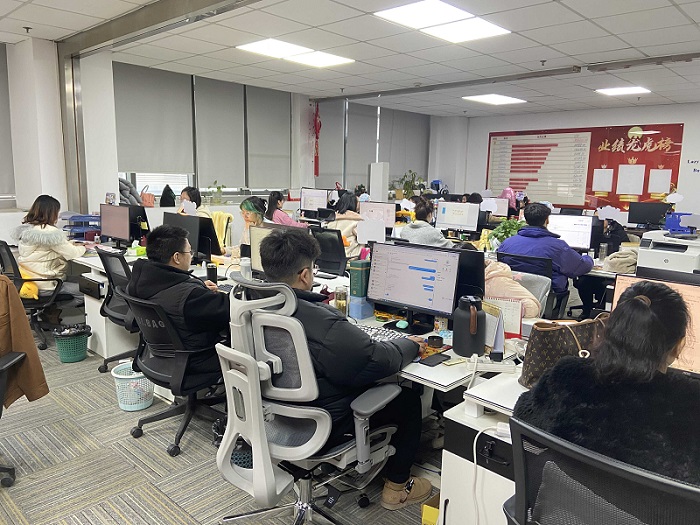
Inside our automated production workshops, environmental testing chambers, and global shipping consolidation facilities.
Hefei HQ & R&D Center
Automated PV Cell Stringing
Full-Load Burn-In Chamber
Inverter Final Assembly Line
Contractor & Importer FAQ
Frequently Asked Questions: Sourcing Solar Inverters in Bhutan
Why is a low-frequency inverter superior to a high-frequency inverter for installations above 2,000 meters in Bhutan?
Above 2,000 meters (such as in Thimphu, Paro, Haa, and Bumthang), atmospheric pressure drops significantly. Lower air density impairs natural convection cooling by approximately 1% per 100 meters elevation. Furthermore, the dielectric breakdown voltage of air is reduced, drastically increasing the danger of high-voltage switching arc flashover across tightly packed high-frequency PCB tracks. Low-frequency inverters feature wide electrical clearances, massive heavy-gauge copper toroidal transformers, and substantial aluminum heat sinks, enabling reliable operation without premature component breakdown.
How does the low-frequency inverter handle the inductive motor loads common in Bhutanese rural operations?
Cottage industries in Bhutan rely on equipment such as agricultural grain mills, cardamom dryers, dairy coolers, and water pumps. These inductive loads exhibit massive inrush currents during the initial 1 to 5 seconds of startup, frequently reaching 3x to 5x their rated power. High-frequency inverters lack magnetic energy storage and trip into overcurrent faults immediately. Our low-frequency inverters provide a verified 300% surge overload capability for up to 20 seconds, absorbing the electromagnetic rebound cleanly through the massive transformer core.
What is the standard shipping route and transit timeline for solar containers destined for Bhutan?
Most commercial shipments depart from Shanghai, Ningbo, or Shenzhen ports via ocean freight to the Port of Kolkata (Syama Prasad Mookerjee Port) or Haldia Port in India. From Kolkata, cargo is cleared under Indo-Bhutan transit treaties and transported overland via bonded trucks through West Bengal to the primary border land customs station at Phuntsholing or the Gelephu border crossing. Ocean transit requires roughly 14–20 days, followed by 5–8 days for customs transit and inland road freight into Bhutan.
Are these systems compliant with Bhutan Power Corporation (BPC) grid connection standards?
Yes. Our low-frequency hybrid platforms integrate certified anti-islanding protection according to IEC 62116 / IEEE 1547 standards, ensuring immediate disengagement from the grid if the local BPC distribution line loses power. They also feature adjustable power factor regulation, low harmonic distortion (<3%), and multi-mode operational priority settings (Solar First / Utility First / Battery First / Time-of-Use) required for streamlined utility approval in urban dzongkhags.
Can low-frequency inverters communicate in closed-loop mode with modern LiFePO4 battery banks?
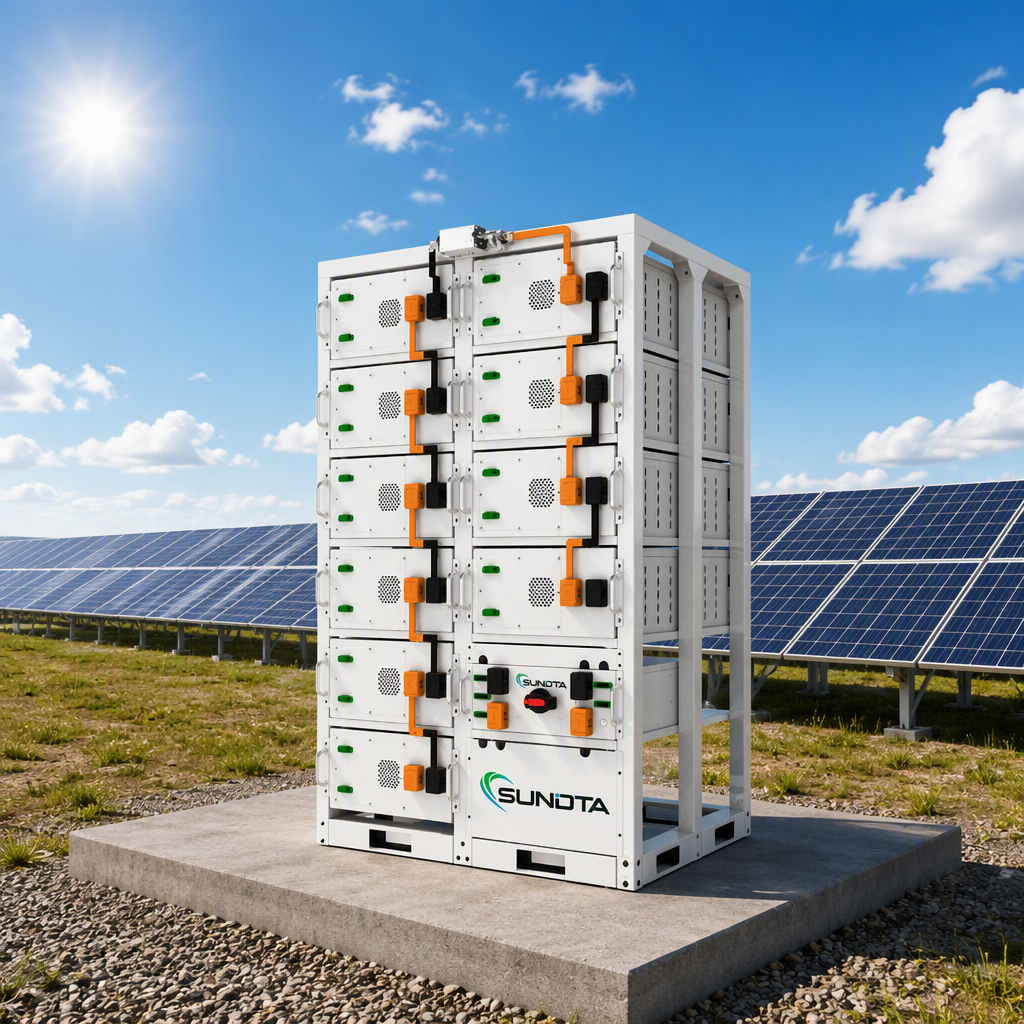
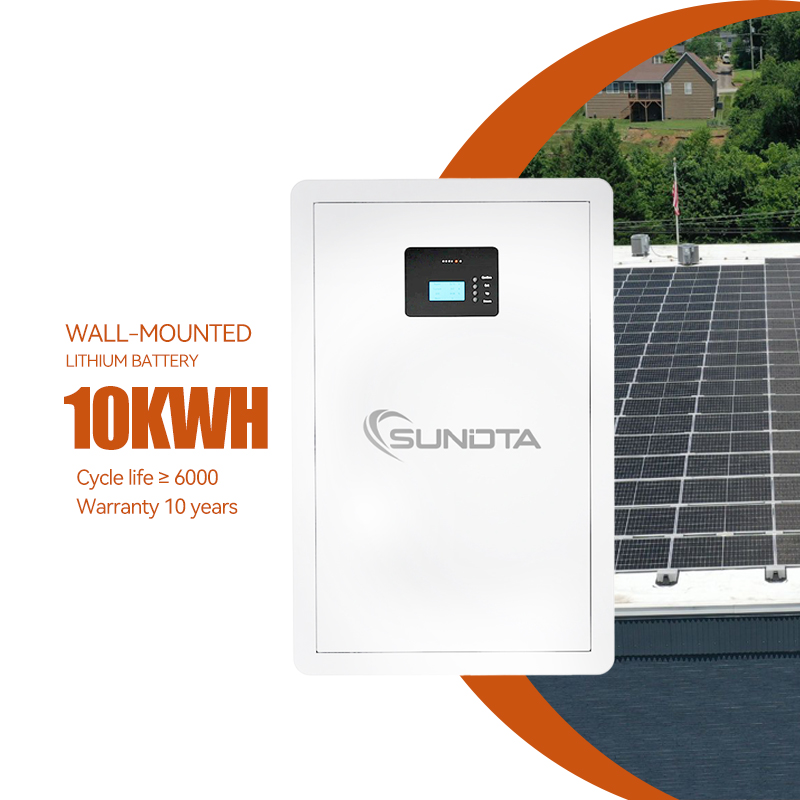
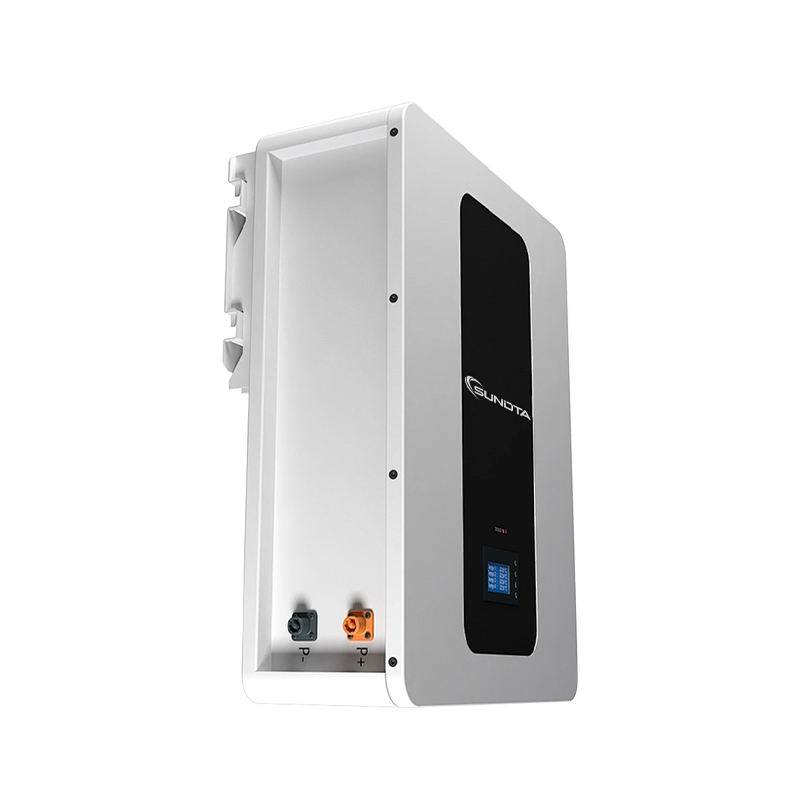
Absolutely. While low-frequency inverters maintain legacy compatibility with traditional lead-acid and lead-carbon deep-cycle batteries, our modern units feature dual CAN-bus and RS485 communication interfaces. They communicate directly with the Battery Management System (BMS) of our 51.2V wall-mounted and stackable lithium battery packs, ensuring precision thermal-compensated charging, real-time State-of-Charge (SoC) tracking, and automated cell-overvoltage mitigation.
What is the Minimum Order Quantity (MOQ) and customization policy for Bhutanese EPC contractors?
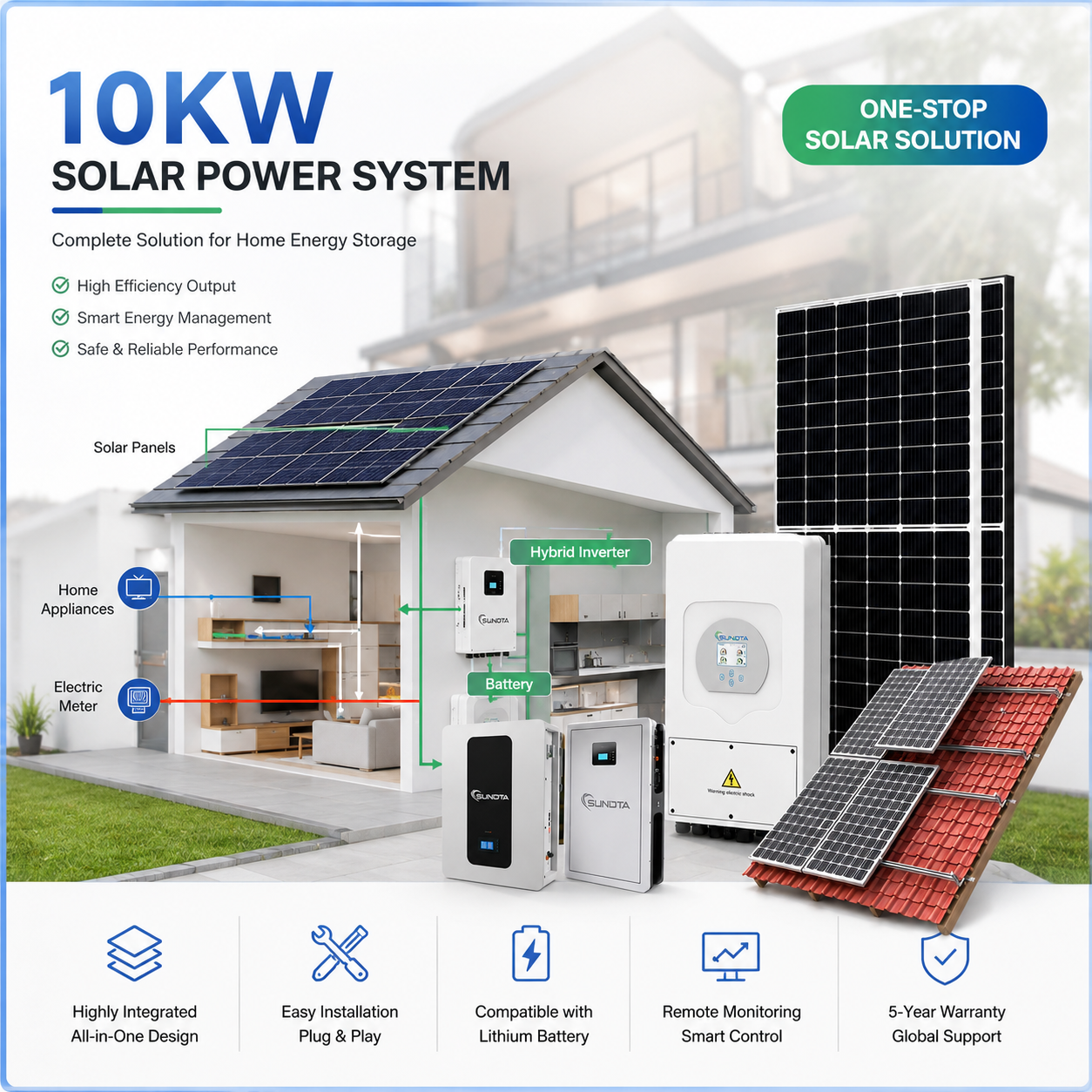
We maintain an accessible B2B threshold to accommodate both targeted pilot projects and full commercial installations: hybrid inverters and residential LiFePO4 batteries start from an MOQ of just 1 unit/set. Complete turnkey solar kits start from 1 complete system. Tier-1 monocrystalline solar panels are shipped in pallet increments (approx. 13.6 kW to 17.2 kW). Custom OEM labeling, voltage customization (e.g., customized single-phase 230V or three-phase 415V), and dedicated firmware parameters are available upon request.
How are warranty claims and technical servicing administered in remote Bhutanese locations?
We provide a comprehensive 5-year standard warranty on low-frequency inverters (extendable to 10 years) and a 5 to 10-year warranty on LiFePO4 battery modules. Recognizing that sending heavy units back to China from Bhutan is logistically inefficient, we provide modular spare replacement circuit boards (Control Boards, Driver Boards, Power Boards) and plug-and-play BMS units directly with large orders. Our Hefei engineering team conducts remote video diagnostics within 24 hours to guide local electricians through board swaps.
What documentation is provided to satisfy Bhutanese customs and tax exemptions for green energy equipment?
The Department of Revenue and Customs (DRC) and Ministry of Finance of Bhutan grant customs duty and green tax exemptions for certified renewable energy equipment under RGoB clean energy statutes. We furnish full documentation sets with every consignment: commercial invoices itemized by exact HS Codes (HS 8504.40 for inverters, HS 8541.40 for solar panels, HS 8507.60 for lithium batteries), Certificate of Origin (CO), detailed packing lists, flash test reports, and CE/TÜV declaration certificates.
Engineer Your Bhutan Solar Project with Factory-Direct Confidence
Whether you are designing a high-altitude off-grid microgrid in Bumthang, a commercial backup array in Thimphu, or a smart agro-processing hub in Gelephu, our application engineers provide complimentary single-line diagrams, altitude derating calculations, and containerized CIF Kolkata/Phuntsholing quotations within 24 hours.