Featured Marine & Off-Grid Photovoltaic Systems
Pre-engineered for rugged inland waterways, floating technical platforms, and severe climate extremes across Kazakhstan. Fully certified and matched for closed-loop CAN/RS485 communication.
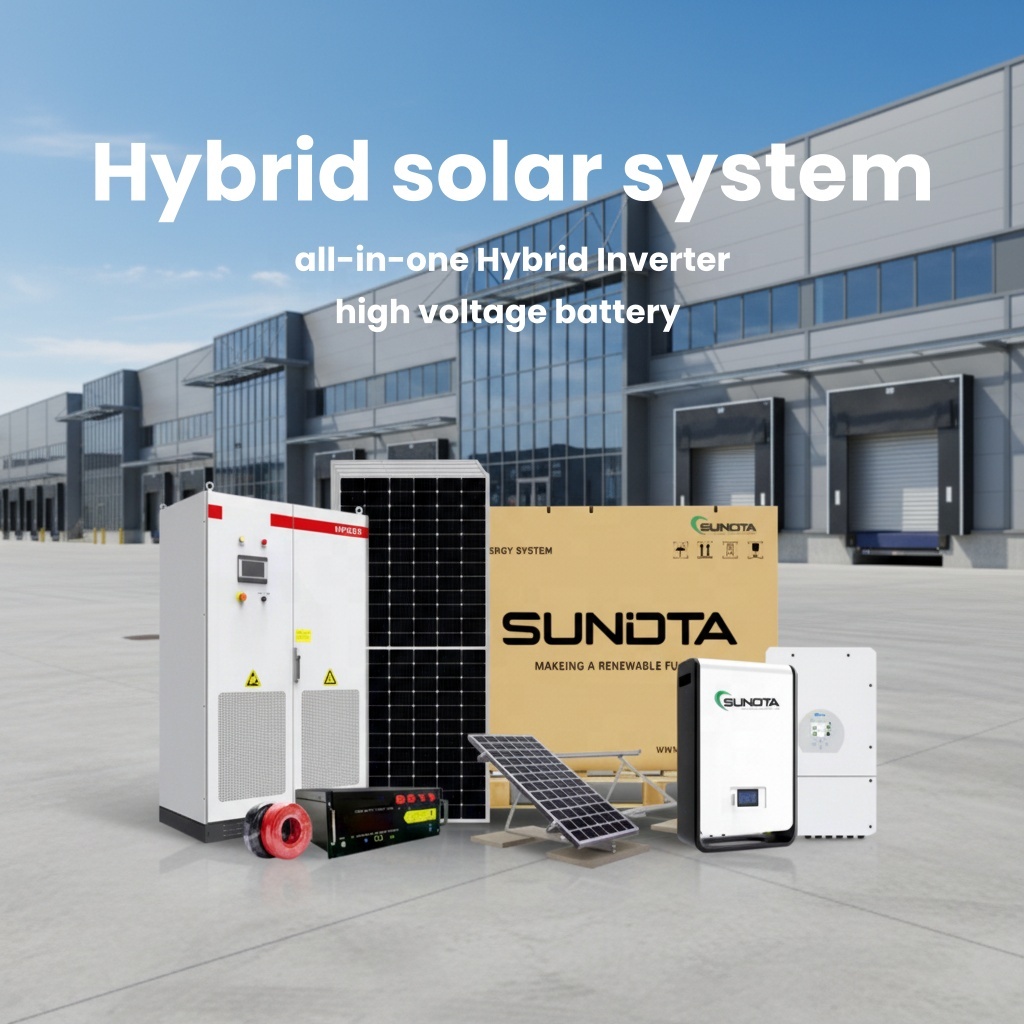
All-in-One Energy Storage Outdoor Cabinet (100kW–500kW)
- High-capacity liquid/air-cooled LiFePO4
- Anti-corrosion C5 marine exterior
- Multi-rack modular microgrid readiness
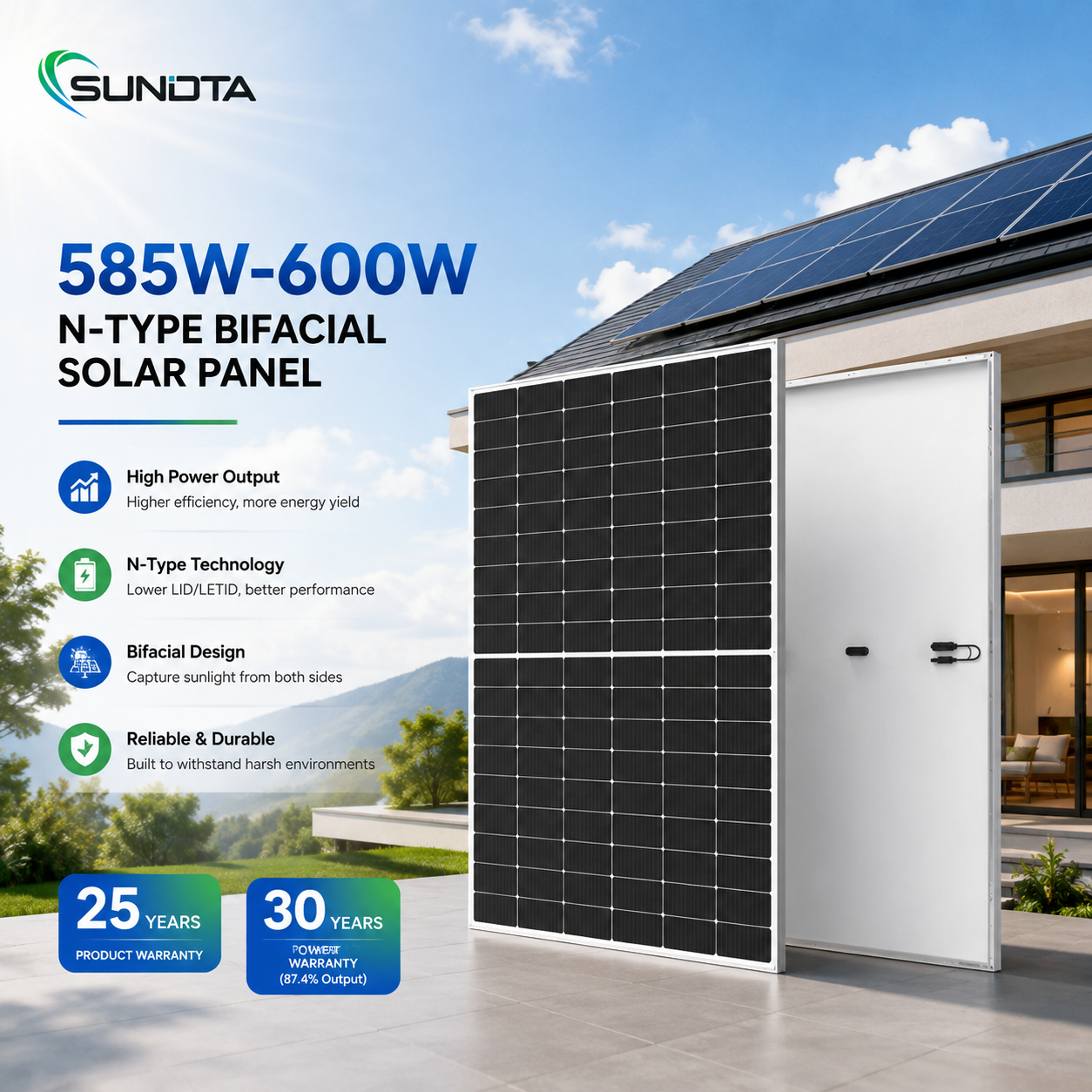
585W–595W Premium N-Type Bifacial PV Module
- Up to 23.1% high-efficiency conversion
- Double glass water-resistant sealing
- Rear albedo gain from water & snow
Off-Grid Hybrid Solar Storage System (20kW–40kW)
- EU CE certified hybrid power unit
- Seamless diesel generator synch
- Multi-voltage AC distribution outputs
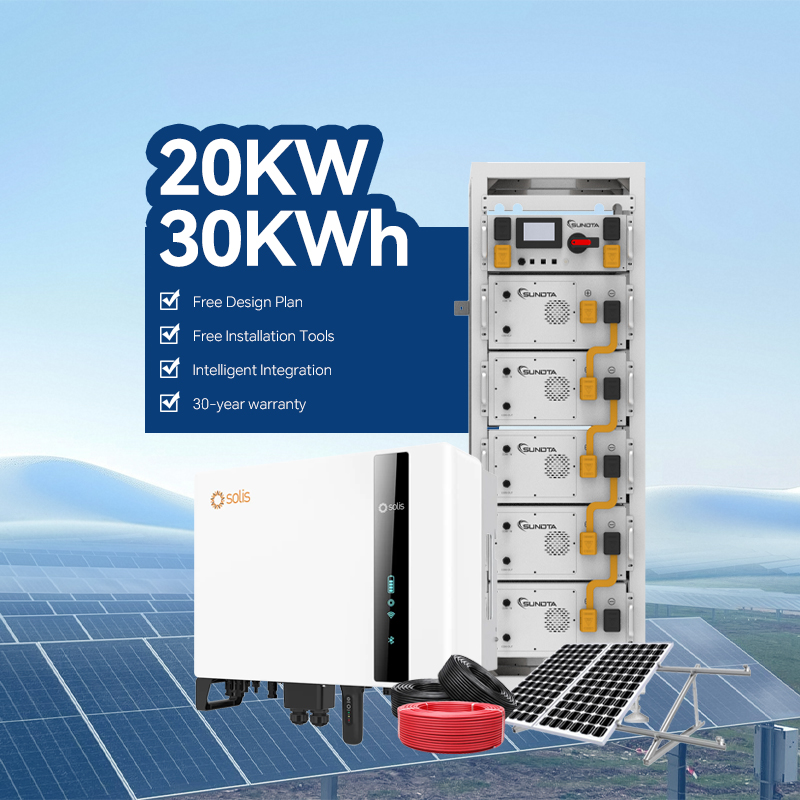
20kW–35kW Complete Solar Energy Kit with Storage
- Turnkey BOM: panels, MPPT & batteries
- Corrosion-proof cabling and breakers
- Rapid barge/deck mounting rails
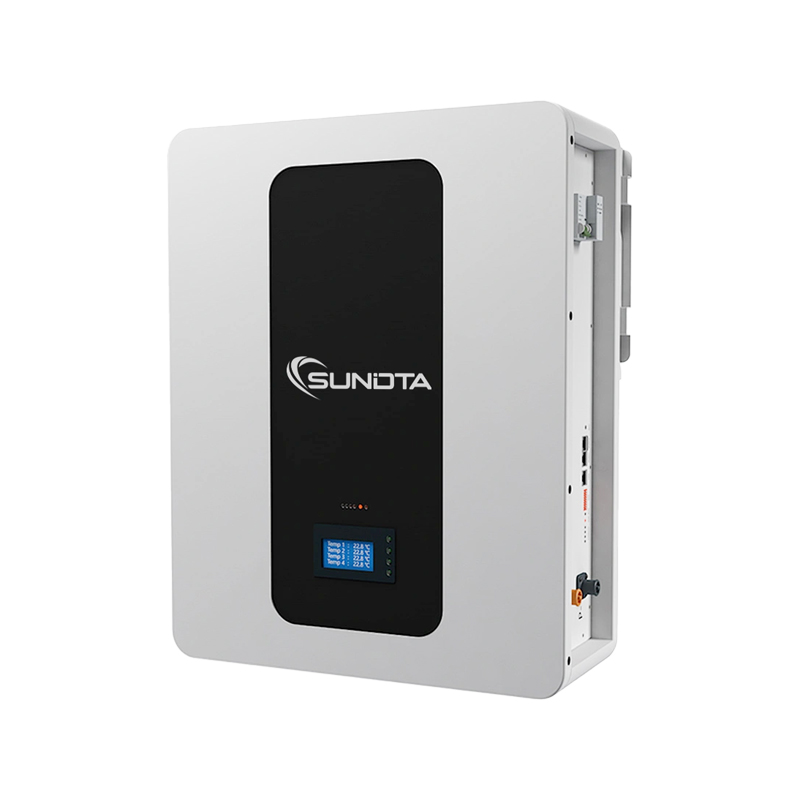
Sundta 48V/51.2V LiFePO4 10kWh Battery System
- 200Ah deep-cycle marine storage cell
- 6,000+ lifecycle @ 80% DoD
- Direct compatibility with Solis/Deye
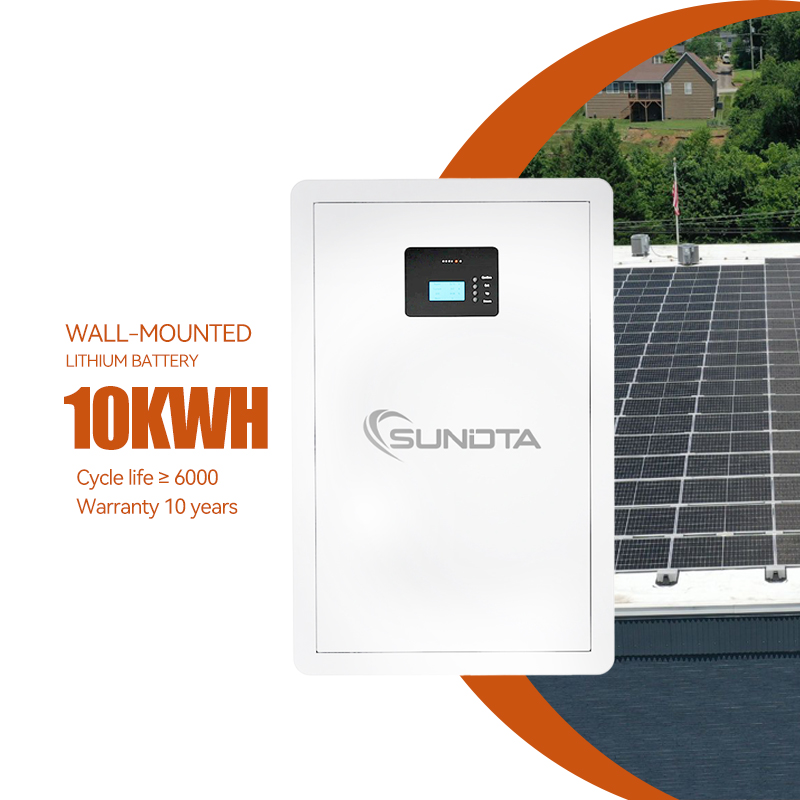
Sundta IP65 10kWh 51.2V Wall-Mounted LiFePO4 Battery
- Hermetic IP65 water/dust enclosure
- Smart BMS cell-balancing monitor
- Compact vertical bulk-head installation
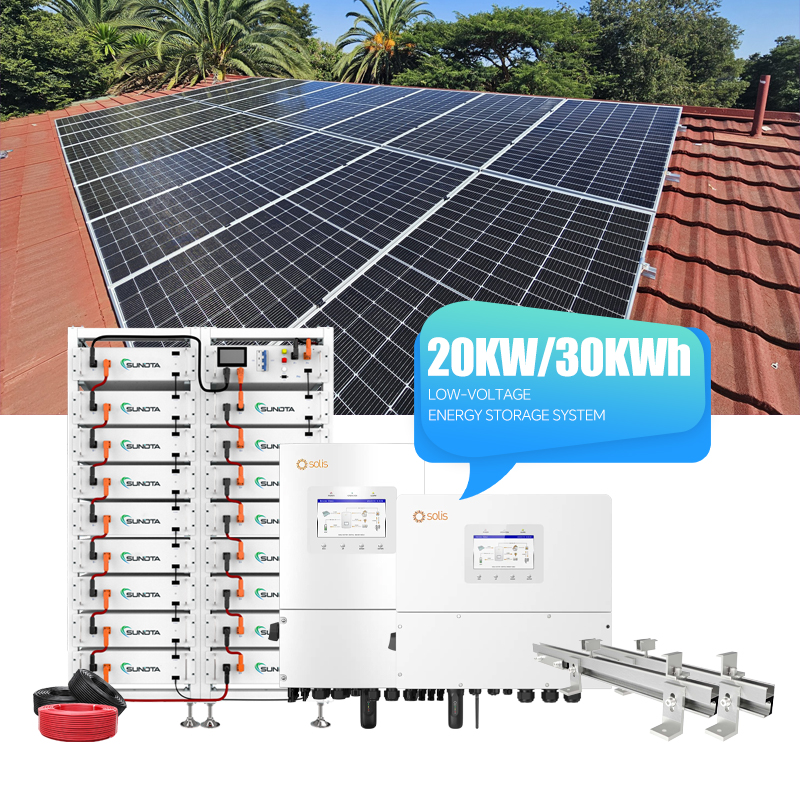
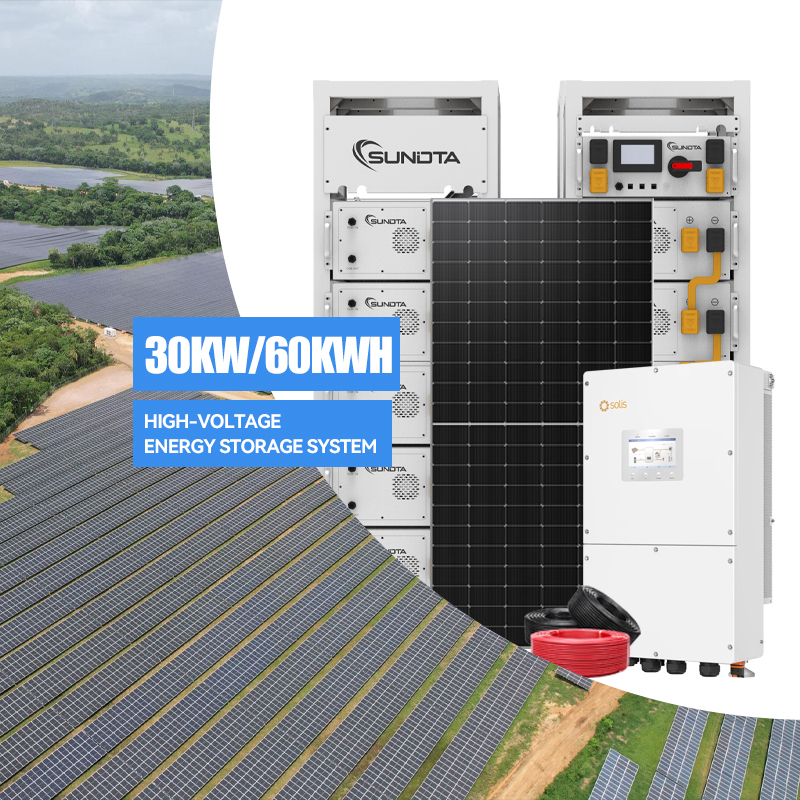
Complete Hybrid Solar Energy Storage System (20–35kW)
- Scalable 20kW/25kW/30kW/35kW options
- High-efficiency Tier-1 PV strings
- Factory wholesale direct pricing
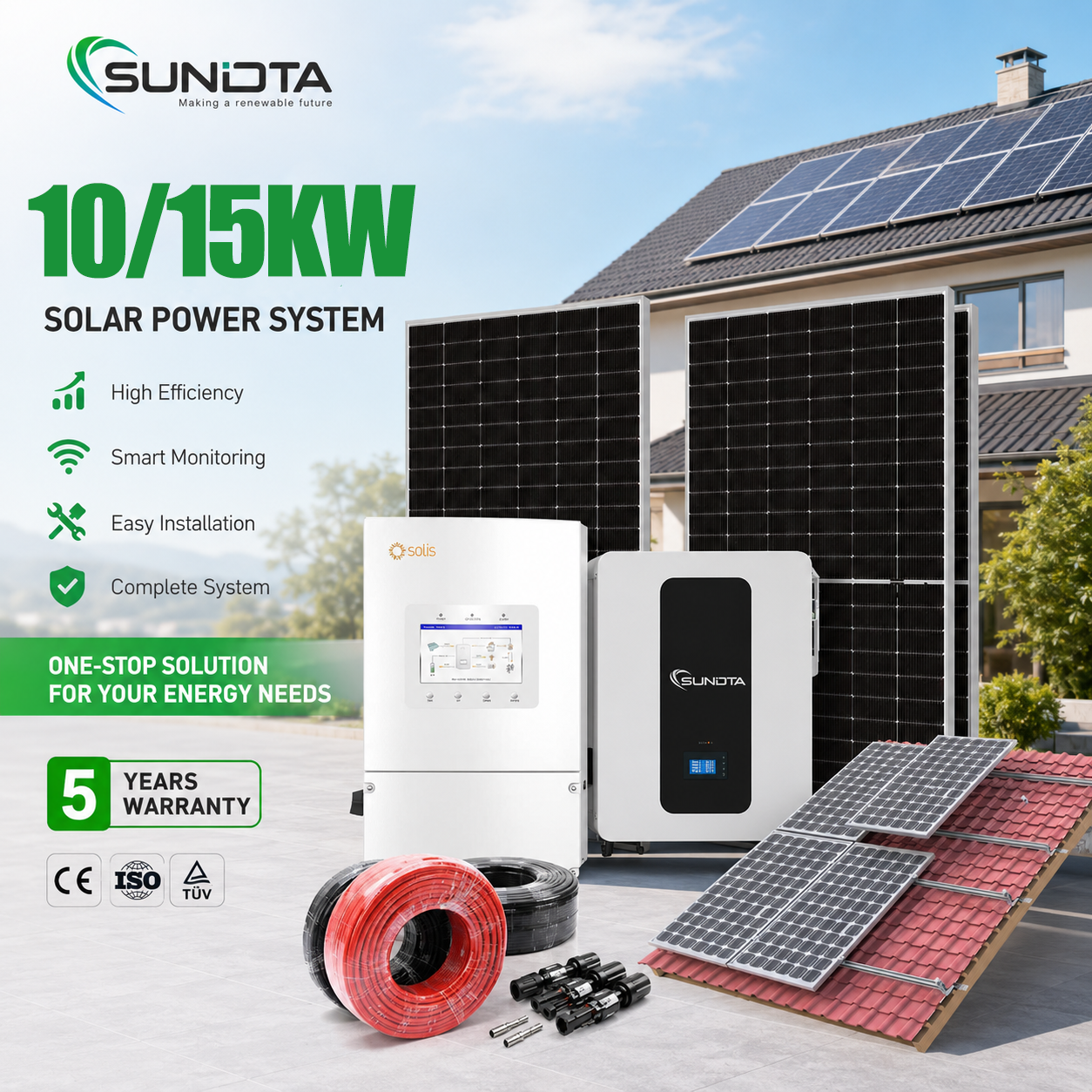
Customized 8kW–15kW On/Off-Grid Solar System Full Set
- Mono solar panels + lithium pack
- Seamless grid tie and emergency black-start
- Optimized for river craft & shore bases
Marine-Grade Solar Engineering for the Astana Procurement Hub
While the Republic of Kazakhstan is recognized as the world's largest landlocked country, Astana operates as the premier national epicenter for central procurement, technological specification, and engineering clearance for complex renewable energy installations. Across Eurasia, marine and waterway photovoltaics represent an increasingly mission-critical category. The logistical, maritime, and inland aquatic needs spanning the Ishim River (Yesil River) municipal transit corridors, the Vyacheslavskoye (Astana) Reservoir municipal pumping facilities, the Lake Tengiz environmental monitoring networks, and the industrial inland watercraft supporting the Caspian and Aral basins are all managed through technical supply chains headquartered in Astana.
Conventional terrestrial photovoltaic modules inevitably encounter catastrophic failure modes when deployed in marine, riverine, or floating dock environments within northern Central Asia. The severe combination of ambient humidity, chemical salinity, severe wind shear, structural vibration from watercraft diesel propulsion, and the brutal continental temperature swings of Astana (plummeting to -40°C during winter blizzards and reaching +40°C during summer peaks) triggers accelerated Potential Induced Degradation (PID), moisture delamination, cell micro-cracking, and premature inverter failure. Sourcing from experienced marine solar panels manufacturers and established system integrators like Anhui RJV New Energy Co., Ltd. ensures that every PV bill of materials complies with rigorous marine IEC standards, hermetic double-glass encapsulation, and cold-weather LiFePO4 battery management protocols.
Salt-Mist & Chemical Resistance
Tested in accordance with IEC 61701 (Severity Level 6) and IEC 62716 for ammonia exposure. Our marine-grade photovoltaic modules utilize specialized anti-corrosive anodic oxidation aluminum alloy frames (15μm coating) and polyolefin elastomer (POE) encapsulants to block vapor penetration completely.
Sub-Zero Thermal Resilience
Engineered to absorb mechanical loads up to 5,400 Pa (front snow accumulation) and 2,400 Pa (transverse wind resistance). Optimized temperature coefficients (-0.30%/°C on N-type TOPCon cells) guarantee that sub-zero ambient conditions in northern Kazakhstan actually produce substantial voltage and yield gains.
Closed-Loop BMS Architecture
On-board marine systems require faultless battery management. Our 51.2V and high-voltage rack systems utilize CAN 2.0B and RS485 industrial protocols, enabling closed-loop synchronization with Solis and Deye marine hybrid inverters, preventing cell overcharging and offering integrated self-heating thermal pads.
Inland Marine & Aquatic Photovoltaic Scenarios Across Astana
From urban passenger ferries cutting through the capital city to off-grid industrial barges in remote steppe water reservoirs, RJV solar-storage systems provide uninterrupted electrical autonomy.
Ishim River Watercraft & Floating Docks
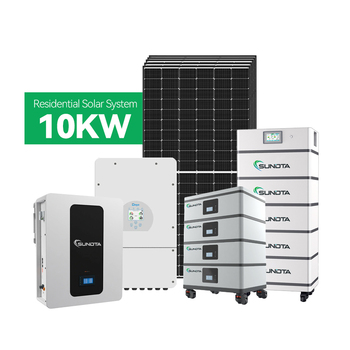
Astana's Ishim River urban passenger ferries, public water transport, and floating restaurants demand emission-free auxiliary power. Our bifacial N-type modules mounted on canopy structures supply navigation electronics, lighting, and HVAC systems, while IP65 wall-mounted LiFePO4 batteries capture surplus daytime yield.
Astana Reservoir Pumping & Hydrology Stations
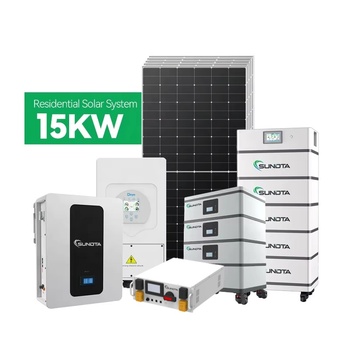
Critical municipal water management at the Vyacheslavskoye Reservoir depends on automated data buoys, surveillance craft, and isolated telemetry equipment. Complete 15kW to 30kW off-grid solar-storage systems ensure 24/7 continuous operation without relying on noisy, freeze-prone diesel generator sets.
Caspian Maritime Feeder Fleets & Workboats
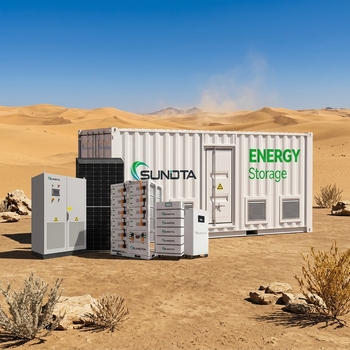
Procurement authorities in Astana dictate equipment standards for workboats, maintenance barges, and tugs operating out of Port Aktau and Kuryk. RJV heavy containerized ESS (1MWh–2MWh) and rugged dual-glass solar panels provide hybrid propulsion support and port-side microgrid energy storage.
Technical Comparison: Marine PV vs Standard Rooftop Photovoltaics
A direct engineering assessment for Astana EPC contractors and naval electrical architects specifying solar arrays for harsh continental water environments.
| Evaluation Parameter | RJV Marine N-Type TOPCon | Standard Terrestrial Monocrystalline | Lightweight ETFE Marine Flexible |
|---|---|---|---|
| Cell Architecture & Efficiency | N-Type 16BB Bifacial (Up to 23.1% module eff.) | P-Type PERC Monofacial (20.5%–21.2%) | Thin-Film / Back-contact Mono (17.5%–19.2%) |
| Corrosion & Salt Mist Rating | IEC 61701 Severity 6 + C5 Anodized Marine Frame | IEC 61701 Severity 1 or 2 (Standard atmospheric) | Polymer encapsulation (Susceptible to UV yellowing) |
| Bifacial Rear Albedo Gain | 15%–30% additional yield from water and ice surface | 0% (Opaque white or black backsheet) | 0% (Adhesive mounted directly to cabin roof) |
| Sub-Zero Thermal Coefficient | -0.30% / °C (High voltage stabilization at -40°C) | -0.36% / °C to -0.38% / °C | -0.40% / °C (Significant thermal drift) |
| Vibration & Torsion Resilience | Dual 2.0mm heat-strengthened glass + POE damping | Single 3.2mm tempered glass (Prone to cell microcracks) | Flexible bending curve up to 30° without frame |
| Target Application in Astana | Vessel canopy arrays, pontoons, floating solar platforms | Fixed residential rooftops (Not recommended on water) | Curved boat decks, catamarans, auxiliary campervans |
Strategic Energy Transition in the Astana Market
Kazakhstan's long-term national policy—guided by the "Concept on Transition of the Republic of Kazakhstan to Green Economy by 2050" and the updated decarbonization mandates adopted in Astana—has created unprecedented incentives for off-grid and marine-adjacent electrification. The Ministry of Energy of Kazakhstan has steadily elevated auctions and distributed generation quotas, encouraging municipal fleet operators and infrastructure concessions to substitute volatile fossil fuels with zero-emission solar microgrids.
The commercial imperative for marine solar adoption in the Astana market is amplified by logistical realities. Fuel delivery to remote reservoirs and navigational waterways entails exorbitant overland transport markups and winter delivery disruption. Installing high-yield bifacial photovoltaic systems coupled with modular LiFePO4 batteries amortizes capital expenditures within 3 to 4.5 years, while insulating water management companies, aquaculture enterprises, and passenger vessel operators from diesel supply volatility.
Why Eurasian B2B Buyers Partner with Anhui RJV New Energy
Headquartered in Hefei with automated production lines, delivering fully matched PV and energy storage bills of material directly to Kazakhstan through integrated China-Europe rail corridors.
2 GW Automated Output
Continuous R&D since 2016 backed by 38 utility patents. Full automation from multi-busbar cell slicing, string soldering, to electroluminescence (EL) double-inspection guarantees zero micro-cracks before packing.
TÜV Rheinland Audited
Our manufacturing plants, quality management systems (ISO 9001/14001), and financial standing are audited and verified on-site by TÜV Rheinland. Holding an AAA credit rating for seamless international trade credit.
Native Inverter Integration
Authorized partner for Tier-1 inverter brands including Solis and Deye. Inverter MPPT firmware, battery charge cut-offs, and marine CAN/RS485 handshake configurations are pre-commissioned in our laboratories.
Eurasian Rail Corridor Logistics
Direct freight coordination through Hefei-Alashankou-Dostyk-Astana freight trains. Container shipments arrive in Kazakhstan within 10 to 14 days, supported by complete customs clearance dossiers (CE, EAC declaration ready).
Frequently Asked Questions for Astana Buyers
Addressing import customs, sub-zero battery operations, marine certification, and logistics for Kazakhstan procurement teams.
Our modules utilize double-tempered glass (2.0mm + 2.0mm) bonded with high-crosslinking Polyolefin Elastomer (POE) rather than standard EVA, preventing moisture ingress and delamination during freeze-thaw cycles. The anodized frame is built with heavy mechanical flanges engineered to bear snow loads exceeding 5,400 Pa. Moreover, low ambient temperatures enhance N-type cell efficiency, boosting winter voltage outputs.
Standard lithium-ion cells suffer lithium plating if charged below 0°C. For the Kazakhstan and Astana market, RJV supplies marine storage batteries equipped with internal PTC thermal heating films controlled by the Smart BMS. When charging current is detected below freezing, the system automatically redirects energy to warm the cells to +5°C before initiating charging, enabling reliable operation down to -30°C.
We provide full factory documentation including Commercial Invoices, Packing Lists with HS code classification (8541.43 for PV modules, 8504.40 for inverters, 8507.60 for Li-ion batteries), Certificate of Origin (Form A / Form CO), CE Declarations of Conformity, IEC 61215/61730 test reports, UN38.3 lithium transport certificates, and MSDS. This documentation enables swift processing through the Eurasian Customs Union (TR CU 004/2011 and TR CU 020/2011).
Leveraging our location in Hefei, shipments are routed via direct China-Europe railway freight through the Khorgos or Dostyk land ports directly to Astana (Nur-Sultan) cargo stations. Transit time by rail container typically ranges from 10 to 14 days following dispatch. For urgent small-batch inverters or replacement modules, air freight delivery through Nursultan Nazarbayev International Airport (NQZ) is available within 4 to 6 business days.
When installed on pontoon deck railings, bimini top structures, or floating reservoir platforms, our 585W–595W N-Type bifacial panels should be elevated at an angle between 25° and 35° with a minimum clearance of 0.8 meters from the water or reflective steel deck. Water reflection and winter snow cover yield an additional 18% to 28% electrical gain from the rear glass face, significantly increasing daily watt-hour harvesting.
Hybrid inverters and wall-mounted IP65 lithium batteries can be ordered starting from 1 unit. Solar PV modules are supplied on standard wooden pallets (typically 31 or 36 panels per pallet, around 18kW). Complete solar kits are supplied from 1 set. We provide a 12-year structural materials warranty and a 30-year linear performance warranty on bifacial TOPCon modules, alongside a 5-year replacement warranty on LiFePO4 batteries.
Request a Specialized Marine Solar Bill of Materials for Astana
Planning a watercraft electrification project, a floating reservoir solar array, or an industrial off-grid microgrid in Kazakhstan? Connect directly with Anhui RJV New Energy application engineers. We will analyze your load profile, vibration requirements, and sub-zero storage parameters to provide a comprehensive, matched quotation within 24 hours.